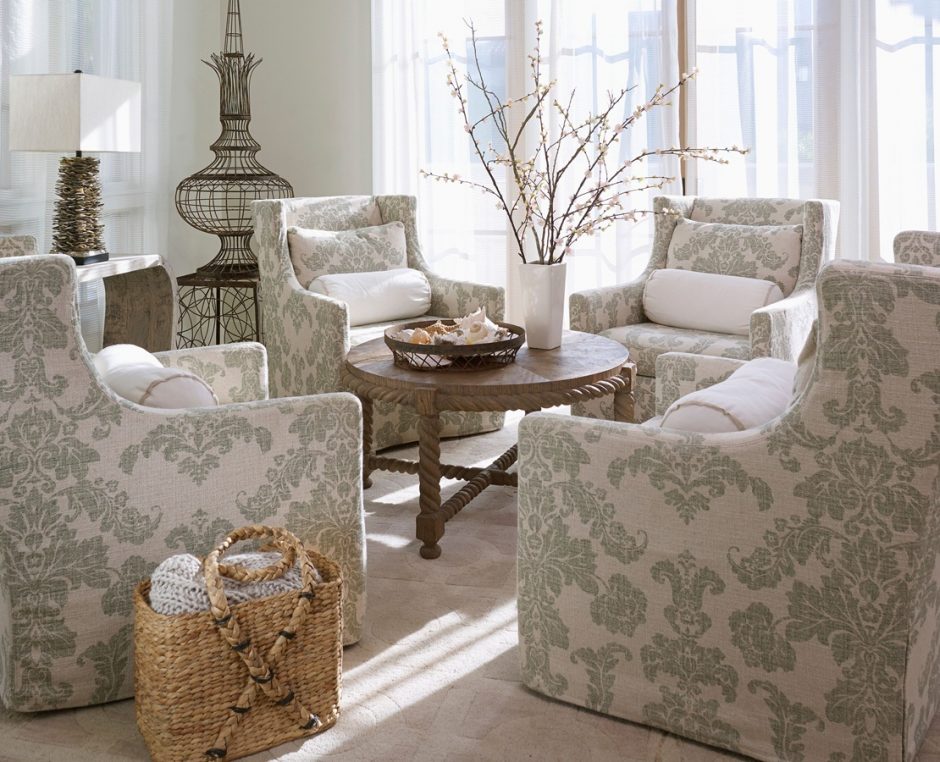
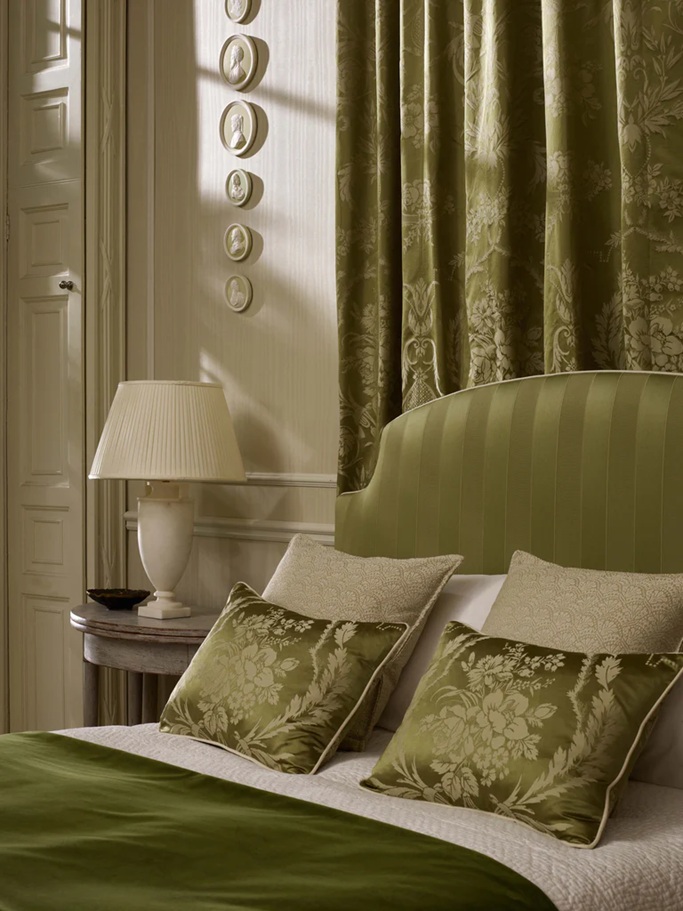
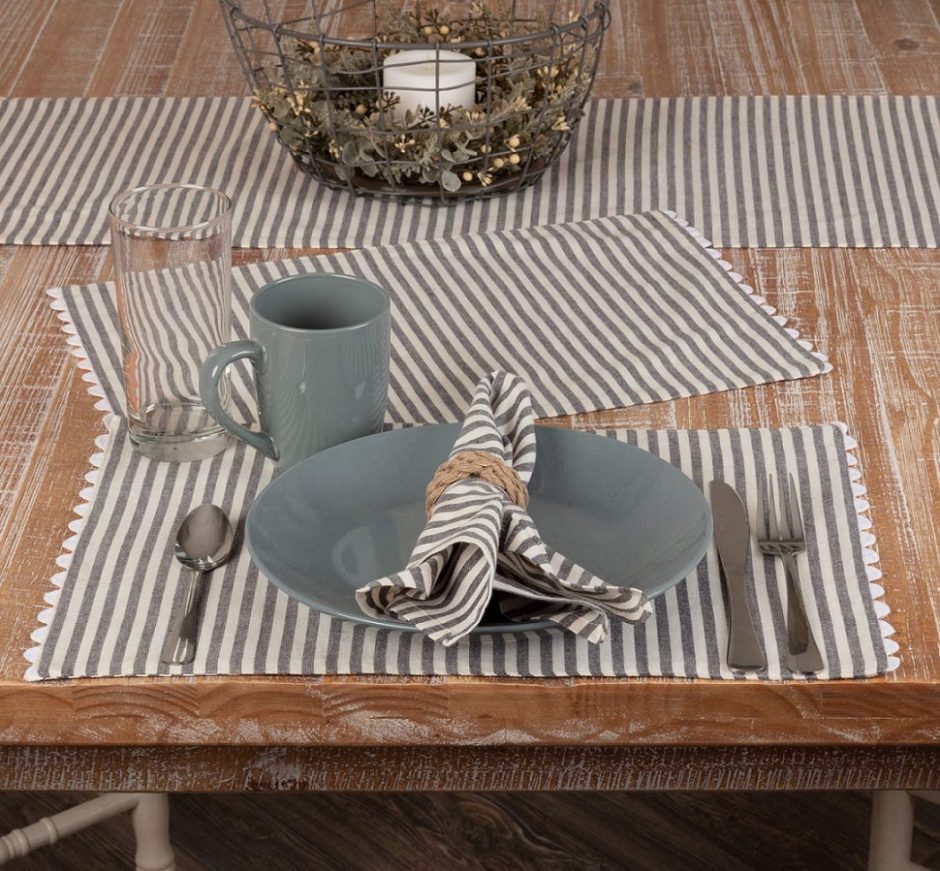
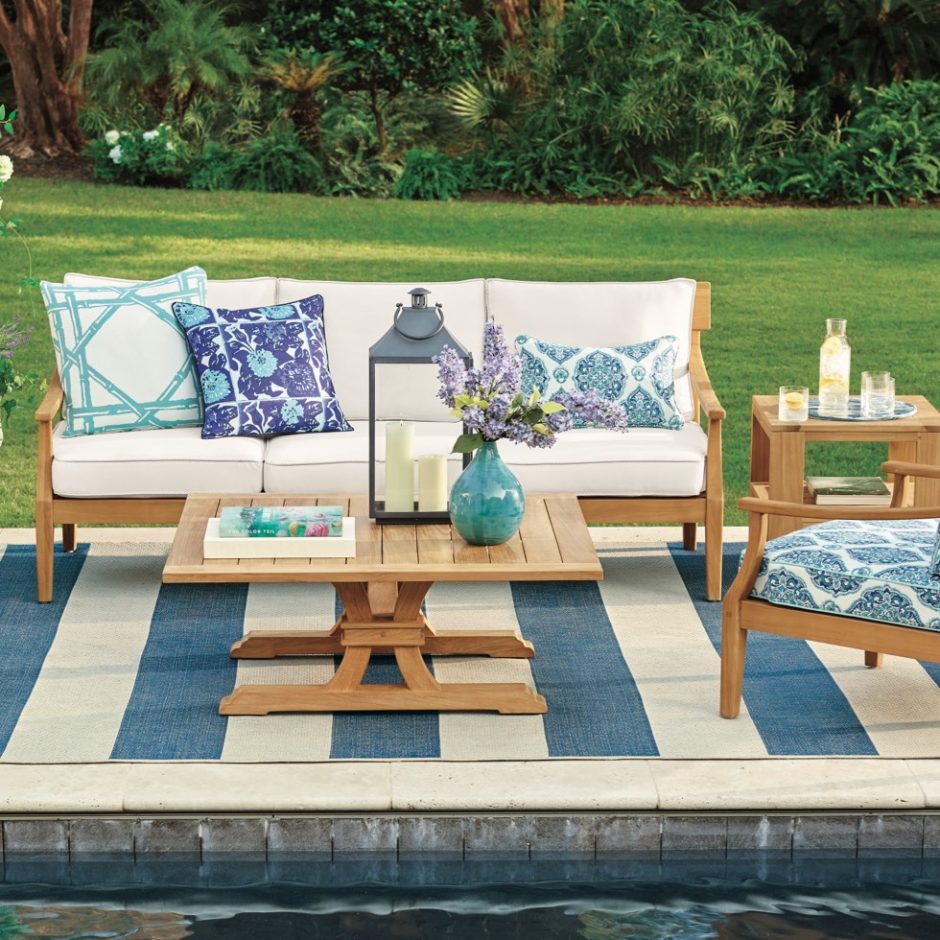
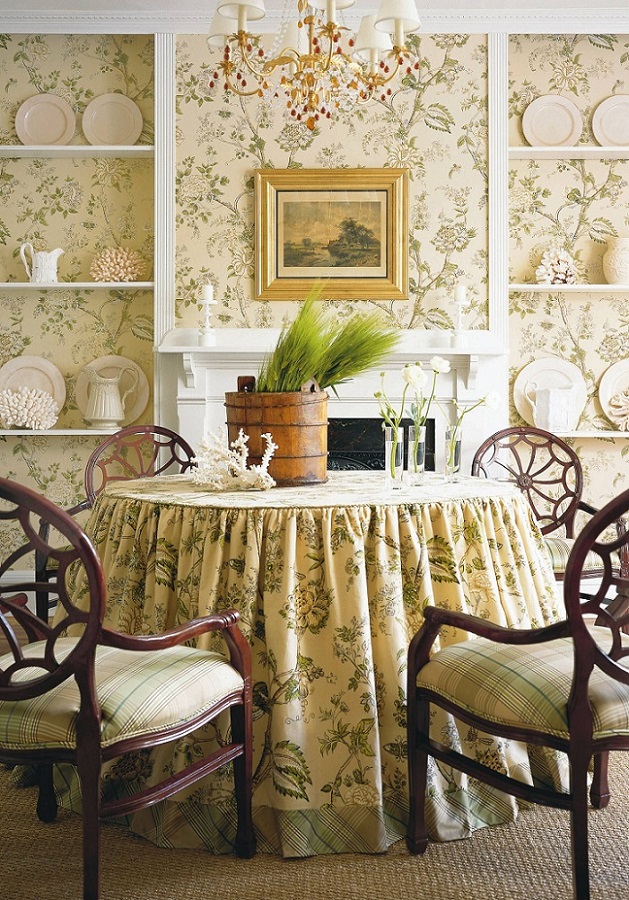
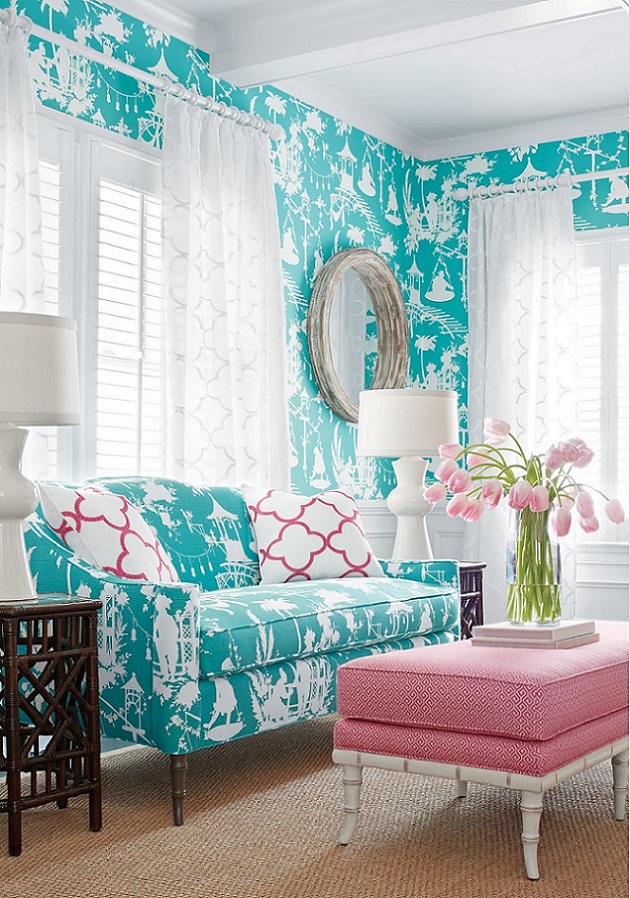
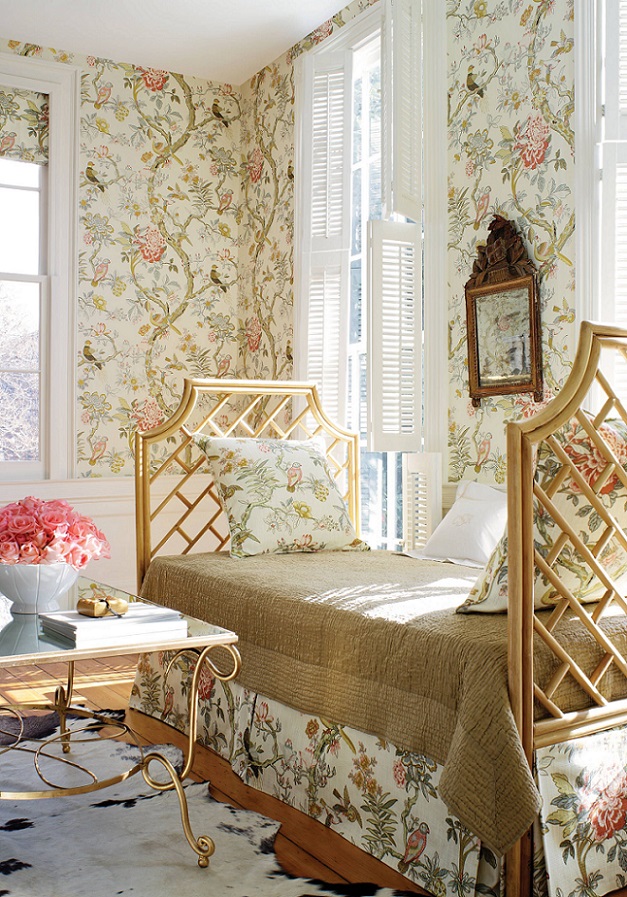
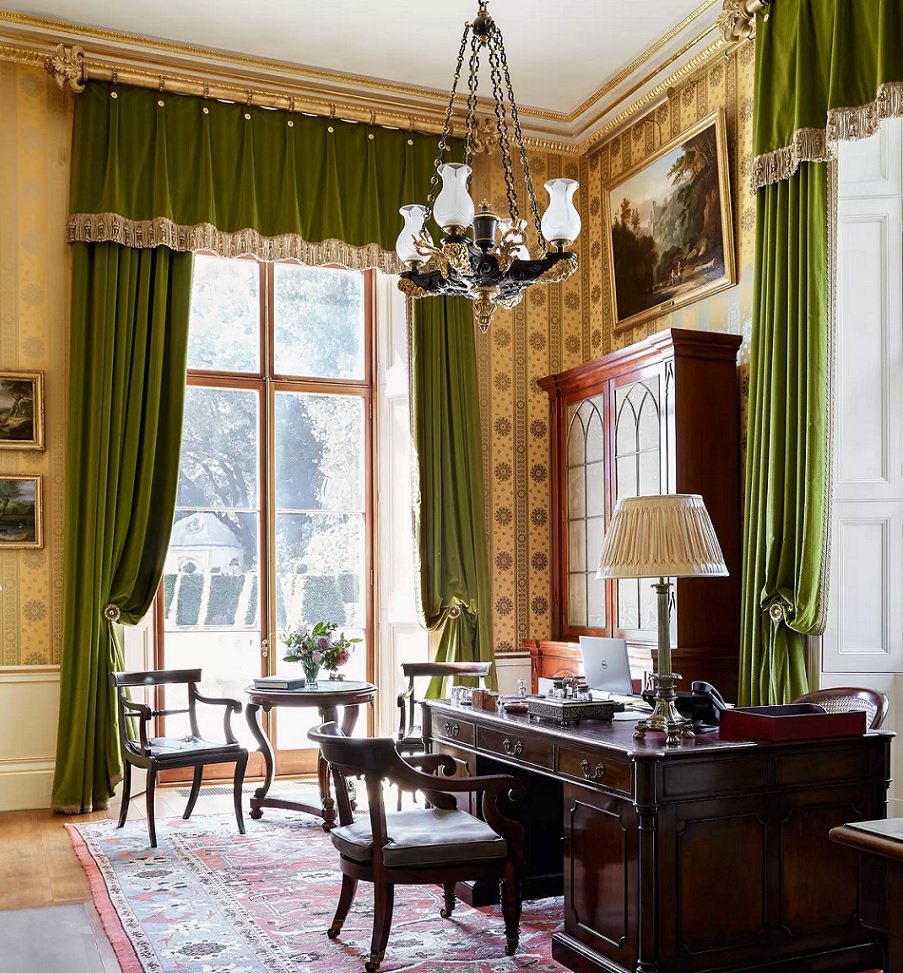
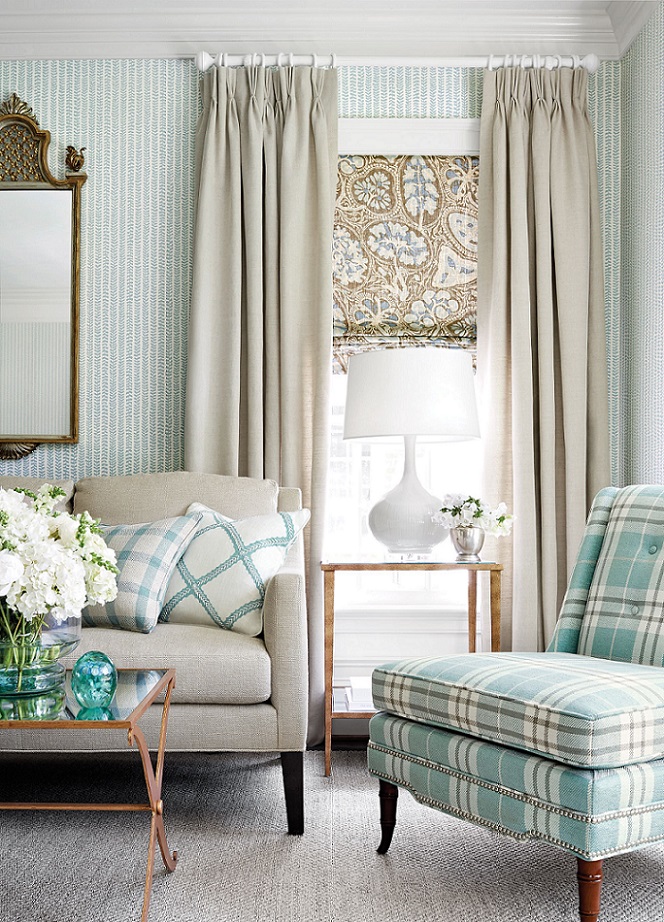
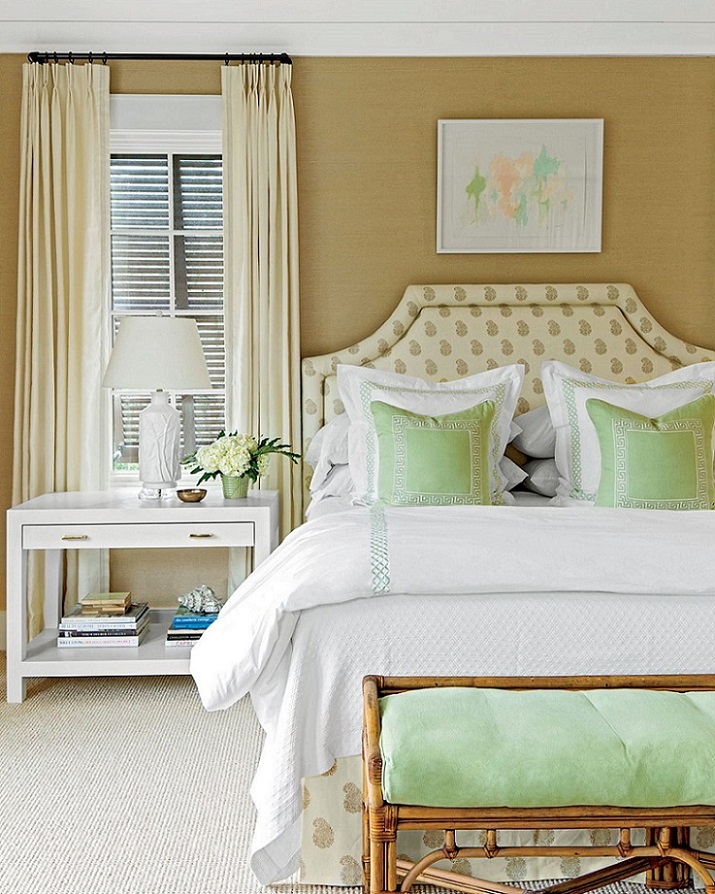
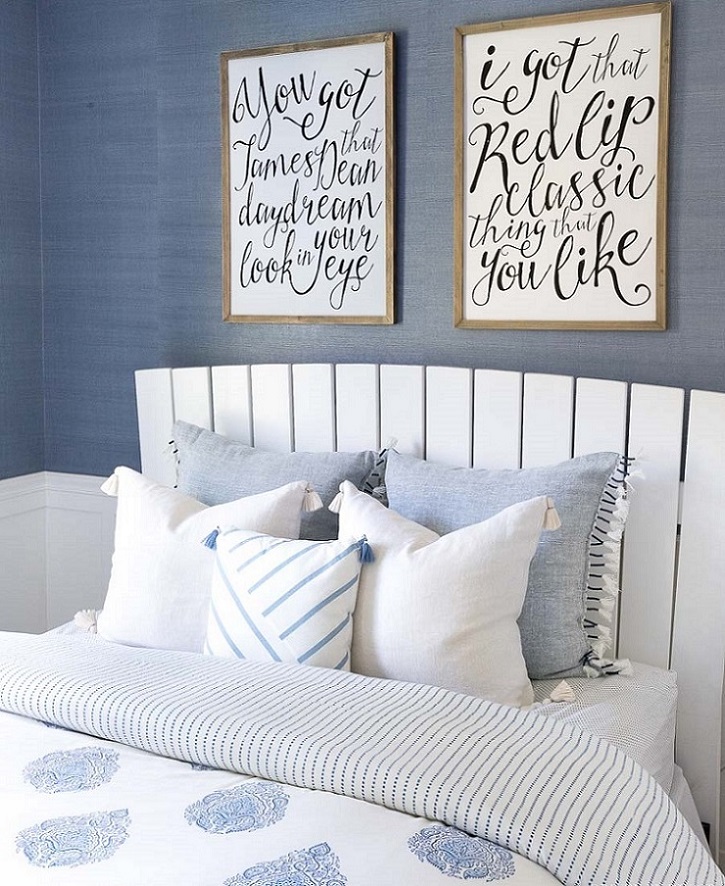
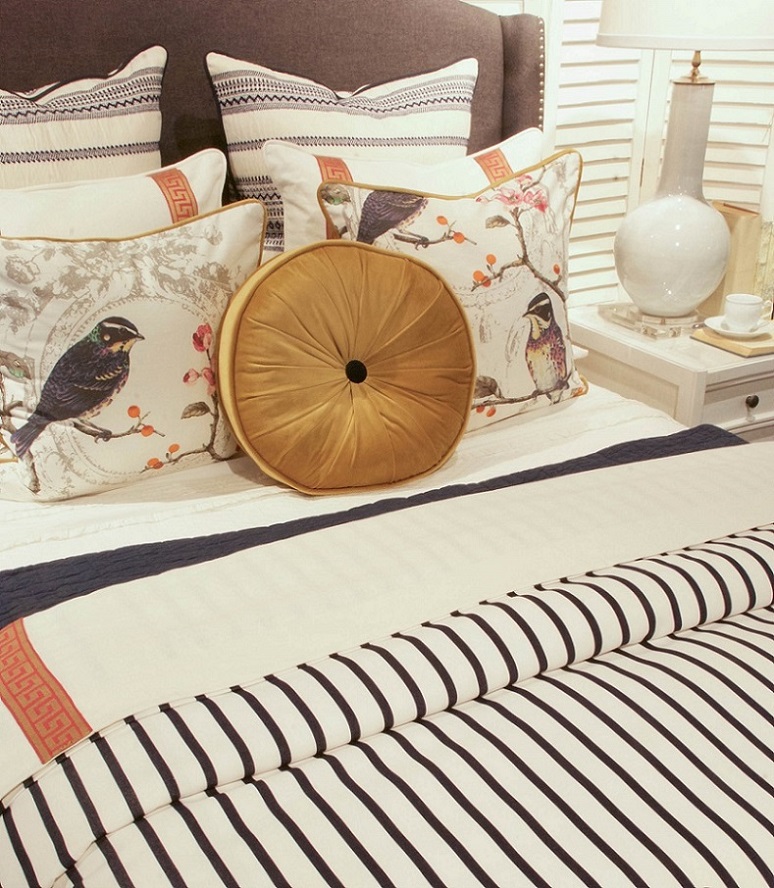
Recently, the use of Jacquard textiles has returned to interior decoration, mainly in the form of curtains, furniture upholstery, cushions, and bedspreads. The tone-on-tone patterned versions create a particularly elegant effect. Textiles made this way are quite durable and age beautifully, which is why it is easy to pair new upholstery with antique accessories (e.g. cushions).
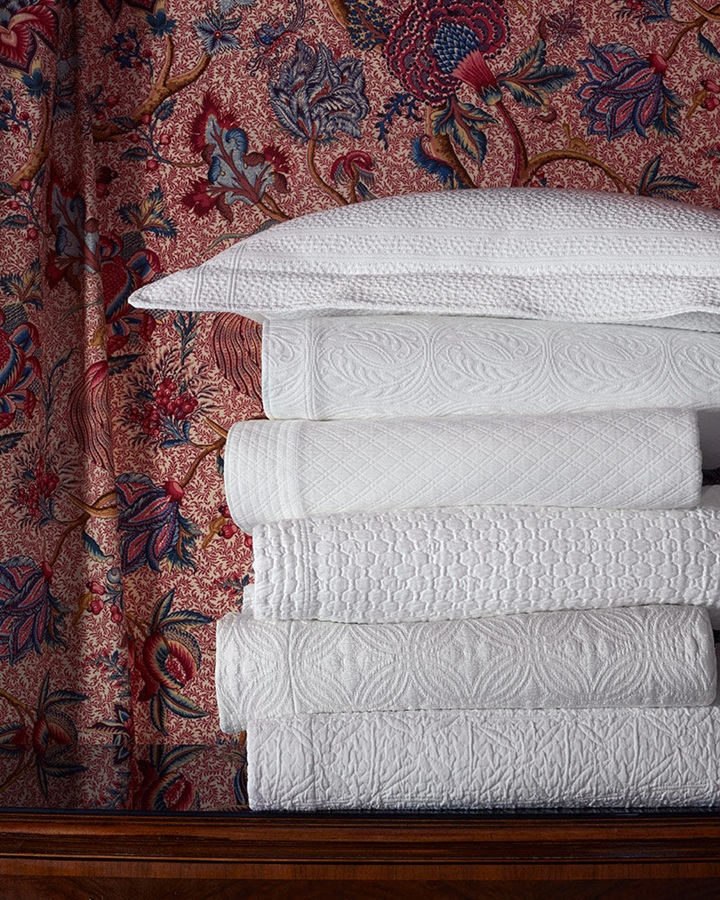
The name Jacquard textile does not refer to the material itself, but to the method of weaving. In 1804, Joseph Marie Jacquard developed a device that, fitted to weaving machines, made it easier to produce patterned woven (i.e. non-printed) fabrics. Punched cards strung in an endless row controlled the weaving machine, which thus produced the pattern automatically instead of the laborious hand weaving that had been done previously. Each row of the punched card corresponded to a row of yarn in the textile. The yarn itself could be of many types: cotton, silk, wool. This made fabrics – usually single or two-tone – such as brocade, damask or matelassé (quilted textile) available to a wider range of customers.
This opened a door once again for the reuse of beautiful, antique textiles.