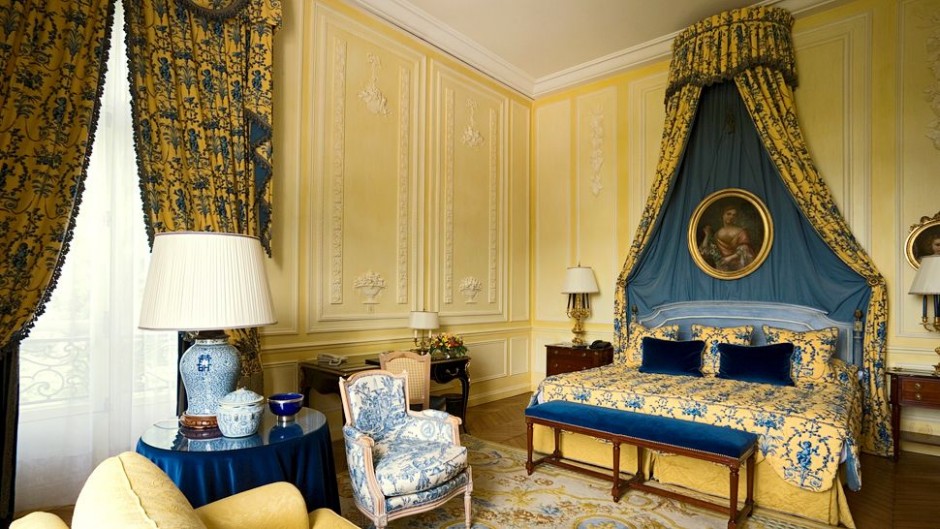
My latest job on the lakbermagazin.hu website:
http://lakbermagazin.hu/lakberendezo/lakberendezo-munkak/2492-1-plusz-2-felszobas-budapesti-panellakas-klasszikus-stilusban-67m2.html


My latest job on the lakbermagazin.hu website:
http://lakbermagazin.hu/lakberendezo/lakberendezo-munkak/2492-1-plusz-2-felszobas-budapesti-panellakas-klasszikus-stilusban-67m2.html
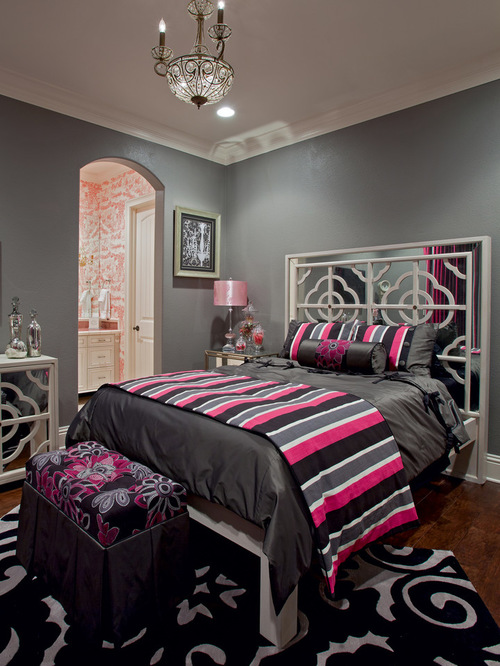
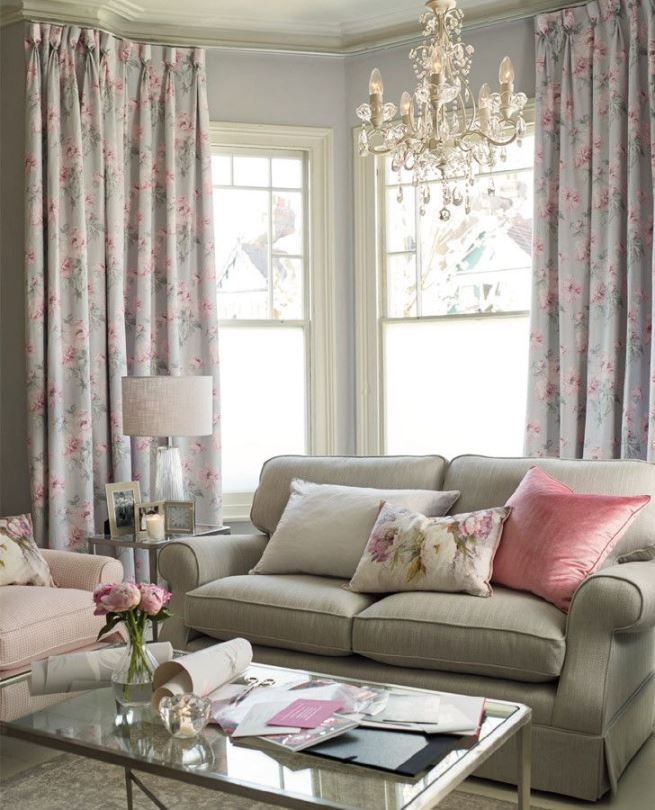
Color pairs: grey-pink
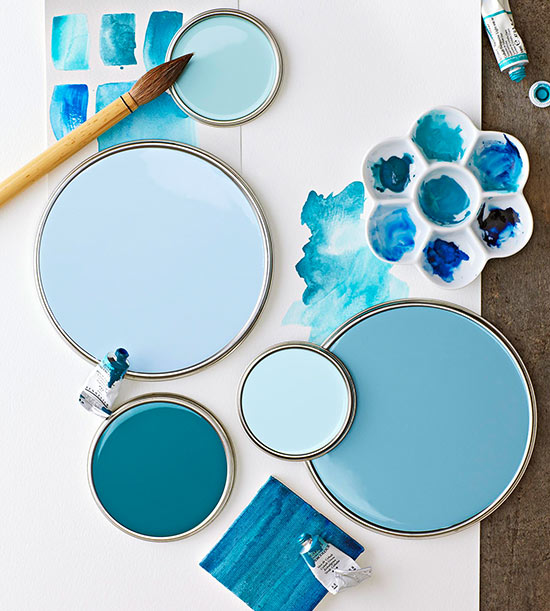
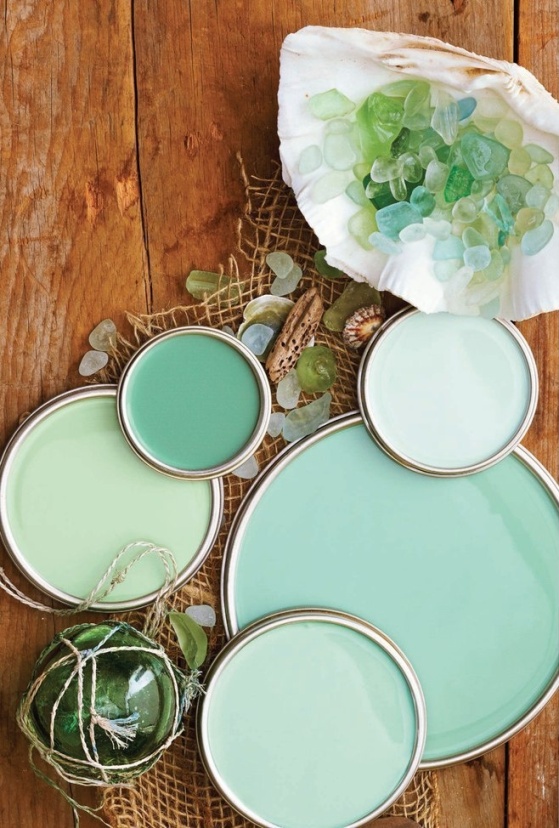
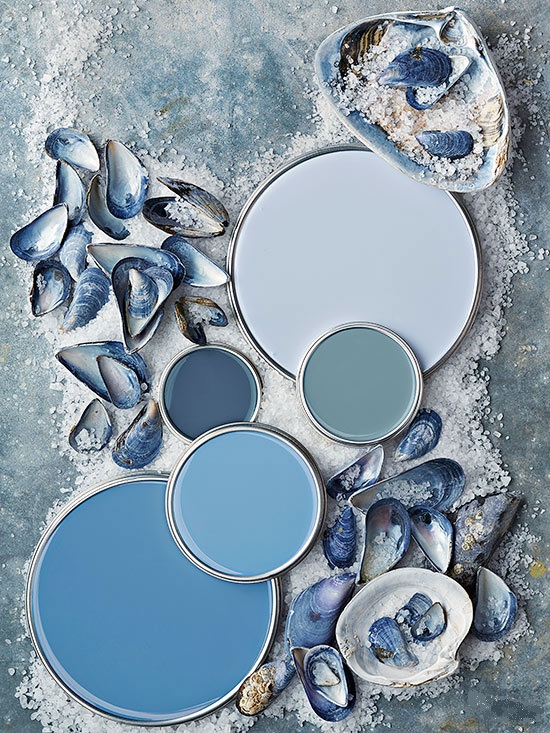
Refreshing colors of the sea
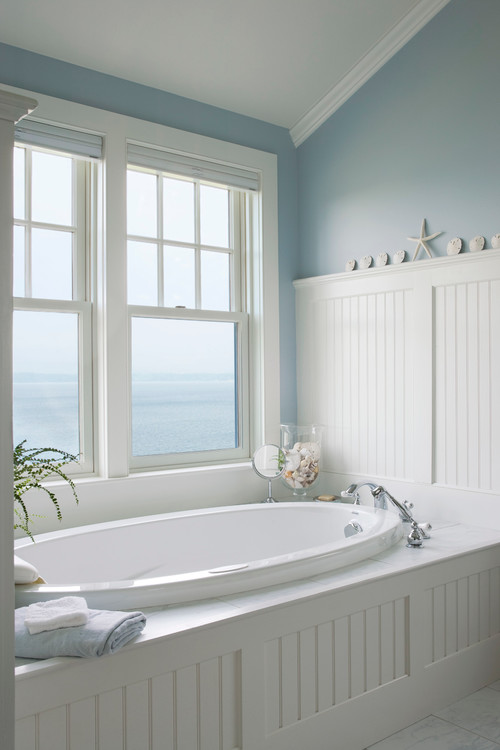
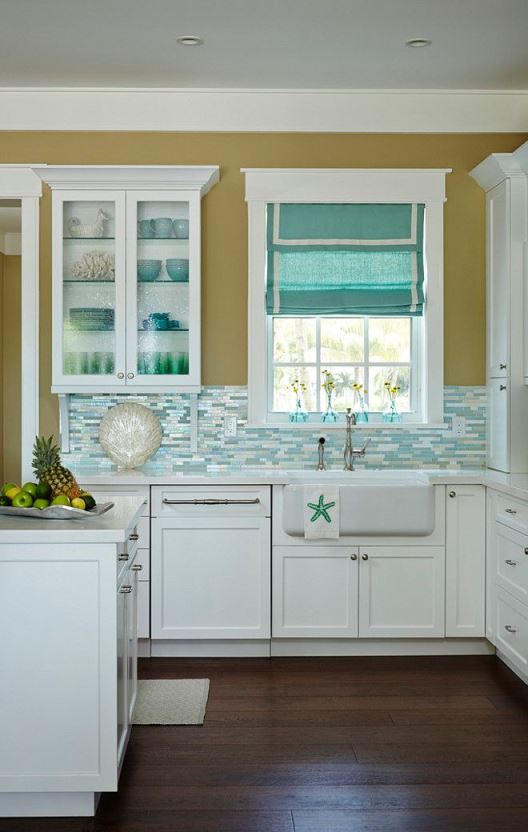
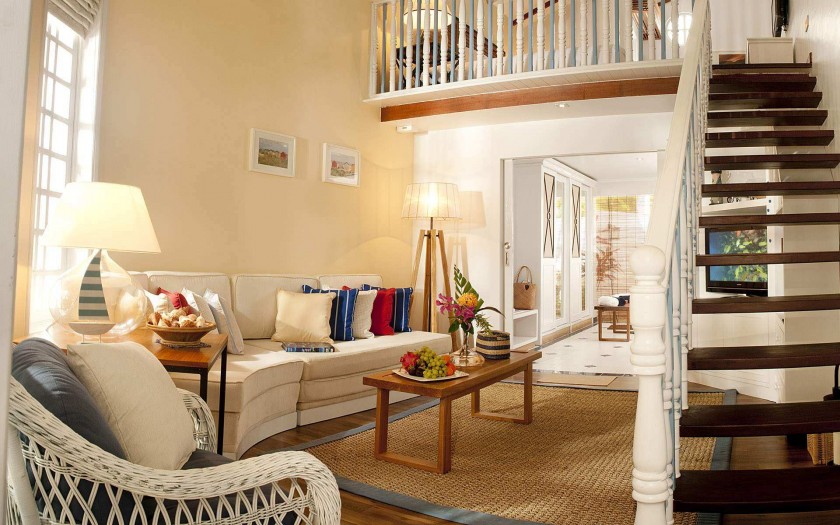
Beach style captures the heart not only in summer, but it is popular all over the year. The reason is maybe the cheerful, airy yet elegant and sometimes contrasting color scheme and the memories of vacations.
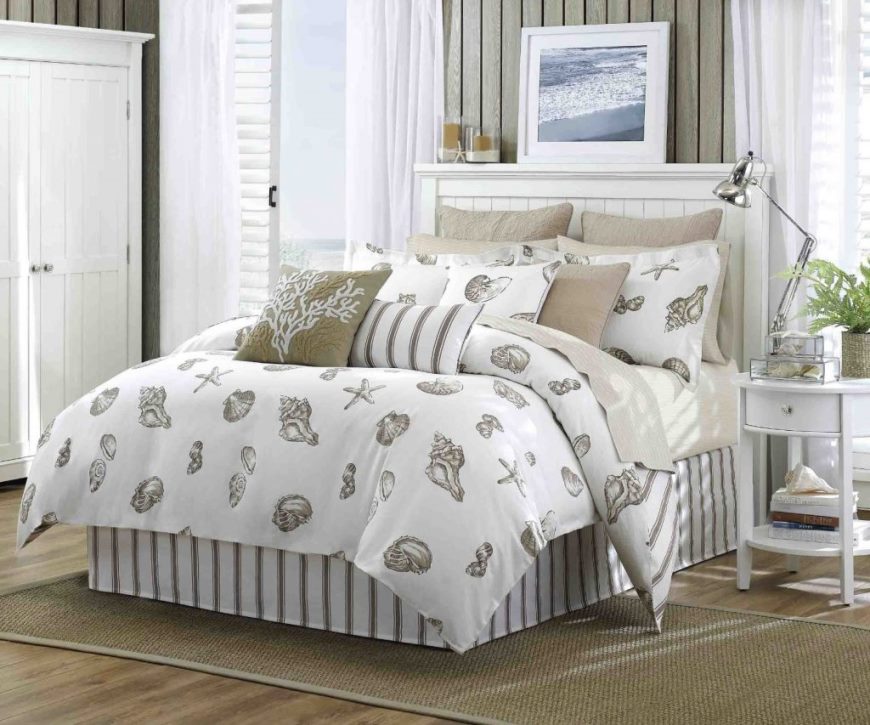
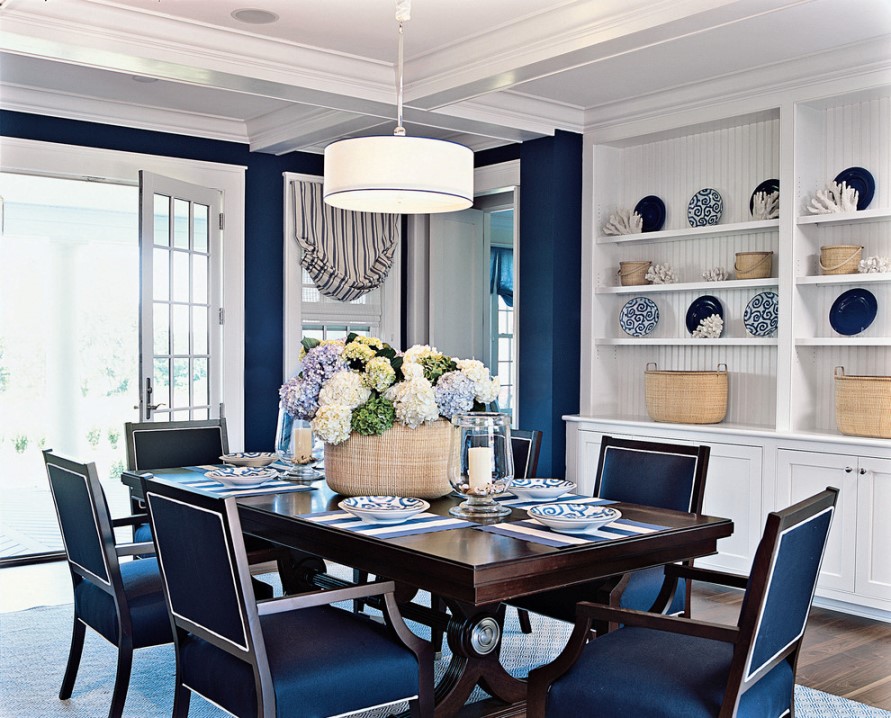
Beach style can be created in the easiest way with two basic colors: white gives a refreshing clean and a sharp clear background for the decoration, beige/sand provides a much more calm and natural basic. The total effect is colder in the case of the first one and warmer in the case of the second. The additional colors are the same in both cases:
The brown of the natural wood (except for orange and reddish hues) appears commonly on the floor, on the beams and on furniture. It’s important that it is not a painted brown color but the wood’s own color which is protected only with a coat of lacquer, this way its pattern also remains visible.
The neutral colors (warm greys, beiges) of natural fabrics (linen, sisal, coir, hemp etc.) look good on carpet, curtains, covers of seats and on accessories like table lamp made of cord, for example.
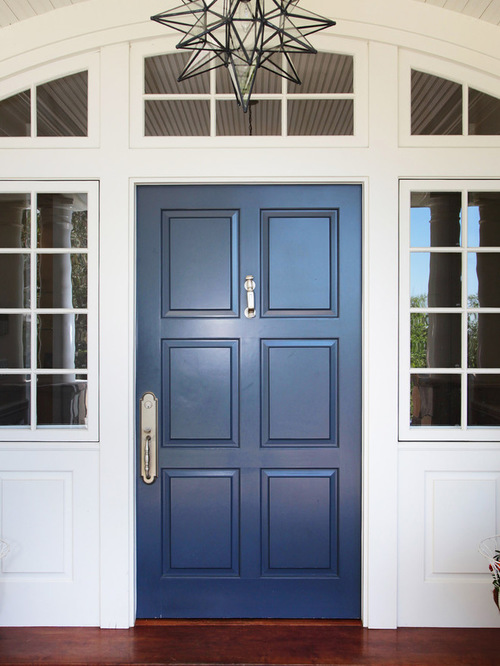
Navy blue is a quite dark color, still it is frequently used as wall color also, not only on accessories. It anchors the space and makes the style much more „tangible”. The effect is high contrast, still calming if pairing it with white.
Brighter colors like turquoise, blue water, sunny yellow and red are commonly the colors of accessories. Of course, nothing forbids using them in larger amounts also, even on the walls, but attention should be paid to fit for the beach style. This is much easier to keep if they are paired with white.
Definitely striped is the favorite among patterns which fits perfectly for this style. The advantage of it that it can visualize more of the colors mentioned above in the same time. Patterns depicting ships and their parts, sea-animals and seaside buildings can be freely used also. Seashells and sea-glass can be collected, starfishes, corals and colored glass bubbles can be bought for decoration, but the wall can be decorated even with a steering wheel of a ship.
If you also would like to go home after work as going to holiday in all over the year, ask for help of an interior designer for creating the seaside mood.
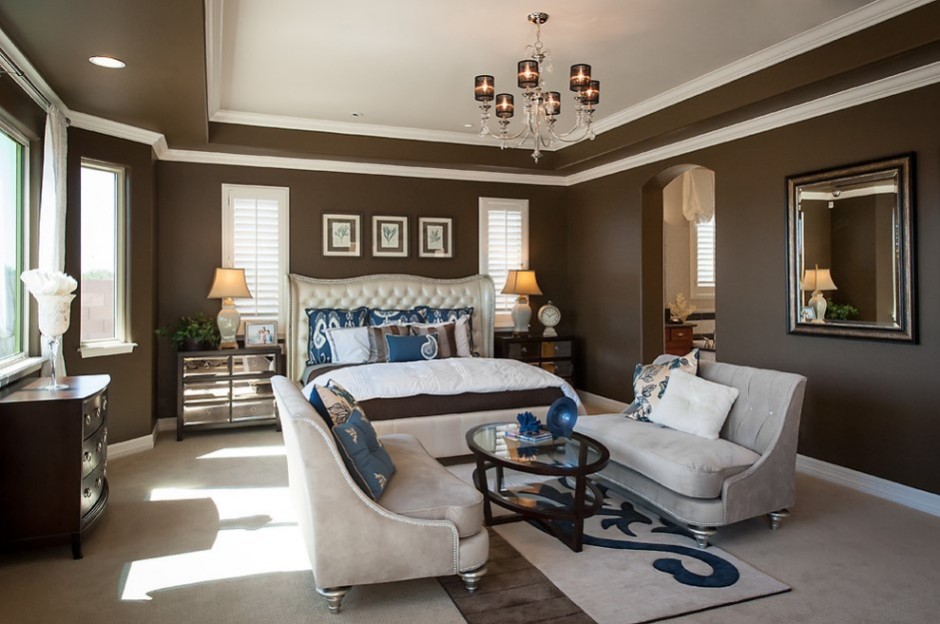
Don’t afraid of using dark wall colors: elegant, cozy and make the room spectacular
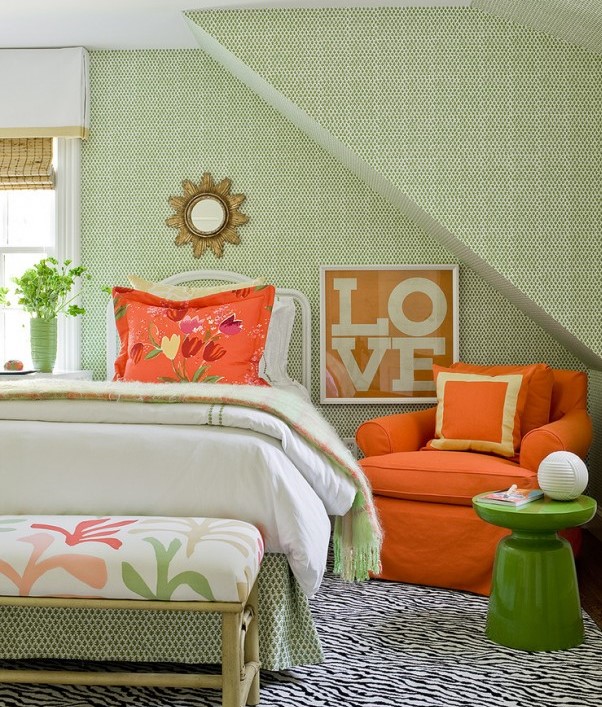
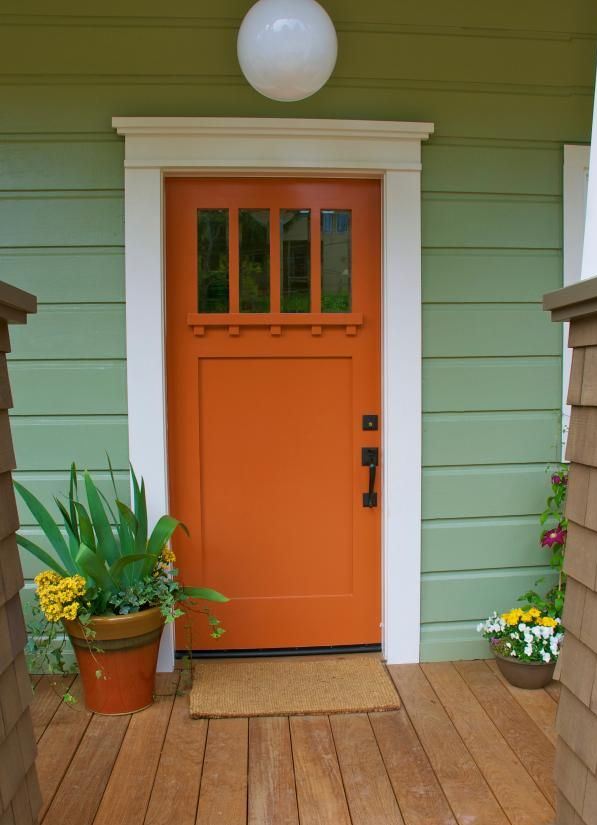
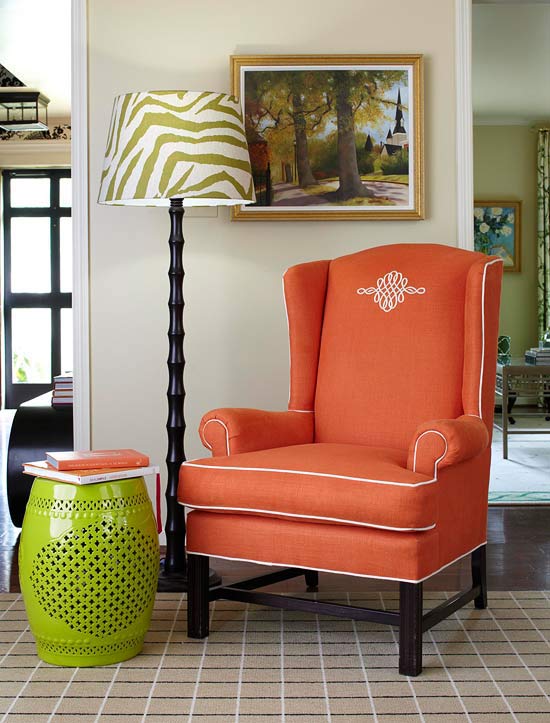
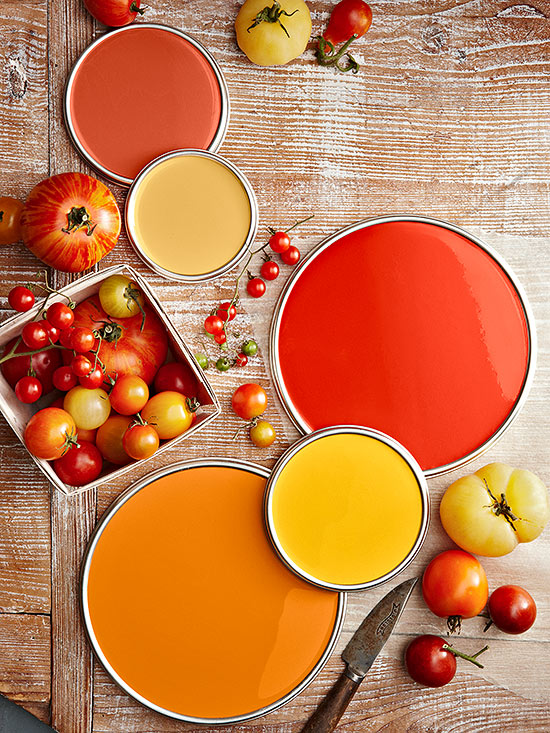
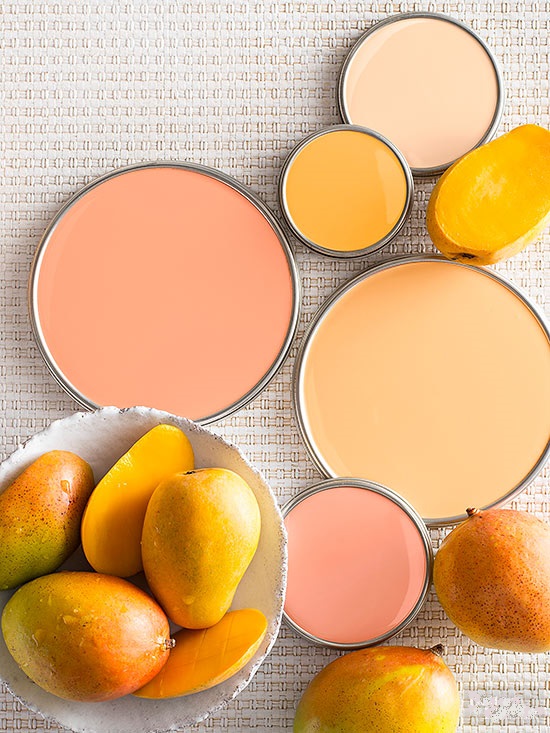
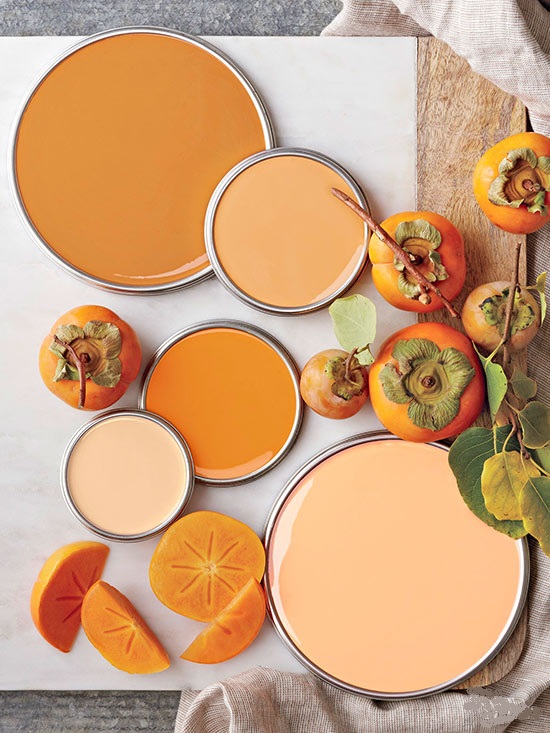
Color pairs: green-orange
Warm colors of summer fruits
Several base materials were used throughout the history for making different paints. There are two main groups of them: artificial and natural based. In the latter case we discern mineral, floral, animal and fungus origin paints. They were used equally for paintings, fabric dying, wall painting, ceramics, and even make up.
Prussian blue is an artificial color also. It was first created about 1705, with mixing potash, ferric sulfate and grease. Mountbatten pink was named after the famous general about 1940 who used this as camouflage color to hide the destroyers for the enemy at twilight and dawn. It was mixed from mauve, light pink and grey. For example, white lead, cadmium yellow and Tiffany blue are artificial colors also.
In ancient Egypt copper carbonate was ground, mixed with grease or resin for making malachite green and used as eye shadow make up, around b.c. 2500. Verdigris was also a paint material in Greece since b.c. 300. The green patina was scraped from copper and used as a pigment. It can be created by soaking copper in vinegar or vine also. For example, galena (greyish black) and raddle are mineral colors too.
Turmeric is a floral based paint which is created from the root of the plant. It was used since about b.c. 3000 in India, the dresses of Hindu brides were colored with it. Julius Caesar mentioned the blue paint made of woad in his description of his campaign in Britain, where the enemy used it as a deterrent war make up. For example, the red of mudder is a floral paint also.
There are less animal based paints. Purple was made of a species of lice, they were dried and ground. Montezuma I. got this material as tax. The red coat of British uniform was dyed with this paint until the 20th century. For example, Tyre purple is an animal color also.
Litmus lilac was made of a species of lichen by drying and grinding. It was very popular about 1300 in Florence. Several species of fungi are used for making paint with ammonia or vinegar, which encompass the range of colors from pastel yellow, through rust red and brown to deep dark green.
Nowadays more paint factory keeps on producing paints based on natural pigments, just as several textile factories work only with these kinds of dyes – since they don’t emit pollutants. Ask for help of an interior designer for choosing one.
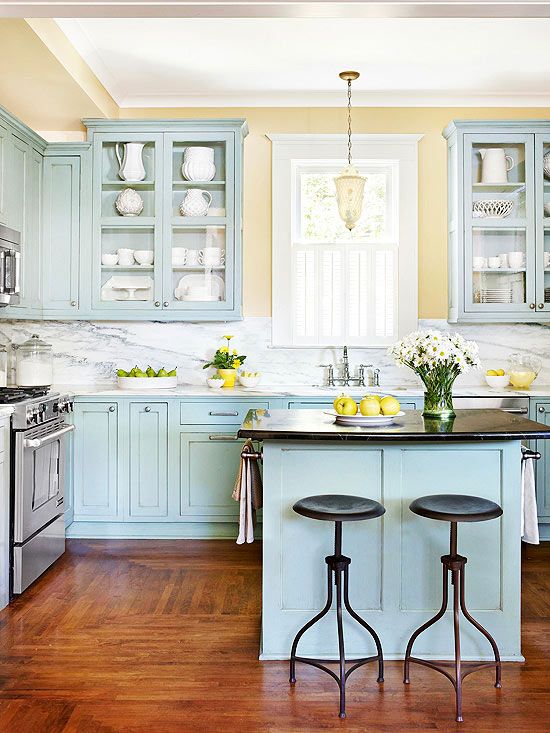
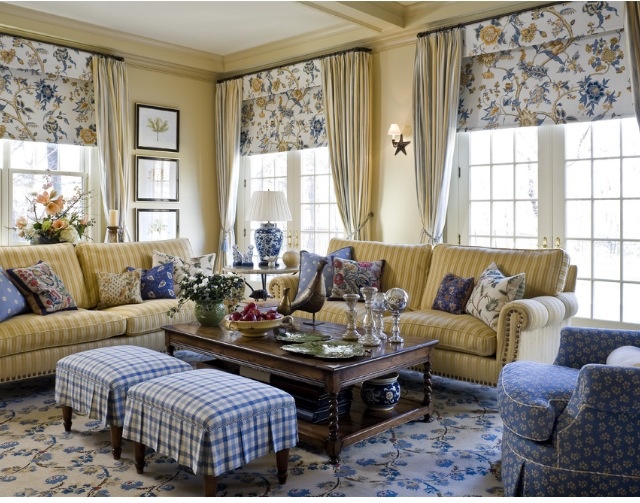
Color pairs: blue-yellow
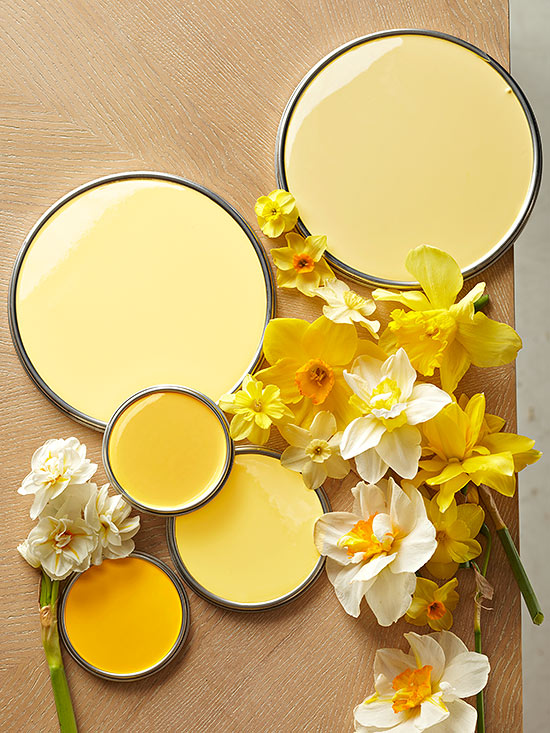
Sunshine, flowers, cheerful yellows