New decoration idea spreads: Autumn Tree on the model of decorated faux-pine tree for Christmas




New decoration idea spreads: Autumn Tree on the model of decorated faux-pine tree for Christmas
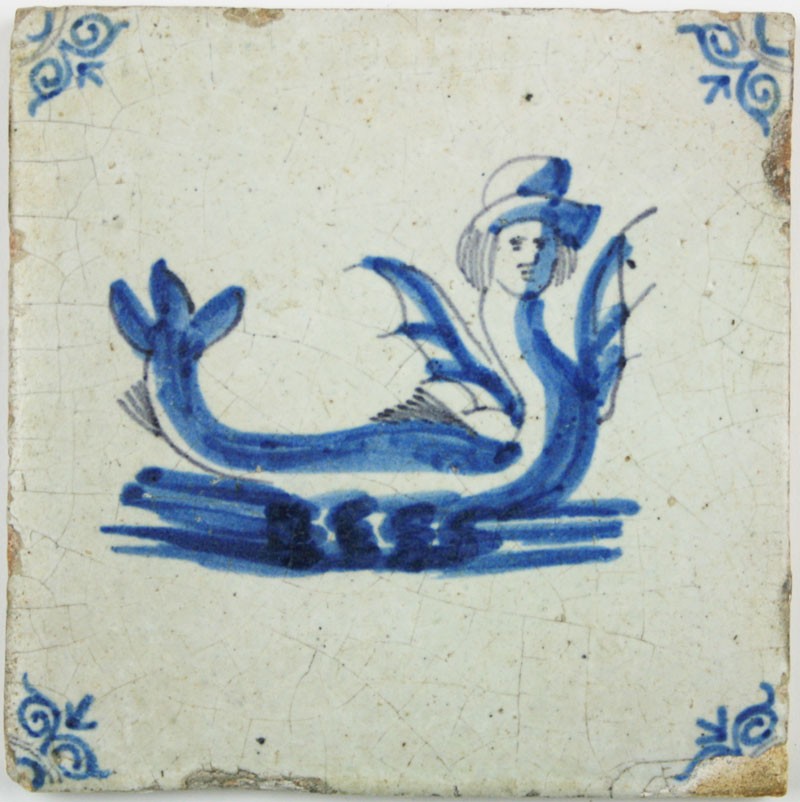
The invention of Delft pottery in the mid-1600s was a response to the popularity of Chinese porcelain products imported by the Dutch East India Company. The tin-glazed earthenware was a cheaper alternative of the expensive import goods. In the 1640s the Delft potters started to use personal monograms and factory marks, and the tiles became works of art this way.
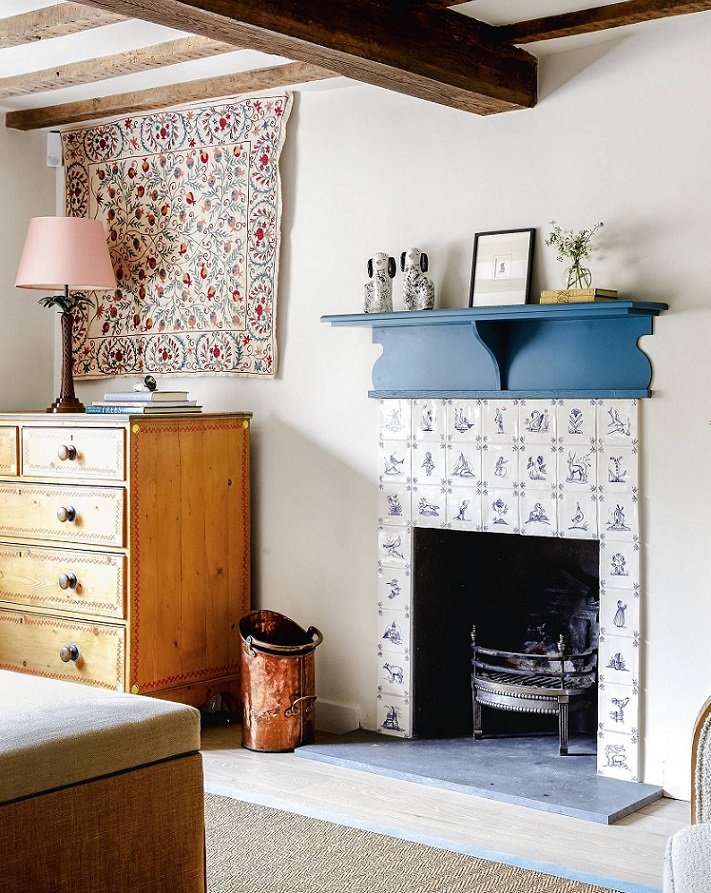
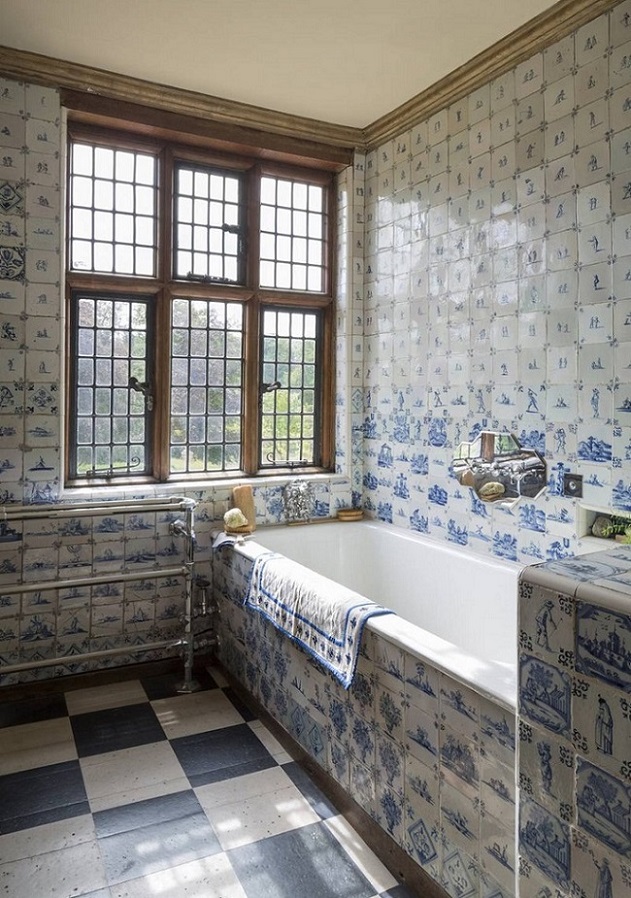
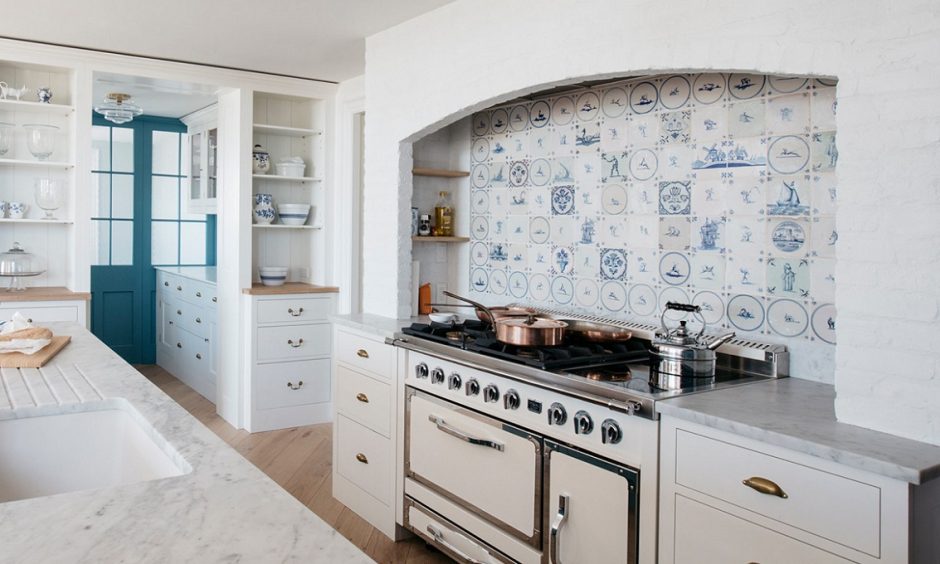
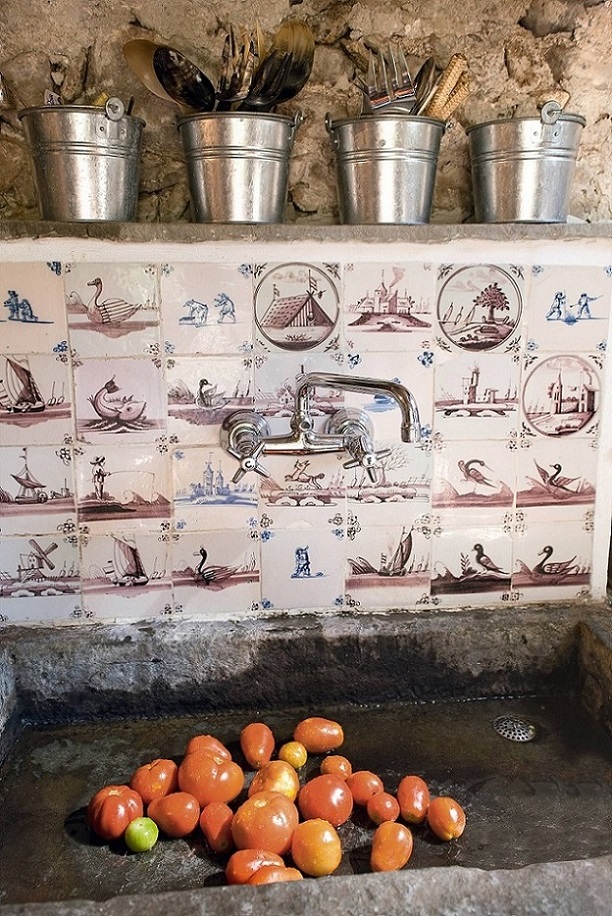
The white glazing imitated well the whiteness of porcelain. The hand painted pattern has mostly a wonderful shade of blue, but brown is also frequent. Delft products first copied the patterns of Chinese imports, but later motifs of Dutch life appeared, for example tulip, windmill, sailing ship and farming scenes. The pattern featured a merman wearing a top hat is produced since 1650 until today! Large patterns consisting of several pieces are preferred also, mostly as kitchen backsplash.
As wealth spread in the mid-class, tiles were more and more popular in homes. Most of them were around fireplaces and in kitchens because they could be easily cleaned. Delft tiles reached other countries in Europe also. In England, the new technique of transfer printing allowed for Delft-style tiles to be mass produced.
Some Dutch company manufacture these products by the original methods, this way they can be ordered newly, not just antique pieces are left. Really spectacular focal points can be created by using them, almost in any room. Ask for help of an interior designer for this.
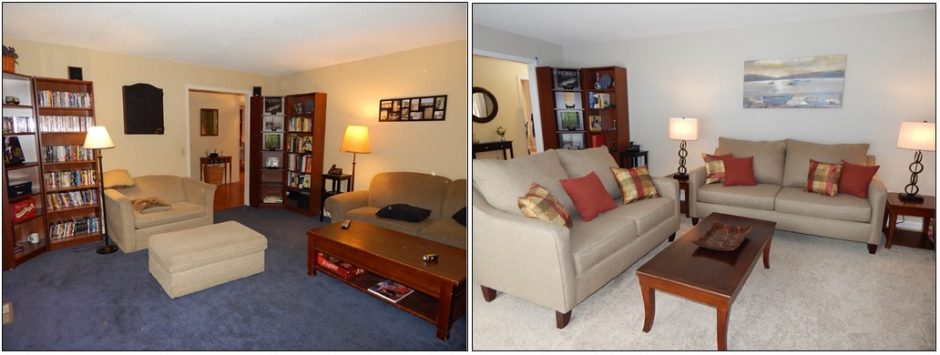
Interior desing = planning, makeover and furnishing the property for customizing it to the requirements and style of the owner(s). The owner sets the budget.
Home staging = furnishing/refurnishing the property (which is frequently inhabited) for fitting it to the taste and requirements of the more customers-to-be. The staging contains smaller makeovers but the spent amount on it should be maximum the 5% of the property’s value.
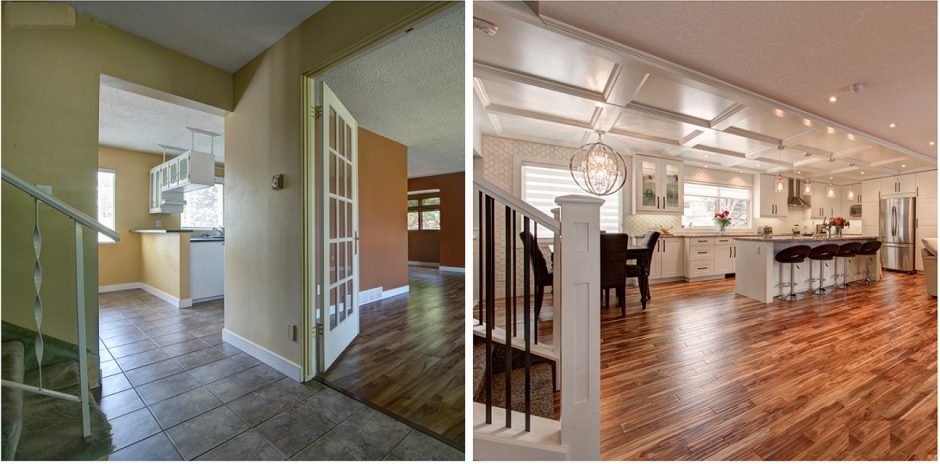
Real estate development/investment = buying a property in bad condition, then reselling it after a full makeover. It should be done in a way that the property fits the taste and requirements of the more customers-to-be. The spent amount and the profit after selling have to be conciliated.
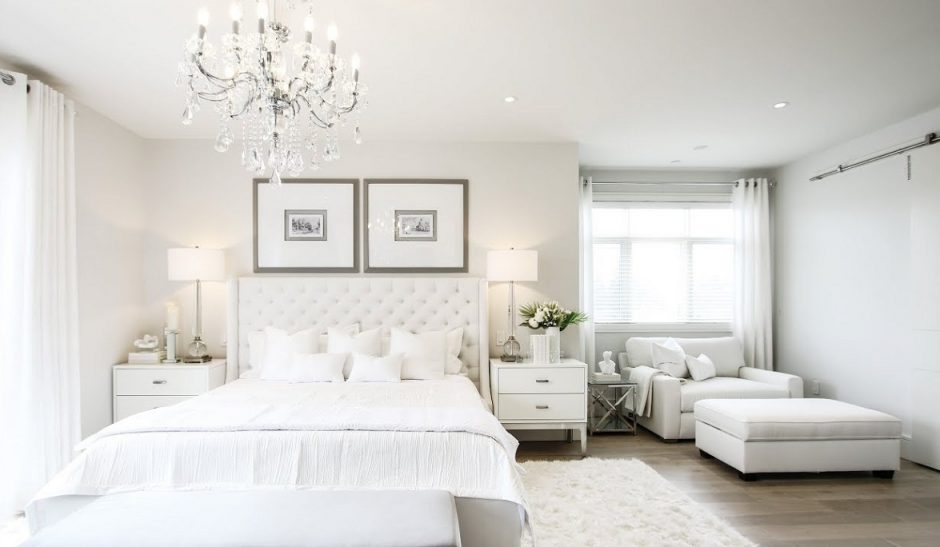
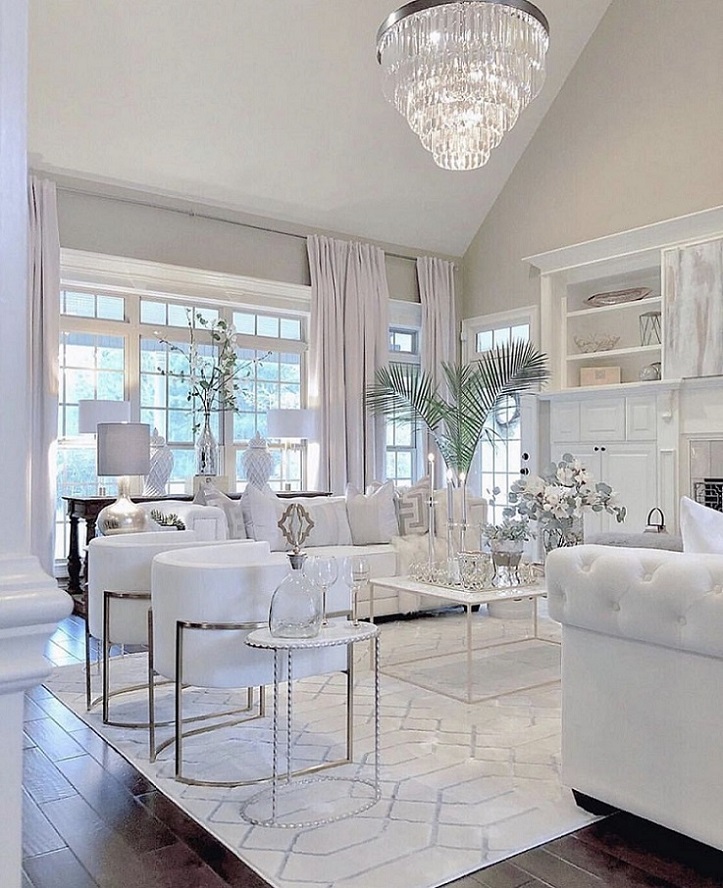
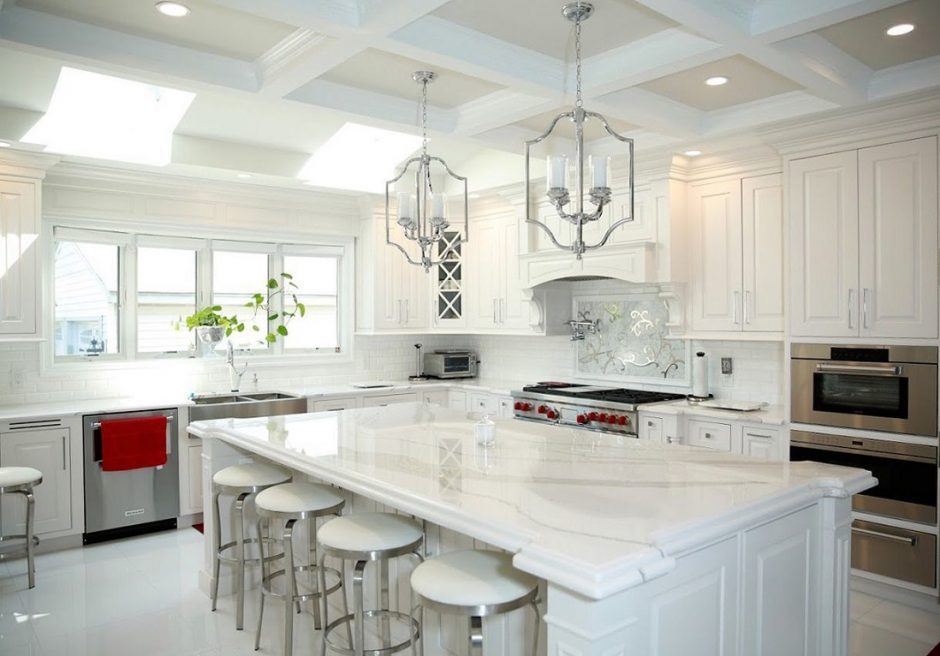
White with white – but not Scandinavian or vintage
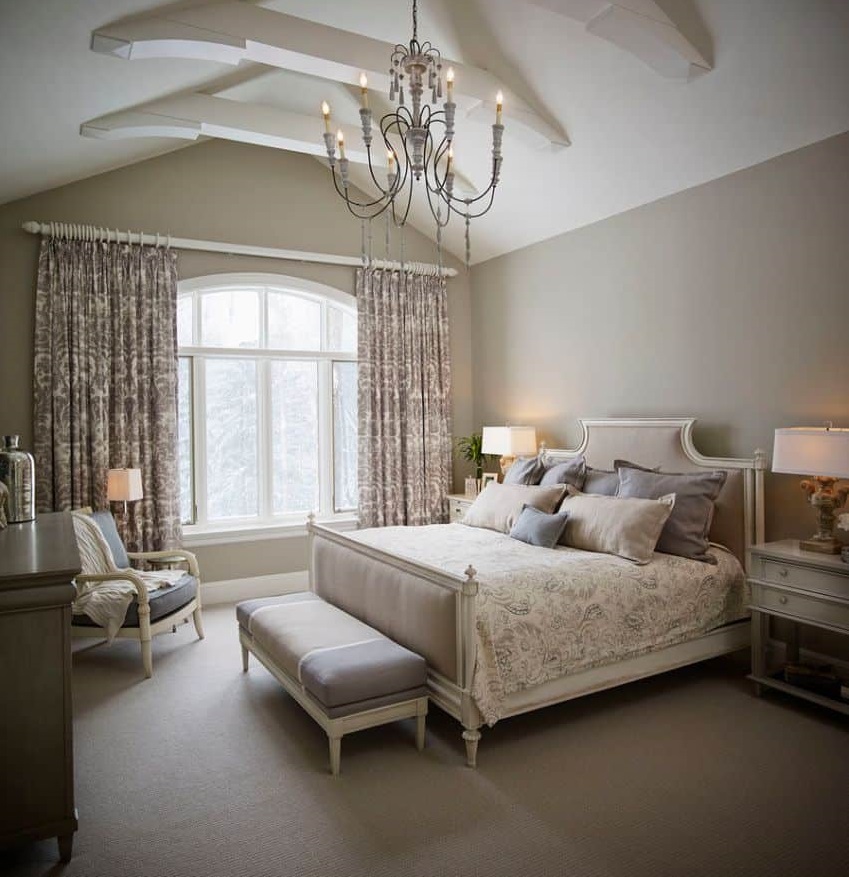
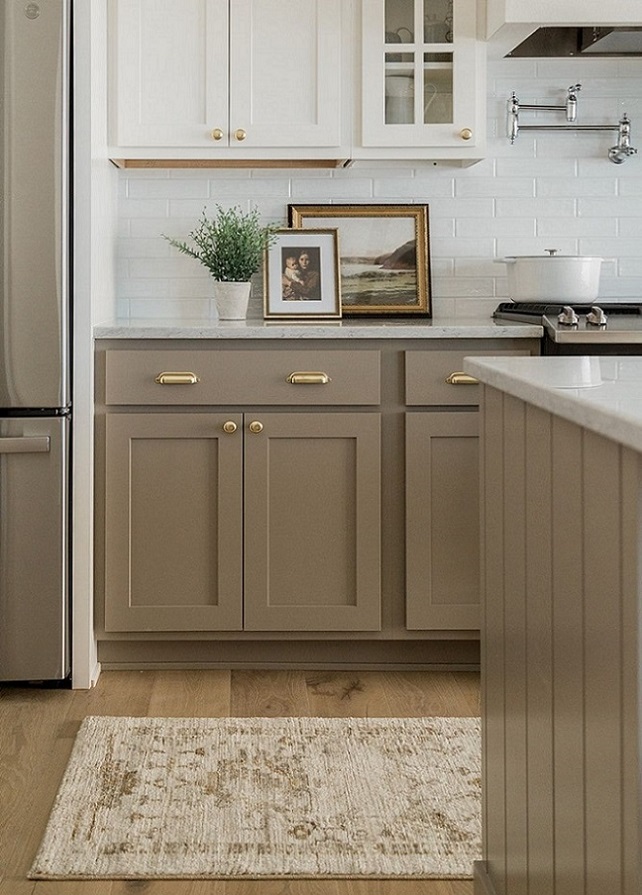
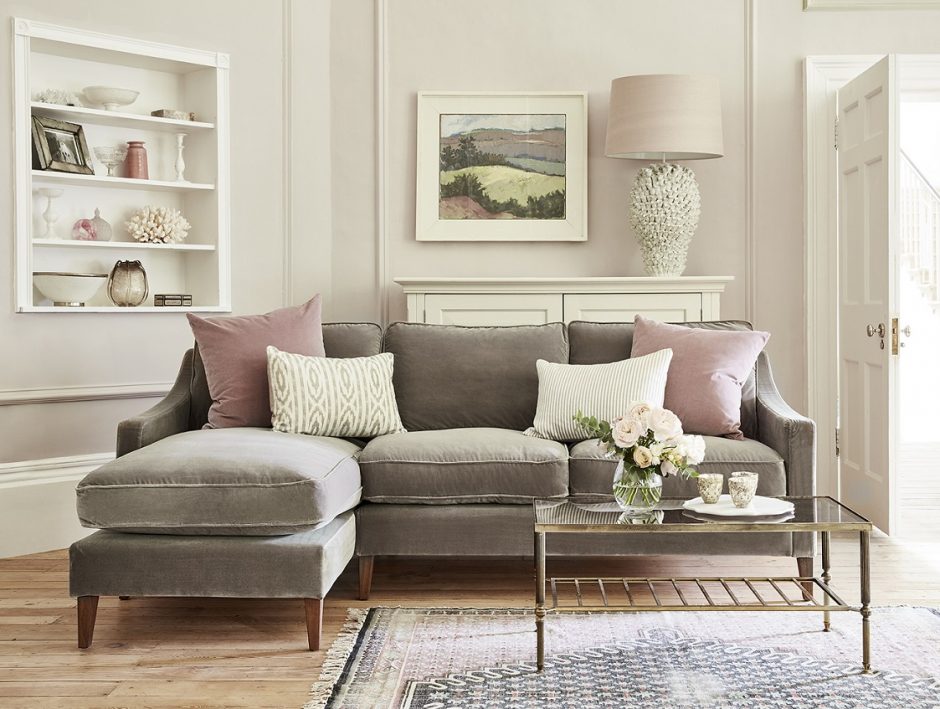
Taupe is a neutral color which is in the middle between brown and dark grey. Both lighter and darker hues are popular in interior design because it provides a natural base and it gives depth to the space. The French word taupe means mole, it was named after the color of the animal.
Macramé is a kind of textile made by knotting technique, by hand. The different types of knots give the final pattern. It has Arabic roots, reached Spain through the Moors and spread in Europe in the 14th century. It was really popular in the 1960-70s. Recently, it appeared again in interior design. For example, macramé curtains are good alternatives to the mass-produced string-curtains.
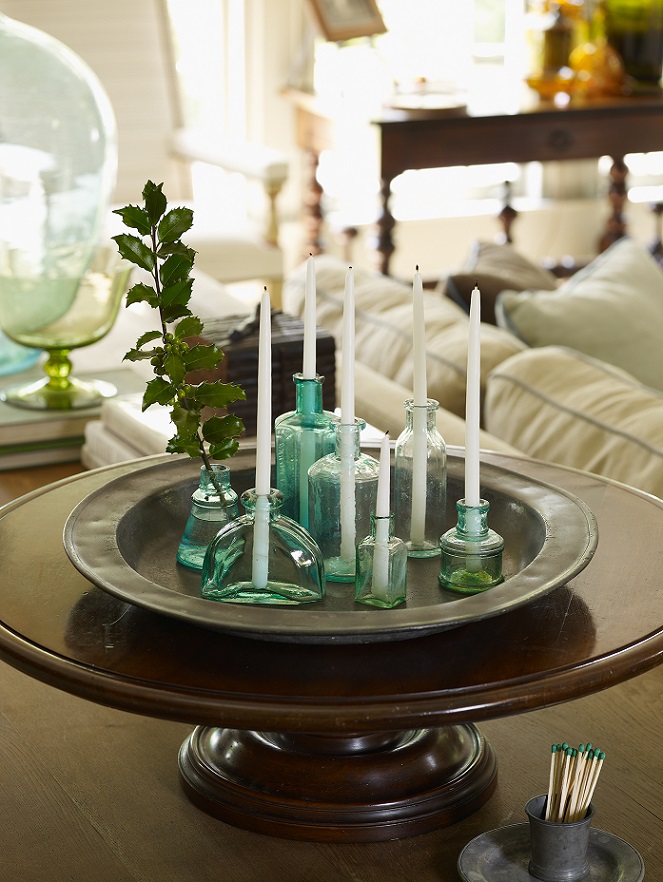
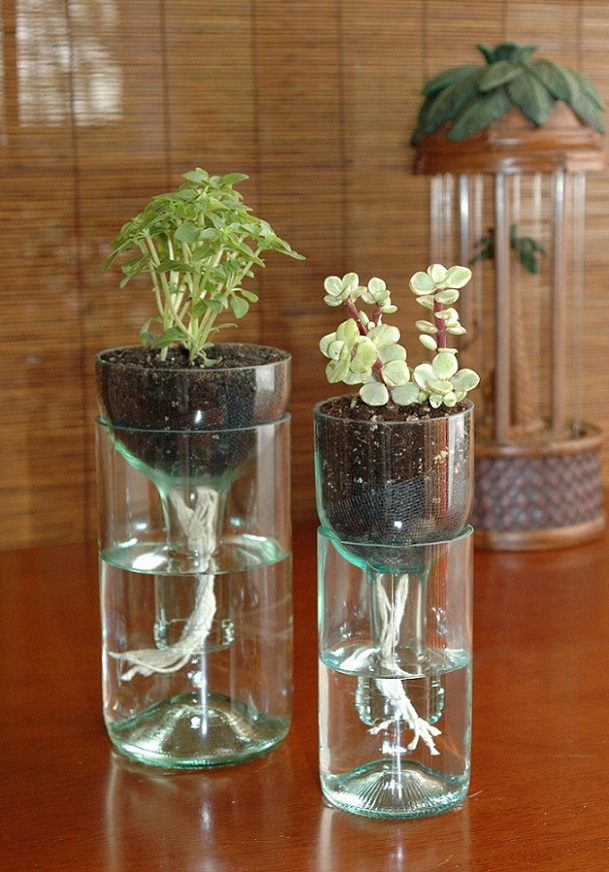
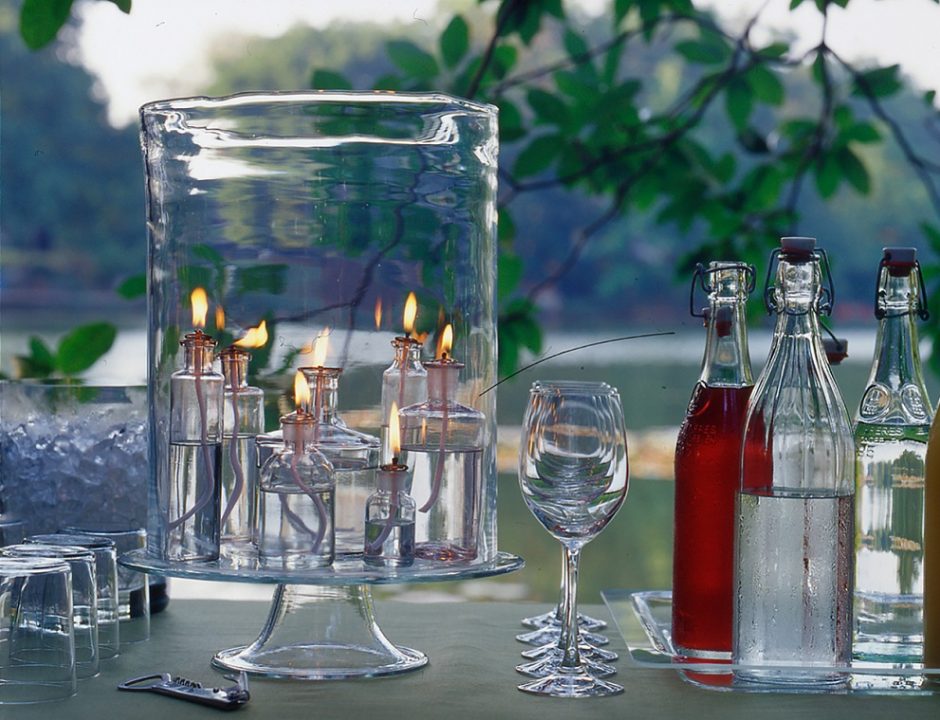
Decorative ways of upcycling not returnable bottles
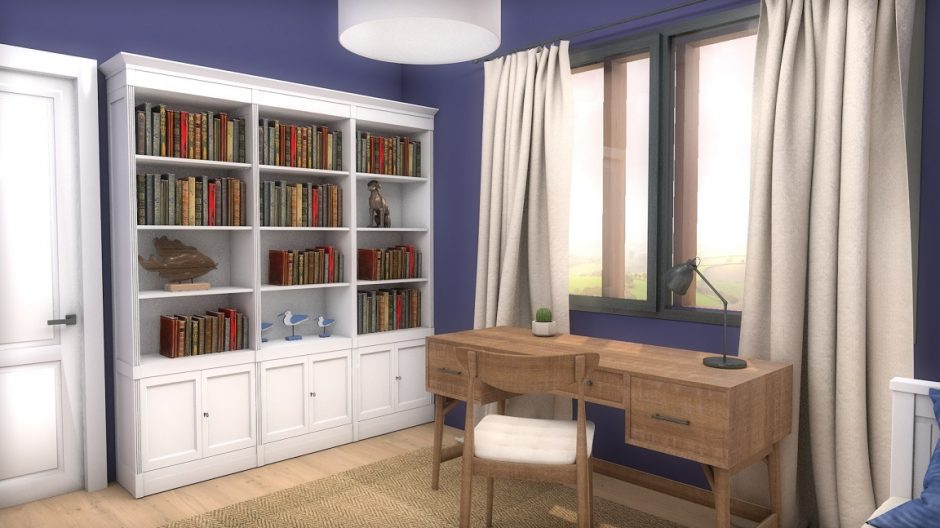
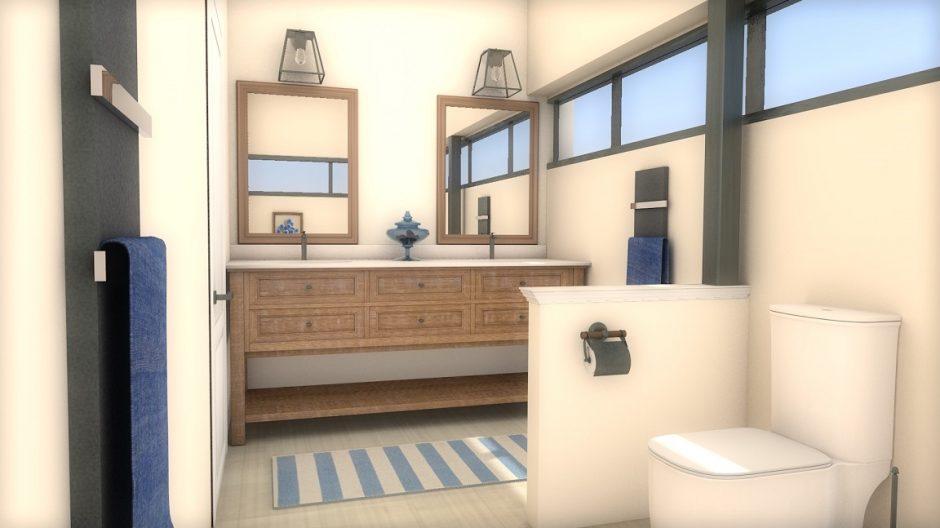
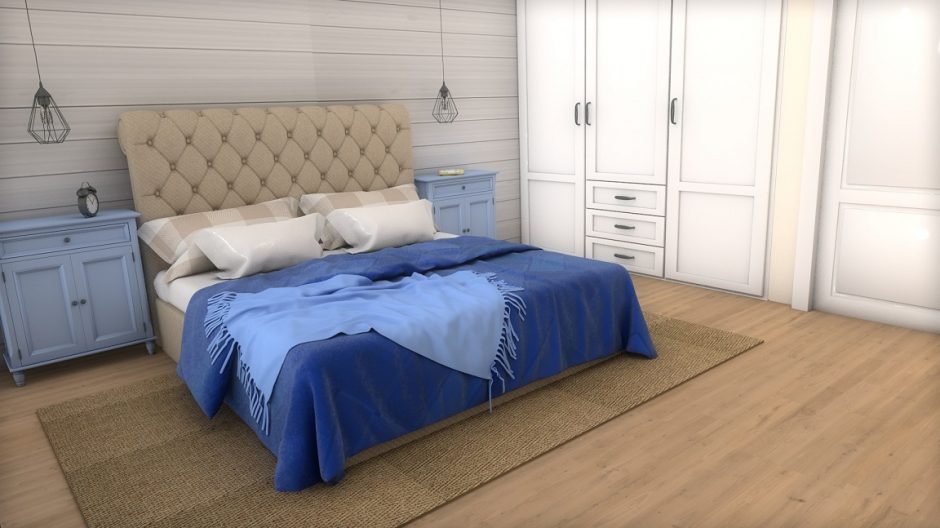
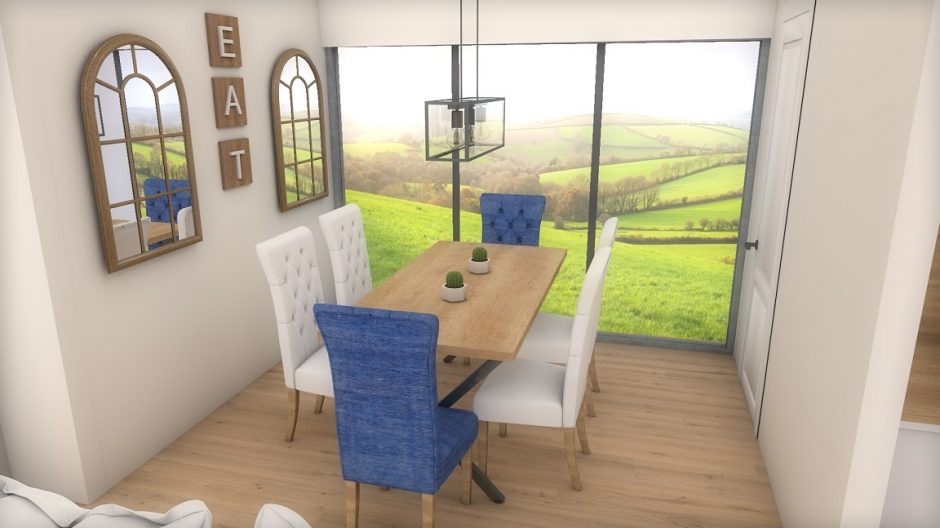
Designed for a competition: modern farmhouse style for a family home in a small village
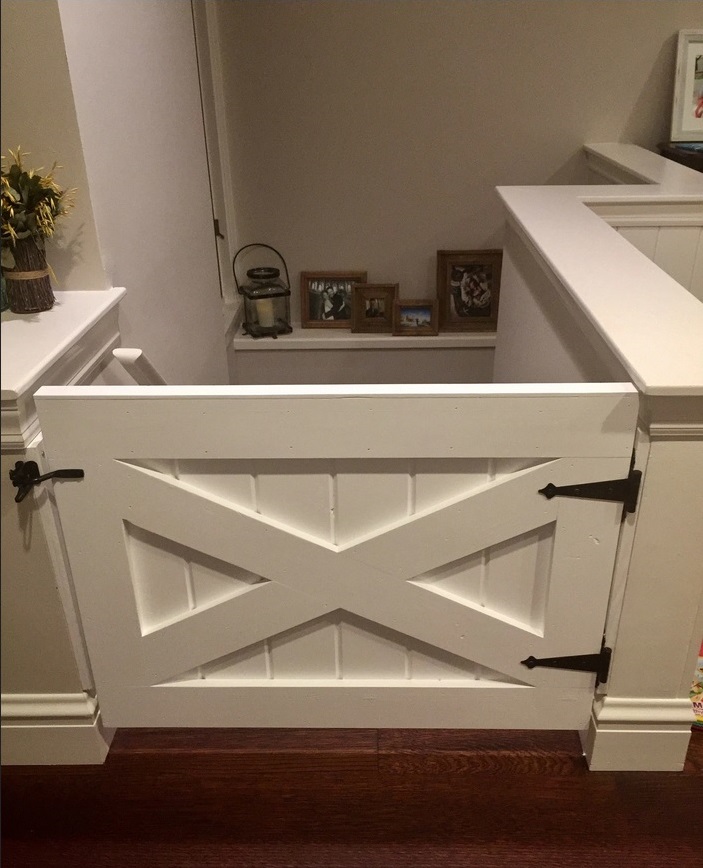
More elegant solutions than a simple grille for keeping away our pets from dangerous places
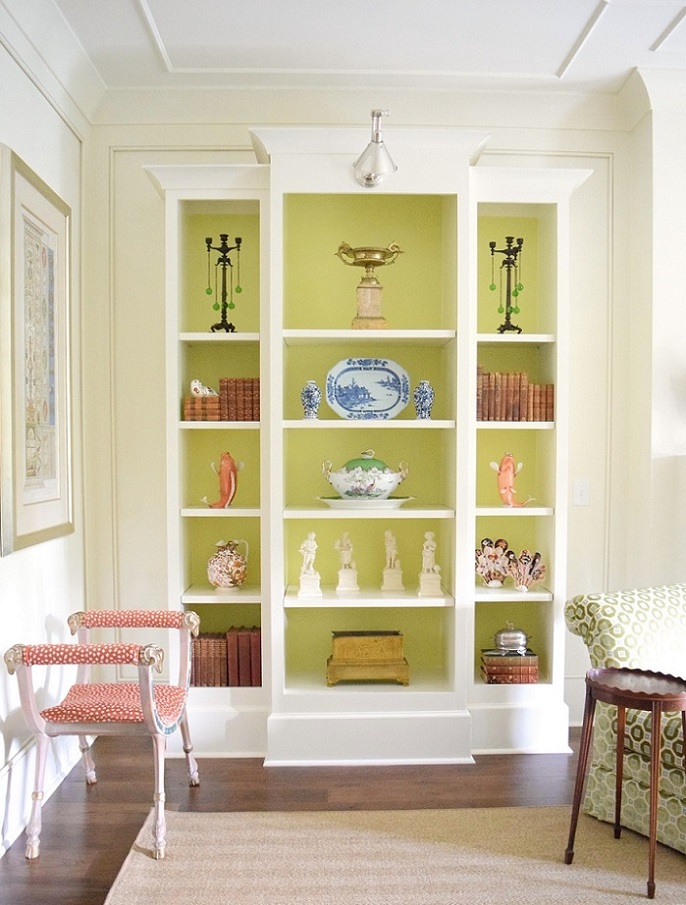
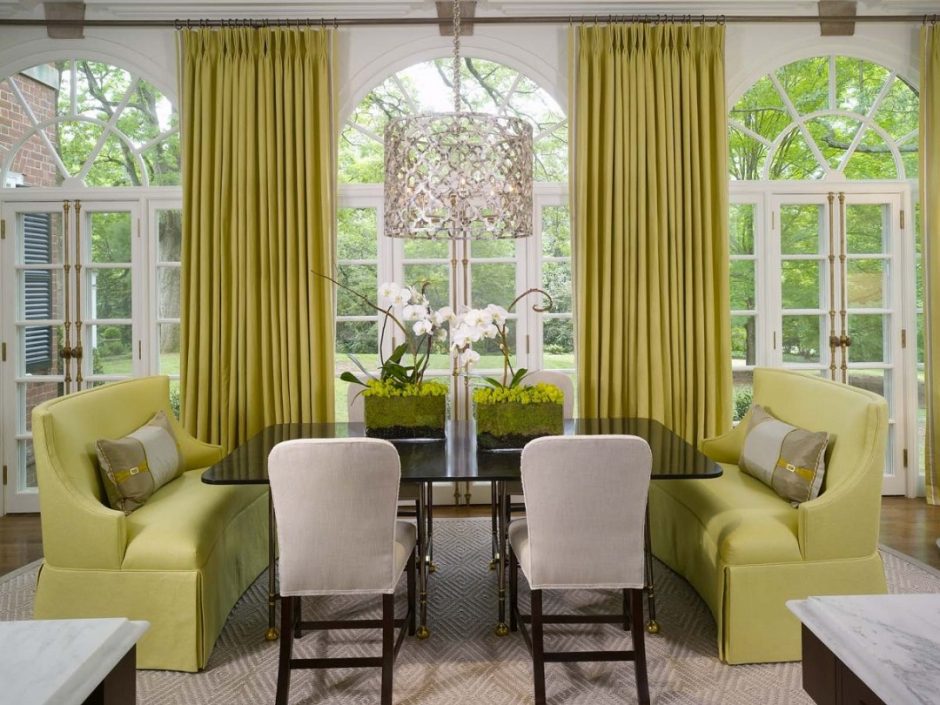
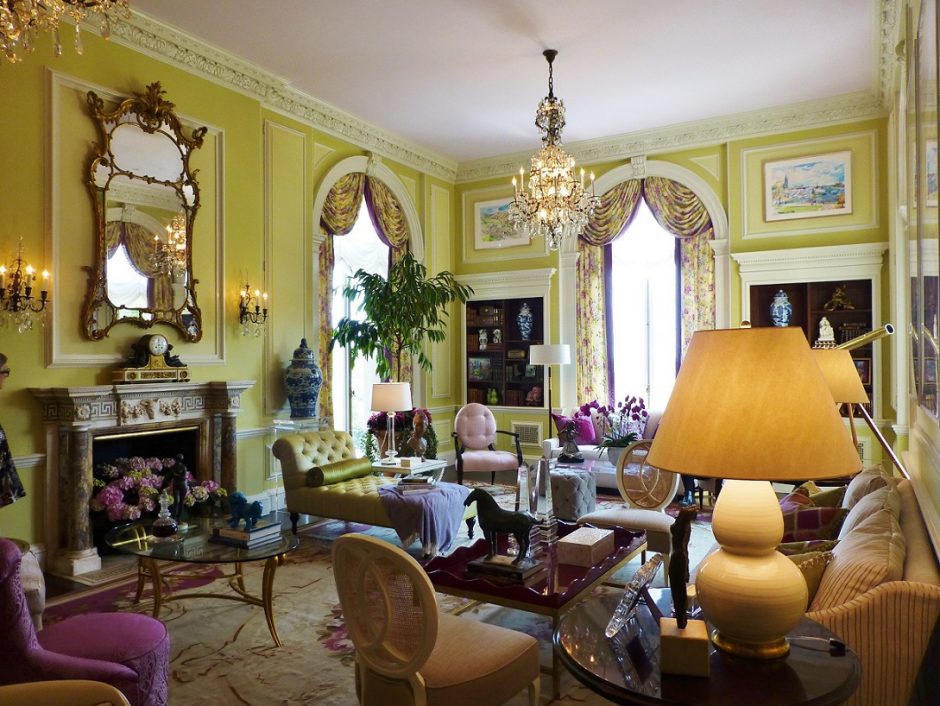
Chartreuse color is in the middle between green and yellow on the color wheel. Although it is a vivid hue, it’s not very showish because of it’s mid-dark tone. It is perfect for focal points but looks good on big surfaces also. In the latter case, it might be outweighed by neutral colors. It was named after the French liqueur made by Carthusian monks since 1764, which is made from 130 plants and herbs, that gives its natural yellowish-green color.