Red is one of the three elementary colors. The most striking member of the color wheel, that’s why it is beloved by many people. Its complementary is green.
As a physiological effect, red increases blood pressure, has exciting effect on nervous system, fasten metabolism, it’s activating effect increases vitality but causes stress and makes one nervous at the same time. It is the most noticeable at daylight. We associate to love, sexuality, fire, blood and war by it. It means danger and prohibition in symbolism, that’s why it is used for danger signals in traffic. It is frequently used at groups of disaster protection and healthcare companies, just think about Red Cross and fire departments. In old times red was one of the most expensive clothes dyes which was made of cochineals or dye-murexes, thus only the rich could afford it, so it was connected with wealth also (e.g. carmine edged togas of ancient Romans, robes of the cardinals). The red lamp quarter got this name not by chance also.
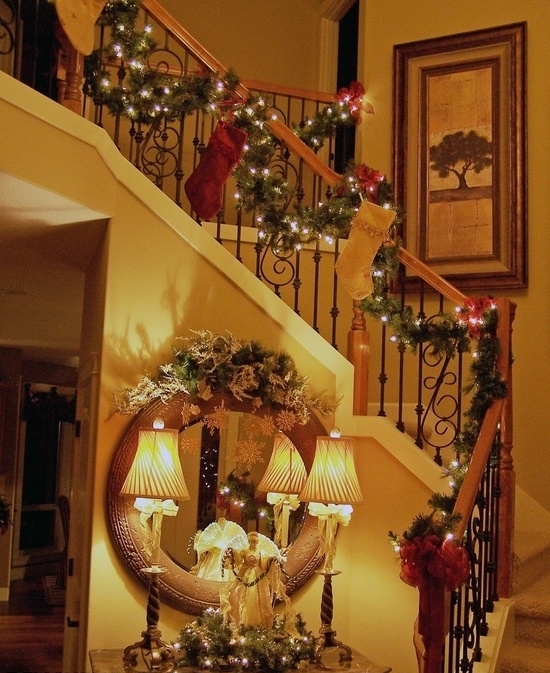
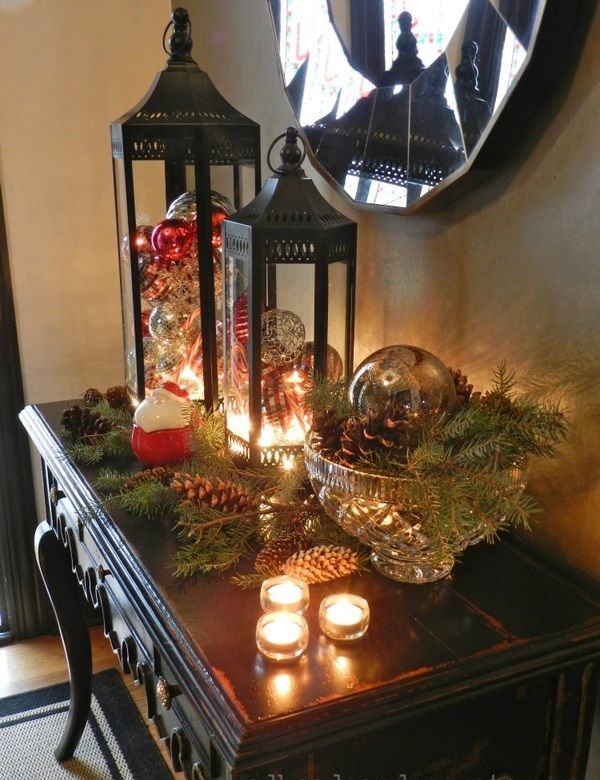
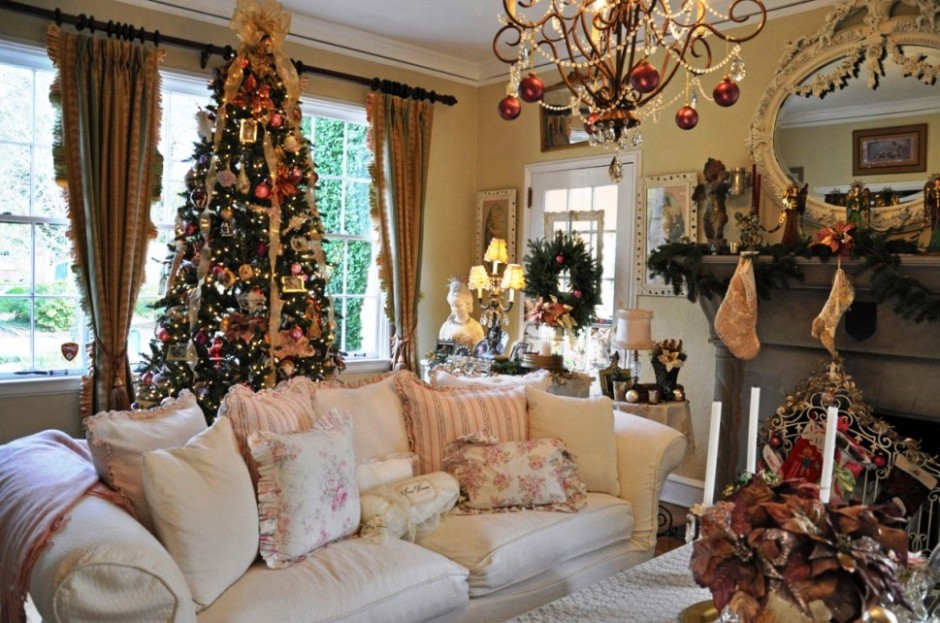
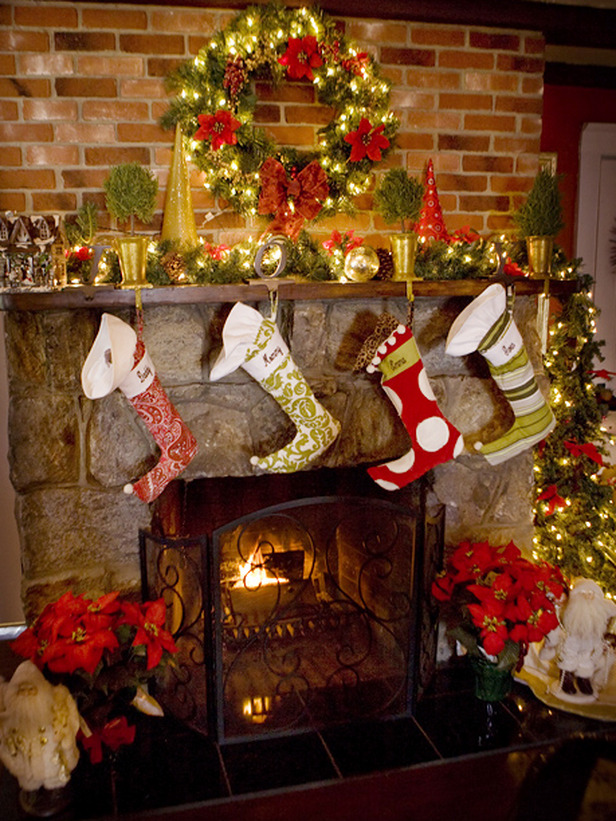
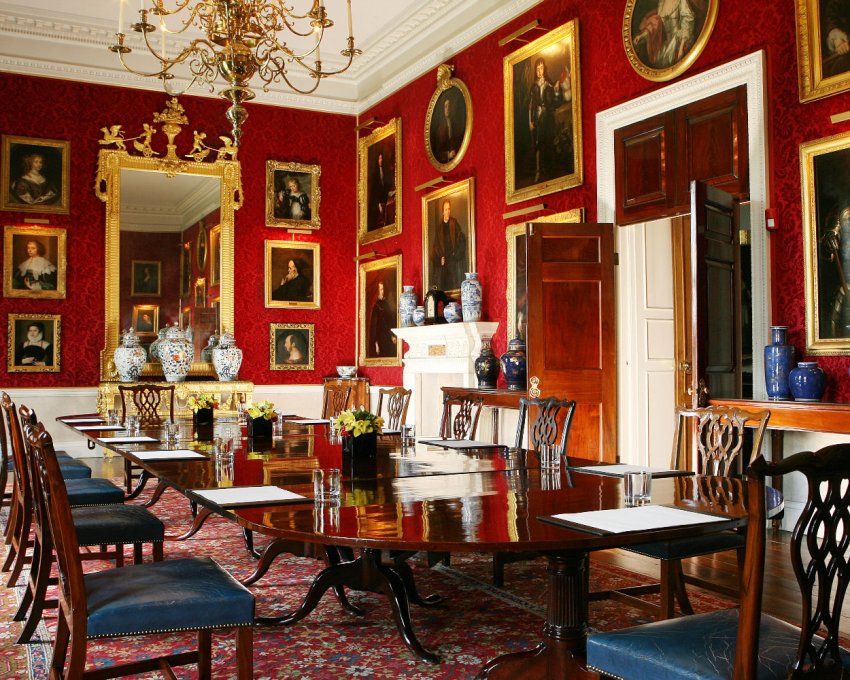
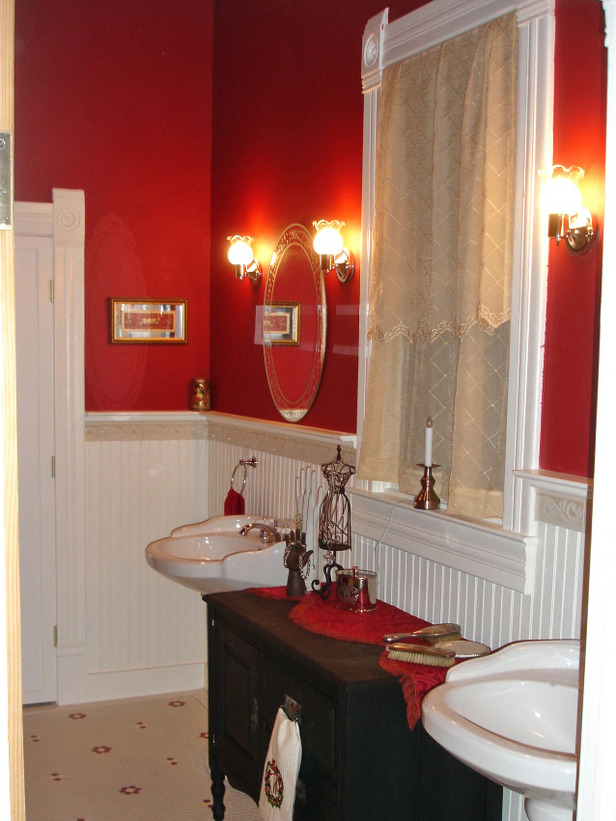
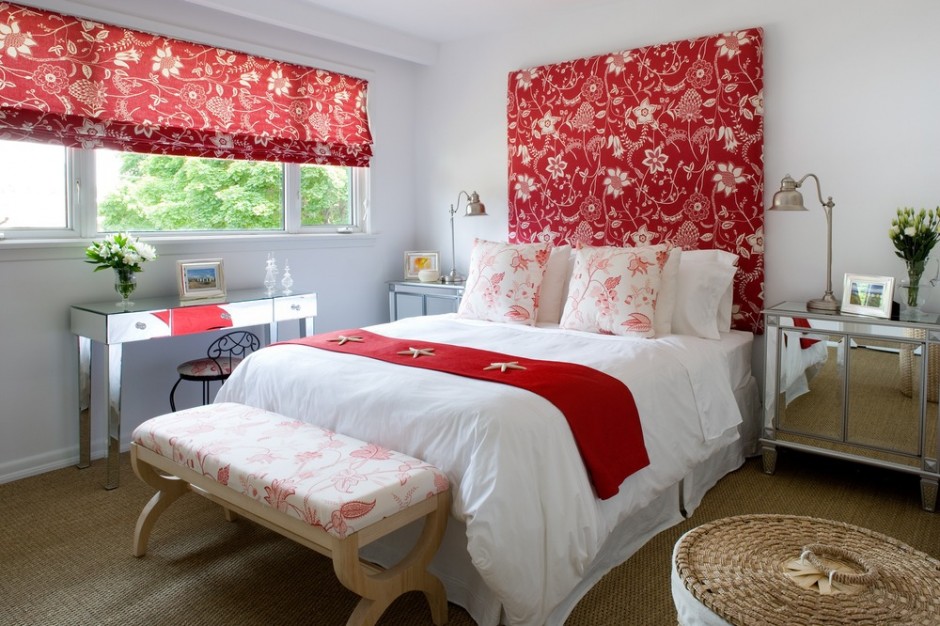
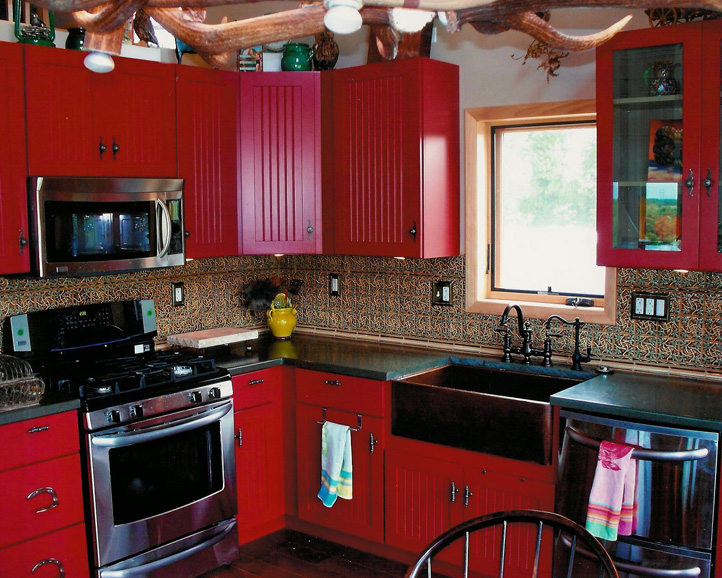
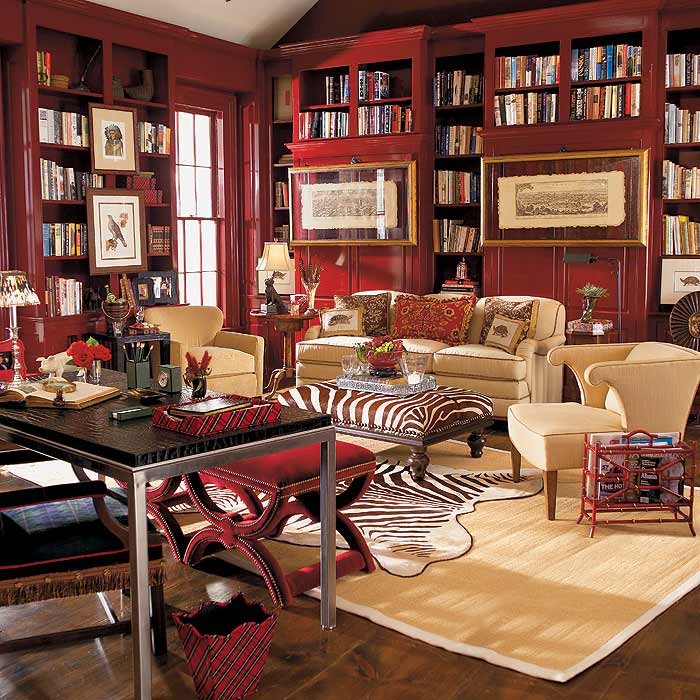
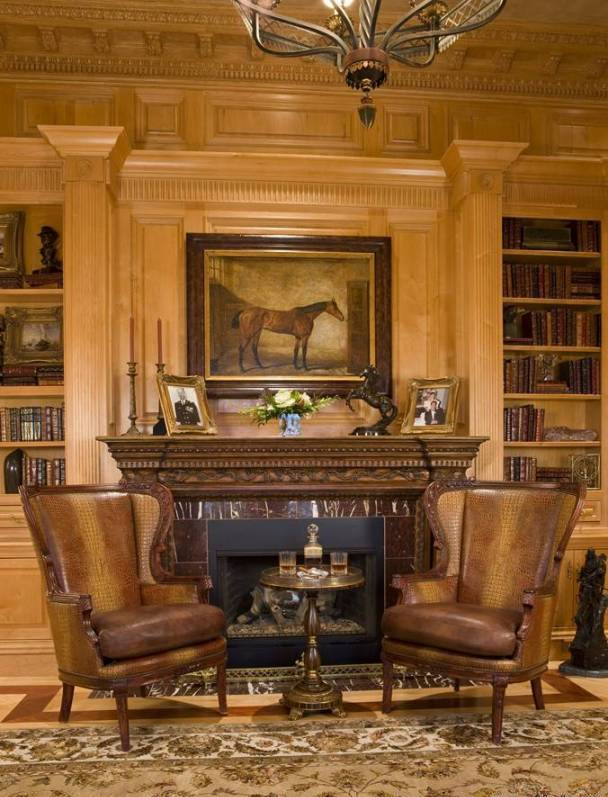
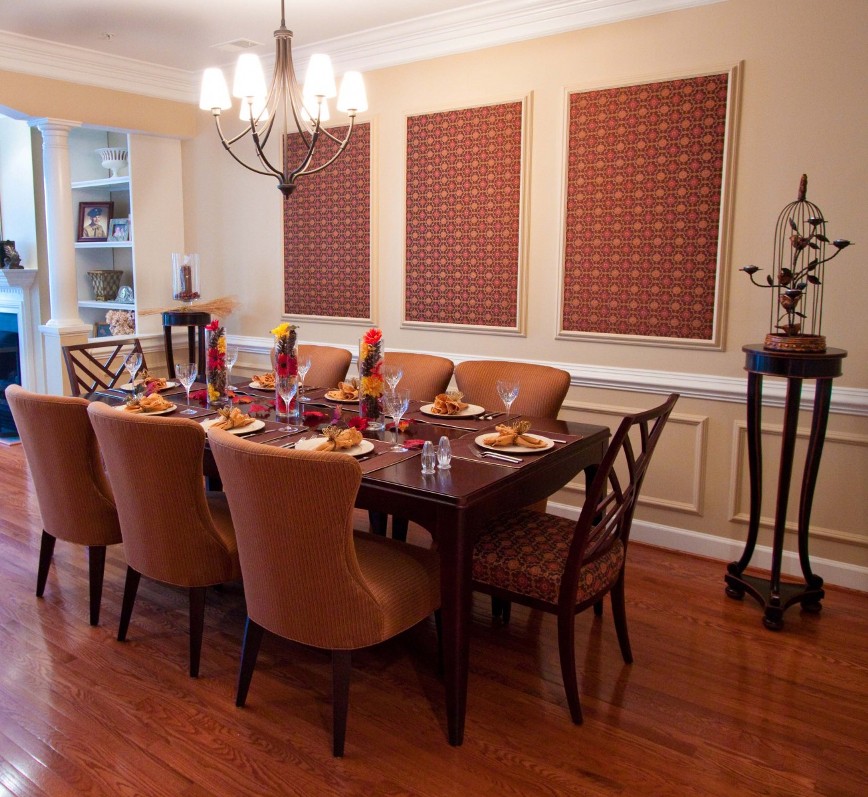
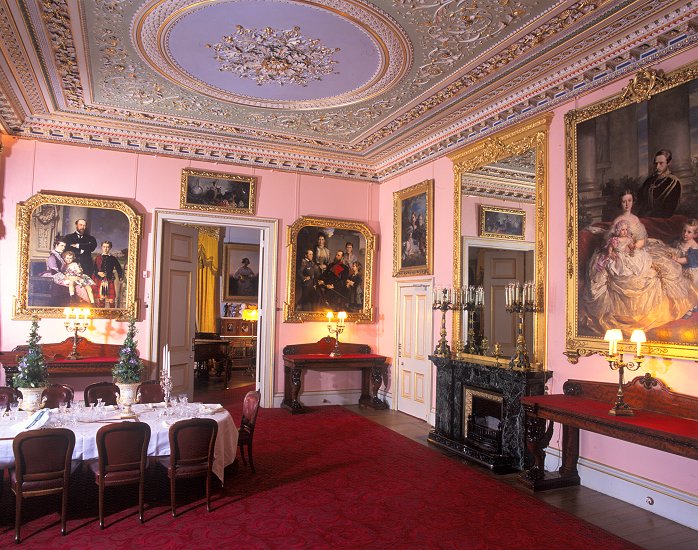
Red has the most intensive narrowing effect among warm colors, that’s why we feel the room in this color much smaller. It is a food-color, so fits well for dining room and kitchen but it can be used in home office too because of its stimulative effect. Many people paint the walls of their bedroom red because it is the color of love. But this is not a good solution for a long term, it causes sleep disorders and nervous tension. The bedroom should be calming, if red is desired to bring in anyway, it shouldn’t be seen from bed. For example, lay a red carpet, paint red only the wall behind the bed, put a bedspread or cushions on the bed which will be put away before sleeping. Handle it cautiously anyhow, because it is a very intrusive and aggressive color. Use it rather on accessories or as a focal point at home. Its strength can be blunted with white or cream. It looks very good in combination with black, dark brown or grey. Its deeper tones are more elegant, for example claret or burgundy red. These were frequently used as background color for gilded framed paintings as a gallery.
Feng Shui assigns red to fire element. It is the color of Jang, the male side. It belongs to the 1st chakra (root). This is the color of good luck in China.
It is used by very dashing, fast-expanding, mass-producing companies in business life as color of their logos or products. It comes into view immediately on the shelves of the shops or in the advertisements.
It’s not an easy task to create a real elegant red interior, so ask for help of an interior designer-color adviser already for planning!
Archives
For Santa Claus Day
Winter
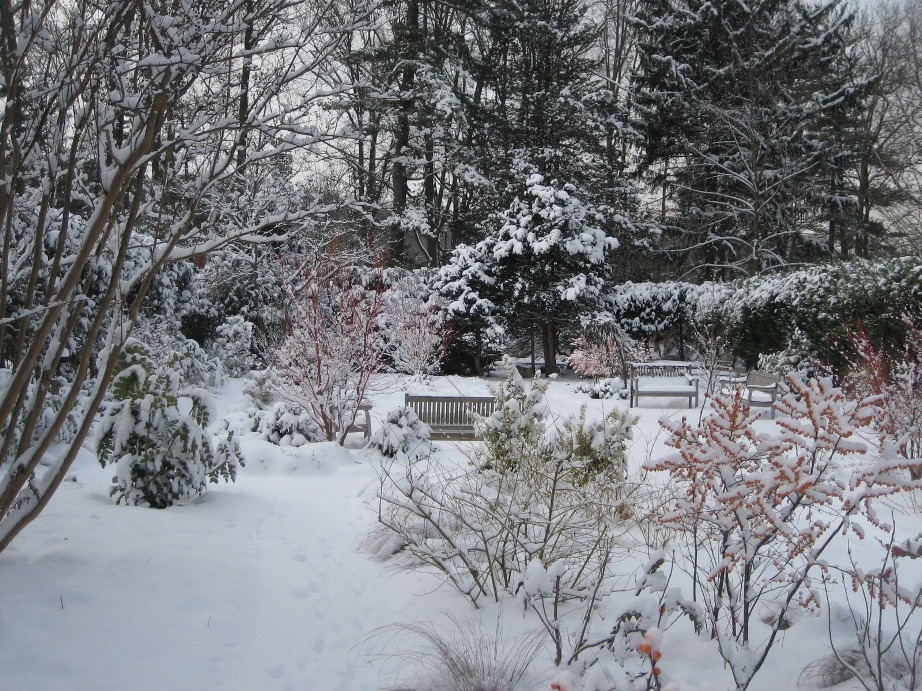
It’s winter again, the season of snow, clod and ice. The garden and the nature is not dull this time neither, since we can get inspiration from them.
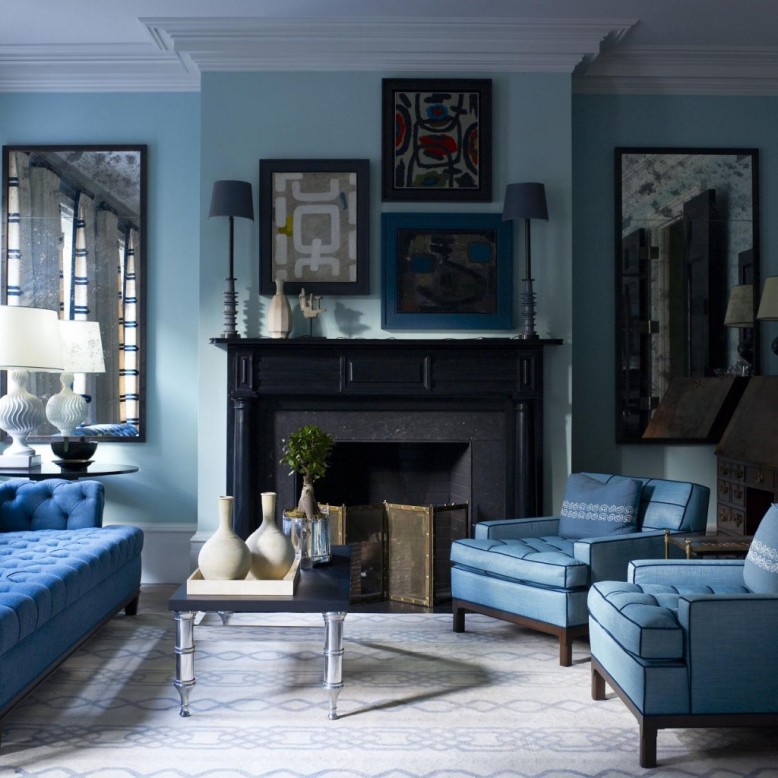
Most plants and animals are having rest now. The amount of colors is limited and we can see muted hues. Nature is like an elegant lady in white coat. Characteristic winter colors are black, white, cold greys and browns, pine green, steel blue, cold red, ice blue and silver.
In our home, we can realize a really spectacular atmosphere by these colors. We can balance their coldness by the fire blazing in the fireplace and lots of candles. Use mood lighting instead of general lighting (standing or table lamp, hidden LED lights). Cover the couch with fur or polar blankets. Silver framed mirrors reflect the light of candles. Let’s use curtains made of light, monochrome or patterned material fabric with silky shine. Use middle hue paint on the walls, e.g. steel blue or gray-brown, which provide the background for the romantic and elegant mood. When purchasing decorations and accessories, choose the ones made of glass, shiny metallic or crystal. Using a muted red cushion, painting or vase, we can control the view of our guests creating focus points. Wooden floor, upholstered chairs, christal chandelier and wardrobe made of dark wood is a perfect combination for a winter style interior. White on moldings, doors and mantel can provide freshness in the view.
These colors have to be used with care, since the result can be very rigid. For an elegant winter home, ask help from an interior designer.
Brown
Brown is gained by mixing red and green colours, thus all the three base colours are involved. This is the most liked ground colour. It has warm and cold hues, the laters have greyish tone. Brown is considered as masculine colour.
This colour is associated to force, safety, maternity, simplicity, diligence. According to physiological effect it is relaxing, protecting. It’s also a food colour, first we associate to the fine cookies. In ancient Egypt, good dreams were marked with brown colour. In the medieval and early modern Europe it was one of the basic colour of the clothing of poor people, since they couldn’t afford the dyed fabrics. In England however brown was the determining colour of the wardrobe of the perfectly elegant gentlemen for long time.
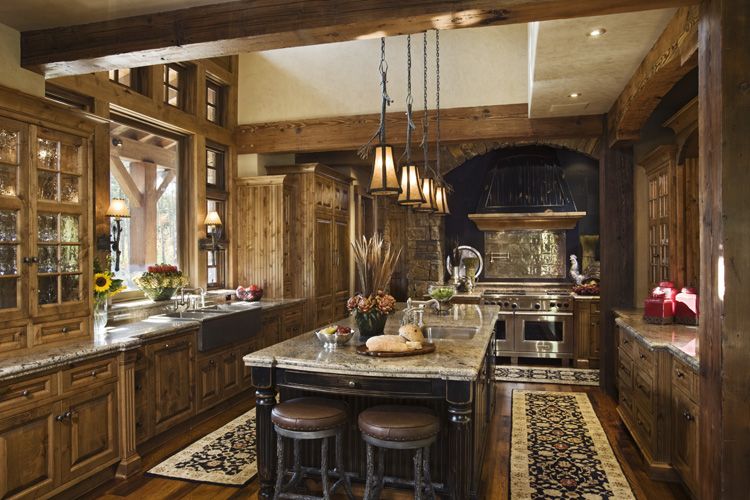
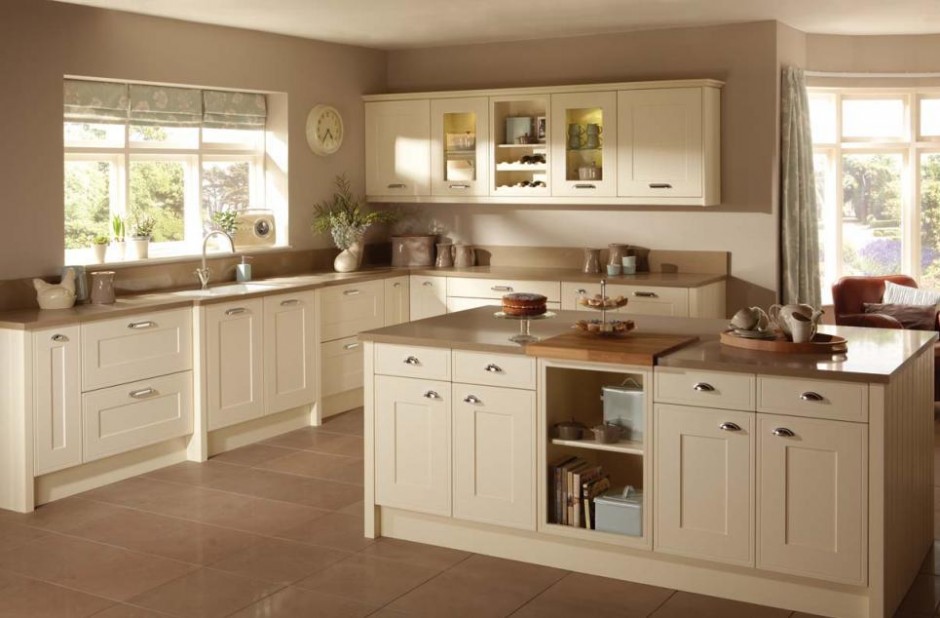
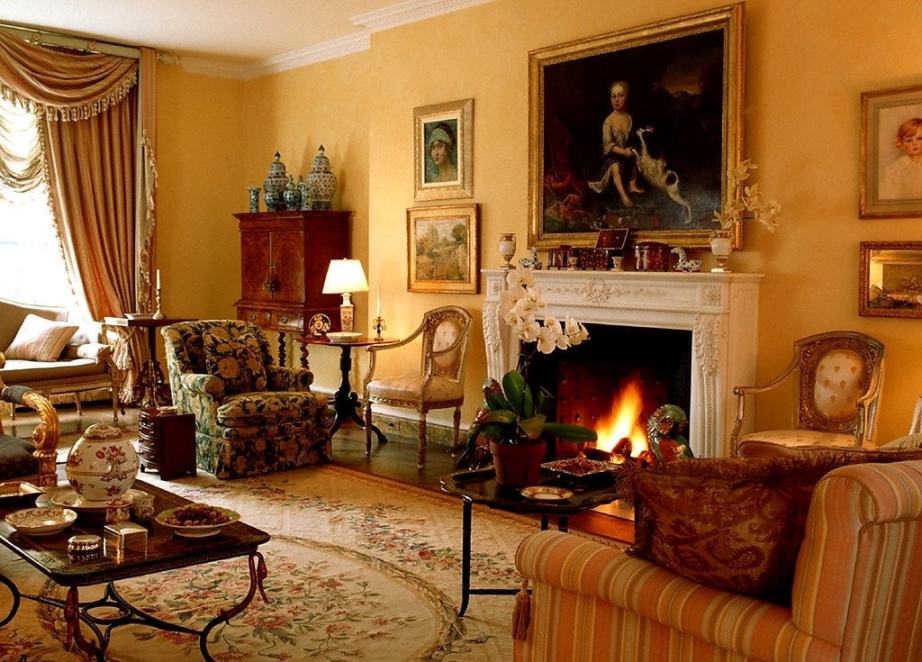
Since natural wood and leather are also brown, in interior design this is generally and frequently used. Using as wall paint, it gives depth to the space, as floor cover it gives stability. Dark hues can replace black – as its warm tone alternative – when we would like to emphasize something. It can be used in any room, but in case of dark brown walls, the proper lighting should be also provided. It is regular in historical styles, mainly the deeper hues. Combined with gold, a luxurious interior can be produced. Together with white, cream or beige, the result is classically elegant. Nowadays it is still very popular, it fits to practically any style.
Feng-shui associates brown with the earth element. Light hues are assigned to Jin, the feminine side, while dark hues to the Jang, the masculine side colours.
For advertising, it is used by companies that providing luxurious products or services to their customers, e.g. sweets, wellness, etc.
Most people like brown in their homes, but to avoid “cave like” result, it has to be used with sense. If you would like an elegant and stylish brown interior, ask for the help of a colour adviser.
Firewood
Pictures
When decorating our home, walls are important issue. The simplest way is hanging paintings on them. But what can we do if we cannot afford really expensive paintings in our classic style apartment or house?
First possible solution is using empty frames. We can purchase several, decorative old frames in different sizes (e.g.: blondel or Florentin style) in the same color. They can be placed on the walls together, visually acting like several pieces of one artwork. Symmetry is not a perquisite; they should only look nice together. Don’t be afraid to repaint the less valuable frames if required.
Remaining wallpaper or fabrics can be also used for decoration. Cut them into the frames best fitting to the interior, and hang them up covered with glass. Since the same wallpaper or fabric already has been used at another point of the flat, the view will be reflected making the space much more organic. Old newspapers, handworks, nice wrappers, postcards, dried flowers or maps also can be framed such a way.
If we have the talent for painting, we can create some paintings ourselves as well. Defined topic or expression form are not required, the essence is the color harmony with the style of the room. We can paint even single stripes, squares or patches. With the proper frame, we can get a perfect DIY accessory.
Family photos are also available for decorating a classic interior. Have your favourite photos being processed in black and white or sepia, not to disturb the mood of the room with their bright colors. Montages can be assembled from them fitting into a bigger frame, or they can be arranged in several different smaller frames side by side, covering a larger surface.
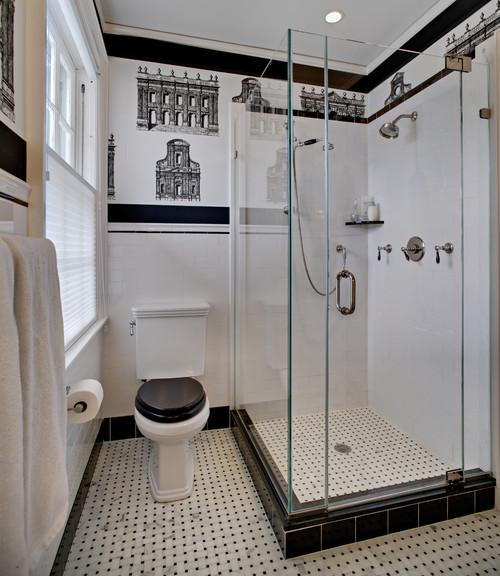
Nowdays many companies provide large scale, quality printing of any picture. We can chose photos from their database that are fitting to our home. There is a huge selection of color, theme, size as well and they even offer framing too as a service. Blind framed canvas print is also an available solution. Ask help from an interior designer for the selection of pictures, paintings fitting perfectly to your home.
Neutral colors
Natural, neutral colors are considered as the base elements of interior design. Many people think they are dull and impersonal, although they can be used versatile – resulting really wonderful interiors.
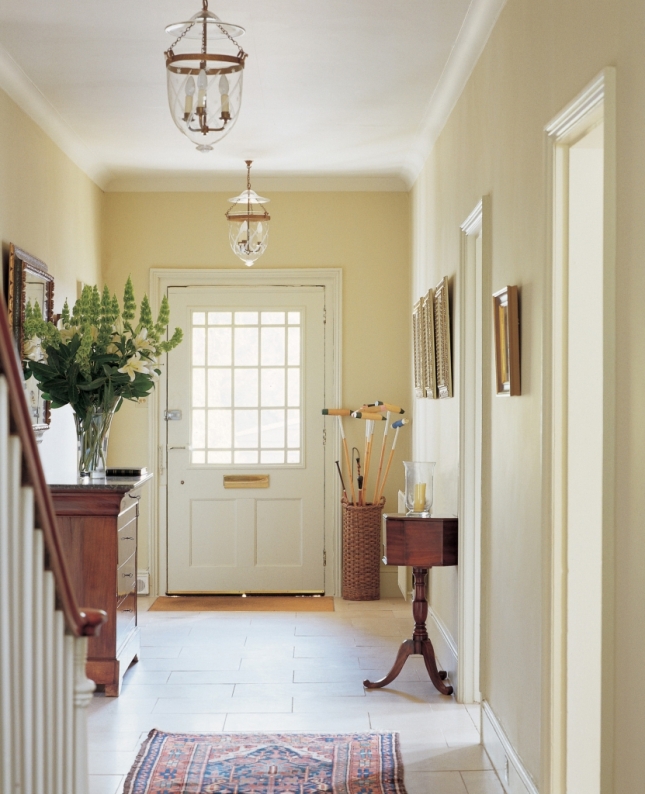
Some of the most well known natural colors are beige, taupe, creme, light hues of grey, egg shell, sand, ecru, lightest hues of brown, etc. Both cold and warm tones. Nature provides them ready-made. Let’s think about different stones, raw linen, wooden materials and sizal.
Nature colors are excellent background for vivid colors. They weaken strong, warm hues and strengthen the cold ones. If we are uncertain, which colors we would like to see in our home, let’s paint the walls first with the colors mentioned above and apply neutral fabric for larger furniture. After it, this base can be decorated with more intensive colors we like, e.g. on cushions, curtains, accessories. If we don’t like the result, the color of the decoration can be changed easily until we find the proper ones.
Neutral colors have calming, eye-relaxing effect. They fit to almost every interior design styles, we can use this palette bravely. They are perfect choice for French country style, Gustav style, or seashore style. Even the warm hues widen the space, since they are regularly light hues. For a more characteristic effect, darker tones also can be selected. Combining different textures, the view can be even more exciting.
Although using natural colors is considered to be a safe solution, it’s not easy to select them properly to get a really nice result. Ask help from an interior designer for reaching the optimal.
Black and white
Victorian style
Victorian style was named after Queen Victoria (1819-1901) reigning for 64 years. Her happy marriage with Prince Albert and her strong personality determined the whole British society of the time.
The most characteristic features of Victorian style are family-centeredness, morals and home comfort. The wealth of the middle class became better, this way not only the nobility could afford to have a big house or buy expensive goods. Mass production appeared also which provided the purchasing of cheaper but quality materials and accessories (e.g. porcelain, upholstery fabrics).
Homes were transferred for protection of private life. Bedroom became a private area. The guests were received in the saloon, library or boudoir. Richly patterned curtains and carpets decorated the rooms, seating furniture had soft upholsteries and were comfortable. Women liked to make decorating objects by their own hands (e.g. bird nest and flower compositions, water-color paintings, needle-works, silhouettes), what’s more, decoupage, namely covering furniture and household objects with color pieces of papers, became fashionable also. The rooms were cluttered with furniture for providing to all the members of the family to find the favorite place. Fireplace provided the heating, gas lamps were used for lighting. Children commonly had a separated floor (mostly in the attic) where they could sleep and play. Family portraiture appeared in painting. Employing servants wasn’t the privilege of the nobility anymore. The servants had their place in a separate wing or in the basement, far from the life of the house, just as the serving rooms (kitchen, pantry, laundry). Hygiene became important also, although only a few houses had separate bathrooms but there was a washing cabinet with bowl and jug in every bedroom. The bathtub was also placed in the bedroom at the front of the fireplace for bathing. At this time the English flush toilet was widespread.
The World Exhibition in 1851 helped a lot to the trade of the country. People could meet the household and decorating objects and habits of remote lands. Later the Arts and Crafts movement brought back the golden age of handmade and unique products. Garden and gardening got an important role which was used for showing the wealth also. In terms of this, exotic plants and rare fruits were grown (e.g. pineapple, rhododendron). A kitchen garden was a must. Gothic had a revival in architecture and architectural elements.
This era has many beautiful features in style which create classic values and beauty in the modern society also. Use the help of an interior designer for creating a unique Victorian effect interior.