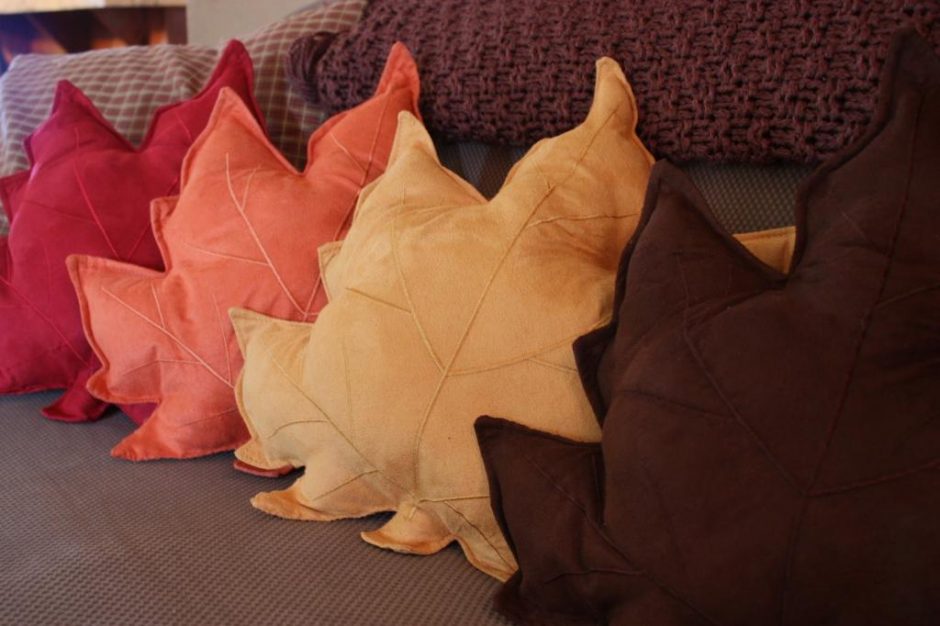
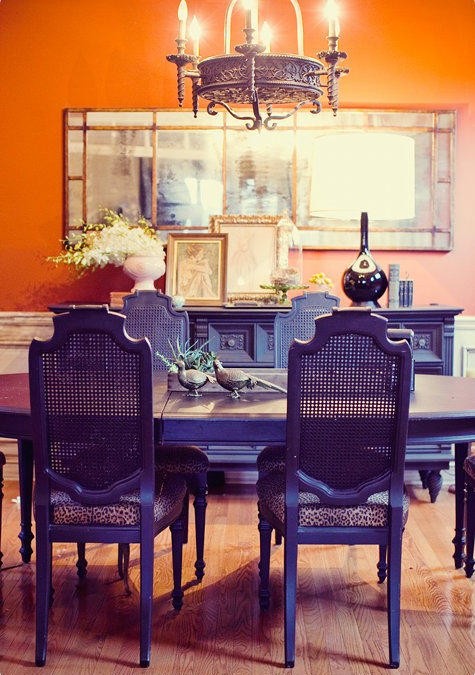
Color pairs: red-brown
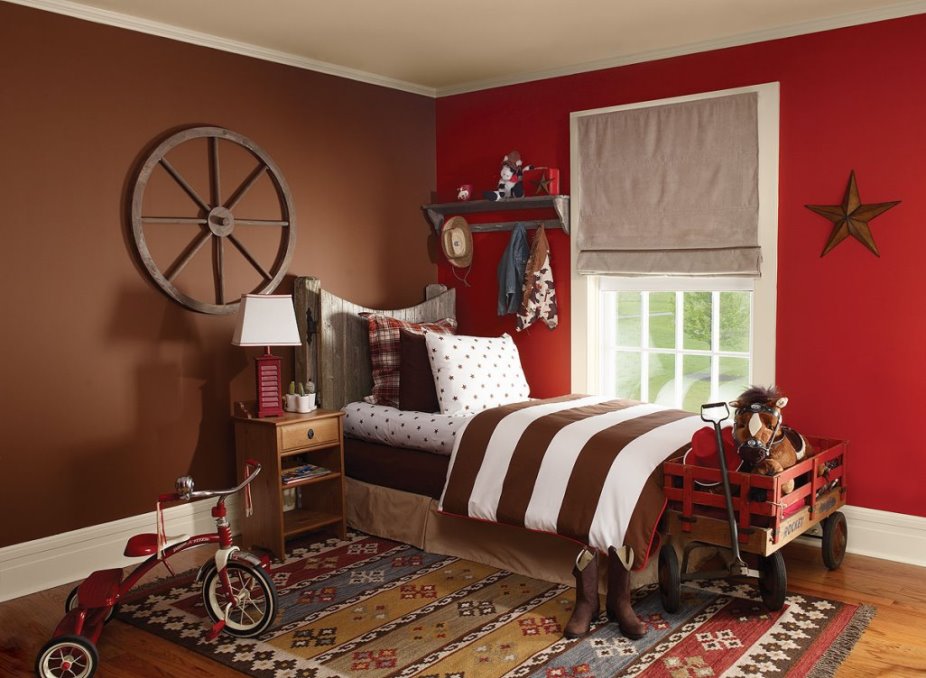
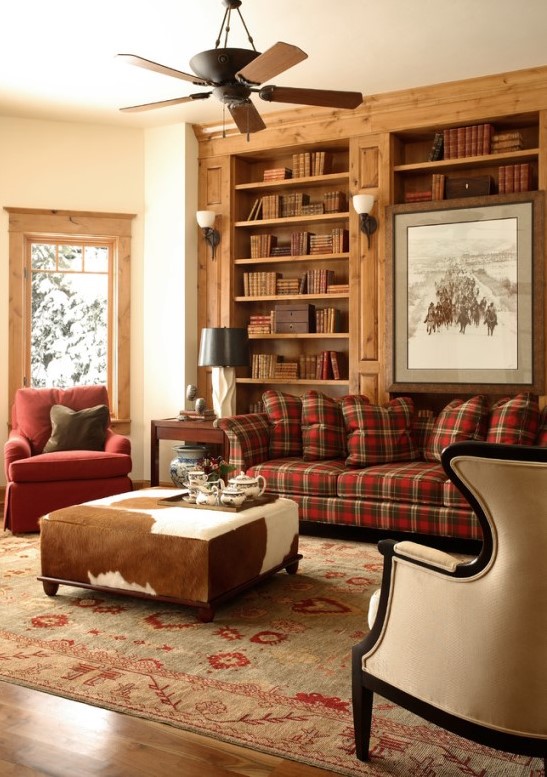
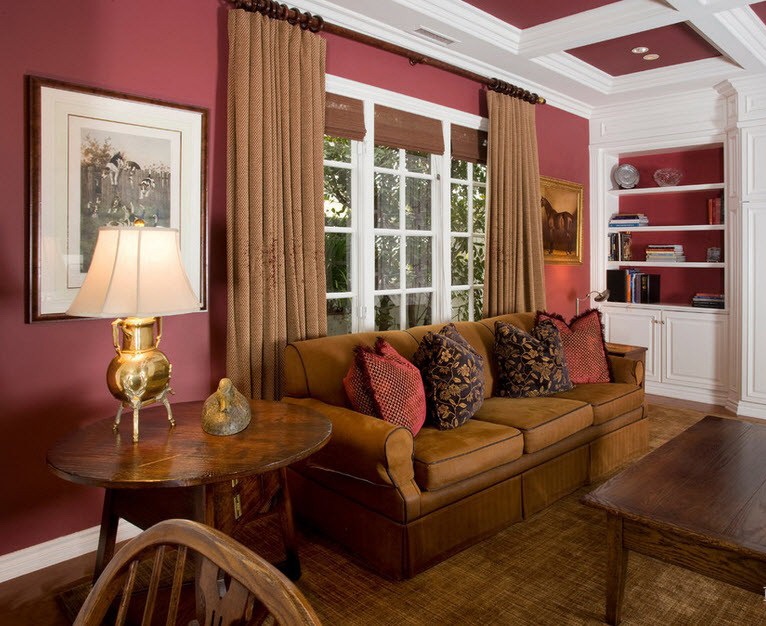

Color pairs: red-brown
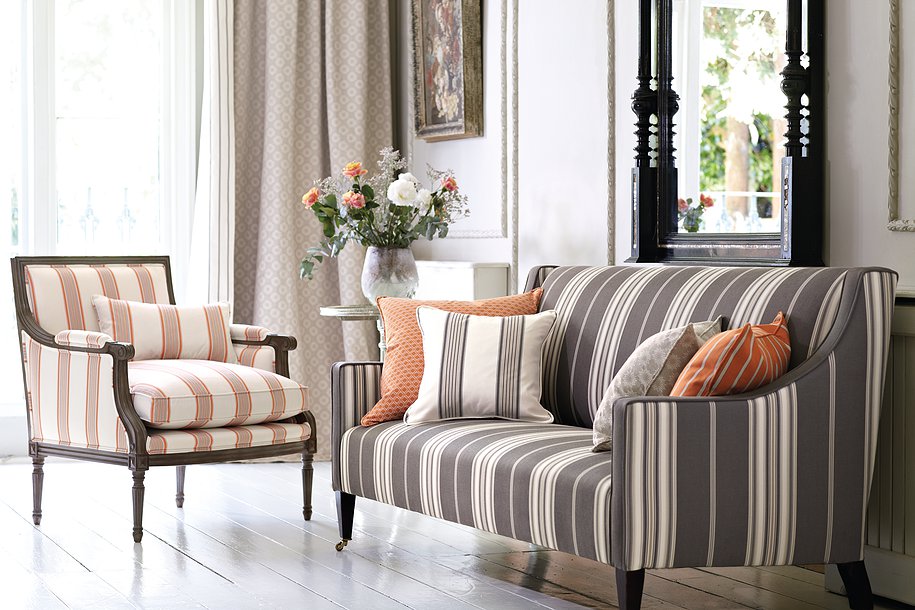
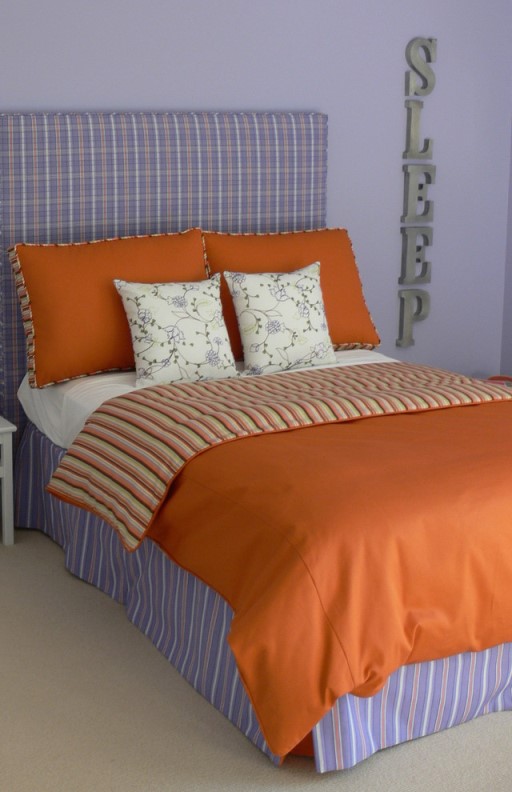
It’s easy to create classic mood by the always elegant stripe fabrics
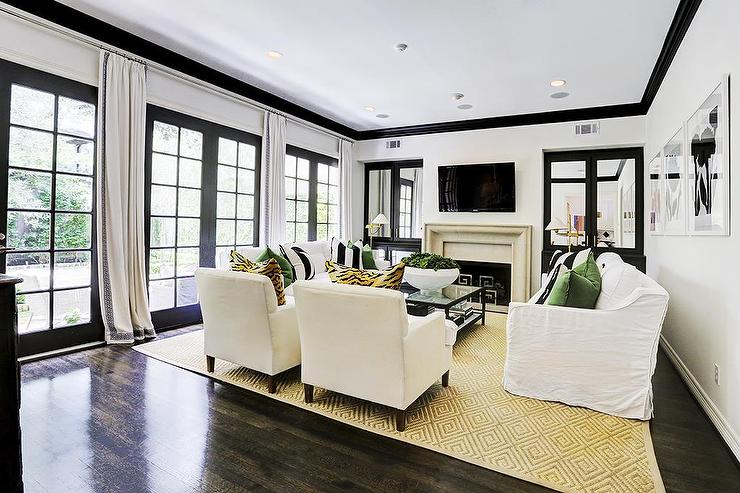
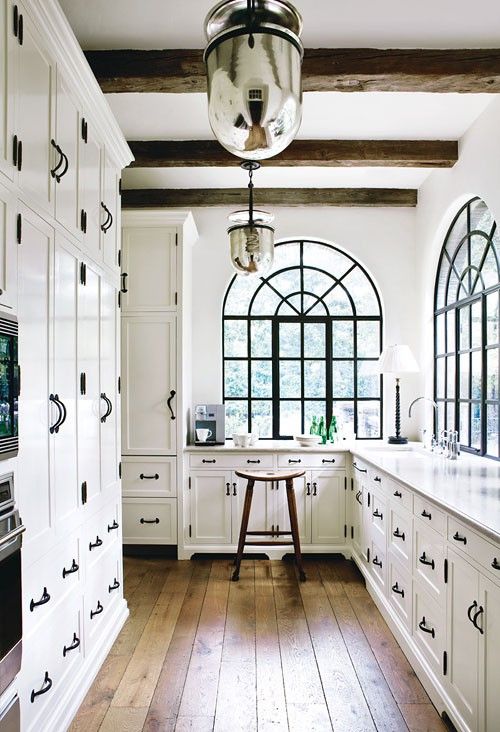
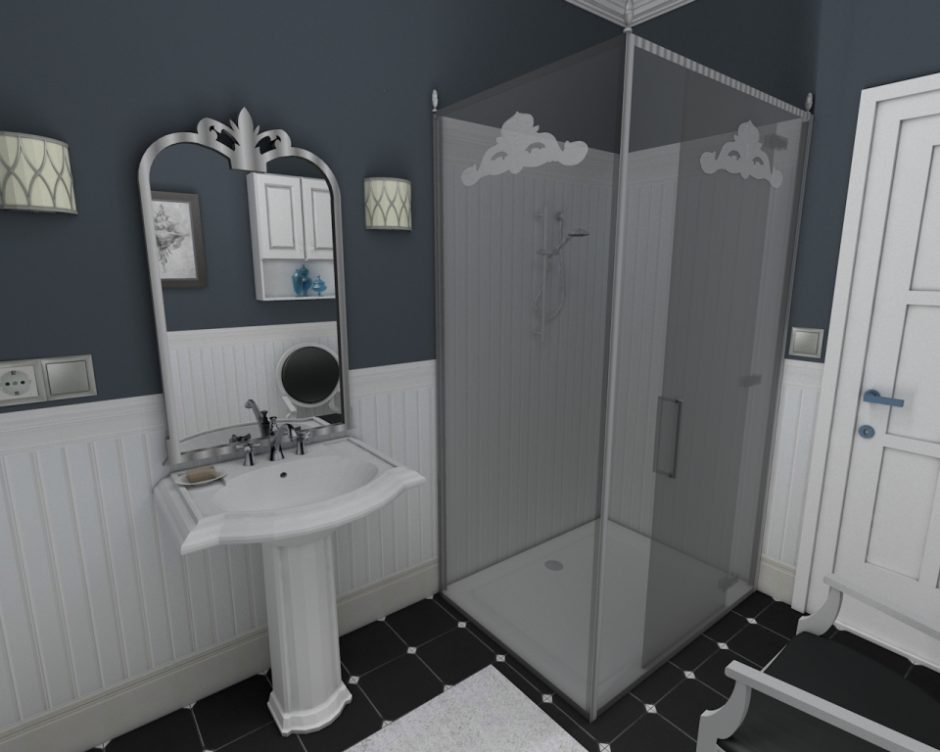
Highlight important details with black lines, that makes the room characteristic and elegant
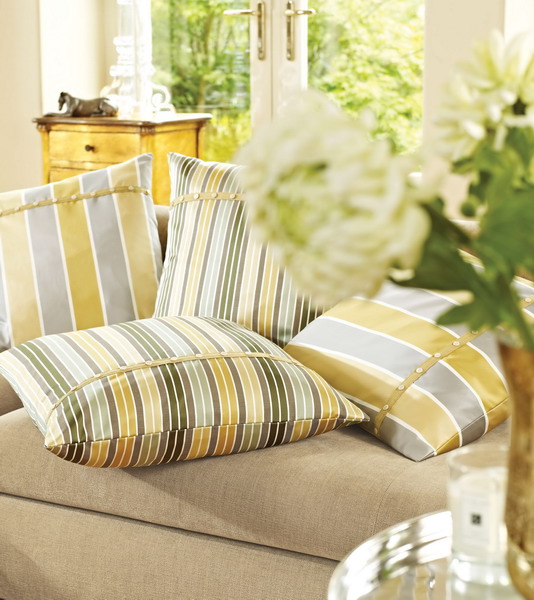
Autumn is in the details
Color pairs: purple-orange
My latest job on the lakbermagazin.hu website:
http://lakbermagazin.hu/lakberendezo/lakberendezo-munkak/2492-1-plusz-2-felszobas-budapesti-panellakas-klasszikus-stilusban-67m2.html
Designed for a competition: 80 sqm bachelor flat
Further pictures: https://classicinteriors.hu/en/references/21-references/38-references05
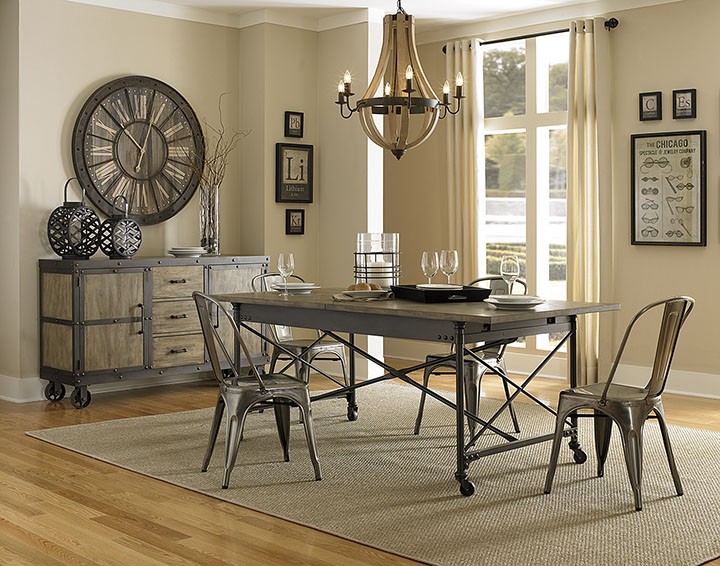
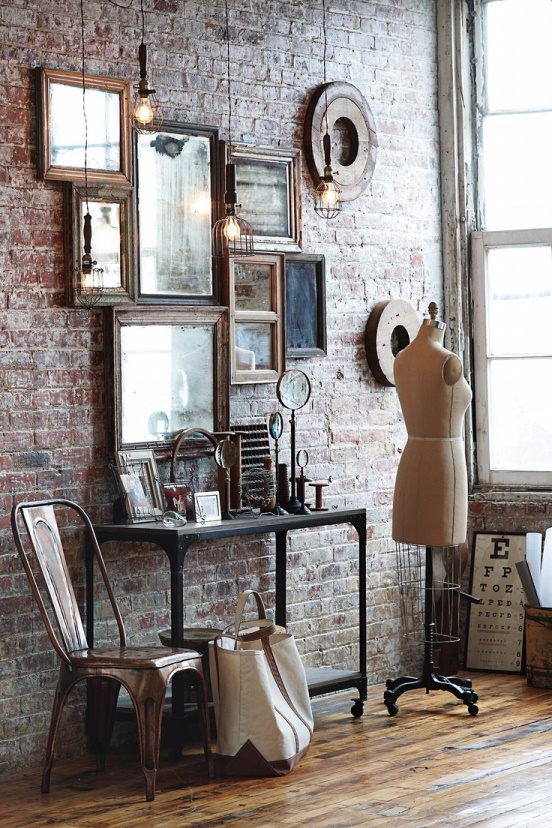
Industrial style is a relatively young trend in interior design. It is not really classic, but I think it deserves attention because of preserving old values and reusing antique objects.
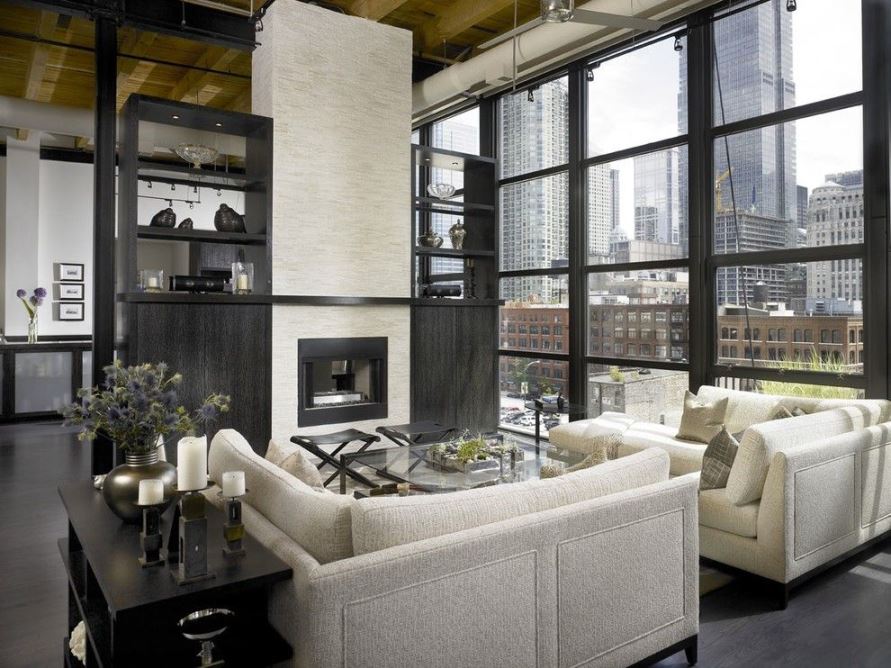
Industrial style was born when old factories were transformed to dwelling houses (loft). The characteristic of the buildings gave a special mood, which couldn’t be ignored or suppressed. Accordingly, these characteristics were highlighted and harmonized with the new function.
Main characteristics of an industrial style building are the unplastered walls, concrete/old wooden floor, robust metal girderage, huge windows with metal frames and high ceiling. The space is frequently undivided, so rooms and storey(s) have to be created also. Often the bathroom is the only separated room in lofts. Mostly the bedroom is separated only symbolically from the other space with a blade wall. Living room, kitchen and dining room are in one space, perfectly permeable and visible. Windows rarely have shades. The furnishing reflects industrial style also: tables made of weathered wood, lamps with metal frames (complemented with Edison bulbs are perfect), concrete kitchen countertop, huge furniture, decorating objects made of old piece parts and household objects etc. – basically with masculine style marks. The color palette is fit for this: greys, browns, black, white, complemented with the original objects’ own colors (e.g. petrol blue, verdigris, rust red, mustard yellow). These spaces can be perfectly furnished with classic furniture because of the antique effect.
If you also like industrial style, ask for help of an interior designer for transforming of your home, because this sight and mood can be created not only in a loft.
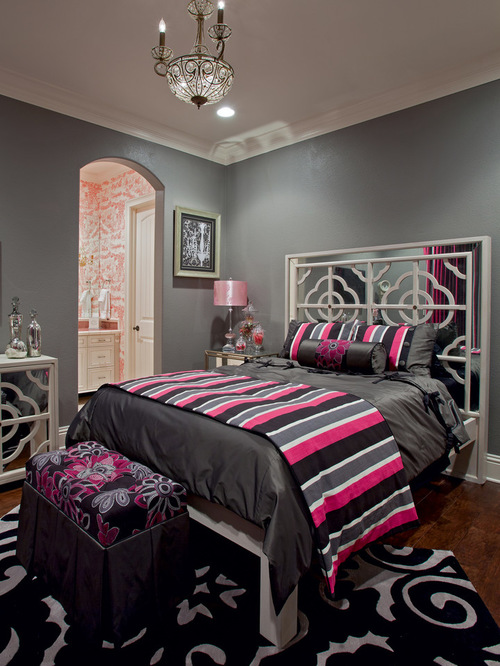
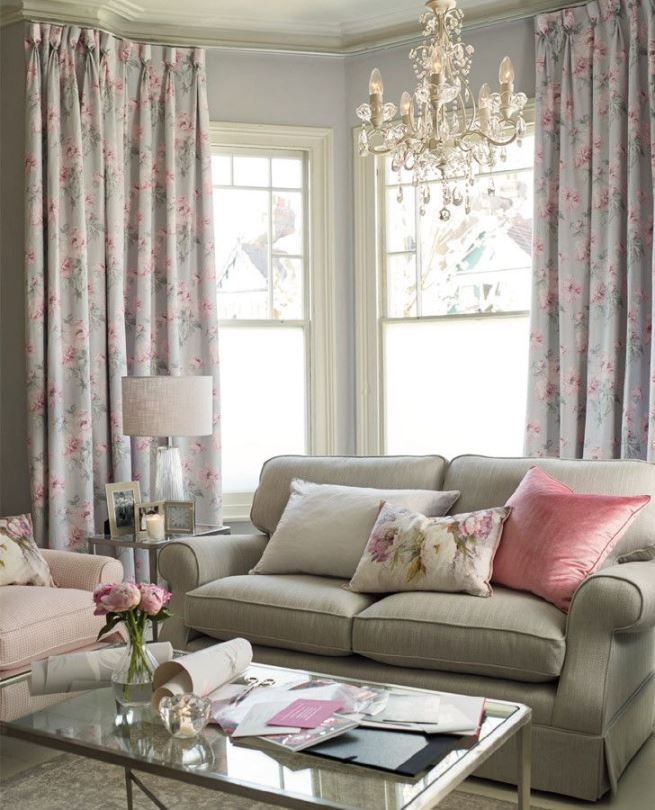
Color pairs: grey-pink
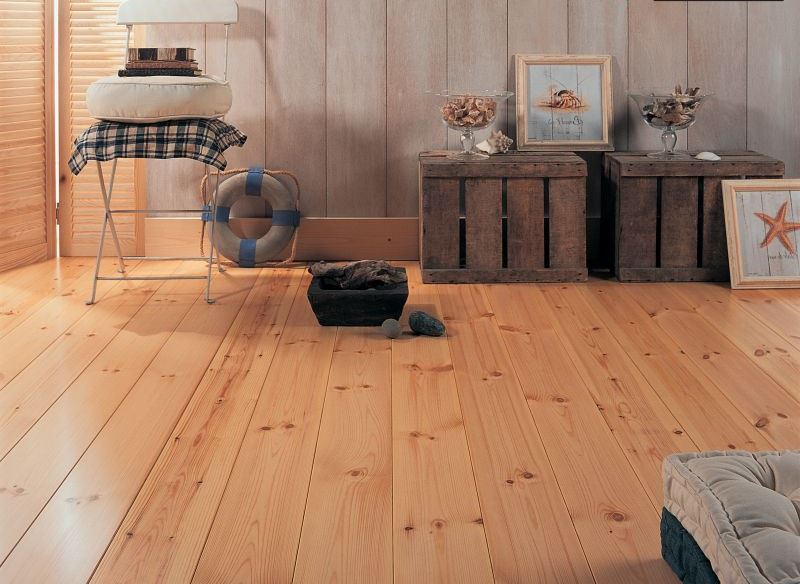
Many people dream of a hardwood floor in their homes. But it’s not easy to navigate through the several names. Let’s see some parameters which probably help in choosing.
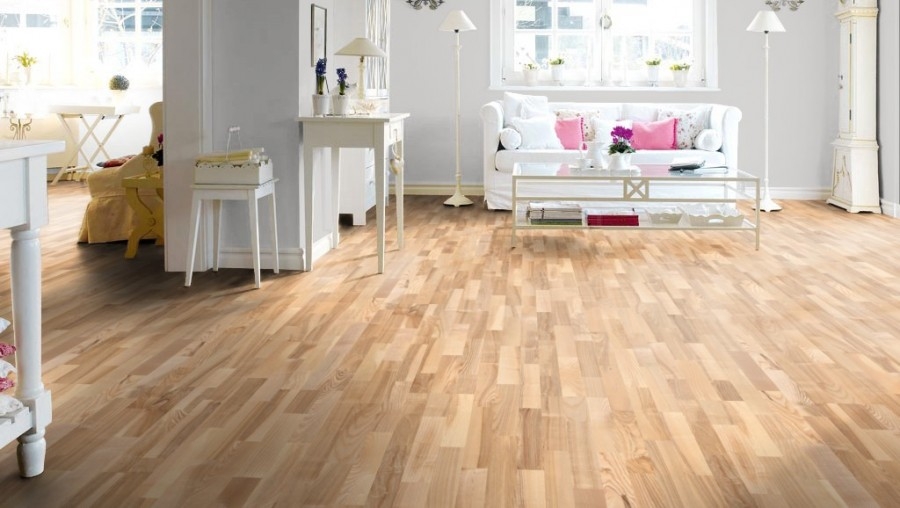
Deal flooring is made of pine, the laths are 10-15 cm wide and 3-5 meters long, its sides are slanted. These are laid juxtaposed, offset longwise and fixed to the bolsters. Commonly the surface has the natural color, treated just with lacquer but it can be treated with oil or wax also.
Swedish flooring is different from the previous one that the length of laths is only 1 meter and can be made of tropical wood also.
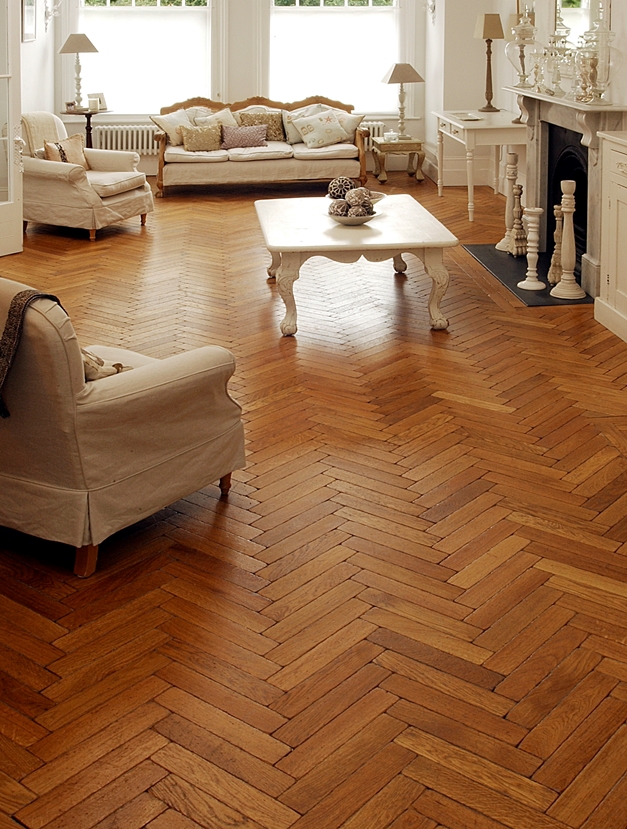
Tongue and Groove parquet is made of hardwood (e.g. oak, beech), nailed to the counter floor or glued to the concrete bolster. The laths are 4-5 cm wide and 25-50 cm long. Before laying, it is recommended to store them in the room where they will be laid for adjusting to the humidity. The surface is commonly just lacquered. It can be laid in different patterns fitting for the style of the interior (e.g. herring-bone, basket wave).
Strip flooring is made of hardwood, the lath is 15-18 cm wide and 2-4 meters long. It can be laid without nailing or sticking this way it’s easy to take apart and lay down again.
Inlaid parquet is from rectangular or hexagonal sheets, each of them has its own pattern made of different hardwoods. The final pattern of the room’s floor is created by laying them beside each other. The regular sheets have 40-50 cm side length.
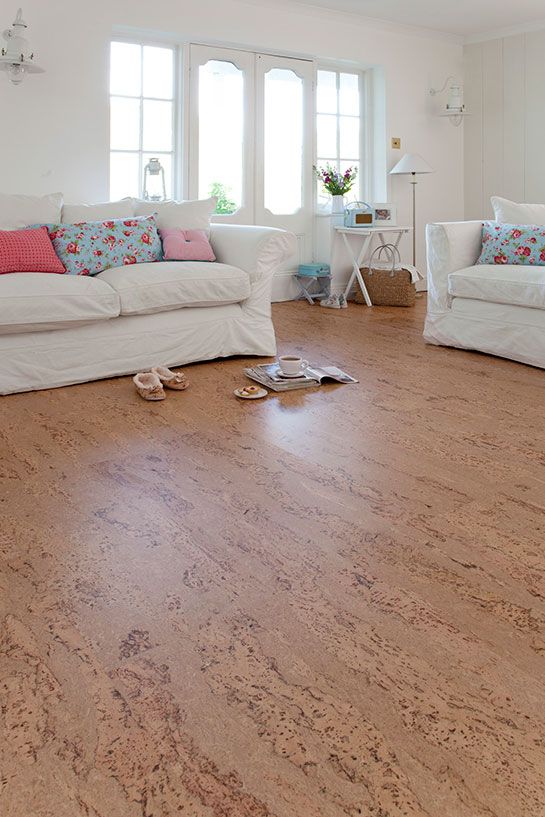
Cork flooring is a bit different from the others because it is made of the bark of cork oak tree, so it is a renewable and environmentally friendly material. The sheets are made by pressing the grist. Its pattern is determined by the particle size. It provides excellent heat insulation and sound-absorbing.
Ask for help of an interior designer for choosing wooden flooring fitting for the style of your home and for the size of the room.