When mirror is not on the wall: special, elegant, full of light
Archives
Art Nouveau
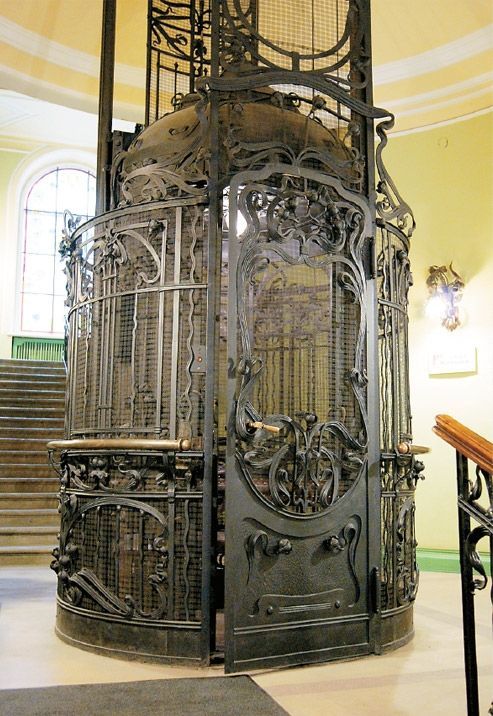
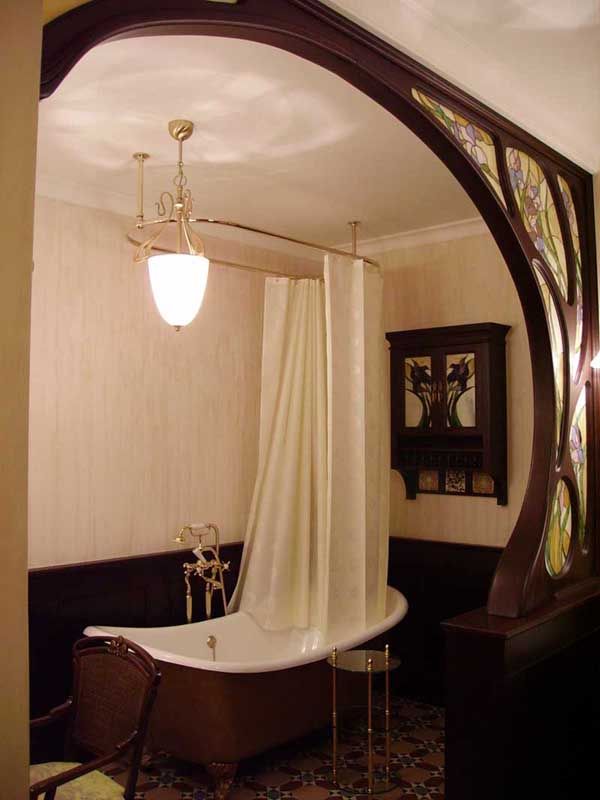
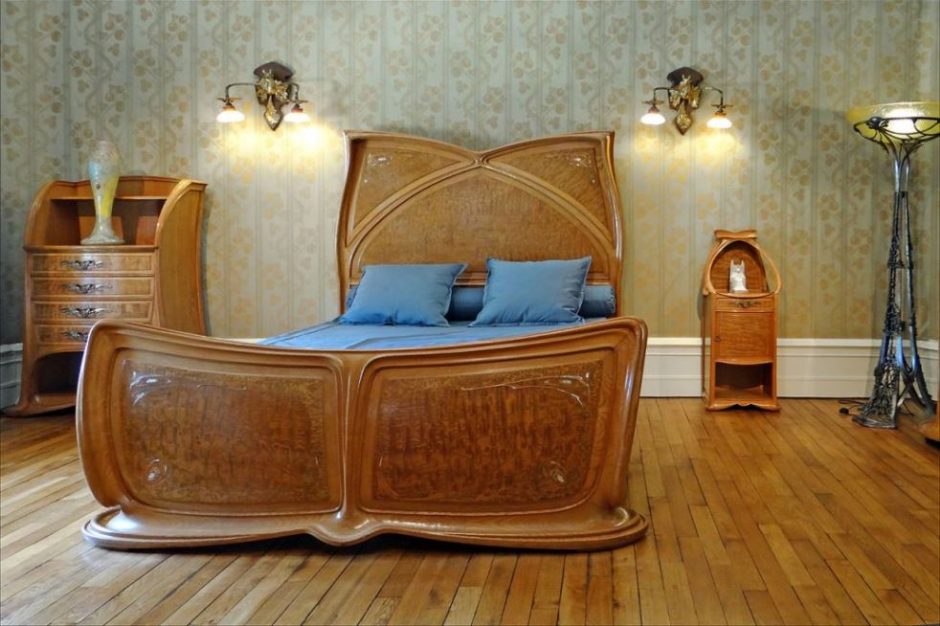
Art Nouveau was the art trend of the turn of 19th-20th centuries. Its name was Tiffany Style in the USA, Stile Floreale in Italy, Jugendstil in Germany, Modernismo in Spain, first Modern Style then also Art Nouveau in England. It was called Szecesszió in Hungary and Austria. Its main features are organic shapes, floral and animal motifs, asymmetry, multi-color and scrolling shapes. It used decorating elements in a big amount and had an effect on all fields of life, not only on arts. It brought the oncoming of content and form, namely form was created by starting from the function.
Applied arts worked closely with architecture and interior design. Glass art added to interior design with decorating doors and windows and making household objects (e.g. lamps, vases). L.C. Tiffany and R. Lalique are its outstanding representatives, for example. Textile makers designed and made upholstery fabrics and wallpapers (e.g. W. Morris). Zsolnay created eosin glazing in the field of ceramics. Ceramics were started to use not only indoors but for outer covering of houses also (e.g. Museum of Applied Arts in Budapest). In addition to jewelry, the goldsmiths also made furniture fittings and ornaments. Painters retreated off the noise of the town and founded colonies of artists and worked there (e.g. E. Munch, A. Mucha). Reinforced ferro-concrete appeared in architecture. Unique interiors came to the fore. Metal art appeared on public buildings also (e.g. subway exit of H. Guimard in Paris).
Some original pieces of furniture or accessories are available today also. For example, Tiffany lamps are still produced.
Ask for help of an interior designer for creating an Art Nouveau style home.
Color pairs 28.
Color pairs 27.
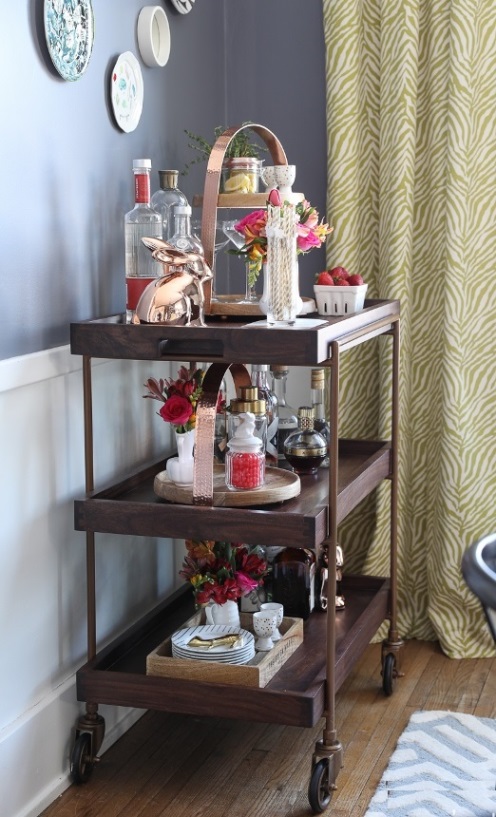
Bar carts
American country
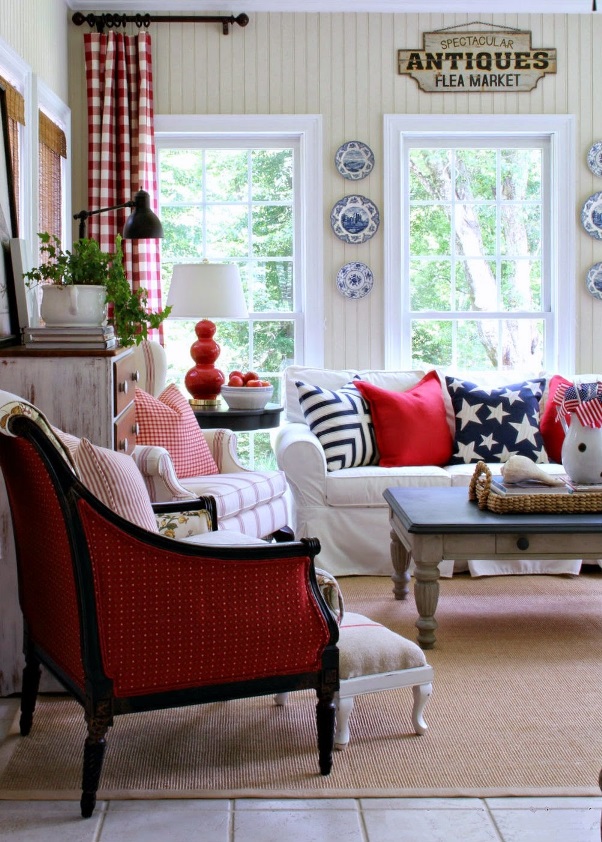
The American country style has several faces: farmhouses with shaker origins, seaside bungalows, Victorian houses of the south states, mountain log houses etc. They have common characteristics by which we can evoke their mood.
Usually the kitchen is in the same open area with the dining table and the living room, separated by a kitchen island. Spaces are wide and open, the ceiling is high. Visible beams and fireplaces are frequent accessories. In the case of a multi-story house, bedrooms and bathrooms are at the first/second floor, communal area, guest bathroom and home office are at the ground level. The house has a garage or car parking, front- and backyard garden and a porch.
Natural materials are the base of furnishing: hardwood floor, painted walls, wooden and wicker furniture, cotton and burlap fabrics, sisal and rag rugs, animal leathers. Ornaments, accessories are frequently antique pieces in original conditions. They can be metal-ware (e.g. trade sign, milk-can), hand-made products (carved box, bedspread) and treasures of nature (shells, driftwood).
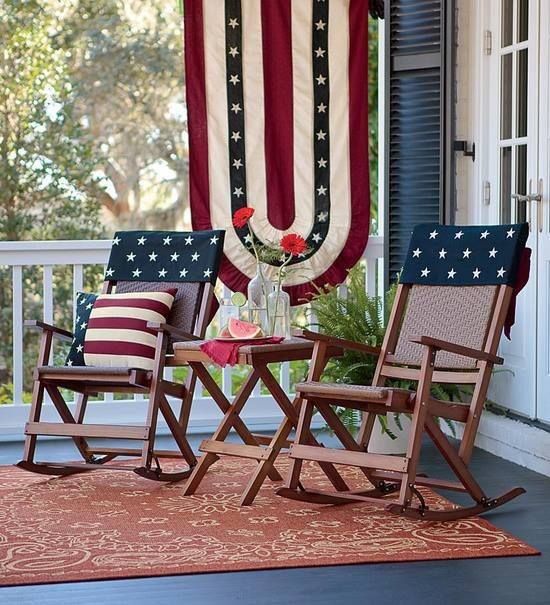
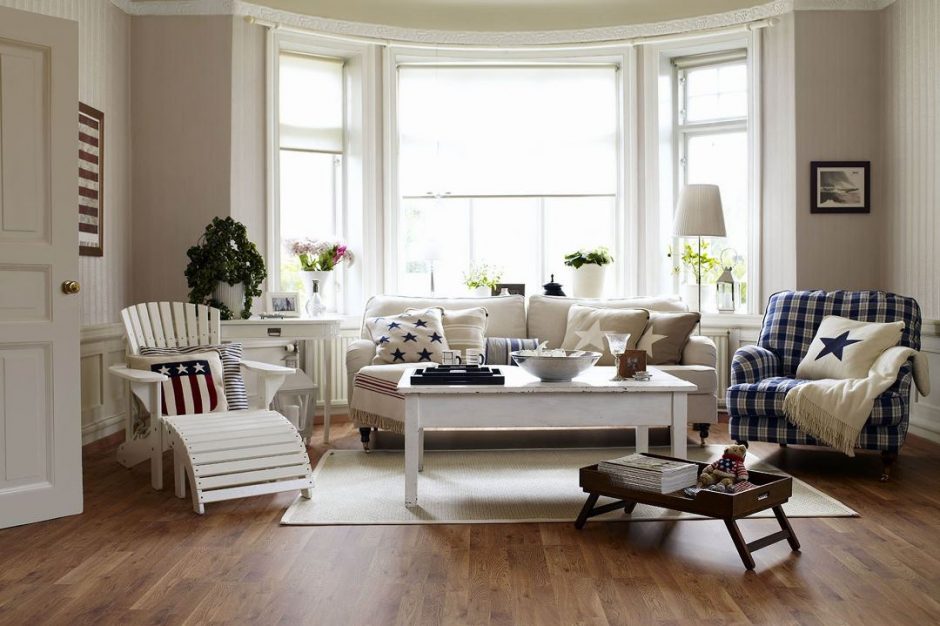
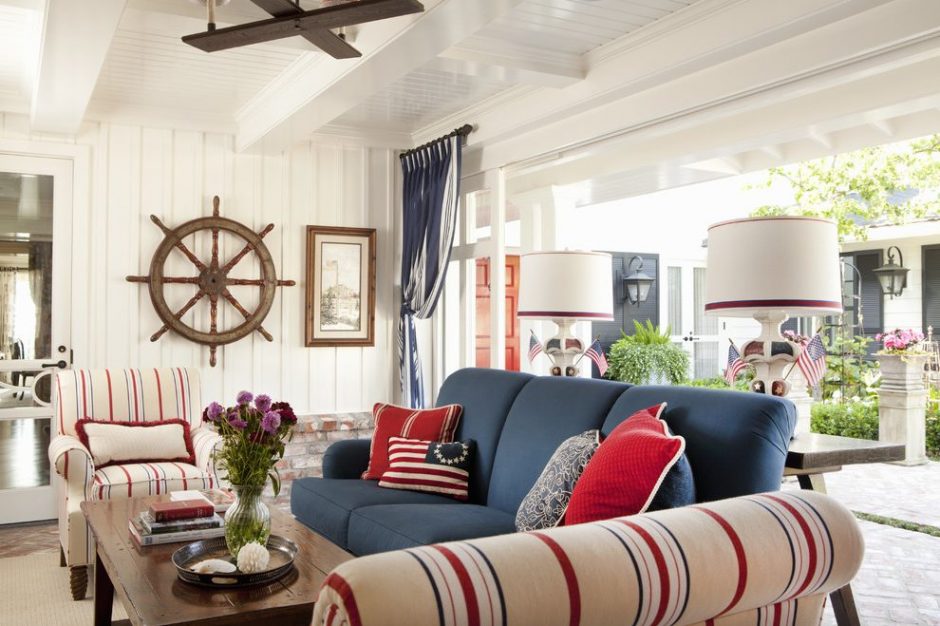
Using the national-flag-motif and its colors (red, blue, white) as decorating elements is also a characteristic of the style. It provides high contrasts softened by browns and beiges. Black is a common additional color. Also, the flag is the base of the striped and star patterns. Unique, hand-made, often inherited objects have role. E.g. patchwork and quilted blankets and cushions are typical.
Ladder-back Windsor chairs, rocking-chairs, shiplap covered walls, sofas with soft cushions, reused objects, feeling of nature deepen the country mood.
Ask for help of an interior designer creating a cozy country style.
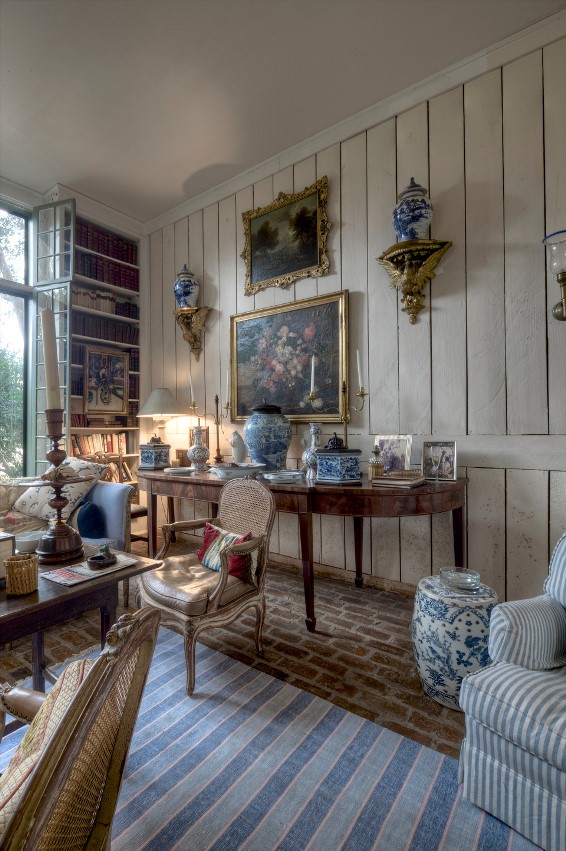
Blue-white chinas
High-gloss furniture
Misbelieves about interior designers
We almost daily meet opinions about interior designers based on misbelieve. In Hungary, most people still don’t consider this profession to be an honored job. This is why we should clarify the most basic false enunciations.
1. The interior designer wants to implement himself/herself during planning my property
A good interior designer NEVER implements himself/herself during a job, but makes the owner’s dream come true! Because he/she is in the fortunate position that his/her job is his/her hobby as well, he/she doesn’t need more self-justification. It’s a fact that every interior designer has his/her own style after which his/her works are recognizable. This is an advantage for the client, because he/she can choose the designers by their references, which one he/she feels closer the most.
2. Only the rich can afford hiring an interior designer
The price of a whole interior design depends on many parameters, so the offer is always individual. Just like in the case of a tiling or heating job. The starting point can’t be the price of a job done for a neighbor/friend/relative (even many years ago). Asking for an offer is free, we can still take a look among interior designers. Besides, we can ask „only” for an interior design advice which is more cost effective but a much smaller possibility also, but it can help a lot for an amateur.
3. Hiring an interior designer is just a genteel mischief, he/she does indeed nothing for the money
Here are some examples for „nothing”: measuring the property and the requirements, making the plans (building-releasing, lighting, furnishing, custom-made furniture, suspended ceiling, consignation etc.) with discussing it with the client, handling orders, coordinating workers and so on. Say it in a sentence: he/she spares money and time for the client by taking over jobs from the owner as a professional.
4. I exactly know what and how I want, don’t try to force me any other things (color, style, arrangement etc.)
Interior designer forces nothing on anybody. He/she gives advice by the workmanship and experiences. Not only finishing the job is the aim but making the property fit for the expectations of the owner also. He/she can raise many questions which was never thought about by the client or never heard about that possibility. In the case when the owner wants to handle everything from the beginning to the end, but he/she is an amateur, it’s worth to ask for one or two hours of consultation to see if the desired things are really suitable. The owner can spare a lot of money during the renovation with this.
5. The interior designer will suggest me to buy only luxury products which I can’t afford
The interior designer discusses the costs with the owner already at the beginning. He/she will design the future home within the defined budget, fulfilling all the requirements (not unrealistic!) as far as possible. Since he/she knows the market, knows which budget bears what, depending on the features and requirements.
Be confident about interior designers, because they want to make our life better and more comfortable by forming the property according to our needs which we will call home.