Archives

Mauve

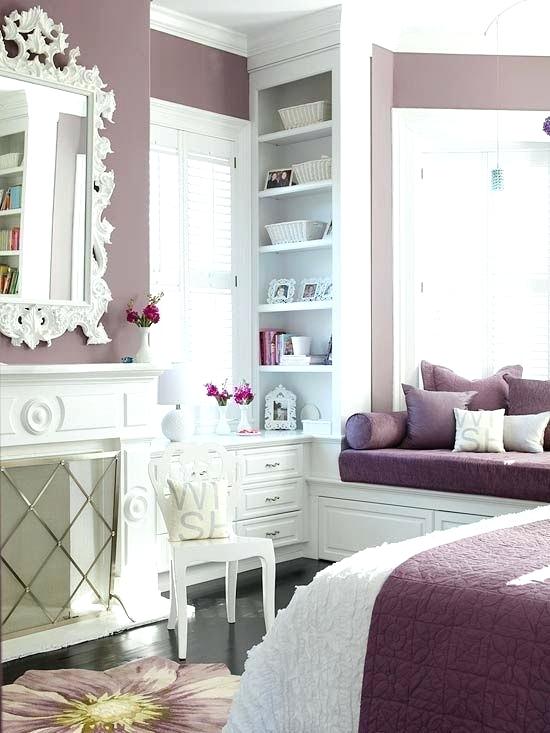
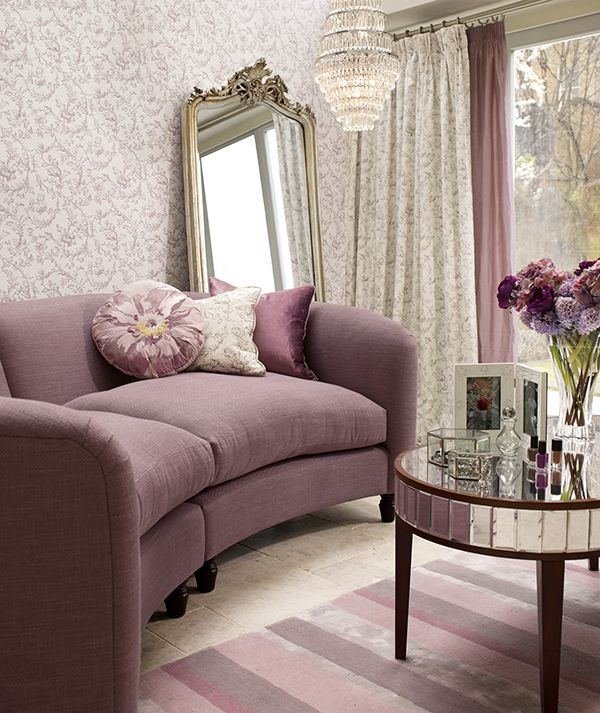
Mauve is a soft shade of purple, it contains lots of grey and a tint of pink

Facebook

Small summer house

The rare-used, small summer house can be stylish, cosy and comfortable also

Facebook

Fried Castle Hotel

Fried Castle Hotel Simontornya through the eyes of the guest (2016)

Facebook

Rococo

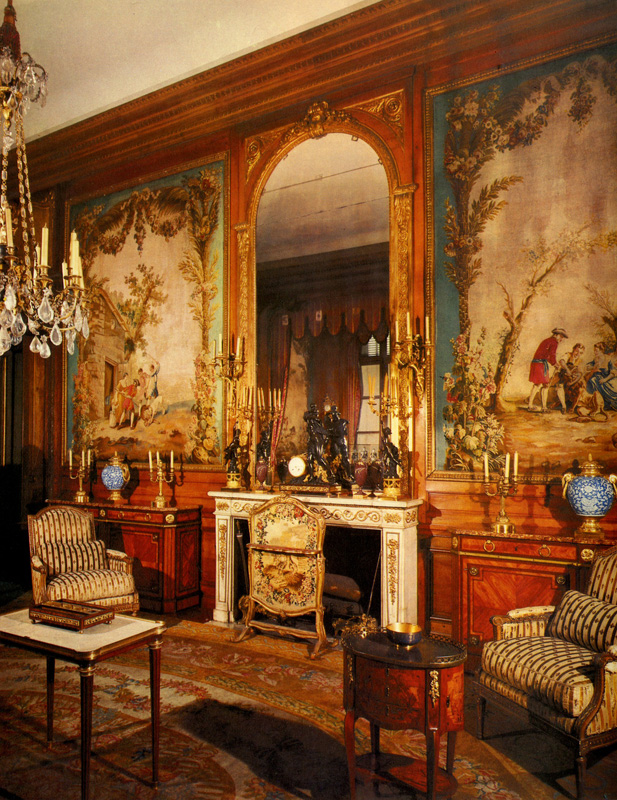
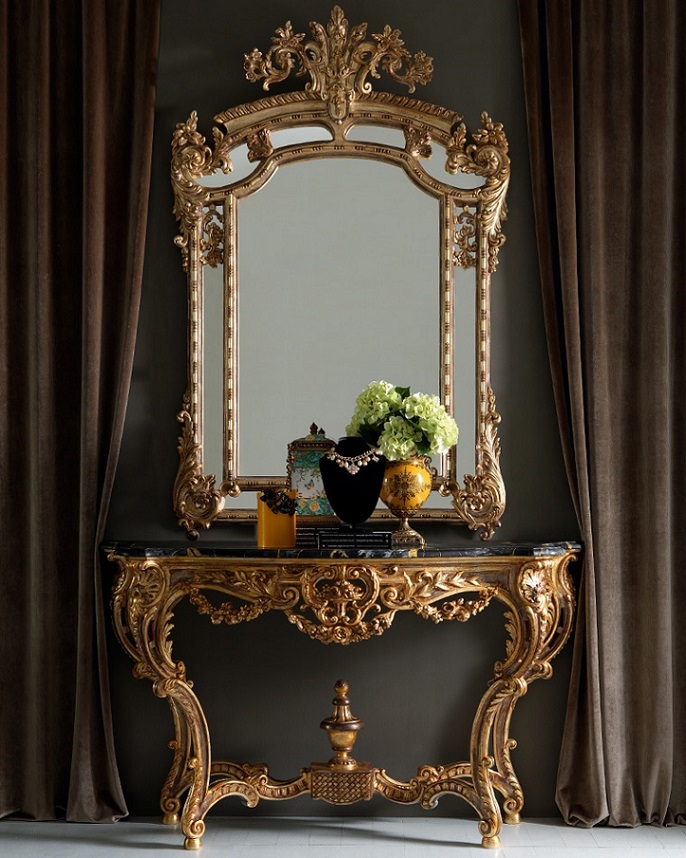
Rococo came to be in France at the beginning of the 18th century and was popular until the 1780s. The origin of the name is the word rocaille which is a mix of pebbles, cement and seashells. The new style was a kind of rebellion against the rigidity of Baroque. The nobles desired more free, playful and more decorated surroundings after the death of Louis XIV. It culminated under the reign of Louis XV., in which his lover, Madame Pompadour had a great role also.
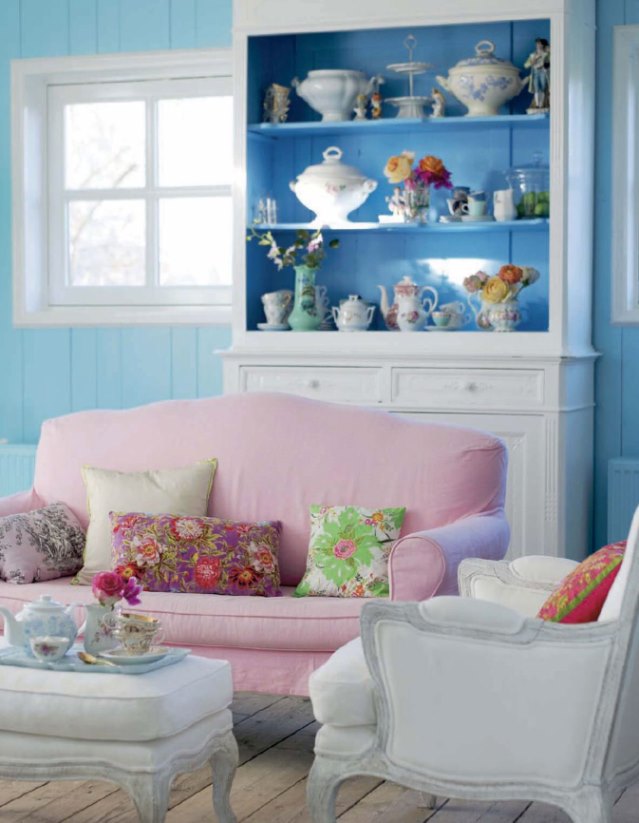
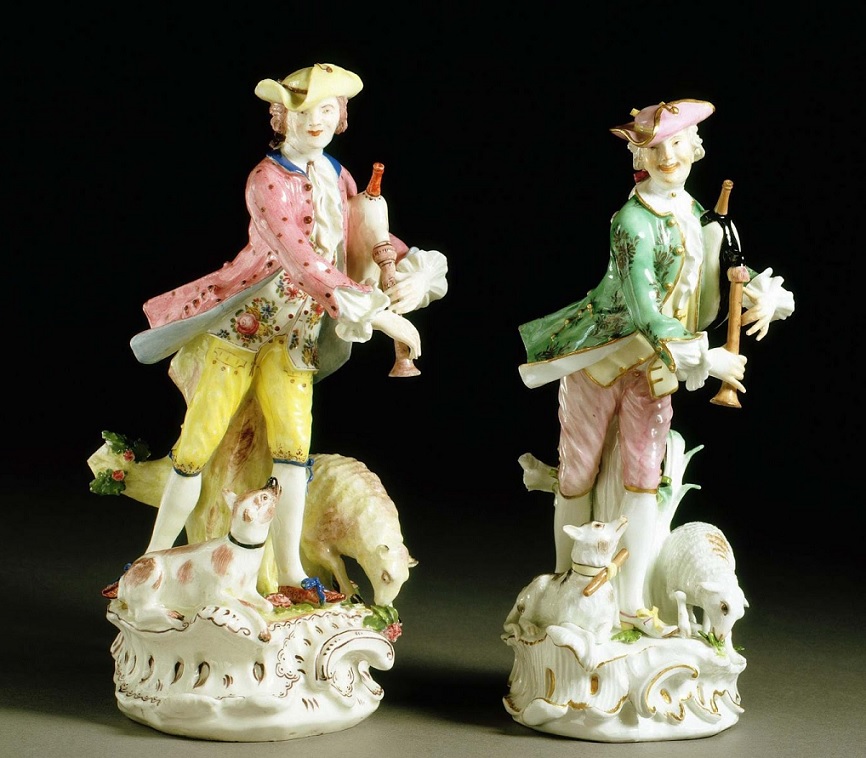
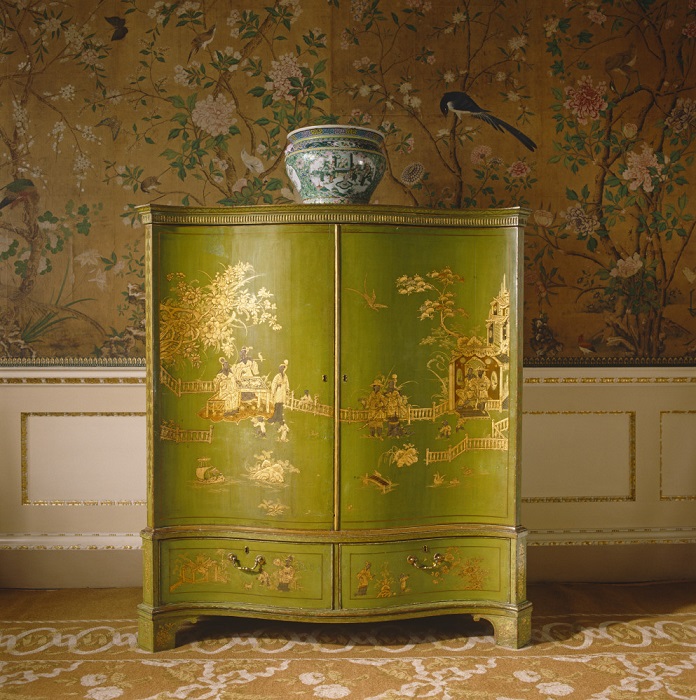
Rococo is actually a decorating style. Everything was decorated with carvings and gypsum decors, mostly gilded. There were twisty vine scrolls, flower and fruit garlands, C and S volutes, shell motifs around pictures/mirrors, on furniture (especially on console tables, commodes and tables), on the walls of the rooms and also on the ceiling. Genres came in fashion in painting which reflected the idealized thoughts and desires of the nobles about the world (e.g. A. Watteau, F. Boucher). Slightly looser themes weren’t taboos anymore at all, not only mythological figures were depicted without clothes and/or in piquant settings. Toile de Jouy pattern visualized the pastoral idyll which was „born” in that time. Chinoiserie was an important part of Rococo also which brought the far Eastern culture in the royal courts. Furniture was lacquered, decorated with painted scenes, ormolu and inlays became popular. Colors were muted, white and pastel shades were fashionable. Thanks to the formation of the European porcelain producing, miniature statues and figures appeared. These were placed on the mantelpiece or console table as decorating elements. Their theme was joy or love. There were many lace trimmings, ribbons, bows and embroideries on the clothes, powdered wigs and gloves were important accessories. The institution of salon appeared where the chosen companionship gathered and lived a vivid intellectual life. Rococo style gave a special surrounding for this.
From today’s point of view, Rococo might be a bit „too much”. However, it can be replaced into today’s interiors also with holding in the amount of gildings and decorations and handling the main features as only examples. Ask for help of an interior designer for this.

Facebook

Parquetry patterns

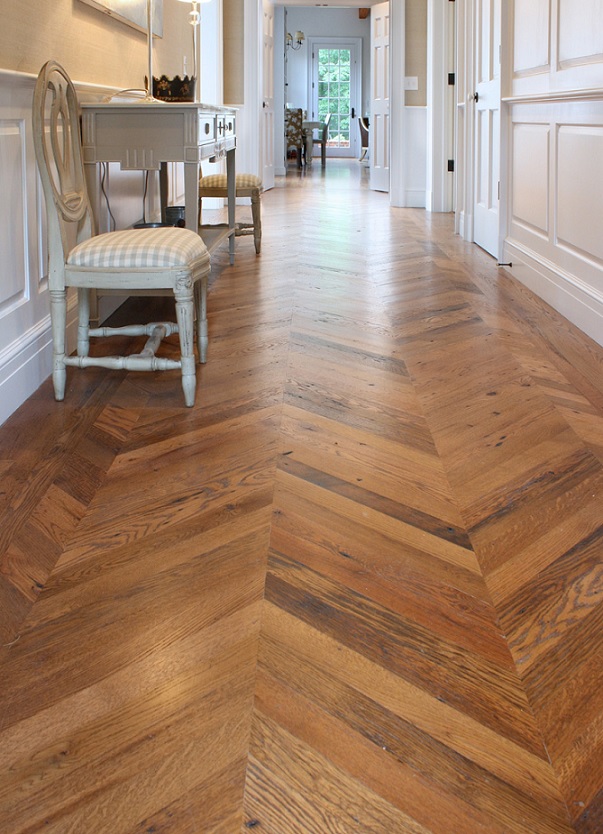
The history of parquet flooring goes back to the Renaissance. The wooden floor tiles were laid in V-shape since the middle of the 16th century. The two oldest patterns are herringbone and chevron. These are the most popular today also but they are frequently mixed up.
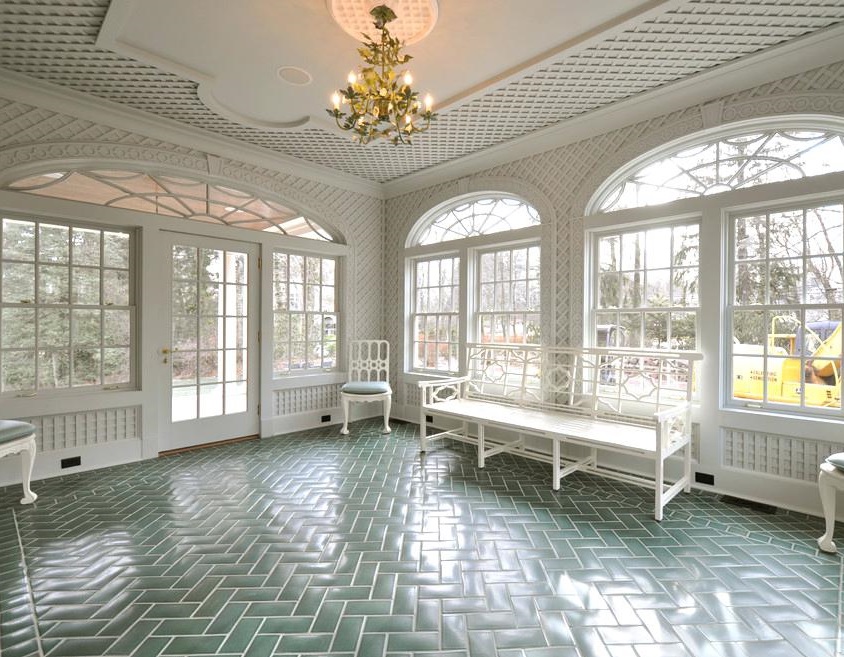
Reputedly herringbone patterned parquetry was first laid by Italian craftsmen in 1539 for the French king Francis I. In this classic pattern, the pieces are in right angle so that the short side of one piece gets to the end of the other’s long side. Actually they show a zigzag pattern but its line is broken.
However, there are pointed peaks in chevron pattern (named after the V-shaped rank sign), this way the chock-shape is created. The pieces are cut in mitter, the ends are joined this way, so the pattern will be continuous. Nowadays ready-made floor and wall tiles are available.
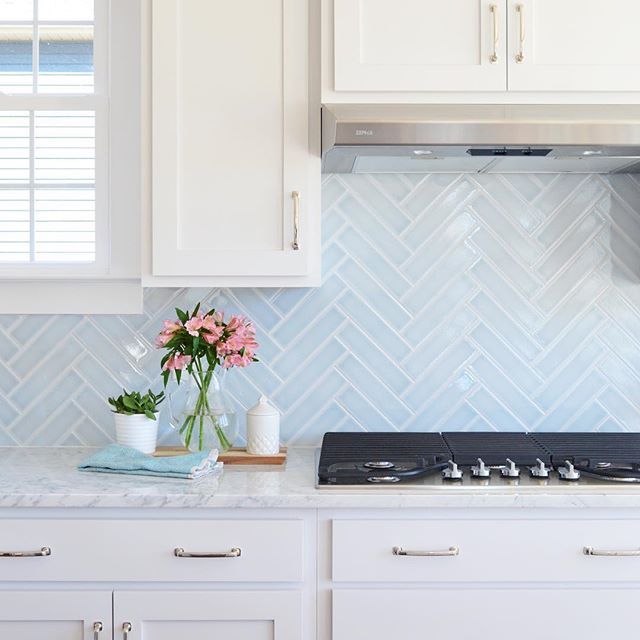
The two patterns mentioned above are frequent not only as floor but as wall decorations also. They can be created from wall tiles (e.g. subway tiles), floor tiles or even vinyl flooring, not only from wood parquetry. They look good both in classic and modern interiors.
Luckily, parquetry is fashionable again, more and more people want to save the old wooden flooring of the building being renovated. It is really worth to spend money and time for it unless it is in too bad condition, since it will be beautiful and valuable part of the interior. It will look as good as new with gap-filling, grinding and lacquering (probably changing its color by burnishing).
Ask for help of an interior designer for choosing the proper patterns.

Facebook

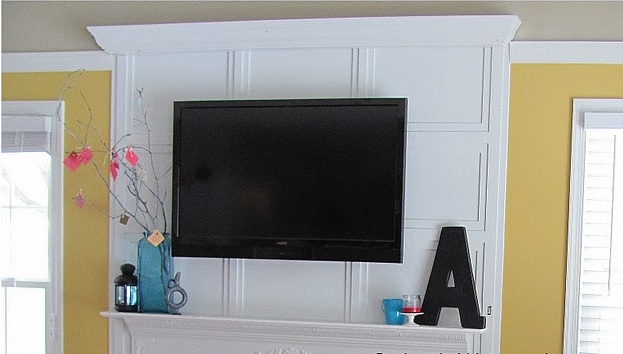
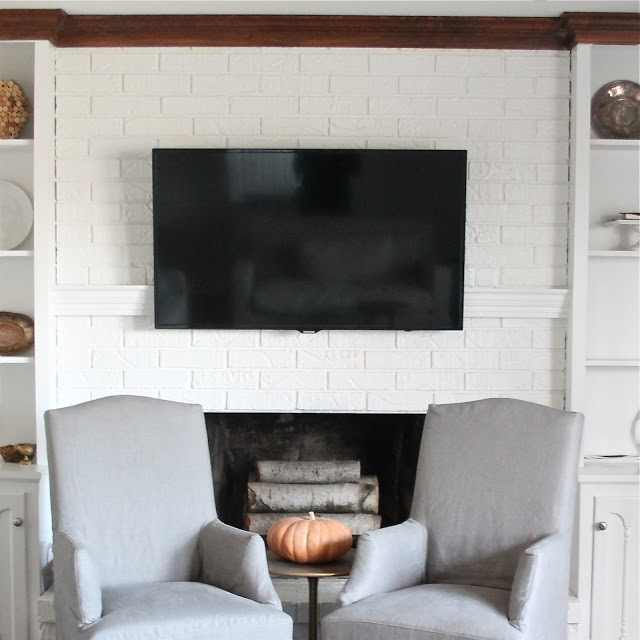
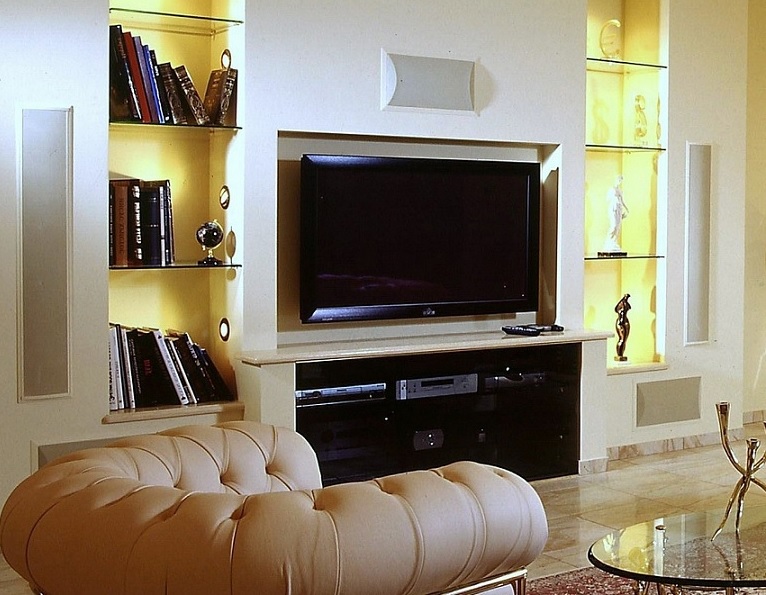
Hiding TV cables

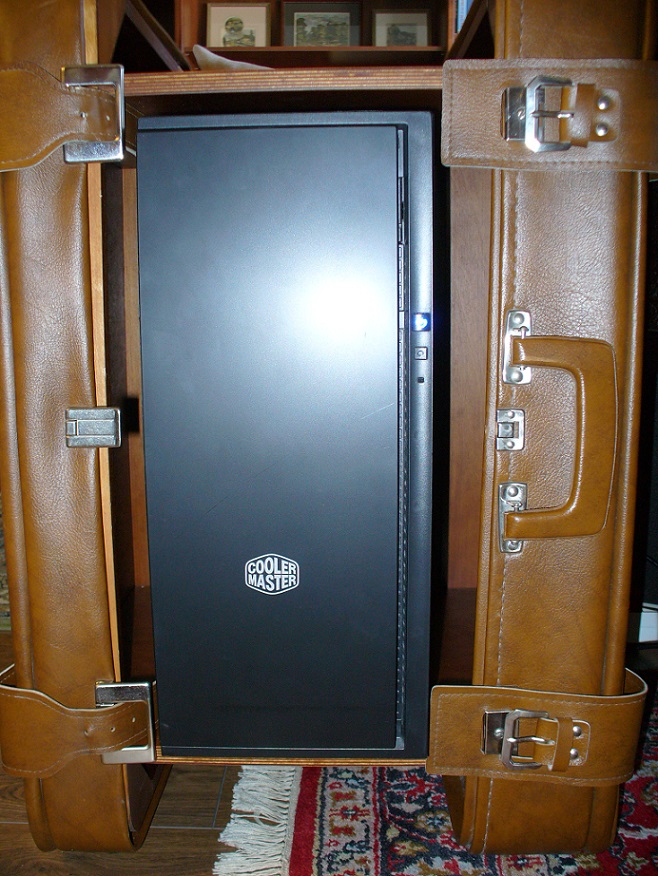
How to hide mounted TV cables by building instead of wrecking

Facebook

Dark brown furniture

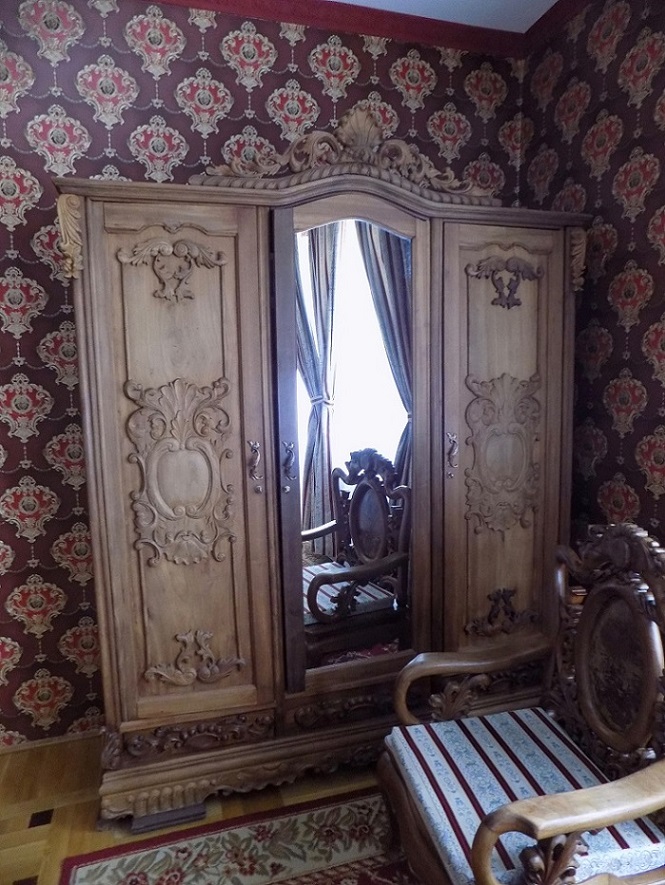
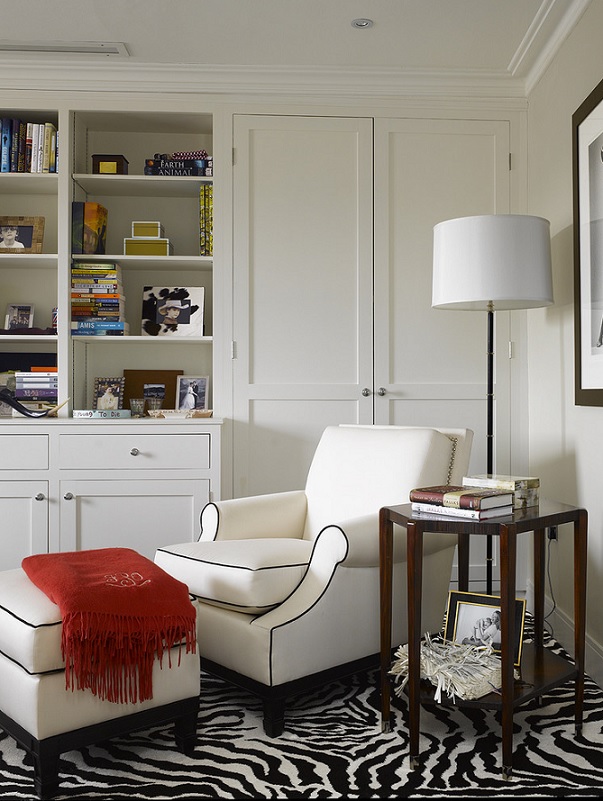
Light, painted furniture are more and more fashionable nowadays thanks to the popularity of shabby chic, vintage and country styles. Most of us immediately think of painting the antique and inherited dark(er) brown furniture to make them fit in the white, grey or cream interior where only the very light shades of wood are used for furnishing. But old pieces can be fitted in a stylish way without painting them, in their original pomp.
A showy piece of furniture can be a real focal point in a fashionable „white” interior. In fact, the dark color doesn’t fade into the view, on the contrary, it strikes the eye and underlines the light surroundings. So it’s expedient to choose a beautiful or a valuable piece of furniture which we gladly show to our guest also.
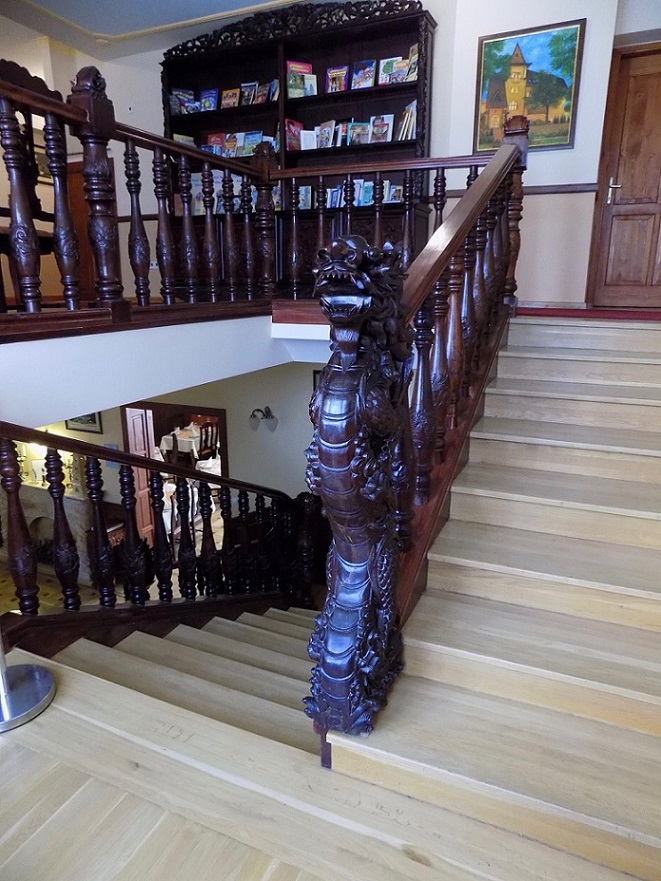
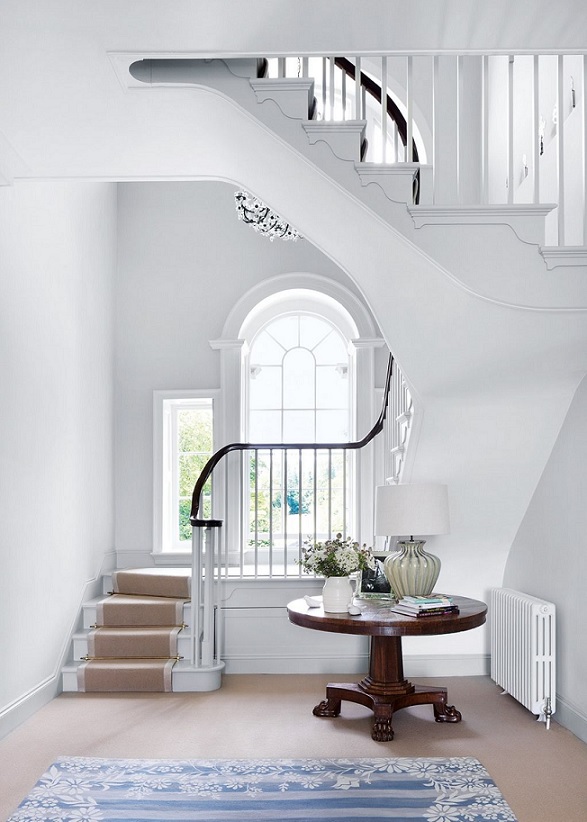
Using an antique piece will show a much more integrated view where the floor is made of darker wood. We can unite the sight by brown picture frames, upholstered chairs with dark legs, antique brass/black lamps, dark stair railing – depending on the purpose of the room.
Pastel colors (light blue, light green, powder etc.) used by the styles mentioned above don’t preclude placing dark, even lacquered furniture in the room. Naturally this is true in case of any color hue, if the colors of the furniture and the room are matched. If the surrounding remains light (proper lighting), the upshot will be truly sophisticated and invitingly cozy.
Really dark painted walls are braver but more and more frequent solutions in homes. An inherited piece of furniture can prevail here, in its original condition. If we choose a cold shade of color, for example dark blue, dark grey or even black, the piece of furniture will mark out from it by not only its lighter shades but its warm brown surface contrasting with the cold color of the walls. Maybe this results a more masculine style, but the coziness remains.
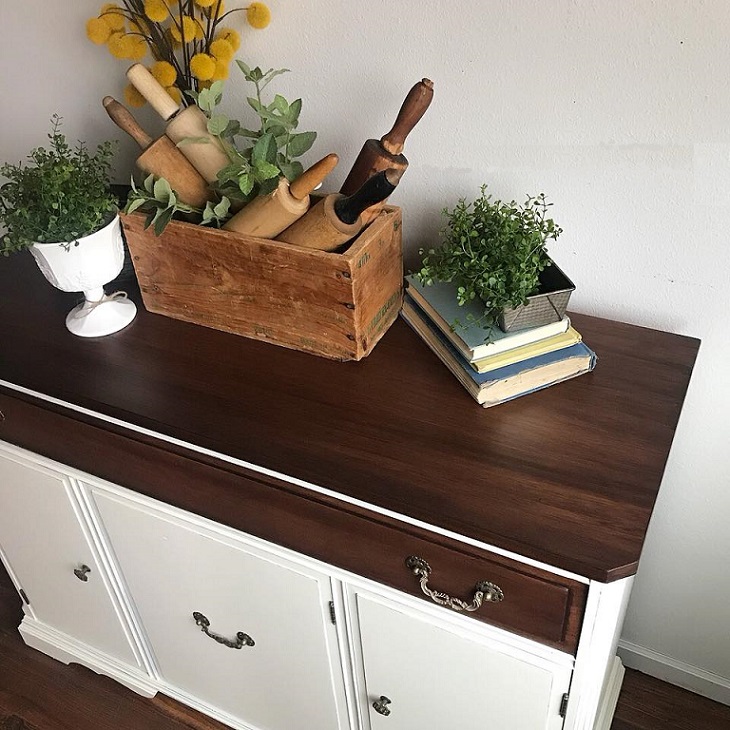
If we are doubtless sure of painting it white, it’s worth of combining them: leave some parts of the furniture in original color, namely dark brown. This can be the top of it in case of a chest of drawers, the tabletop of a table but any other combination looks good. This way we can show its beauty beside integrating it in its surroundings.
Ask for help of an interior designer for choosing the proper antique furniture.

Facebook

Color pairs 36.

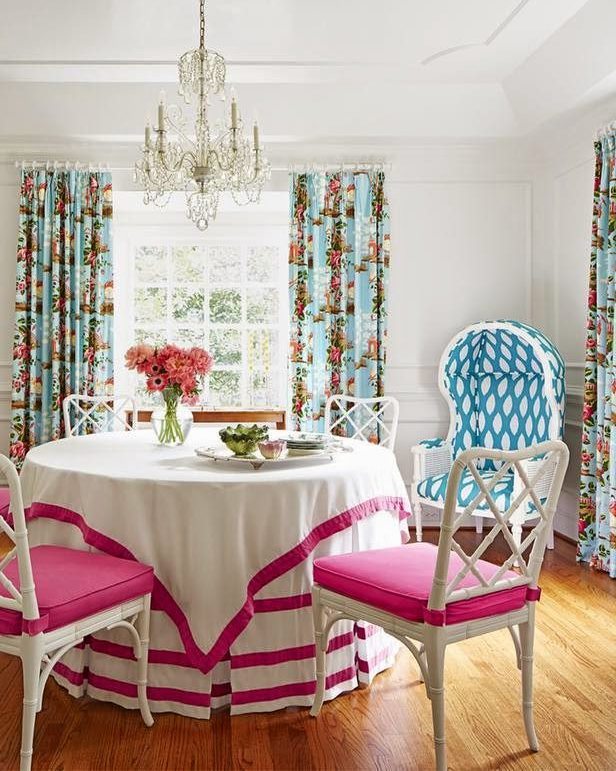
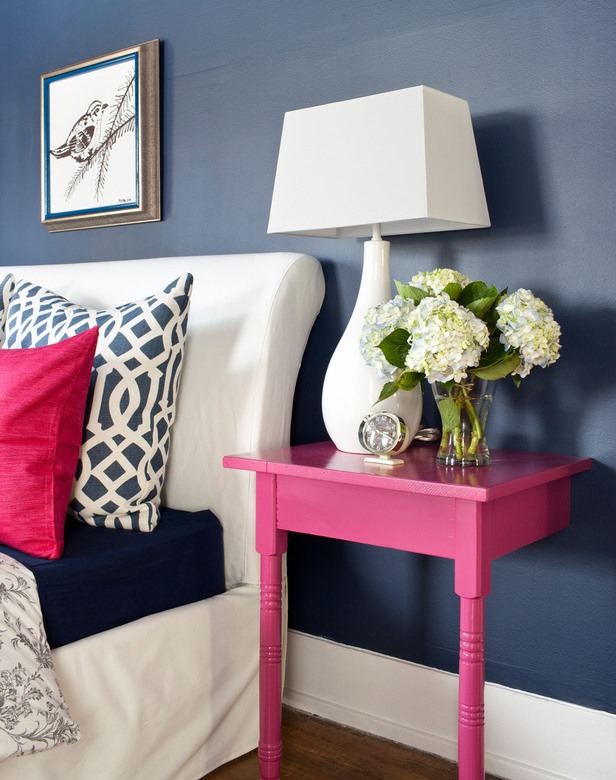
Color pairs: blue-pink

Facebook

Botanical prints

Botanical prints never go out of fashion, but we can modernize them with a pinch of black

Facebook

Baroque

The name baroque comes from the word barocco (odd). This style of art history lasted from the end of 16th to the middle of 17th century.
The penetration of baroque began in the ages when the catholic church started counter-reformation. The marks of the style helped it and vice versa: the catholic church urged the evolution of the baroque because thought it to be an instrument for showing its own grandeur.
The main feature of baroque is monumentality that can be found not only in sacral architecture. The palaces of the ruling class showed this also and incarnated the absolute monarchy. The Palace of Versailles in France was built this time on the order of Louis XIV. The buildings were over-decorated: gilding, noble materials (e.g. rare type of woods, marble, gobelin), murals, volutes, rich colors. The domed solution was common. Sculpture and painting was marked by the scenic presentation of figures, allegoric portrayal, movement and vigorousness.
The high-ceilinged interiors were heated by fireplaces in winter. The canopy beds were protected by around curtains from cold. In that times it was fashionable welcoming guests abed, that way not only community spaces (salon, corridors, lobbies) but also the bedroom, which belongs to the private area was made for representation.
The techniques of veneer, intarsia, marquetry (bone, tortoiseshell, mother-of-pearl, porcelain etc.) culminated in the art of making furniture. Using ormolu decorations on his furniture made André Charles Boulle, the furniture maker of Louis XIV., world famous. The seats were already upholstered (gobelin), their backs were straight, legs were arched and carved (cabriole), the frames frequently gilded. The commode with drawers appeared this time. The standing and table clocks as decorative objects also showed their owners’ wealth.
Using baroque style requires space. If we would like to apply it nowadays, in a common interior, its glimmer and monumentality should be held in – but this is not impossible. Ask for help of an interior designer creating a classy interior.

Facebook