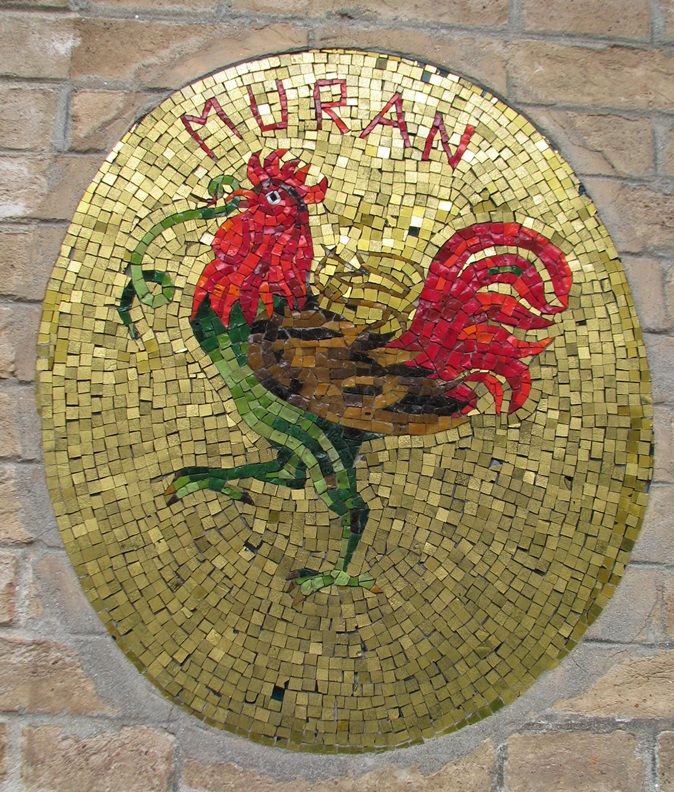
Murano is famous by glass production, it is 1,5 km far from Venice and lays on five islands. The Venetian glass blowing manufactories were expelled from the city because of the frequent fires and they then moved to Murano.
The glassmaking of the neighborhood was famous since the 10th century. The first rule book of glass manufacturers was dated in 1271 and updated continuously. The rules in it covered all the details of glass art: tools, rooms, prentices and masters also. The secret of glass production was strictly kept, since it was important export item of Venetian Republic. That’s why the people who were working there, it was forbidden to leave the Republic. Anyone who bespoke the secret of glass making to an outsider, was punished to death. The glassblowers got more privileges in exchange for this, for example they could be married to noble families.
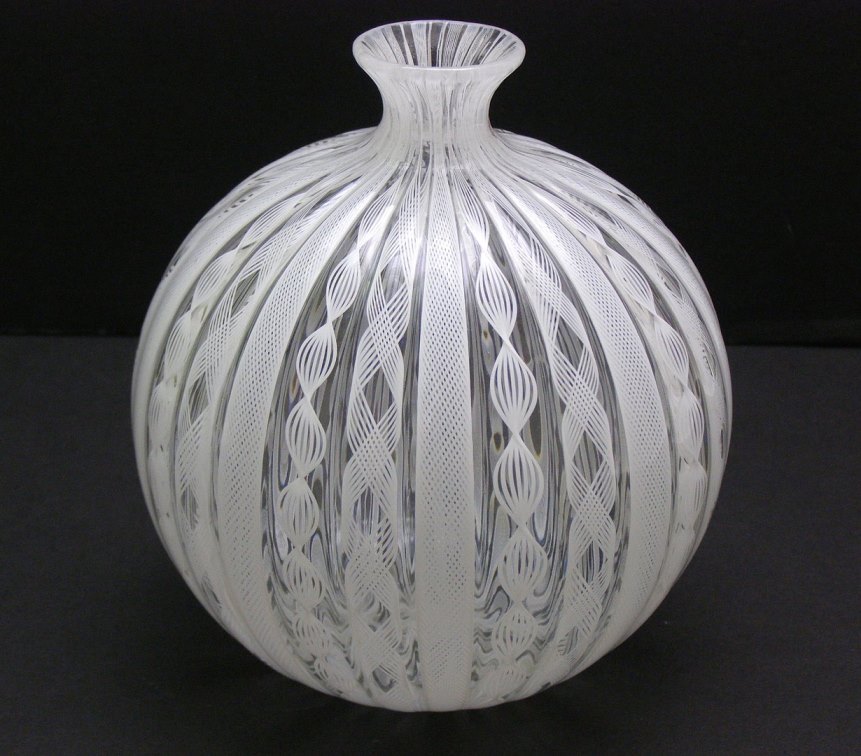
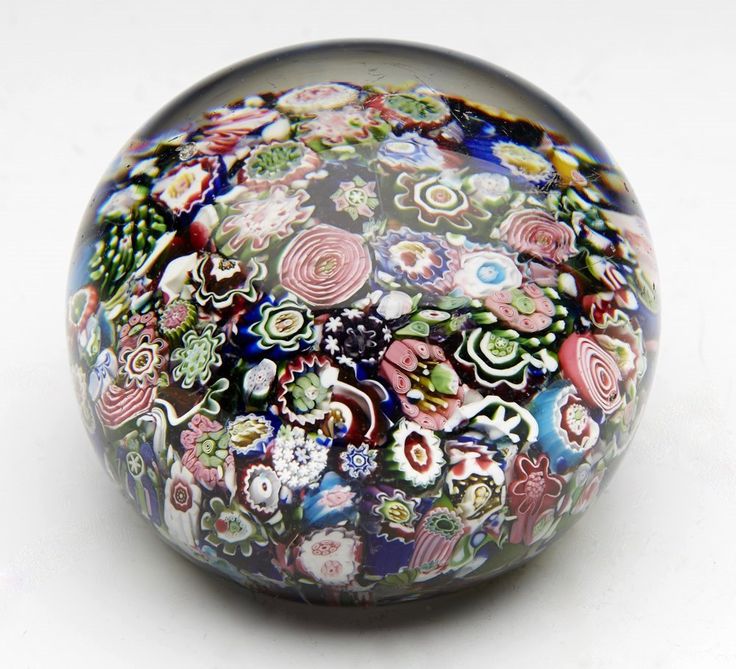
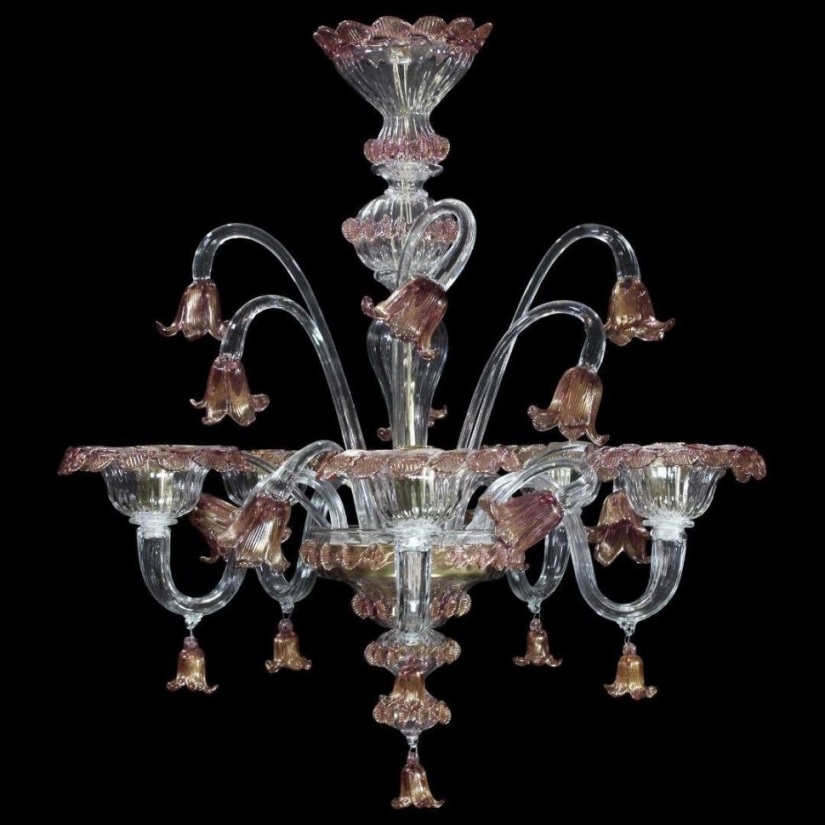
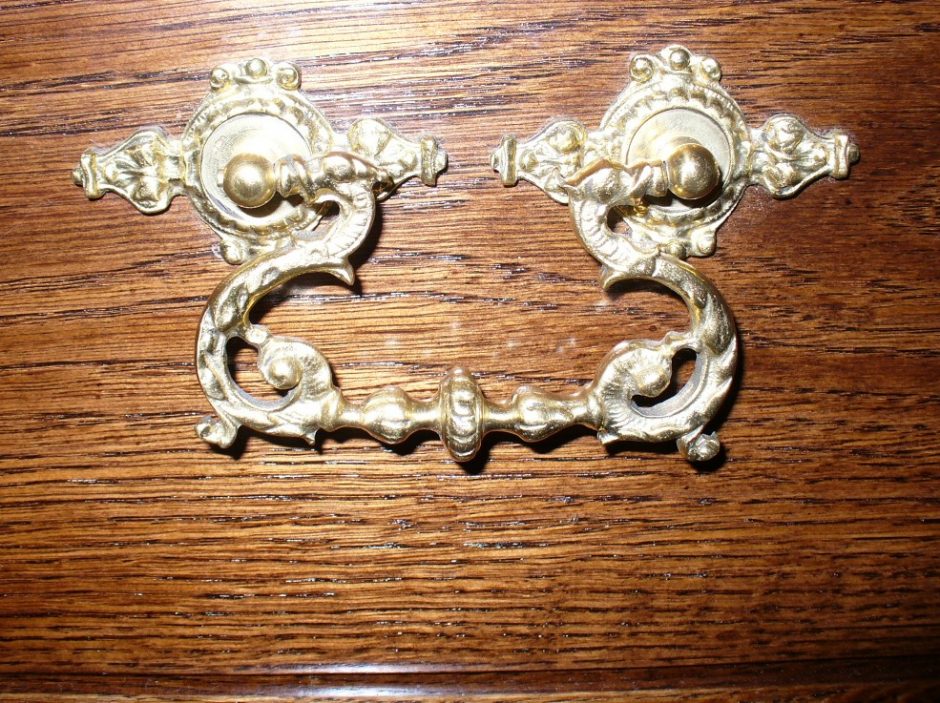
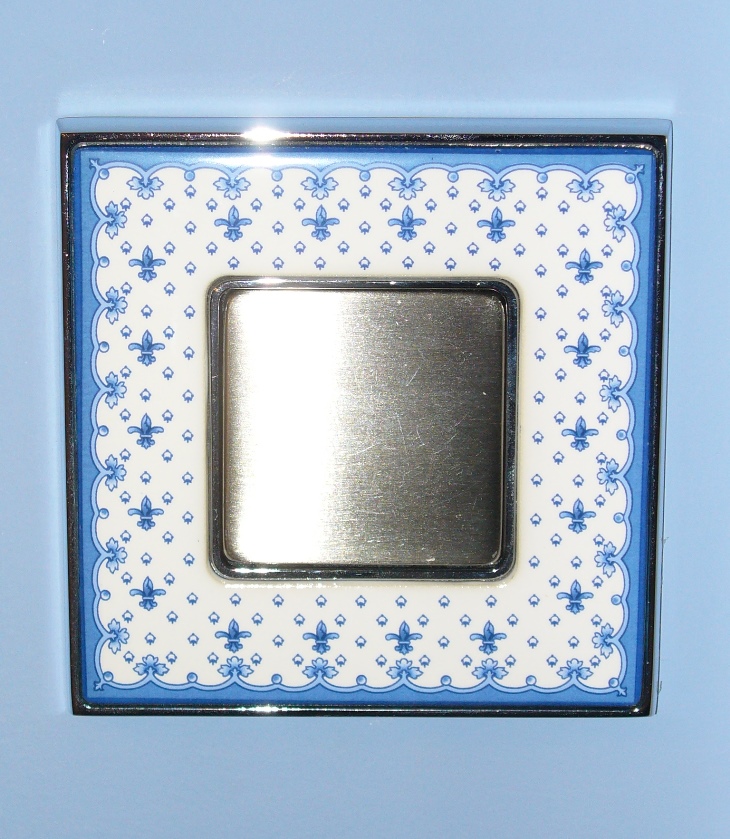
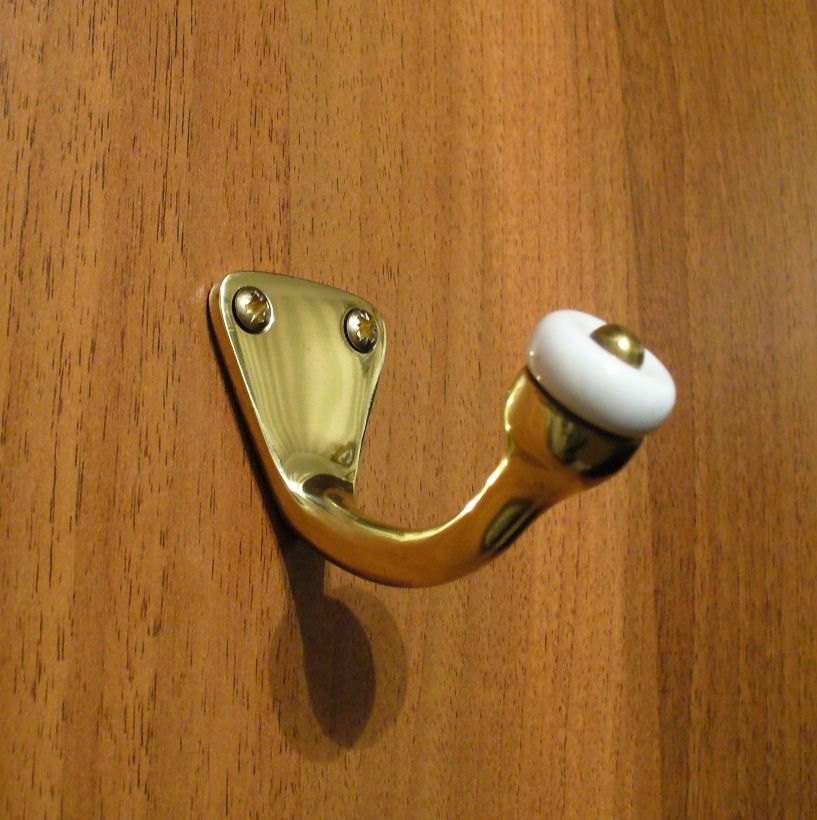
They were famous by the fine quality and special glass making techniques also. The most famous are crystal glass, enameled glass (smalto), gilded glass (aventurin), multicolored glass (millefiori), milk glass (lattimo) and faux precious stones made of glass. First they made only household objects (vases, plates, paperweights etc.). The product range was widened with other interior design objects, for example mirrors and chandeliers. A newly founded workshop began to produce glass tiles from 1854 for renovating the glass mosaics of the buildings. The product range was widened again in the turn of the century by the boom of tourism. They started to produce sculptures and other decorating objects, glass jewels and souvenirs. The session is not a top secret anymore, insomuch glassmakers make their products on the streets to entertain tourists. The Murano glass remained important export items. New household objects appeared in the product range fit for modern times: doorknobs, electric chandeliers, lampshades, handles of faucets etc. The quality is still the highest.
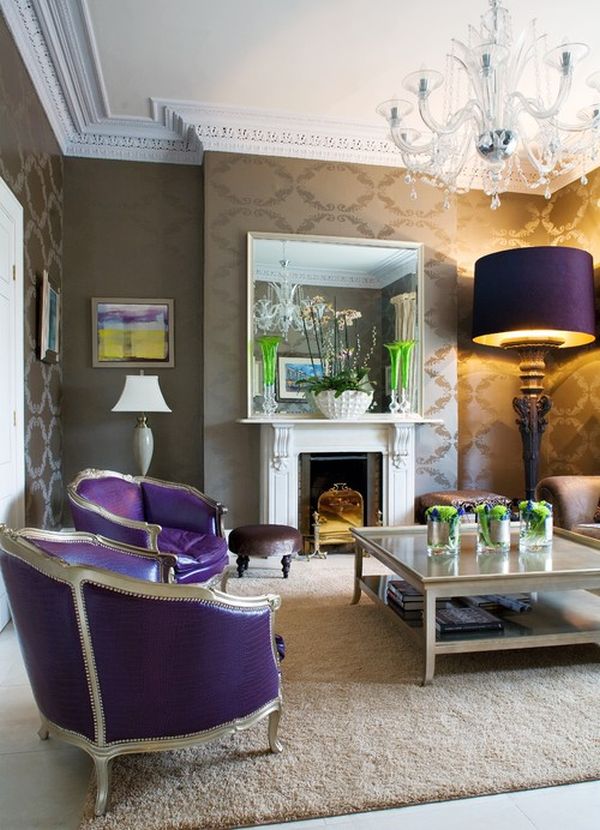
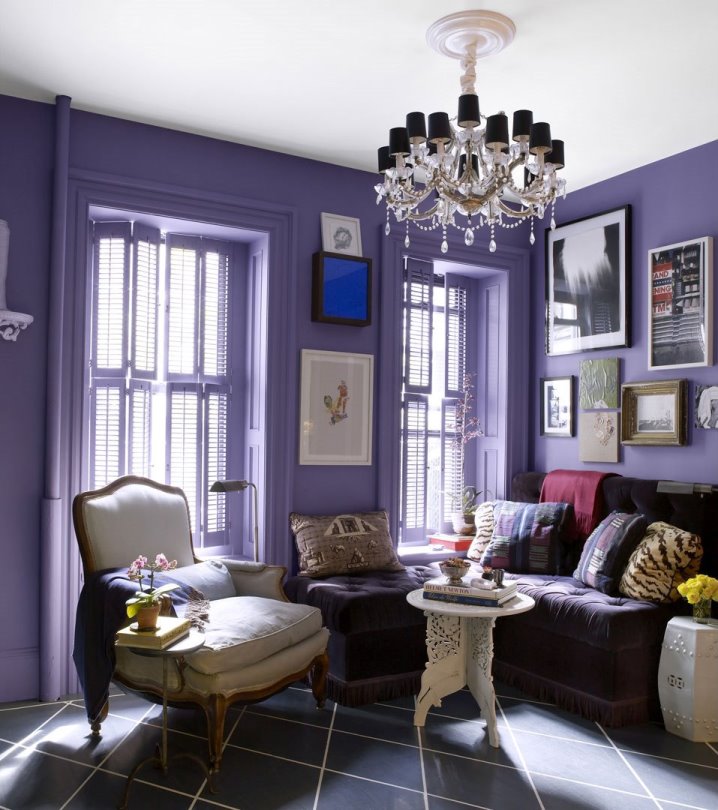
A bigger Murano glass object, for example a chandelier, can be easily the focal point of a room. If you would like to make your home special with a decorating or household object of this kind, ask for help of an interior designer for designing.