Two-tone kitchen cabinets are spectacular and elegant if we keep colors harmonious in the room

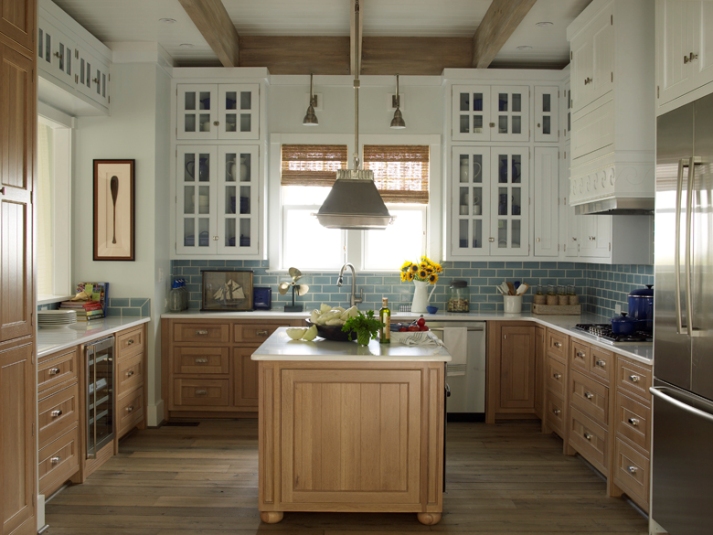


Two-tone kitchen cabinets are spectacular and elegant if we keep colors harmonious in the room
There is a growing demand for invisible sockets on the countertop when designing a new kitchen. Enjoying the fabulous tiles and popular glass backsplash are the main aspect. They look much better if the unity is not broken by plugs, even if they harmonize in color.
Using sunken plugs into the countertop is a common solution. Its lid perfectly slicks to the countertop when not in use, and can be released with a single press, then just close it after using. The space for sinking, should be considered while creating the lower cabinet. It can be purchased with round and rectangular intersection, in several colors and with several number of plugs.
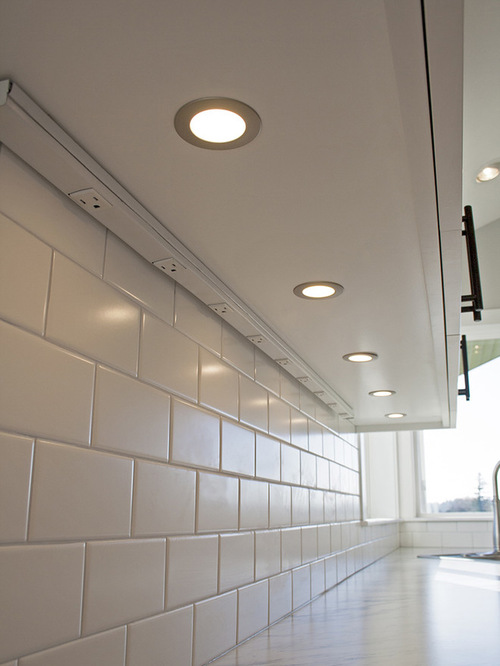
Sockets can be put on the bottom of the upper cabinets also. They will be invisible from the front. These can be even sunk into the cabinet in the case of custom made furniture, this way harmony will be more perfect.
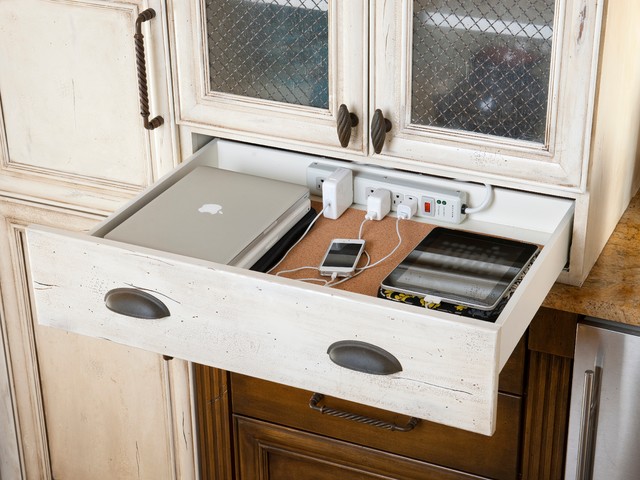
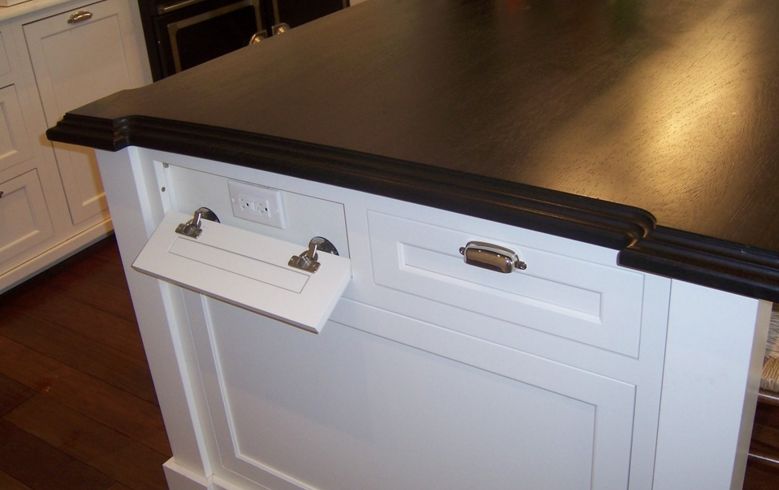
There are much more possibilities in the case of a custom made kitchen cabinet. Plugs can be hidden in a drawer also, just like in many hotel bathrooms. The disadvantage: the drawer remains pulled out while the socket is in use, that can block our moving. More space saving solution is making a faux-drawer front which has to be fold down to reach the built-in sockets in the lower cabinet. The door will be looked as a part of the furniture while out of use. This is a good solution in the case of a kitchen island also.
Although corner socket is visible at the edge of the countertop and the wall, but at least it can be glued to its place without cutting the backsplash. It will partly slick to the sight choosing it in a proper color.
Ask for help of an interior designer for planning your kitchen.
Blue is not a food-color, so use in a low key in the kitchen
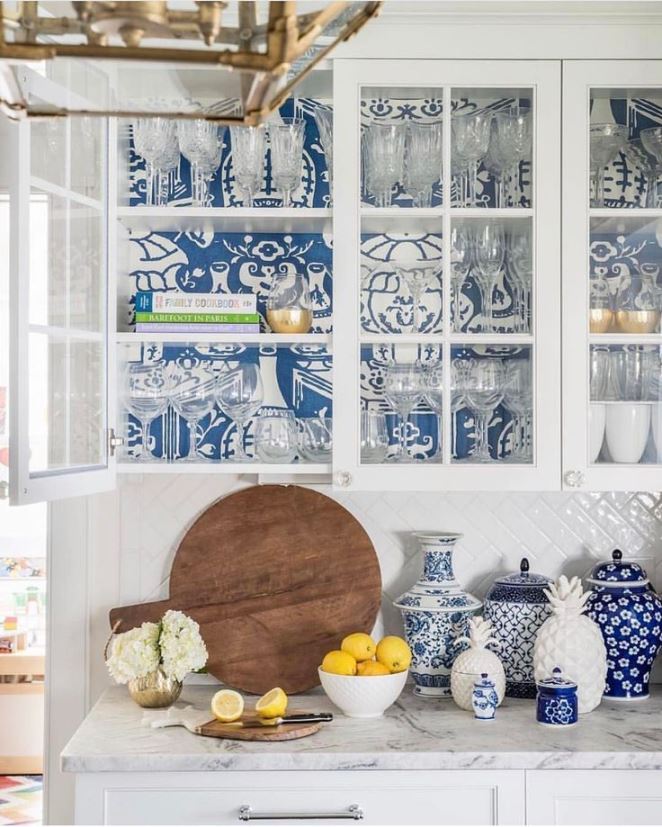
Put wallpaper into boring cabinets for making them unique furniture
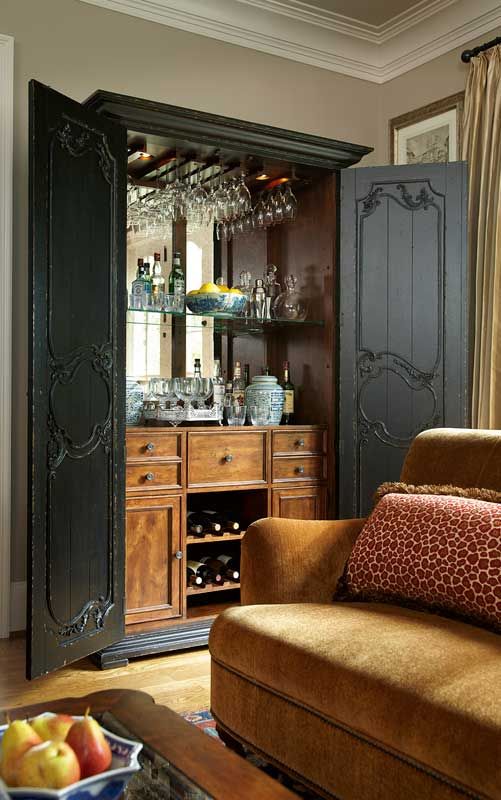
Home bar – not for spirits only
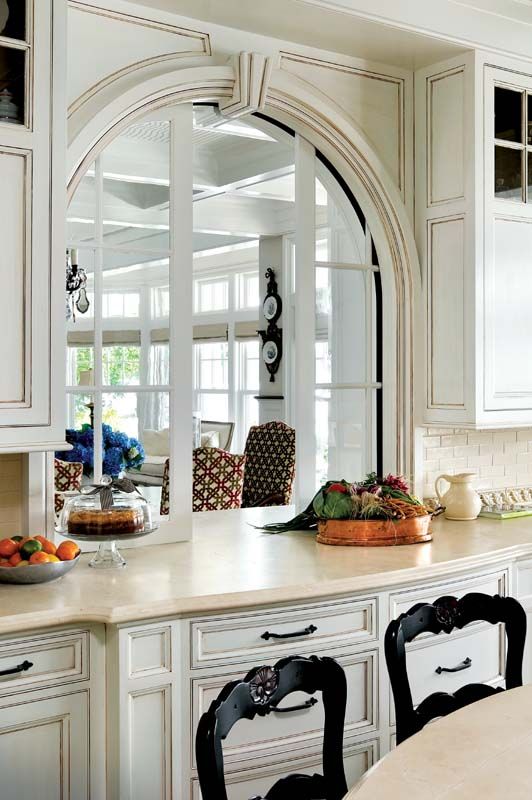
When a pass through window is a window indeed
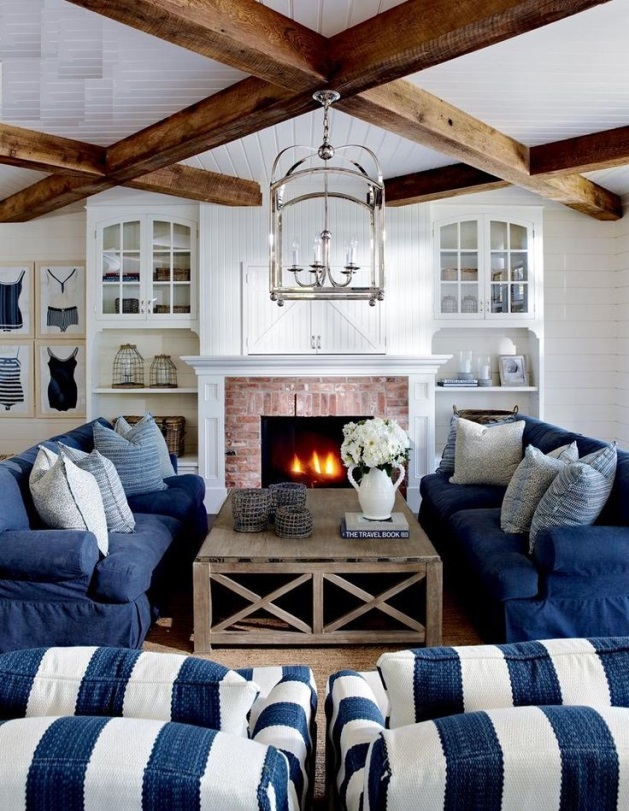
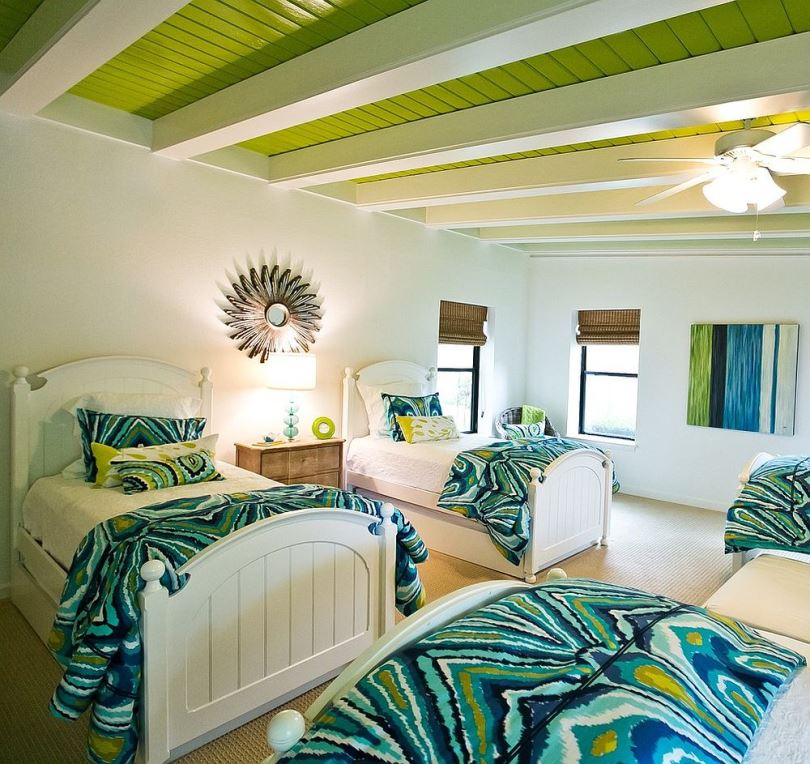
Low ceiling with visible beams – not necessarily press the space
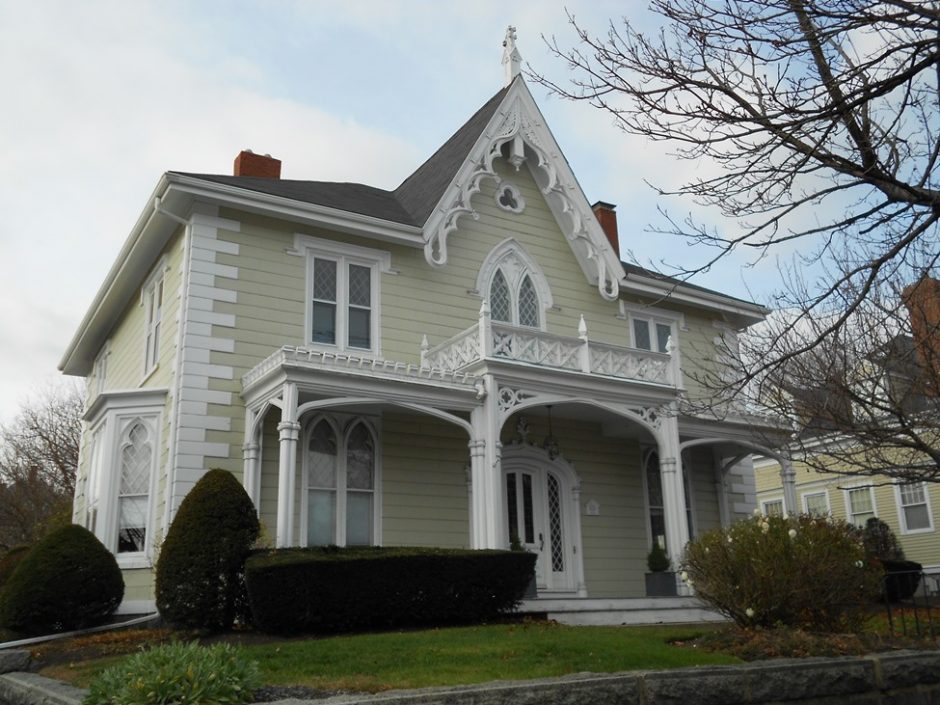
Gothic style was born in France at the turn of the 13th-14th century. It was characterized by buildings bursting to the sky and light coming to the fore. Walls became thinner thanks to the herringbone quadripartite and fan-like ribs, this way, bigger windows could be built in. Elements of sacral architecture got into secular architecture, so houses and palaces followed this style also. Comfort became important, but living spaces weren’t separated yet. Board, as building block, which is the base of framed structures, appeared thanks to sawmills. Sizes of furniture rose, first wardrobes were created (chests were used as storages before). Colored glasses were put into the gothic and rose-windows which told the stories of not only saints, but kings and knights also.
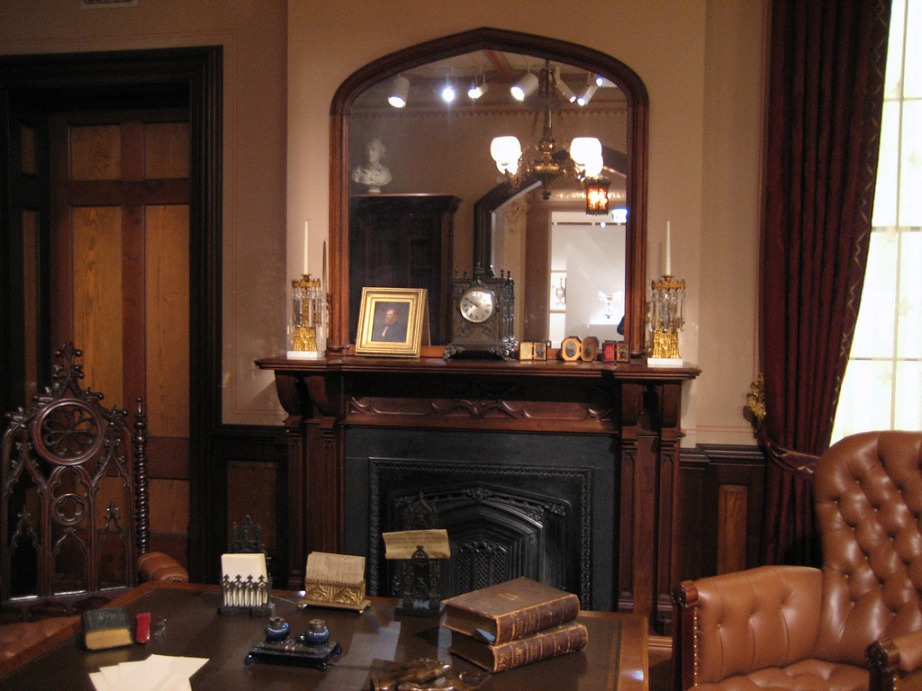
The revival of Gothic style appeared in England in the 18th century and reached the top in the 19th century during the era of romanticism. It used gothic features but in an idealized way with glorification of medieval values (fidelity, faith, chivalry, courage etc.). Many castles and houses were built in this style, for example the Houses of Parliament and Tower Bridge were built in that time also. Decorating elements were adapted too: statues, laced gable, finials and gothic windows with color glasses. Not only the buildings but furniture was made thus. Dark brown wood dominated in the interiors, heavier fabrics were used for upholstering (leather, velvet) and other colors were darker hues also (claret, dark green, dark blue). Niches were re-created by using wallpapers which was a much cheaper solution.
Nowadays Gothic style appears in Goth/gothic form which also uses dark colors (black, deep blue, dark purple) and it is mixed with frightening elements thanks to the popularity of vampire stories, in which films this view dominates. Dark color shame is not obviously kept during transformations of old churches and Gothic revival buildings to homes. Gothic features are perfectly highlighted by light painted walls, comfortably upholstered seats, proper created lighting and separating of spaces and they perfectly harmonize the sight.
Gothic style can be realized in a common home also with considering the scales and proper amounts. Ask for help of an interior designer for this.
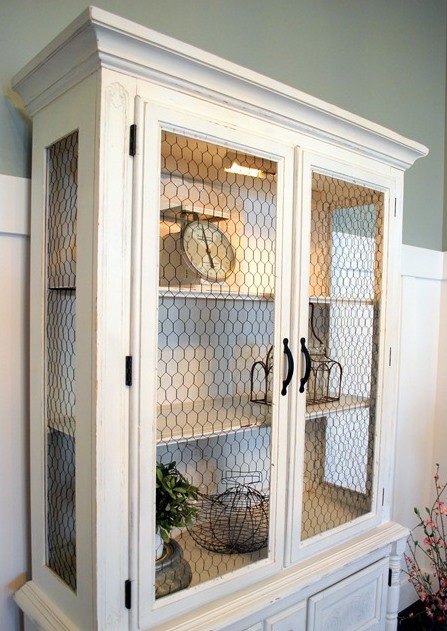
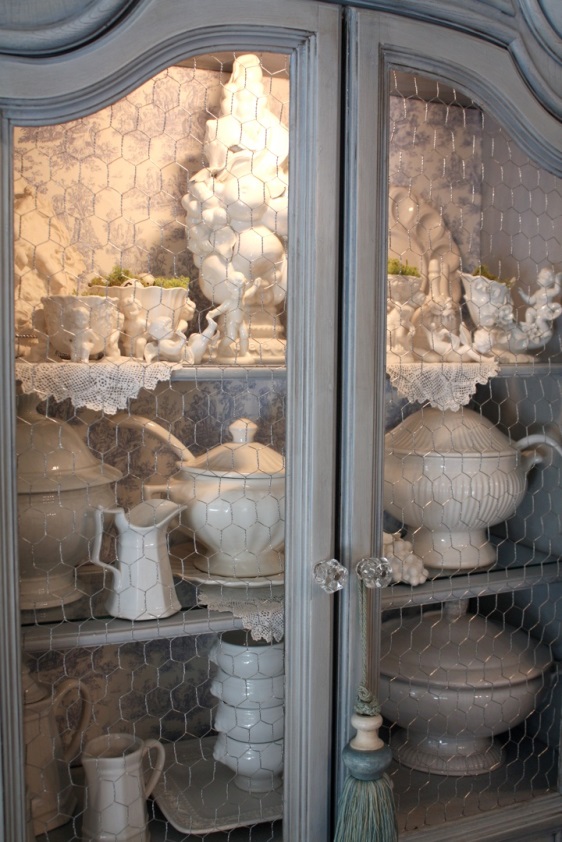
Chicken wire in cabinet doors fits perfectly for country and shabby chic styles
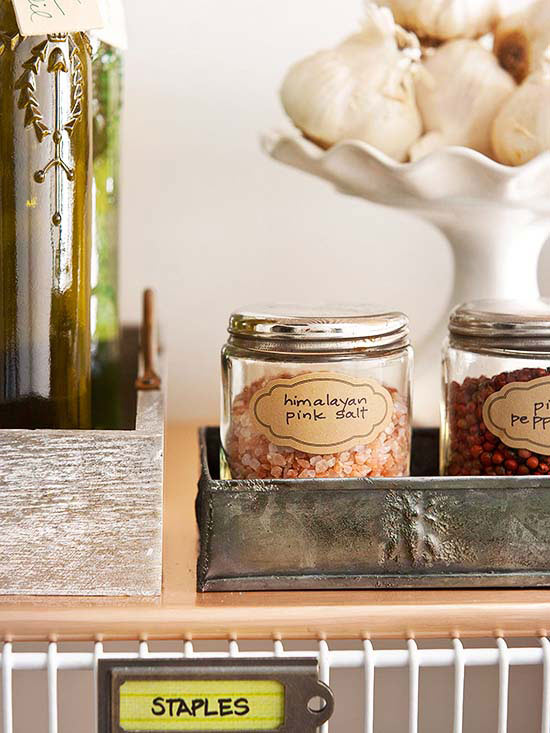
Decorative and useful containers in the pantry