Old pine furniture don’t need to be painted anyway. They will have a good effect in adequate surroundings (styles, colors).

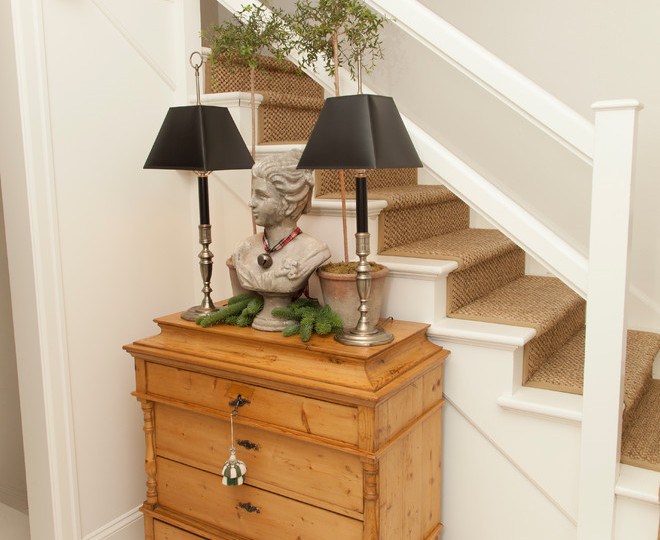
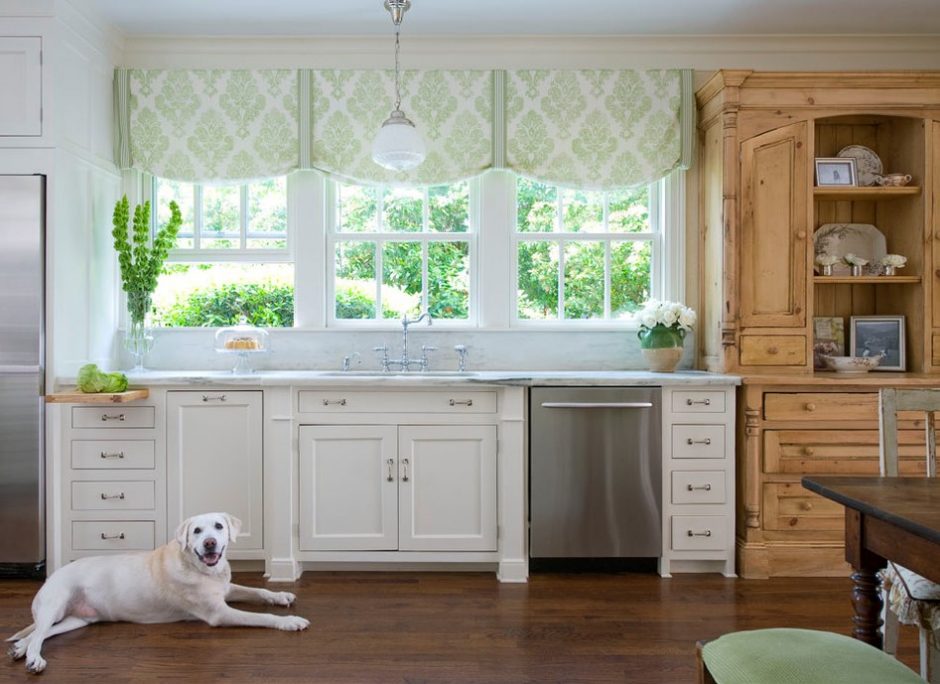

Old pine furniture don’t need to be painted anyway. They will have a good effect in adequate surroundings (styles, colors).
The antique Roman and Greek culture was not only dominant in ancient times, but it has returned several times (renaissance, classicism, neo-renaissance, neoclassicism) during the history in interior design also by architecture and arts.
The surviving buildings and household objects show that colors were chosen from neutral, natural palette thanks to the used materials: for example, the white of marble and cream color of limestone. Fabrics were dyed with paint made of herbal, animal and mineral materials. Landscapes and genres were painted directly on the walls. Seating furniture had no upholstery but cushions were already used. Architecture and sculpture served both the sacral, public and private life. Three kinds of columns were characteristic architecture elements: Doric, Ionic, Corinthian. Probably acanthus leaf, volute and meander are the most well-known among decorating motifs. Buildings were decorated with colored decorations and gilding but these wore off during centuries. Floor was frequently covered with small mosaics, floor heating was also used.
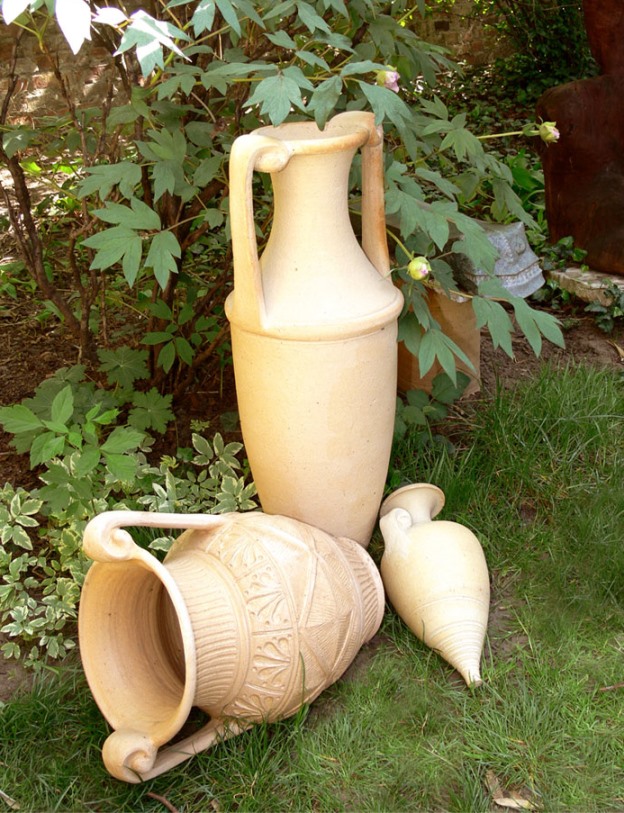
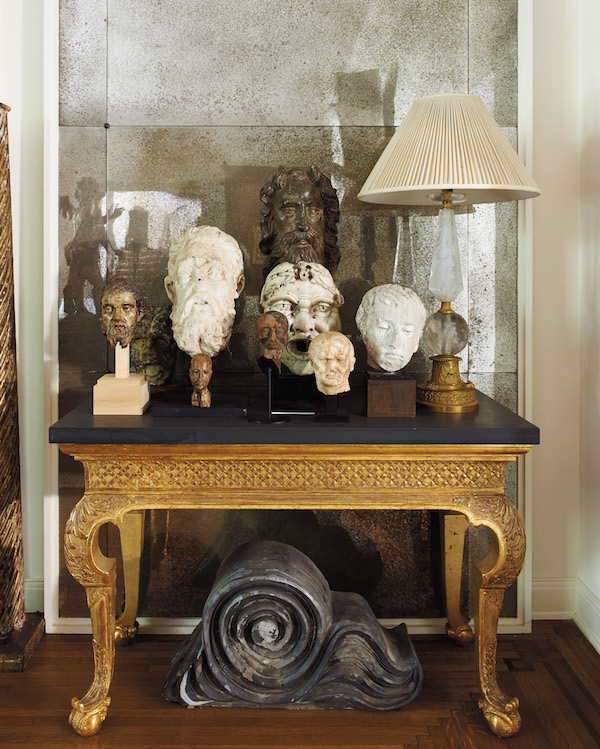
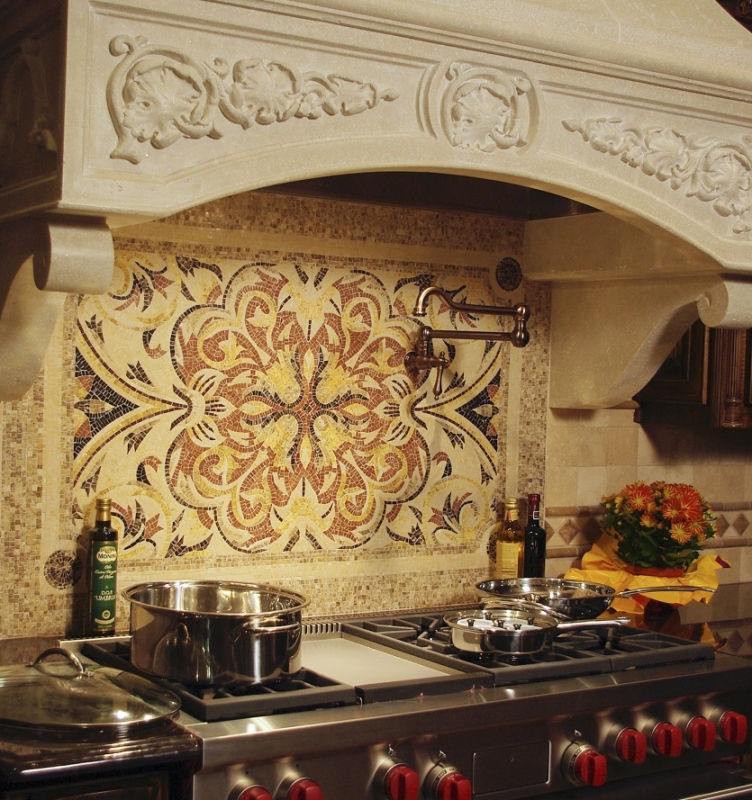
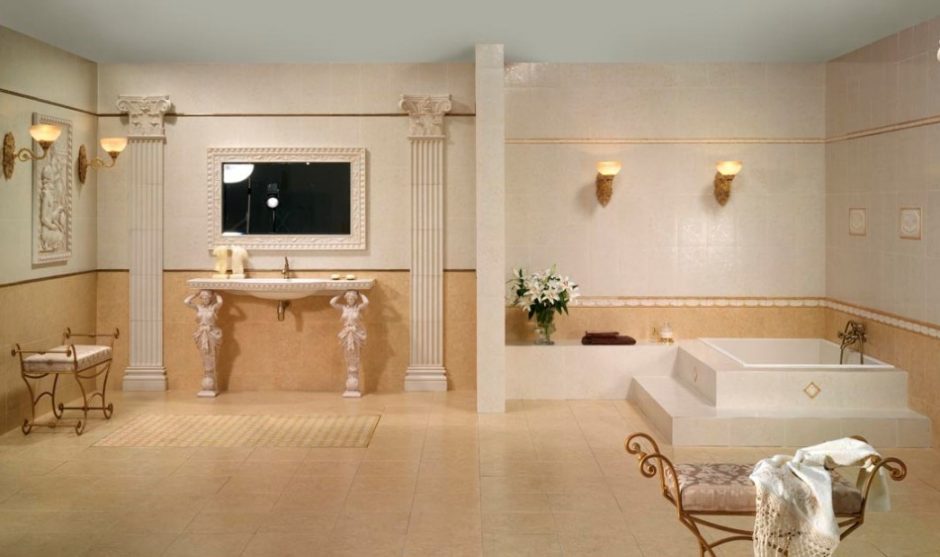
The magic of the ancient world can be smuggled into our homes fitting for today’s modern principles also. Wide range of mosaic tiles can be found among pavements. Natural stones can be purchased not only for floor tiles but wall paneling also as ultra thin stone-veneer and stone-wallpaper. Let’s use hollow faux pillars as decorating elements if they fit for the evolving of the flat/house. Furniture decorated with caryatids, antiqued metal accessories (faucets, lamps, handles etc.), white gypsum statues and amphora shaped vases can make our endeavor to this style more accented. Stay with natural combinations of beiges, whites and browns, these can be more luxurious with a tint of gold (for example, golden mosaic decoration in the bathroom). Any bright color will look good with these as additional color.
Ask for help of an interior designer for creating ancient style interior.
Tenants are frequently encounter the situation that it’s not allowed to change anything to their style. Usually wall painting, changing furniture, drilling, replacing the floor or other final changes are prohibited, because the property is owned by someone else. What are the available possibilities for the tenant (except an accurate cleaning) if he/she doesn’t want to spend a fortune for a temporary home, while the contract is considered, but wants to live in a nice place?
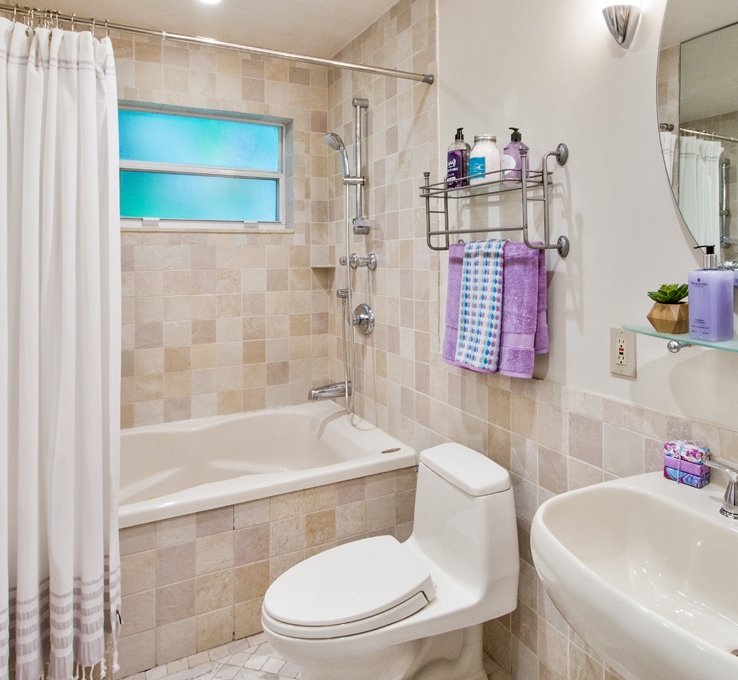
The bathroom is the most critical point, because we deeply expect hygiene and cleanness here. Let’s change the shower curtain if there is one. It’s quite cheap and we can choose one fitted for our taste. We can store the old one if we feel it safe for keeping good relationship with the owner. The floor can be popped up with a click barred outdoor covering. Bathrooms are usually small, so only a small amount is needed. It’s nice to walk on it and looks great. Inappropriate lighting can be better by changing the bulbs if we cannot change the lamp itself. The hidden LED ribbon could be a good solution as well, it can be removed easily if we stick it that way. The accessories are ours, so colors and patterns are variable.
We can create a comfy mood in the kitchen by laying an easy-clean runner and changing the curtain. Changing the handles of the cabinets results a bigger amount to pay (keep the old ones because they are parts of the property). Accessories (our tea towels, potted herbs, decorative coffee machine etc.) mean a lot for the view.
The unfurnished lodgings mean that at least the rooms are empty, we can bring our own furniture there. But if it is furnished, the objects in the rooms can be also a problem. The ready-made curtains fitting for the height of the room are cheap. Color and pattern assortment are quite wide. Fold the old curtains and keep them until we move out. We might also buy furniture if there is not enough storage space. Using the Internet, used furniture in perfect condition can be purchased in sell-and-buy groups at much lower price than in shops. We can resell them if we move out. A bedside rug or a carpet under the sofa can be bought this way too. Even the worst interior can be made more livable with plants, cushions, blankets.
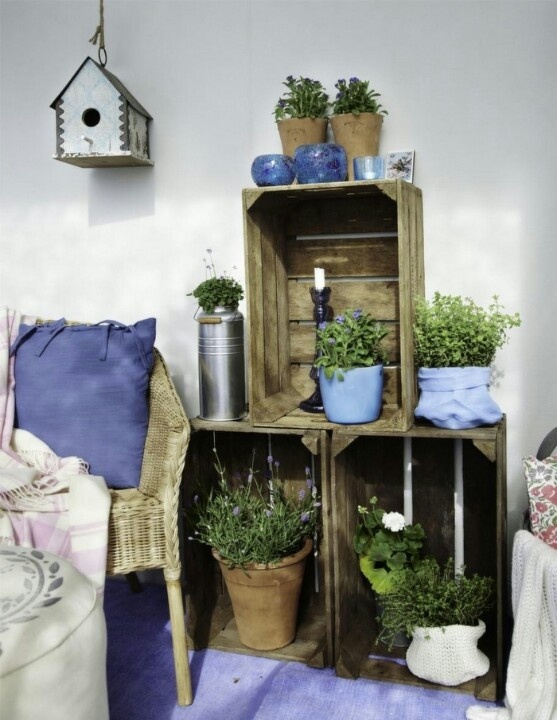
Cheap rush mats fixed to the balustrade of the balcony (using e.g. fishing line) hide the not so aesthetic rail. An inexpensive artificial turf is a good choice for a short time. Potted flowers can be put in piled crates this way we don’t have to drill for hanging them.
Ask for help of an interior designer creating cozier lodgings.
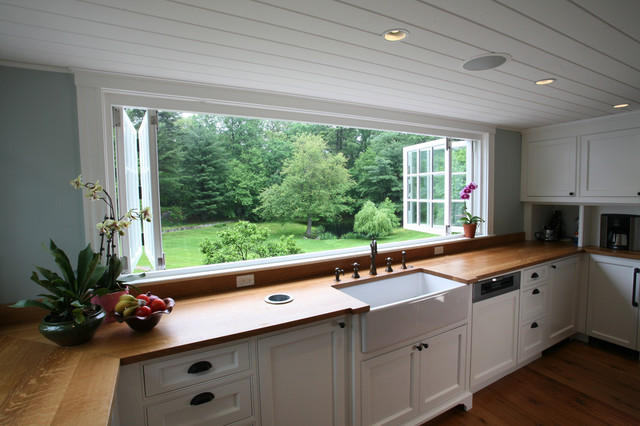
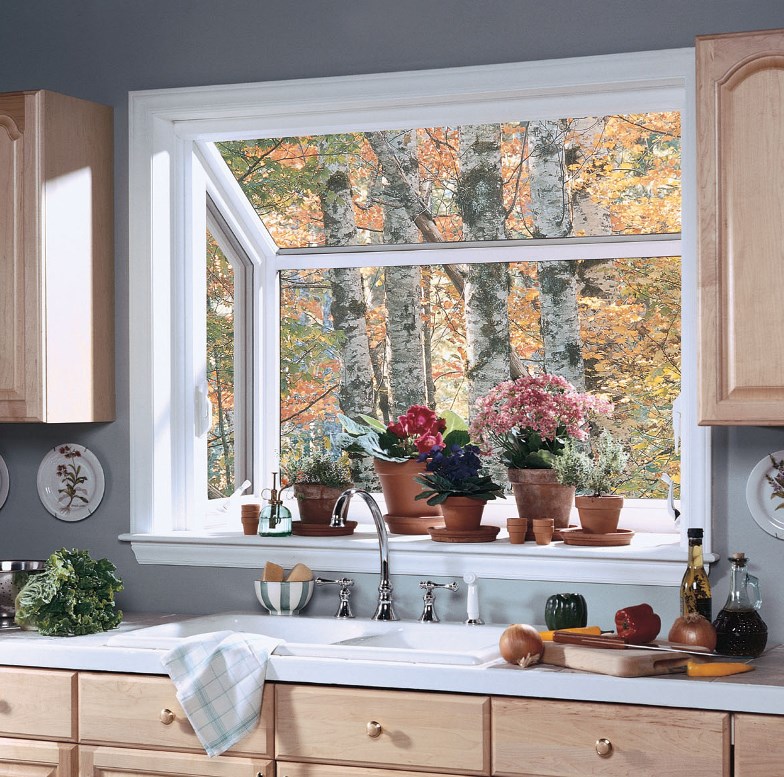
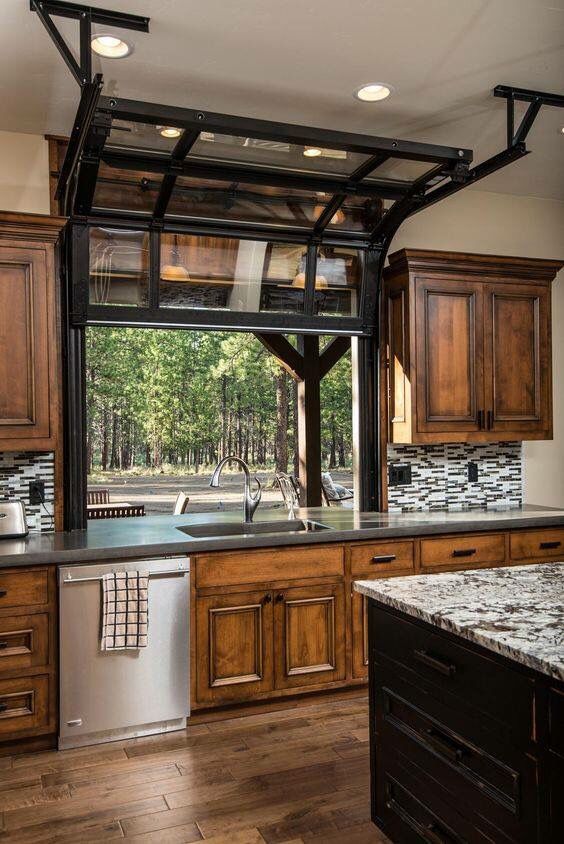
Especial kitchen windows – not for kitchens only
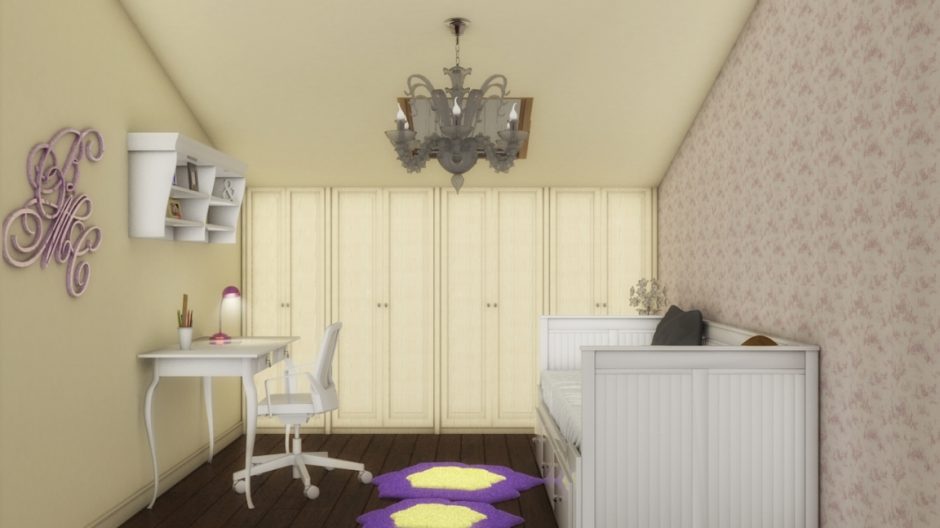
Designed for a competition: 56 sqm attick flat for a young couple and their 5 years old daughter
More picture here: https://classicinteriors.hu/en/references/21-references/54-references12
It is a common problem in a family home zone that the window of the kitchen or the bathroom is oriented to the neighbor’s garden, so anybody might look in. Here are some ideas how to keep the curious eyes away our private life.
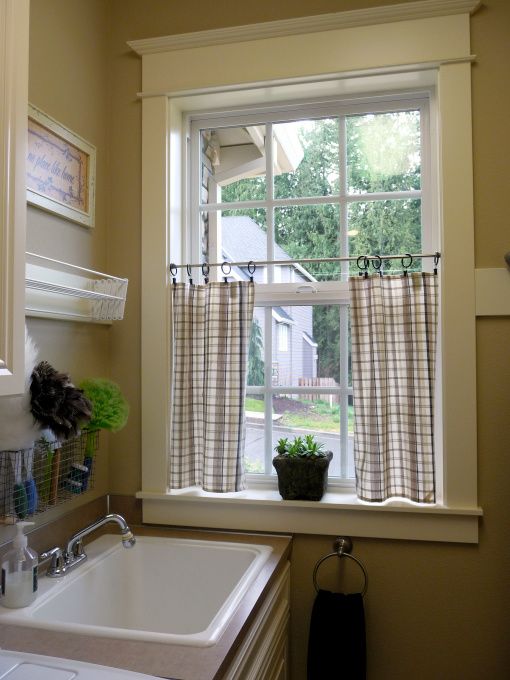
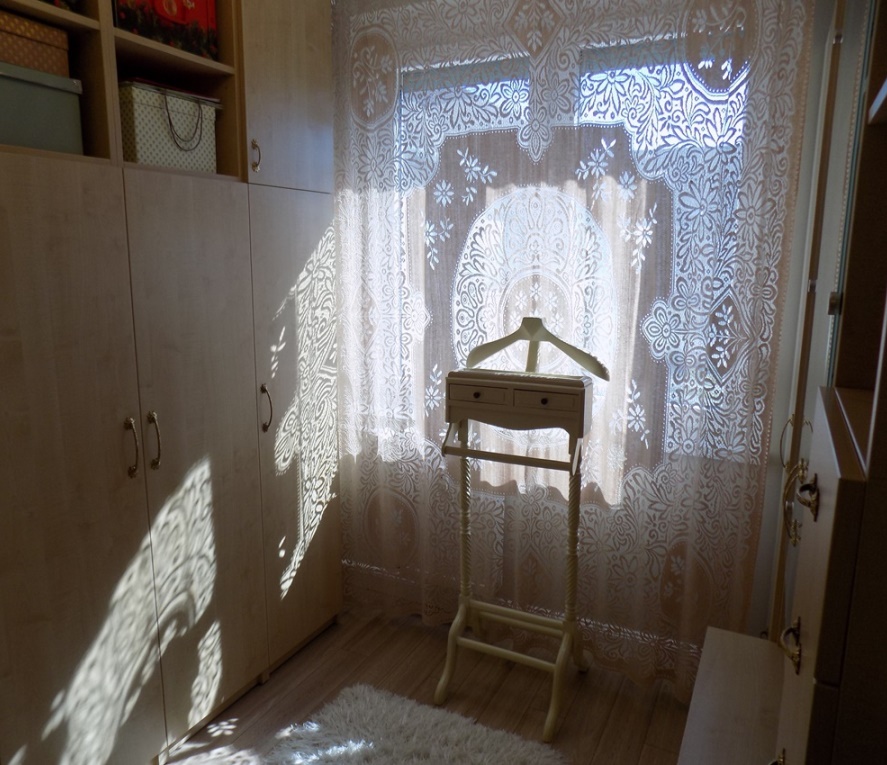
Curtain is an obvious solution. It’s not quite simple in a wet room with a commonly small window. The coffee curtain covers only the lower part of the window. We can look out in standing position, but it hides the room from outside. It doesn’t darken the room and can be made of various fabrics (lace, voile, vintage tea towel, burlap etc.). We can fix it to the window frame without drilling by its rod.
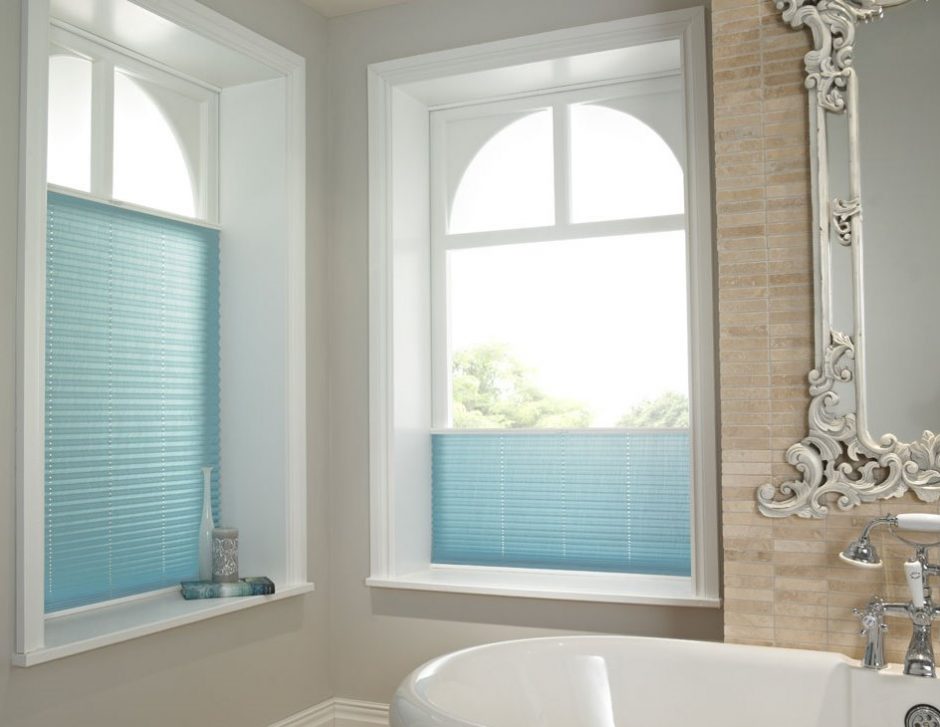
Pleated blind can be ordered of many types of fabrics, even in black-out version. The pattern and color assortment is wide. Its advantage is mobility in both directions, so we can choose the desired coverage of the window. If there is no need to cover, we can simply push it above like an ordinary blind.
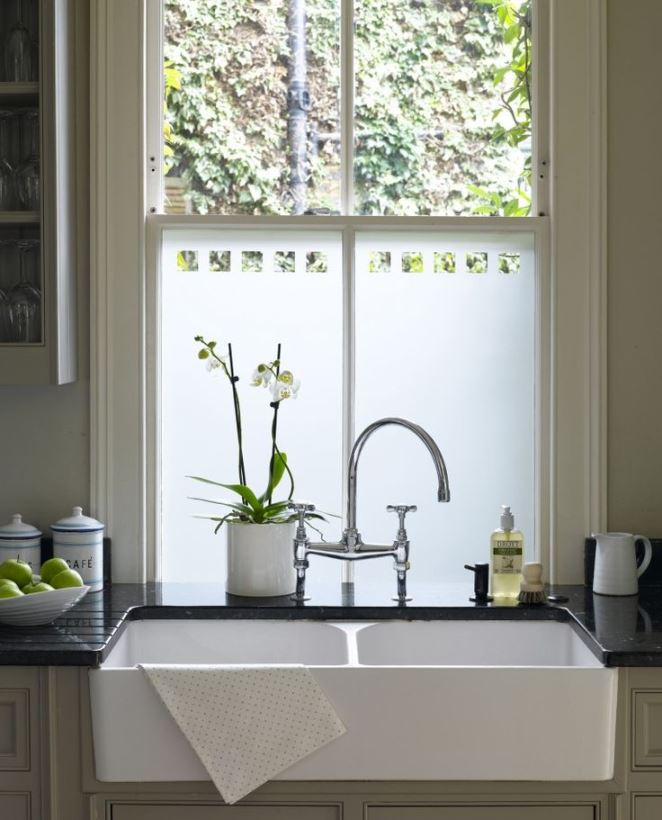
Window foil is a good choice if we do not want to use fabric in the room. It is self-adhesive, can be applied easily. It can be ordered with unique pattern or bought ready-made. The main disadvantage is blocking the view. If applied at only the lower part of the window, we can look out above it, just like in the case of sash-curtain. We can also handpaint motifs on the glass of the window using glass-paint and stencils.
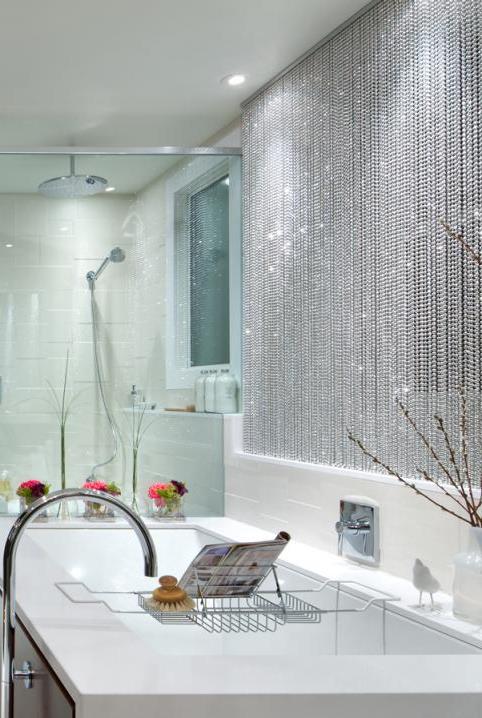
An extraordinary solution is using thin metal chains instead of curtain. Hang the chain links (instead of clips) on the hooks of the curtain rod. It can be cut easily to the desired length if it was pre-measured. Chain lets the light through and partially blocks looking out (it depends on the density). The chains can be also applied to a coffee curtain rod by small rings. This solution is used usually for separating parts of a big space, but it’s perfect for windows too. We can choose a fibre of glass beads or crystals instead of metal.
An inner shutter is a clever and unique answer to the problem. If we don’t need any cover, simply leave it open. The window doesn’t have to be opened for using the inner shutter (unlike the outdoor one) which is useful in winter time. It can cover only the lower part of the window either, this way light comes in while it is closed.
Ask for help of an interior designer if encountering such problems.
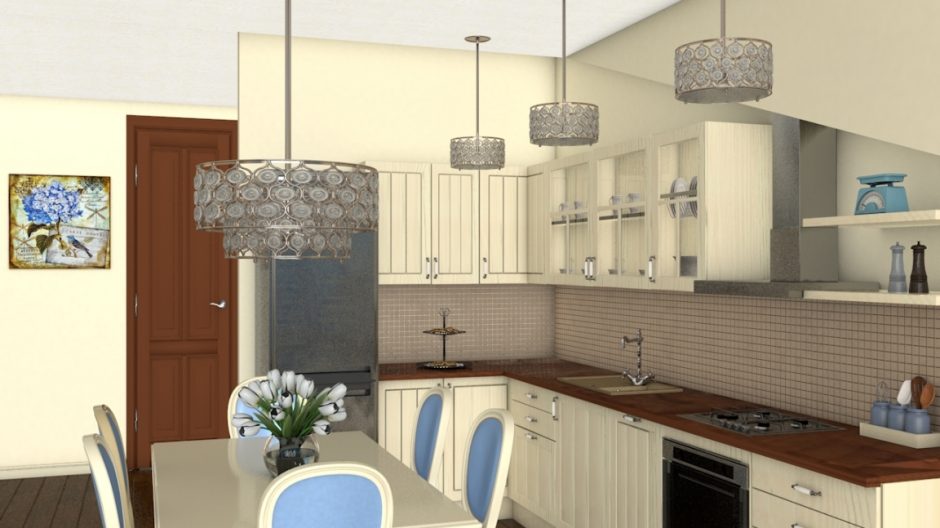
Designed for a competition: 88 sqm house for a young couple
Further pictures: https://classicinteriors.hu/en/references/21-references/56-references13
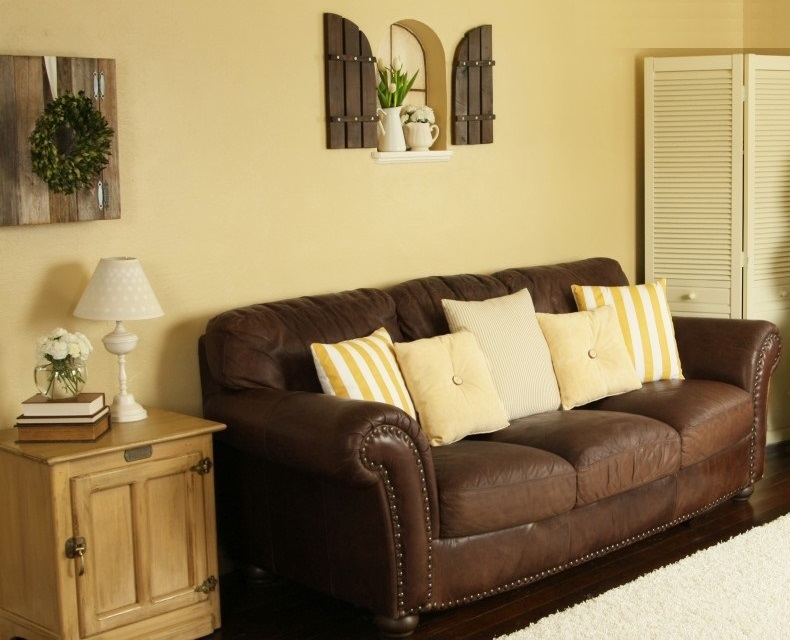
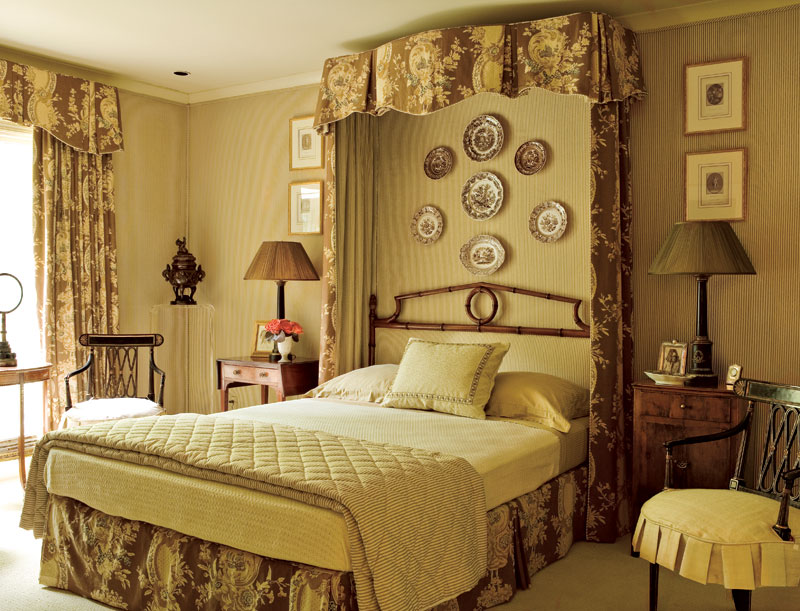
Color pairs: yellow-brown
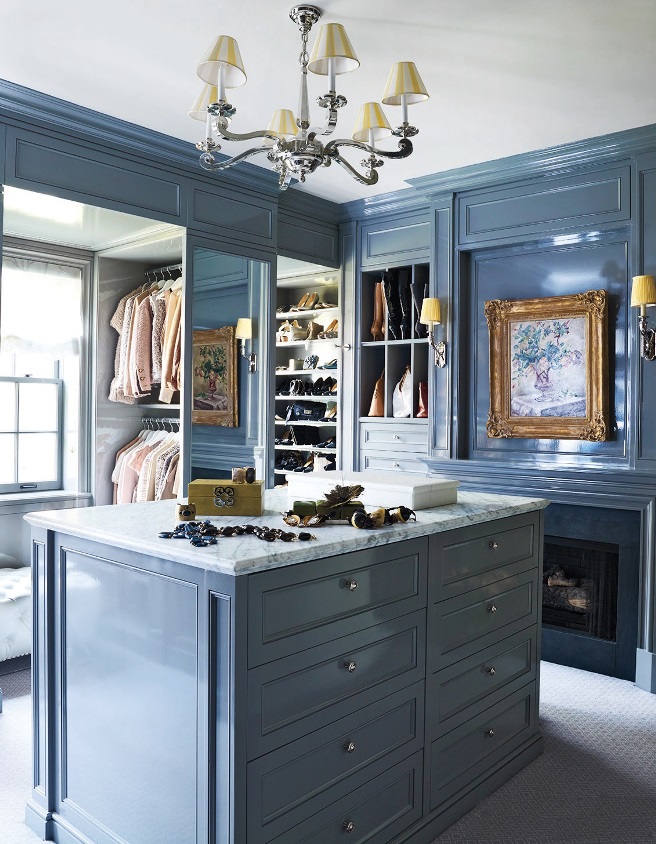
The fashionalble high-gloss (sometimes in bold color) furnitures look good in classic interiors if made in proper style
We almost daily meet opinions about interior designers based on misbelieve. In Hungary, most people still don’t consider this profession to be an honored job. This is why we should clarify the most basic false enunciations.
1. The interior designer wants to implement himself/herself during planning my property
A good interior designer NEVER implements himself/herself during a job, but makes the owner’s dream come true! Because he/she is in the fortunate position that his/her job is his/her hobby as well, he/she doesn’t need more self-justification. It’s a fact that every interior designer has his/her own style after which his/her works are recognizable. This is an advantage for the client, because he/she can choose the designers by their references, which one he/she feels closer the most.
2. Only the rich can afford hiring an interior designer
The price of a whole interior design depends on many parameters, so the offer is always individual. Just like in the case of a tiling or heating job. The starting point can’t be the price of a job done for a neighbor/friend/relative (even many years ago). Asking for an offer is free, we can still take a look among interior designers. Besides, we can ask „only” for an interior design advice which is more cost effective but a much smaller possibility also, but it can help a lot for an amateur.
3. Hiring an interior designer is just a genteel mischief, he/she does indeed nothing for the money
Here are some examples for „nothing”: measuring the property and the requirements, making the plans (building-releasing, lighting, furnishing, custom-made furniture, suspended ceiling, consignation etc.) with discussing it with the client, handling orders, coordinating workers and so on. Say it in a sentence: he/she spares money and time for the client by taking over jobs from the owner as a professional.
4. I exactly know what and how I want, don’t try to force me any other things (color, style, arrangement etc.)
Interior designer forces nothing on anybody. He/she gives advice by the workmanship and experiences. Not only finishing the job is the aim but making the property fit for the expectations of the owner also. He/she can raise many questions which was never thought about by the client or never heard about that possibility. In the case when the owner wants to handle everything from the beginning to the end, but he/she is an amateur, it’s worth to ask for one or two hours of consultation to see if the desired things are really suitable. The owner can spare a lot of money during the renovation with this.
5. The interior designer will suggest me to buy only luxury products which I can’t afford
The interior designer discusses the costs with the owner already at the beginning. He/she will design the future home within the defined budget, fulfilling all the requirements (not unrealistic!) as far as possible. Since he/she knows the market, knows which budget bears what, depending on the features and requirements.
Be confident about interior designers, because they want to make our life better and more comfortable by forming the property according to our needs which we will call home.