Archives

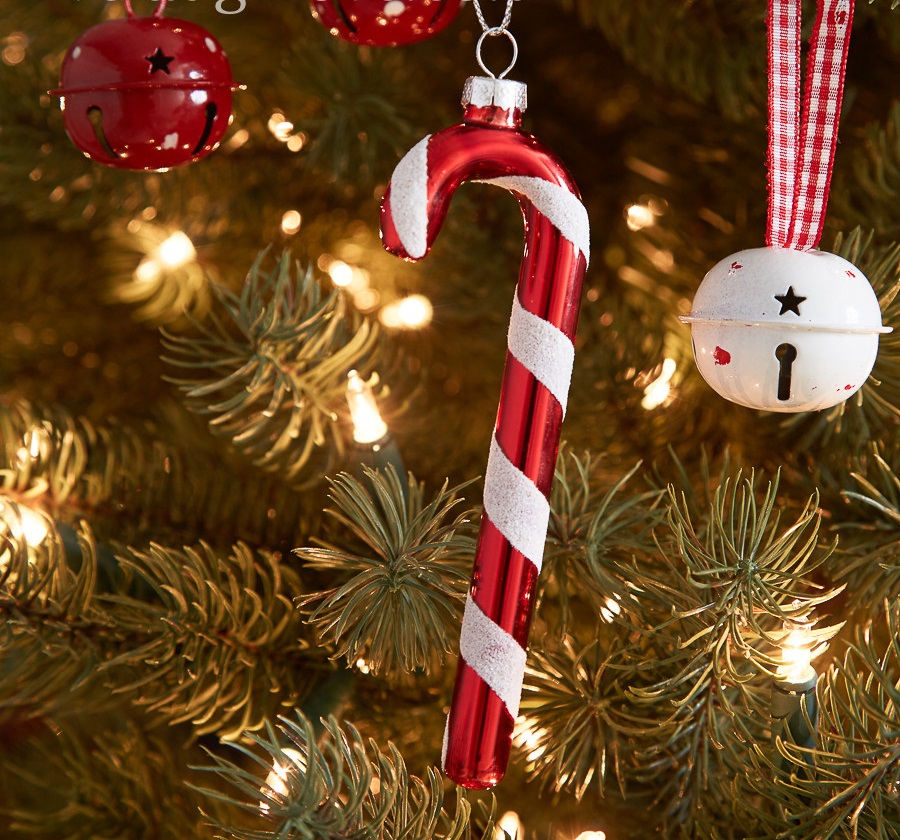
Candy cane

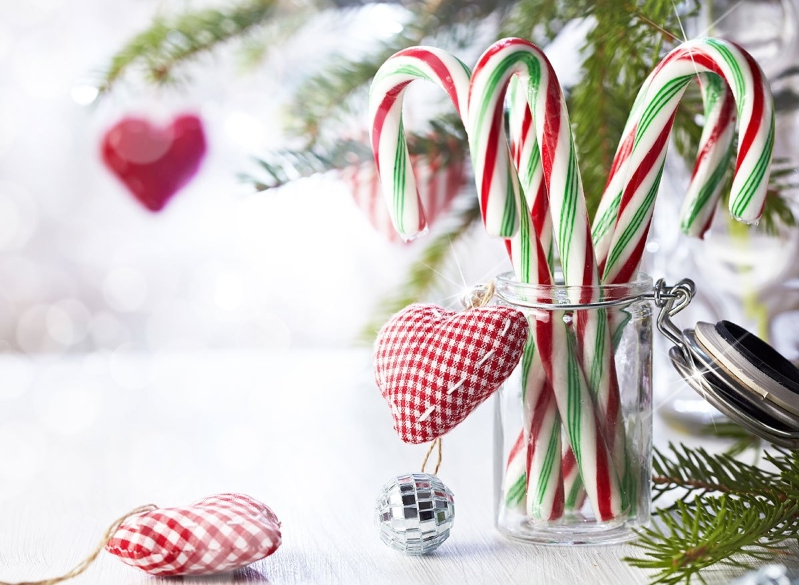
Candy cane is one of the most popular chocolate-free festive sweets. Its history goes back to 1670. The choirmaster of Cologne Cathedral bent sugar sticks into the shape of canes to represent a shepherd’s staff. These were given out to children during the nativity scene. The cane was then all-white.
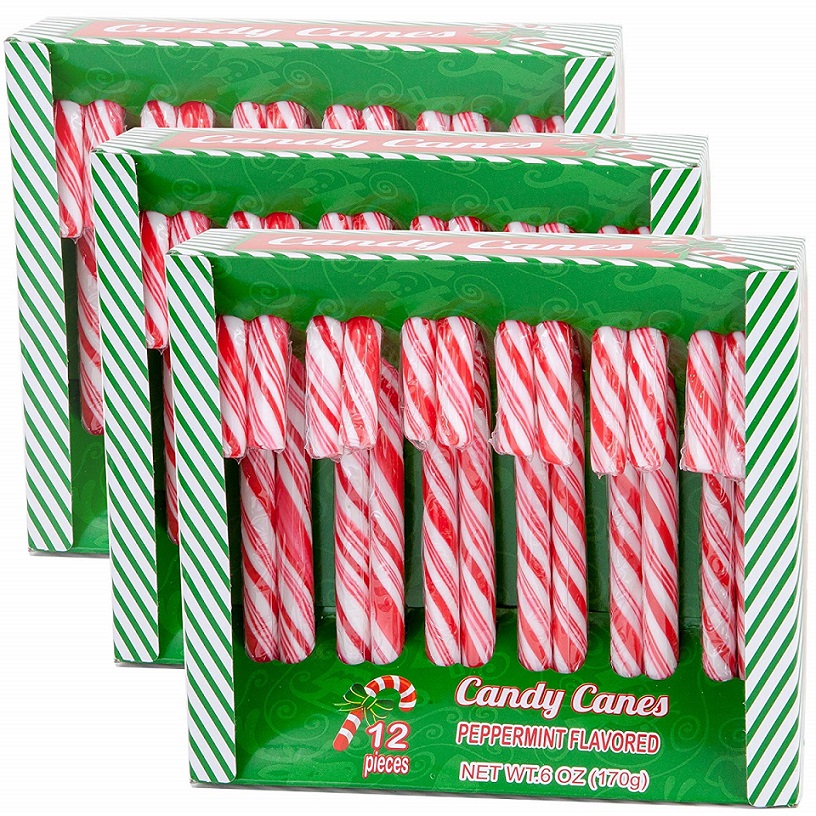
Handing out candy canes during Christmas soon spread throughout Europe. It reached America in 1847, when a German immigrant decorated his Christmas tree with candy canes. Striped candy cane appeared only at the turn of the century with red-white stripes. Around that time, it was flavored by peppermint, which finally became the traditional flavoring.
Candy canes were made by hand, a machine had been developed only in 1950 which could bend the sticks, with this providing the mass production and selling them worldwide.
Nowadays candy canes are produced in almost every color. However, the red-white version is still the most popular during Christmas preparations. Green-white and red-green-white stripes are also available.
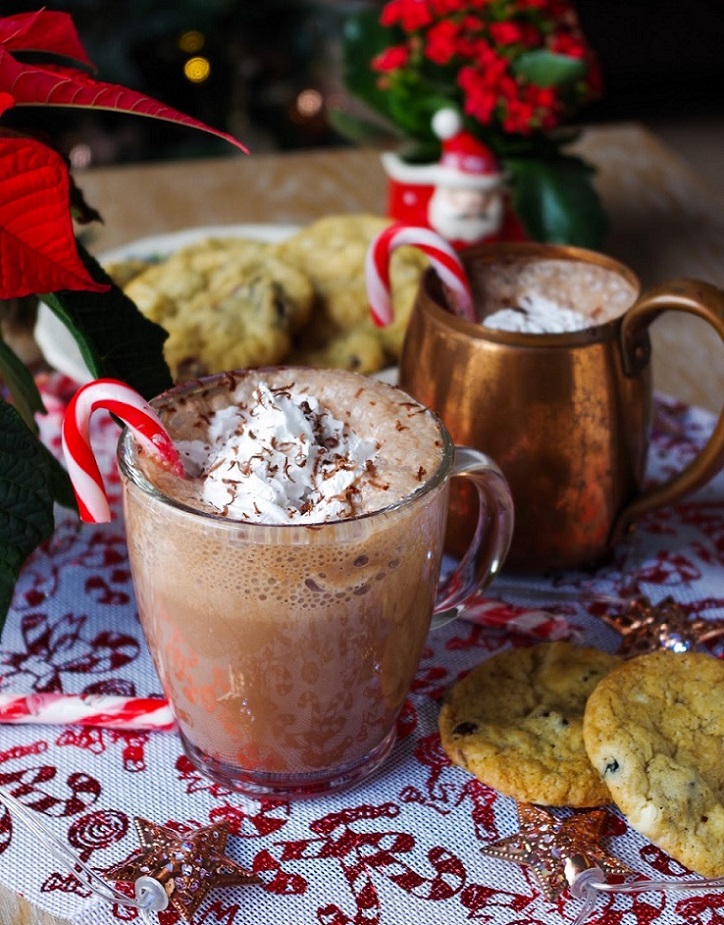
This traditional striping is applied by the producers on many other Christmas products and decorations, since there is a high demand because of its popularity. Only some examples to mention: Christmas tree ornament in various shapes, wrapping papers, sweets with different shapes, lighting decorations. The candy cane is also used as Christmas tree ornament and decoration element instead of eating it.
Ask for help of an interior designer for stylish Christmas decorations.
Facebook

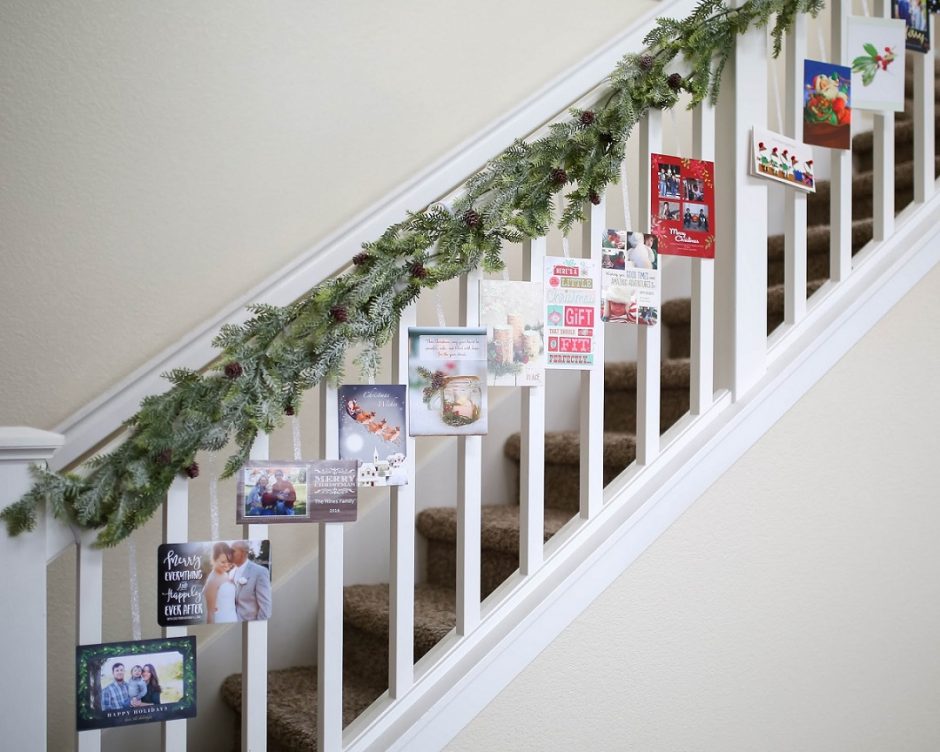
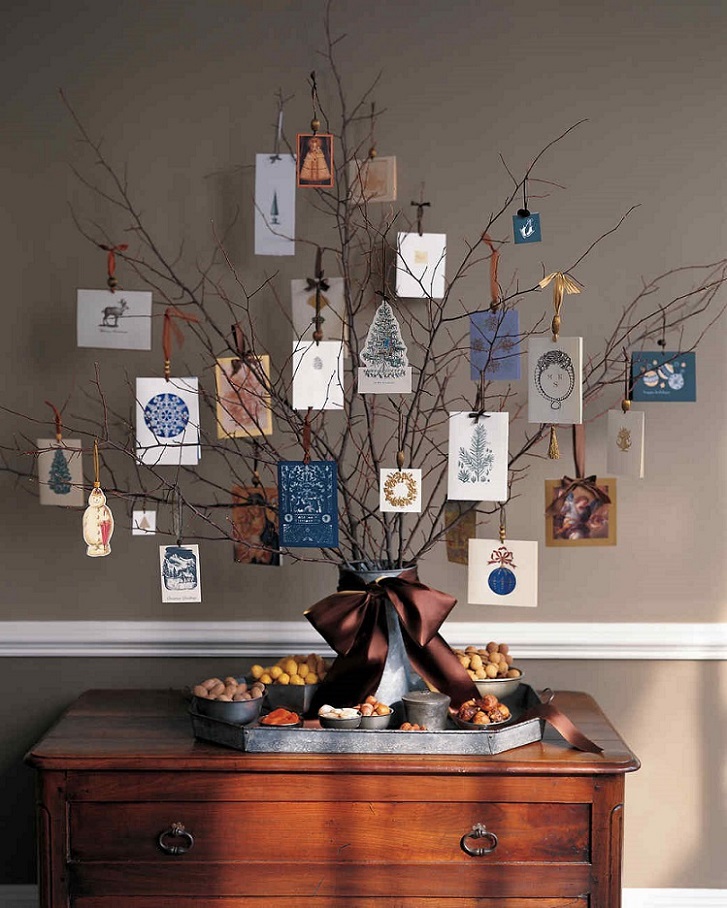
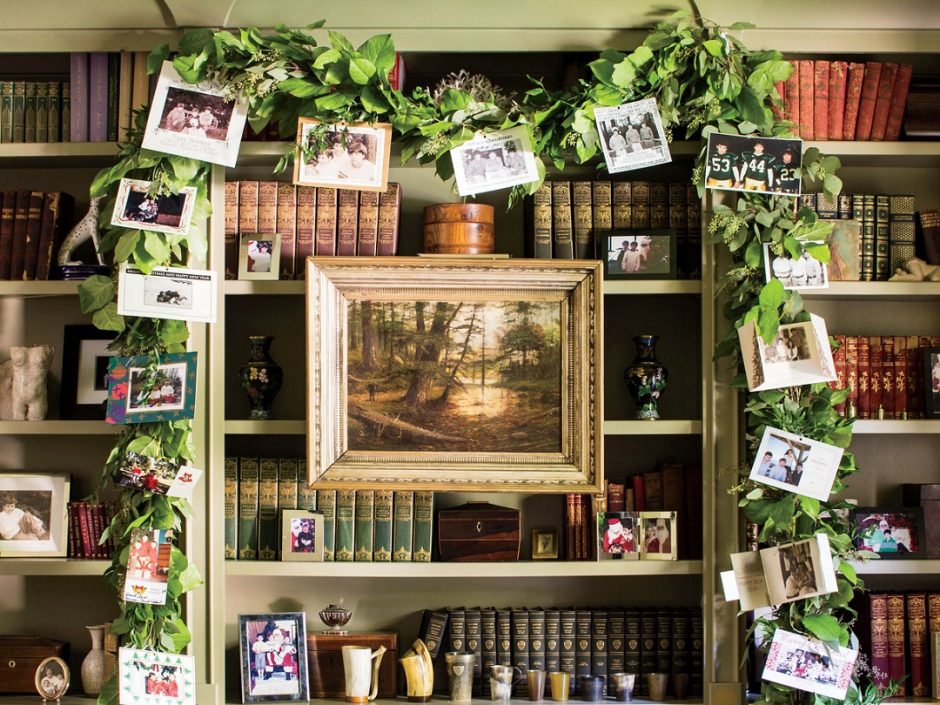
Postcard decor

Let’s use our favourite Christmas cards as decorations

Facebook

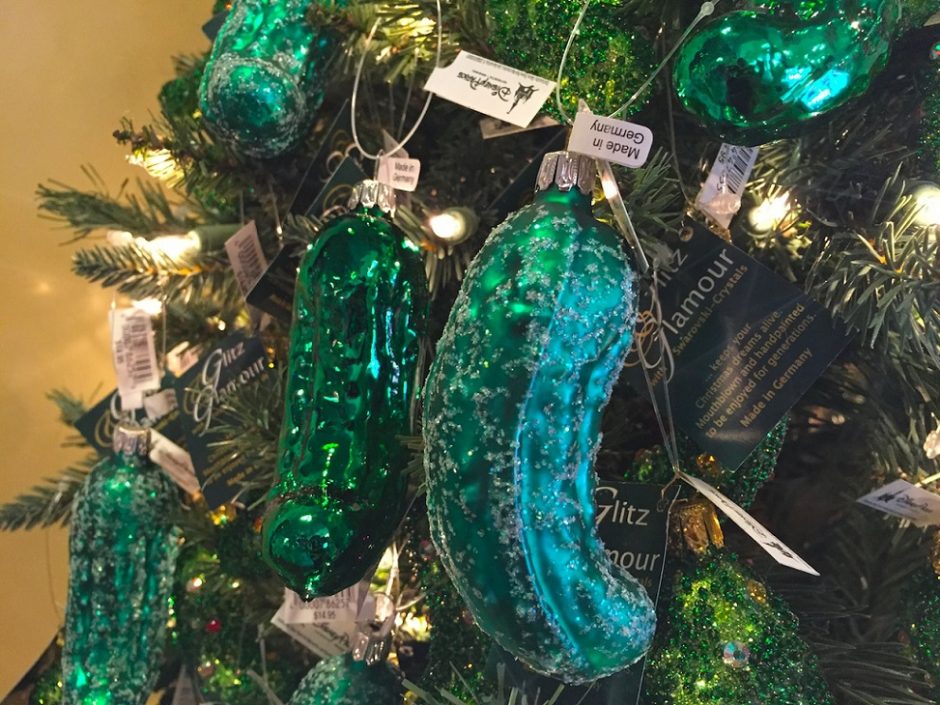
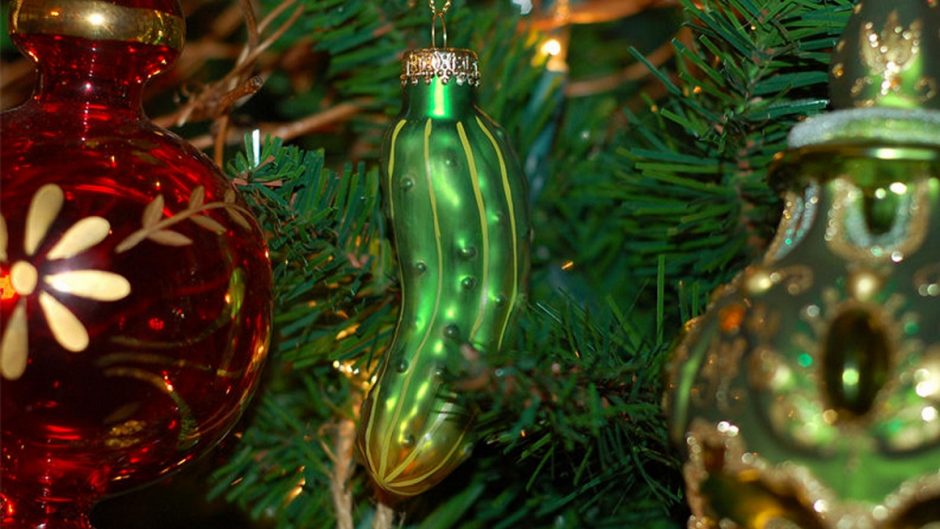
Christmas pickle

According to the tradition in the USA, an ornamental pickle is placed on the Christmas tree as one of the Christmas decorations. On Christmas morning, the first child to find the pickle on the tree would receive an extra present from Santa Claus or would be said to have a year of good fortune.
Facebook

Citrus Christmas

Fresh citrus Christmas decoration ideas

Facebook

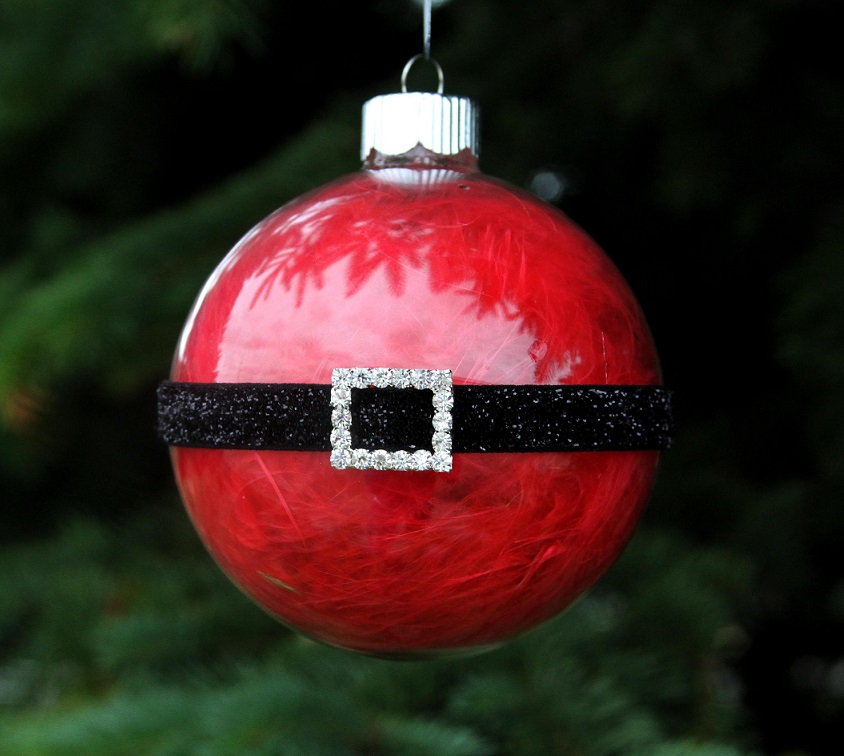
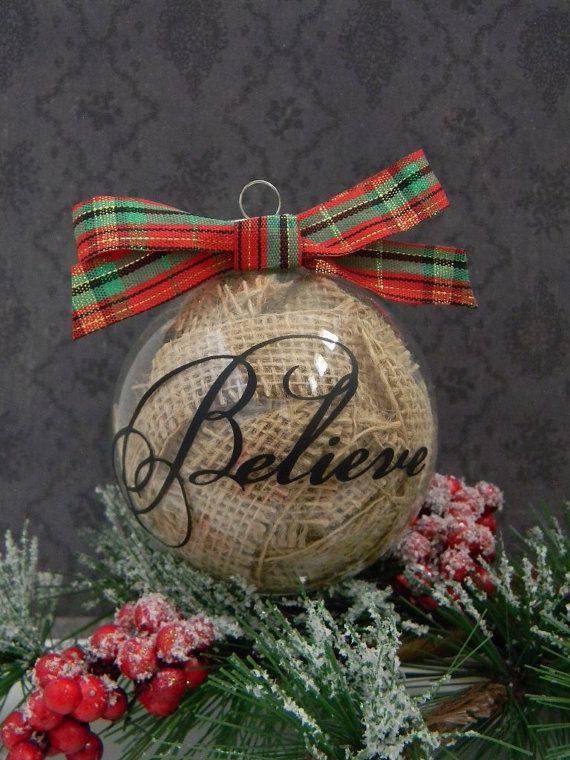
Christmas balls

Decorate the ready-made, empty christmas balls in our unique style

Facebook

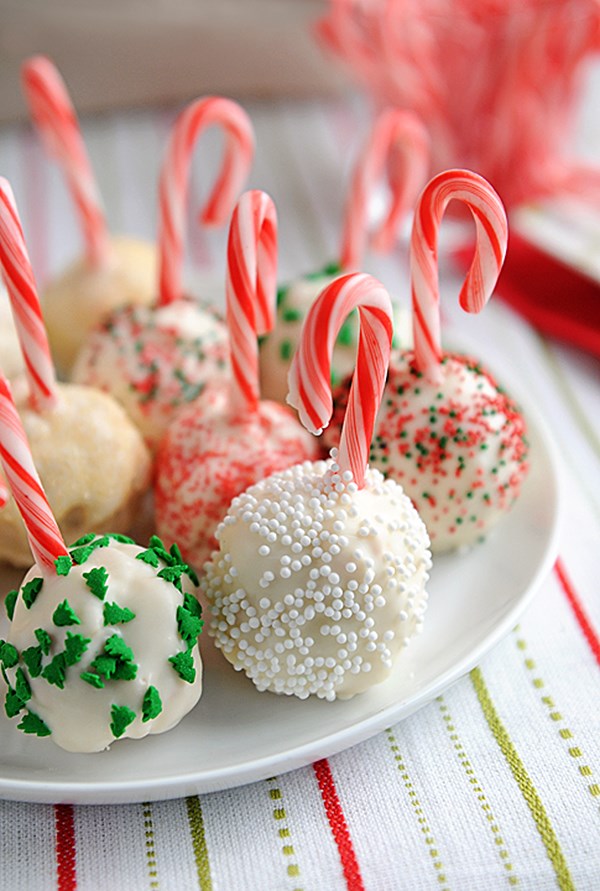
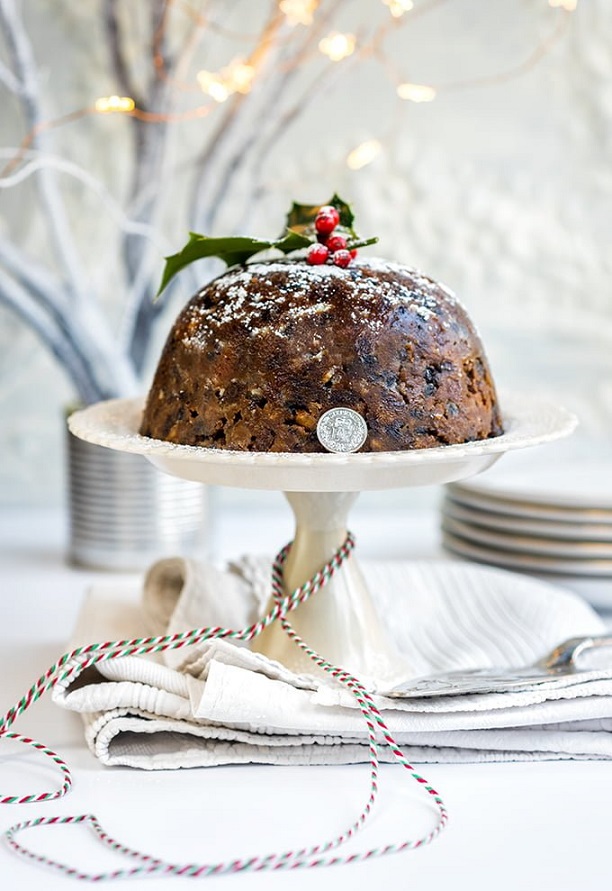
Edible decoration 2.

Edible decorations for Christmas

Facebook

Real or artificial Christmas tree?

Before every Christmas, there is a question: shall we buy a real or an artificial Christmas tree? Here are some thoughts which might help to decide.
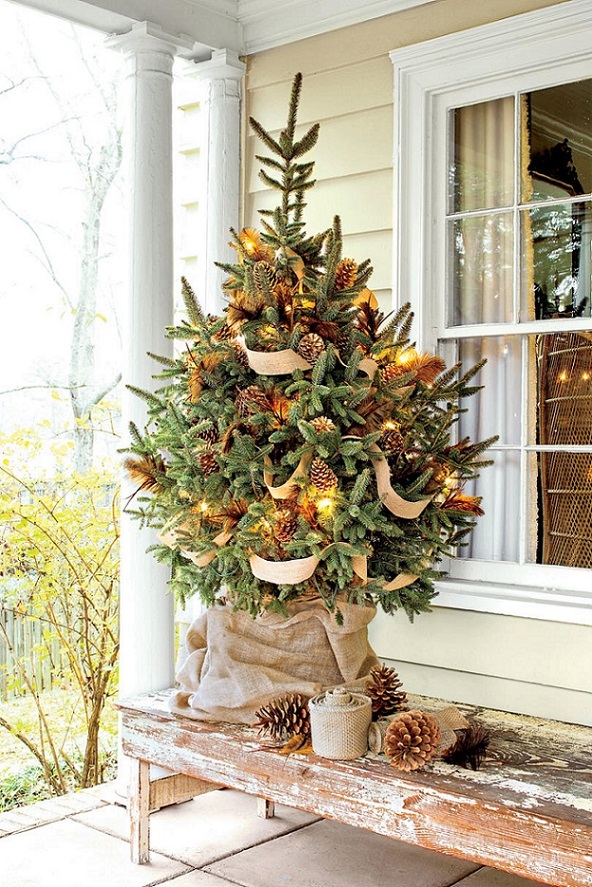
Real pine tree: unlike common misbelieves, forests are not destroyed because of Christmas trees. Hungarian producers deal with breeding of pine trees, dedicated to this purpose. Just like in the case of wheat or carrot. New trees are planted in the place of those that were sold, this way the circulation remains. Since it is grown and transported locally, max. 200-250 kilometers far, its ecological footprint is low. Cut trees thrown out in January are taken away for firewood or chopped. Of course, it decomposes. If there is place for it, potted pine tree could be a good option: it can decorate the garden for many years. There are some markets, to where the trees can be brought back after the holidays.
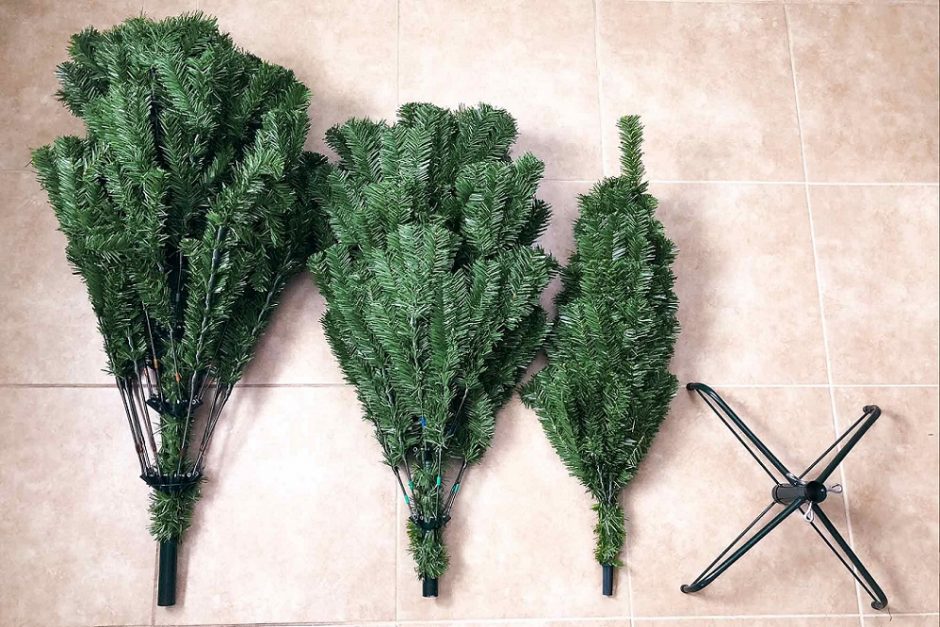
Artificial pine tree: It is made of PVC, mostly in China. Transportation can be measured in thousands of kilometers, so its ecological footprint is significant. PVC is environmentally harmful, though it is reusable with a large energy expenditure (this happens very rarely). It has no fragrance of course. Its advantage: the question of Christmas tree is solved with one-time payment for years. It is quite durable with proper storage, doesn’t shed its needles and doesn’t need watering. It is always perfectly neat and can be purchased in several colors, sizes and finishes.
Ask for help of an interior designer for festive decoration of your home also.

Facebook

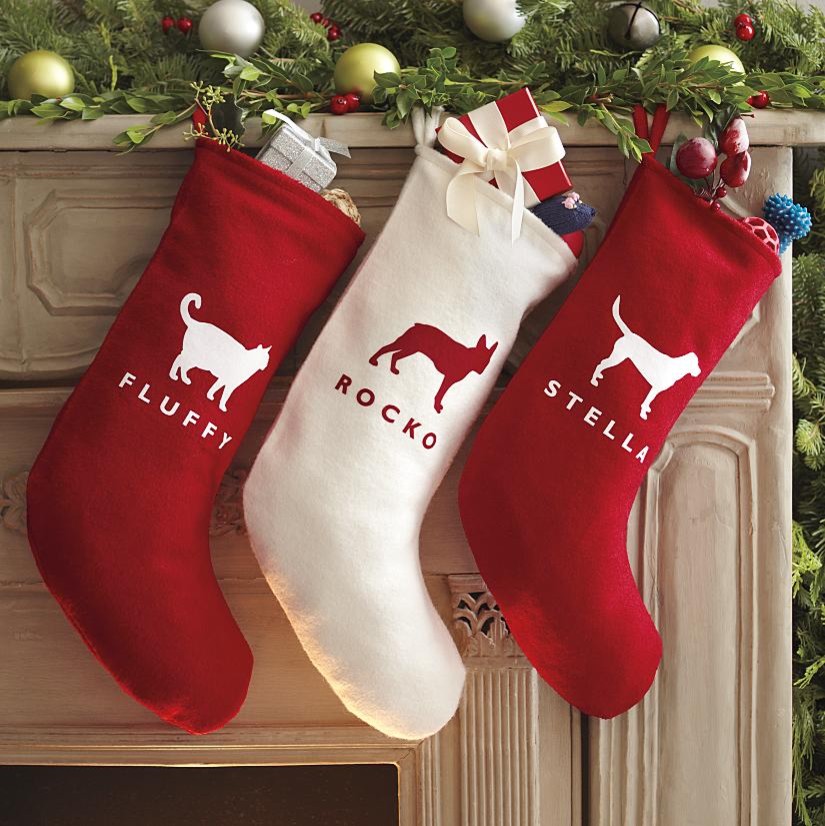
Animal christmas

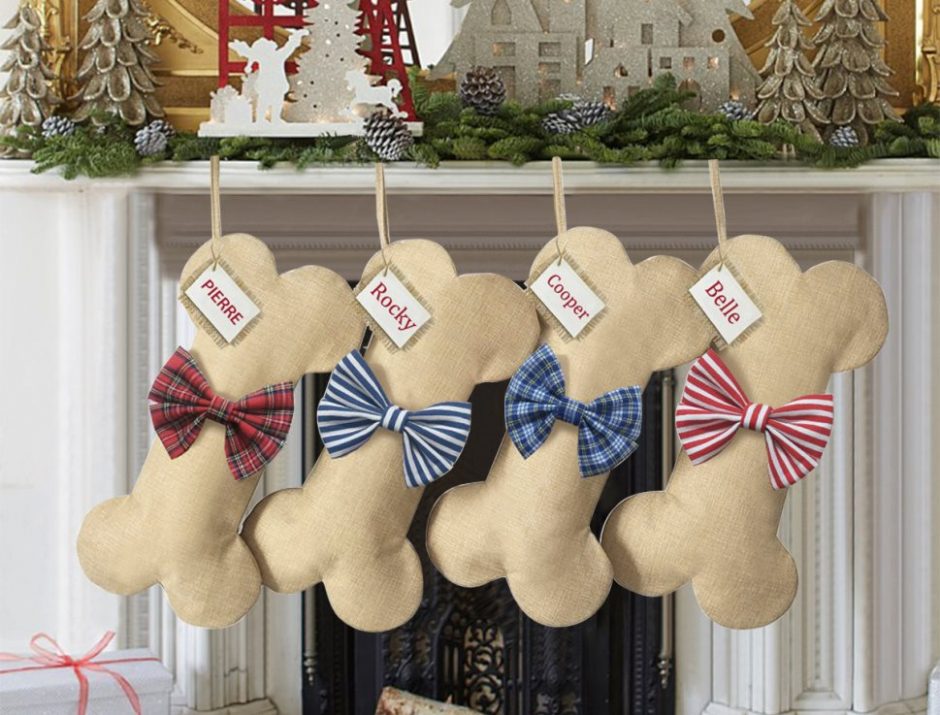
Don’t forget the christmas presents for our pets

Facebook

My project 24.

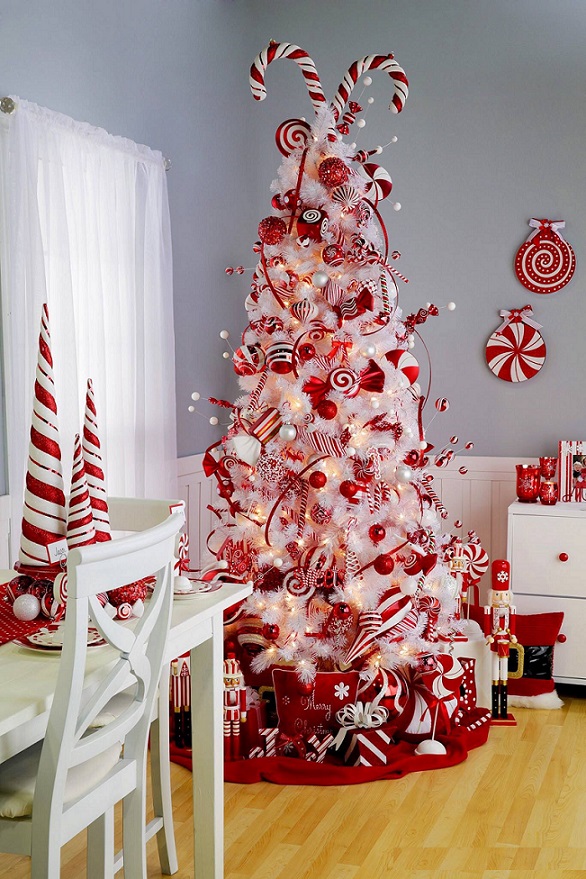
In christmas mood with classic colors

Facebook

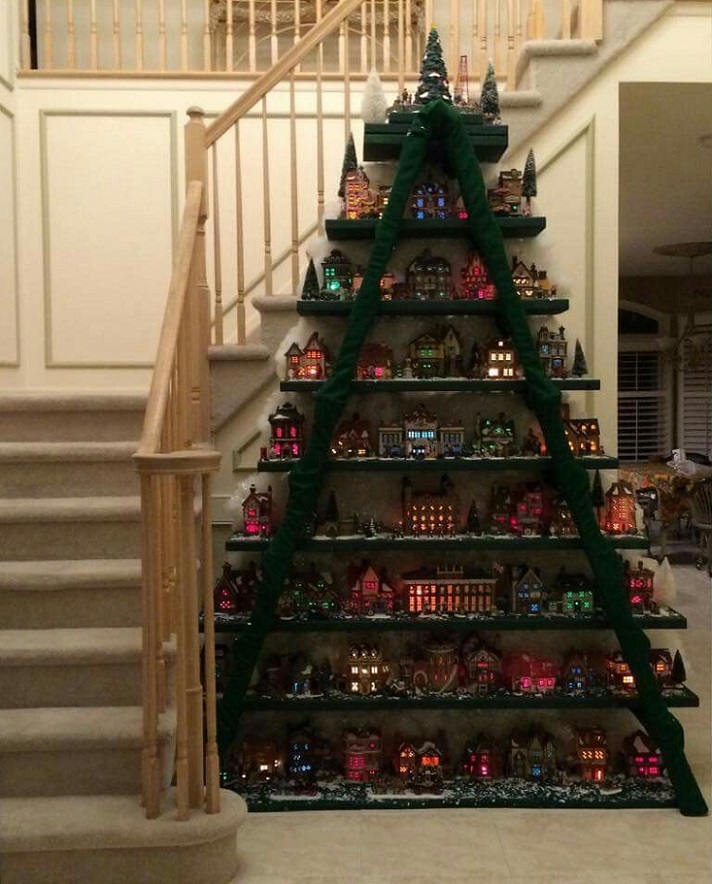
Built christmas tree

„Built” christmas trees for DIY fans

Facebook