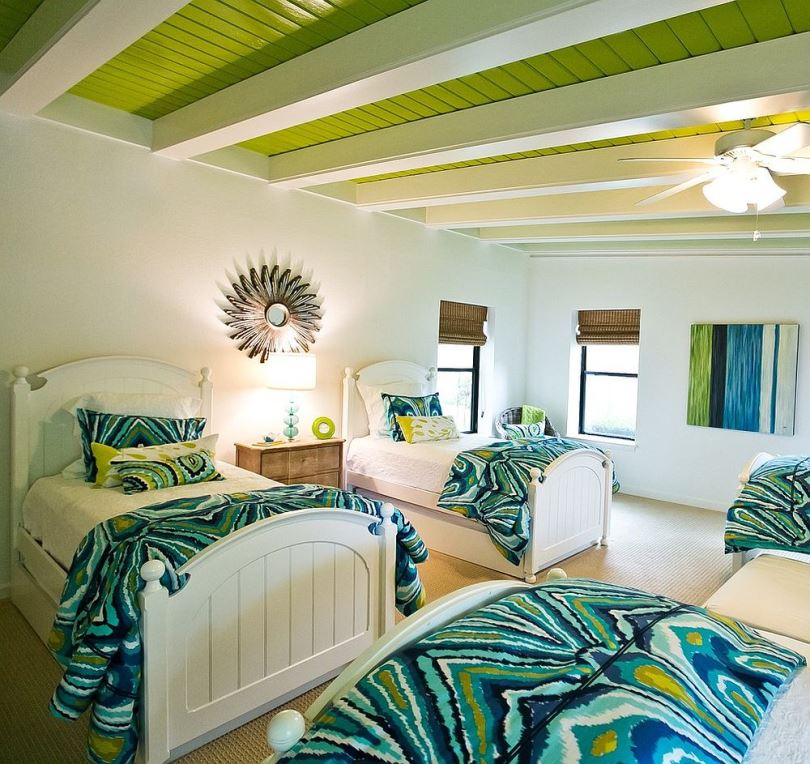
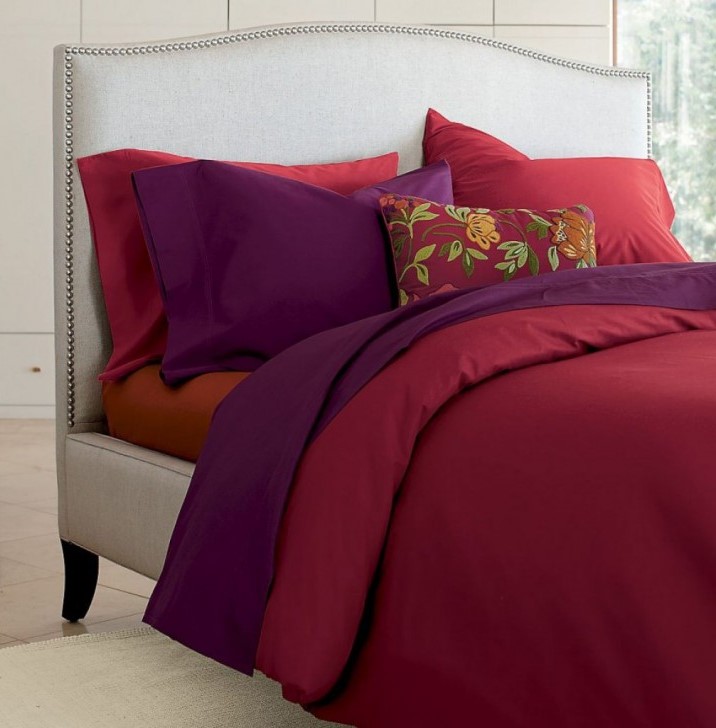
Red is a very intensive, stimulating color, therefore in the bedroom it shouldn’t be visible from the bed in favour of calm rest
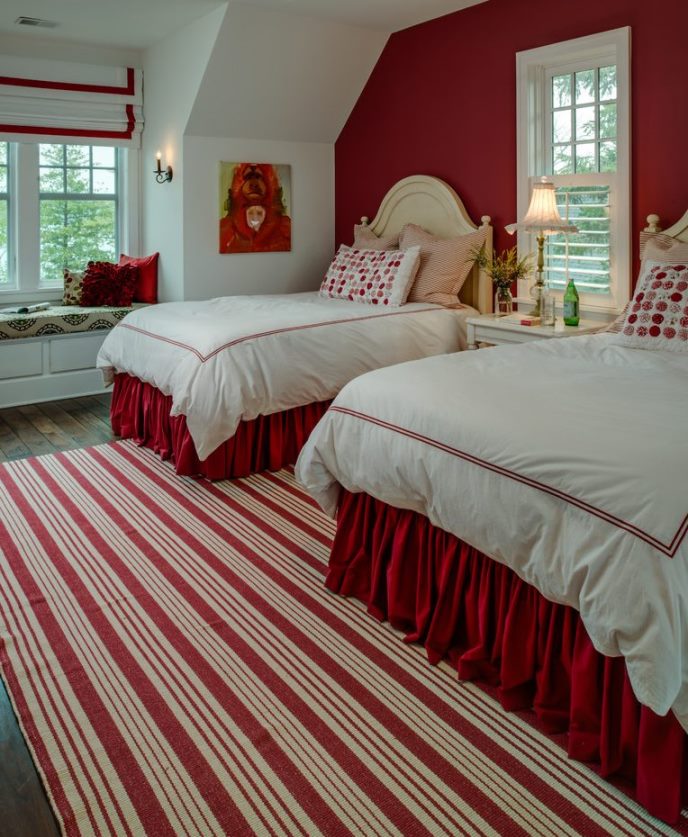
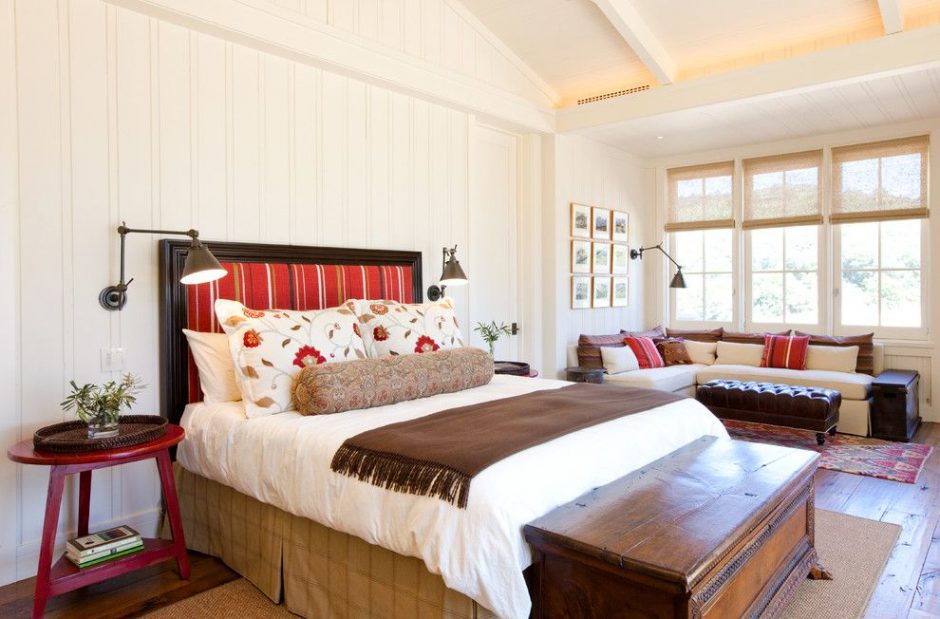


Red is a very intensive, stimulating color, therefore in the bedroom it shouldn’t be visible from the bed in favour of calm rest
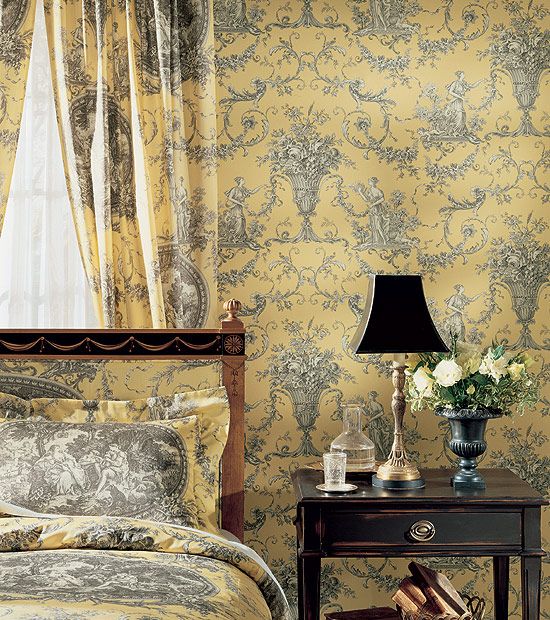
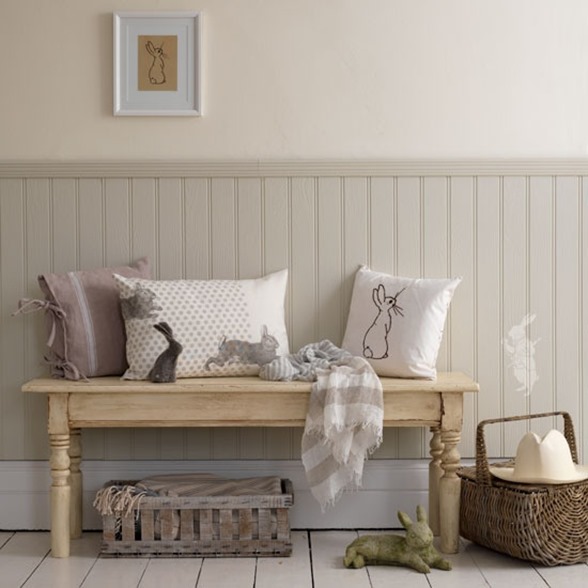
Color pairs: yellow-grey
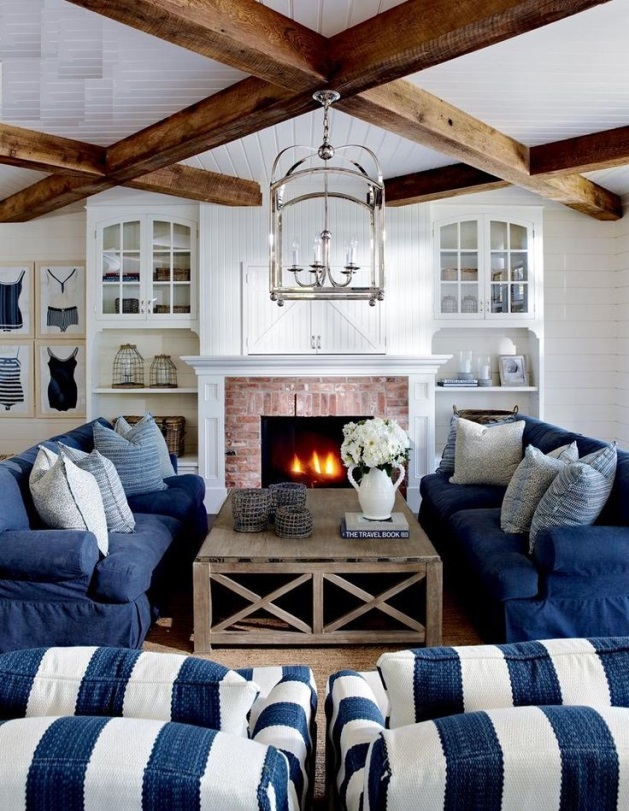
Low ceiling with visible beams – not necessarily press the space
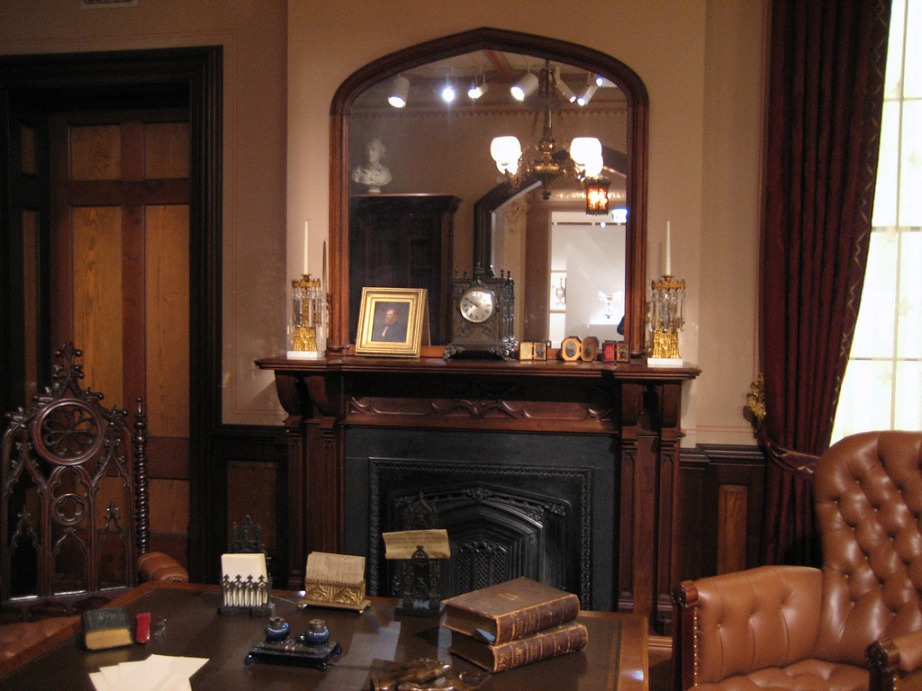
Gothic style was born in France at the turn of the 13th-14th century. It was characterized by buildings bursting to the sky and light coming to the fore. Walls became thinner thanks to the herringbone quadripartite and fan-like ribs, this way, bigger windows could be built in. Elements of sacral architecture got into secular architecture, so houses and palaces followed this style also. Comfort became important, but living spaces weren’t separated yet. Board, as building block, which is the base of framed structures, appeared thanks to sawmills. Sizes of furniture rose, first wardrobes were created (chests were used as storages before). Colored glasses were put into the gothic and rose-windows which told the stories of not only saints, but kings and knights also.
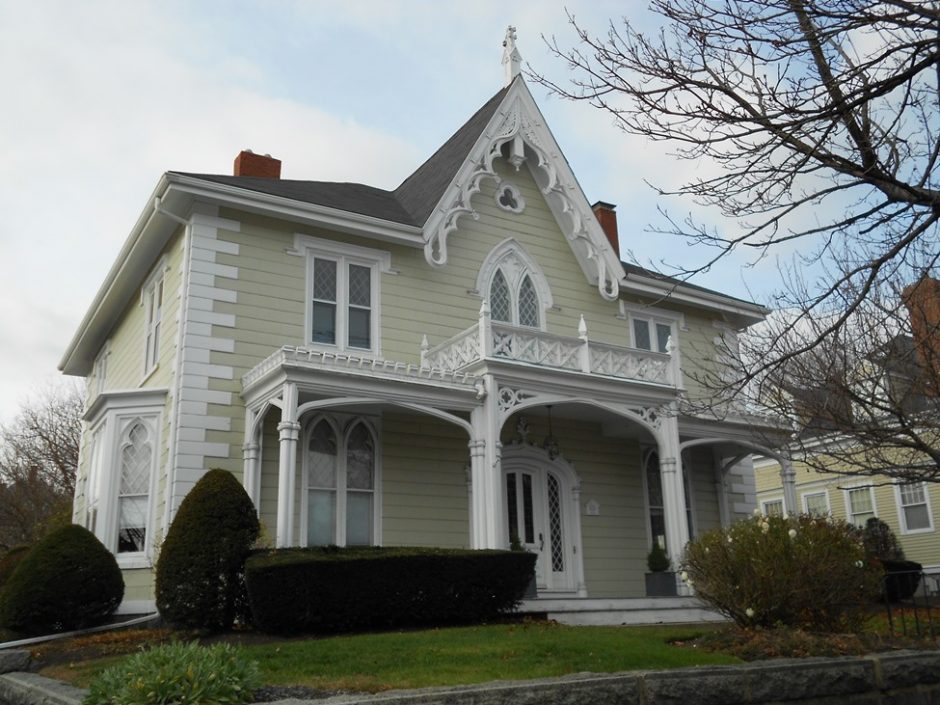
The revival of Gothic style appeared in England in the 18th century and reached the top in the 19th century during the era of romanticism. It used gothic features but in an idealized way with glorification of medieval values (fidelity, faith, chivalry, courage etc.). Many castles and houses were built in this style, for example the Houses of Parliament and Tower Bridge were built in that time also. Decorating elements were adapted too: statues, laced gable, finials and gothic windows with color glasses. Not only the buildings but furniture was made thus. Dark brown wood dominated in the interiors, heavier fabrics were used for upholstering (leather, velvet) and other colors were darker hues also (claret, dark green, dark blue). Niches were re-created by using wallpapers which was a much cheaper solution.
Nowadays Gothic style appears in Goth/gothic form which also uses dark colors (black, deep blue, dark purple) and it is mixed with frightening elements thanks to the popularity of vampire stories, in which films this view dominates. Dark color shame is not obviously kept during transformations of old churches and Gothic revival buildings to homes. Gothic features are perfectly highlighted by light painted walls, comfortably upholstered seats, proper created lighting and separating of spaces and they perfectly harmonize the sight.
Gothic style can be realized in a common home also with considering the scales and proper amounts. Ask for help of an interior designer for this.
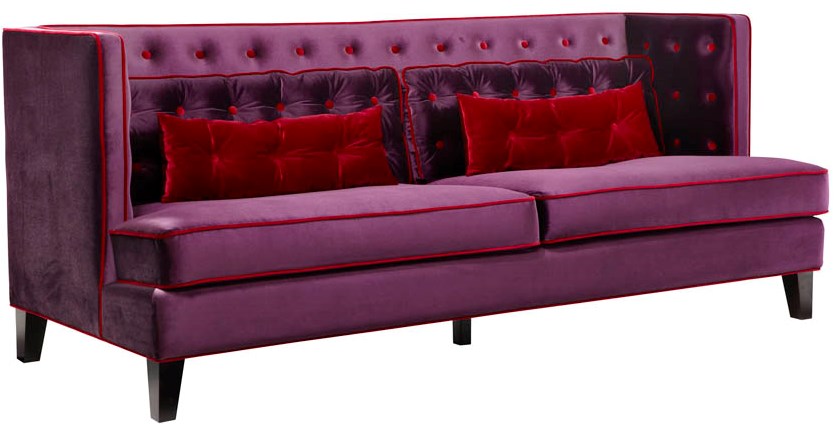
Color pairs: red-purple
If there is no money or time for exchange the old wall paneling, let’s paint it for a fresher look
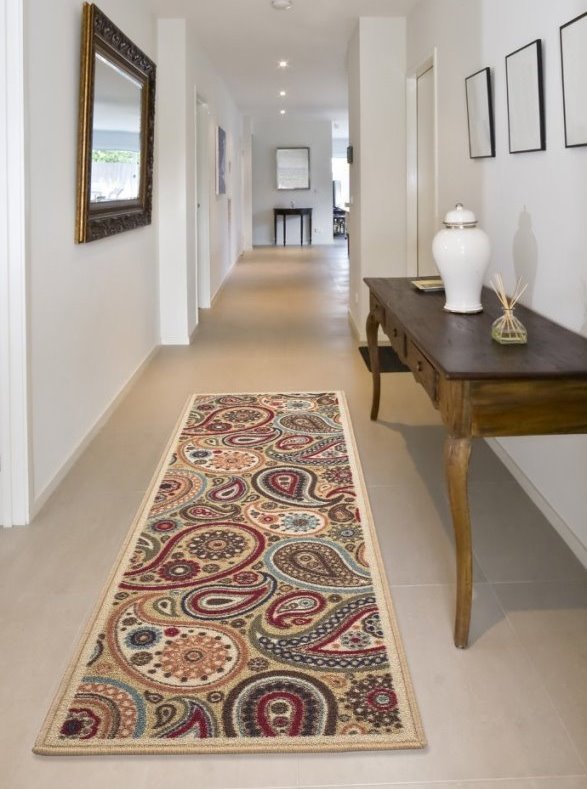
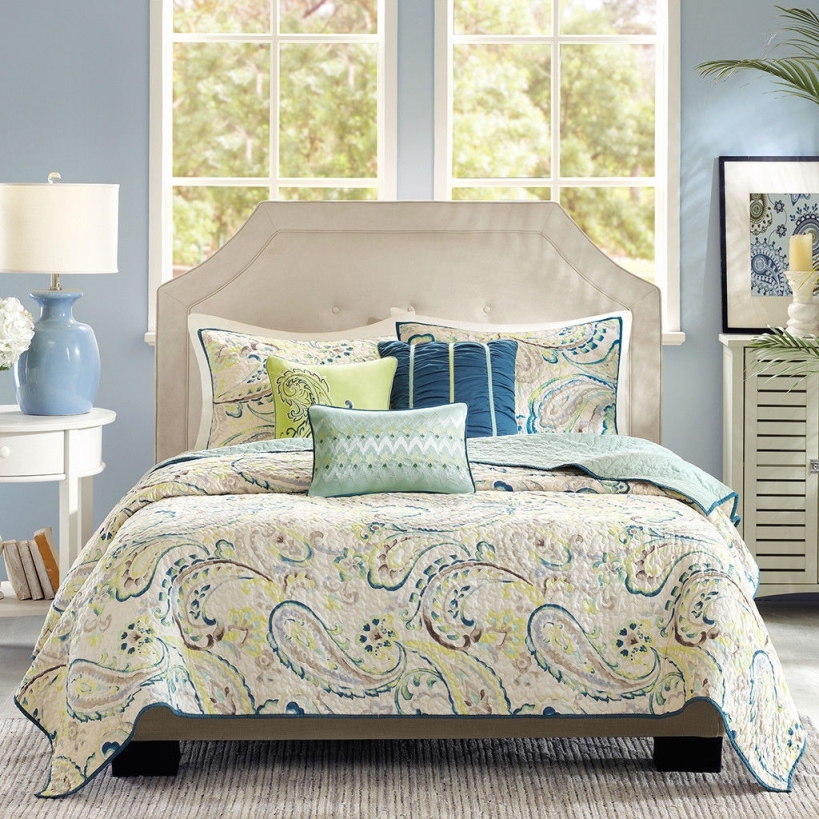
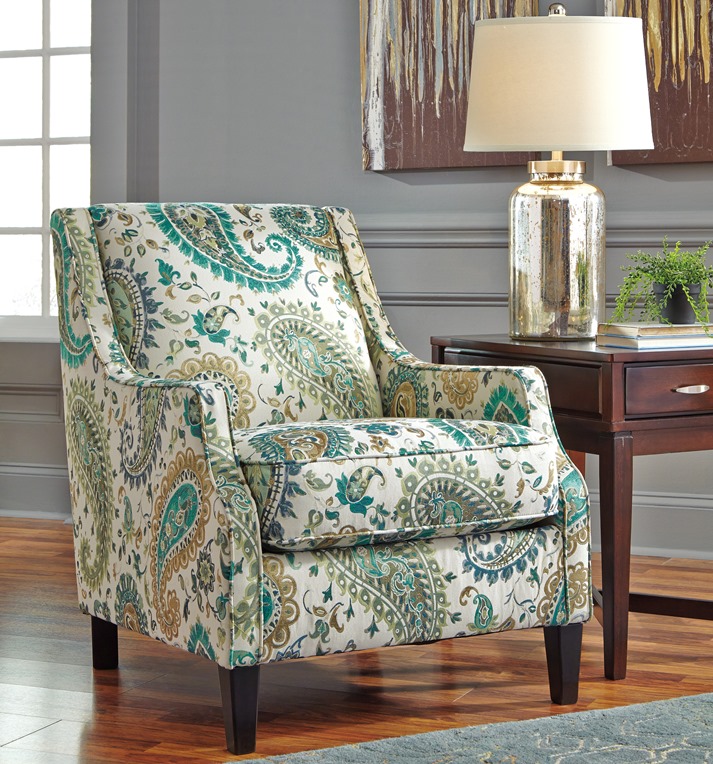
Paisley pattern is a drop-shaped, floral pattern curving at the end. It can have different names in different cultures, for example: cypress, mango, almond.
It has eastern origin which got to Europe by the East India Company in the second half of the 17th century. Later it became really popular by the silk and wool cashmere scarves which were imported and brought home from the Indian colonies. Their prices were quite high.
The mass production of the printed paisley patterned fabrics started in Marseilles and this was followed later by England and Holland. However, the weaving machine, which appeared during the industrial revolution, made possible to copy the pattern. The largest production company was in Paisley in Scotland, the pattern was named also after this town. They worked with five colors since 1800, while other companies worked with only two colors. 15 colors were used since 1860 on the same piece which was still the quarter of the color usage of the original imported fabrics. It was produced in Paisley not only as a woven wool fabric but as printed cotton also. The latter was much cheaper, this way it reached a wide range of people. The original fabric was still imported in a big amount because it was so popular.
The beat generation in the 60s loved to wear paisley patterned clothes. Nowadays paisley has kept its oriental character but it fits for several classic styles because of its wide range of size and color. Even the align of the pattern isn’t set. It appears not only on upholsteries but on wallpaper, carpets and accessories also.
If you also like this pattern, ask for help of an interior designer for the choice fitting for your home.
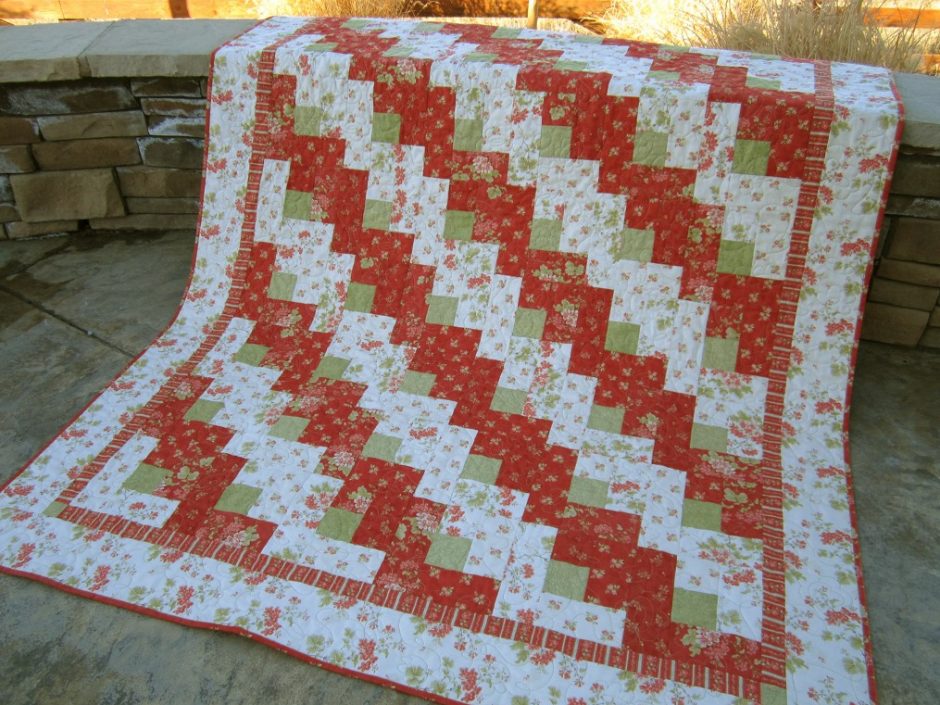
Patchwork is a popular type of needlework also nowadays. Its origin is rooted probably in poverty, anything should be reused if possible. The good parts of old, used clothes and household textiles were cut into pieces and sewn to each other again. They were used to make bedspreads and pillowcases.
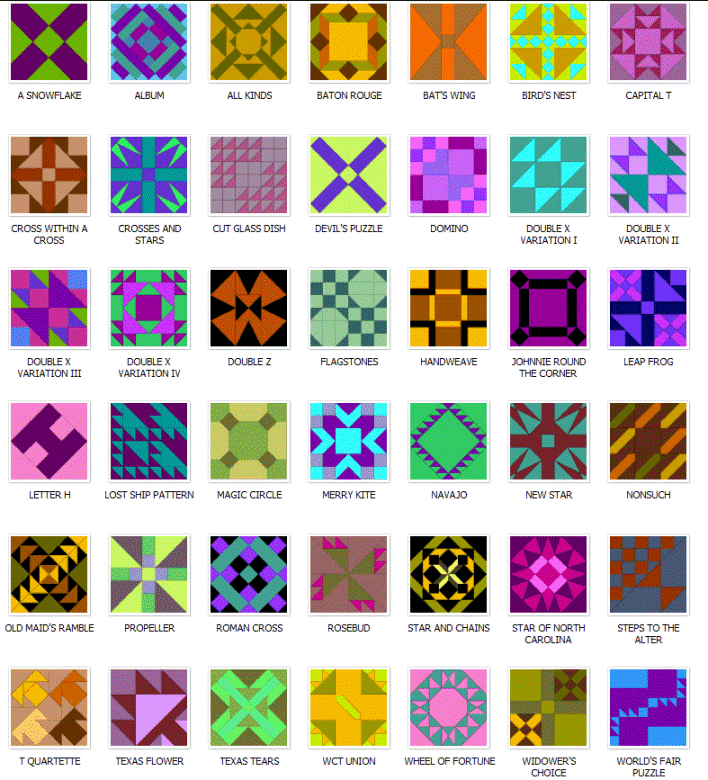
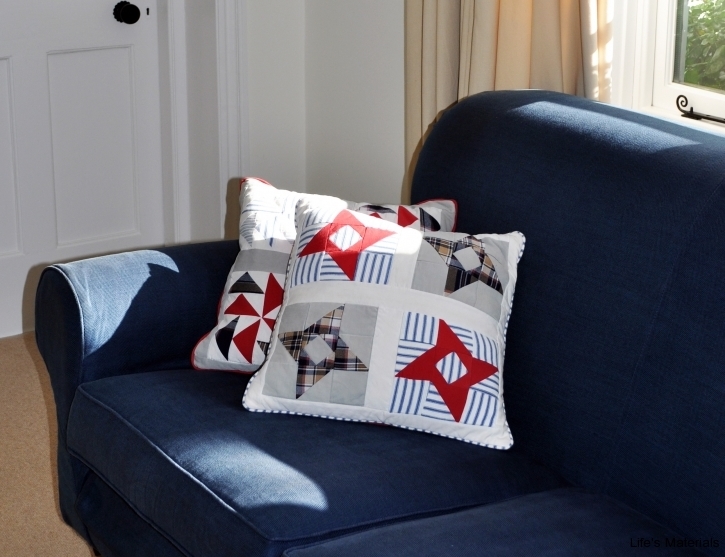
The patches are cut in geometric shapes (triangle, square, pentagonal, hexagonal) for combining and joining them easily. The small pieces are sewn to bigger parts, so called blocks, these blocks are joined to create the ready product. There are variable formed patterns which have their own name (e.g. Ohio Star, Windmill, Log Cabin). The patterns and colors of the fabrics used give the real charm of the blankets.
The handmade old pieces are very valuable. Making patchwork became much more easy with the spread of sewing machines. It is so popular because it can be made anywhere, even when travelling on a bus. Many artifacts prove that mankind was doing similar recycling techniques throughout history. It really spread in the 18th-19th century thanks to the American settlers. It was a status symbol in the Victorian era, what quality of fabrics were used for making patchworks by women (they didn’t use old clothes) because purchasing printed cottons could be afforded only by the wealthy. Making patchwork became a hobby and a nice pastime after the World War II. Nowadays there are pattern books, starting kits and courses in the topic almost anywhere.
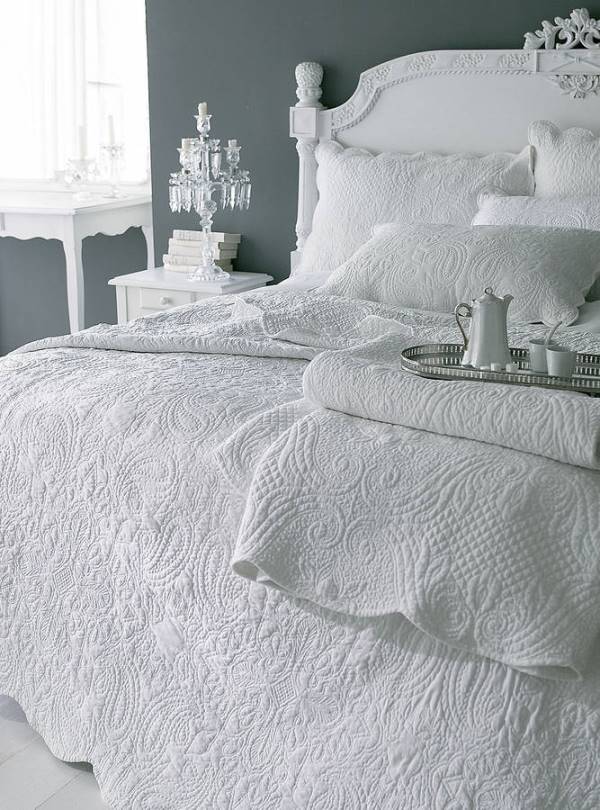
Quilt is a blanket which has three layers (top layer, filling, back side) and these are fixed to each other with decorating sewing (quilting). Sewing is done on the whole surface, this gives the pattern. The top layer can be a patchwork also. In this case, quilting is done to highlight the pattern of the patchwork.
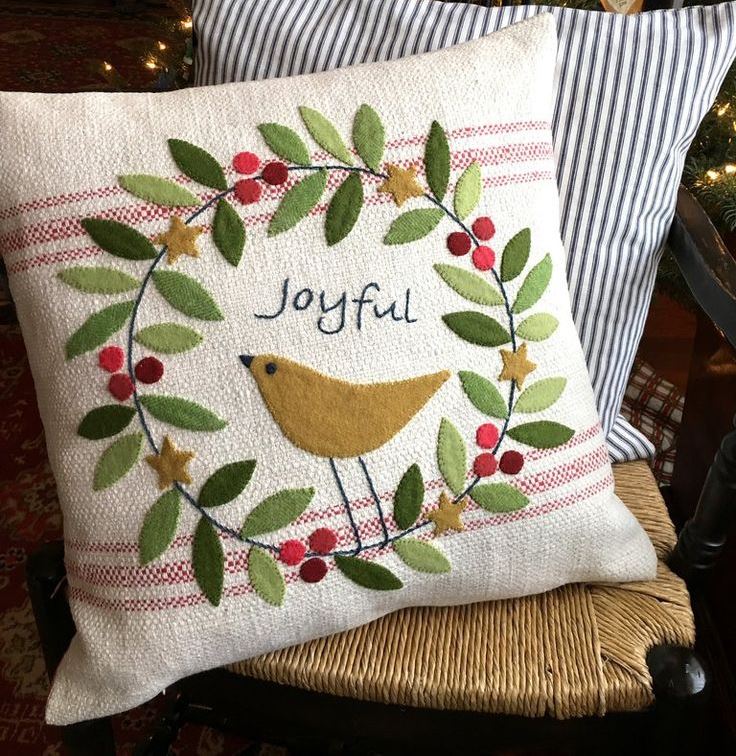
The third patch-technique is appliqué. Cut fabric pieces are sewn on a fabric base with continuously turning their edges below. The pattern here is made not from geometrical shapes but is already cut out of the material of choice. This can be sewn only by hand, not by machine. This can be combined with the two previous techniques.
Some patchwork blankets can be perfect decoration elements in a bedroom or living room. If you would like to make/buy some showy pieces, ask for help of an interior designer for the choice.
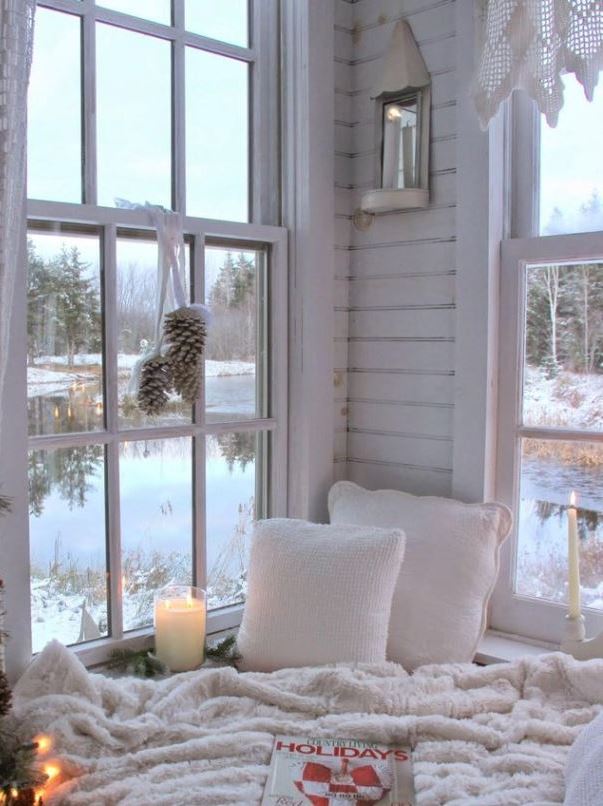
Winter is in the details
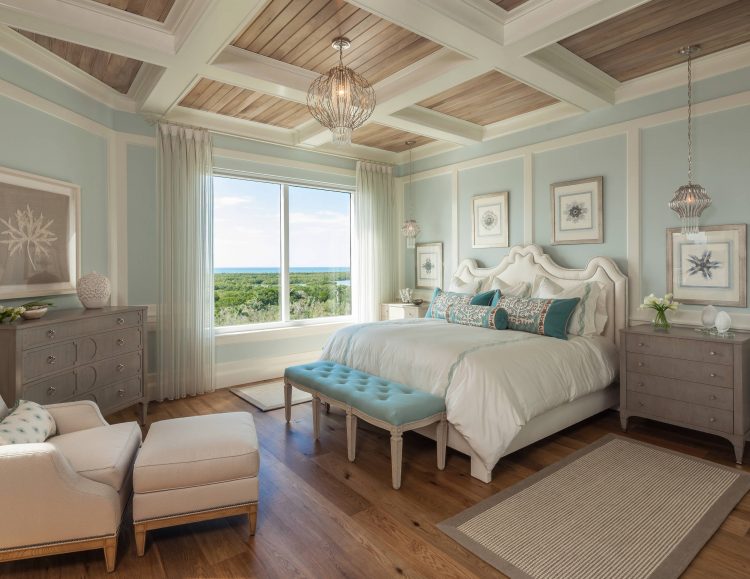
Coffered ceiling is a very elegant solution, but it requires adequate height