3D visualization has an important role in the design process. The plans of the designer merged with technical plans and product samples are not always comprehensible for the client, who needs something which shows the upshot in a final state, almost in 3D visualization.
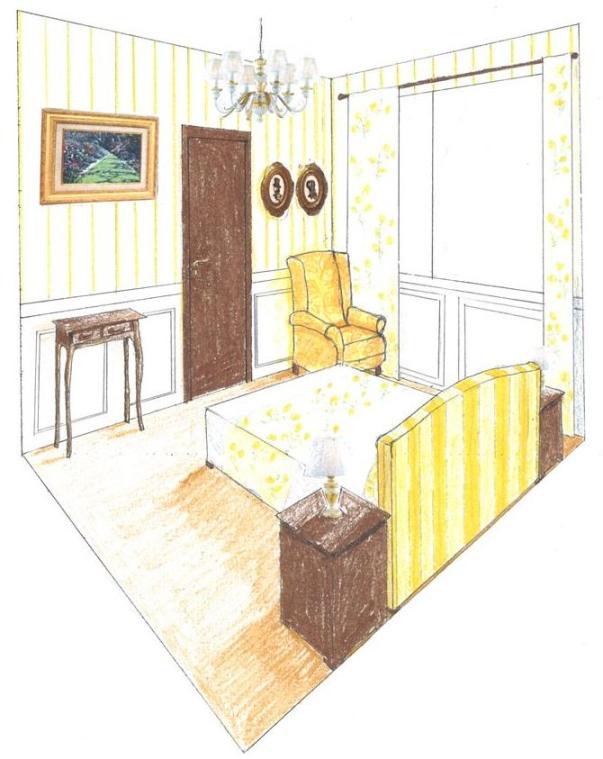
Perspective drawing was the first solution for this. The room has been drawn from the perspective of the viewer and looked like if he or she was just standing in it. It could show the relationship of the objects to each other and the scales. It needed handcraft and took a long time. More perspectives meant more drawings.
In the old times, the usual way of this was making scale-models. The miniaturized model of the building was made of paper or wood. This process took a long time also. It was followed by the acceptance of the customer. Since the building constructions themselves were very slow and the furniture was made by craftsmen, realizing a whole interior took many years. Nowadays there is no time for this. In our faster world, technics can help this process also. For example, Rapid Prototyping (RPT) is one of them, which builds the model based on plans generated by software, from several materials, in a relatively short time. This technology is rarely used in interior design.
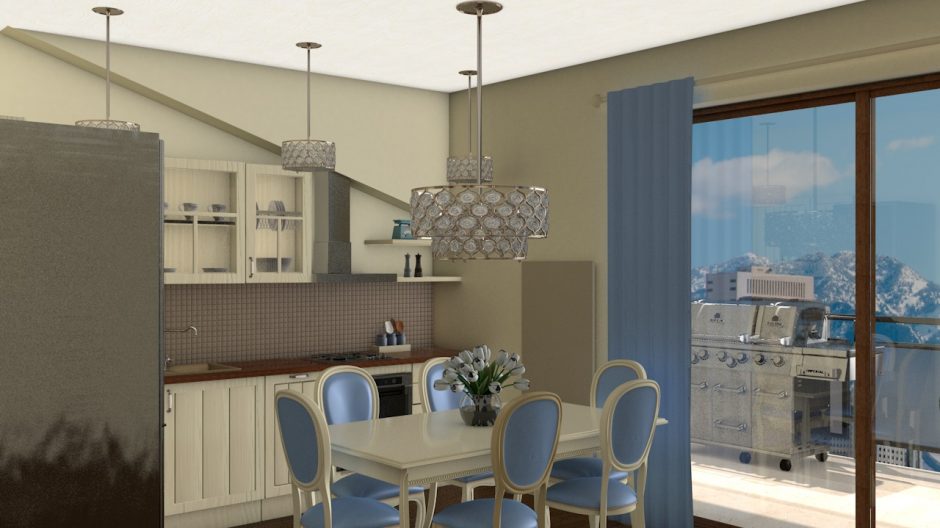
This process became faster by the emergence and development of CAD software. The „camera” can move freely in the interior designed, so visualization from various aspects took only some more minutes. A new question arose: the quality of the 3D visualizations. The gap between pictures without rendering and photorealistic pictures is huge. All depends on the requirements of the client. Some of them need only a simple visualization to see the harmony of colors and furniture, what can be fit in. But professional visualization is a must in a tender, especially in the case of public buildings.
Most of the architectural and interior design software have a rendering module. However, a perfect result can be achieved only by an external rendering software, which has been developed especially for this purpose. We actually get a realistic picture just like a real photo by setting several parameters. This process is helped by interior manufacturers with providing 3D files of their products which can be imported to the software. This way the chosen lamp, sofa or other product can be exactly placed in the plans, not just a similar one.
Of course, visualizations are still time-consuming process, regardless to the easy-to-use software solutions. Besides, hand drawings still have great importance, because these are unique, having almost an artistic value. Interior designers provide 3D visualizations of the plans if required.
Archives
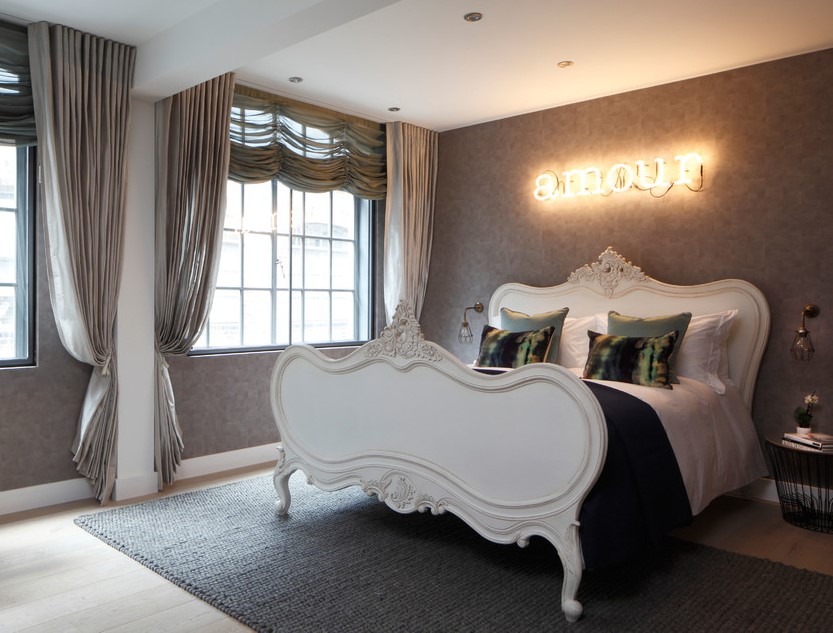
Neon letters
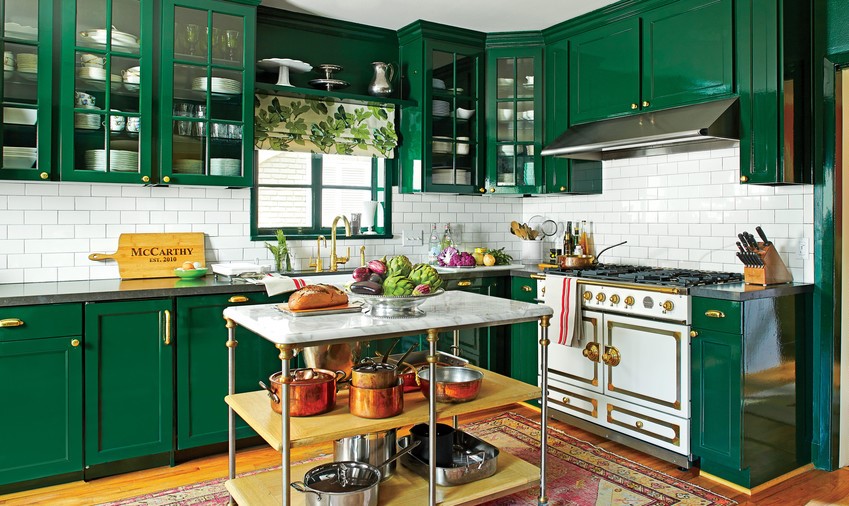
Irish greens
Color pairs 34.
Choosing pictures
Decoration is the next thing after renovating/transforming our home, which is probably the most exciting part of the procedure. Still many people stuck here. Maybe decorating the walls intrigues the most: what kind of pictures should be put on? What should be the color, size, subject etc. of them? They are uncertain if the old pictures fit to the new look and if not, what should be purchased instead?
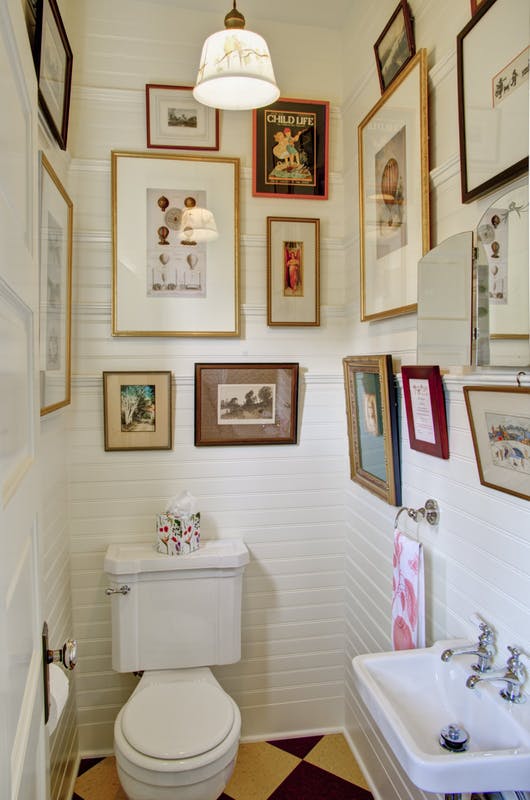
Maybe the most important thing is that pictures can be placed not only in rooms or corridors but also in the kitchen, bathroom, laundry room and even the toilet. These can be considered as rooms as well, of course keeping their practicality in scope. They will be more inviting and will fit more to the rest of the home.
Placing the existing pictures can be a bit harder, since they have to be integrated in a surrounding even in different style. Changing them is frequently not possible because of their theoretical or real value. Reframing them could improve the situation a lot. We can establish a connection between the picture and its environment by this. Basically, the frame should fit to the picture not to the surroundings, however in this case the latter can be concerned also. For those who like eclecticism, it’s not a problem to place a totally different picture in a given style.
Firstly, the total size should be defined when choosing new pictures, namely they should be measured with frame and matboard. Cutting newspaper to rectangular or square pieces is helpful to see if the size fits for the given place, if it fills the space nicely. If you wish to place more pictures organized in a shape, try the shape on the floor first and after this, take the newspapers to the wall for testing the final order. If unique paintings are liked to be purchased, first check with this method if they fit in the place, since in this case the size is totally determined.
Defining the subject can create further problems. Many people think that only pictures of seaside should be applied in bathrooms, pictures of foods to the kitchen and drawings to children’s room. But there is no such a rule. However, it’s practical to keep the basics of Feng Shui. For example, a ship tumbling on the stormy ocean is not exactly the best choice of subject for a bedroom…
Owners manage colors much better. The new picture should be fit to either the color theme of the whole home or be a part of the additional pop-colors. The sight can be made more accented with proper lighting. Sometimes in the designing phase the interior designer has to start with the color and subject of a given picture. In this case, the picture will harmonize with the implemented interior, of course.
Ask for help of an interior designer for choosing and placing the best pictures for your home.
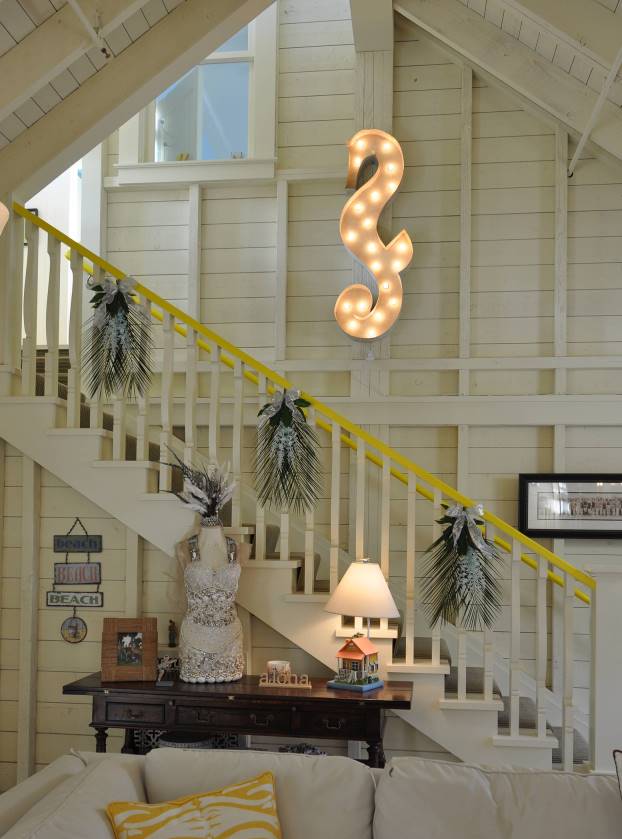
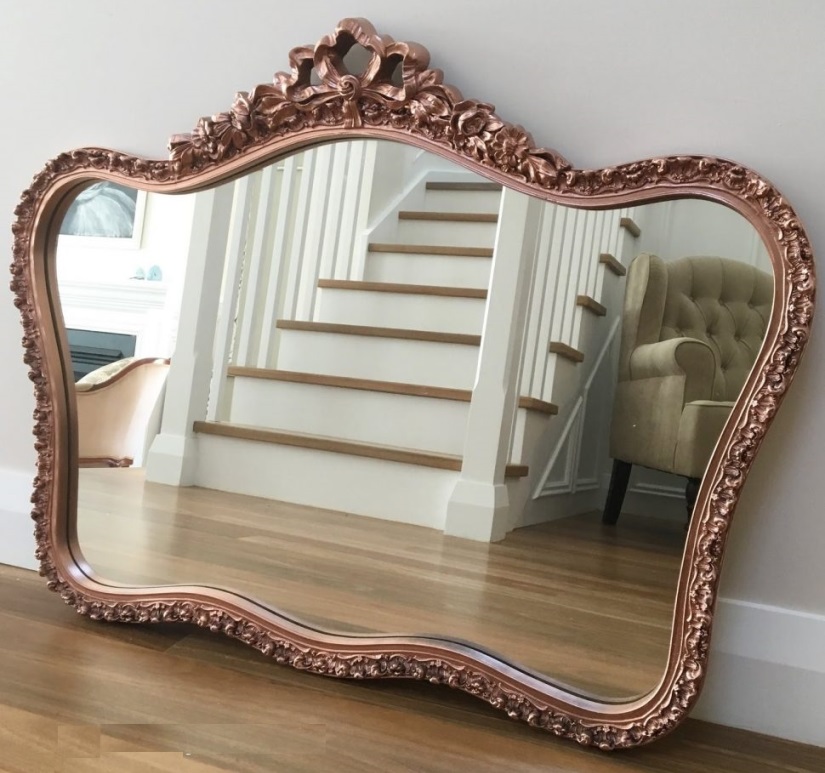
Rose gold
Color pairs 33.
Thousand faces of classic style
The „classic style” terminology sometimes causes difficulties to the prospective customer, there is a situation when it directly deters him/her from using the service. This definition in public awareness is equal to beige-brown colors, huge and over-decorated furniture or heavy draperies. Classic style however has several faces and all of them can be complemented with any technical solution which provides the comfort of present times.
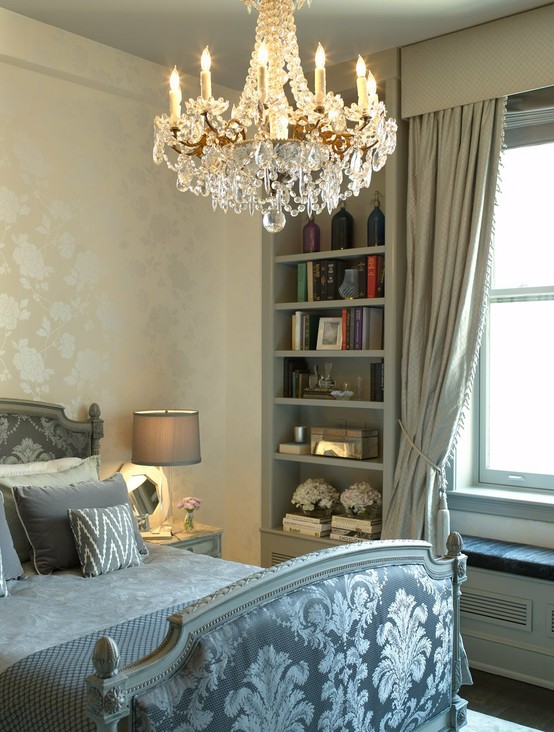
Historical styles definition means those trends which were specific to a certain historical era, not only in interior design but almost every aspects of life. They contain music, literature, fine arts, architecture, gardening design, fashion etc. They closely linked to each other, just like we can see in historical books. Following these, it’s not necessary to completely copy furnishing of for example a palace, for reaching the desired effect, since the scales probably are quite different now and then. It might be enough to pick two or three main features from the all and the other details should be shaped for these to get a harmonious general aspect. Some examples without limitation: ancient Roman, Renaissance, Baroque, Victorian.
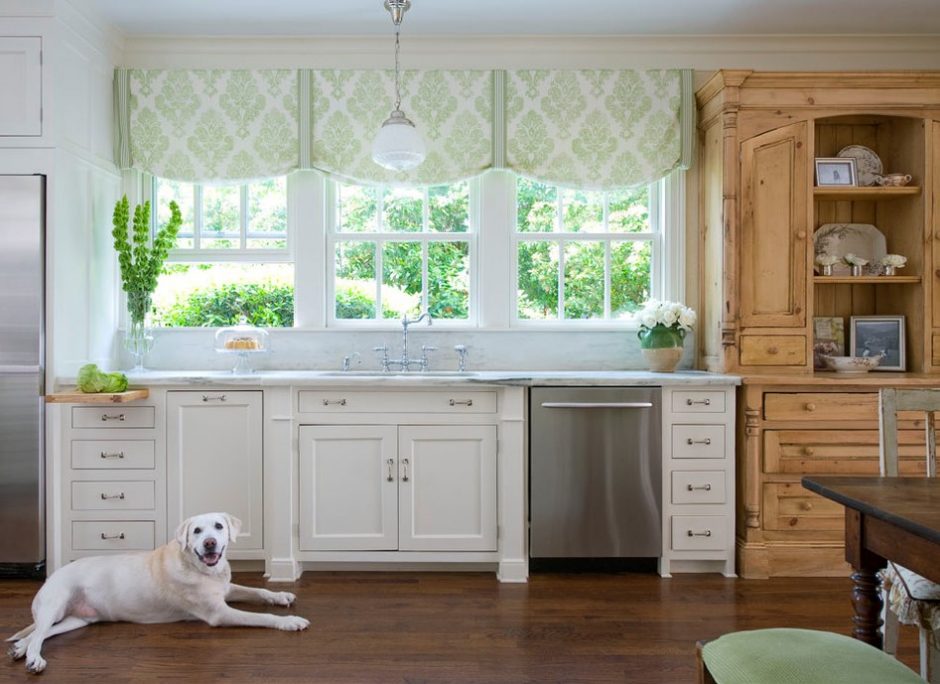
Styles using special features of countries and lands can be also called classic. Commonly they evoke the chosen style with using antique objects, archaic shapes, typical colors and materials, which cannot be reflected by a modern/minimal interior (of course, there are such homes also everywhere). It’s the total effect what really matters. Some examples without limitation: Provencal, Moroccan, (any kind of) rural, seaside style.
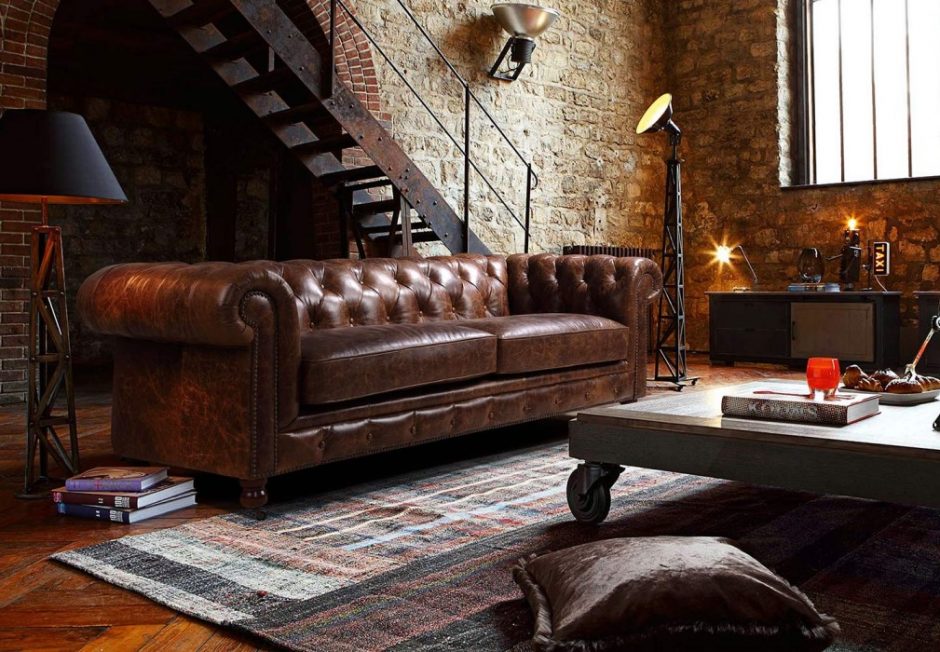
Thematic styles, as I call, are interior design solutions which based on a theme. This can be a movie, a city or even a present popular trend. They have in common using classic tracing furniture, accessories and decoration objects, if it is possible, together with antique pieces. Colors help a lot in this case also to reach the goal. Some examples without limitation: shabby chic, steampunk, Paris, industrial style.
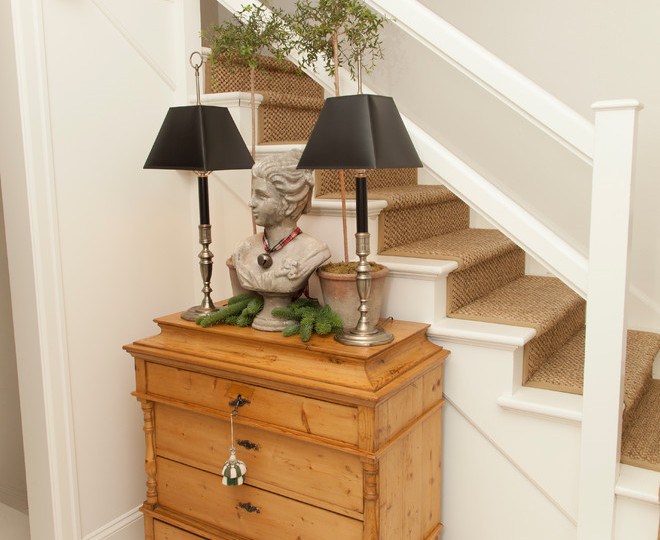
Modern classic style cannot be classified to the previously mentioned groups, but probably this is the most common. The bigger furniture, architectural details (mouldings, rosette, wall panel etc.), upholstery, floor coverings are all classic, but colors, accessories, decorating objects represent a more modern trend. These together make the effect sophisticated.
Don’t be afraid of the classic style term. Everybody can find the perfect one of them. Ask for help of an interior designer for implementing.