Mauve is a soft shade of purple, it contains lots of grey and a tint of pink
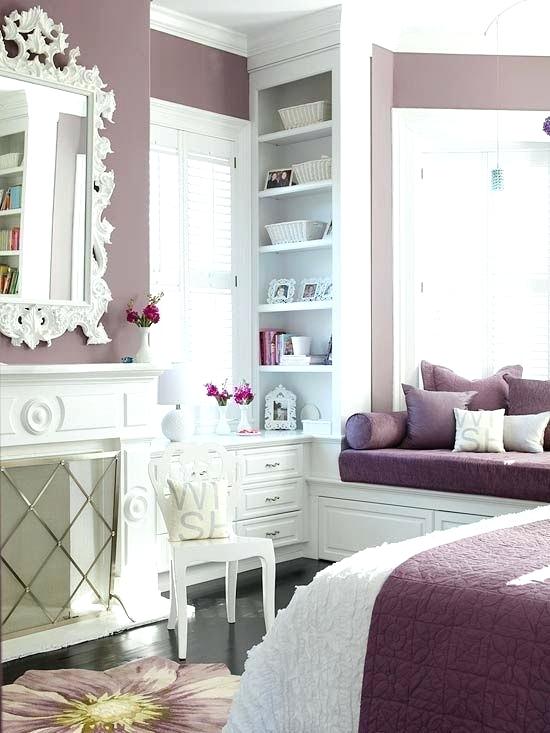

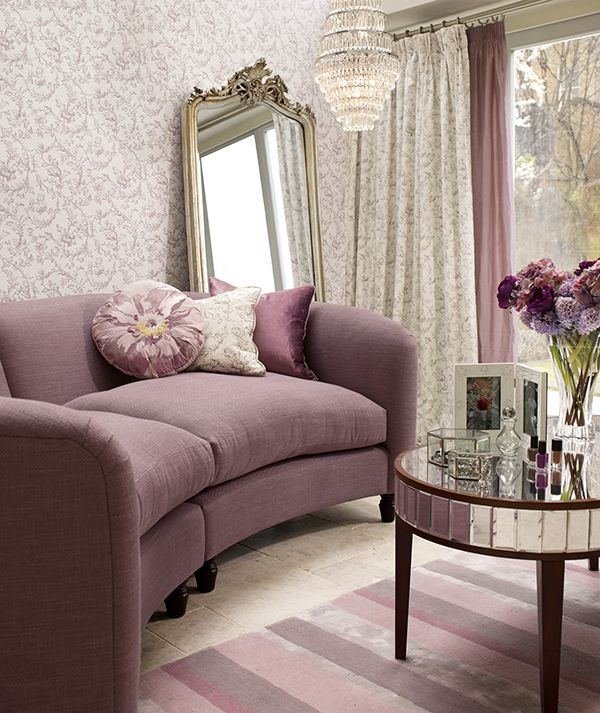

Mauve is a soft shade of purple, it contains lots of grey and a tint of pink
When the train was the fastest way to travel continentally, one of them was world-famous. Its name was officially Orient Express from 1891.
It left Paris first in 1883, going to only Wien that time. The passengers were taken to Bulgaria on the Danube, where they got on another train to Varna, then reached Constantinople by ferryboat. The train went directly to Constantinople from 1889. It became so popular in the 1930s, that three trains ran parallel: on the lines Paris-Wien-Istanbul, Paris-Venice-Istanbul and Paris-Zürich-Athens.
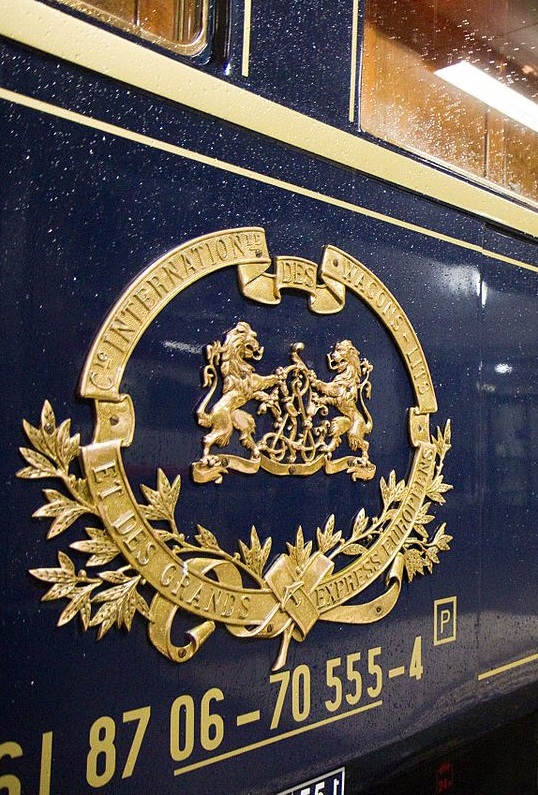
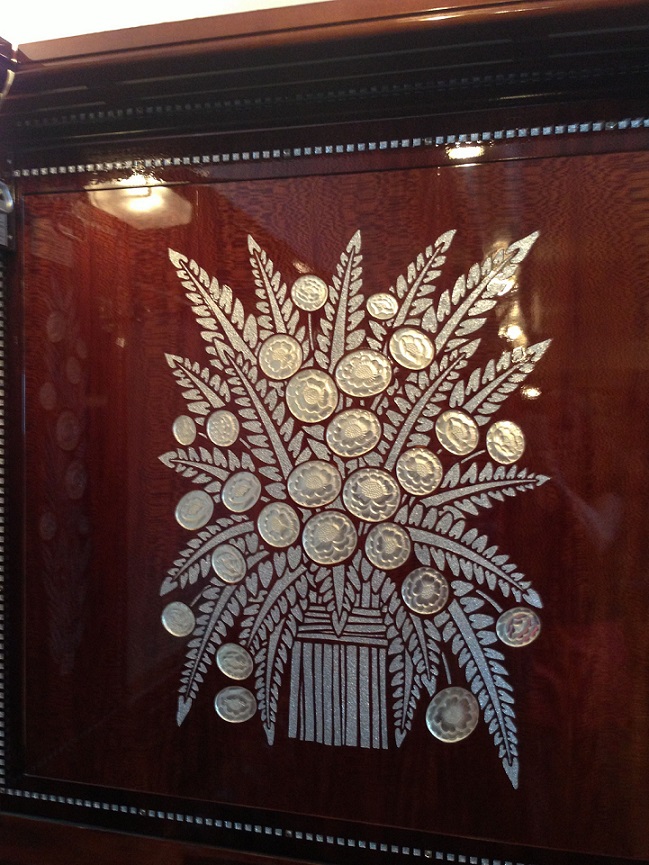
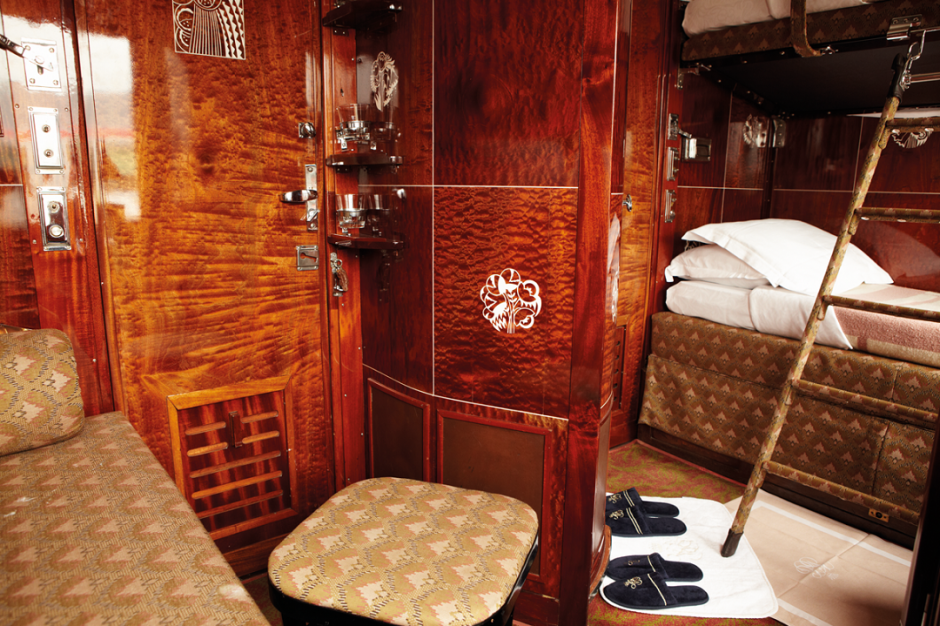
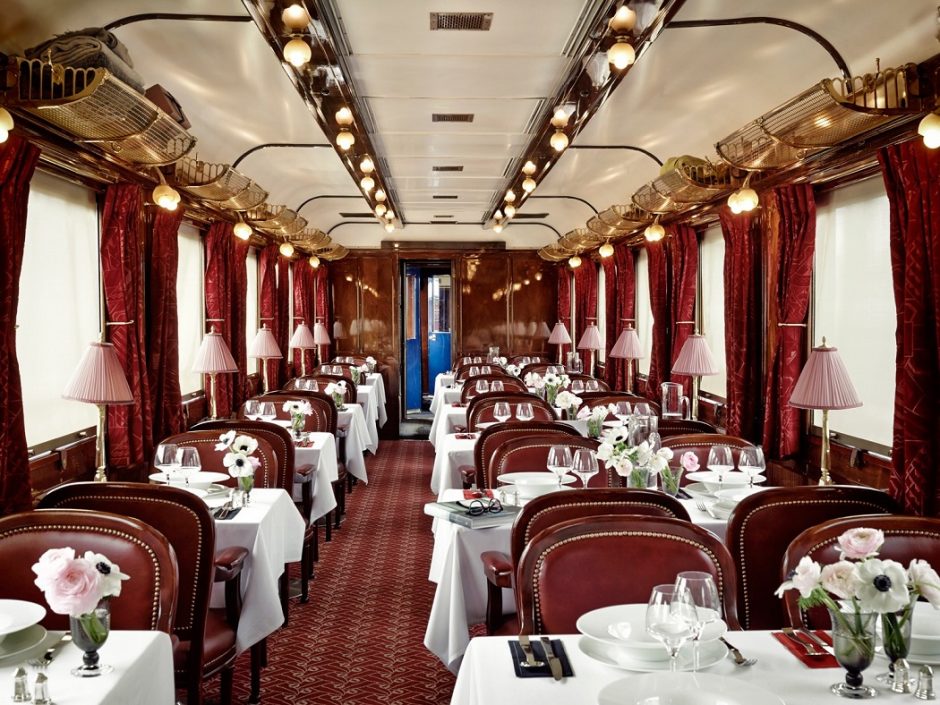
Only first-class tickets were available, it was specifically a luxury train. The company used wooden framed, teak wood covered carriages until WWI, and dark blue steel framed carriages after it. Its kitchen was brilliant. One of the leading shareholders of Compagnie Internationale des Wagons-Lits succeeded to enlist the Belgian King. Thanks to this, they could use the lion coat of arms. It could keep tally on sovereigns, spies, diplomats and business magnates as passengers, among others. The interiors of the carriages were luxurious. The original train contained five carriages and one engine. There were one baggage wagon on each end, two sleeping wagons and a restaurant car in the middle. The interior decoration after the WWI is a nice sample of Art Déco. Wall panels and doors were decorated with glass insets, works of the famous glassmaker, René Lalique. A bar and a salon were created beside the dining area. Every cabin had a small lavatory part. The beds were transformed to sofas for the day. The whole looked like a hotel for all your needs, not rolling on wheels.
Agatha Christie also travelled on the world-famous train. Probably this experience and the 11 days stand because of the snowdrift in 1929 gave her the idea to write one of her best detective stories (Murder on the Orient Express).
The rare-used, small summer house can be stylish, cosy and comfortable also
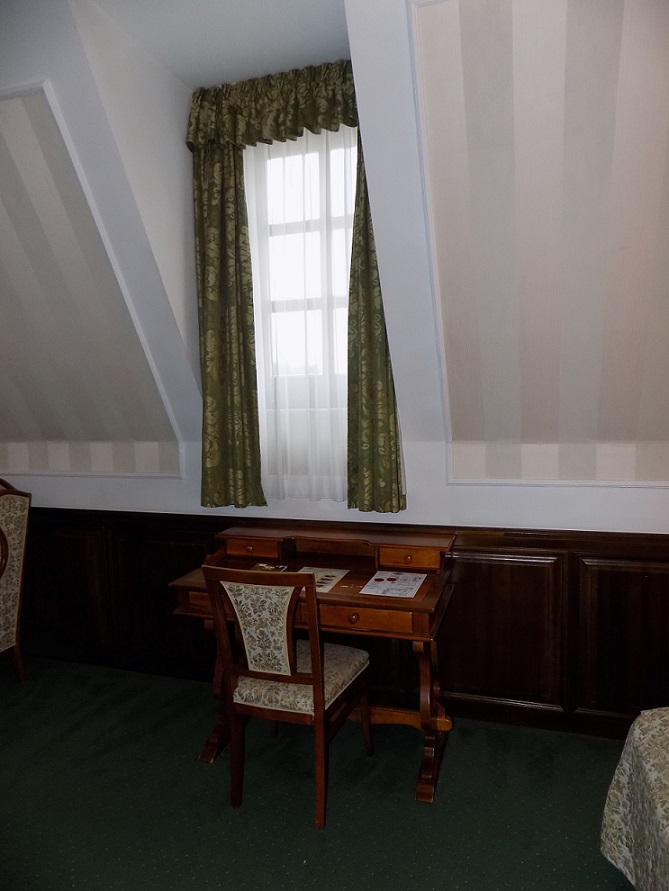
Castle Hotel Parádsasvár through the eyes of the guest (2015)
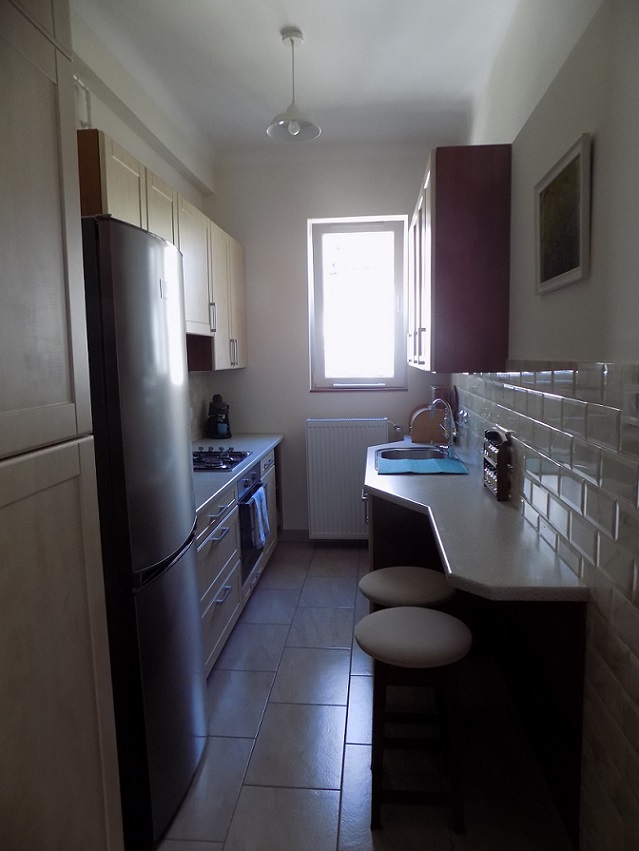
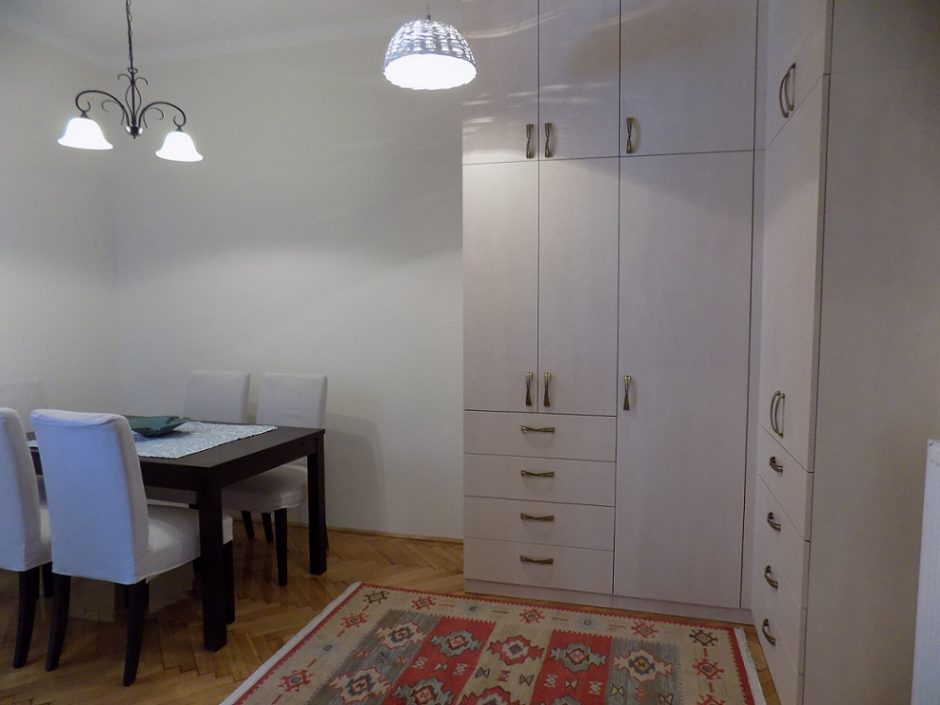
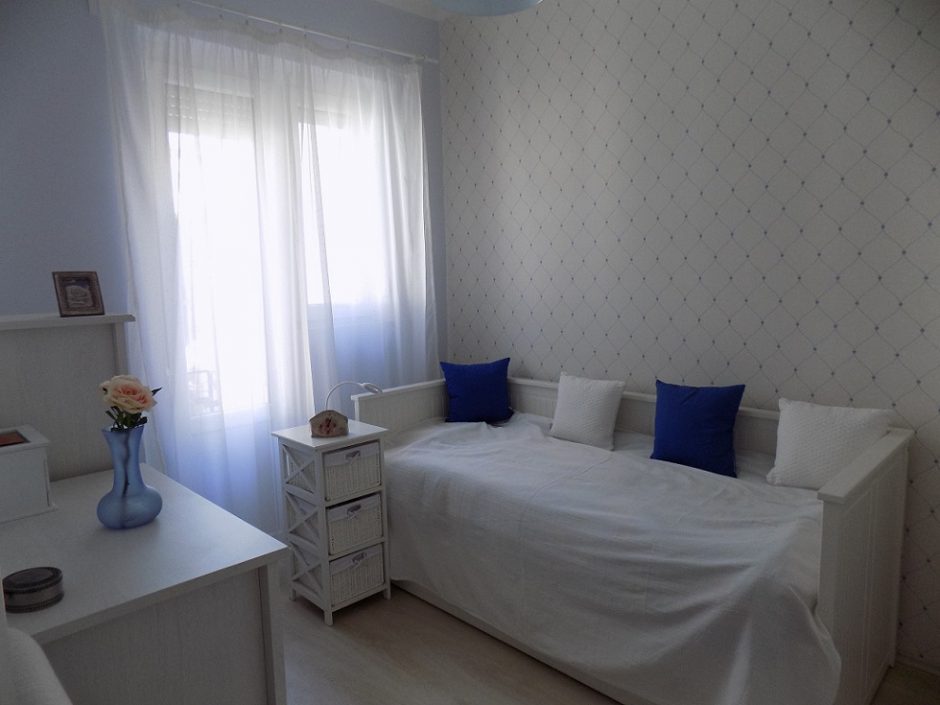
The renovation of this 56 sqm downtown flat for a very nice woman was finished last year. The main tasks were space reorganization and creating enough storage. The old kitchen is now the bedroom for taking advantage of the small back-balcony, so the pantry became a gardrobe. The new kitchen was created by removing the wall between a small room and the entrance space. The old hall’s wall was also removed, this way there was enough space for the dining area and large wardrobes. The central space is much more roomy and livable. The neutral cream and brown colors provide the calm base that is enlivened by different hues of blue, from turquoise to cobalt.
More photos: http://classicinteriors.hu/hu/referenciak/20-referencia/60-referencia15
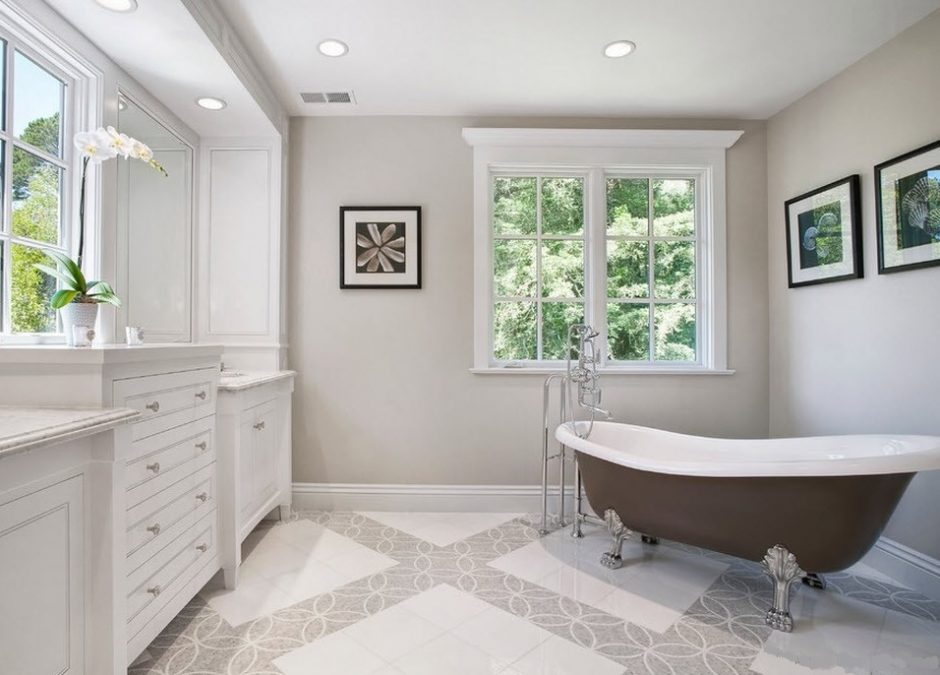
Greige (grey+beige) is made by a pinch of brown in grey paint. It works well with either cool or warm color palettes because greige is a perfect neutral color.
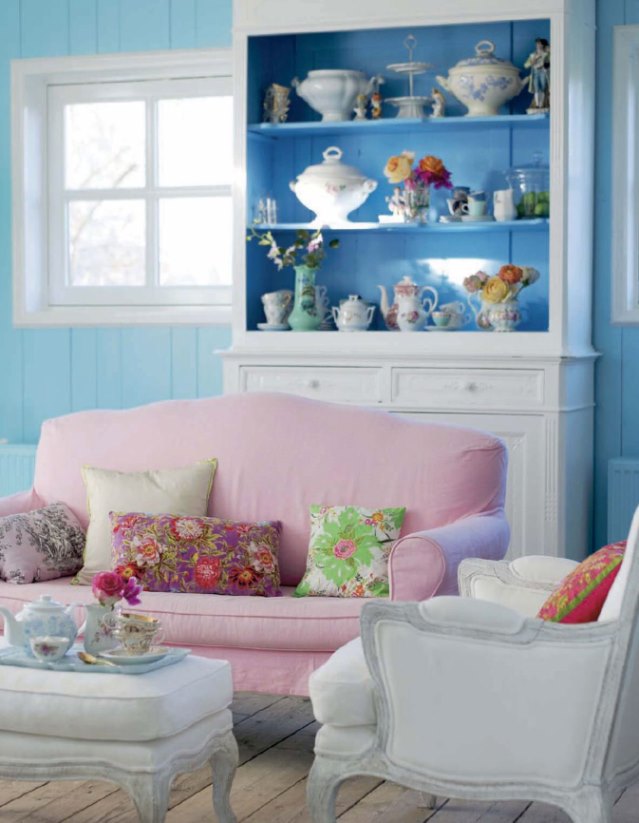
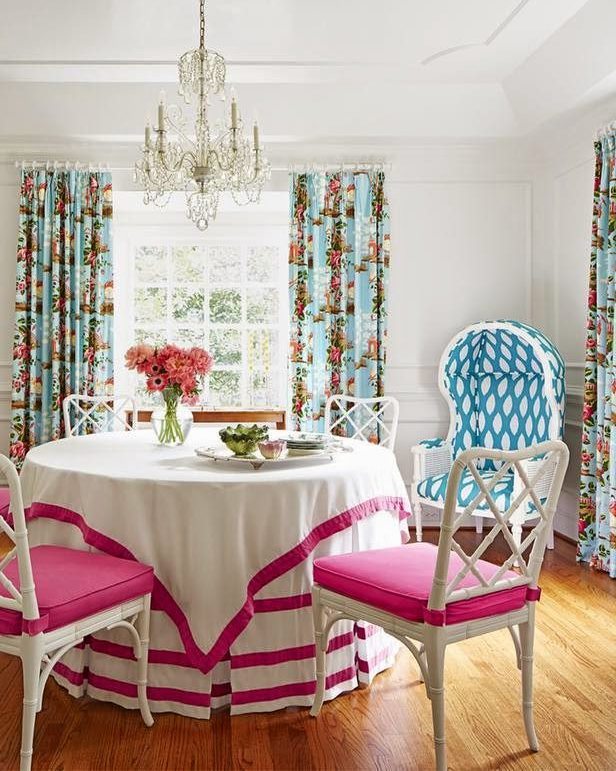
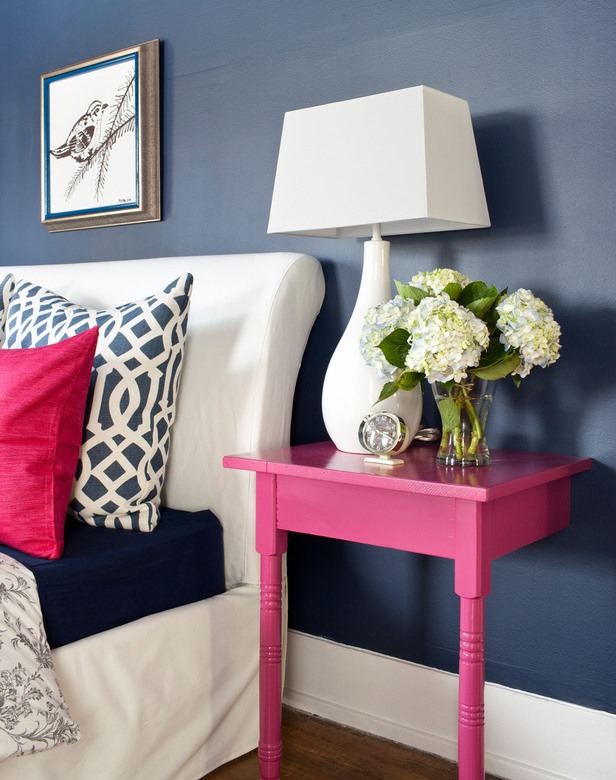
Color pairs: blue-pink
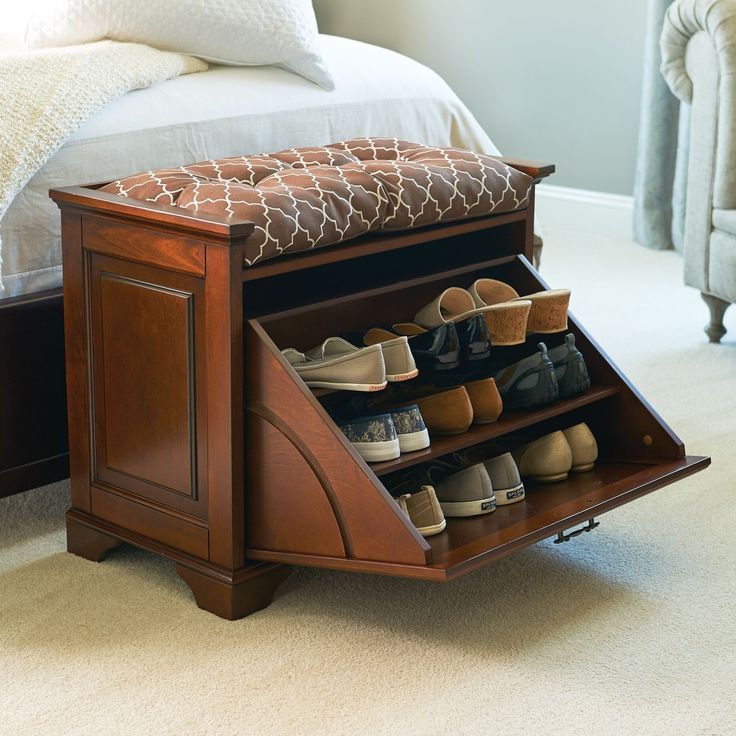
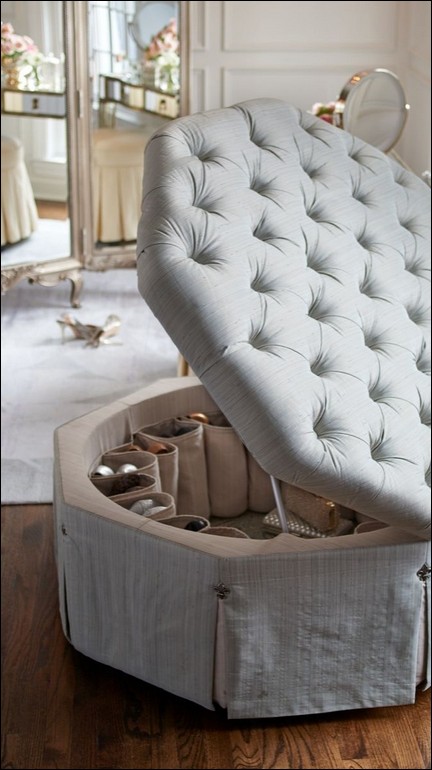
Hidden shoe storages, not for lack of space only
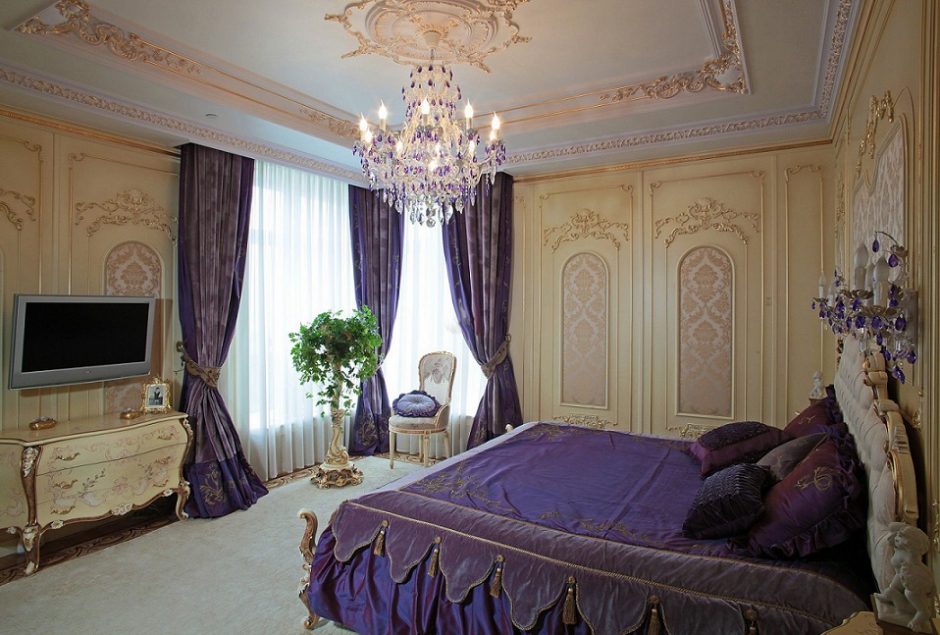
The name baroque comes from the word barocco (odd). This style of art history lasted from the end of 16th to the middle of 17th century.
The penetration of baroque began in the ages when the catholic church started counter-reformation. The marks of the style helped it and vice versa: the catholic church urged the evolution of the baroque because thought it to be an instrument for showing its own grandeur.
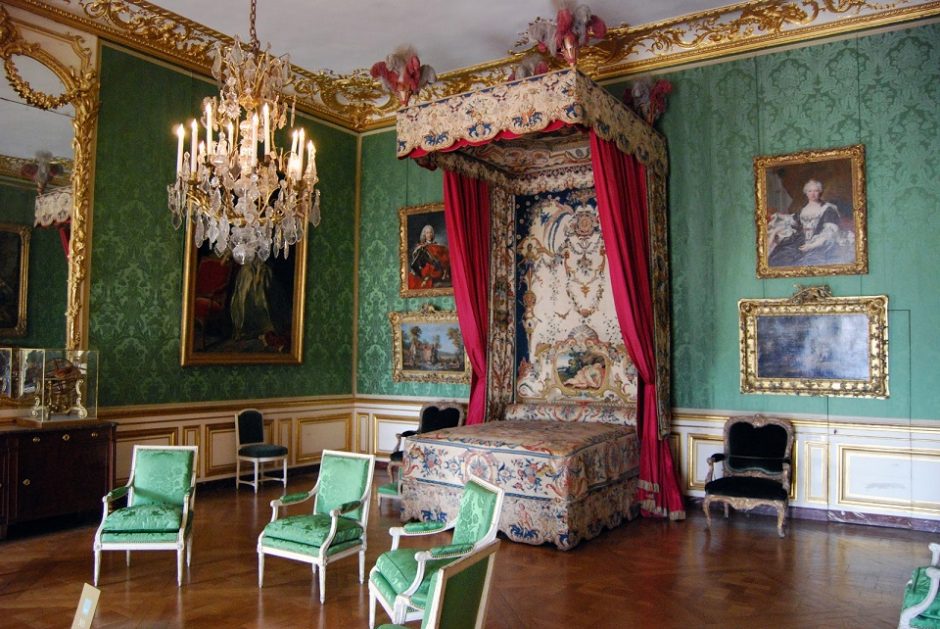
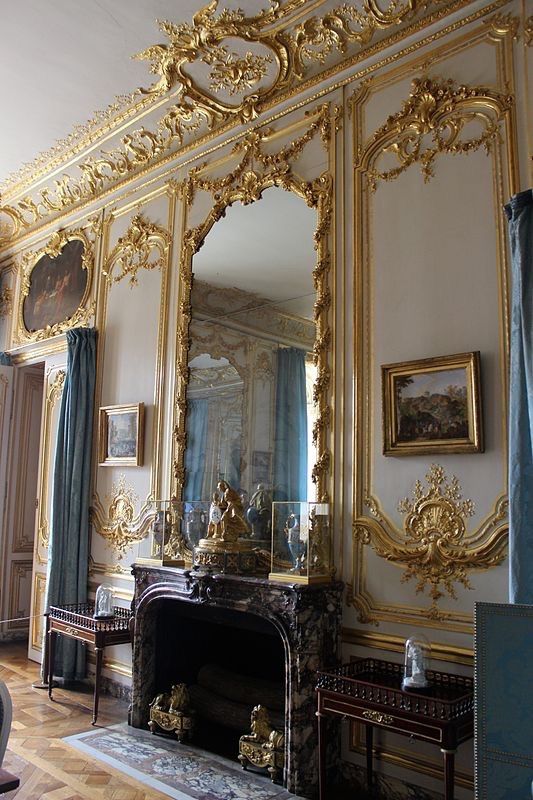
The main feature of baroque is monumentality that can be found not only in sacral architecture. The palaces of the ruling class showed this also and incarnated the absolute monarchy. The Palace of Versailles in France was built this time on the order of Louis XIV. The buildings were over-decorated: gilding, noble materials (e.g. rare type of woods, marble, gobelin), murals, volutes, rich colors. The domed solution was common. Sculpture and painting was marked by the scenic presentation of figures, allegoric portrayal, movement and vigorousness.
The high-ceilinged interiors were heated by fireplaces in winter. The canopy beds were protected by around curtains from cold. In that times it was fashionable welcoming guests abed, that way not only community spaces (salon, corridors, lobbies) but also the bedroom, which belongs to the private area was made for representation.
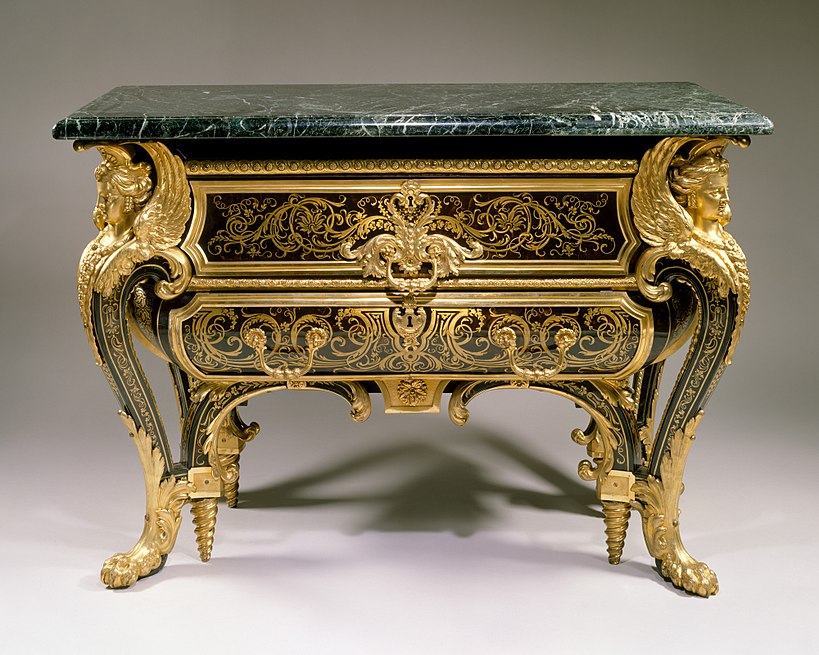
The techniques of veneer, intarsia, marquetry (bone, tortoiseshell, mother-of-pearl, porcelain etc.) culminated in the art of making furniture. Using ormolu decorations on his furniture made André Charles Boulle, the furniture maker of Louis XIV., world famous. The seats were already upholstered (gobelin), their backs were straight, legs were arched and carved (cabriole), the frames frequently gilded. The commode with drawers appeared this time. The standing and table clocks as decorative objects also showed their owners’ wealth.
Using baroque style requires space. If we would like to apply it nowadays, in a common interior, its glimmer and monumentality should be held in – but this is not impossible. Ask for help of an interior designer creating a classy interior.
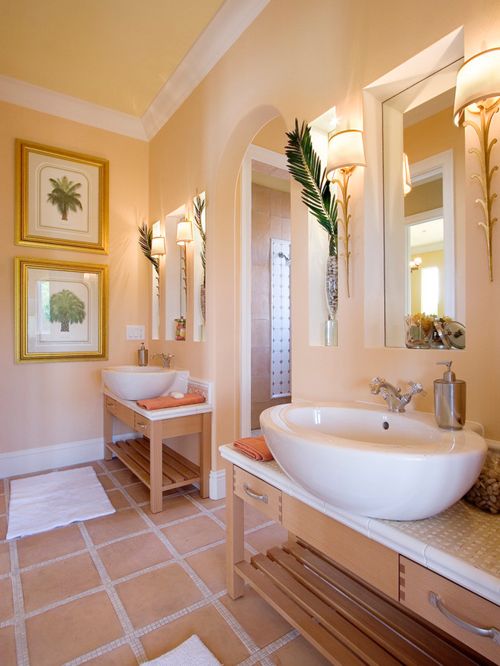
Peach is a warm, pastel hue based on orange