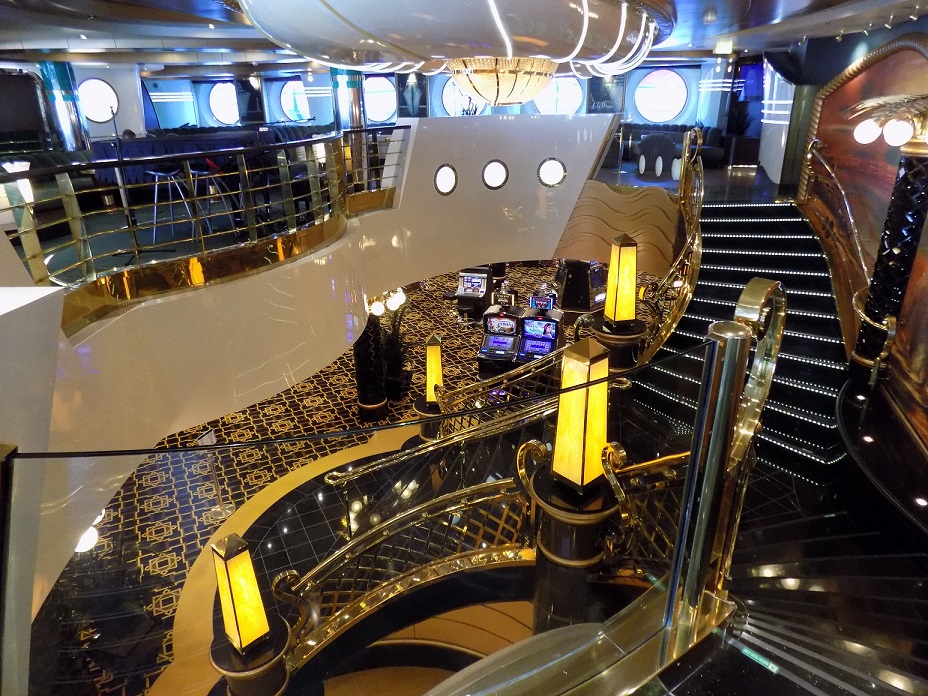
Degenfeld Castle Hotel Tarcal through the eyes of the guest (2018)
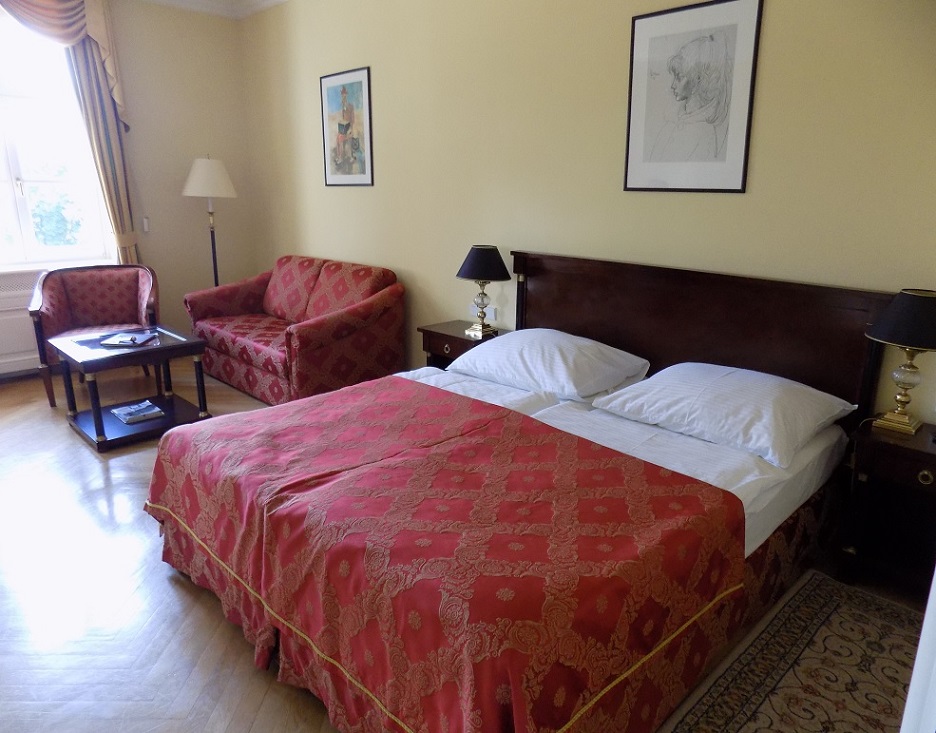

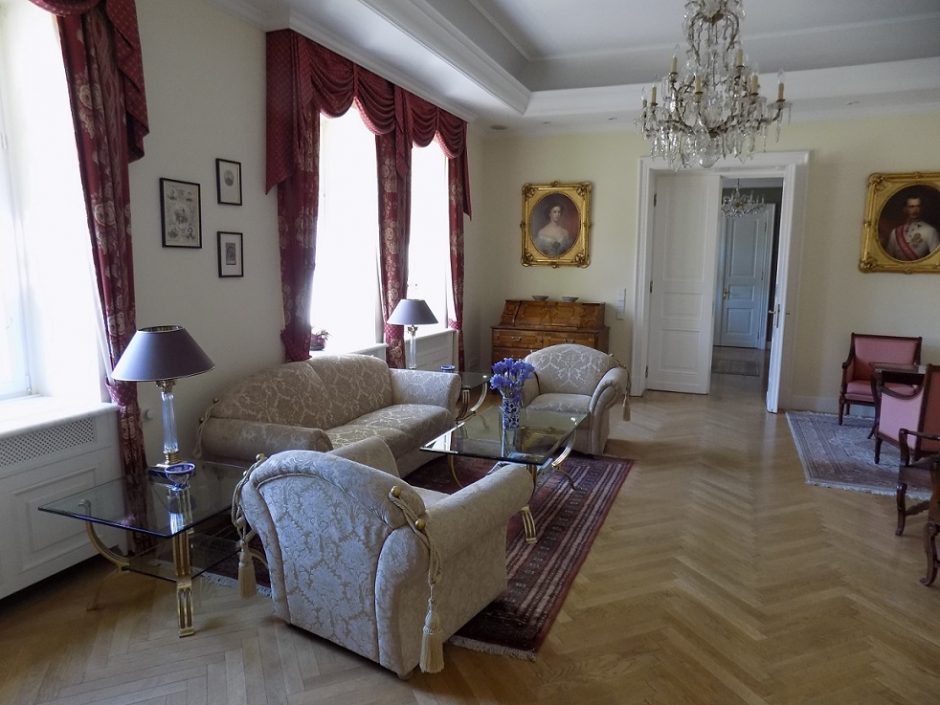

Degenfeld Castle Hotel Tarcal through the eyes of the guest (2018)
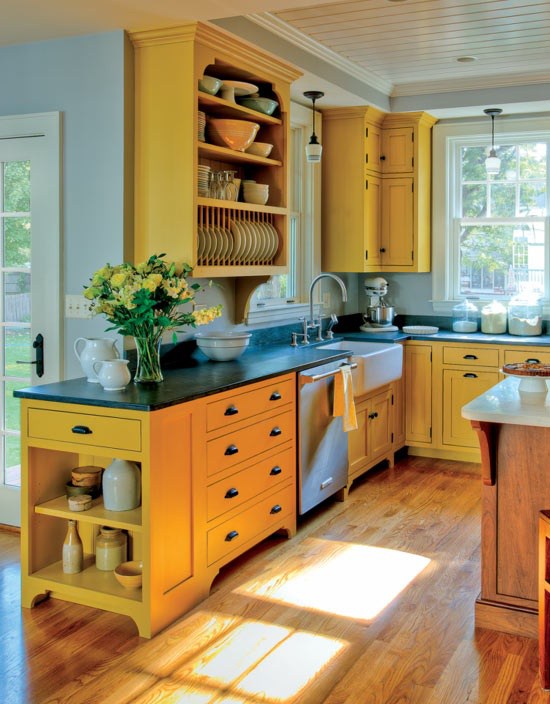
Mustard yellow is a dull, darker and warm hue with a tint of brown
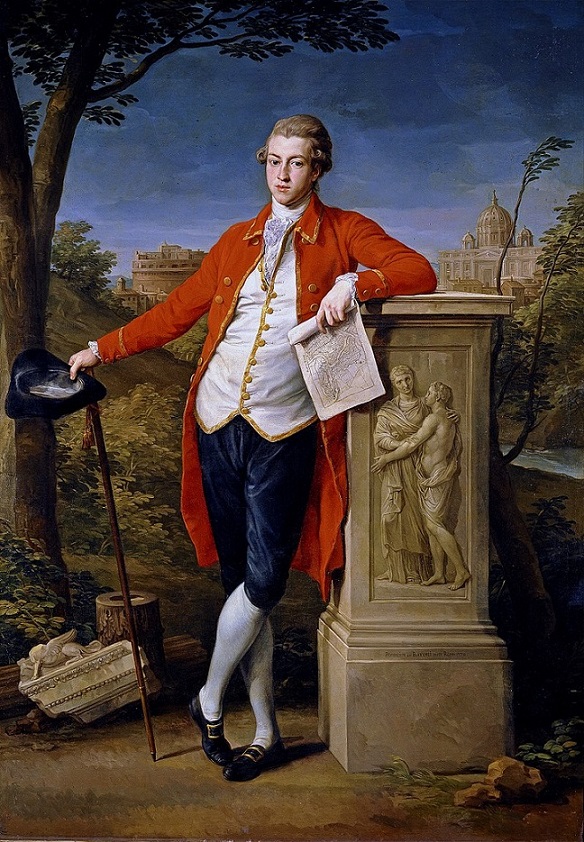
Grand Tour was a part of the education of noble youth in the 17th and 18th century. This meant a couple of months, even 1-2 years European round tour to the cradle of western culture, Italy. Firstly it was important to the English and Scandinavian nobility to directly meet the ancient culture. This was almost compulsory for those who learnt arts (architecture, painter, sculptor etc.) in those days.
They visited several other countries during the tour where they spent weeks or months and studied the ancient monuments and artifacts there. Commonly Paris was the first stop, from there they went further through Switzerland to Italy. Naturally Rome was the final goal, after Florence, Pisa, Torino, Padua, Bologna, Venice and Genova. On the way back, these was followed by the universities of Germany, then cultural heritage of Flanders and Holland, they went home only after these. It is important fact that these tours weren’t led by religion, so this didn’t affect on destinations.
Commonly departure took place in reaching adult age, so when they became about 21 years old. Although servants didn’t go with them (commonly a valet and a cook), the young nobles were escorted by a male family member or a male friend (e.g. their teacher or doctor). At first the tour was taken by a kittereen, then the railway came to the fore after its appearance. Many of them visited also Greece, Austria or even Turkey.
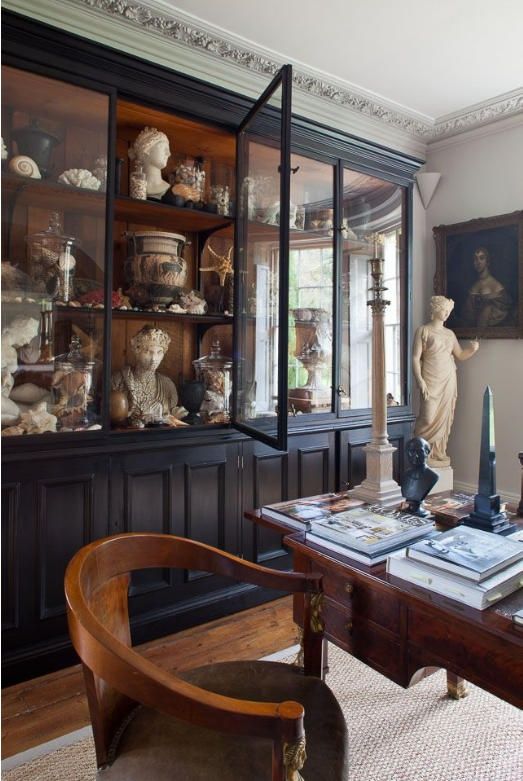
The studied knowledge and artistic learning were taken home not only in their heads. It was a general custom to shop during the tour. Original ancient artifacts, marble statues, coin collections, frequently books for a whole library, paintings etc. were collected there. Naturally they didn’t take them all at once but from time to time they sent them (mail service) home. Commonly a whole room was furnished for the collection in a noble man’s home who did the Grand Tour, but some of them were placed in the representative rooms of the house. It was very fashionable to be painted with a famous ancient ruin or a renaissance building in the background. This wasn’t for flaunting their wealth but spreading this knowledge at home and giving proper reports for those who couldn’t go there (women, less wealthy etc.). But they focused not only on the arts of men but the beauty of the nature and wildlife also. Science went for an elite thing, so it was the aim to acquire proper skills in every discipline of it, so they could minimum talk about it. The more talented of them even wrote a book of their own tours.
Collections of nowadays can be arranged also to give the effect of the Grand Tour. Ask for help of an interior designer for this.
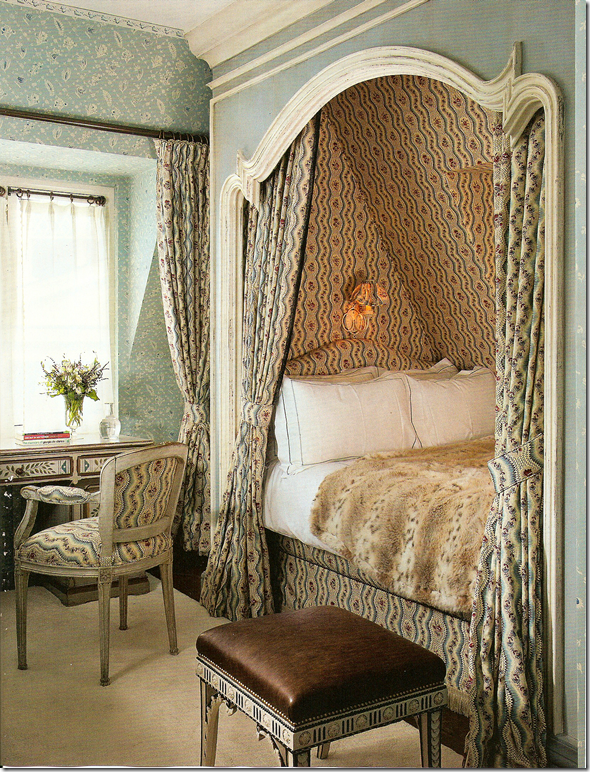
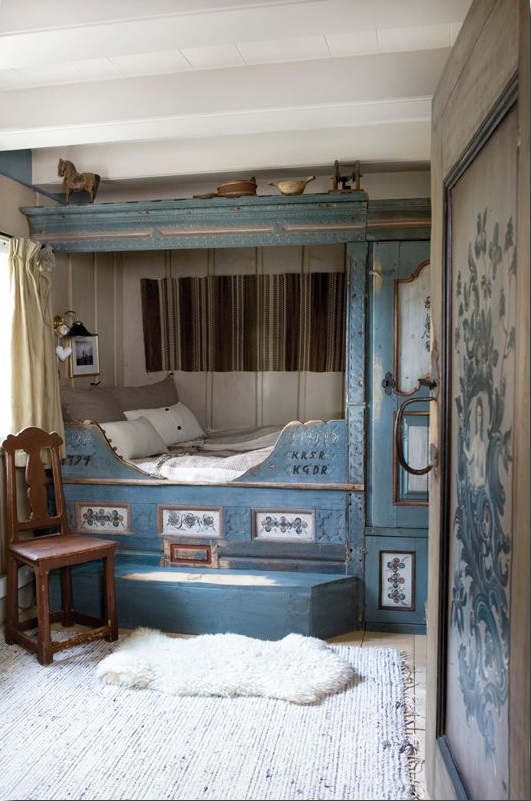
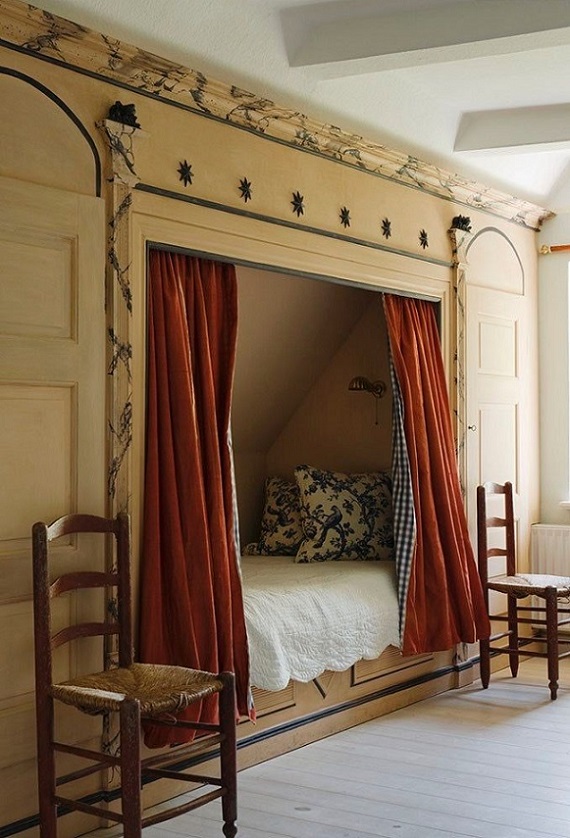
Old arty box beds
The Far East always seemed to be a mystical world for European people. The very different cultures were highly attractive at the same time. Many people desire for enjoying the mood of an oriental holiday in their home also.
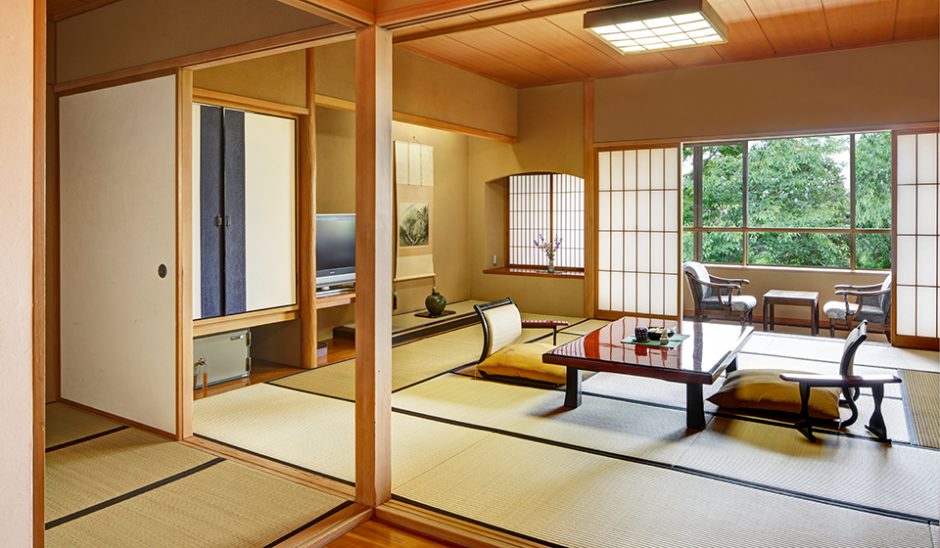
Japanese style is based on Zen which is a type of Buddhism. It is characterized by nature centered, calm and undisturbed harmony. There are no surplus things in homes, everything has clear lines and is practical. Walls can be slided frequently, this way the spaces can be separated or opened up again. Furniture is low (futon, seating cushions), lighting is modest. Neutral colors give the base: beige colors of bamboo objects, dark browns of wooden materials, off white of rice paper. Pop of colors can be applied to them but only in a small amount. Bonsai trees and living bamboos bring in the nature. The total effect can be accomplished with a mini Japanese garden. For breaking neutral colors, a cherry-red kimono as wall decoration or traditional household objects (e.g. tea set) as decoration elements are good solutions.
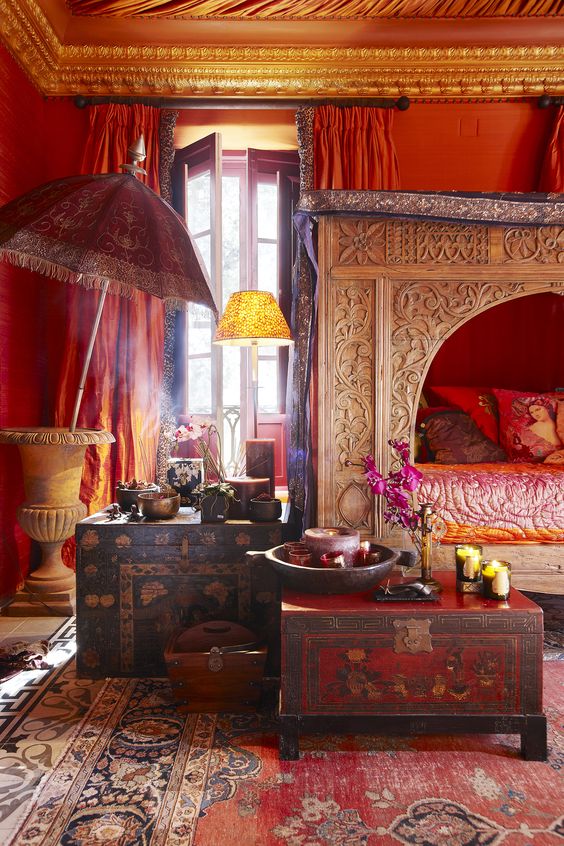
Indian style interiors will impress you first with their vibrant colors. The bold spice-colors (curcuma yellow, cinnamon brown, paprika red etc.) and colors of precious stones (e.g. emerald, sapphire and ruby) are daringly used together. Richly carved, dark brown furniture mirrors and brass accessories, colored wall are typical of this style. The four-poster bed is a good choice for creating this mood at home. Symbols are deepening the anyway stirring sight: Buddha, elephants, lotus flowers. The big cushions embroidered with beads and small mirrors are used instead of chairs also. Curtains can be made of traditional saris but they look good as bedspreads also. Modest lighting fits for this, it can be a lantern or many candles.
Balinese style brings a real tropical island in our home. It is a calm and modest style. Houses are open to the forest or to the ocean. The space is big and airy. Brown of teak dominates the interiors. It is used not only for floor covering and furniture but for making marvelous statues also. Nature has primary role here too. Water and plants are essential accessories for creating the style. White fabrics break the monotony of neutral colors. Four-poster bed, soft muslin curtains and natural stones in the bathroom complete the sight. Tropical flowers provide bright colors.
These above can be implemented in our home also. However it is important to customize the styles to the features of the estate or else it can be easily overwhelming or scenery-like. Ask for help of an interior designer for implementing.
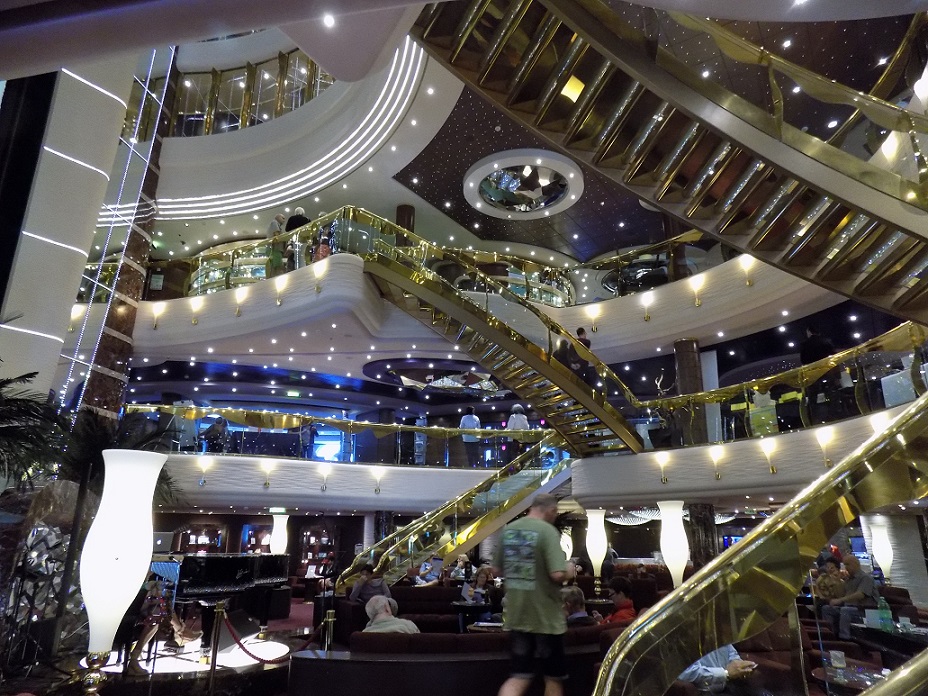
Interiors of MSC Splendida through the eyes of the guest (2016)
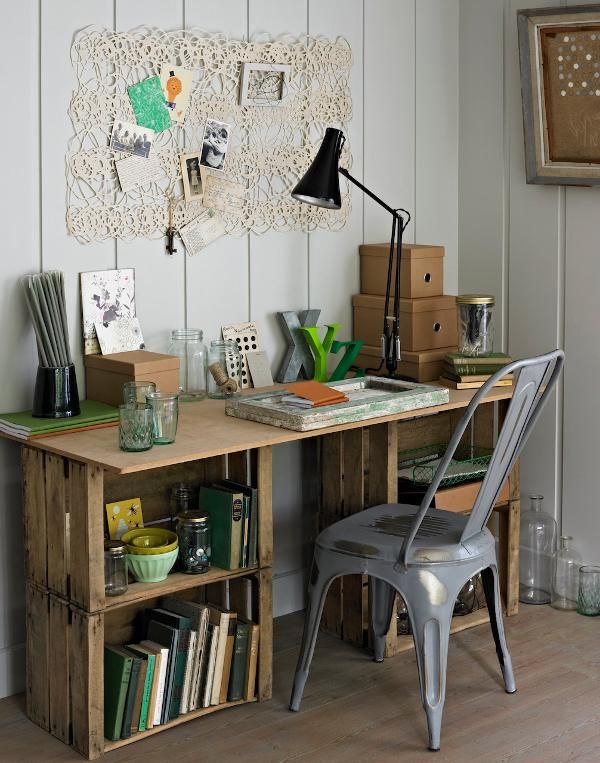
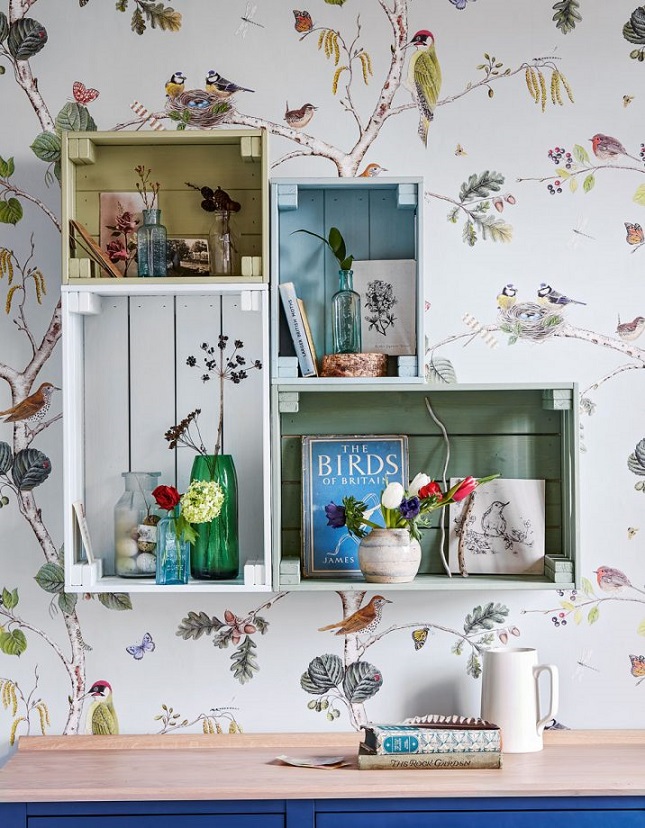
Decorative and useful storages made of apple crates
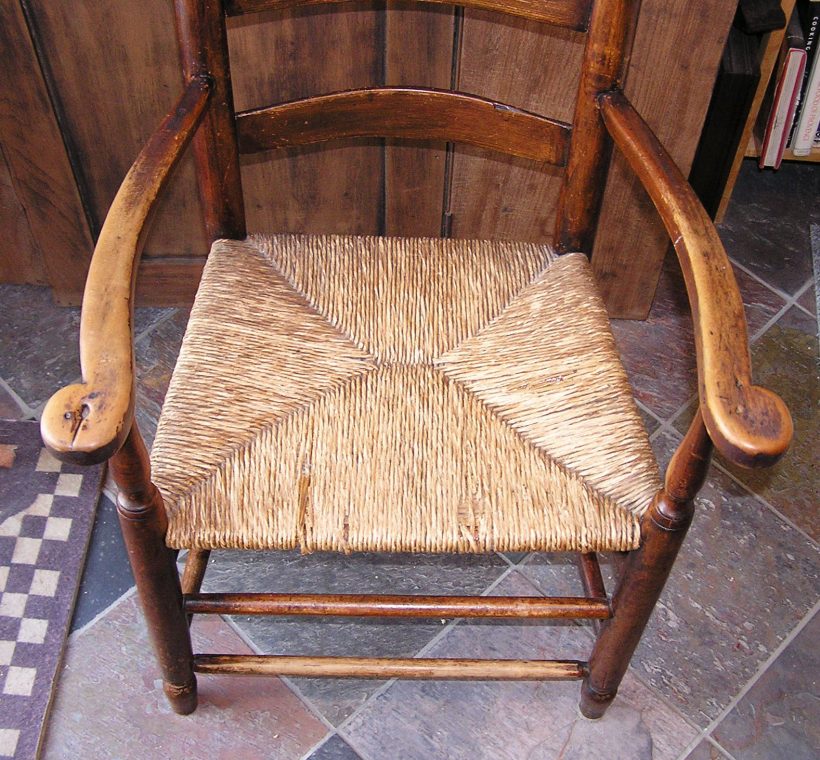
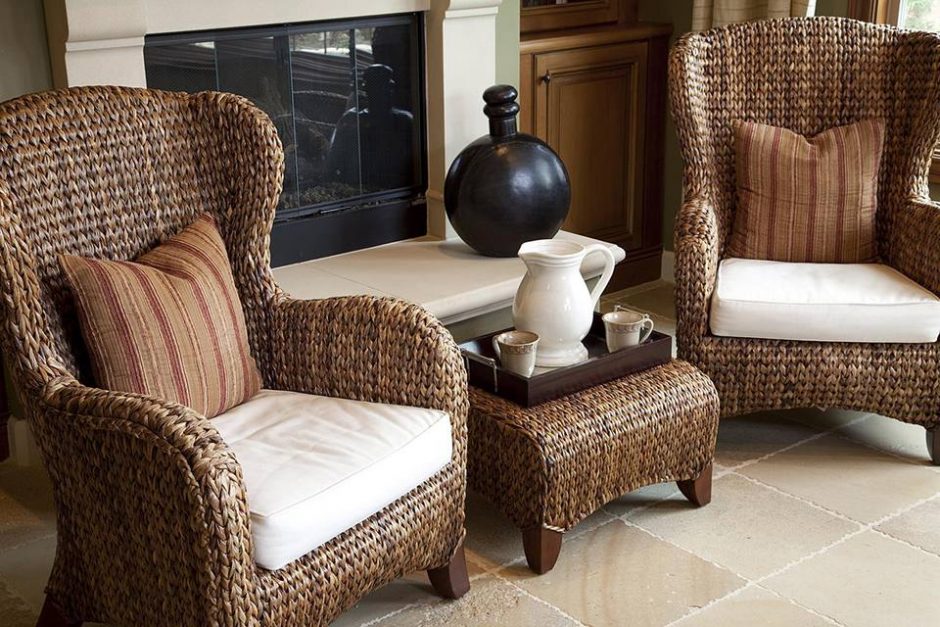
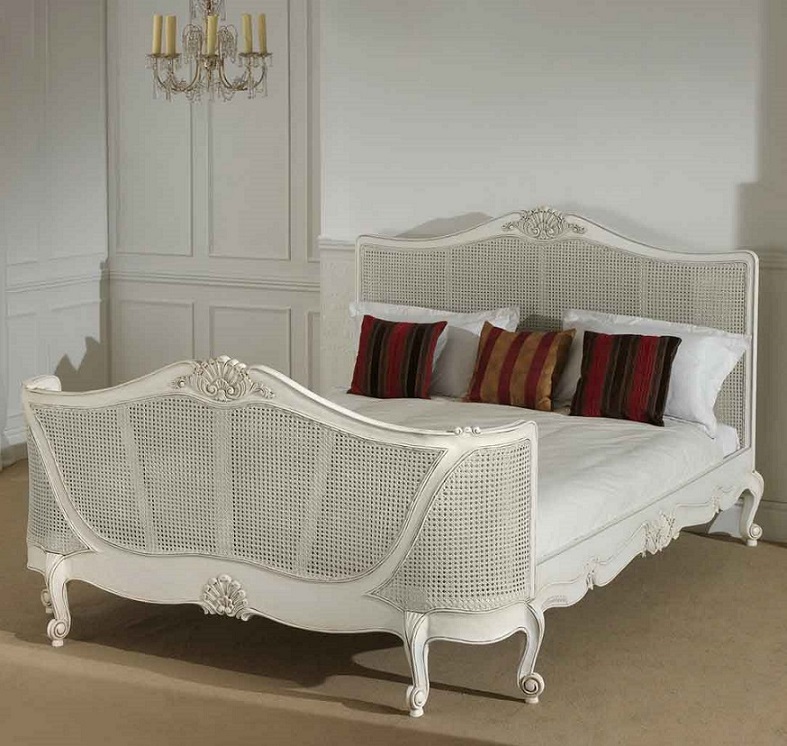
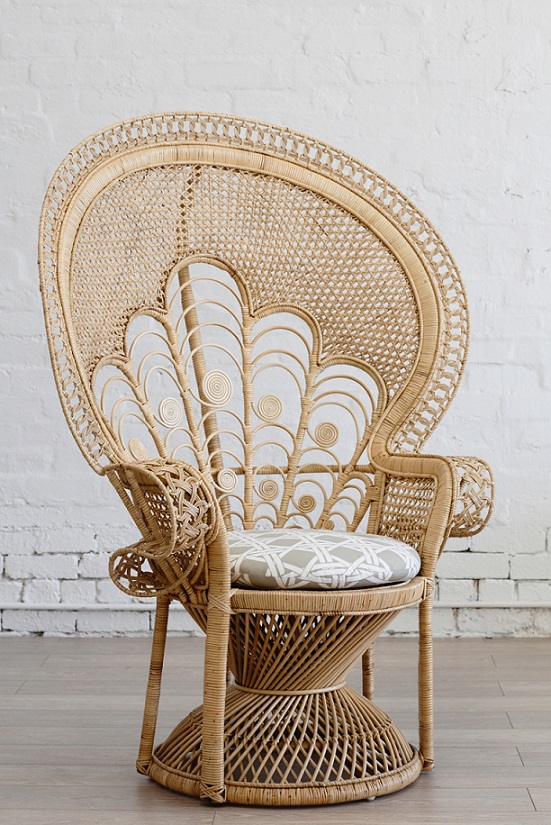
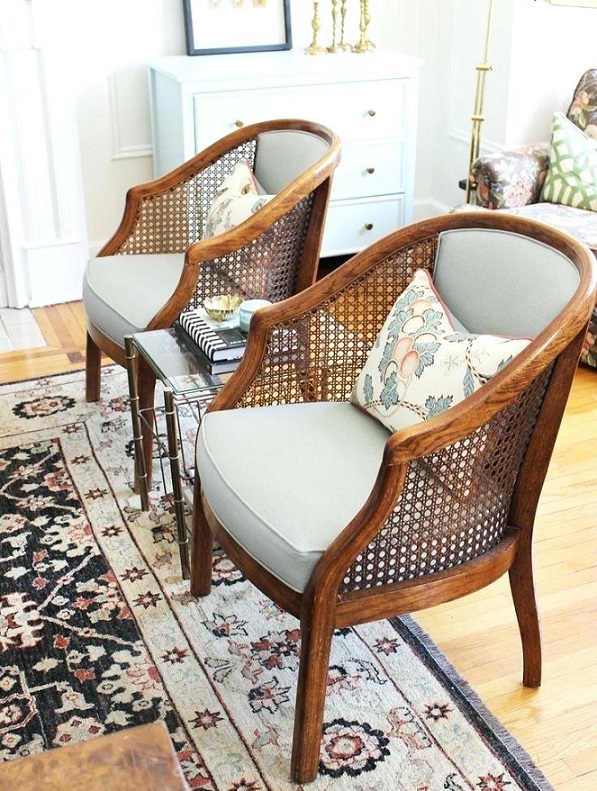
Wicker furniture are present in the homes of mankind for thousands of years. They came in fashion often in modern times and disappeared again. Nowadays this type of furniture is referred with furnishing of gardens and patios. In old times, they could be found in the homes of peasants just as in the castles of the nobles – in a different way of course.
The name above is a summary of products made of floral materials with handmade weaving technique. Several plants are used for this purpose: willow twig, rush, bamboo, sisal (seagrass), rattan, cane. All of them are well paintable and warnishable, this way the not so old, boring pieces can be easily renewed. Basically, there are two groups of wicker furniture: the whole piece was made by this technique or only the back/seat is woven filling the frame. The latter can be found among classic English and French furniture as well as in simple pieces made by the Shakers. This type of furnishing became popular again thanks to the penetration of shabby chic and country styles.
When buying wicker furniture, prefer the ones made of natural materials instead of fake made of plastic. Ask for help of an interior designer for choosing the proper pieces.
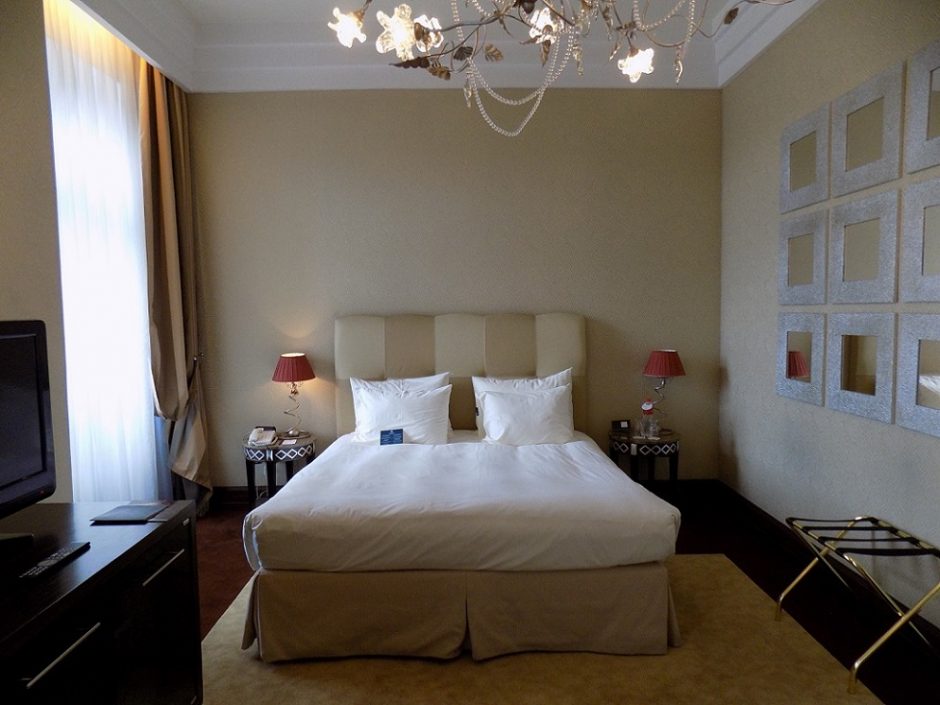
Boscolo Hotel Budapest through the eyes of the guest (2016)
Summer holiday begins with packing all the needed stuff in the suitcases. This happened the same way in old times also, but suitcases looked a bit different. They had no wheels, pull-out handles and combination locks. They were frequently made of leather/faux-leather with propping only in their frames. Box-like, inflexible-sided versions were popular too, which looked like very big briefcases. Quality pieces of old times often served a lifetime. They were even inherited through generations laying in attics or used as storages. In lucky case they had stickers of the visited towns on their sides. If we would like to keep these old pieces but use them also, give them a new life by transforming them to our needs.
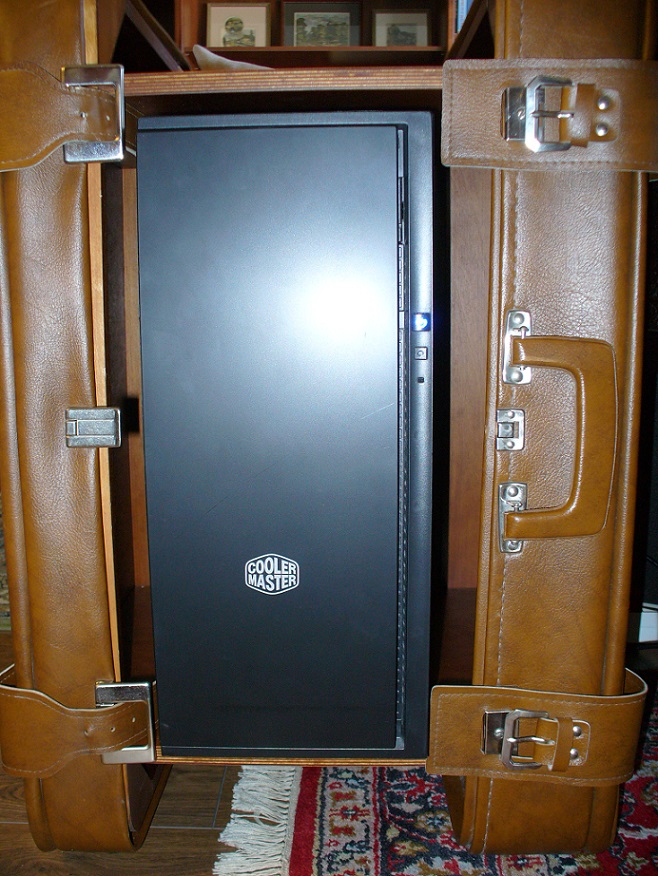
Separate the two equal part of the suitcase at the hinges. Make a wooden brace frame created by a carpenter (if that is a flexible-sided suitcase, it needs a brace there too). Place two shelves in it, so that a computer can be fitted in. The ventilation and attaching cables are guaranteed because it is open in the front and the back also. Fix four small legs on the bottom. Leave the original handle, locks and other parts on it, these are great decorating elements. It will look good placed beside the desk in a classic or even in an industrial interior.
Our pets deserve comfortable lairs, but those in shops are quite expensive. The old suitcase can be good for this purpose also with a little fantasy. Open the cover in right angle. Fix it in this position on both sides with braces. Drill four holes on the bottom for screwing the legs. Upholster a custom-cut foam or a big cushion with the desired (washable) fabric. Put it in the lower part of the suitcase, but it should cover the screws of the legs. We can pad the upper part too but if the lining remains visible, it will look very good also. There will be enough space even for our pet’s toys. This is a stylish lair for dogs and cats.
Suitcases can get a new life as wall shelves also. Cut into two parts lengthwise the closed, inflexible-sided suitcase. This way handle will be on one side, the hinges on the other. Fix it on the wall by a pre-drilled console, but the console should be hidden by it. Another solution: drill the suitcase on the wall uprightly. This way the wall cabinet has a sidelong opening „door” that can serve as a mini bar or a medicine cabinet.
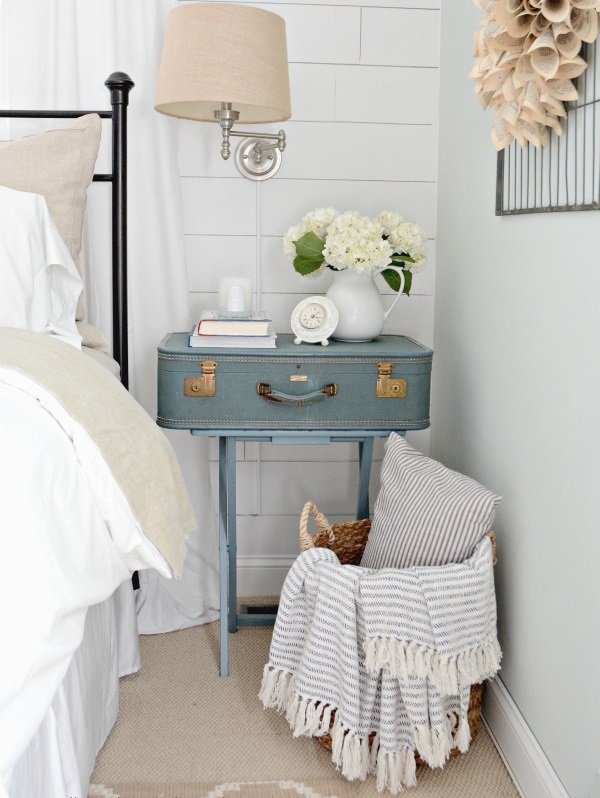
Pile up several suitcases (if they are not inflexible-sided, they should be filled with e.g. polystyrene bricks). Reaching the desired height it will be a perfect night table. We can make a night table from one piece only if we fix long legs to the laid suitcase. The inflexible-sided variation is a much more practical choice for this.
Of course, antique suitcases will be showy using them as „only” storage boxes. Ask for help of an interior designer for more ideas.