Christmas decoration goes back to the boxes after the holidays. The „emptiness” can be odd in the first few days because our home was resplendent in colors and lights for a month. However, the Christmas decoration can be transformed to a winter decoration with some clever tricks, this way the mood can stay until spring.
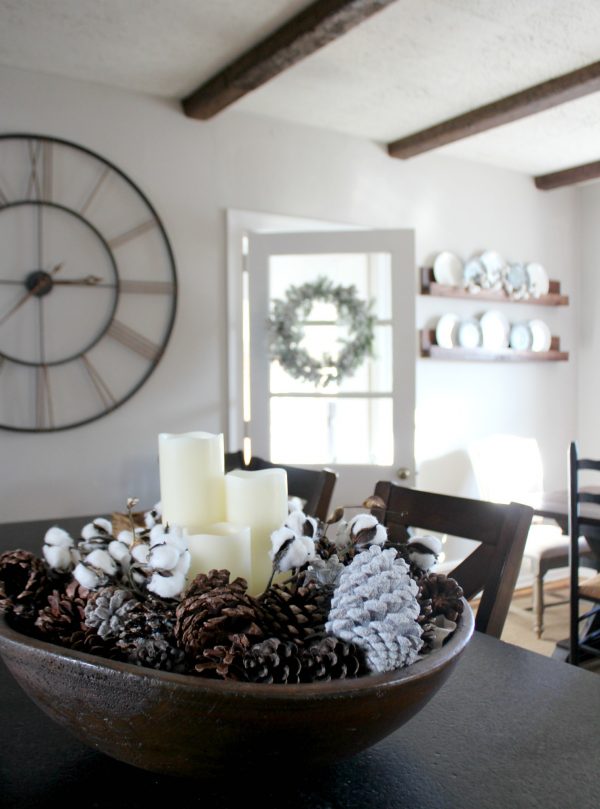
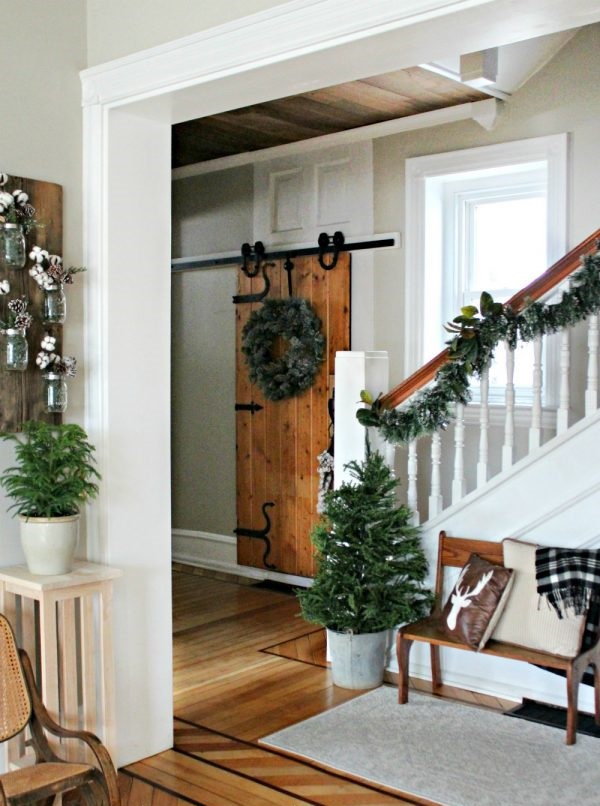
Firstly, take the red color out of the palette, because this reminds us to the feasts mostly. Let’s work with neutral colors. Plain evergreens should be placed in the vases instead of holy berry and other berry-branches. Cotton sprigs or just bare branches can be added to them.
Potted mini thujas/pines sprayed with faux-snow look good instead of Christmas table centerpieces. Color bubble ornaments in a bowl should be changed to whitened pine cones, for example. Fairy lights, Christmas ornaments and bows should be taken away from pine garlands. Let’s change the door wreath to a more neutral and simpler one. This can be made of pine cones, ivy, pine-branches etc.
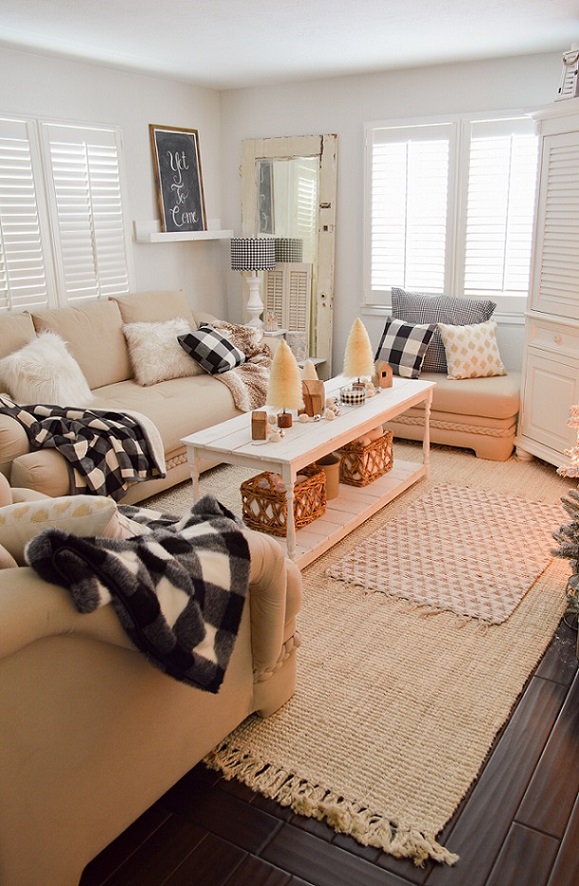
Blankets and cushions made of checked flannel or knitted material have a winter atmosphere also instead of seasonal pieces. The red color can be kept in this case if it fits for the mood of our home.
We don’t have to get rid of fairy lights also. They are nice mood lightings, for example in a big glass vase, in a bowl with full of apples, in the fireplace (during out of order) or fixed to the curtain rod, in these early darkening days. The same is true in the case of candles and tea lights.
The red poinsettia should be replaced with a white one. Any kind of faux-snowed decoration can stay if it is divested from its Christmas features, namely less glittering and colorful accessories are given to it.
Ask for help of an interior designer for decorating your home also.
Archives
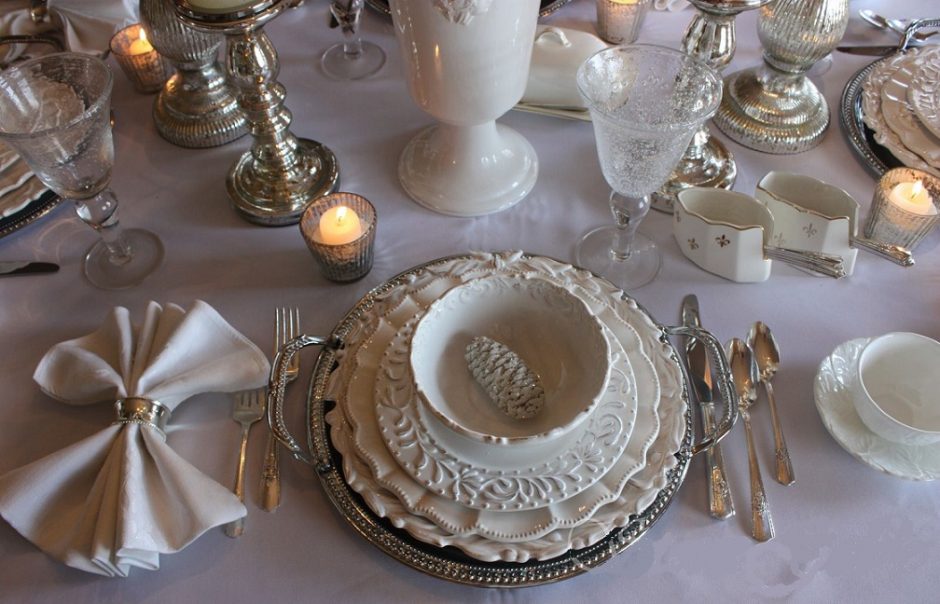
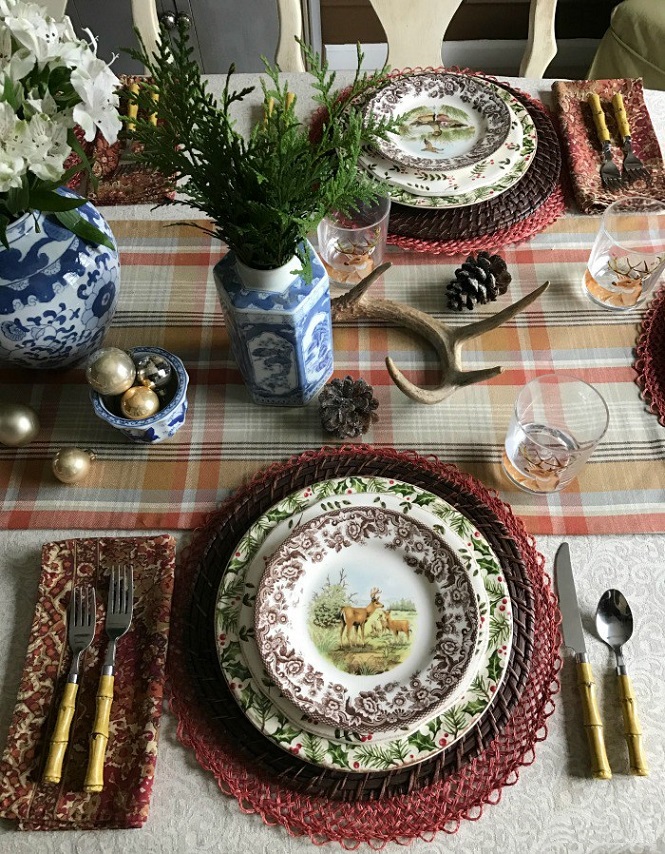
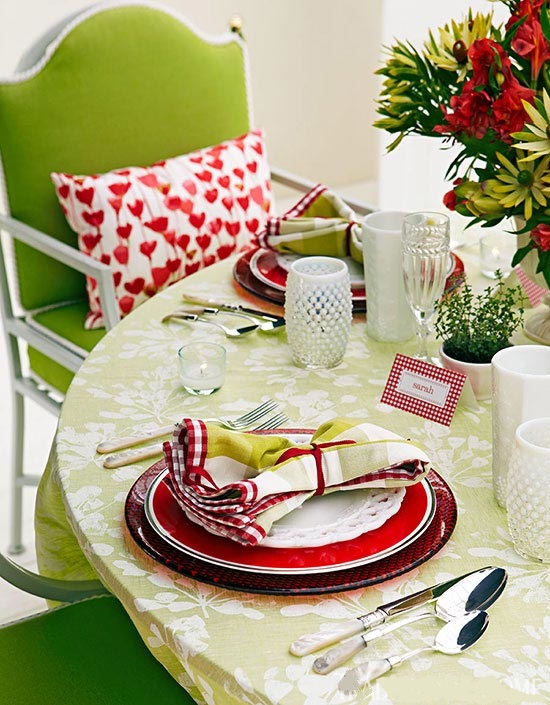
Winter table set
Varnish
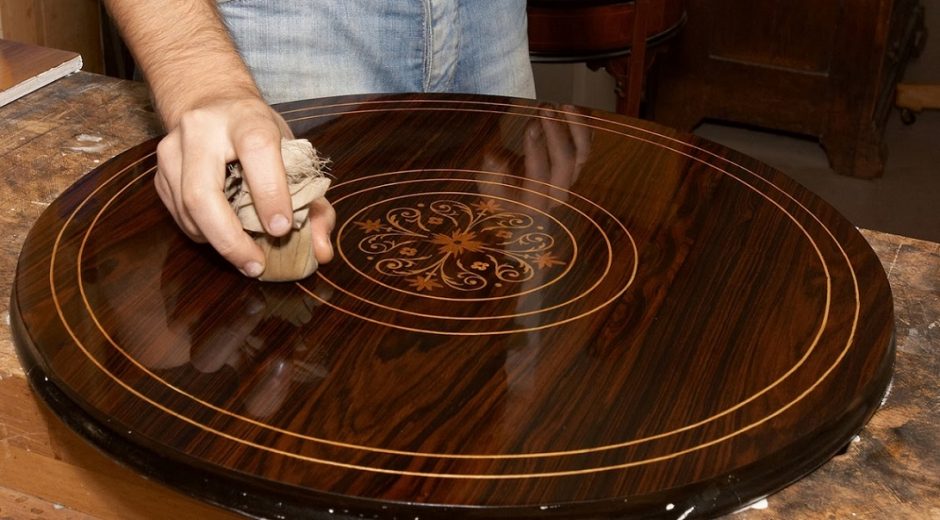
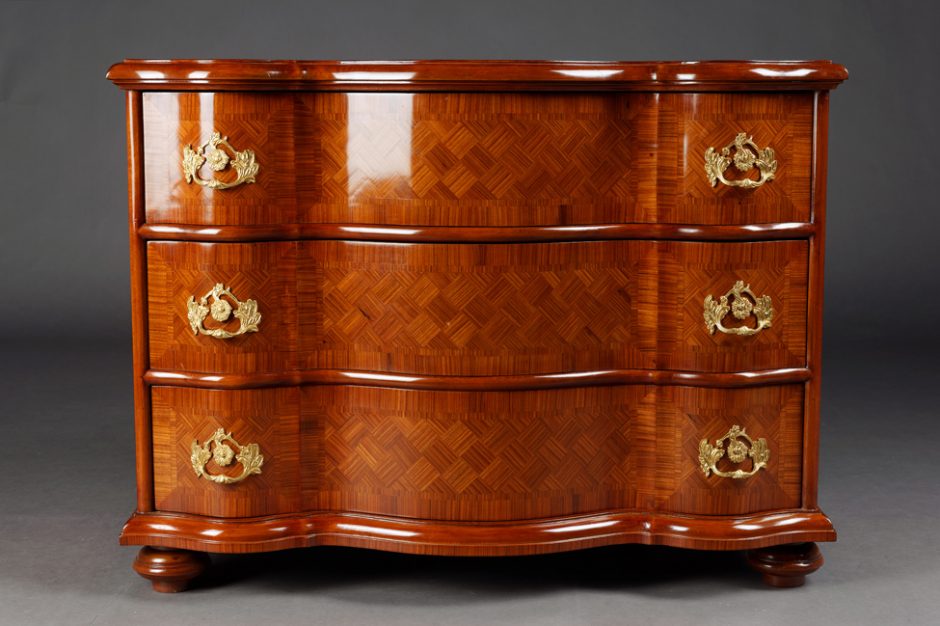
Varnished surfaces are common on antique furniture. This is a high-gloss and hard coating which is transparent enough to show the nervure of the wood. It was applied from the end of the 17th century to the 1920-30s, until the appearance of artificial lacquers.
Shellac is an animal-origin resin, the phlegm of the lice called Laccifer lacca, living on trees. Varnish is the alcoholic solution of this. Its color range is from yellow to brown.
The surface of the furniture has to be prepared properly for varnishing. The wood is grinded in several steps with more and more fine grinding paper. The surface is burnished for reaching the desired color then the next step is immersing with vegetable oil. The latter highlights the nervure of the wood. The pores of the wood are sealed during priming. A completely flat surface is created by using pumice-dust and 7% varnish. The first polish is done after drying with a so-called varnish ball and 7% varnish. The second polish is done after grinding, with 5% varnish. The final polish is done with 2% varnish and polishing ball (e.g. linen, industrial cotton wool, raw wool). The polishing is actually the removal of the oil from the layers. This gives the final shine of the furniture.
Varnish is a very durable and noble but expensive and sensitive surface. The direct sunshine and heat (for example near the radiator) can harm it. It needs proper care: only alcohol and solvent free detergent can be used and avoid wax and silicone-containing products. It mustn’t be cleaned with wet rag. Remove dust it with a soft cloth. Repairing of the injured varnish is a time-consuming task, leave it to a professional.
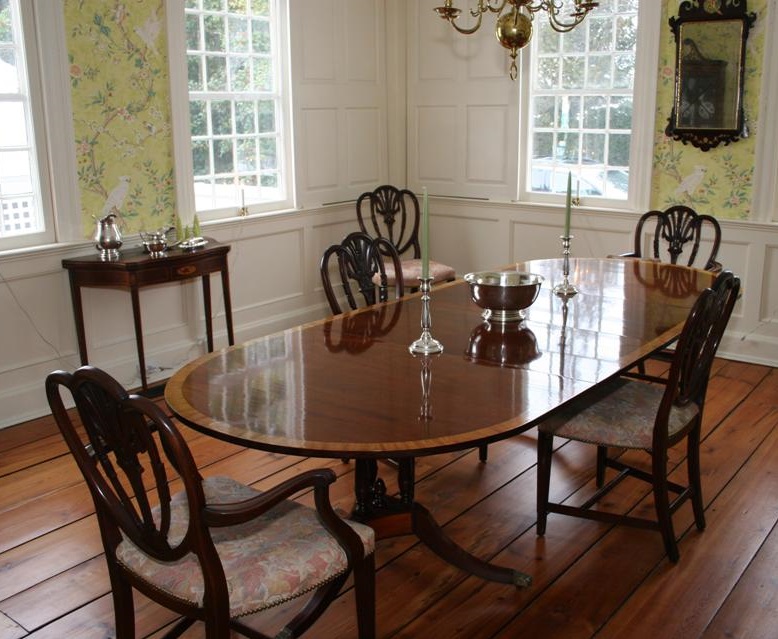
Ask for help of an interior designer for placing your antique furniture properly, even in modern surroundings.
Barn
Spare tiles
Orient Express
When the train was the fastest way to travel continentally, one of them was world-famous. Its name was officially Orient Express from 1891.
It left Paris first in 1883, going to only Wien that time. The passengers were taken to Bulgaria on the Danube, where they got on another train to Varna, then reached Constantinople by ferryboat. The train went directly to Constantinople from 1889. It became so popular in the 1930s, that three trains ran parallel: on the lines Paris-Wien-Istanbul, Paris-Venice-Istanbul and Paris-Zürich-Athens.
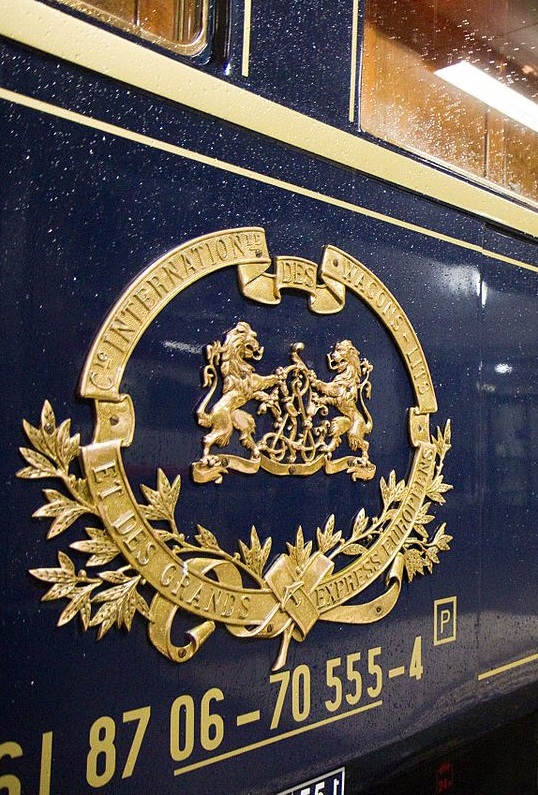
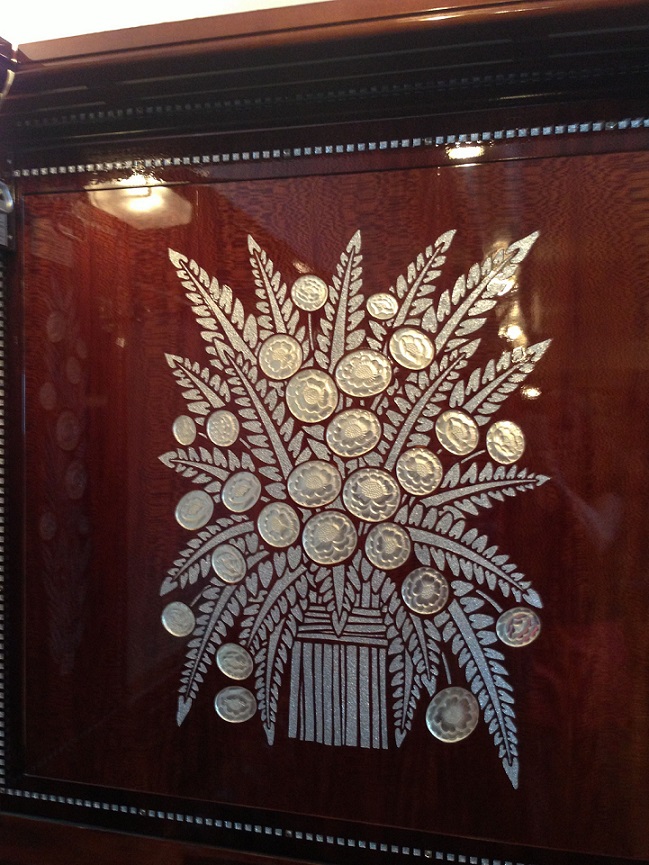
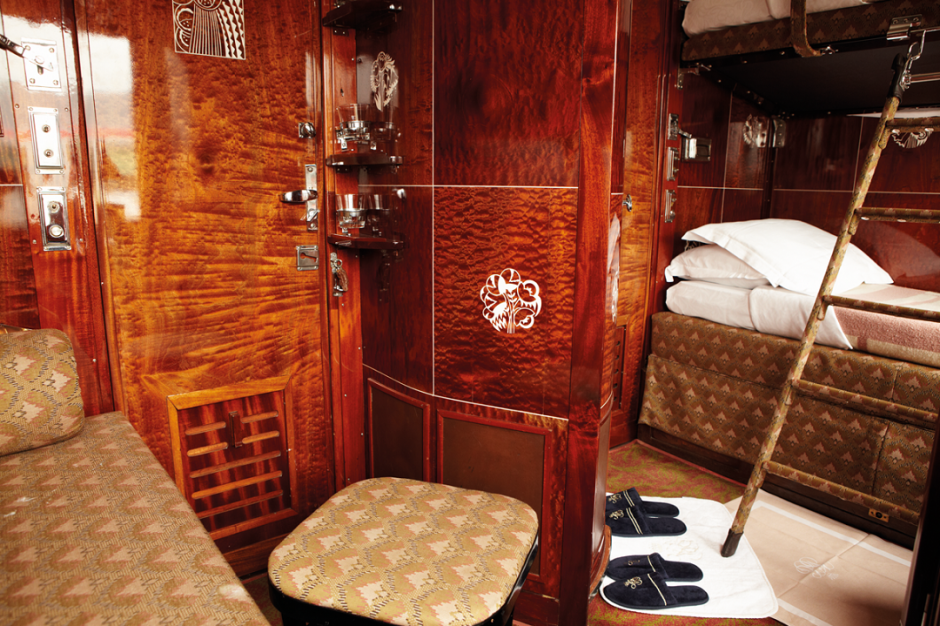
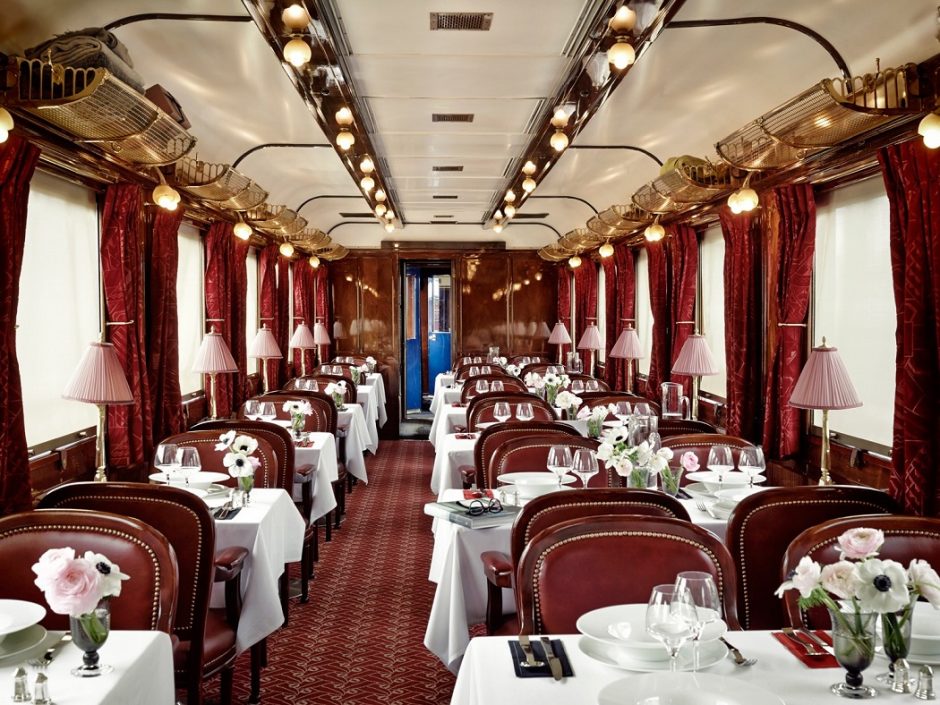
Only first-class tickets were available, it was specifically a luxury train. The company used wooden framed, teak wood covered carriages until WWI, and dark blue steel framed carriages after it. Its kitchen was brilliant. One of the leading shareholders of Compagnie Internationale des Wagons-Lits succeeded to enlist the Belgian King. Thanks to this, they could use the lion coat of arms. It could keep tally on sovereigns, spies, diplomats and business magnates as passengers, among others. The interiors of the carriages were luxurious. The original train contained five carriages and one engine. There were one baggage wagon on each end, two sleeping wagons and a restaurant car in the middle. The interior decoration after the WWI is a nice sample of Art Déco. Wall panels and doors were decorated with glass insets, works of the famous glassmaker, René Lalique. A bar and a salon were created beside the dining area. Every cabin had a small lavatory part. The beds were transformed to sofas for the day. The whole looked like a hotel for all your needs, not rolling on wheels.
Agatha Christie also travelled on the world-famous train. Probably this experience and the 11 days stand because of the snowdrift in 1929 gave her the idea to write one of her best detective stories (Murder on the Orient Express).
Summer table set
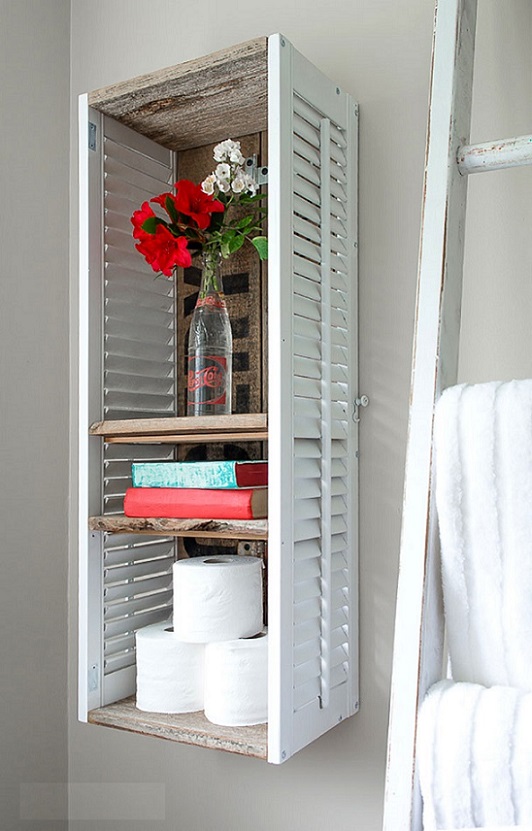
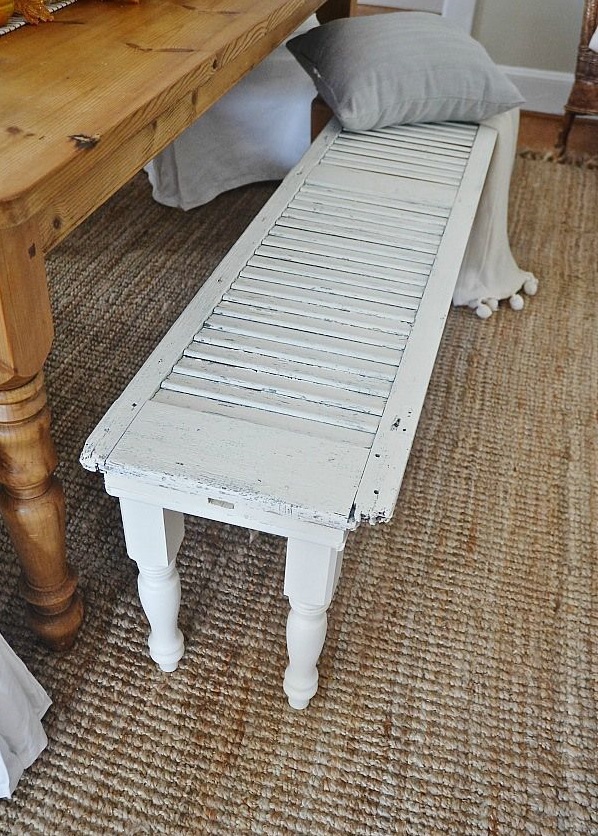
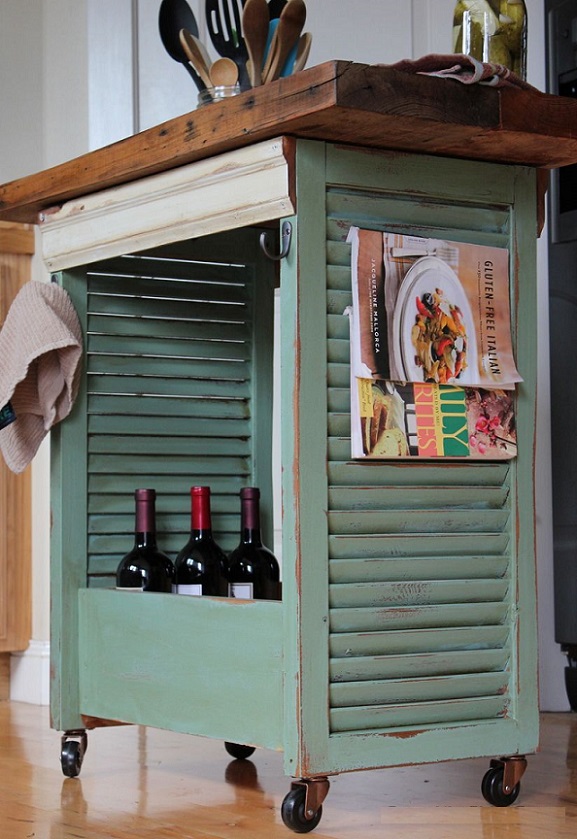
Shutters DIY
My project 21.
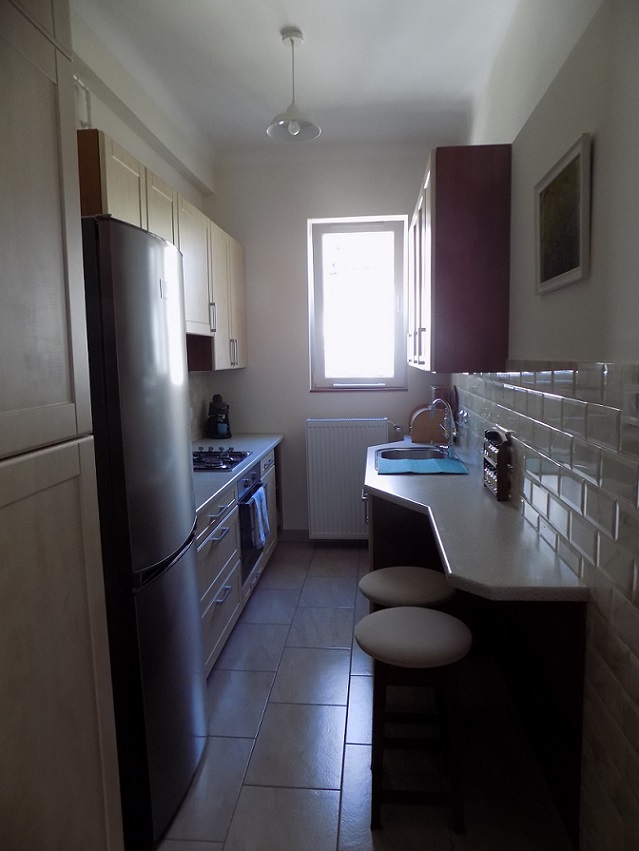
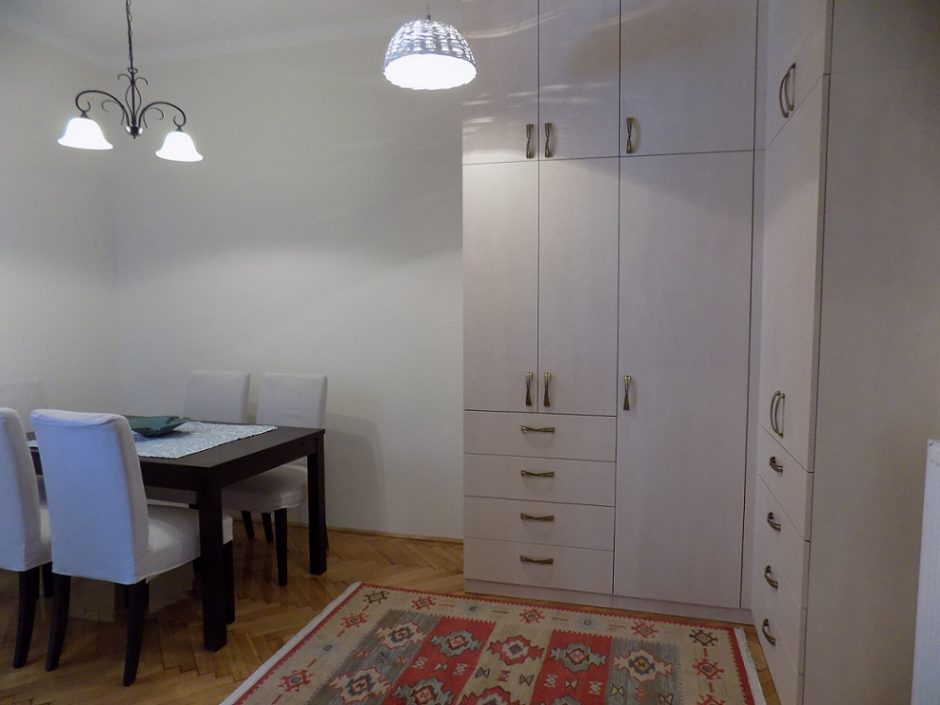
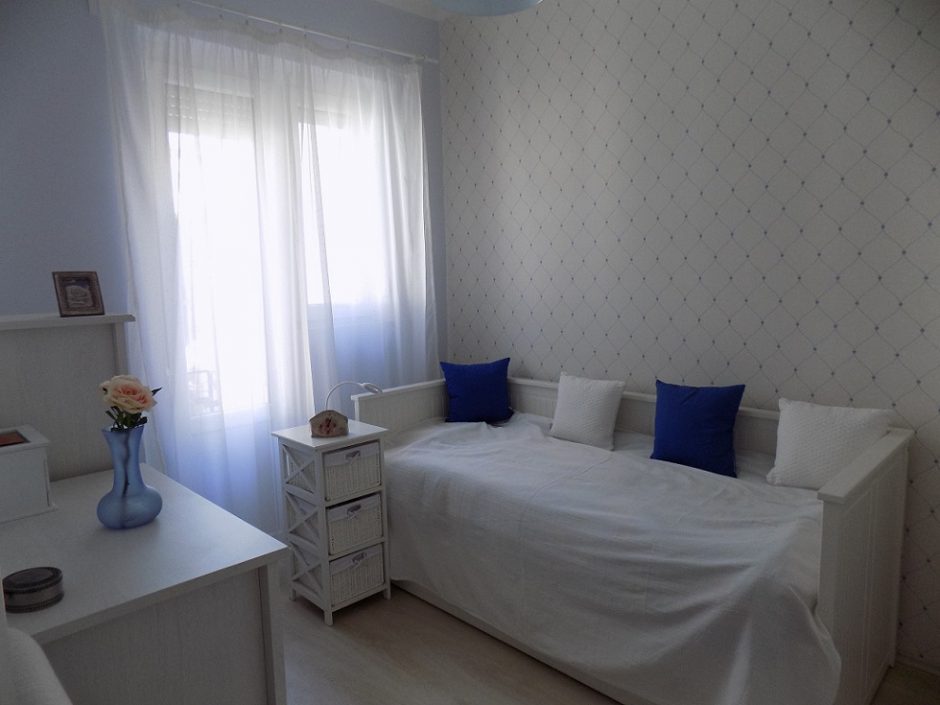
The renovation of this 56 sqm downtown flat for a very nice woman was finished last year. The main tasks were space reorganization and creating enough storage. The old kitchen is now the bedroom for taking advantage of the small back-balcony, so the pantry became a gardrobe. The new kitchen was created by removing the wall between a small room and the entrance space. The old hall’s wall was also removed, this way there was enough space for the dining area and large wardrobes. The central space is much more roomy and livable. The neutral cream and brown colors provide the calm base that is enlivened by different hues of blue, from turquoise to cobalt.
More photos: http://classicinteriors.hu/hu/referenciak/20-referencia/60-referencia15