New decoration idea spreads: Valentine’s Day Tree on the model of decorated faux-pine tree for Christmas


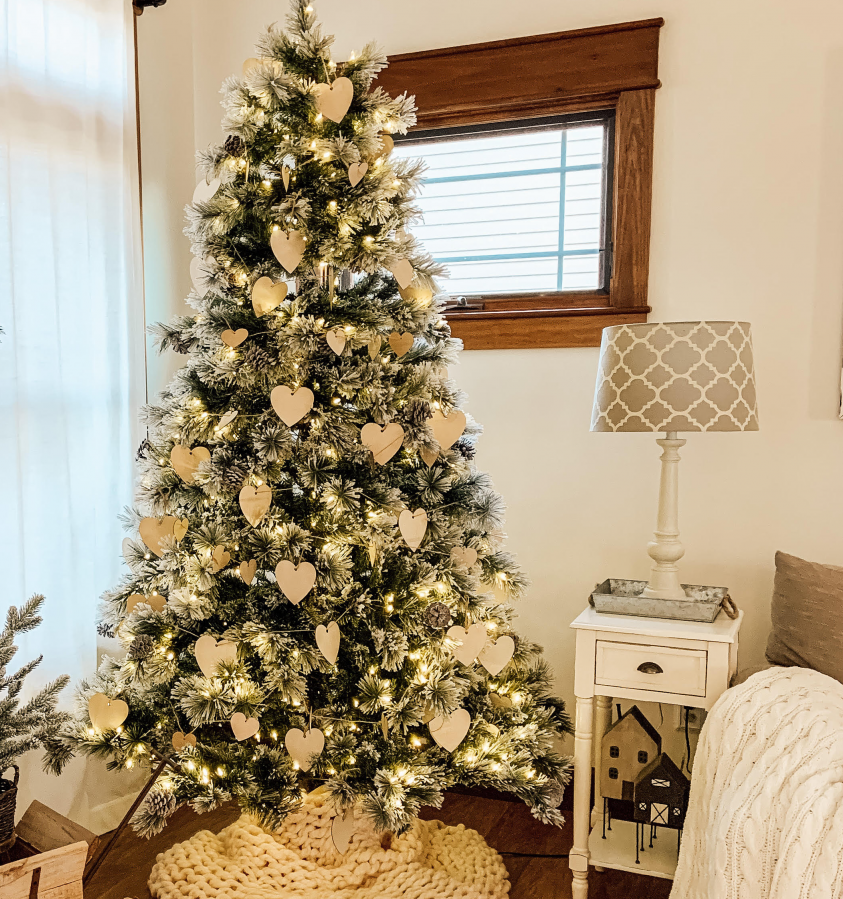

New decoration idea spreads: Valentine’s Day Tree on the model of decorated faux-pine tree for Christmas
A fine painting is always an ornament of our home. Its color, size and style may determine the interior, but it has to be also consistent with it. However, the subject of the painting is defined only by the personal taste. According to art history, the following main topics are distinguished in painting (without being exhaustive):
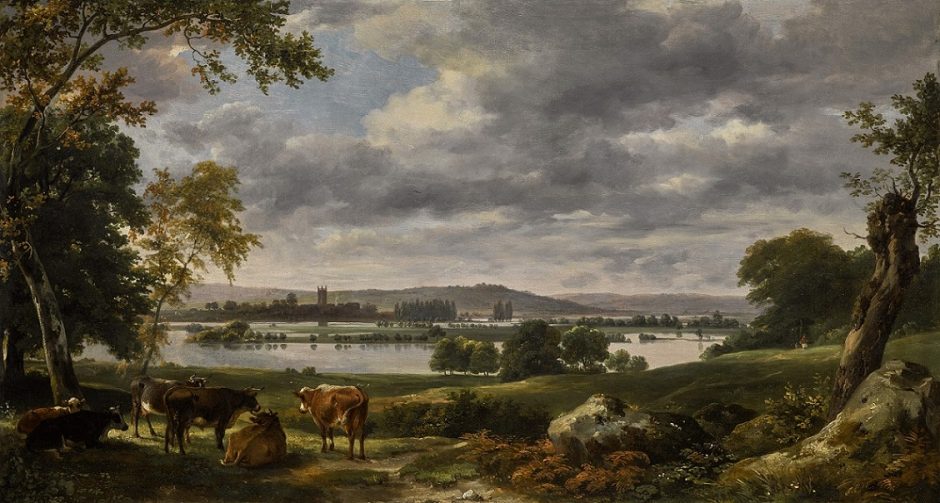
Landscape: its subject is firstly a natural scenery (mountains, waters, forests, fields, sky etc.), but townscapes, street views and pictures of buildings are in this topic also. The surrounding landscape was frequently used as a background of the real topic of the painting (mostly portraits) in the 15-17th century.
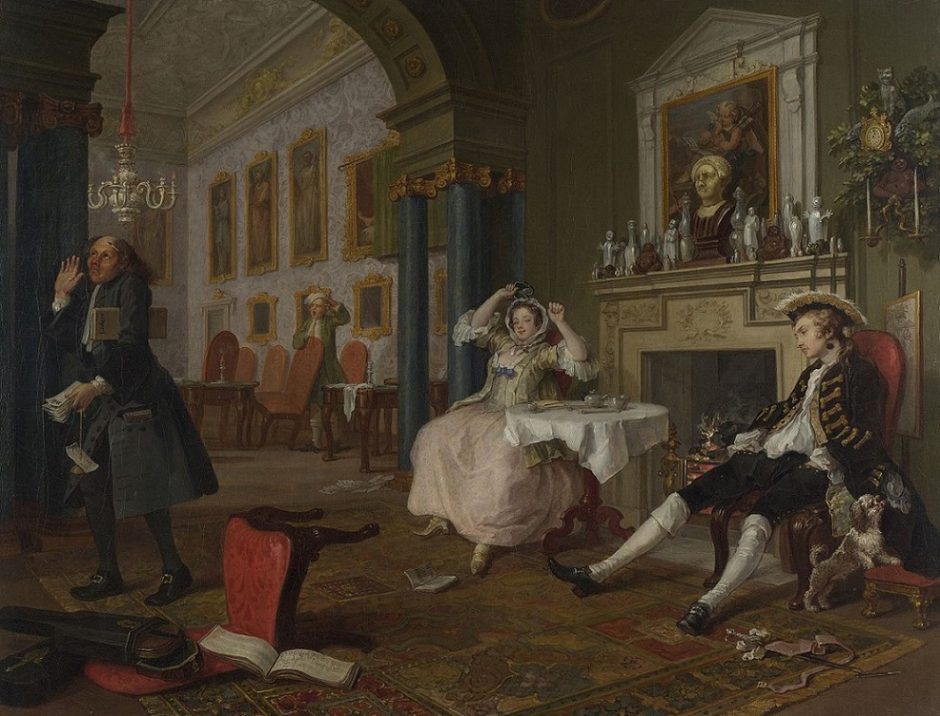
Genre: the subject is the everyday life of nobles, middle class and peasants. The identities of the persons on the picture are not always known.
Still life: its subject is a decorative composition of different objects, composed by the painter. These can be either natural (flowers, seashells, minerals etc.) or man-made (magnifying glass, book, goblet etc.) or a combination of these.
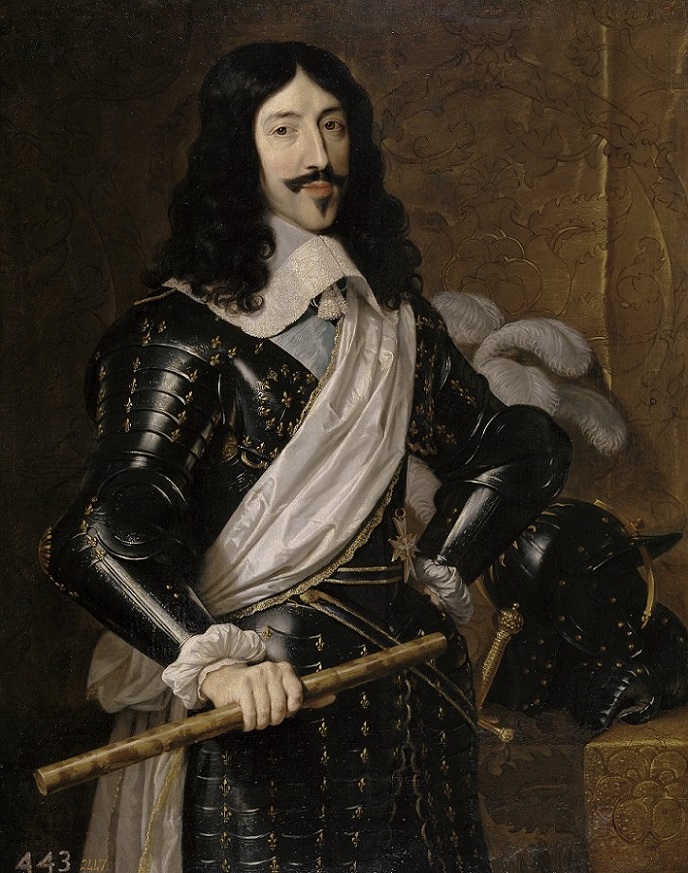
Portrait: the subject is a certain person. It can be a full-body painting or a portraiture also. This was the only chance to capture the features of a person before photography. Nobles always attached great importance to show the family tree this way.
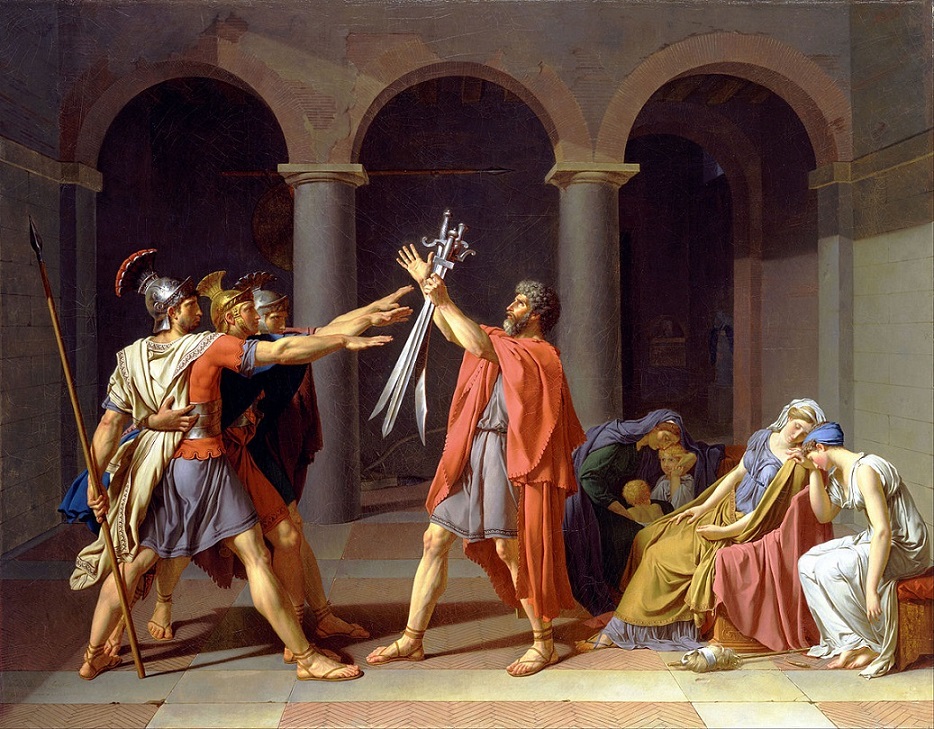
Historical: its subjects are historical events, biblical tales or mythological scenes. Commonly it has a moral message. Although a certain moment of the story is depicted, there are often references for the prelude or the outcome on the painting.
Ask for help of an interior designer for choosing the proper painting for your home.
Winter decoration ideas for the after-Christmas period
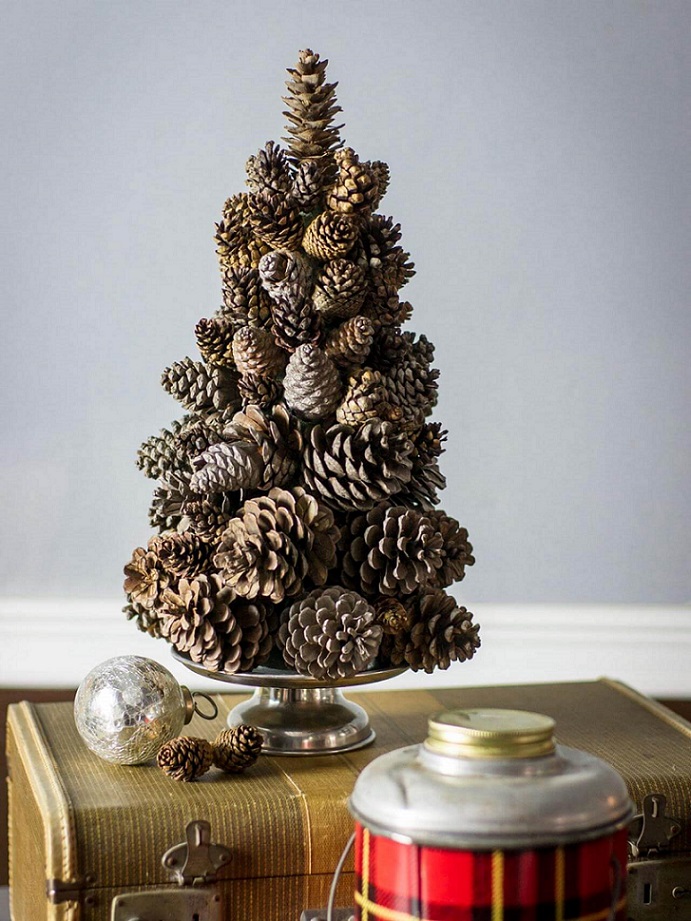
Christmas decoration ideas made of simple pinecones
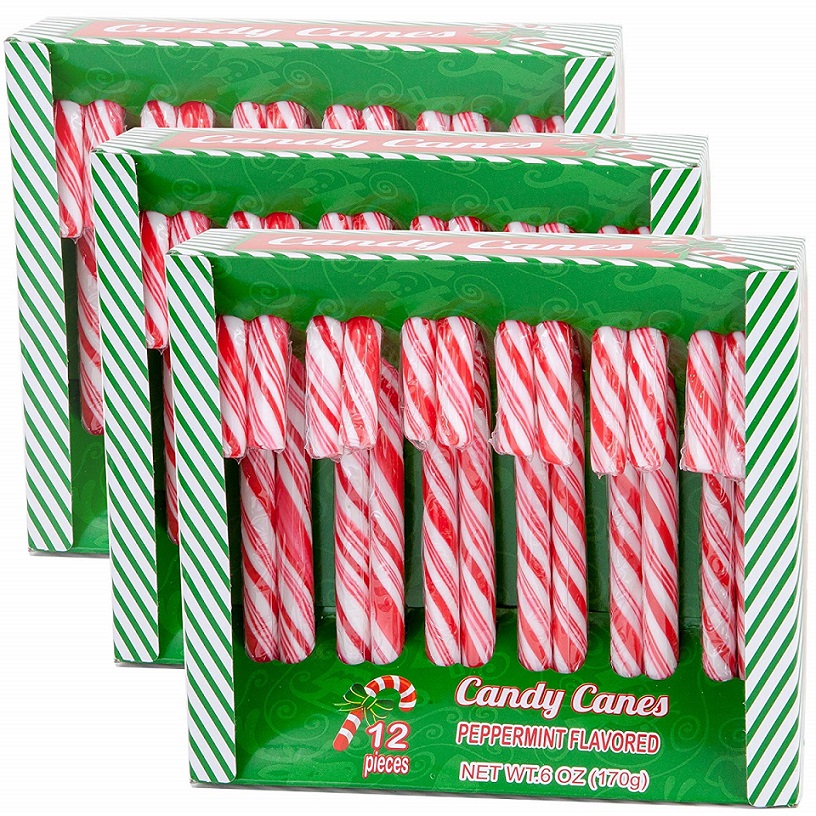
Candy cane is one of the most popular chocolate-free festive sweets. Its history goes back to 1670. The choirmaster of Cologne Cathedral bent sugar sticks into the shape of canes to represent a shepherd’s staff. These were given out to children during the nativity scene. The cane was then all-white.
Handing out candy canes during Christmas soon spread throughout Europe. It reached America in 1847, when a German immigrant decorated his Christmas tree with candy canes. Striped candy cane appeared only at the turn of the century with red-white stripes. Around that time, it was flavored by peppermint, which finally became the traditional flavoring.
Candy canes were made by hand, a machine had been developed only in 1950 which could bend the sticks, with this providing the mass production and selling them worldwide.
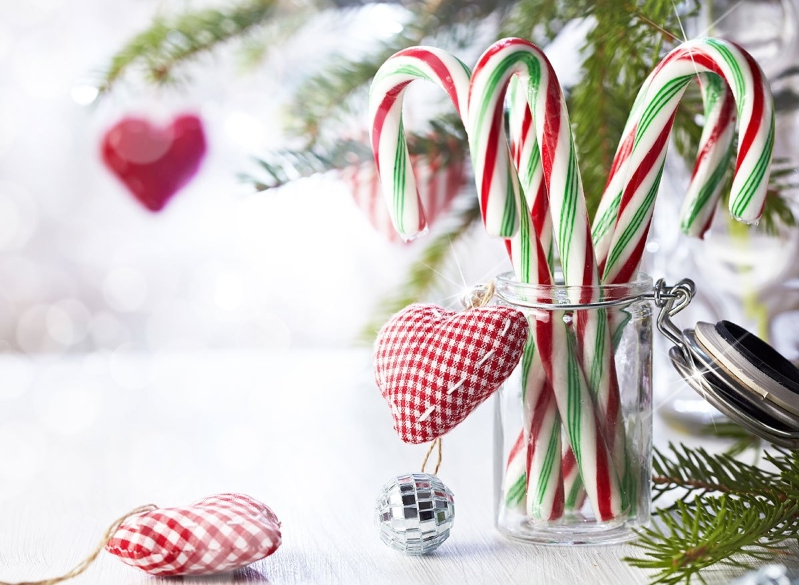
Nowadays candy canes are produced in almost every color. However, the red-white version is still the most popular during Christmas preparations. Green-white and red-green-white stripes are also available.
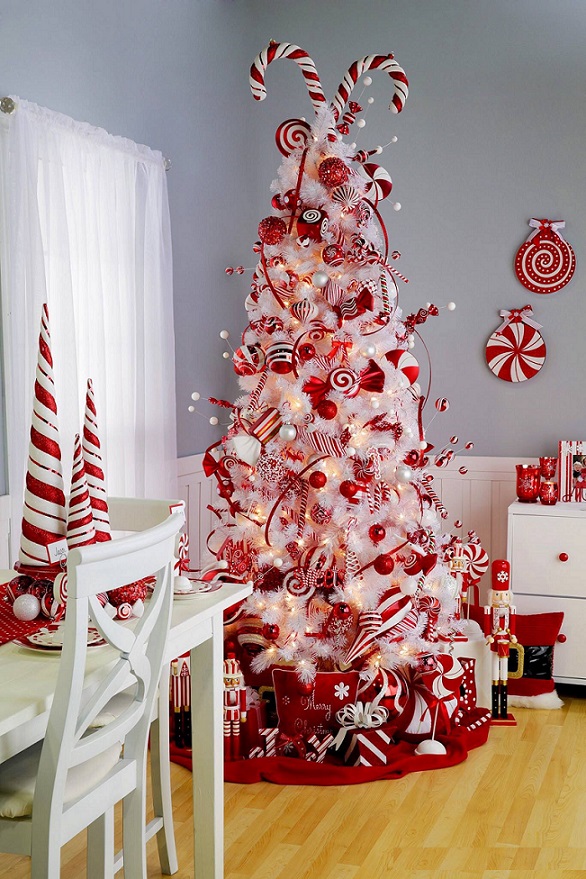
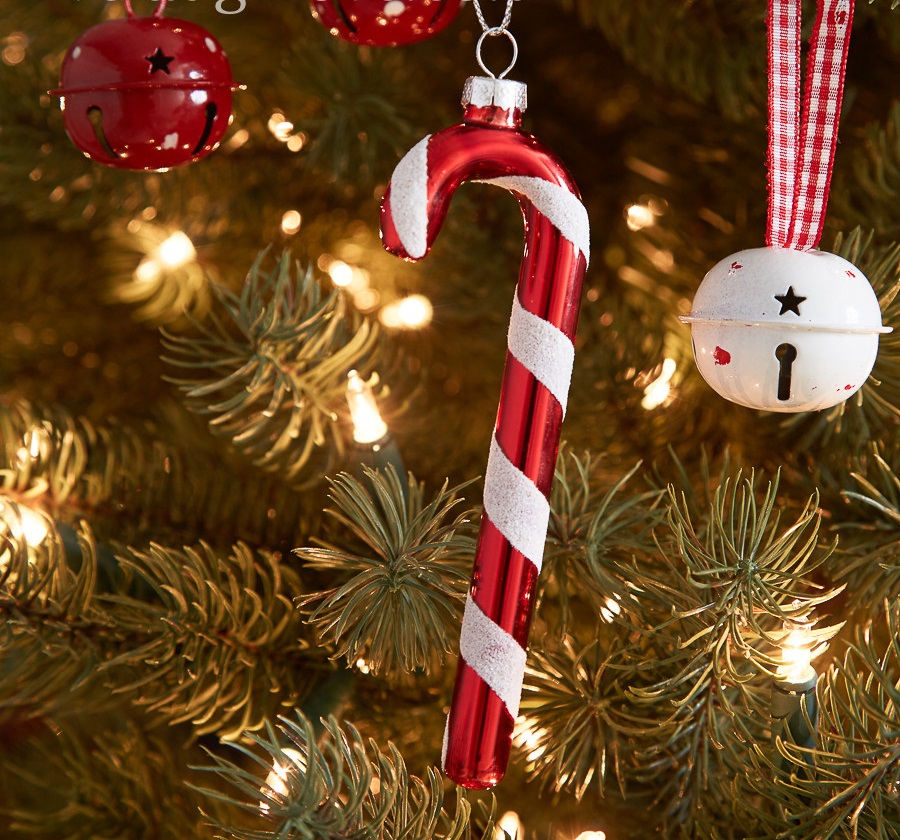
This traditional striping is applied by the producers on many other Christmas products and decorations, since there is a high demand because of its popularity. Only some examples to mention: Christmas tree ornament in various shapes, wrapping papers, sweets with different shapes, lighting decorations. The candy cane is also used as Christmas tree ornament and decoration element instead of eating it.
Ask for help of an interior designer for stylish Christmas decorations.
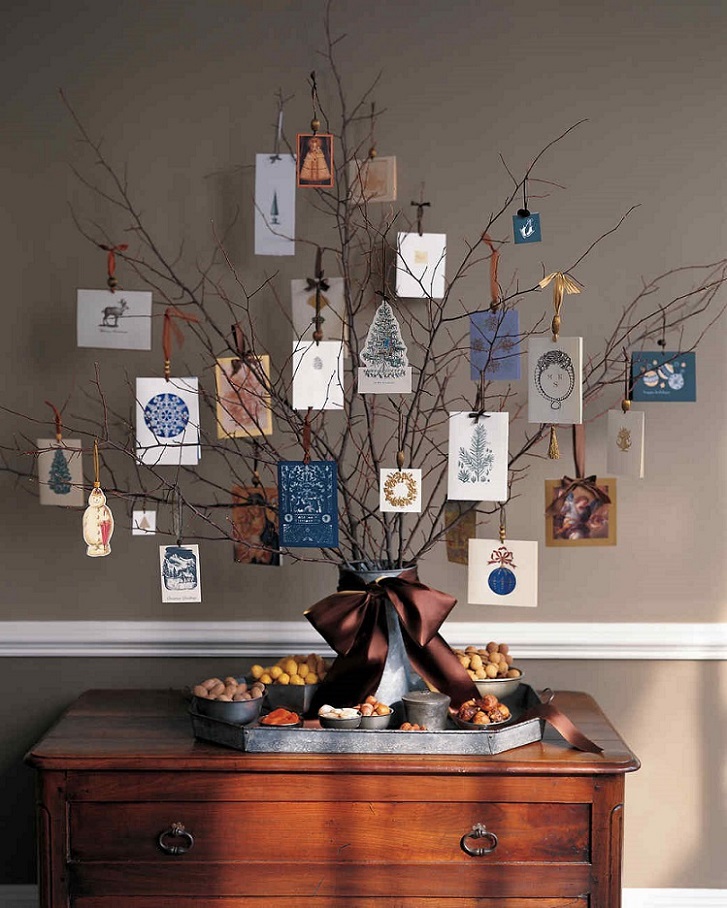
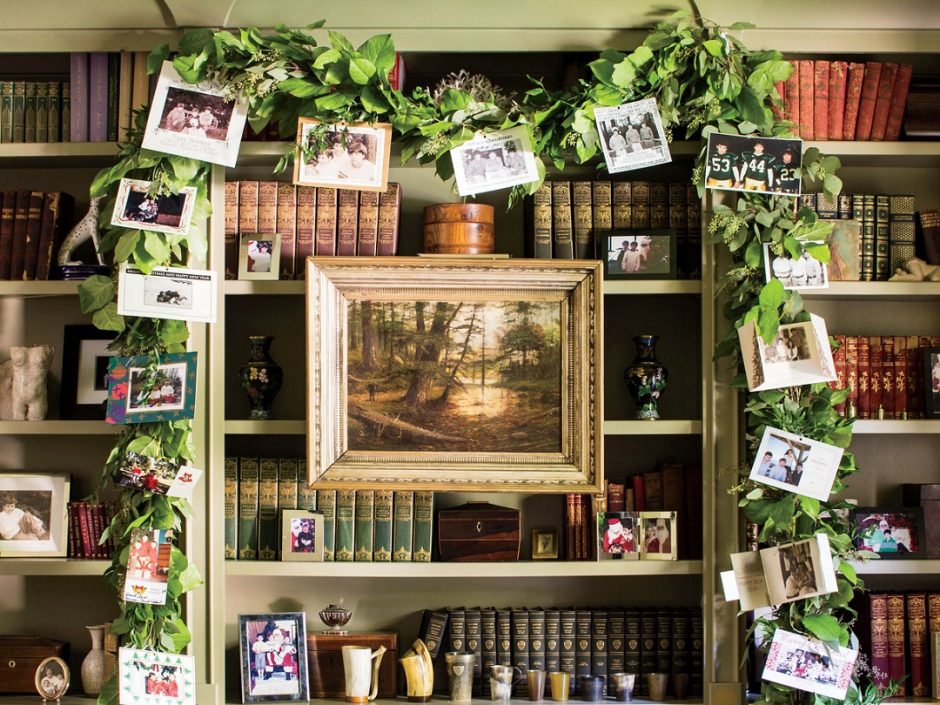
Let’s use our favourite Christmas cards as decorations
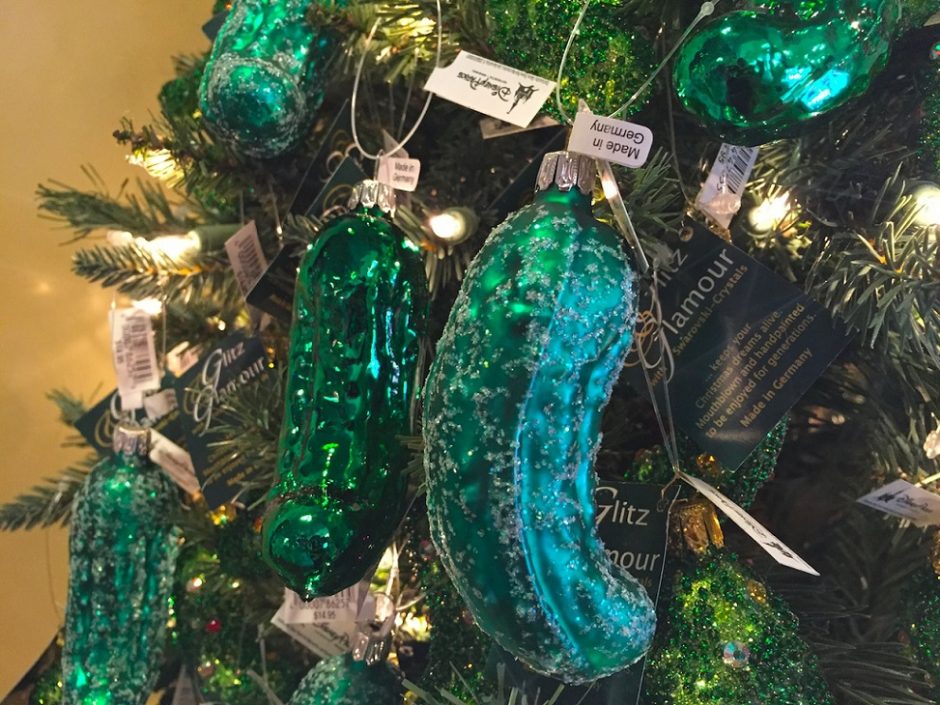
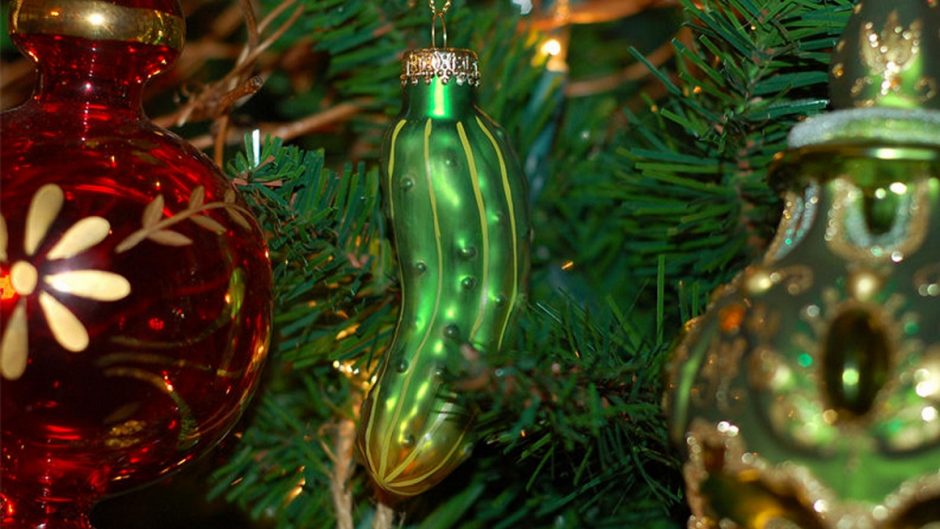
According to the tradition in the USA, an ornamental pickle is placed on the Christmas tree as one of the Christmas decorations. On Christmas morning, the first child to find the pickle on the tree would receive an extra present from Santa Claus or would be said to have a year of good fortune.
Fresh citrus Christmas decoration ideas
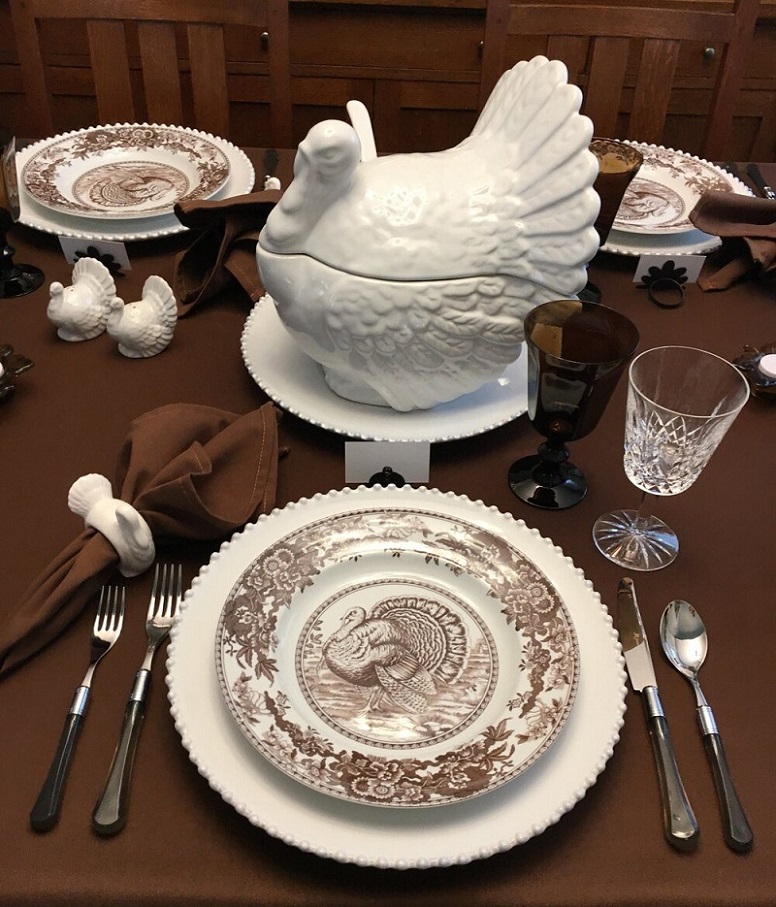
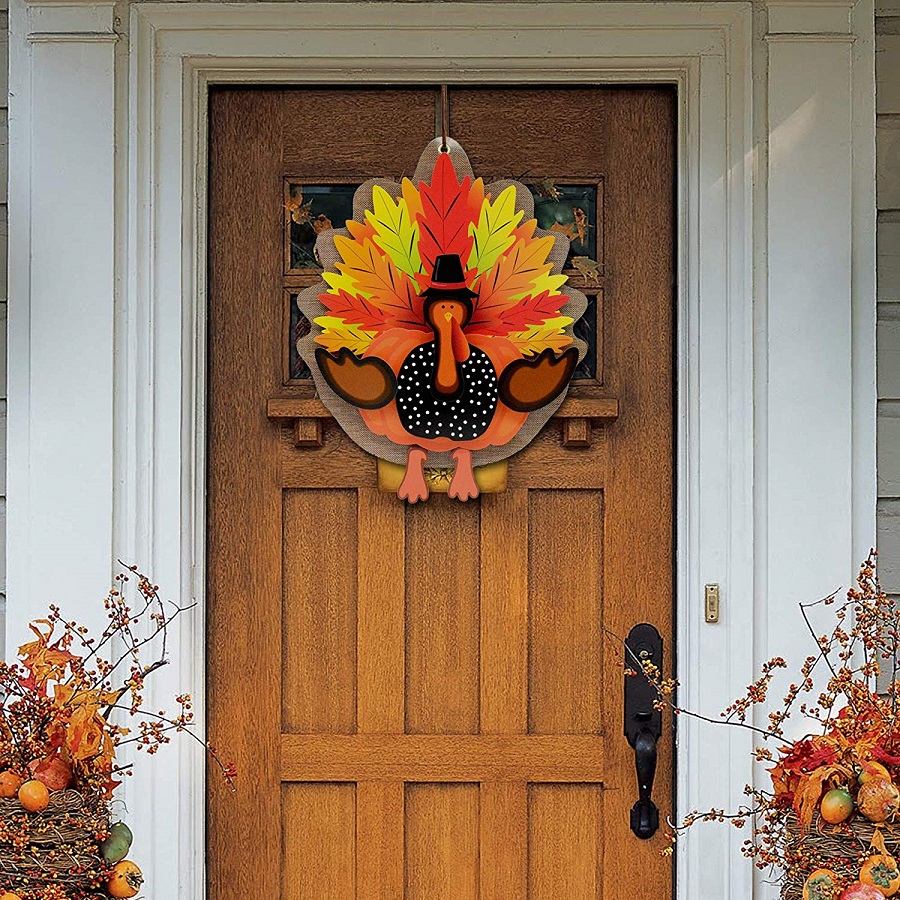
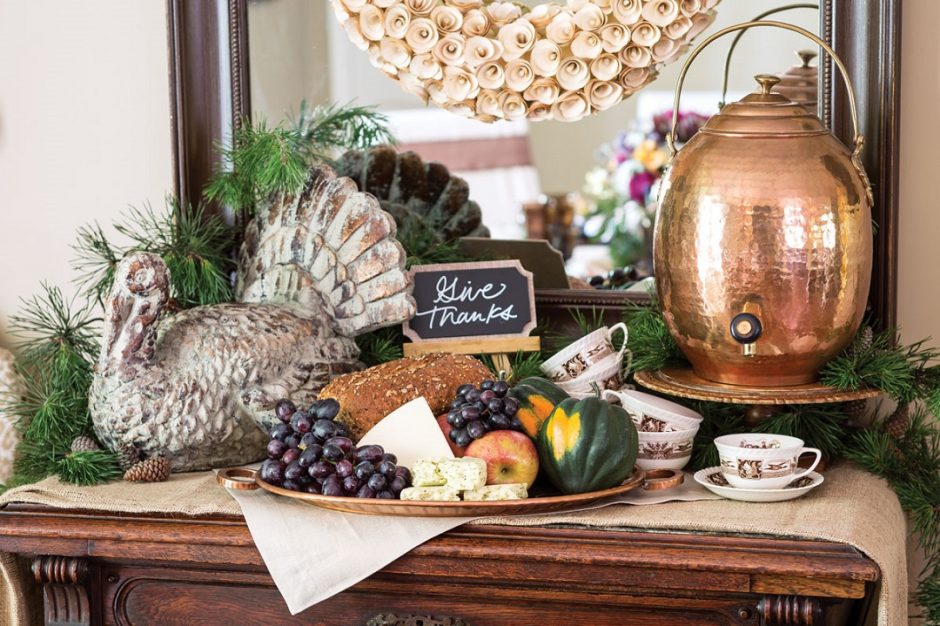
Turkey is the main decoration motif of Thanksgiving
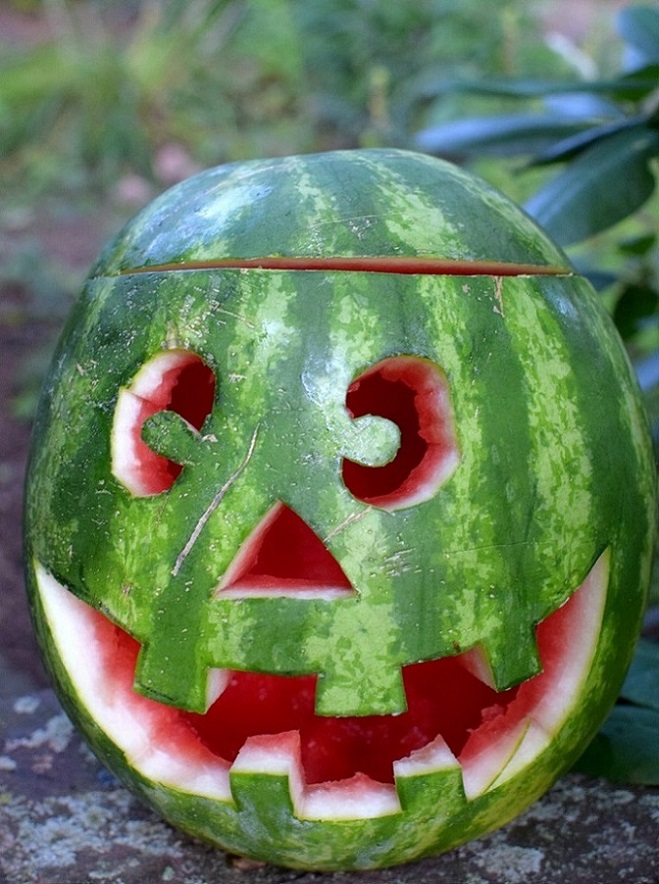
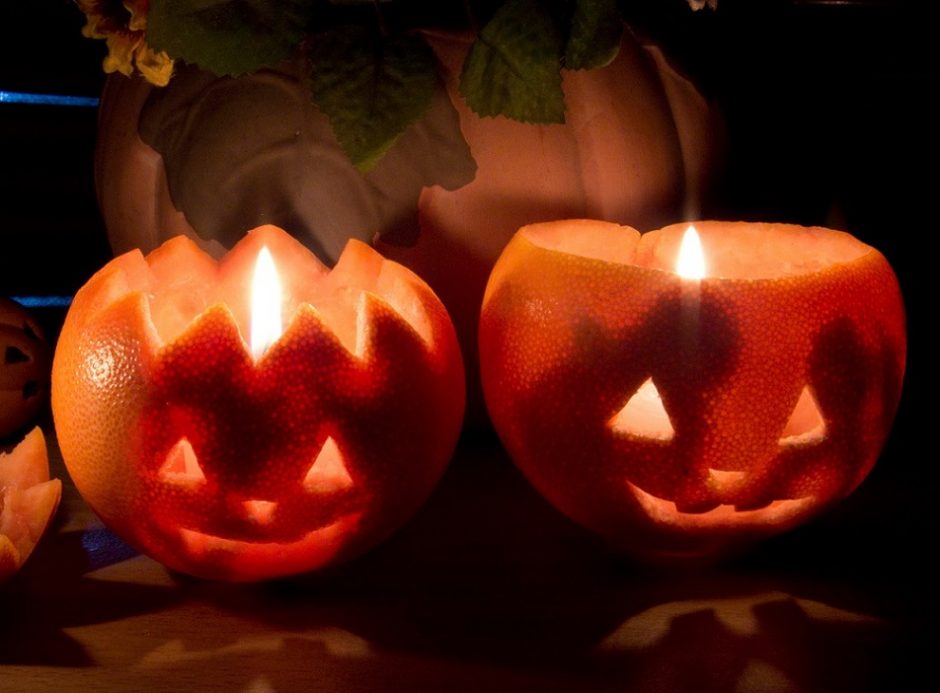
Jack-o-lanterns for Halloween – without pumpkins