DIY decoration ideas for Valentine’s Day
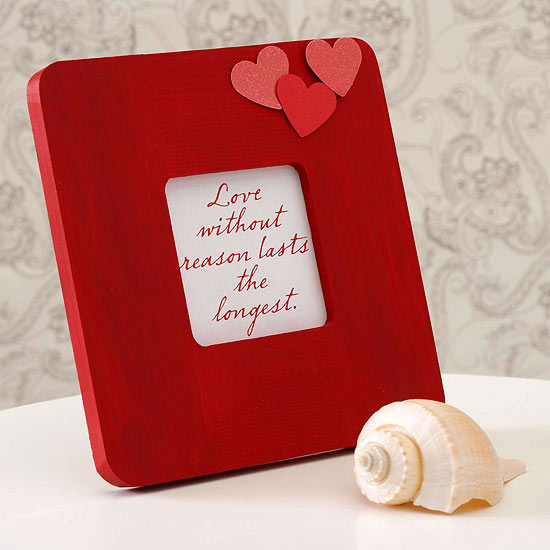


DIY decoration ideas for Valentine’s Day
Candles and tea lights are important parts of the Valentine’s Day decoration. The simplest way, if proper candles are placed in the candle holders bought in a shop and put in the place which should be conjured cozy. However, there are many further solutions which fit well in the classic interior, still unique and clever constructions. Let’s see some of them – not only for Valentine’s Day.
Let’s combine tee lights and fruits! Apple: cut a hole at the stem in which a tea light just fit. Bigger and heavier ones can hold long decoration candles also. Orange: cut the fruit in half, pick out its meat and put the tea light in the place of it. The flame won’t be visible, this way it gives a more mysterious light. When it warms up, it relieves essential oils and provides a pleasant fragrance in addition to the intimate atmosphere.
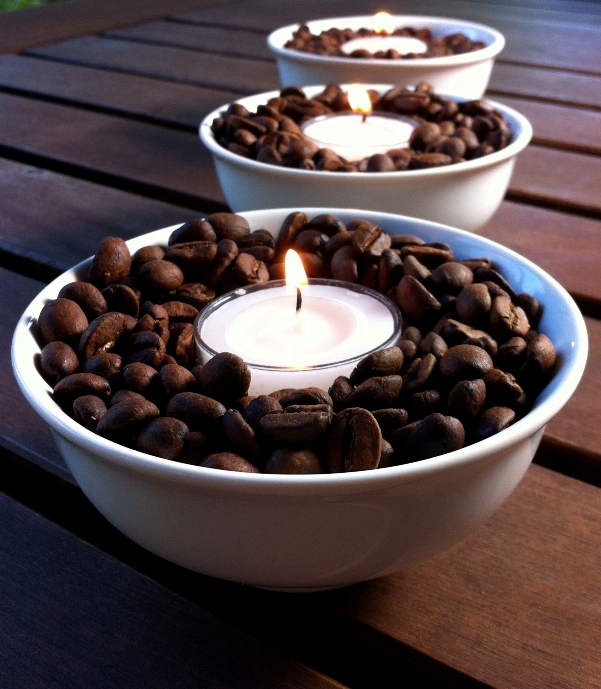
Let’s transform glass bowls and glasses into temporary candle holders. Fill them with sea-salt, peppercorns, coffee beans, rice or similar smaller things. If the pot is deeper, a thin candle can be put in it securely, but tea lights will look good in it also. Deeper bowls can be filled with water and floating candles and flower heads can be placed in it. Turning a goblet upside down there will be a stilted place just enough for a tea light.
Unused pieces of the dinner set: there are always some leftover pieces after setting the romantic dining table. The saucer, cake shovel, soft-boiled egg holder, ladle and metal napkin ring used as tea candle holders fade into the table set, this way the light of the candle will dominate.
Main colors of Valentine’s Day are all shades of red and pink, just as white, gold and silver. Ask for help of an interior designer for creating a cozy decoration.
Many of us inherited a big amount of lace clothes from our great grandparents and grandparents which they cleaned, stored and starched with ultimate care. These collections contain pieces in several sizes, forms, thickness and colors. What can we do with them if we don’t want to sell them because of the memories? There are many possibilities for reusing them.
Old lace clothes were made of cotton by hand. It doesn’t worth to cut them because they almost immediately unravel. But they are easily dyeable and this way they could be fitted to the color palette of the room.
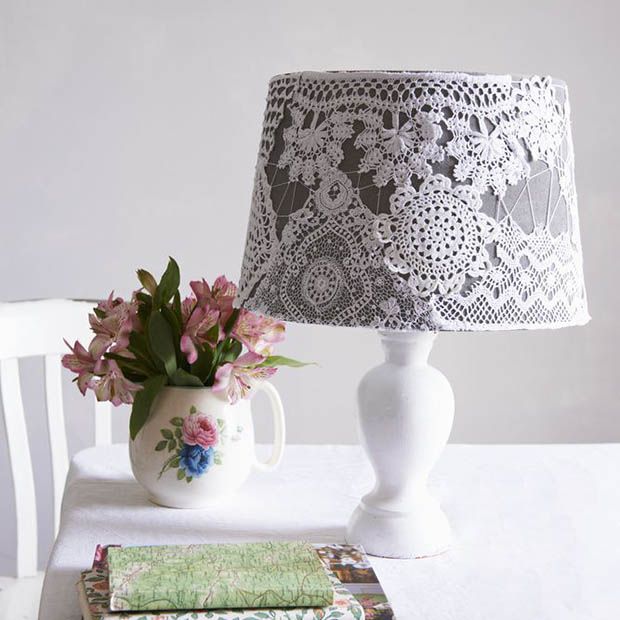
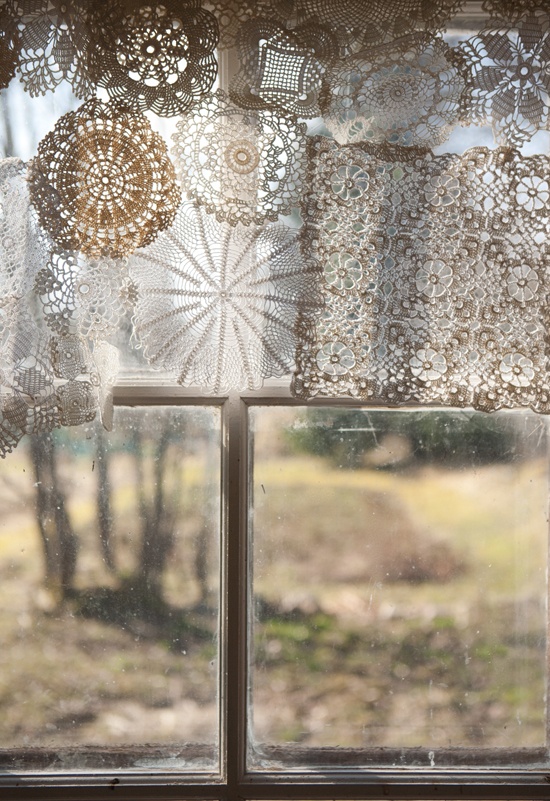
Let’s stitch the lighter, smaller pieces to each other by their edges and make a curtain of them. It doesn’t matter if the bottom or side of it is not straight. We can make it from even round shaped clothes, the outcome will be more unique. We can decorate the simple, plain lampshade with lace also. The simplest way: stick a narrow shelf stripe lace on the bottom of the shade for the vintage mood. Even the original fabric can be removed from the frame and the lace itself can be sewn to its place, but the lace has to be carefully starched before the procedure.
Let’s sew a patchwork-like blanket from the bigger, heavier clothes. If we don’t have enough for this, we can combine them with any cotton fabric. For example lace inset can be placed as decoration in the middle of the blanket, as overlay on the bottom or as edge on the four sides of it.
Let’s have a glass cut for the coffee table, flower stand or console table and put the showy lace clothes between the glass and the top of them. This way they will be protected from dirt but fulfill their function.
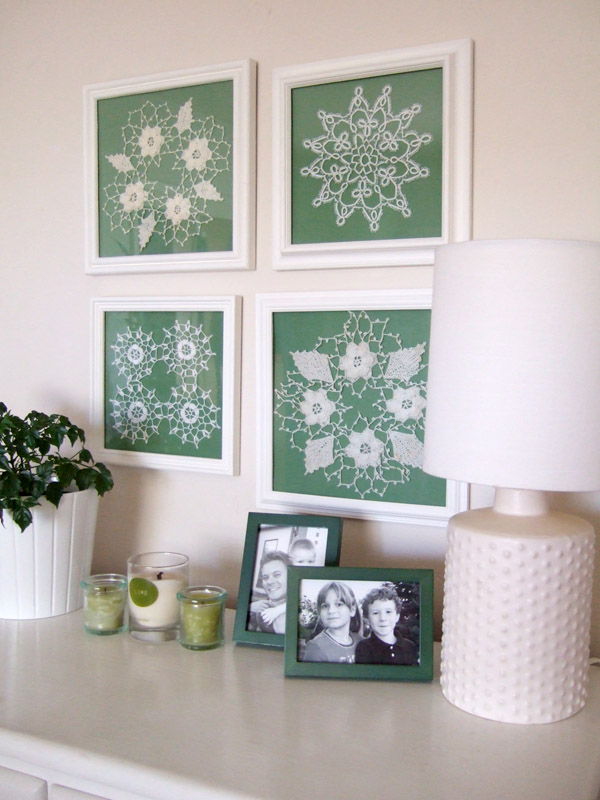
We can hang smaller laces in picture frames on the wall. If we don’t want to alter the white color of the clothes but the wall is white also, we can use colored mat board or ornamented frames for highlighting them.
Handmade objects made of quality materials are always valuable even if they don’t fit to our home. However, we can still enjoy them with a little fantasy, handiness and expending little time. Ask for help of an interior designer for more ideas of reusing them.
Mosaic tiles are popular in classic style homes also. First of all, they are used as bathroom wall and floor tiles, kitchen backsplash and pavement of swimming pools. In addition, there are many possibilities for using mosaic tiles, even they are purchased or made DIY.
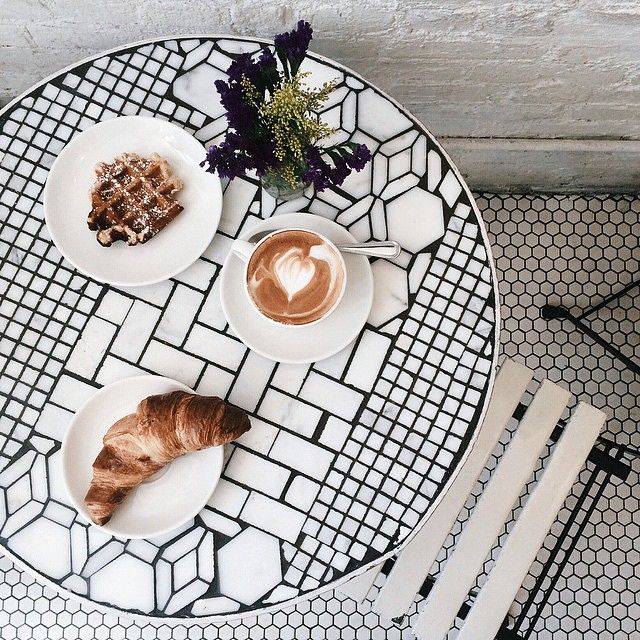
A simple metal breakfast table can be made unique with covering its top with mosaics. Take care that the result should be as smooth as possible preventing the sway of plates/glasses. The method can be the same in the case of a coffee table or plant stand.
Let’s renew the covering of the fireplace with a color-matching mosaic inset but the area in the front of it can be paved with it also, preventing the wooden floor/carpet from sparkles.
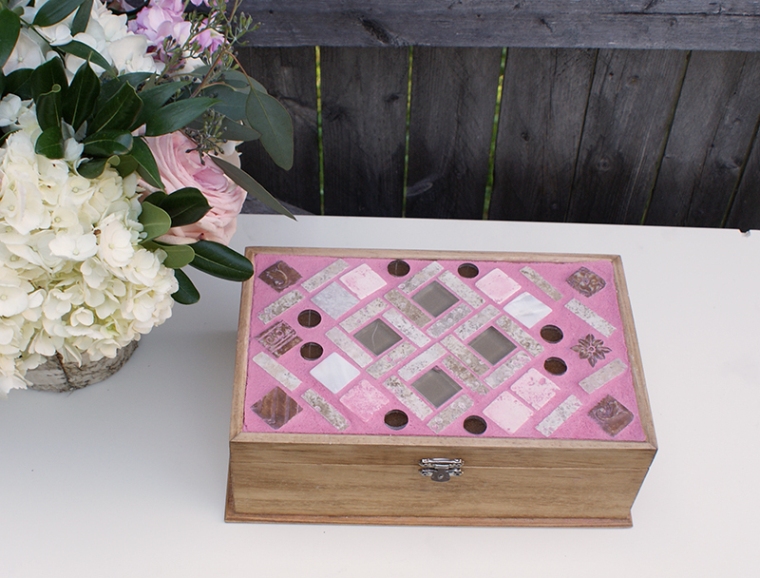
It can be used outside also. Let’s tile the seat of the garden bench, this way it will look good when a cushion can’t be put on it (for example, on rainy days and in winter). Mirror and picture frames, storage boxes, pots, trays, bird feeder etc. can be also decorated with mosaic tiles.
The products in shops can be ordered in several sizes, shapes, materials and colors. There is a perfect one for every style but we can make mosaics DIY by cutting old plates, mirrors, bottles and tiles or even using pebbles, seashells and coins also.
Of course, there are many more using methods. If you like mosaic tiles also, ask for help of an interior designer for smart designing.
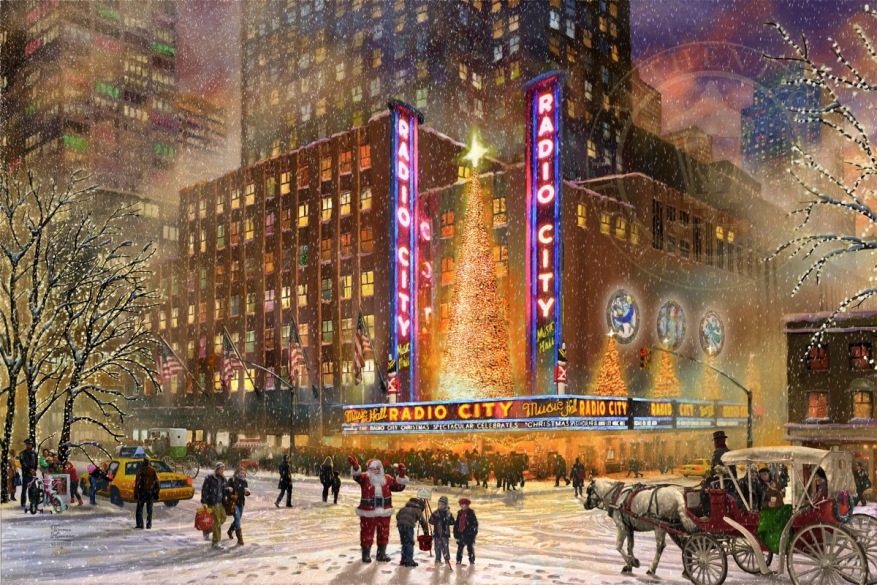
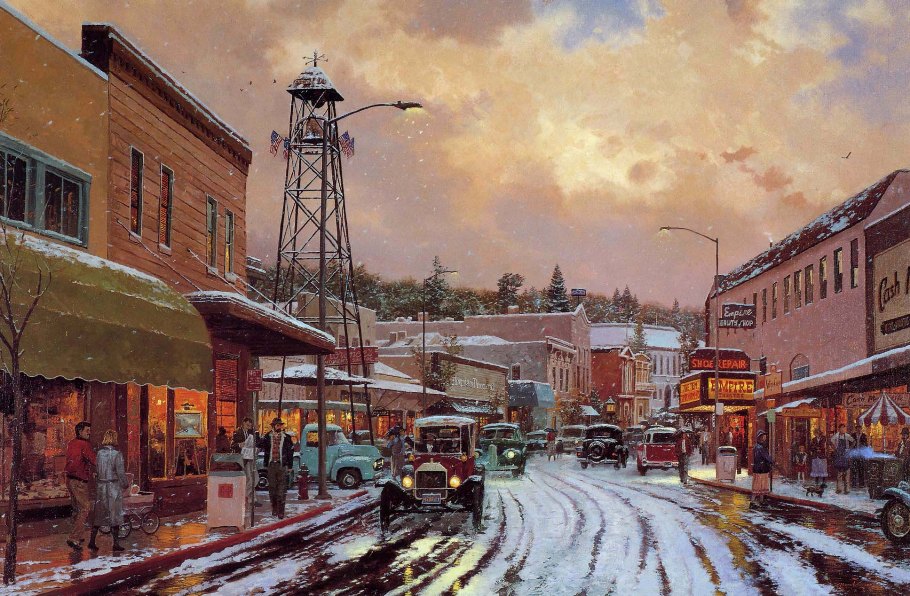
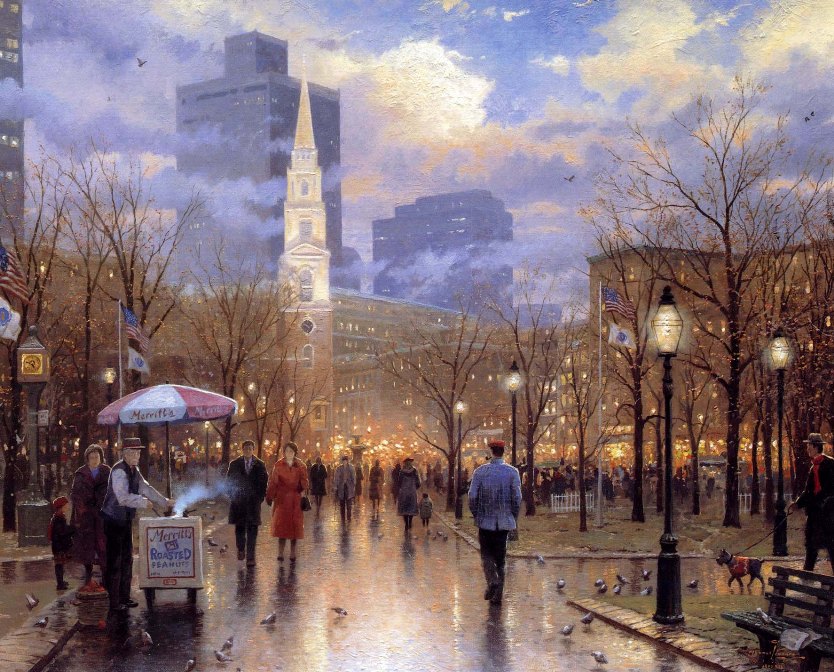
Selection of Thomas Kinkade’s winter cityscapes
For most of us, the last step of preparing for Christmas is wrapping the presents. We would like to do it neatly and nicely just like as we have decorated our home. Here are some classic, wrapping ideas without cliché.
Using gift boxes and bags is the fastest but showy wrapping method. They are available in variable sizes, patterns and styles. The box can be made of metal or cardboard. It is an additional decoration to tie it with a ribbon. In the case of a bag, take care for its quality, not to torn because of the weight of the present.
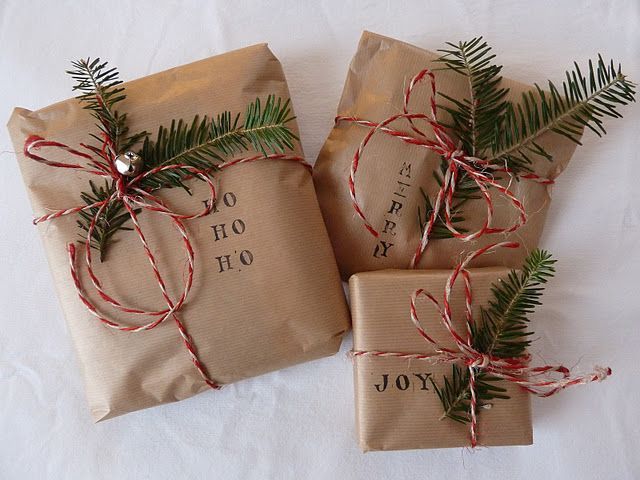
Using simple brown wrapping paper, mould-made paper, newspaper or music paper fits well for rustic or vintage Christmas decor. The plain ones can be decorated by hand-made painting, stickers or prints but they look good without patterns also. Pop it up with adding a nice ribbon, a unique card, a pine branch or crops.
Imitating the snowy landscape inside, we can wrap the presents in wateline. The soft material can be easily used for presents in any shape and size. Tie it with a simple white ribbon, lace or raffia for keeping the natural effect.
Using the leftover wallpapers and fabrics as wrapping materials is a clever idea. They give varied patterns and colors for the Christmas mood. The scene can be unified by binding them with ribbons in similar color and size and the name cards are similar also.
If complete similarity is required to the Christmas decoration of the home, choose a wrapping paper fitting in color for the Christmas tree. Wrap all the presents in this and the ribbons has to be the same as one of the colors of the interior and place them under the tree.
Ask for help of a style adviser in time for choosing the tools for wrapping the presents, achieving the perfect harmony in Christmas decoration.
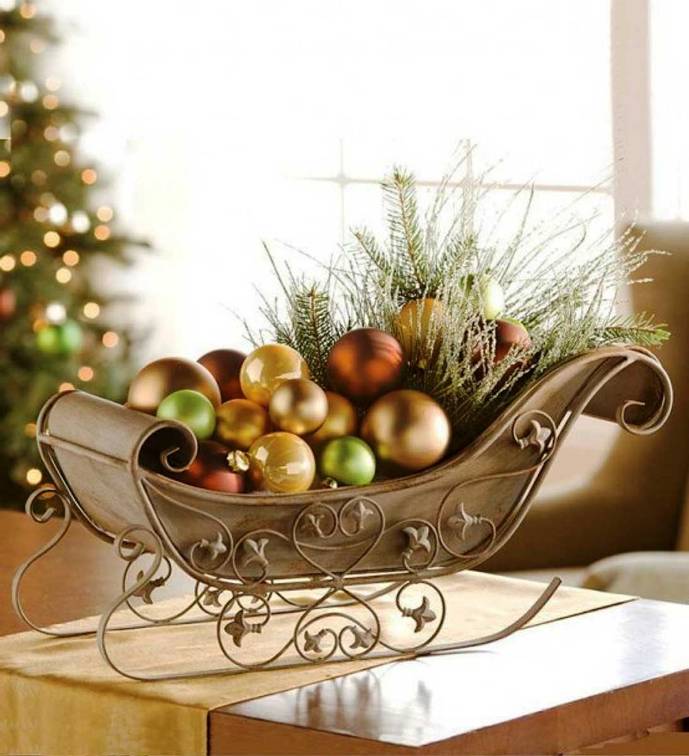
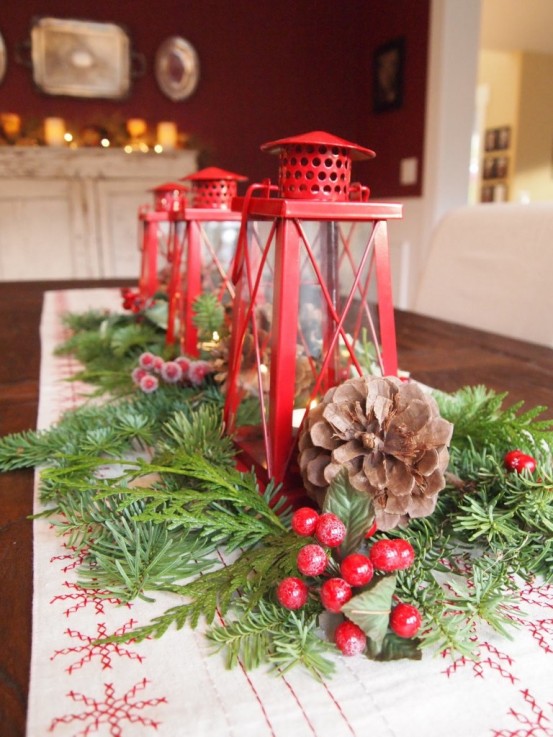
Christmas table centerpiece ideas
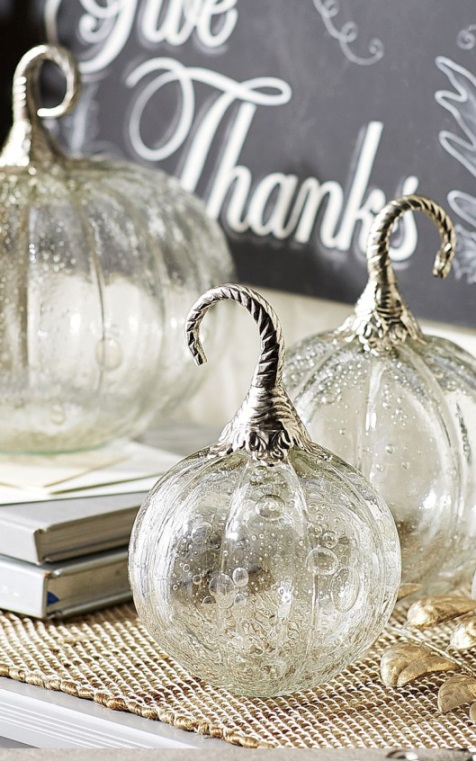
Thanksgiving is a North-American national feast. It is on the second Monday of October in Canada and on the fourth Thursday of November in the USA. This is the second biggest family holiday beside Christmas and also the beginning of the festive season in the USA. Its history is dating back to 1621 when the when the settlers who arrived the previous year thanked for the annual harvest after the harvest.
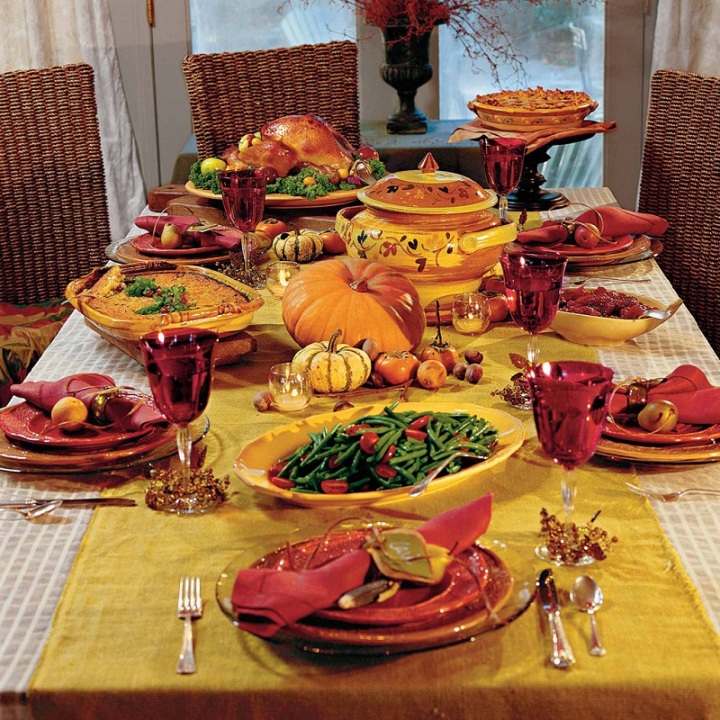
The Thanksgiving dinner has special dishes: whole roasted turkey, mashed potatoes, cranberry sauce, green beans and pumpkin pie. Commonly the Friday is given as holiday, so the whole family can celebrate together at the long weekend. The nicely set table is very important this time. Commonly there is a separate dinner set for this occasion, mostly in warm colors. The soup bowl is frequently turkey-shaped, there is a pumpkin-shaped cup instead of plate for soup, seating card is placed on the table sticking in a pear/apple – only some examples.
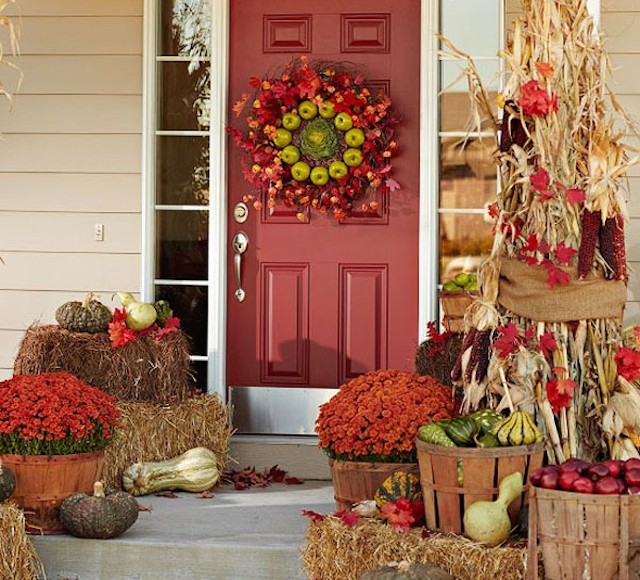
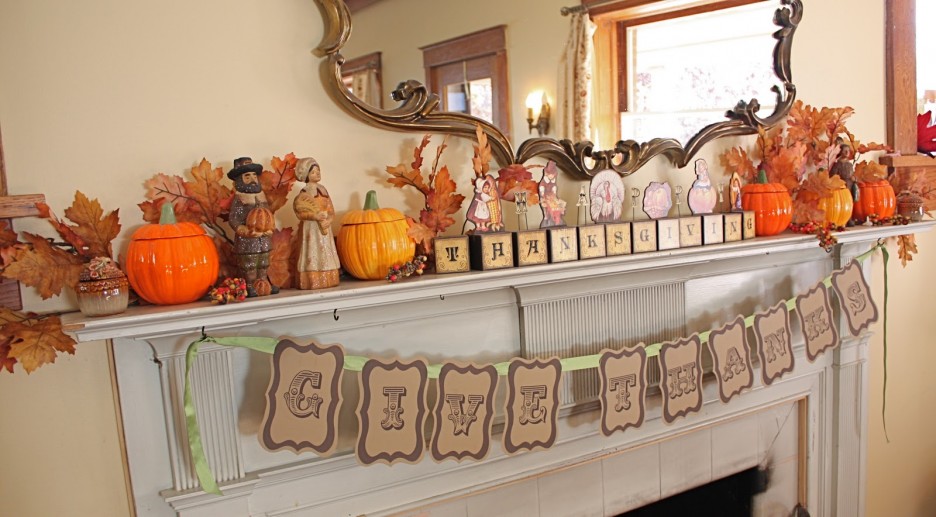
The characteristic crops (for example: pumpkin, corn, nuts) and colors (orange, browns, mustard yellow, claret etc.) of autumn are used for the decoration. Not only the interiors but the outdoor parts connecting to the house are decorated with leafed-berried branches, chrysanthemums in pots and door wreaths. Big cockades, turkey figures and huge balls are made of paper in proper colors. The letter of Thanksgiving are cut from spare fabrics or cardboards and glued to a ribbon forming garlands and they are hung on for example the mantelpiece or the stair-rail. Sweets and sandwiches on the buffet table can be smart too: small turkeys are formed from biscuits or marzipan and the sandwiches have „contour feathers” made of olives on toothpicks.
Other decorations can be also used besides the colors of autumn, depending on the style of the interior, for example silver, gold, warm whites or cream. The lights of candles and tea lights give the nicely warm total effect.
If you like the mood of Thanksgiving and want your home enrobed in late autumn decoration, ask for help of an interior designer for this.
Thomas Kinkade was born on 19th of January in 1958 in Placerville, California. By the age of four, it was clear that he would become an artist. „I was always the kid who could draw.” – he remembers – „I had this talent, and it was the one thing that gave me some kind of dignity in the midst of my personal environment.” He became an excellent painter aged 16, during the apprenticeship at the known artist, Glen Wessels.
He attended University of Berkley, then Art Center College of Design in Pasadena. In 1980, after graduating, he travelled to New York with his friend, while they made sketches at every station of the trip. They visited with these the publisher Waton Guptill, who published the sketching handbook in 1982.
The success of the book led them both to Ralph Bakshi Studios where they created background art for the animated feature film Fire and Ice (1983). Kinkade soon began to explore the depiction of light. Probably this intensive work with films was the base of his master depicting of light. He got the nickname Painter of Light during this time. After the film, he earned his living as a painter, selling his originals in galleries throughout California.
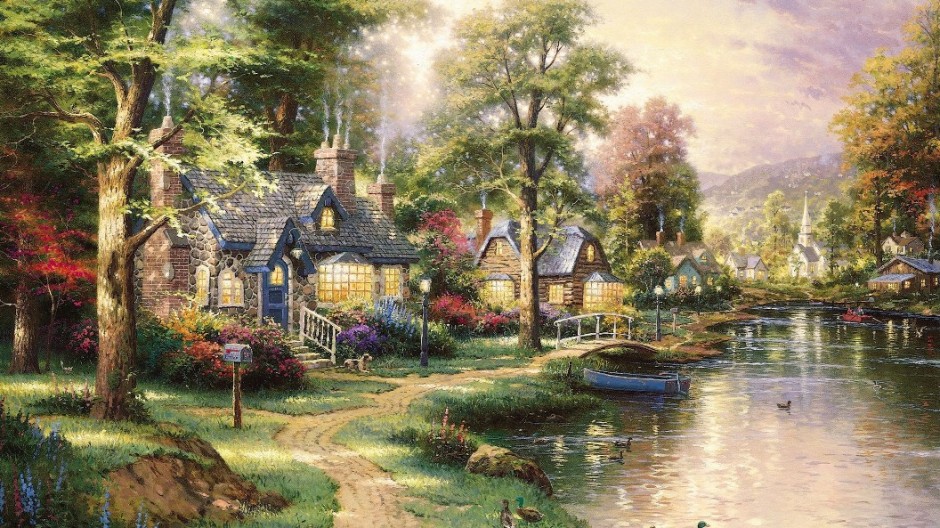
Recurring features of Kinkade’s paintings are their glowing highlights and pastel colors. His works often portray bucolic and idyllic settings such as stone cottages, main streets and streams. He painted mainly his hometown’s streets and the surroundings. His pictures were called kitschy many times, but he didn’t mind it. He was criticized because he sold his works in reprint also. He is one of the most popular painters in China and Thailand, fakes are frequent there. Interesting information: mostly his winter landscapes can be chosen on the largest electronic postcard sending portals in Christmas category.
He received many awards for his works. He was inducted into the California Tourism Hall of Fame in 2002. He was selected to commemorate the 2002 Salt Lake City Winter Olympics and he was also honored for his contributions to improving the welfare of children. He was selected two times to paint the National Christmas tree in Washington, D.C. He was the most awarded artist in the past 25 years in 2004. In 2005, he was named the Graphic Artist of the Year.
More books and movies were made about his life. He died at his home on 6th of April in 2012. He is buried in Saratoga.
Since all of his works are very colorful and almost burn because of the painted light, they have to be placed in an interior with an eye of a professional. Ask for help of an interior designer for this.
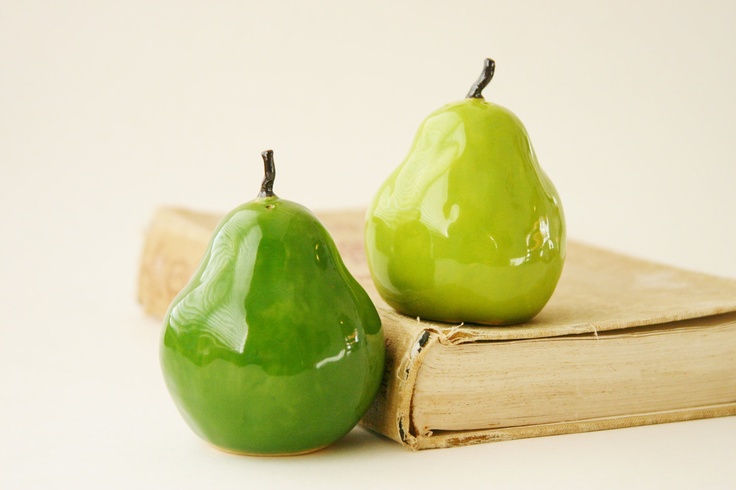
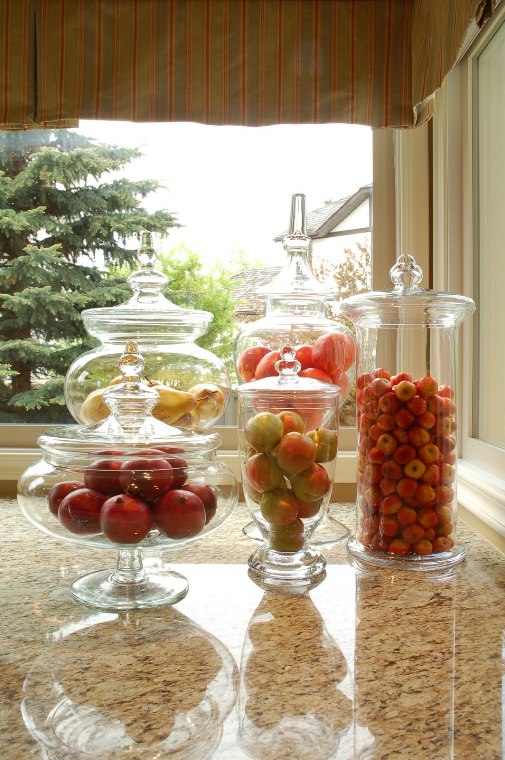
Faux fruit decoration with taste