Some ideas for reusing empty tin cans
Archives
Thomas Kinkade 5.
Mouldings
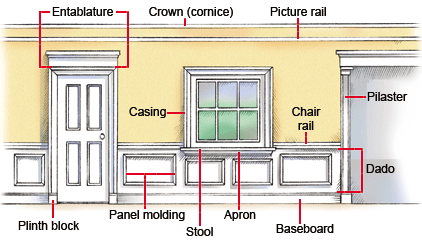
Mouldings are not only decorative but improve the features of the room. Walls can be sectioned by them, thus we feel the low ceiling higher, but they also help section the too high ceiling, making it more acceptable for the eyes. Frequently the spaces between mouldings are painted in different colors or they get different coverage.
In old times, mouldings were made of hardwood or gypsum. Most of them was richly carved which complemented the architectural elements. Nowadays they are mass produced, made of paintable polystyrol. This can be placed very easily and can be bought in several sizes and patterns.
Baseboard is placed downmost, at the junction of the floor and the wall. Its back side is straight, this slicks to the wall. It is made of wood or fiberboard, which can be painted easily also, but for wet rooms there are many pieces in tile-collections. The dimensions of the baseboard are specified by the scales of the room, commonly 8-12 cm high (but maximum 20 cm). Its task is hiding the floor’s bumpiness and protecting the wall from e.g. scratches by legs of the chairs.
Dado rail is set up at 85-90 cm. The wall-part below it is frequently paneled, which protects the lower part of the wall from damaging impacts. Its height anno was equal with the height of chair backs (chair rail), so it was suited for protecting the wallpaper or painting when chairs were pushed against the wall. Later it had rather just a decorating role.
Picture rail is a fully functional element: big, framed paintings are hanged on it with wires and hooks. It holds their weight and this way the plastered or gypsum-decorated walls are not damaged. It is placed between 210 and 270 cm depending on the height of the ceiling.
Crown moulding is placed at the junction of the wall and the ceiling. It gives finiteness and frames the room. Exact mitering in the corners is essential for the esthetic, perfect fitting of the two parts. The cross-section of cornice is a right-angled triangle, they are being pasted up in just right the corner. Because they hide the joint of the vertical and the upper horizontal planes, they raise the feeling of height.
We can use other, similar decorating elements beside the basics. Ask for help of an interior designer for planning.
For garden parties
Special wall arts
For decorating the walls, we frequently use simple solutions as paintings, engravings, photos, fabrics in frames, wallpapers or smaller objects. These are very showy and it’s easy to find a fitting piece for the style. But let’s be daring! There are so many objects on flea markets and in our home too, which are perfectly suitable for wall decoration.
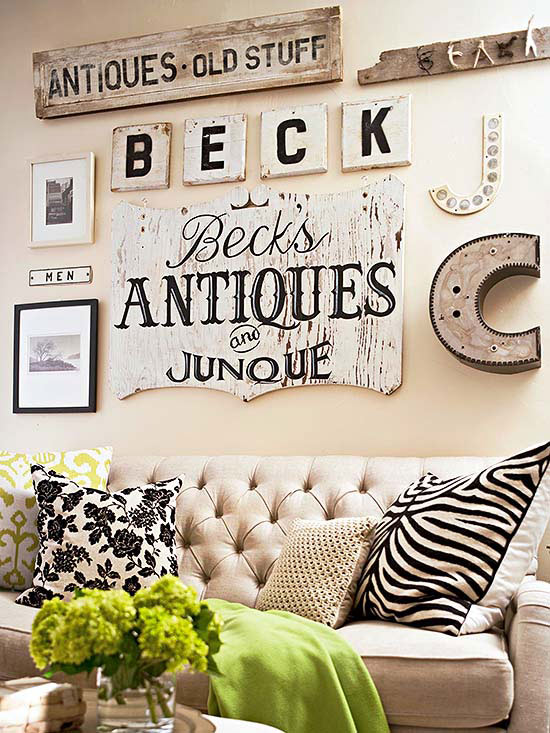
Old advertising boards, trade-signs, original boxes, marker letters can be found in many places and are popular decoration elements nowadays. We can choose wooden or metal pieces. They can be grouped by color, shape and theme, fitting to the interior.
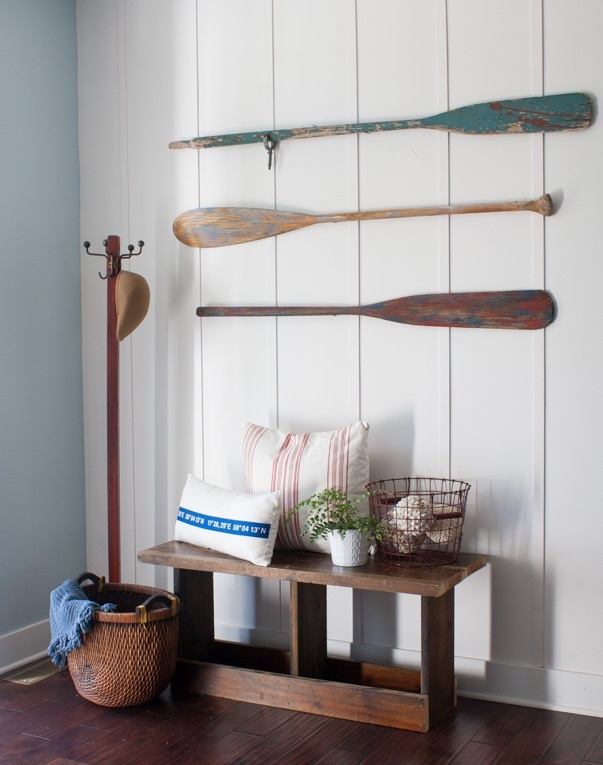
Hanging old sporting goods on the wall are perfect solutions for sport-lovers: paddles, golf and tennis rackets, riding equipment etc. Most of them are suitable for both horizontal and vertical arrangements which effects the sense of space.
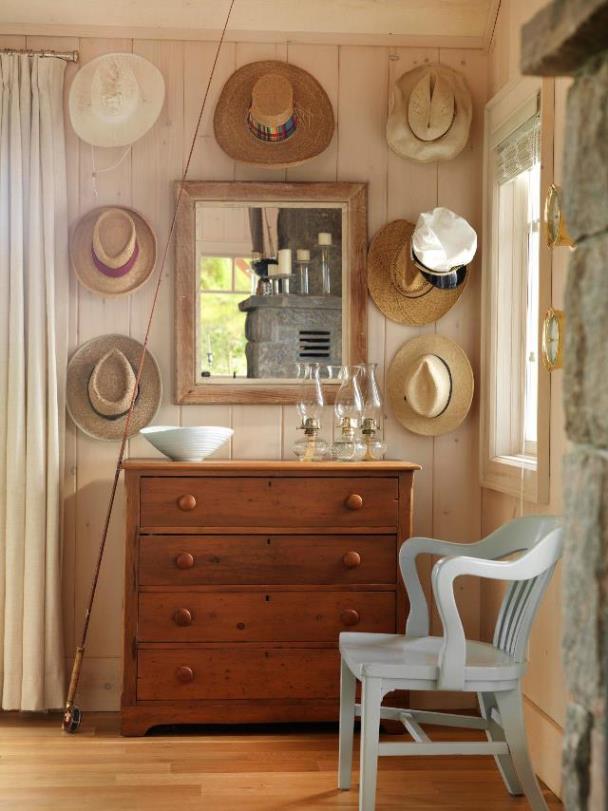
Let’s examine the contents of the wardrobes from this point of view. Our collections of hats, handbags, fans can decorate e.g. the wall of the living room. The harmony of the colors and materials is important for the sight not to be chaotic.
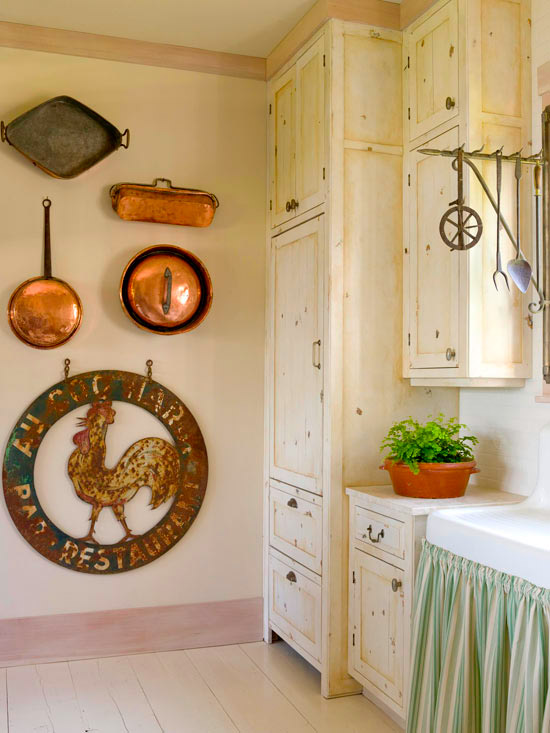
The most common objects could be decorating elements with a spectacular arrangement and an idea suggested by the room. We can decorate the wall of the kitchen with antique pots. They can have in common their material (e.g. copper, tin) or their type with difference just in the size (e.g. cooking tops, sieves).
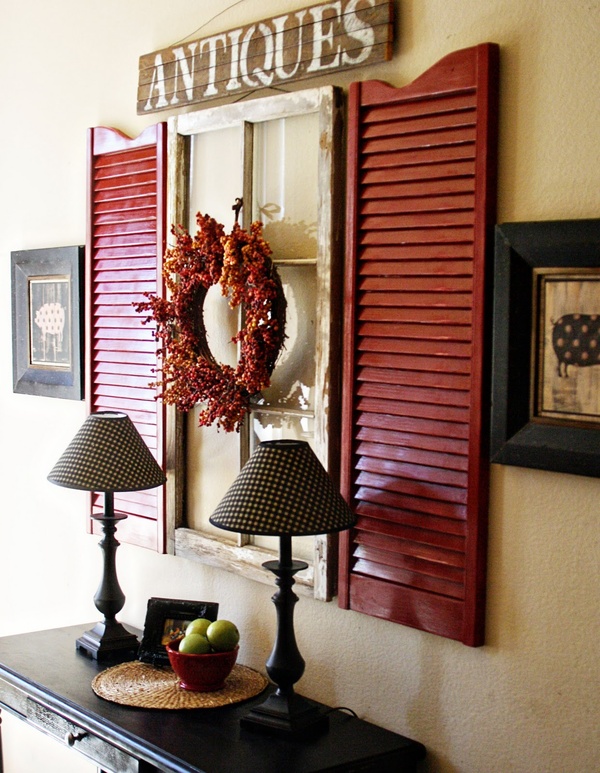
Use the old doors, shutters and window frames were judged to throw out during the renovation! They fit for several styles in the original condition but renewed and painted they can be hung on the wall. Mirror can be cut into the window frame instead of glass, this way it will perform two tasks.
There are several other solutions, only our fantasy is a limit. Ask for help of an interior designer for choosing spectacular decorating elements!
Reusing maps
Almost every summer holiday began with buying the paper map of the destination, before the appearance of GPS and navigation apps. They became a bit worn during the trip, especially if they were used on more trips. Then they ended at the bottom of a drawer and were forgotten. However, they shouldn’t be necessarily thrown to the recycling bin. Let’s see some examples for using them.
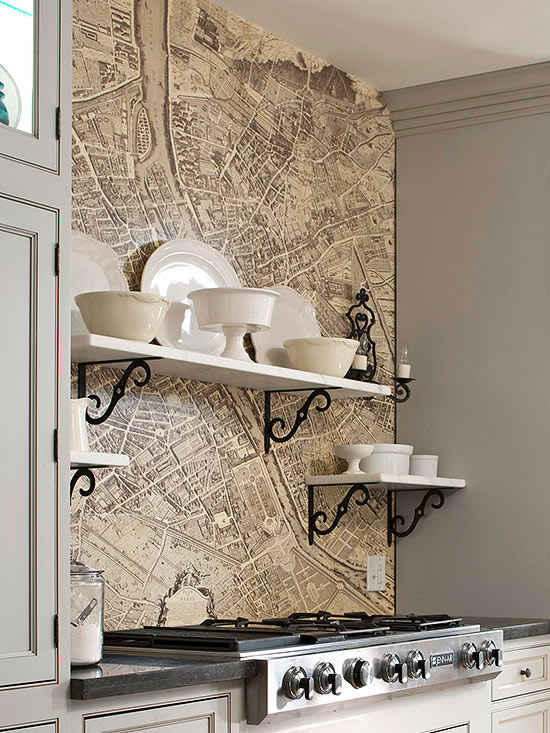
Let’s wallpaper the room with them! They can be pasted up, just like the common wallpapers. A perfect focal point can be created with covering a center wall with maps. More colorful pieces can be used in children’s room, but choose the yellowed, few-color printed versions for a more subdued effect. Putting them behind a backsplash glass in the kitchen gives a really unique effect. The wall of the staircase or the mantel can be highlighted this way also.
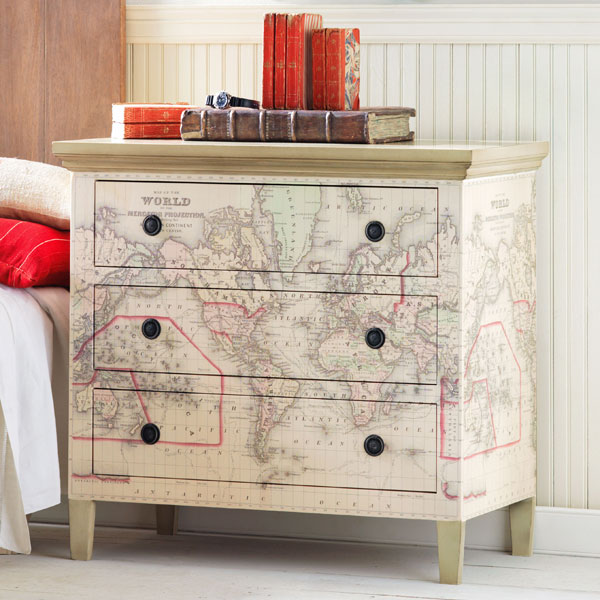
Furniture made of wood or MDF can be popped up with them. Just stick the maps on the back of a chair, on the drawers of a commode or even on top of a table, for example. The surface will be more durable with several coats of lacquer. If a few umber is added to the lacquer, the surface will have antique effect.
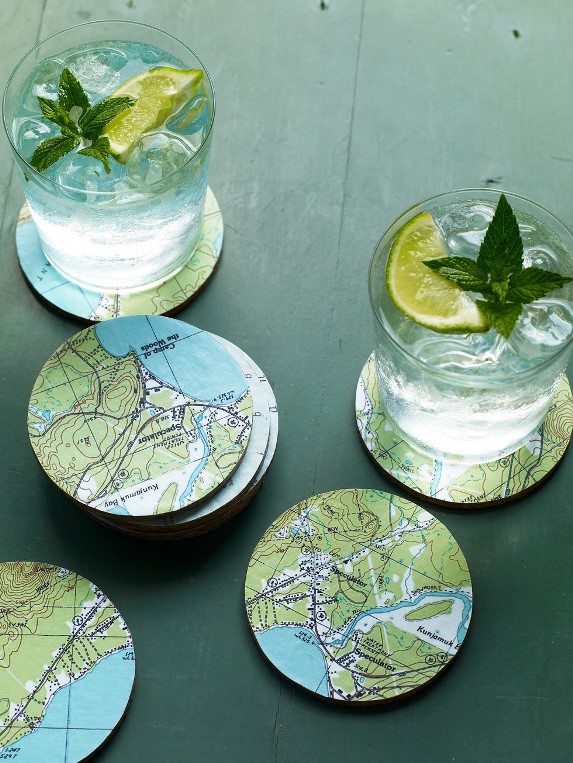
Smaller household objects can be also decorated with maps by decoupage technique. The boring cork coasters can be popped up with the colorful lines of a town’s transport network. The simple cardboard lampshade will not only be more spectacular, but it will color the light a bit. The terracotta pots of herbs lining on the kitchen windowsill will look much better this way also.
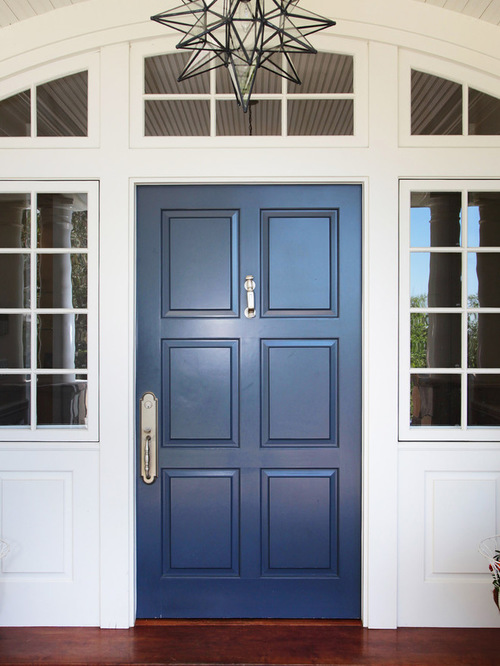
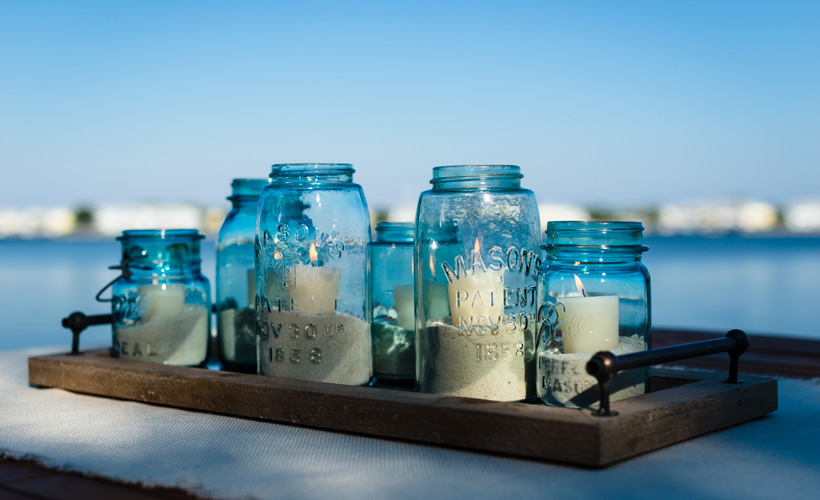
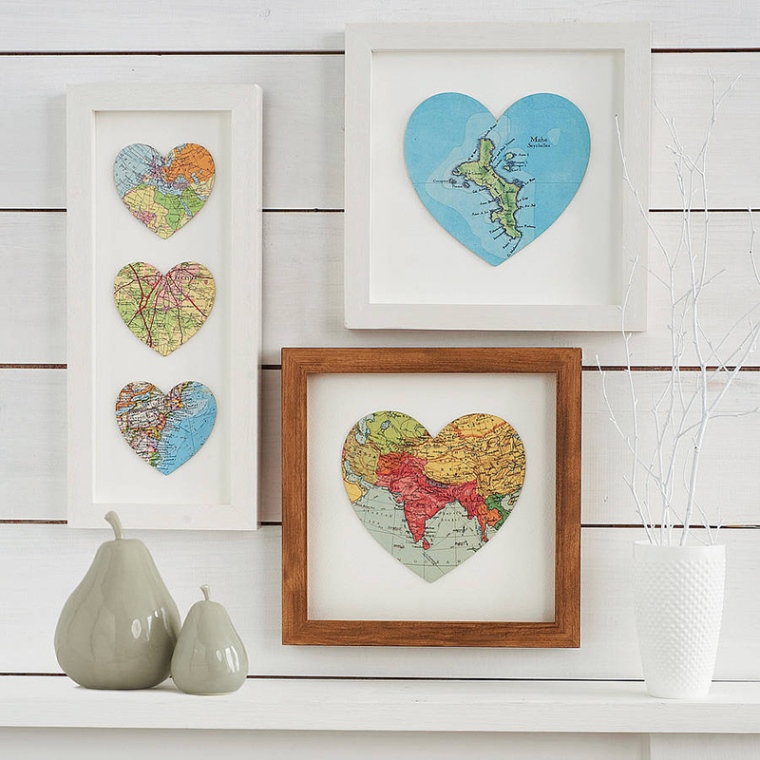
Putting the maps in frames and hanging them on the wall is a cheap decoration. They can be grouped not only by colors but by geography also. More classic and more united effect can be reached with similar frames.
Ask for help of an interior designer for re-using your thought-to-be unwanted objects.
For Fathers’ Day
Paints
Several base materials were used throughout the history for making different paints. There are two main groups of them: artificial and natural based. In the latter case we discern mineral, floral, animal and fungus origin paints. They were used equally for paintings, fabric dying, wall painting, ceramics, and even make up.
Prussian blue is an artificial color also. It was first created about 1705, with mixing potash, ferric sulfate and grease. Mountbatten pink was named after the famous general about 1940 who used this as camouflage color to hide the destroyers for the enemy at twilight and dawn. It was mixed from mauve, light pink and grey. For example, white lead, cadmium yellow and Tiffany blue are artificial colors also.
In ancient Egypt copper carbonate was ground, mixed with grease or resin for making malachite green and used as eye shadow make up, around b.c. 2500. Verdigris was also a paint material in Greece since b.c. 300. The green patina was scraped from copper and used as a pigment. It can be created by soaking copper in vinegar or vine also. For example, galena (greyish black) and raddle are mineral colors too.
Turmeric is a floral based paint which is created from the root of the plant. It was used since about b.c. 3000 in India, the dresses of Hindu brides were colored with it. Julius Caesar mentioned the blue paint made of woad in his description of his campaign in Britain, where the enemy used it as a deterrent war make up. For example, the red of mudder is a floral paint also.
There are less animal based paints. Purple was made of a species of lice, they were dried and ground. Montezuma I. got this material as tax. The red coat of British uniform was dyed with this paint until the 20th century. For example, Tyre purple is an animal color also.
Litmus lilac was made of a species of lichen by drying and grinding. It was very popular about 1300 in Florence. Several species of fungi are used for making paint with ammonia or vinegar, which encompass the range of colors from pastel yellow, through rust red and brown to deep dark green.
Nowadays more paint factory keeps on producing paints based on natural pigments, just as several textile factories work only with these kinds of dyes – since they don’t emit pollutants. Ask for help of an interior designer for choosing one.