Archives

My project 16.

Waiting for Christmas – in classic style

Facebook

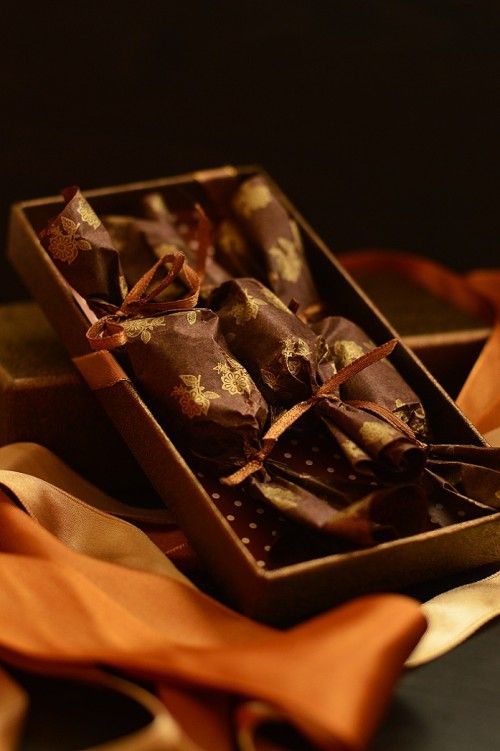
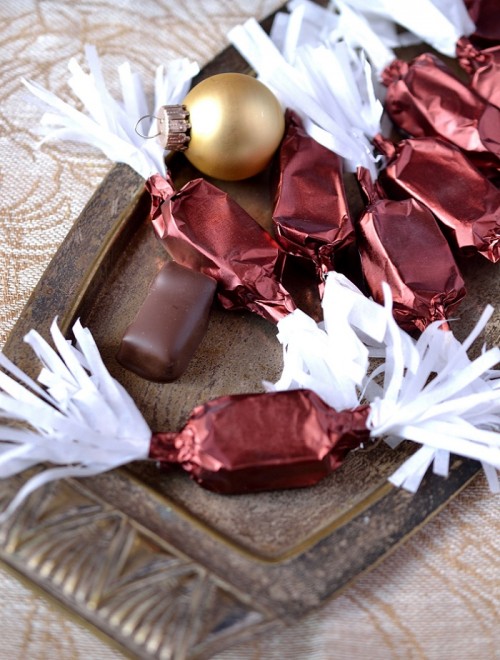
Christmas cracker

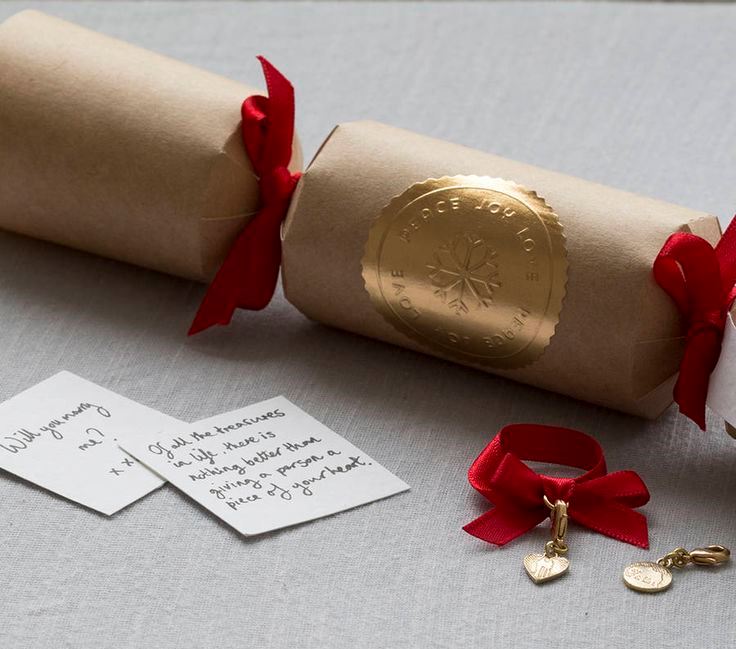
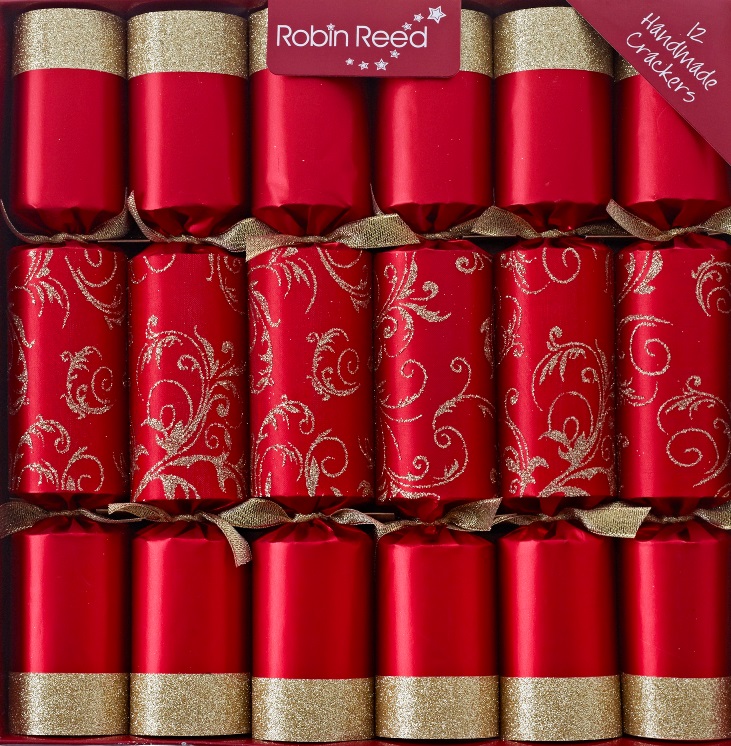
Christmas cracker is a popular tradition in the United Kingdom, Ireland and Commonwealth countries. The happy and playful gift was adopted by many countries already, but it is frequently used on other festive or even birthday parties also.
Its base is a zig-zag segmented cardboard tube which is wrapped in color paper, just like a huge fondant. Commonly red, green and gold colors are dominant. When it is pulled apart by two people at its two ends, it has a mild bang sound. As to the tradition, it is a part of the Christmas table set, there is one of it on every plates of the guests. There are small objects inside the cracker: a paper crown (which is worn during the dinner), a quote or riddle, a small toy, for adults another small thing instead of toy (for example bijou).
Its origin dates back to the 1840s. It was invented by a sweets-seller in London, to wrap bonbons in a similar tube. When the sales began to decline, he did a trick and inserted love messages on papers near the sweets. The idea of adding the crackle element came when he heard the crackle of logs on the fire. The variation with presents was introduced and made popular by his son.
Christmas cracker set commonly of 3, 6 or 12 pieces are sold in several places in the Anglo-Saxon countries. It can be purchased in several sizes and all colors of the rainbow. The sets for children and adults are separated. However, it can be made easily by DIY with a toilet paper roll and a Christmas wrapping paper.
Let’s try this funny present this year if you would like to surprise your family at the festive table.

Facebook

Other christmas shades

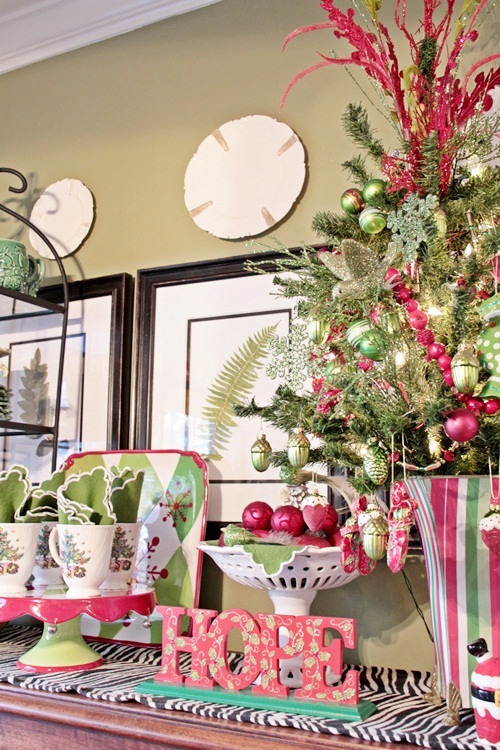
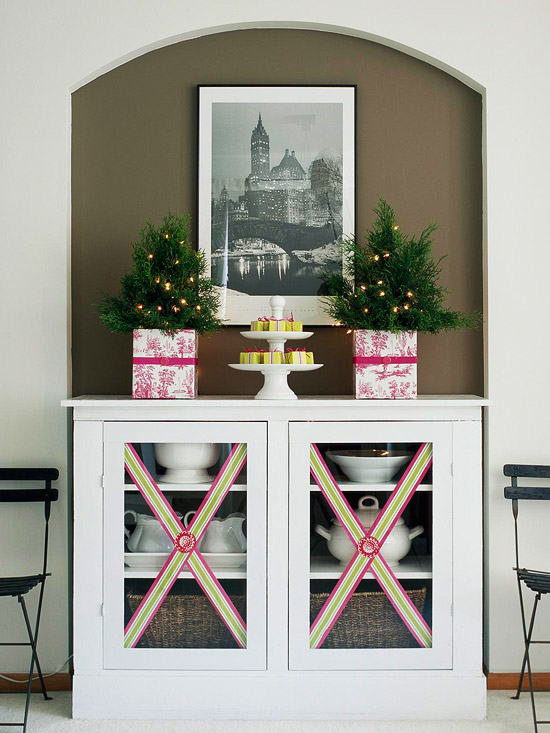
Choose not the common shades of red and green for a fresher look of traditional christmas decoration

Facebook

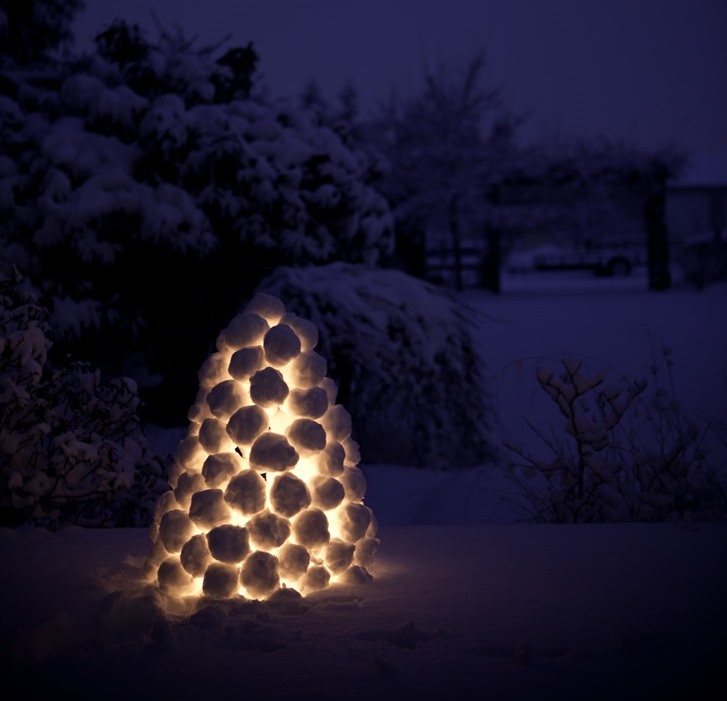
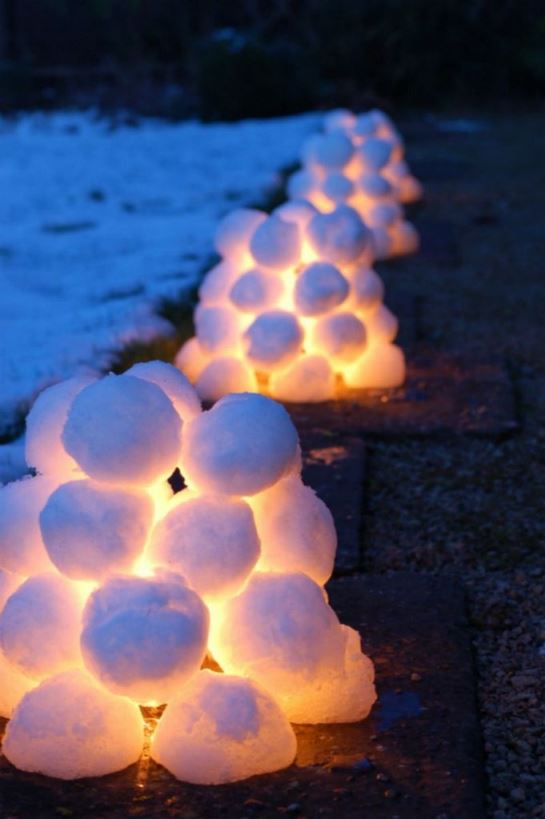
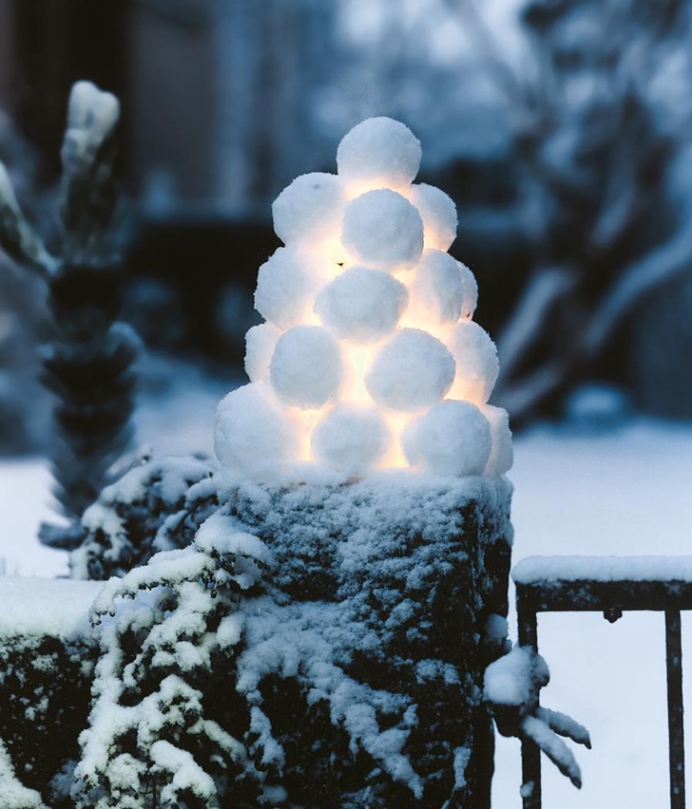
Snowballs

Fast and spectacular garden decoration made of snowballs and fairy lights

Facebook

Ancient Greek and Roman style

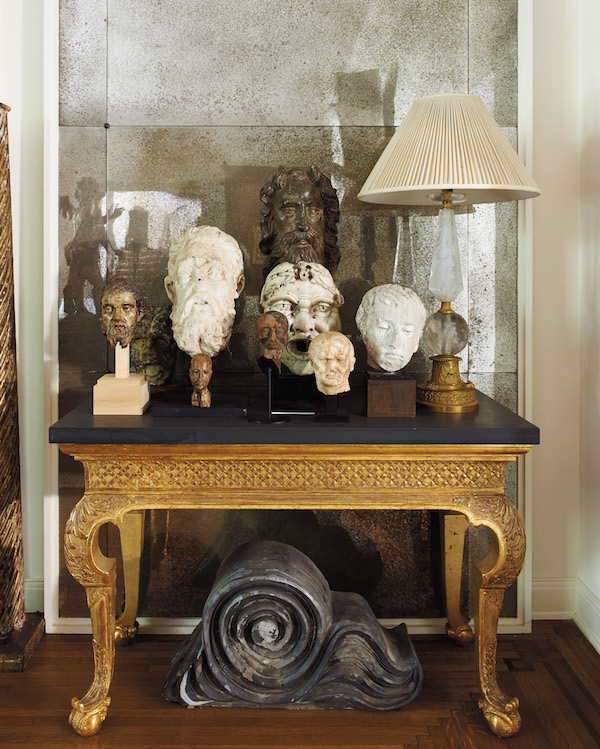
The antique Roman and Greek culture was not only dominant in ancient times, but it has returned several times (renaissance, classicism, neo-renaissance, neoclassicism) during the history in interior design also by architecture and arts.
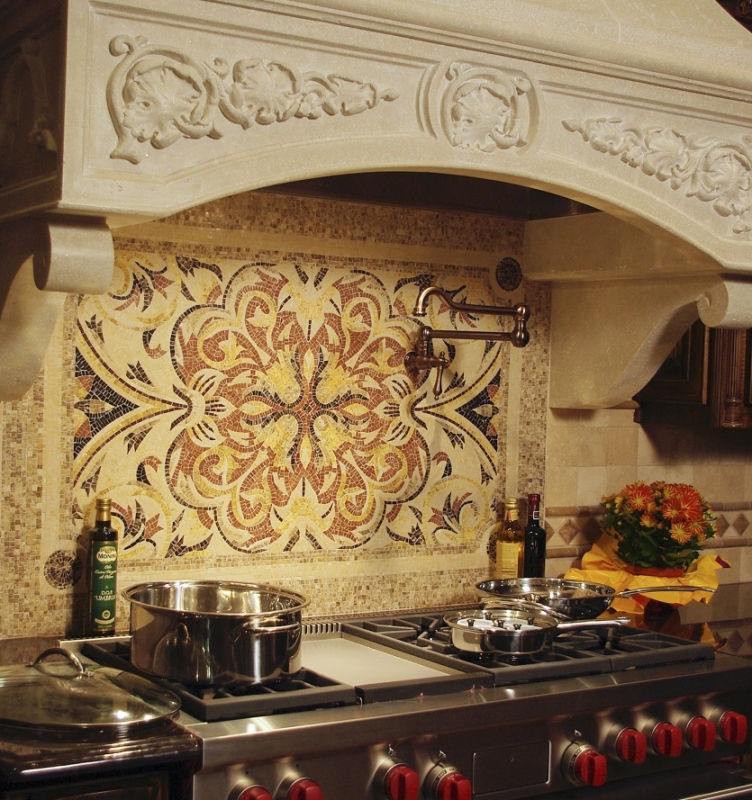
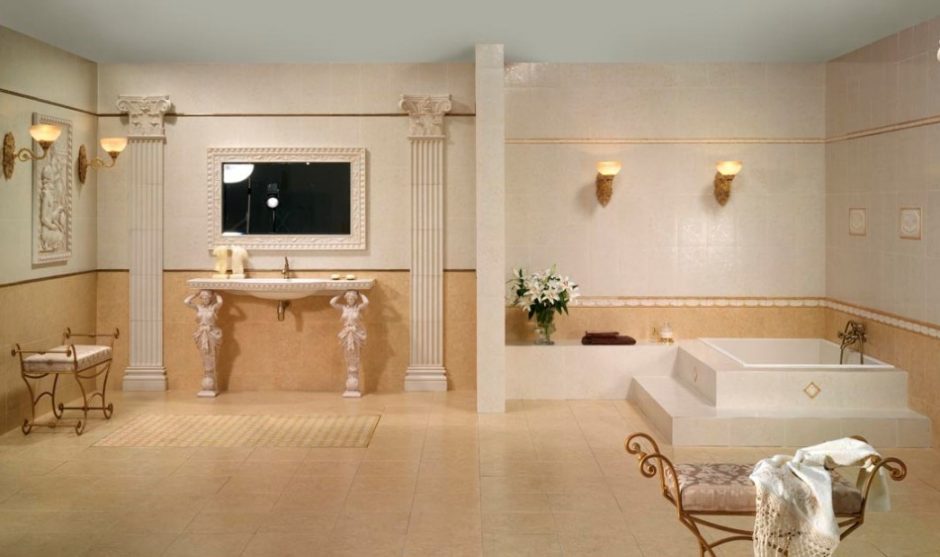
The surviving buildings and household objects show that colors were chosen from neutral, natural palette thanks to the used materials: for example, the white of marble and cream color of limestone. Fabrics were dyed with paint made of herbal, animal and mineral materials. Landscapes and genres were painted directly on the walls. Seating furniture had no upholstery but cushions were already used. Architecture and sculpture served both the sacral, public and private life. Three kinds of columns were characteristic architecture elements: Doric, Ionic, Corinthian. Probably acanthus leaf, volute and meander are the most well-known among decorating motifs. Buildings were decorated with colored decorations and gilding but these wore off during centuries. Floor was frequently covered with small mosaics, floor heating was also used.
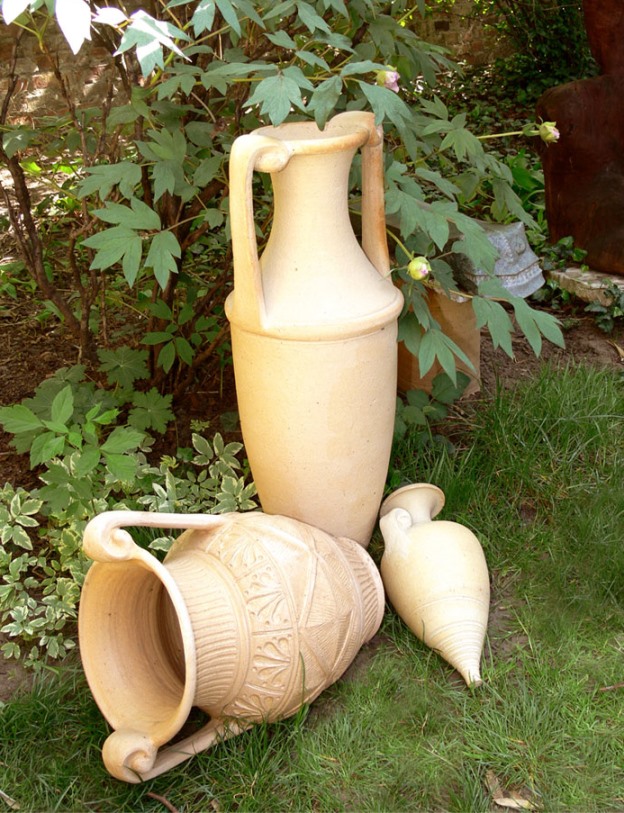
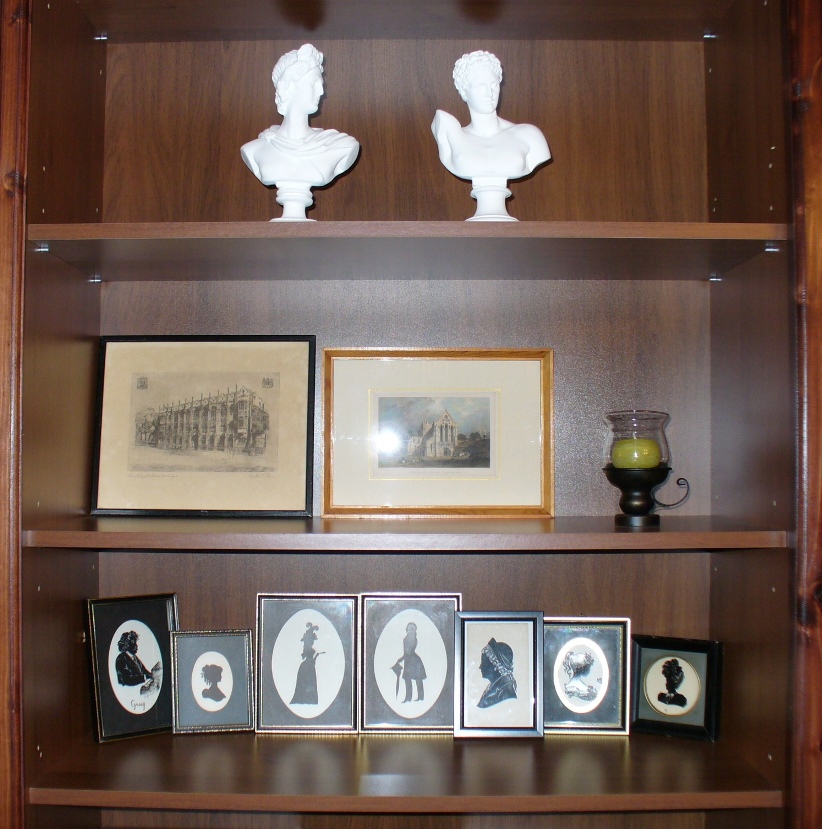
The magic of the ancient world can be smuggled into our homes fitting for today’s modern principles also. Wide range of mosaic tiles can be found among pavements. Natural stones can be purchased not only for floor tiles but wall paneling also as ultra thin stone-veneer and stone-wallpaper. Let’s use hollow faux pillars as decorating elements if they fit for the evolving of the flat/house. Furniture decorated with caryatids, antiqued metal accessories (faucets, lamps, handles etc.), white gypsum statues and amphora shaped vases can make our endeavor to this style more accented. Stay with natural combinations of beiges, whites and browns, these can be more luxurious with a tint of gold (for example, golden mosaic decoration in the bathroom). Any bright color will look good with these as additional color.
Ask for help of an interior designer for creating ancient style interior.

Facebook

Halloween decor

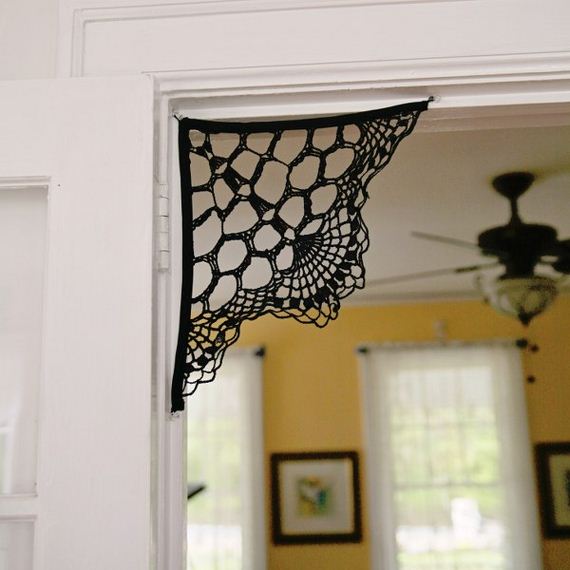
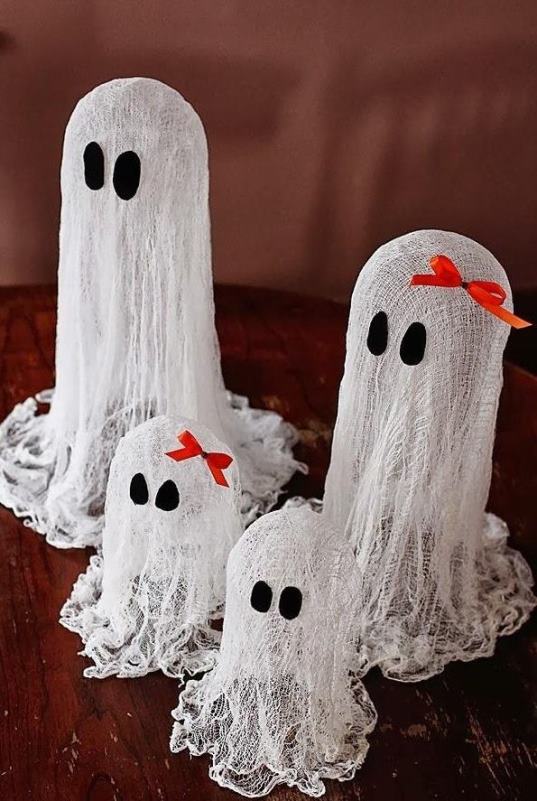
DIY decoration ideas for Halloween

Facebook

Pictures elsewhere

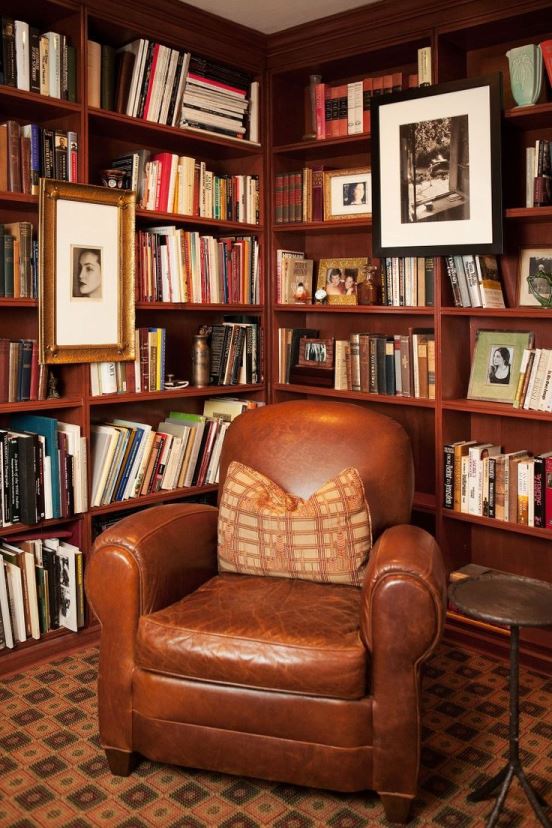
Framed pictures can be displayed not just hanging on the wall

Facebook

Door wreaths 7.

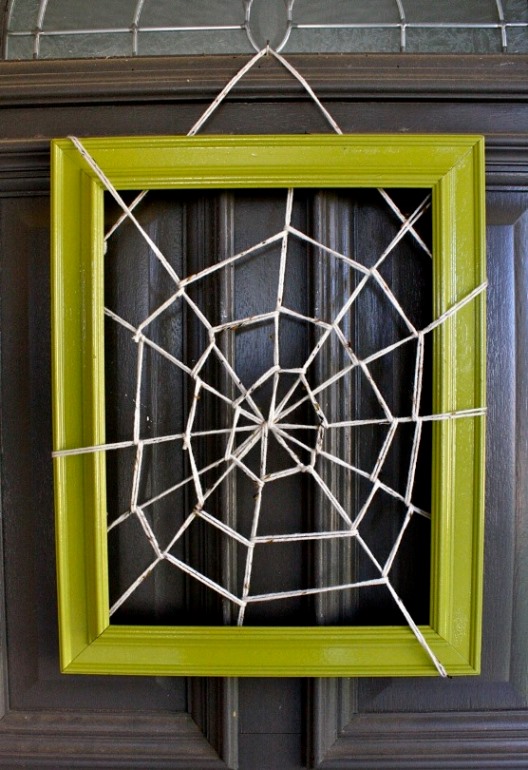
Halloween door decors – even DIY

Facebook

Fall candle holders

Cosy candle holders made of fall fruits

Facebook

TV2 interview

My interview by interior design series “Szépítők” of TV2 can be seen on this link. It starts right after the short introduction.
https://tv2.hu/musoraink/szepitok/245440_csokkentheto-a-lakashitel-osszege.html

Facebook