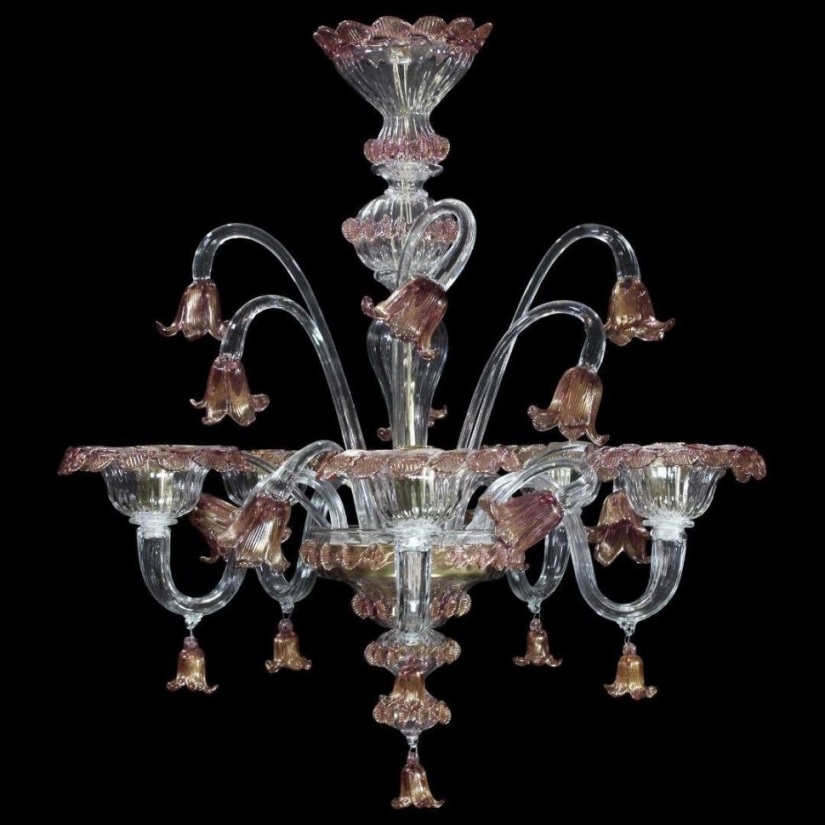
Classic architectural and furniture decoration motifs: acanthus leaf, caryatid (female figure used instead of a column), egg and dart

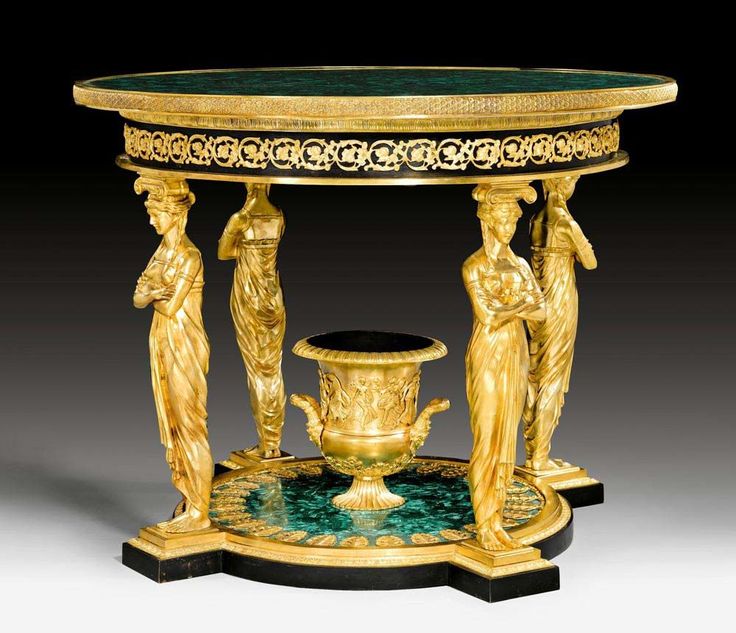


Classic architectural and furniture decoration motifs: acanthus leaf, caryatid (female figure used instead of a column), egg and dart
Botanical prints never go out of fashion, but we can modernize them with a pinch of black
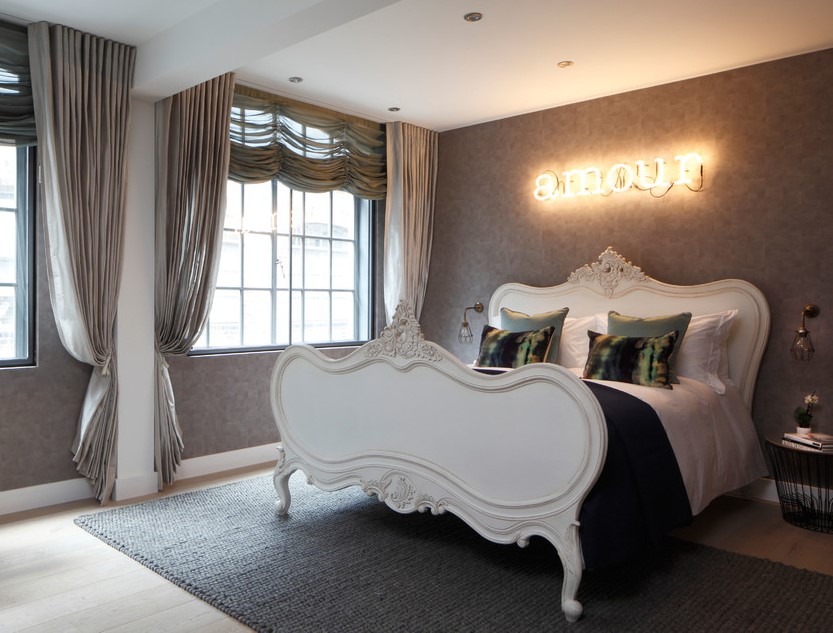
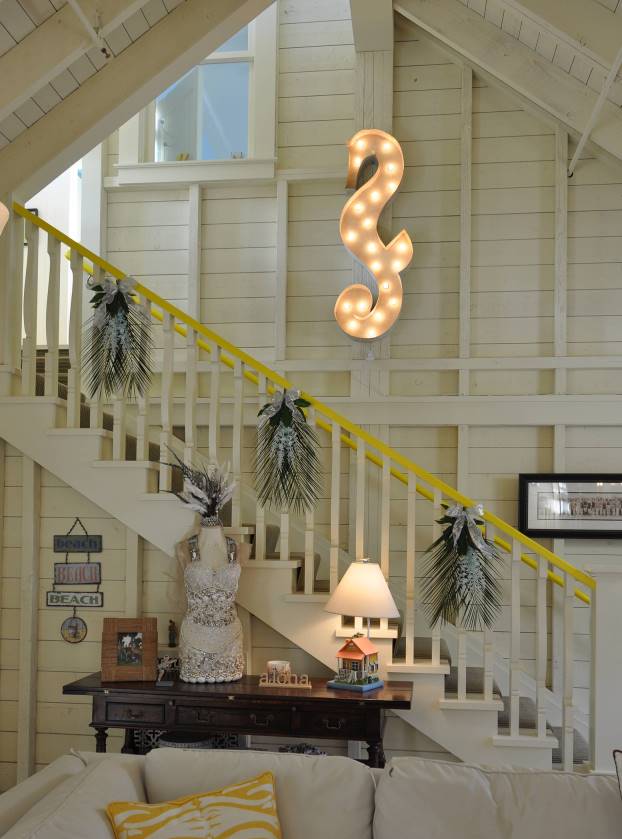
Lighting letters and neon signs are not just decorations but work as moodlighting too
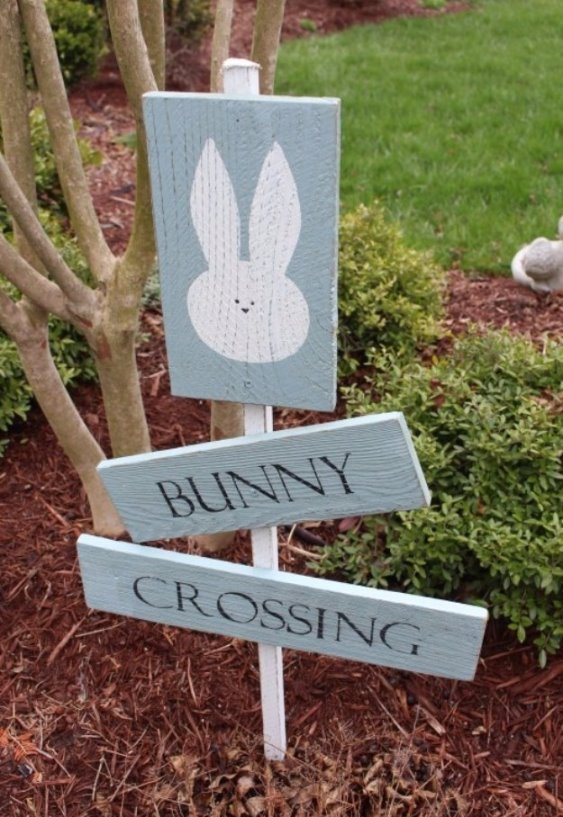
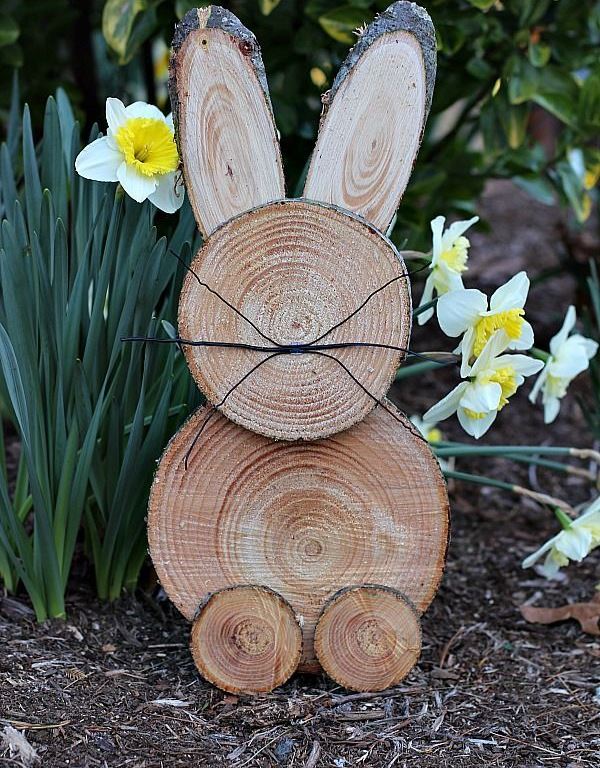
DIY outdoor decoration ideas for Easter
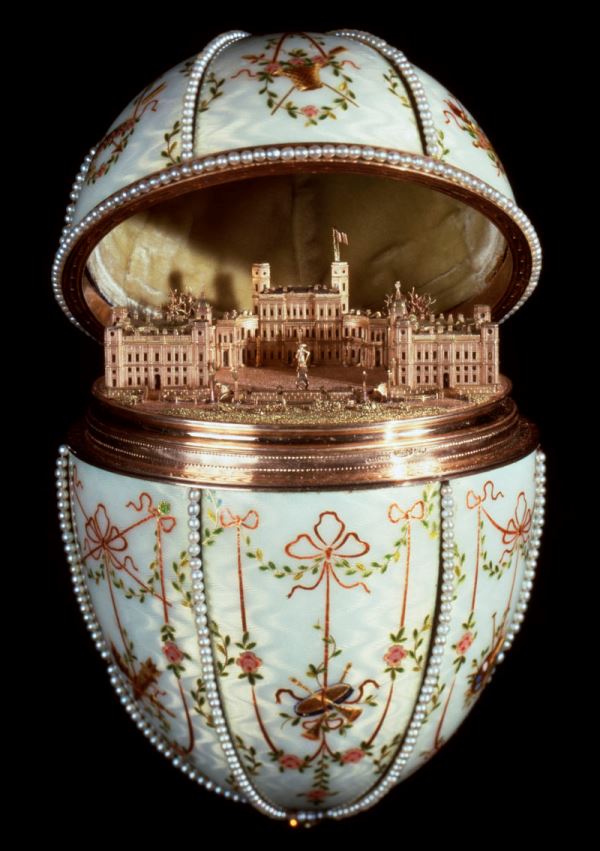
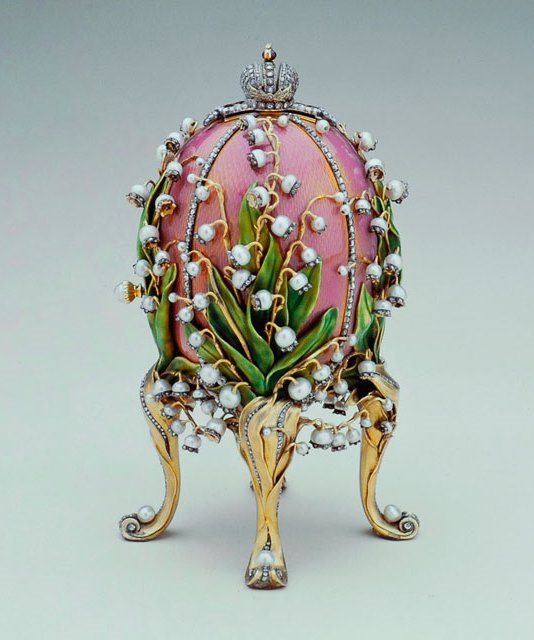
Peter Carl Fabergé (1846-1920), French origin jeweler in Russia was known by his valuable Easter eggs made for the family of the tsar. The first one was made in 1885 and the last one in 1917. We are apprised about 71 eggs, but only 62 of them are known, the others probably are in hands of private collectors or were destroyed in the storms of history.
The collection started with a white enameled golden egg which hid a miniature hen and it hid a much smaller crown. The czarina – who got it from her husband – was so much pleased, that thereafter the tsar ordered one for every Easter. After his death, his son, Alexander II. continued the tradition. He presented a new piece not only for his wife but for his mother also.
The material of the eggs is gold in common, their surfaces are decorated with precious stones, pearls and enameling. They can be opened up or apart, inside they hide a surprise: mini chaise, dancing ballerina, miniature of the palace, portrait, music box etc.
The jeweler made similar eggs not only for the tsar’s family but for other wealthy customers also, for example for the Rothschilds and the Nobels. All of them are high-quality masterworks, unfortunately the secret of production went into the grave by Fabergé. Nobody could copy them since then.
Various ceramics are present in our homes as interior domestic and decoration objects. Commonly we don’t care what they are made of and to which group of the main term they belong. Here is a brief review which can be useful in the case of planning to collect similar objects.
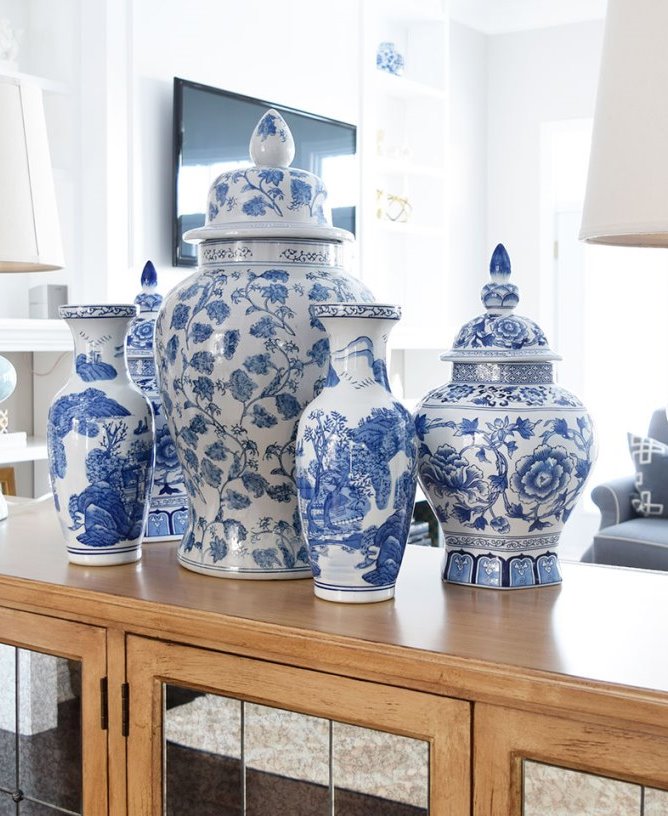
The main features of porcelain that provides its popularity are whiteness and translucency. Kaolin is the main material used. It is burnt glazed between 1200 and 1400 °C temperature. The two types of forming it are pottering and molding. It was discovered in China in the 14th century. The first porcelain manufactures appeared in Europe only in the 18th century (France, Prussia, England).
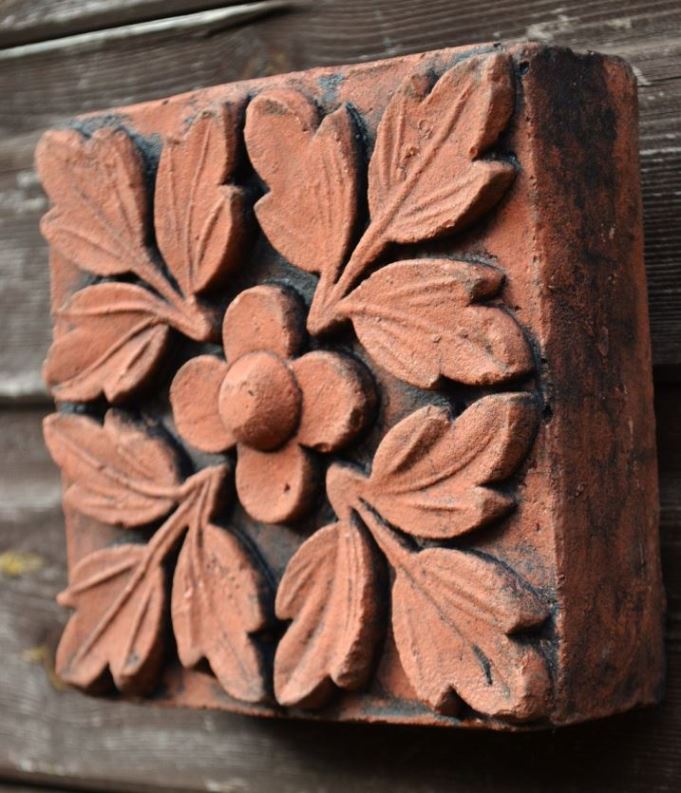
Terracotta is clay based, glazed or unglazed type of ceramics. This is the earliest material used in history. The end product’s surface is porous, brownish-orange in color, burnt around 1000 °C temperature. It is formed by potter’s wheel. The raw material is very soft, easy to form and decorate by different tools.
Stoneware were already made around 1900 B.C in the valley of Indus. The name is deceptive because the material is a special clay and not stone. It is burnt in a furnace between 1100 and 1300 °C. The end product’s surface is not porous and very hard. It is a non-transparent and commonly glazed ceramic.
Biscuit is an unglazed type of ceramics which is the product after the first burning in a lower temperature. It remains porous which makes glazing easy. Its surface is much finer and marble-like, its shine depends on the temperature of burning. It came to fashion in the second half of the 18th century.
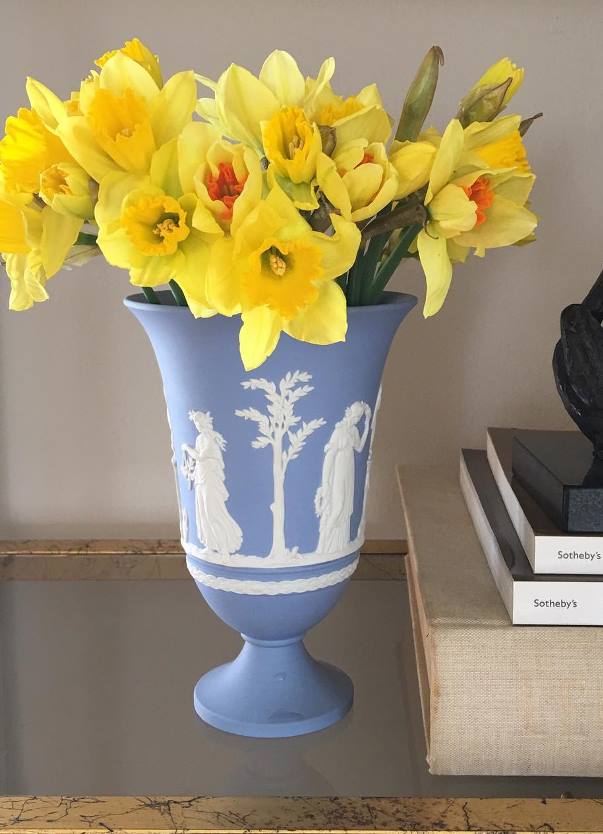
Jasperware is unglazed, matte ceramic which was invented by Josiah Wedgewood in the 1770s. Its special blue version, the Wedgewood blue is the most well-known. The surface is applied with relief work (commonly white). Barium is the main material used.
Ironstone is similar to stoneware as to durability and hardness. It was developed in Staffordshire in the 19th century. It was a much cheaper alternative of porcelain made in mass production. Doesn’t contain iron in contrast with its name.
All types are popular among collectors. Carefully look after the features, production marks and possible injuries before buying antique pieces.
Decoration is the next thing after renovating/transforming our home, which is probably the most exciting part of the procedure. Still many people stuck here. Maybe decorating the walls intrigues the most: what kind of pictures should be put on? What should be the color, size, subject etc. of them? They are uncertain if the old pictures fit to the new look and if not, what should be purchased instead?
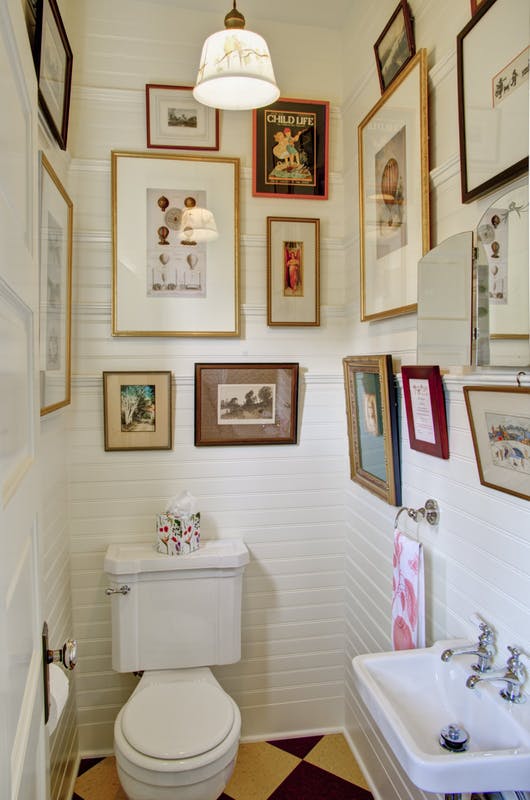
Maybe the most important thing is that pictures can be placed not only in rooms or corridors but also in the kitchen, bathroom, laundry room and even the toilet. These can be considered as rooms as well, of course keeping their practicality in scope. They will be more inviting and will fit more to the rest of the home.
Placing the existing pictures can be a bit harder, since they have to be integrated in a surrounding even in different style. Changing them is frequently not possible because of their theoretical or real value. Reframing them could improve the situation a lot. We can establish a connection between the picture and its environment by this. Basically, the frame should fit to the picture not to the surroundings, however in this case the latter can be concerned also. For those who like eclecticism, it’s not a problem to place a totally different picture in a given style.
Firstly, the total size should be defined when choosing new pictures, namely they should be measured with frame and matboard. Cutting newspaper to rectangular or square pieces is helpful to see if the size fits for the given place, if it fills the space nicely. If you wish to place more pictures organized in a shape, try the shape on the floor first and after this, take the newspapers to the wall for testing the final order. If unique paintings are liked to be purchased, first check with this method if they fit in the place, since in this case the size is totally determined.
Defining the subject can create further problems. Many people think that only pictures of seaside should be applied in bathrooms, pictures of foods to the kitchen and drawings to children’s room. But there is no such a rule. However, it’s practical to keep the basics of Feng Shui. For example, a ship tumbling on the stormy ocean is not exactly the best choice of subject for a bedroom…
Owners manage colors much better. The new picture should be fit to either the color theme of the whole home or be a part of the additional pop-colors. The sight can be made more accented with proper lighting. Sometimes in the designing phase the interior designer has to start with the color and subject of a given picture. In this case, the picture will harmonize with the implemented interior, of course.
Ask for help of an interior designer for choosing and placing the best pictures for your home.
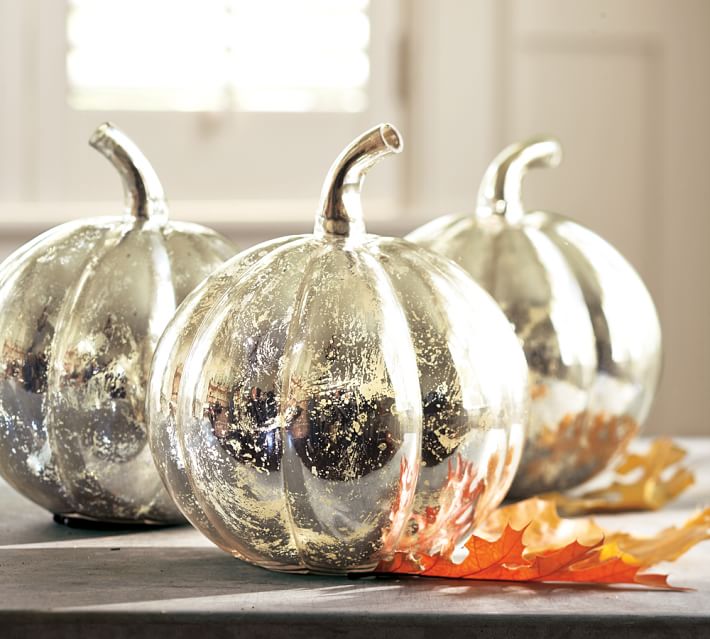
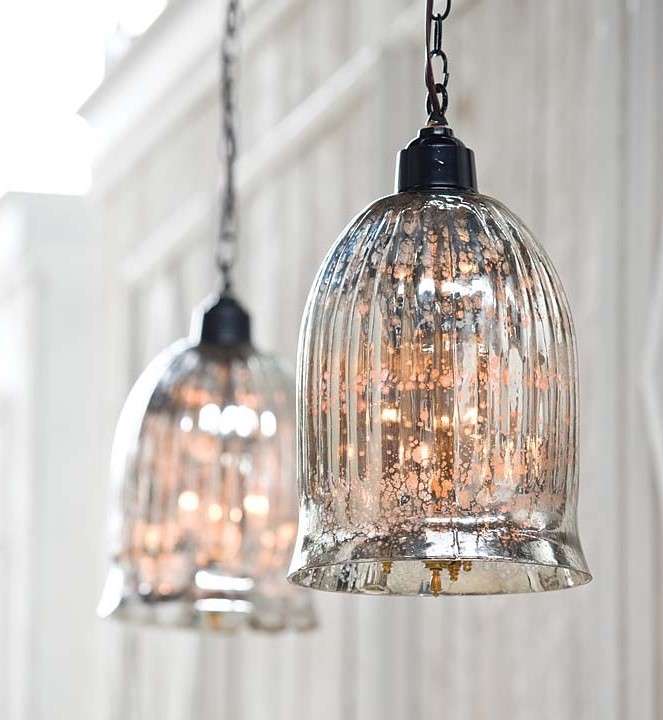
The so called „silver plated” glass (mercury glass) was very popular in the 19th century, it was developed in Germany at the beginning of the century. It was purchased instead of real silver, because of its silvery shine by those who couldn’t afford the real ones.
In spite of its name, it doesn’t contain any pure silver or mercury. Double layered object was blown of glass and silver nitrate was injected through a small hole between the layers, then the hole was closed. For example, candle holders, doorknobs, jugs, goblets and vases were made this method. They soon became popular in England, France and in the USA also. After a short break, it became fashionable again around 1900 thanks to the Christmas ornaments and faux fruits made of it. Even colored variations appeared in the 20th century.
Collectors are still looking for original pieces. If the air gets in between the two layers, the silvery coating oxidizes and becomes freckled. In order to prevent this, the original seal (lead or wax) on the hole shouldn’t be harmed.
We can make silvered glass replica DIY. Fill a spray with water and vinegar in 1:1. Spray the desired object with „mirror” paint. Let it dry for one or two minutes, then spray the surface with the vinegar mix. Push it around with a paper towel. This not only soaks up the surplus but the desired cracked mirror effect is created this way too. Let it dry completely.
These decorating objects fit very well to the elegant and country classic styles also. In case of uncertainty, ask for help of an interior designer for the decoration.
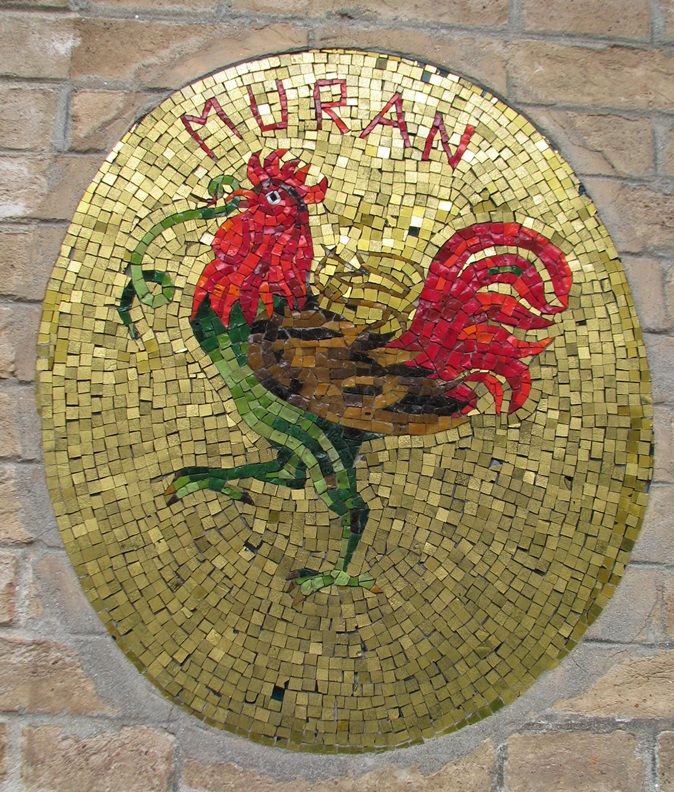
Murano is famous by glass production, it is 1,5 km far from Venice and lays on five islands. The Venetian glass blowing manufactories were expelled from the city because of the frequent fires and they then moved to Murano.
The glassmaking of the neighborhood was famous since the 10th century. The first rule book of glass manufacturers was dated in 1271 and updated continuously. The rules in it covered all the details of glass art: tools, rooms, prentices and masters also. The secret of glass production was strictly kept, since it was important export item of Venetian Republic. That’s why the people who were working there, it was forbidden to leave the Republic. Anyone who bespoke the secret of glass making to an outsider, was punished to death. The glassblowers got more privileges in exchange for this, for example they could be married to noble families.
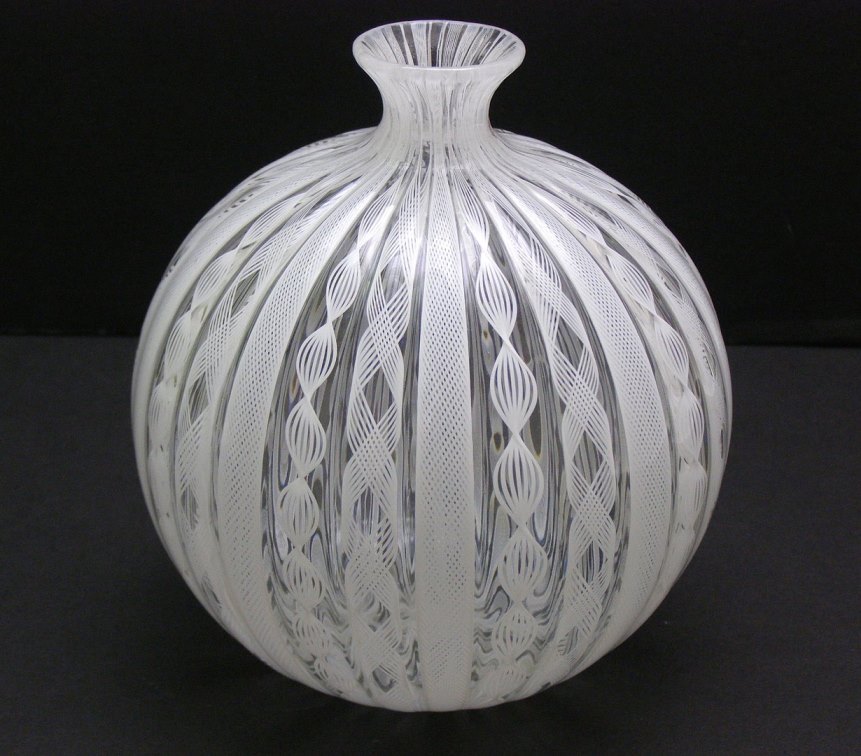
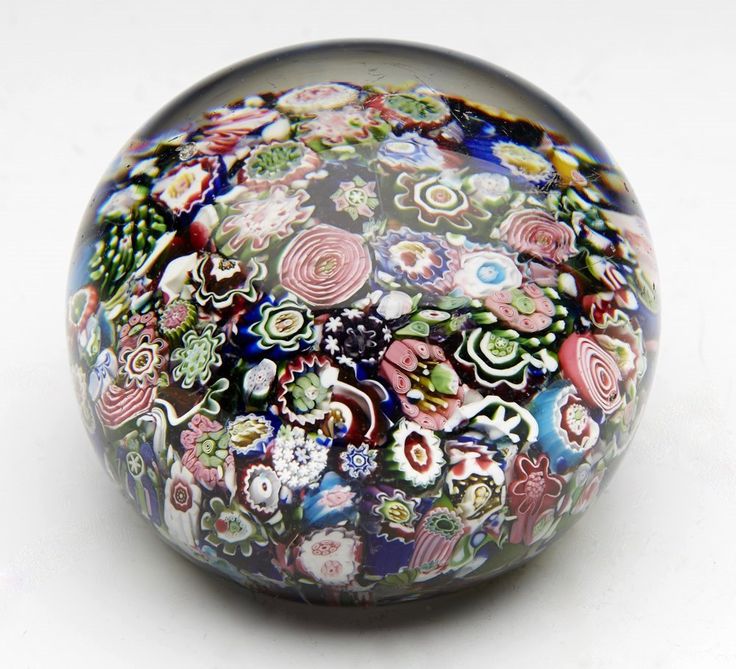
They were famous by the fine quality and special glass making techniques also. The most famous are crystal glass, enameled glass (smalto), gilded glass (aventurin), multicolored glass (millefiori), milk glass (lattimo) and faux precious stones made of glass. First they made only household objects (vases, plates, paperweights etc.). The product range was widened with other interior design objects, for example mirrors and chandeliers. A newly founded workshop began to produce glass tiles from 1854 for renovating the glass mosaics of the buildings. The product range was widened again in the turn of the century by the boom of tourism. They started to produce sculptures and other decorating objects, glass jewels and souvenirs. The session is not a top secret anymore, insomuch glassmakers make their products on the streets to entertain tourists. The Murano glass remained important export items. New household objects appeared in the product range fit for modern times: doorknobs, electric chandeliers, lampshades, handles of faucets etc. The quality is still the highest.
A bigger Murano glass object, for example a chandelier, can be easily the focal point of a room. If you would like to make your home special with a decorating or household object of this kind, ask for help of an interior designer for designing.
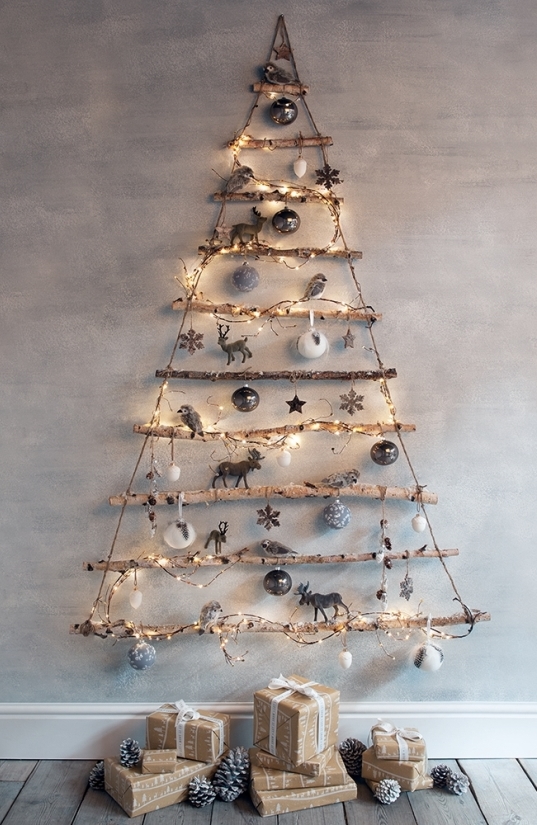
Some ideas for those who can’t or doesn’t want to buy a christmas tree