Edible decorations for Easter
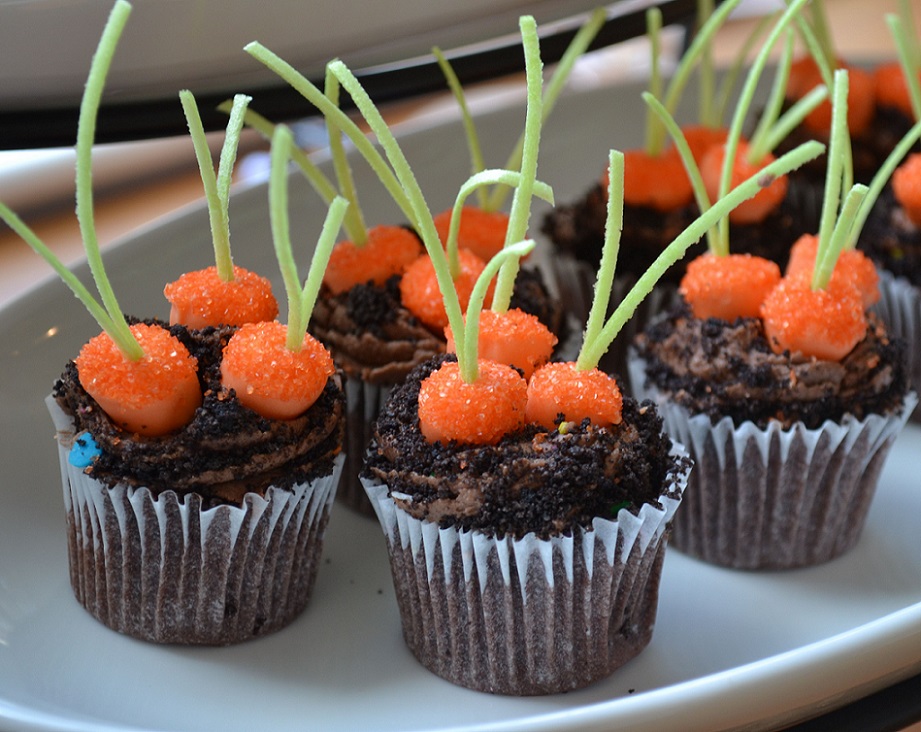

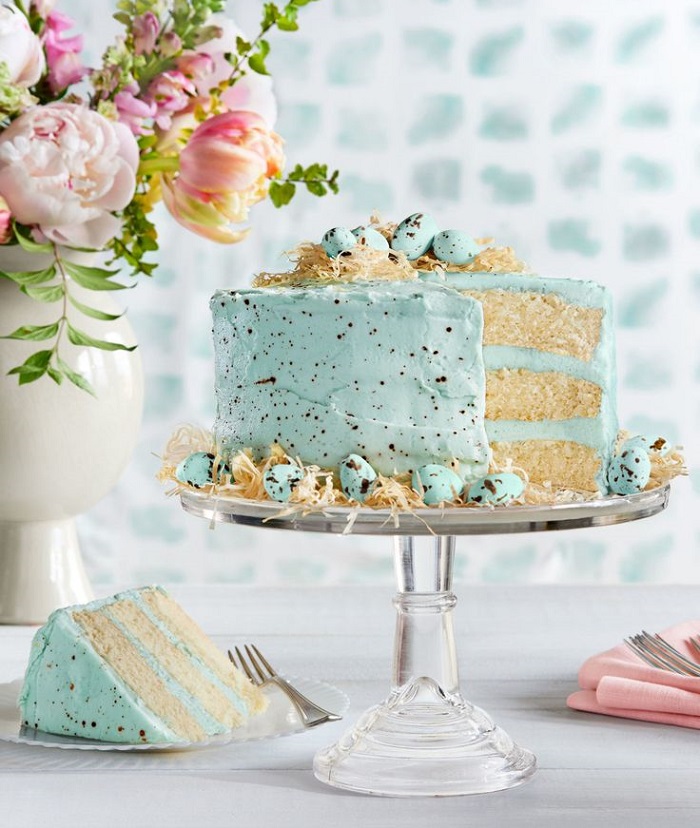

Edible decorations for Easter
DIY outdoor Valentine’s Day decoration ideas
Christmas decoration goes back to the boxes after the holidays. The „emptiness” can be odd in the first few days because our home was resplendent in colors and lights for a month. However, the Christmas decoration can be transformed to a winter decoration with some clever tricks, this way the mood can stay until spring.
Firstly, take the red color out of the palette, because this reminds us to the feasts mostly. Let’s work with neutral colors. Plain evergreens should be placed in the vases instead of holy berry and other berry-branches. Cotton sprigs or just bare branches can be added to them.
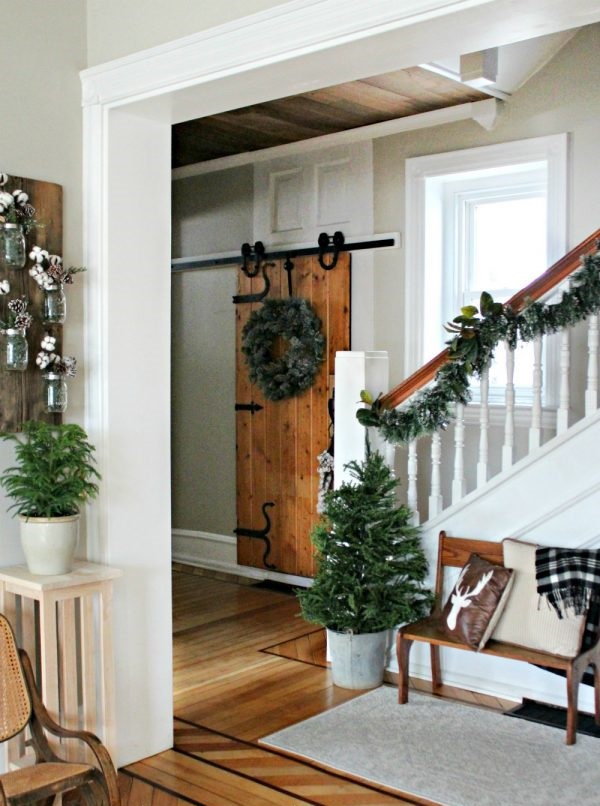
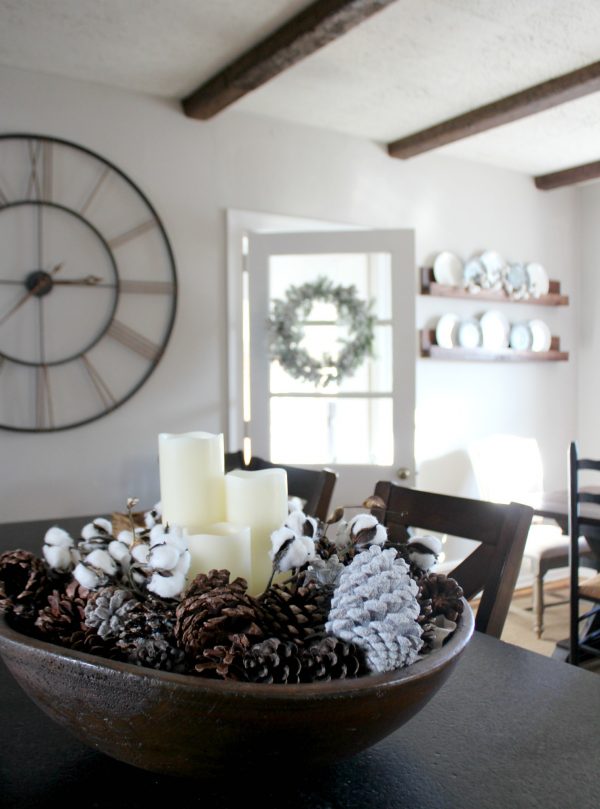
Potted mini thujas/pines sprayed with faux-snow look good instead of Christmas table centerpieces. Color bubble ornaments in a bowl should be changed to whitened pine cones, for example. Fairy lights, Christmas ornaments and bows should be taken away from pine garlands. Let’s change the door wreath to a more neutral and simpler one. This can be made of pine cones, ivy, pine-branches etc.
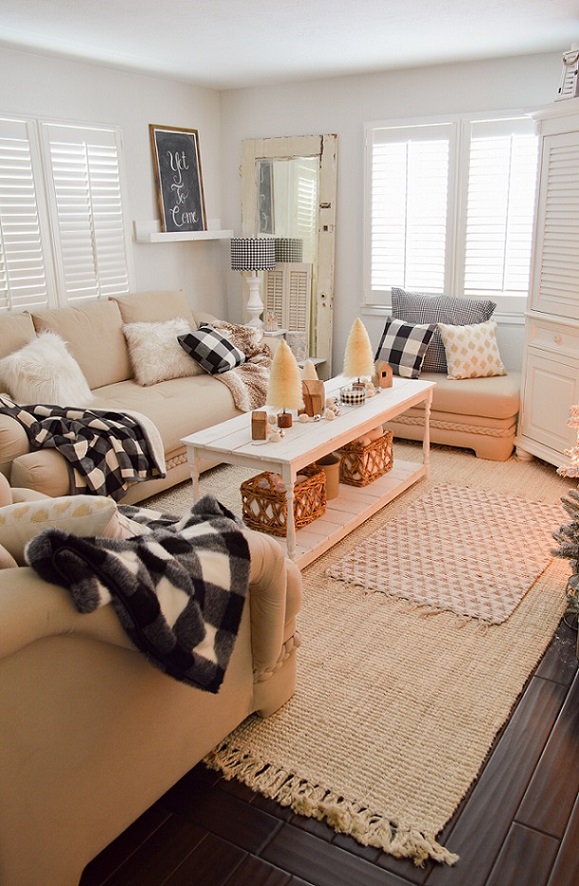
Blankets and cushions made of checked flannel or knitted material have a winter atmosphere also instead of seasonal pieces. The red color can be kept in this case if it fits for the mood of our home.
We don’t have to get rid of fairy lights also. They are nice mood lightings, for example in a big glass vase, in a bowl with full of apples, in the fireplace (during out of order) or fixed to the curtain rod, in these early darkening days. The same is true in the case of candles and tea lights.
The red poinsettia should be replaced with a white one. Any kind of faux-snowed decoration can stay if it is divested from its Christmas features, namely less glittering and colorful accessories are given to it.
Ask for help of an interior designer for decorating your home also.
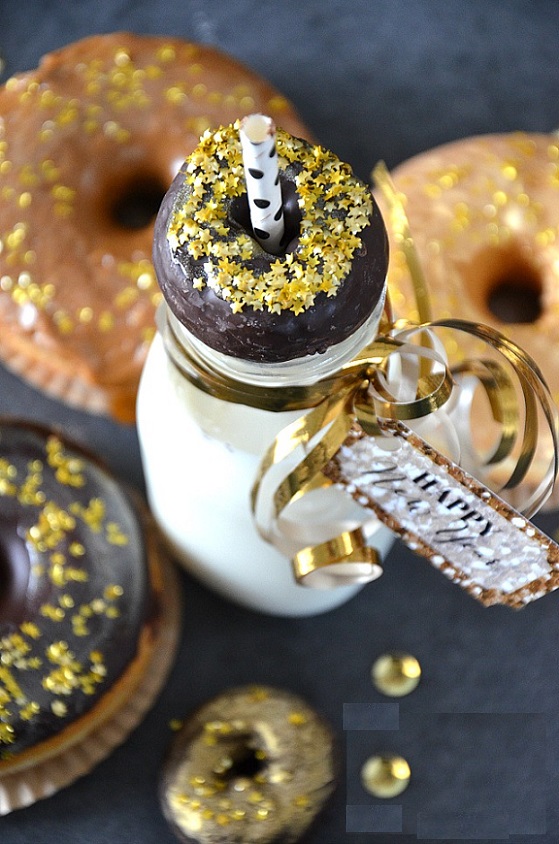
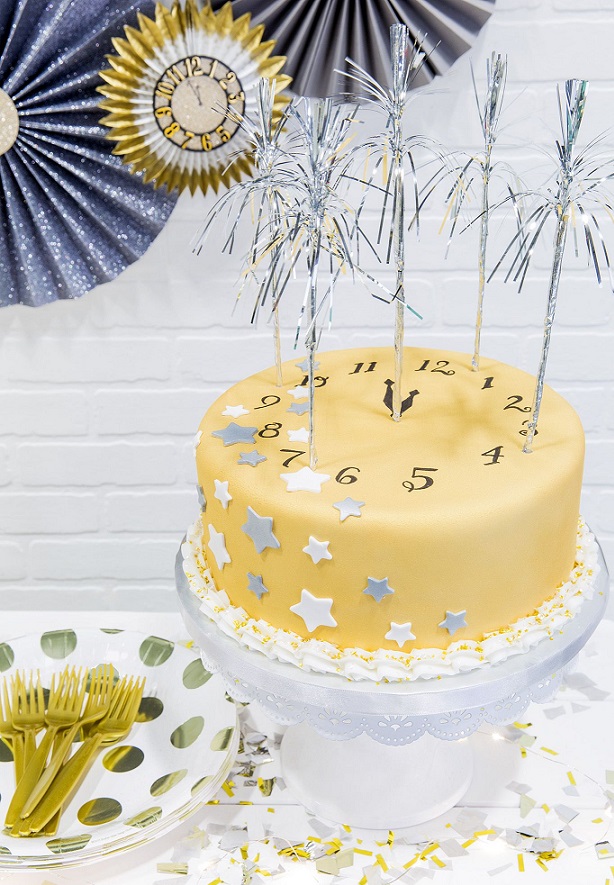
Edible decorations for New Years Eve
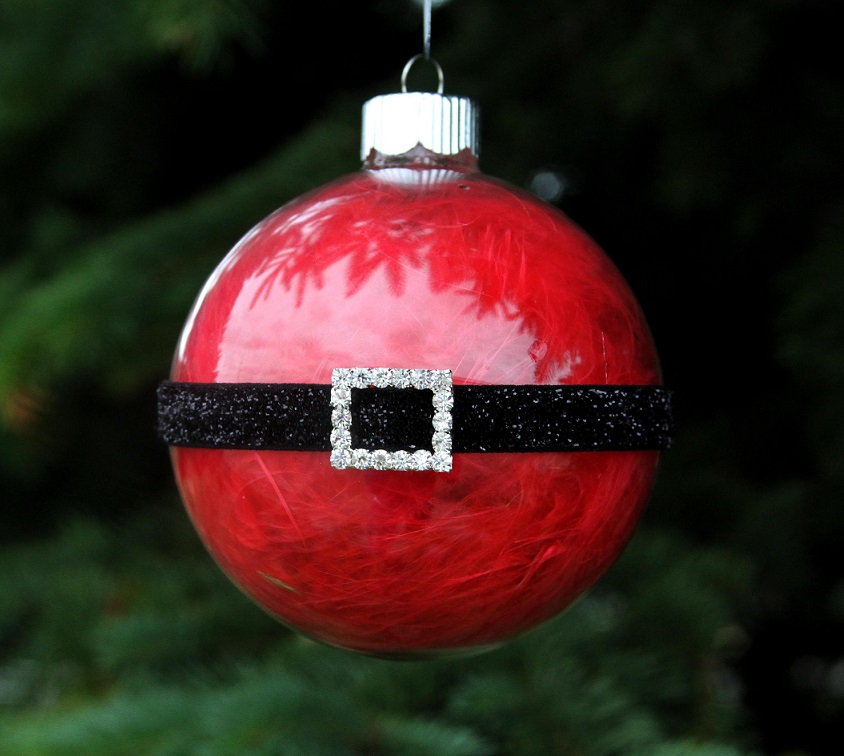
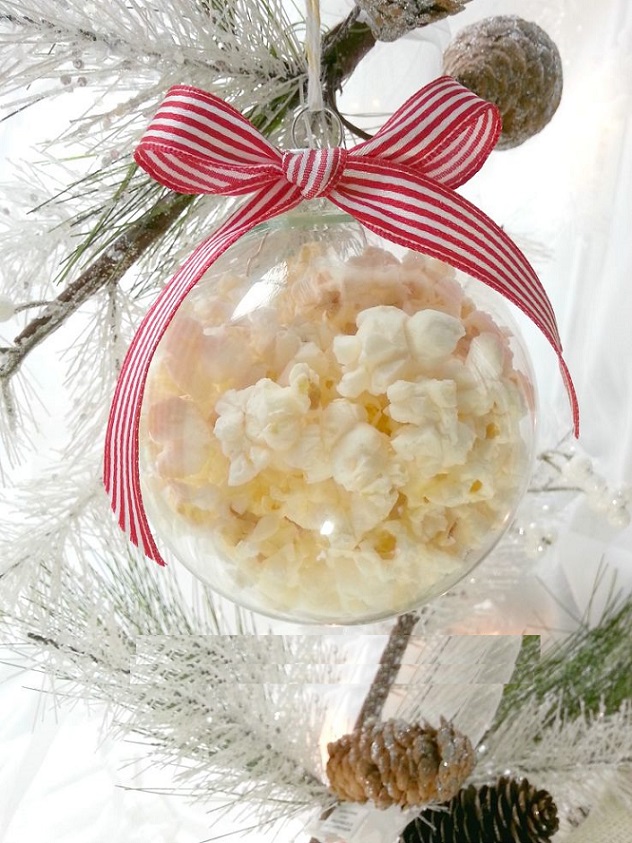
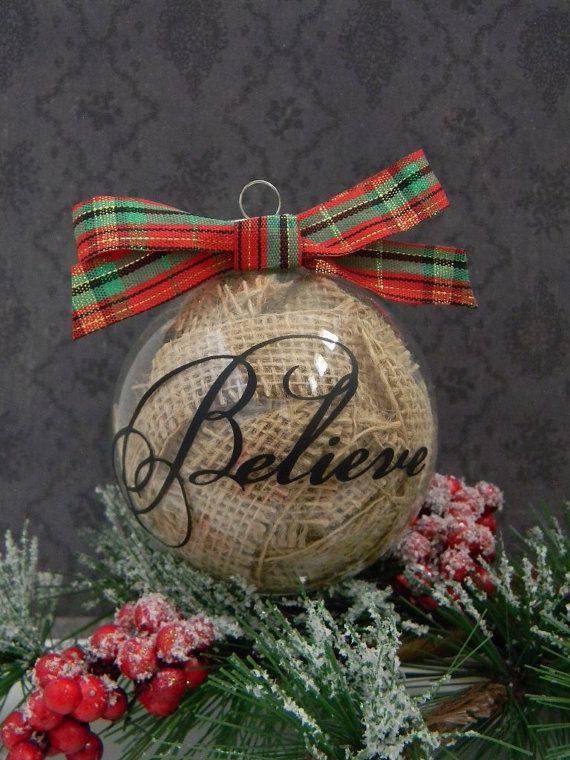
Decorate the ready-made, empty christmas balls in our unique style
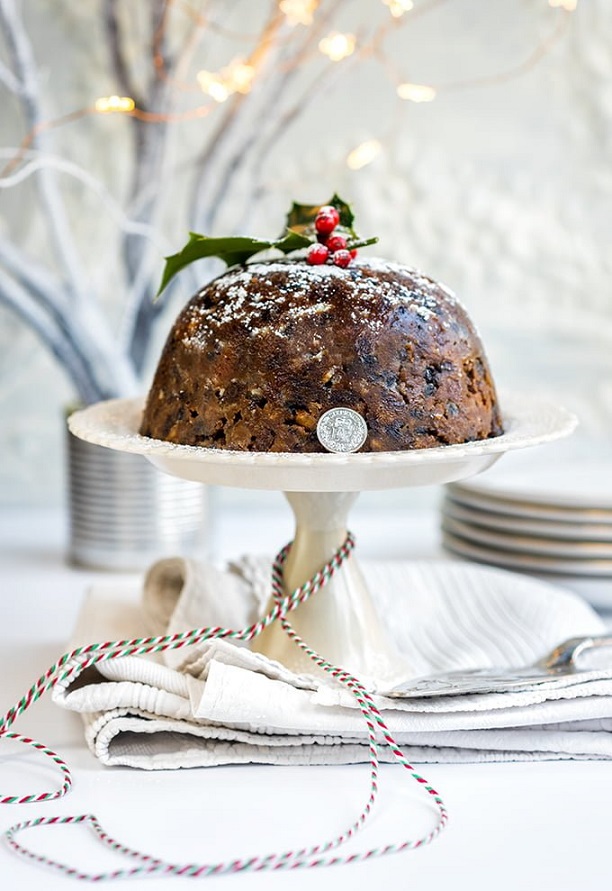
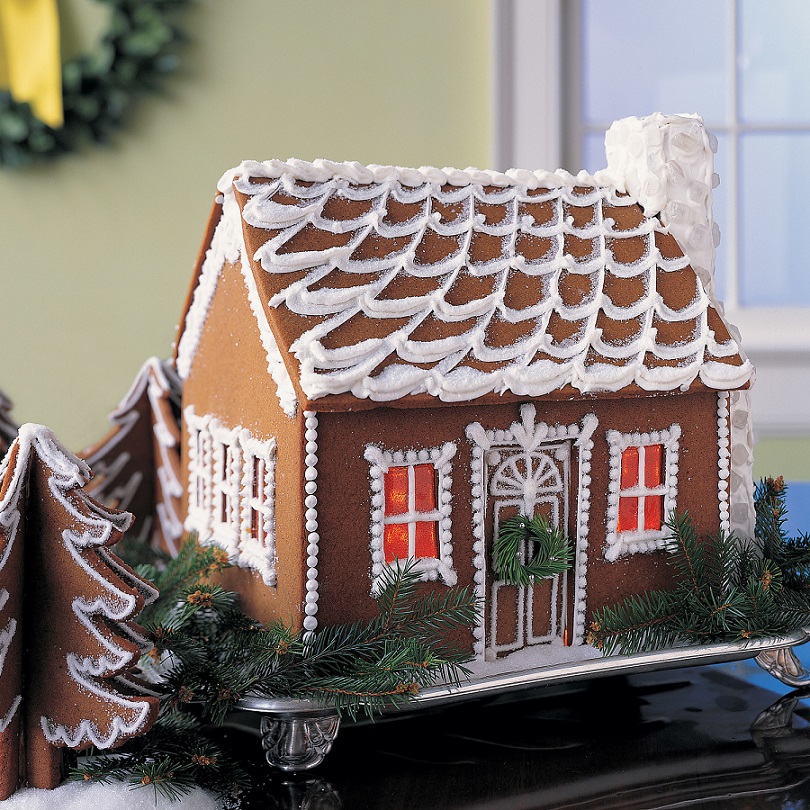
Edible decorations for Christmas
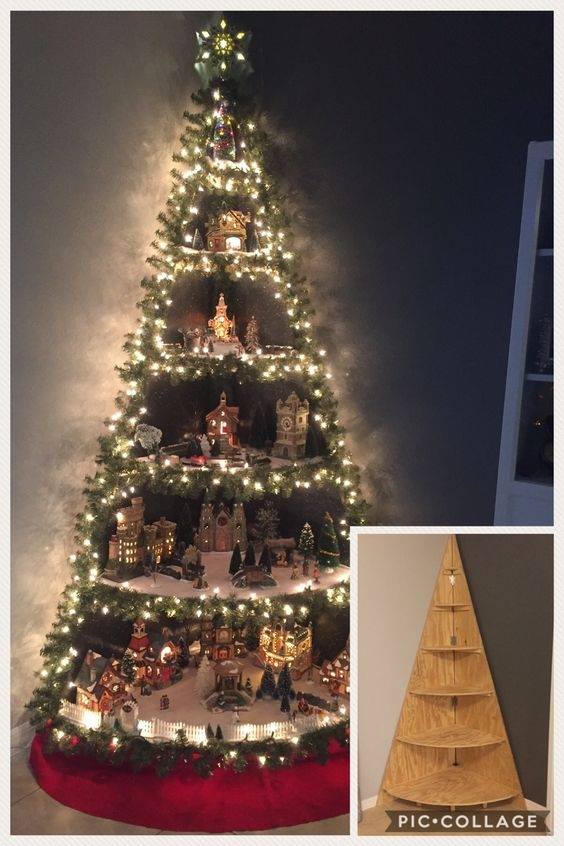
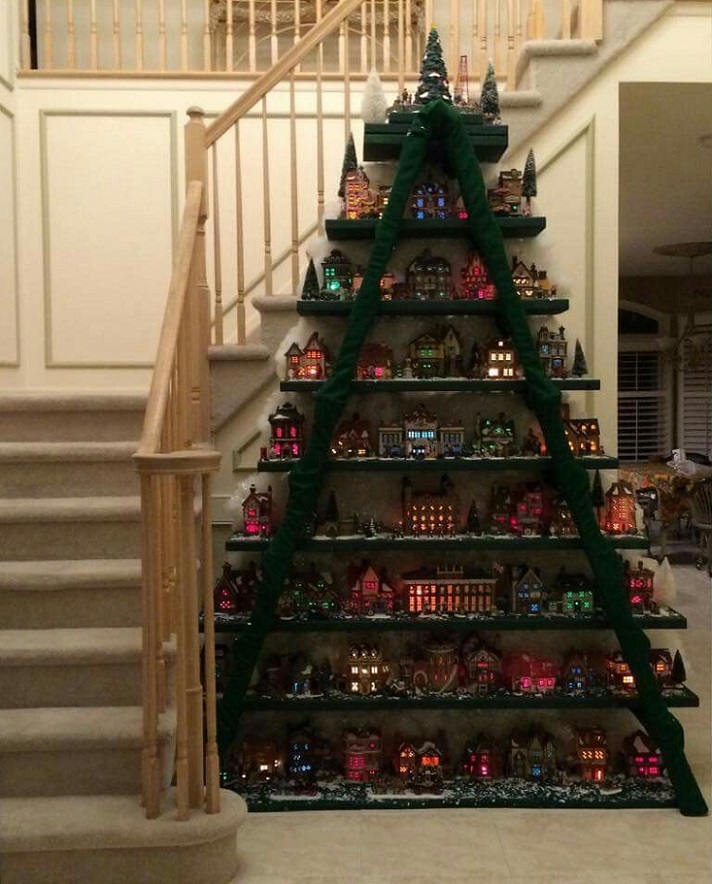
„Built” christmas trees for DIY fans
The winter decoration will be complete if snow covers everything outside. Unfortunately, the weather can’t be affected, snowing might frequently missing. There are more possibilities for faux snow decoration in our home. It’s true, this will be inside but it creates perfect mood for the festive decor.
Faux snow is available in shops. It looks like a pile of small plastic splinters. It is shiny, reflects light almost as a prism. Instant faux snow is a much better version than this. This is a dry material which rises hundredfold connecting with water but it isn’t wet to feel. Sometimes water has to be sprinkled on it keeping the faux snowy look. At the end of the season it just has to be dried and can be stored for the next year.
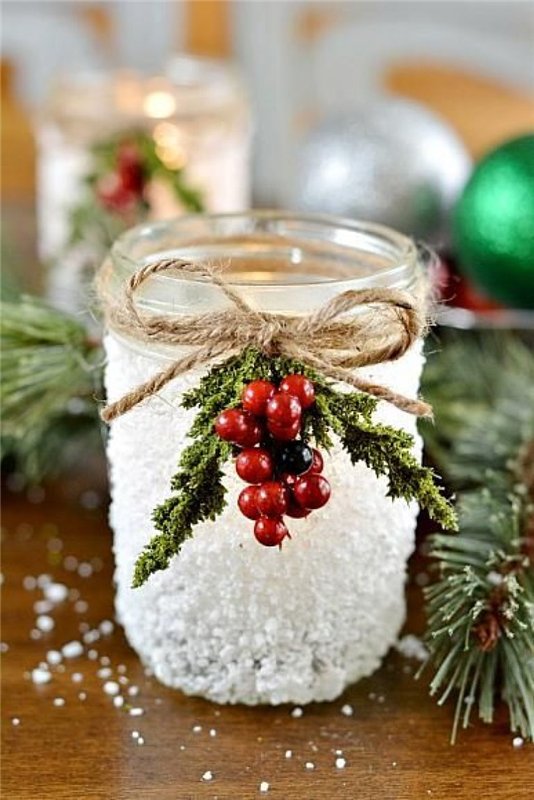
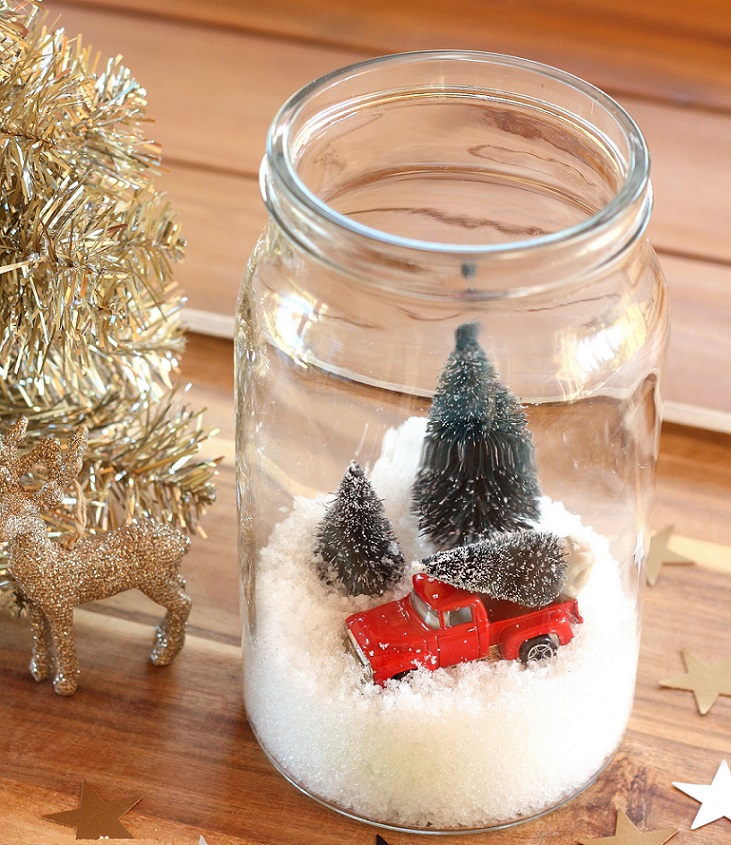
More natural materials can be used for the proper sight also. The simplest solution is the large grain salt and granulated sugar. Although it is not practical to disperse them on the floor but they look good in varied storages with decorations. They shouldn’t be connected with water.
The 1:1 mix of shaving foam and baking soda produces a well-formable and cool-to-touch material from which even a mini snowman can be built. It can be a great fun for kids.
Cotton wool and wad are frequently used as faux snow. If the weather is dry, they can be placed outdoor also. The patio can be covered with it, potted plants can be put around or „snowballs” can be formed from it as well.
Let’s put some torn white textile coffee filters or paper hand towels in the blender and cut them up. The result will be a medium long fibred, light and spreadable material. Maybe it’s a bit harder to clean it up after the feasts but it’s worth the look.
Real snow can be replaced with many more materials (e.g. bath salt, faux snow spray, tiny polystyrene balls, soap gratings). All of them look different, will have different effect on the decoration, but the winter mood can be achieved this way also.
Ask for help of an interior designer for seasonal decoration of your home.
Berried branches are integral part of the autumn-winter decoration. Bright colors of crops look very good among dark green foliage and brown branches. Let’s get familiar with the most common ones.
Holly berry (Ilex aquifolium): evergreen shrub. Leaves are shiny, dark green, wavy edged and spiky. Berries are bold red, which are poisonous for humans.
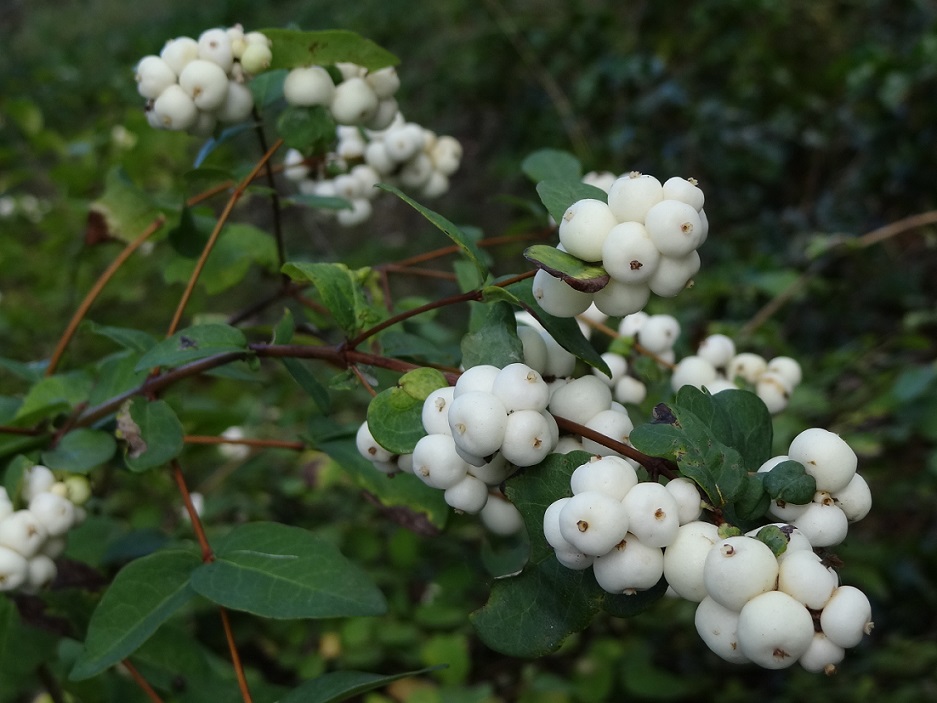
Snowberry (Symphoricarpos albus): deciduous bush. Leaves are oval, in different sizes. Its crops are in clusters. There are two seeds in every soft, white berry.
Privet (Ligustrum vulgare): this shrub decorates with its leaves. Longish leaves fall only in the middle of winter. Crops are shiny bluish black, they grow in clusters.
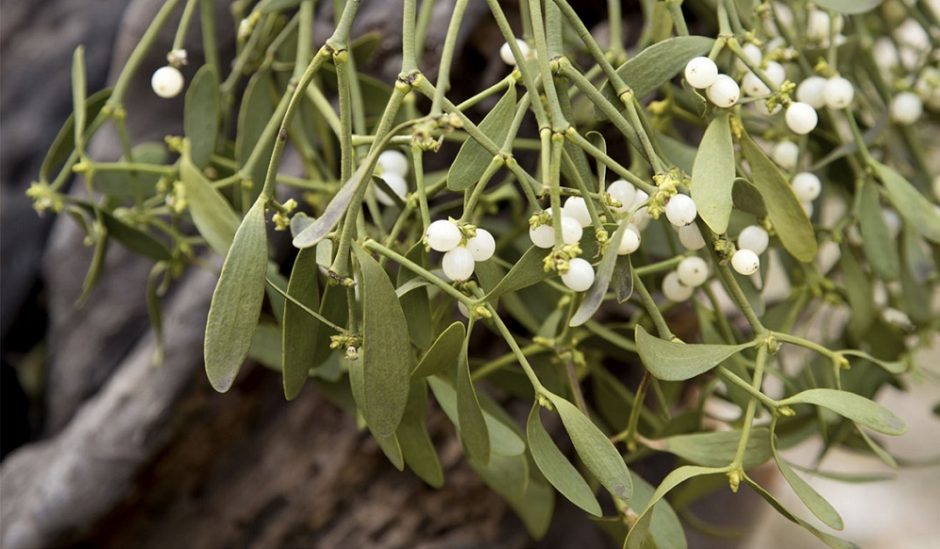
Mistletoe (Viscum album): half parasite evergreen living on trees. Leaves are greenish yellow, oval. White crops are fake-berries which are softly opaque and sticky.
Scarlet firethorn (Pyracantha coccinea): spiny evergreen shrub. Leaves are shiny, lanced, edges are intact. Crops are red (there are variations with orange and yellow berries) and grow in big bunches.
We can use several other berried brunches for decorating (Bodinier’s beautyberry, yew, rose-hips etc.). These get dry soon thanks to the warm air of rooms but still keep their color.
Ask for help of an interior designer for the season decoration of your home.
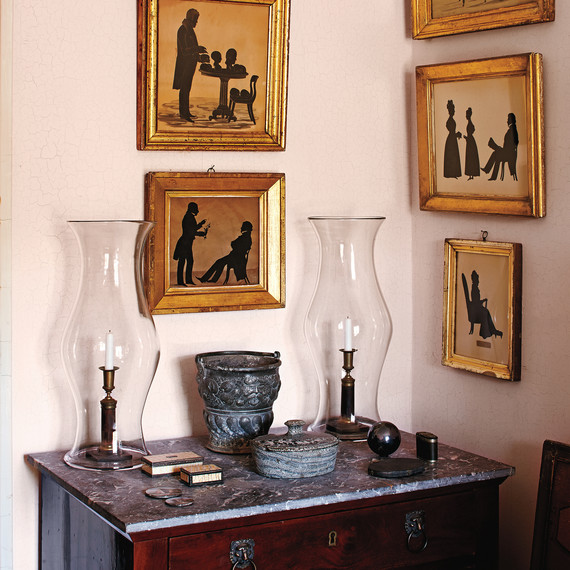
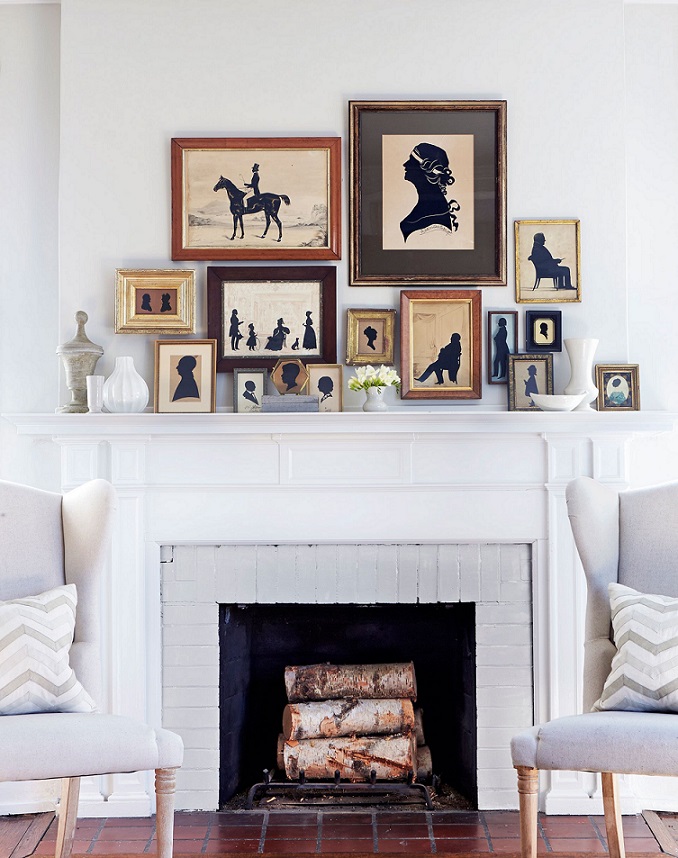
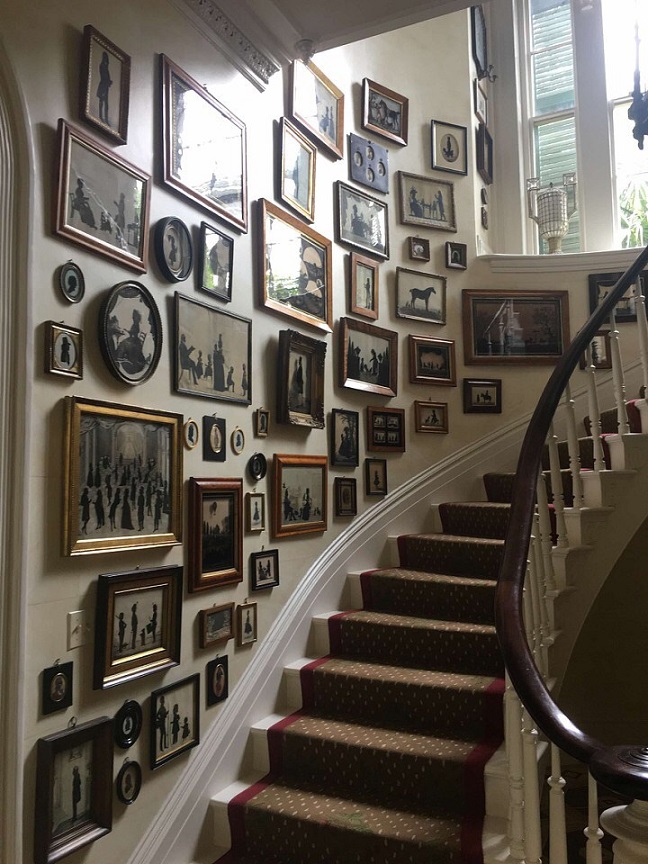
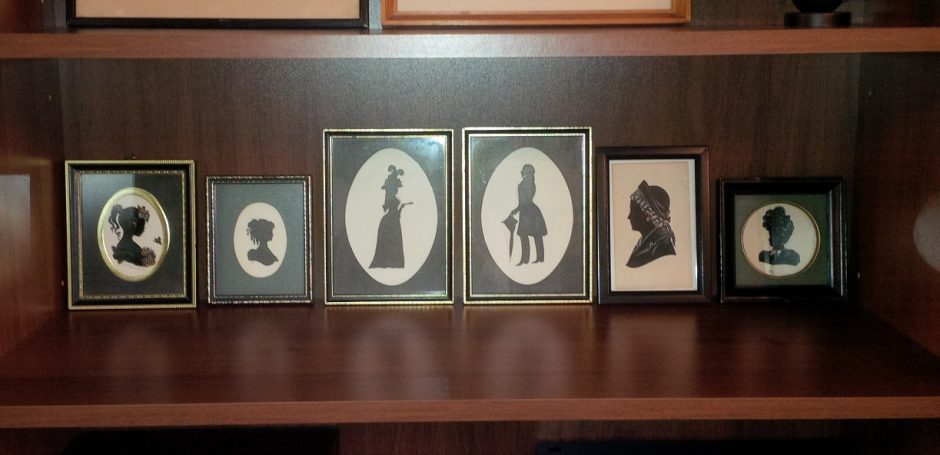
Silhouette was a popular piece of fine arts in the 18-19th century. It is a silhouette on a light – usually white – base, cut out of black cardboard or painted with black paint. Most often it is a human profile portrait (vignette) but the theme can be also a genre or animals.
This was the cheaper and faster version of portrait miniatures. The most talented artists made a silhouette by freehand in a few minutes, just looking the model sitting in front of them. The inner part of the silhouette is simply black without details, neither the eyes nor other characteristics were illustrated. Their sizes were between 7 and 13 cm. Making it was a kind of show at fairs and even the poorer could afford paying for one thanks to the cheap material. The artists not necessarily had to have a wealthy patron for their job.
Making silhouettes was a popular pastime among nobles also. The easier way was to hang a tensed paper on a mount between the model and the drawer, while the model was lighted by a candle from behind. The shadow on the paper was drawn around and that was used as a stencil for cutting the final one of black cardboard. The painted version was usually also pre-drawn and filled later with black ink.
The silhouettes were framed and put on the wall. Later variations appeared on glass, gypsum and ivory.
They can be easily fitted into fashionable, minimal color palettes thanks to their black-and-white basic colors. Ask for help of an interior designer placing your collection in a proper way.