Color pairs: blue-green
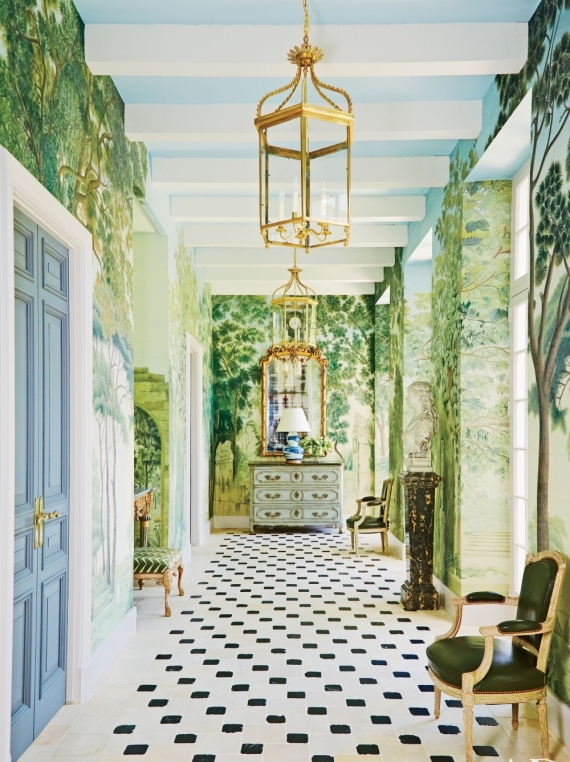
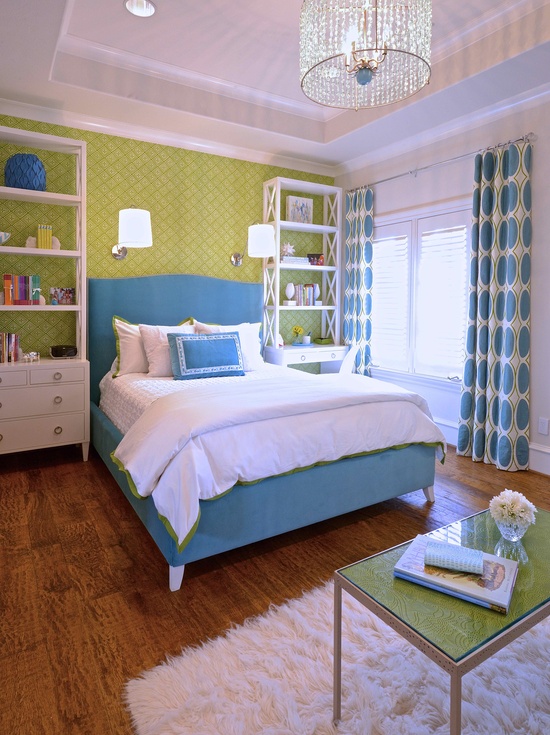
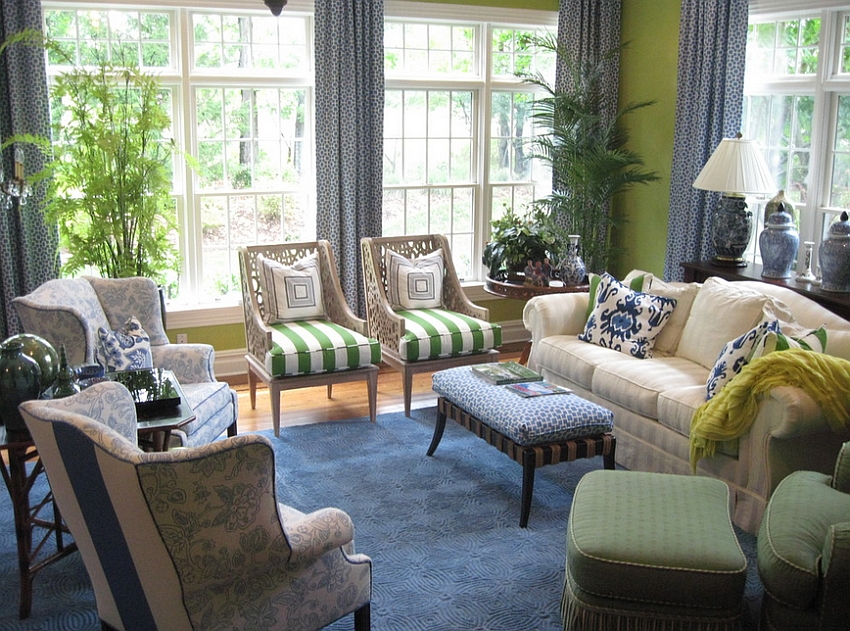

Color pairs: blue-green
Summer door decors – even DIY
When choosing a bed, we focus on comfortability and a proper position for our spine. These aspects are regarding only the mat. But how to find the optimal frame, that will hold the mat? Basically, there are two materials used for bed frames: metal and wood. Both fits to classic interiors, so the colour, form, measure and style will determine the choice.
First we have to find out, weather we would like footboard or not, if yes, how tall? Headboard will be fixed to the wall or it will be the part of the frame? How high would be the top of the mat from the ground level? Should the frame have feet or not? Do we need bed storage?
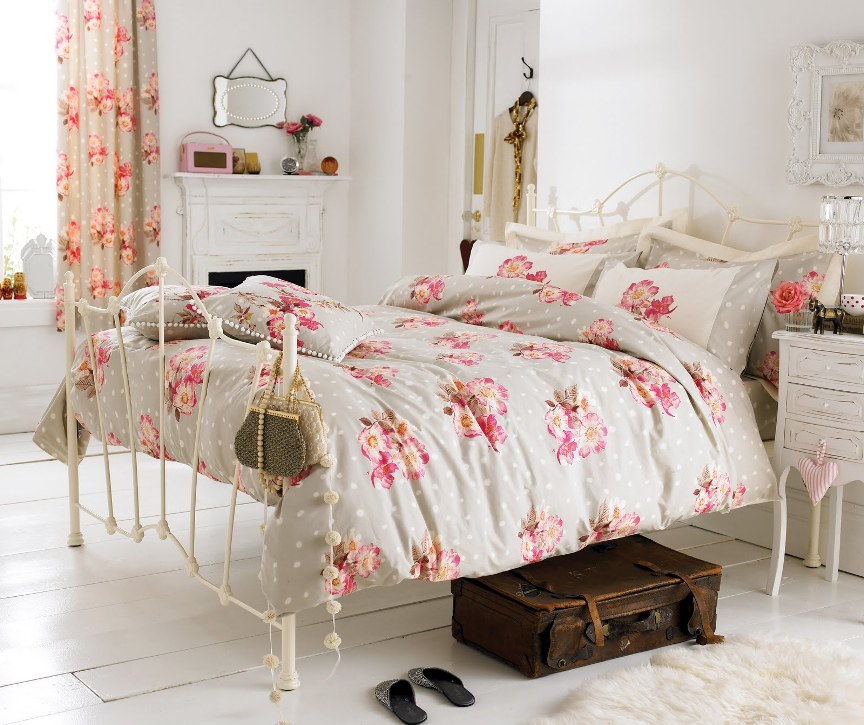
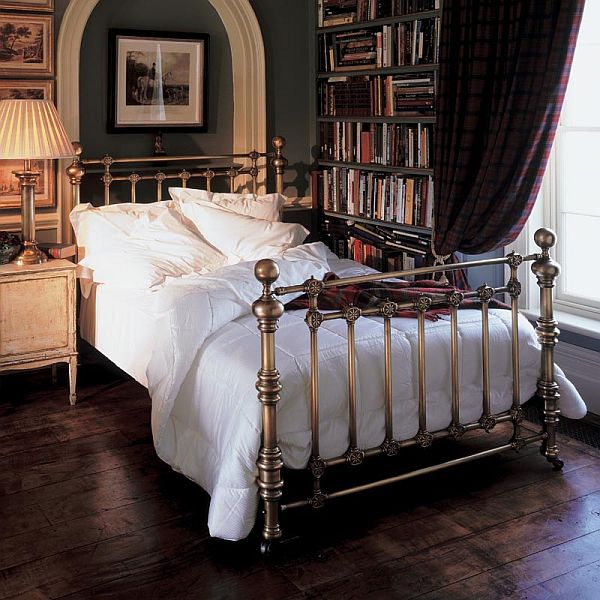
The real traditional versions of metal bed frames are made of copper, with high head- and footboard. Wroughed iron frames are usually painted. Black versions fit well in Mediterranean environments, while white and pastel versions can be characteristic elements of shabby chic and country styles.
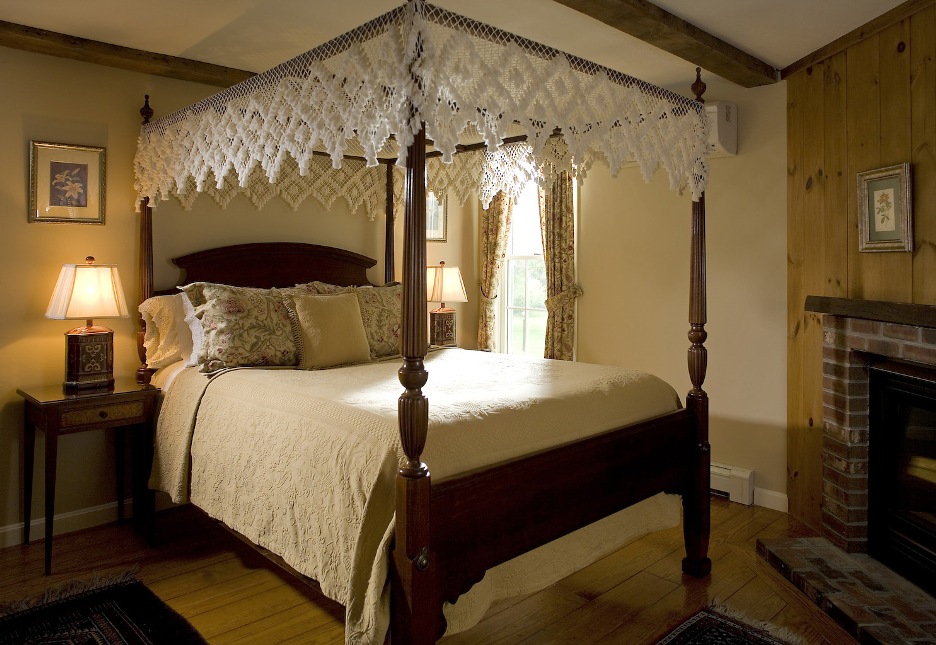
Most spectacular examples of the wooden frames are four-poster beds. They provide romantic and elegant feeling to the room. They are space consuming, in addition to, we have to be aware the ceiling height. Wooden frames can be stained, lacquered or painted depending to the style applied. Each has its own charm.
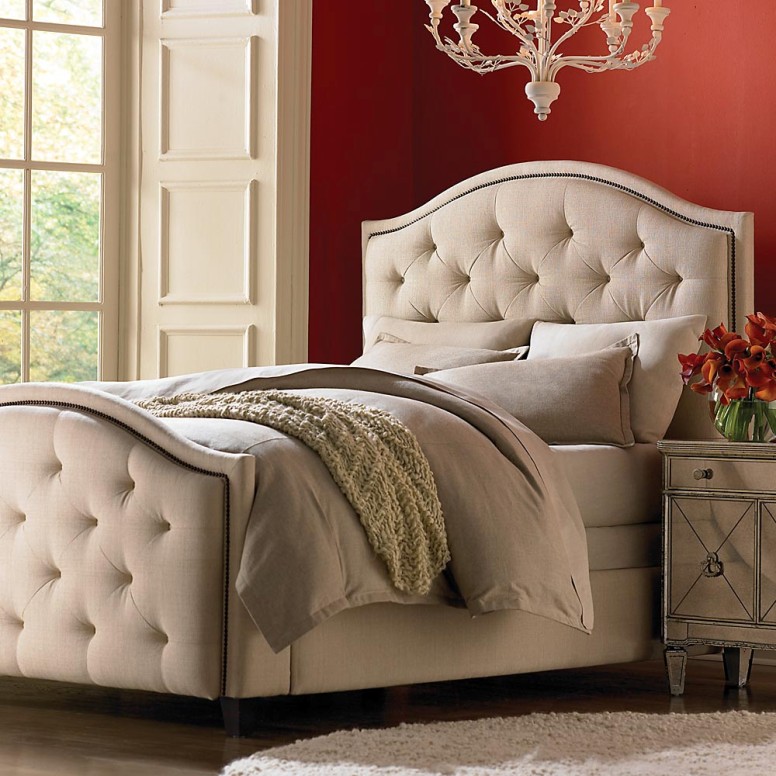
We can buy totally upholstered frame too. Using the colour of the textile, we can reach harmony or even define a focus point in the interior. The upholstering should be easy to clean. Its main advantage the softness, so we will not hit our feet if we have to pass close to it.
When buying a mat, we have to test the samples in the shop. For choosing a bed frame, ask for the help of an interior designer or style advisor.
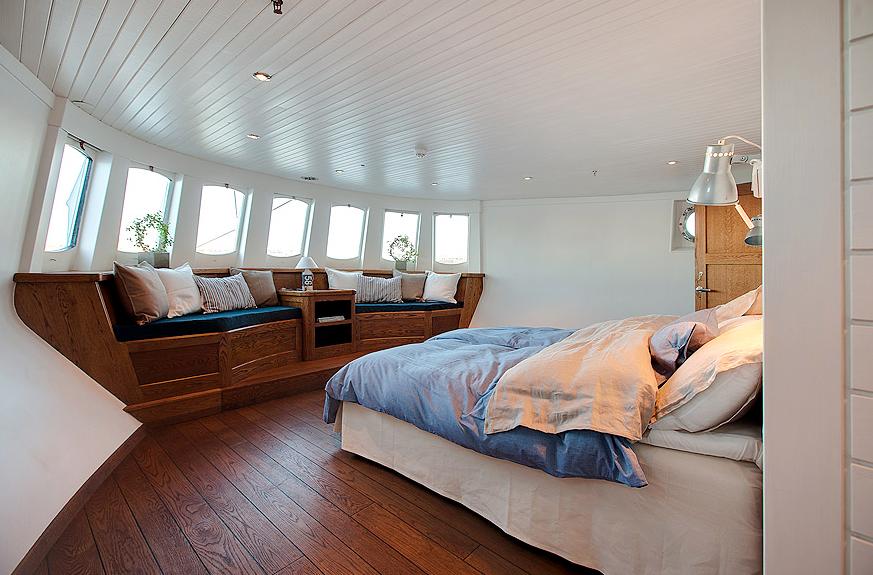
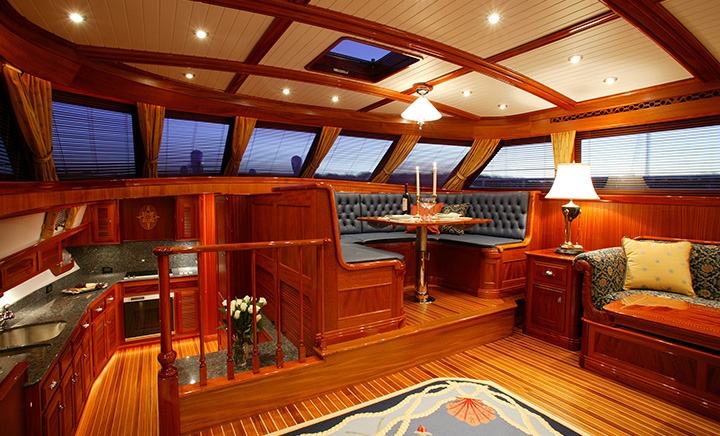
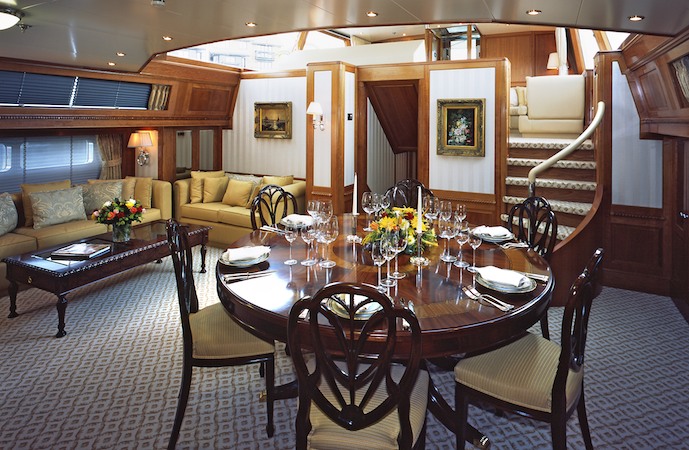
Comfortable ship apartments in classic style
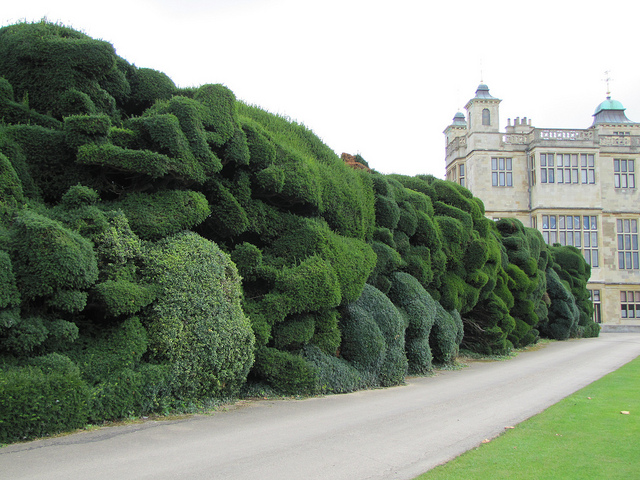
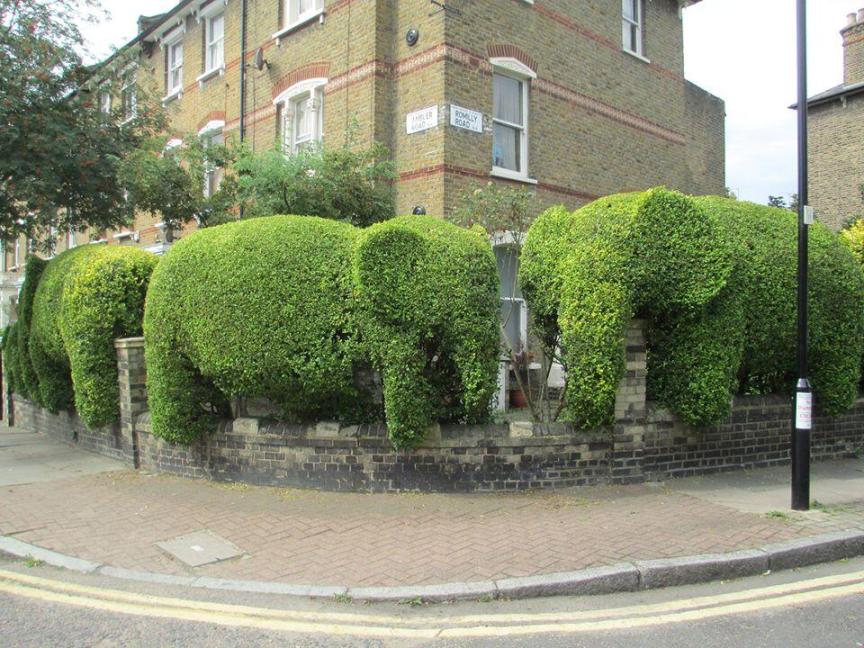
Living hedges – with a little twist
Whitsun on old postcards
Variations for a theme: cities
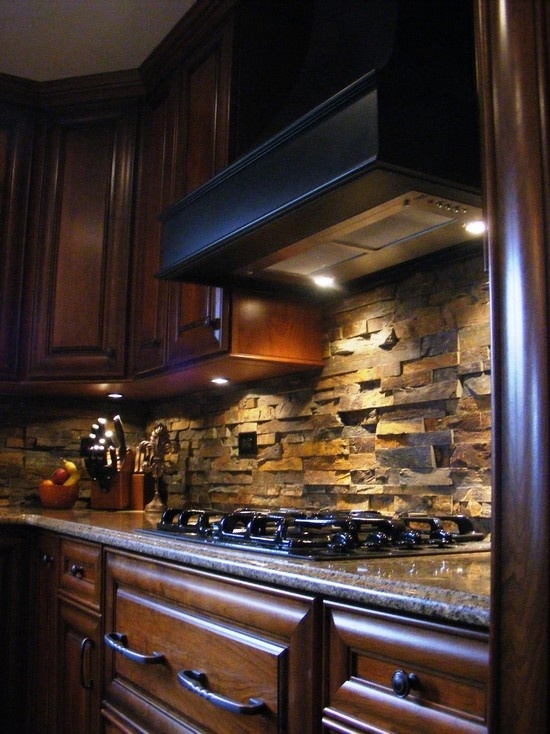
Implementation of a backsplash surface behind the kitchen desk is an important part of design. The regular heavy duty, greasy dirts and moisture require proper solutions.
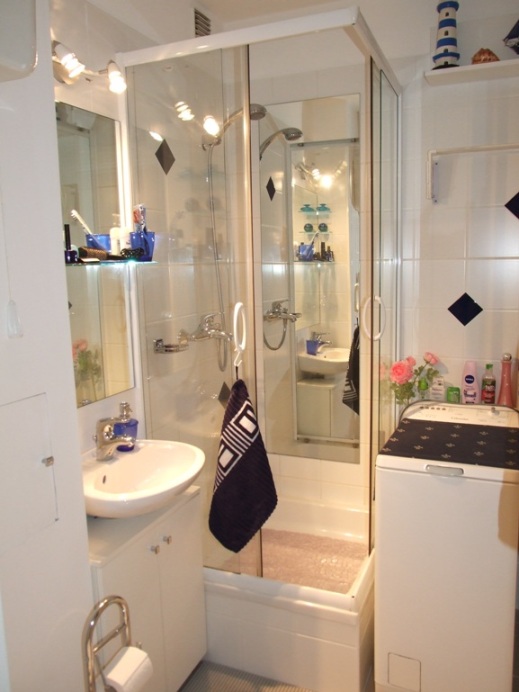
Because of the above reasons, kitchen usually has a bottom to desktop height tile cover. This can be also a good solution, but not the only one. Tile is comfortable since easy to clean and hygienic, but it’s enough to restrict it to the area that has the most heavy duty: behind the sink, oven or the the desk between the upper and lower cupboards. Other parts of the wall can be painted or even covered by wallpaper (keep in mind the good ventilation of the room).
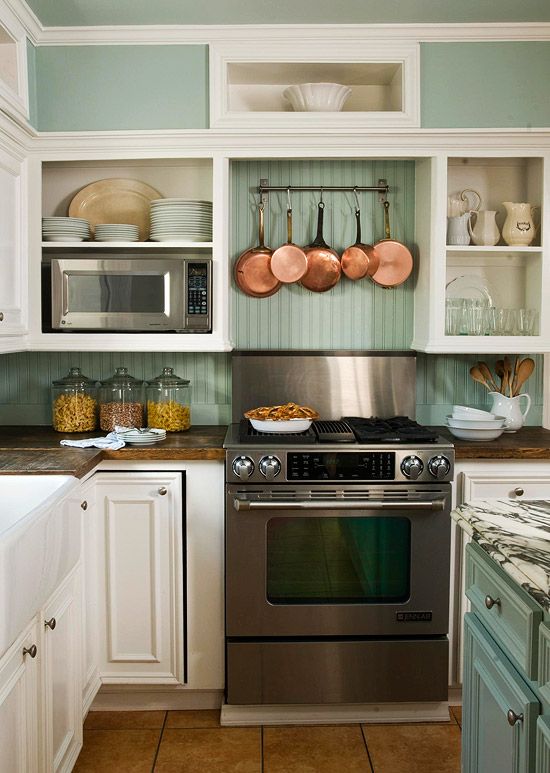
An other solution can be the wooden cover coated with washable paint or multi layer lacquer. Grooved wood panelling fits well to several styles, can be coloured according to the needs. Feel free to use it instead of tiles!
Of course, there are washable wall paints too. This doesn’t mean high-gloss surface in all cases seen in old canteens. Non-glossy and satin versions are also produced in all colours of the rainbow, they can be used practically anywhere in the kitchen.
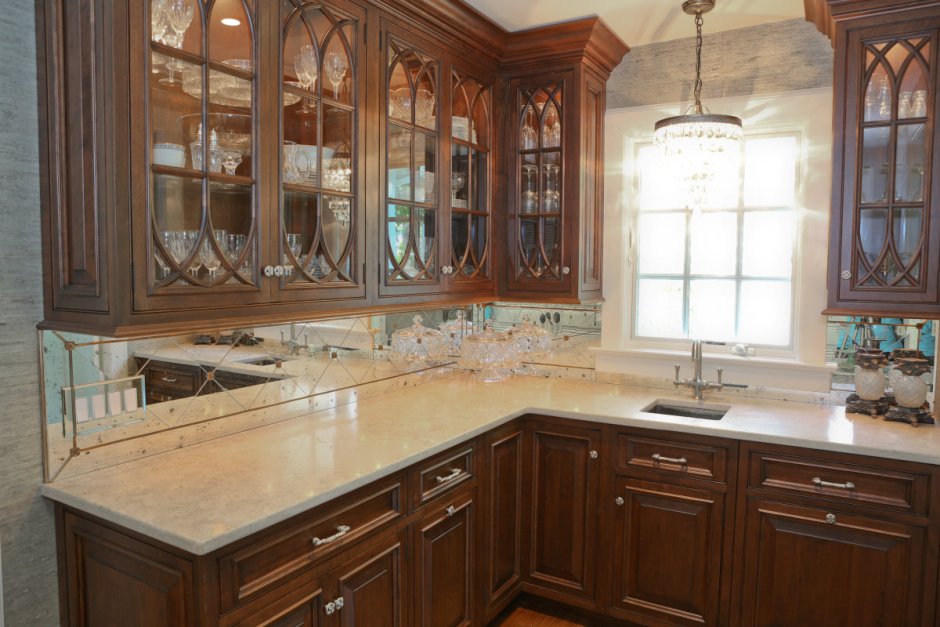
More spectacular solution is using a mirror. It can be antiqued, coloured or simple. We can use the wire-grid versions too, the result will be interesting and unique.
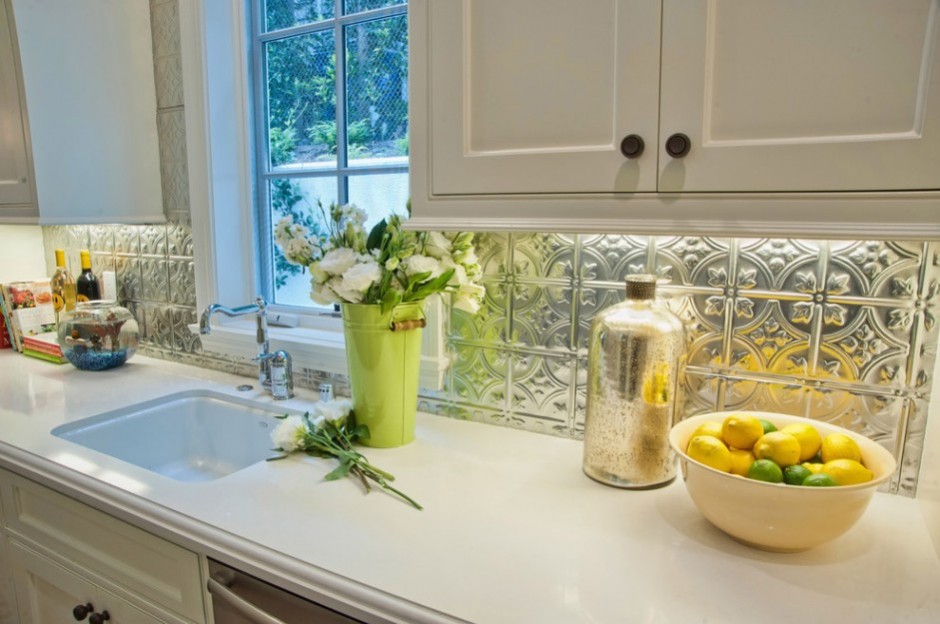
Metallic ceiling tiles give elegant and a little bit masculine look to the kitchen. Natural stone covers can be also applied, but first they have to be impregnated right after bonding to avoid absorbing moisture and dust.
For finding the back splash surface fitting best to your kitchen, ask for help from an interior designer.
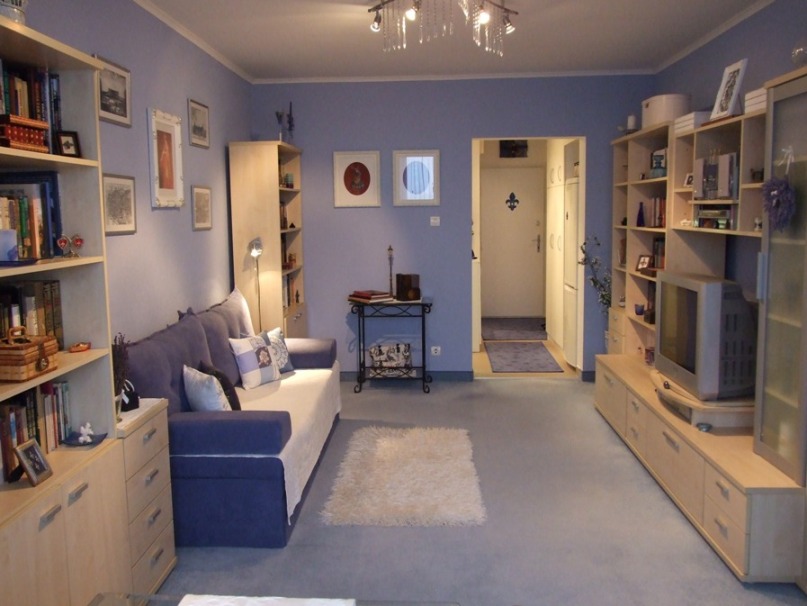
One of my prior projects: 38 sqm block apartment in calming blue
Further pictures: https://classicinteriors.hu/en/references/21-references/35-references02
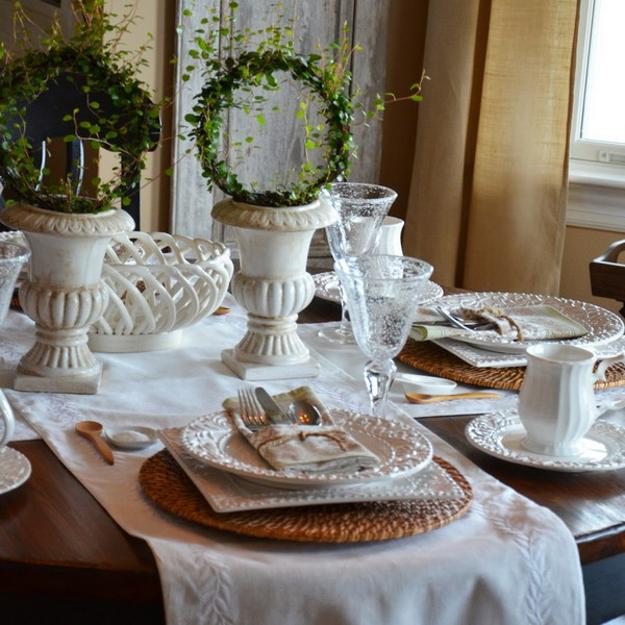
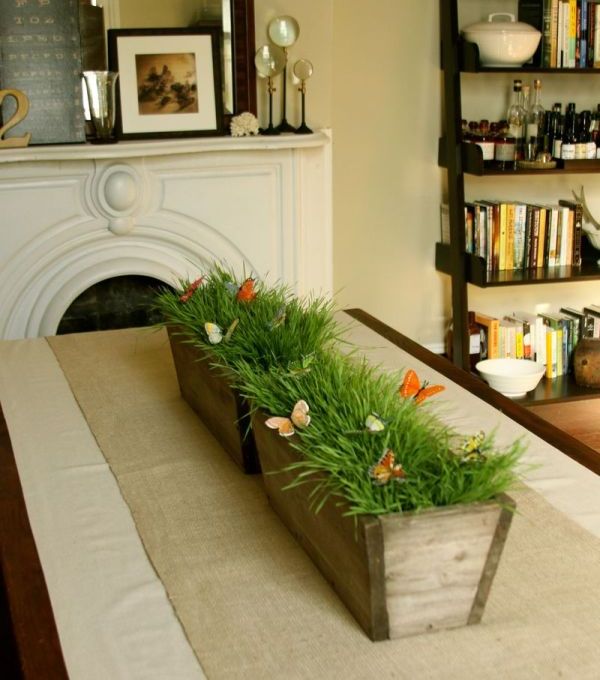
Some decorative table centerpiece ideas instead of cut flowers