Traditional cafe curtain reborn

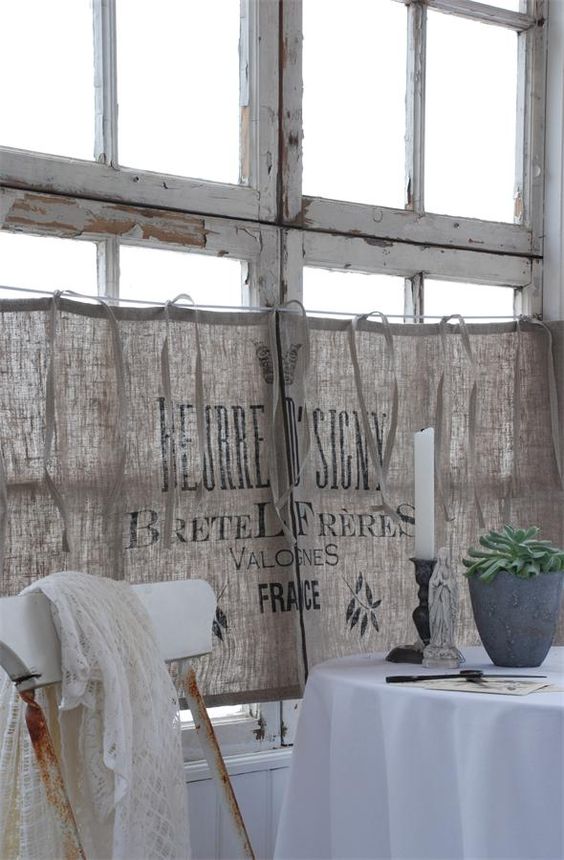
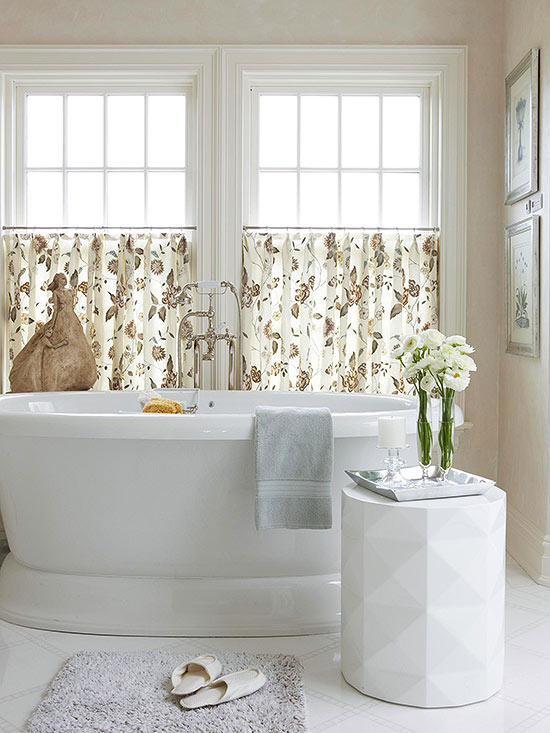

Traditional cafe curtain reborn
Vivid greens of plants in a bouquet
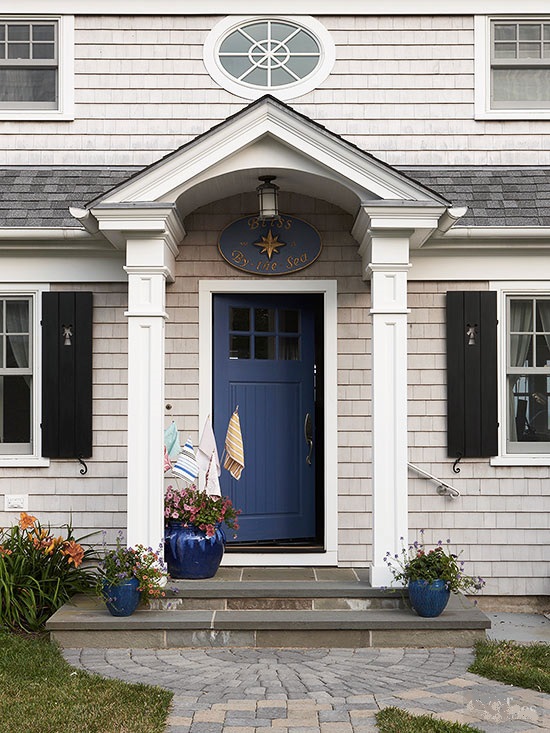
Welcoming guests begins at the front door of our house not just when they step in. That’s why it is important to have a nice, inviting and clean surrounding of the entrance and the pathway leading to it.
The front door should be decorative! It can be a perfect focal point if painted in a bold color. Let’s strive to keep it immaculate: the peeled painting, hardly working handle and dirty glass panel is not an attractive sight. Naturally vintage, rustic and country styles are exceptions; a shabby wooden door nicely fits to them.
The mat is an important element of the general effect, don’t neglect it. Let it be decorative, fitting by its color and not sleazy or ragged. Sometimes clean it also.
Clean the pathway leading to the house and the stairs regularly. Pay attention to the latter’s safety: the steps should be undamaged, immovable, just like the rails and they shouldn’t become slippery in wet weather.
Symmetry always pays off, it’s very easy to achieve an attractive sight with this trick. The front door is the center. The aim is to decorate both sides of it in the same way. This works even in that case if the door is not opposite with the leading path and we have to turn to step in. The simplest solution is placing some kind of potted plants on both sides of the door. Their style has to be matched with the style of the house. We can complement the given parts with a prudent choice of color.
The look can be made unique with a smart street number. If there is a space near the door, we can create a small sitting area. The success is certain by season decors.
The proper lighting is important! Let’s light not only the space before the door but the pathway and the stairs also for avoiding accidents. Maybe the motion sensory lighting is the best solution for this.
Ask for help of an interior designer creating an elegant an inviting outdoor space!
Variations for a theme: flying
Frosts are over, the ground becomes muddy because of spring rains and roads are wet in towns also. These can be seen on our boots and shoes of course: we bring the dirt to the porch and hallway. Only some can afford to have a mudroom where all muddy things can be left and it doesn’t matter if the floor becomes dirty. If there is no close hallway or it is small, this is a bigger problem.
Common solution is a plus mat in the hallway to put shoes on it. Its disadvantage is getting dirty soon, and if it is made of rubber, the muddy water remains on its surface and has to be cleaned daily.
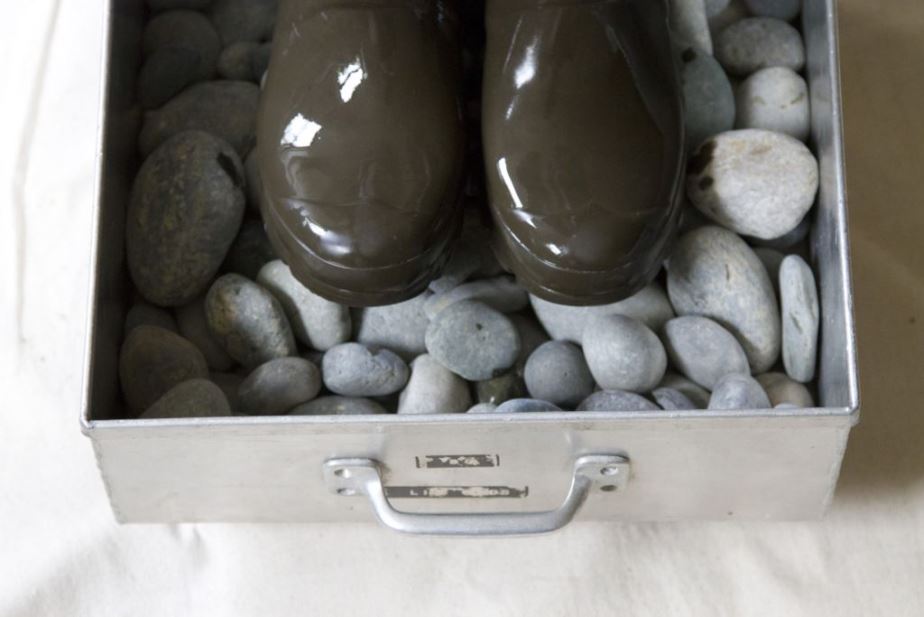
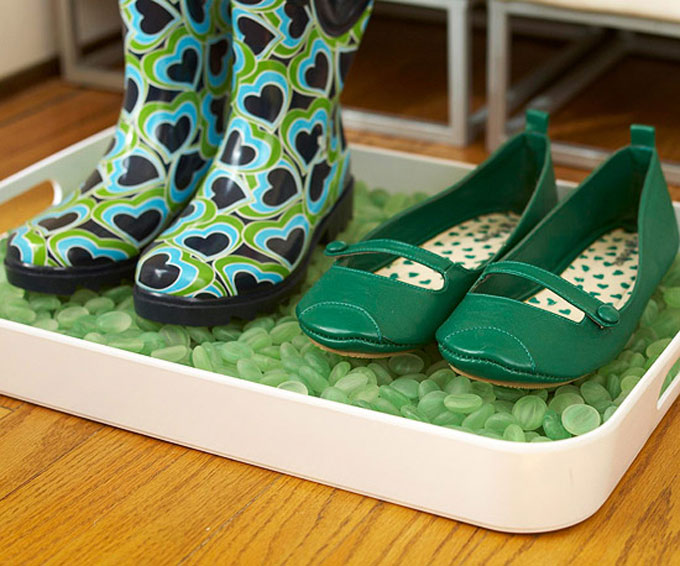
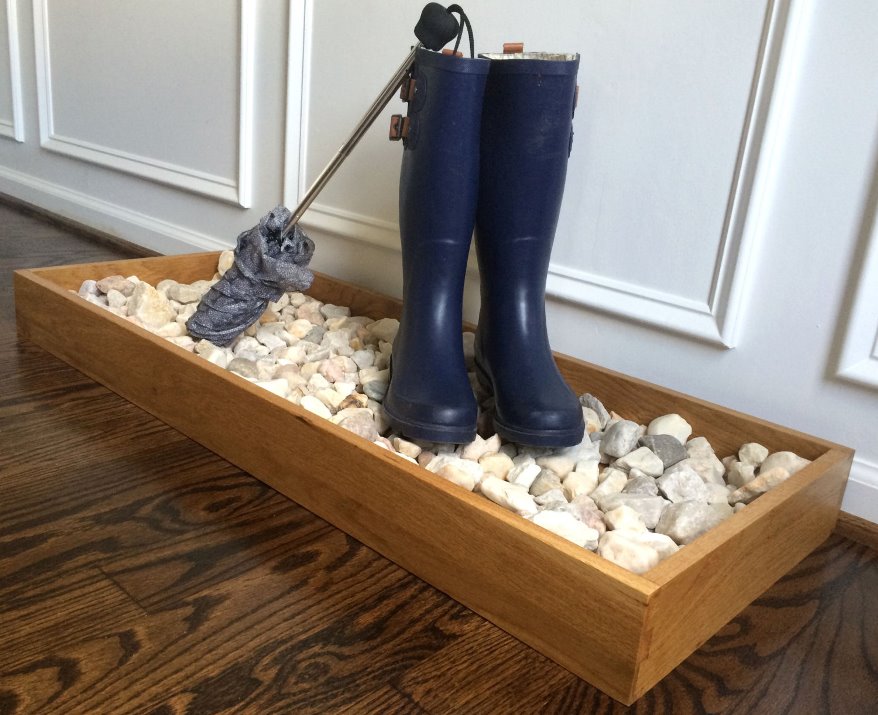
A shoe-storage tray is a solution for this, which can be bought in shops also – but we can easily make one by ourselves, this way it will be unique and fit to the interior. All we need is a tray with higher edges. This could be made of metal, plastic or wood (it’s easy to make one from rods), depends on the style. If we just simply put the shoes in it, they would stand in the dirty water. So, let’s fill the tray with a material which lets through the water to the bottom of the tray. This way the soles of shoes can dry out. This material could be small river-gravels, white chads, bigger decor pebbles (black, white, grey) but even glass gravels too. These can be washed in some weeks.
Using corks is a decorative but less lasting solution. Juxtapose them tight. We can raise their lifetime by lacquering top and bottom of them. We can put an outdoor plastic or metal grille in the tray also. In this case we can fill the holes with small pebbles or put a leachy faux-grass on it. Some hard-bristle domestic brushes without haft placed with bristles-up are spectacular and useful solution also.
It’s a more creative way to reuse a fitting object instead of a tray: e.g. a drawer, an old tool box without its lid, a smaller suitcase etc. Its width is important because the biggest shoe/boot should be fit in easily. We can fix wheels or legs on the bottom of them for the more interesting look.
Ask for help of an interior designer for solving smaller problems clever and stylish.
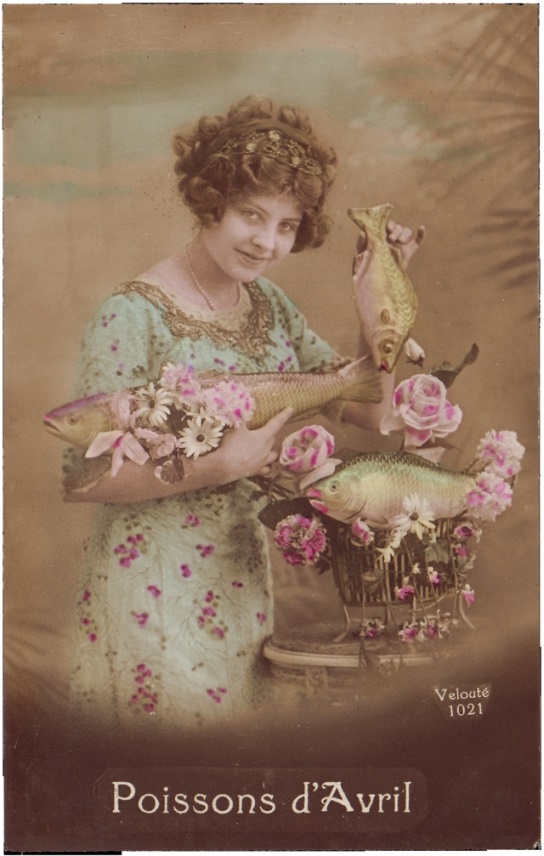
1st of April on old postcards
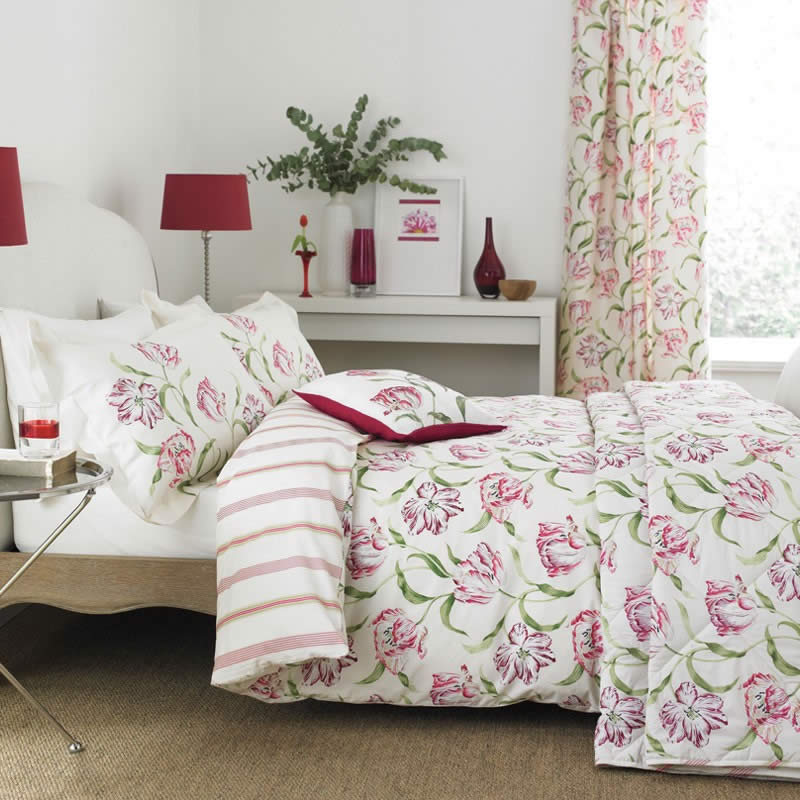
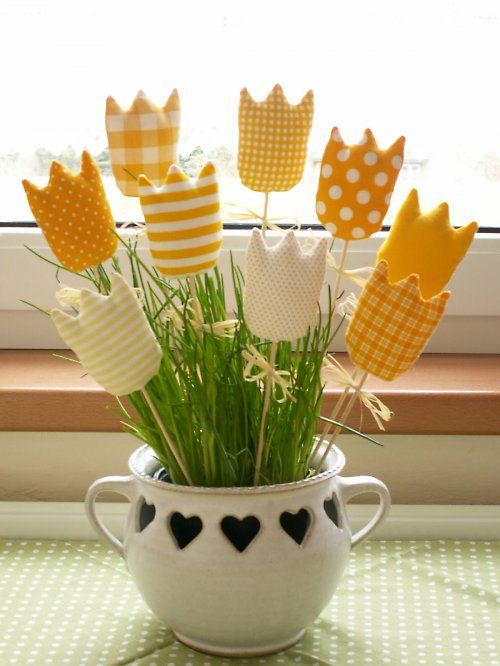
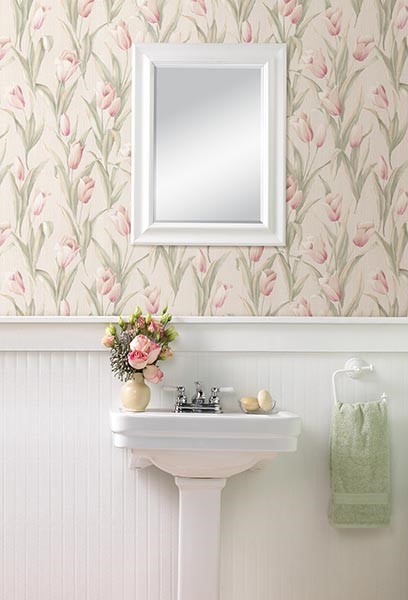
In the pull of tulip
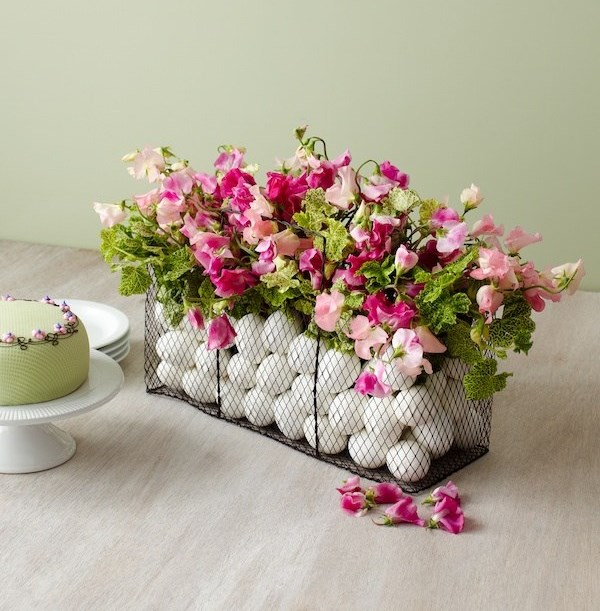
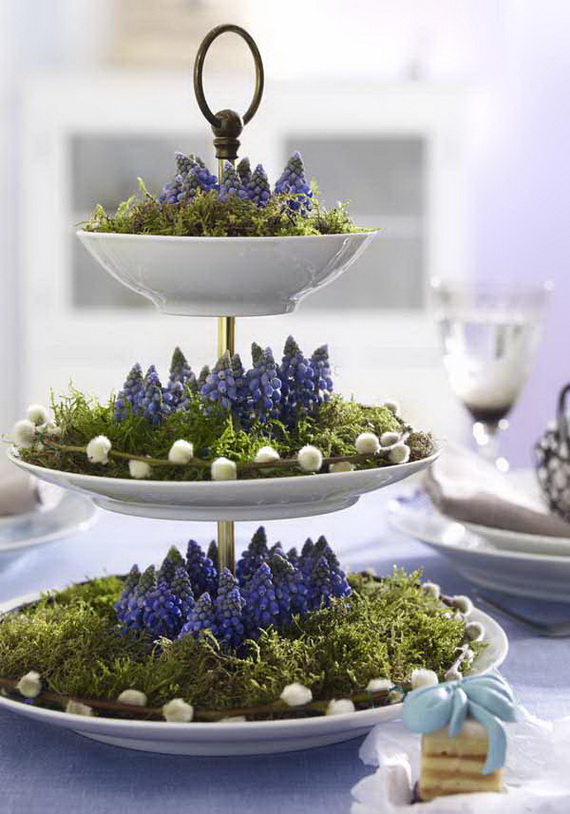
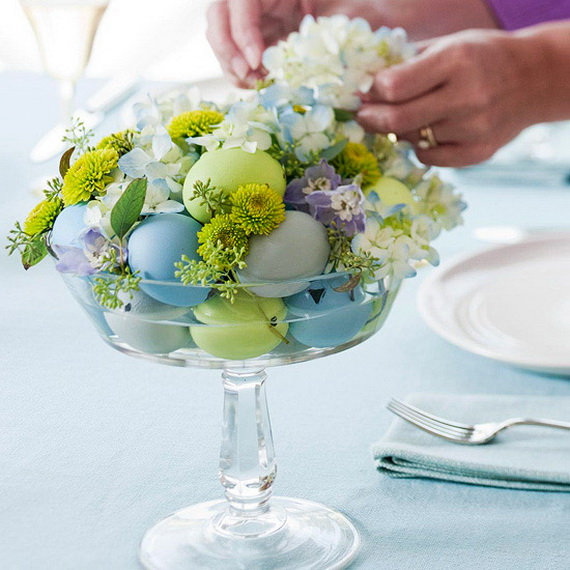
Easter table centerpiece ideas
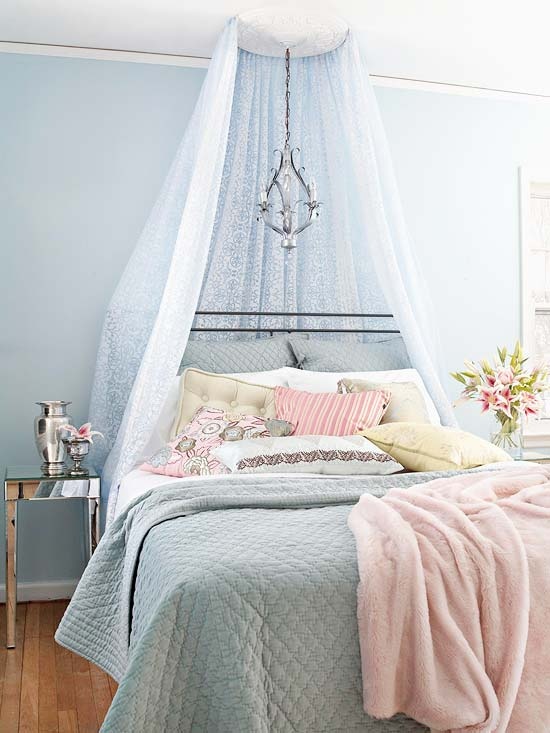
The meeting of the colors of the year 2016 (Rose Quartz – Serenity) and classic interiors
We prepare for Easter again. Easter eggs deserve a proper „nest” which fits for classic style. But instead of the simple hand-basket, let’s seek for a unique one which could be the ornament of the decoration.
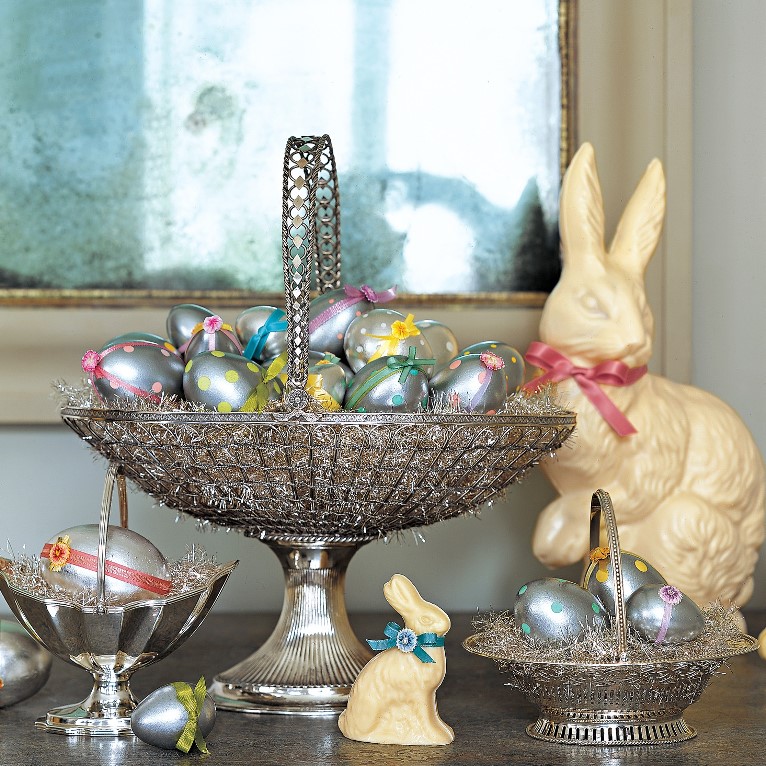
For example, antique fruit bowls made of copper/silver are perfect for this purpose. If real grass is put in it, line it with a thick paper before. It is tubby enough for the eggs sitting in.
The glass punch bowl – depends on the size – is also a good choice. If it is made of cut or lead glass, it gives additional shine as part of the decoration.
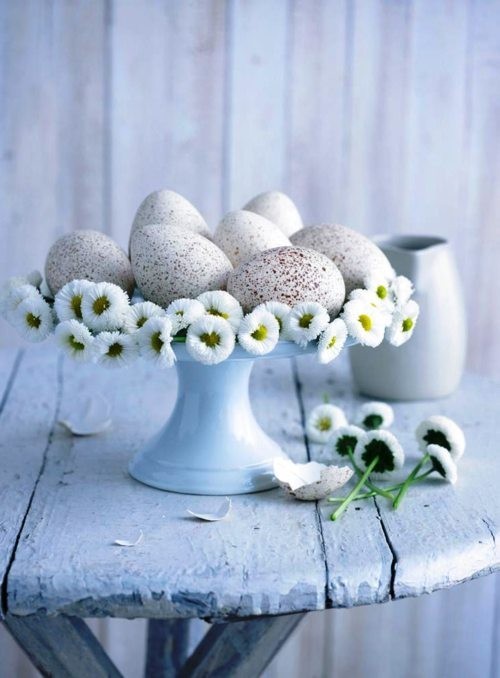
Porcelain cake stand is an elegant solution. Commonly it has only a thin edge, so rolling of the eggs has to be prevented. If no (faux)grass is put under them, they should be surrounded with flower heads for example, but Easter eggs can be piled even in the middle of a round cake.
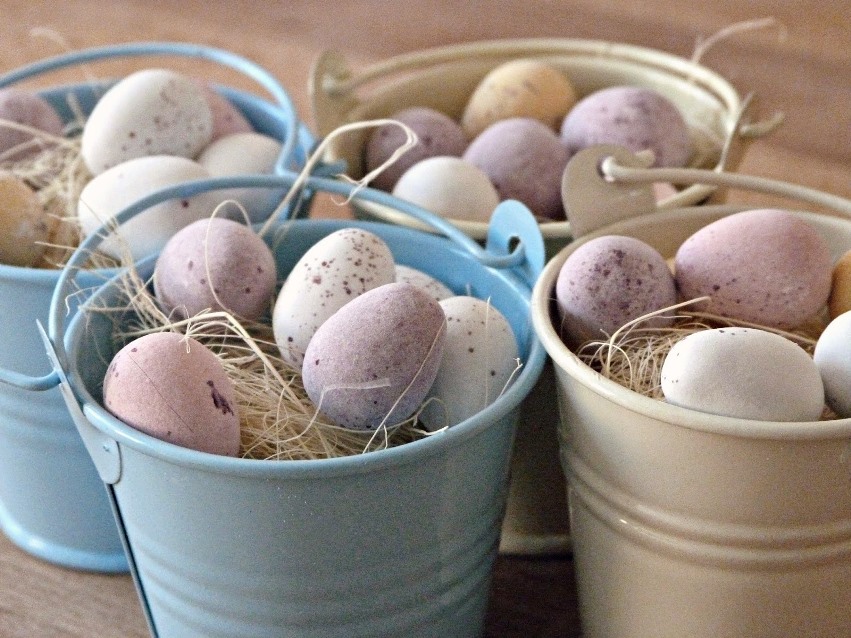
Using a bigger buckled jar is a good solution for rustic or vintage style. Just fill it as you like. Small color bucket, wooden bowl or flower pot (even painted) fit for this surrounding also.
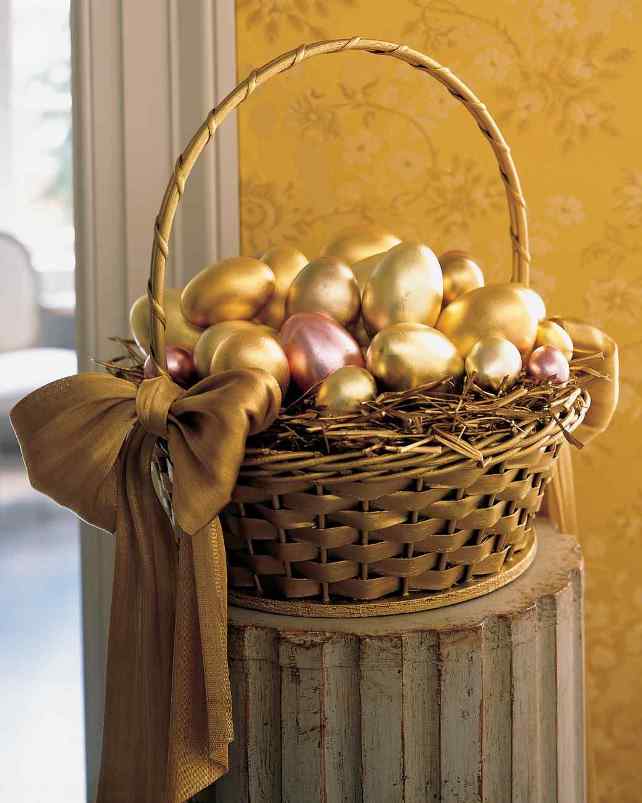
If there is only a hand-basket at home, it can be made unique also. Paint the basket in gold or silver color, decorate it with a fitting silk bow and color the eggs with glittering paint also. It’s a more natural solution to cover the whole basket with moss which has the effect as if the eggs were hidden outdoor.
Many other objects found at home could be transformed to an egg-nest. Ask for help of an interior designer to plan the center decoration piece fitting for classic style.