Stylish preparation for the summertime
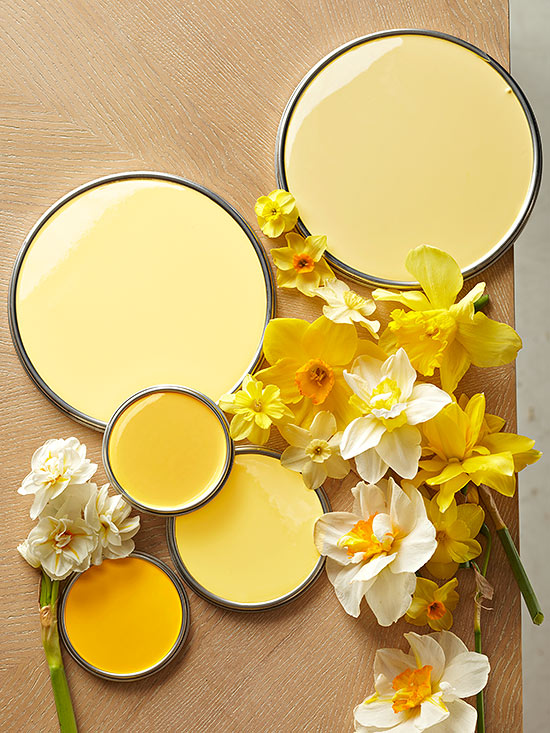
Paint palette 6.
Jewellery storage
Storing jewellery usually means putting them in a box/bowl which is hidden in the drawer or just leaving them on the table in a heap. Let’s be more creative and use our jewels as decoration while not wearing them.
Buy a dressing table which has glass top, so the contents of the drawers below are visible. Usually it is divided to sections, there are separate spaces for necklaces, bracelets, rings etc. It remains showy while it is closed and jewels won’t be dusty.
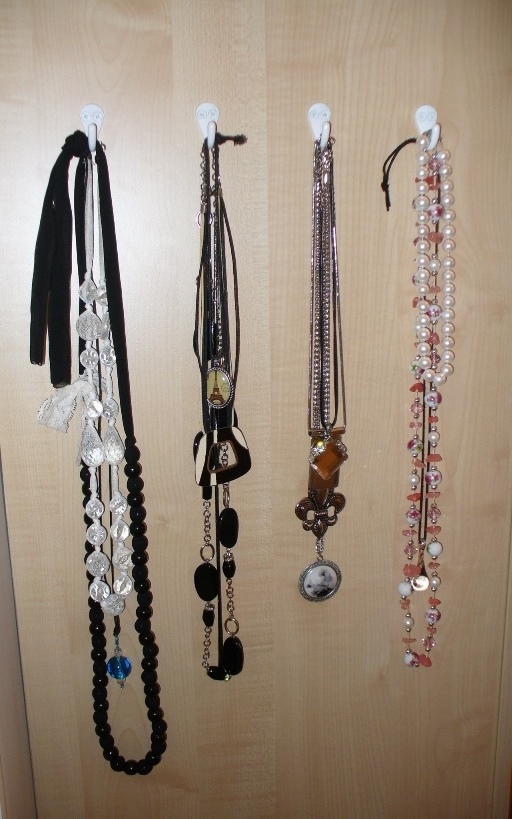
Let’s fix some nice and small hooks on the side of the wardrobe which is an unexploited area. Even more necklaces have place on each of them. If we would like a more striking sight, we can use drawer or door knobs in different sizes and colors instead of the hooks. Similar solution is fixing smaller hooks around an old-fashioned wooden hanger, this way it will be a great necklace holder.
There are ready-made so-called jewellery dolls with curved metal wires in the place of its arms and head. These are suitable for holding almost all kind of jewels. Figures for storing rings are also purchasable (in the shape of a shoe, a sofa, a flower etc.). These are padded and provide separate places for every single ring, this way they don’t contact each other.
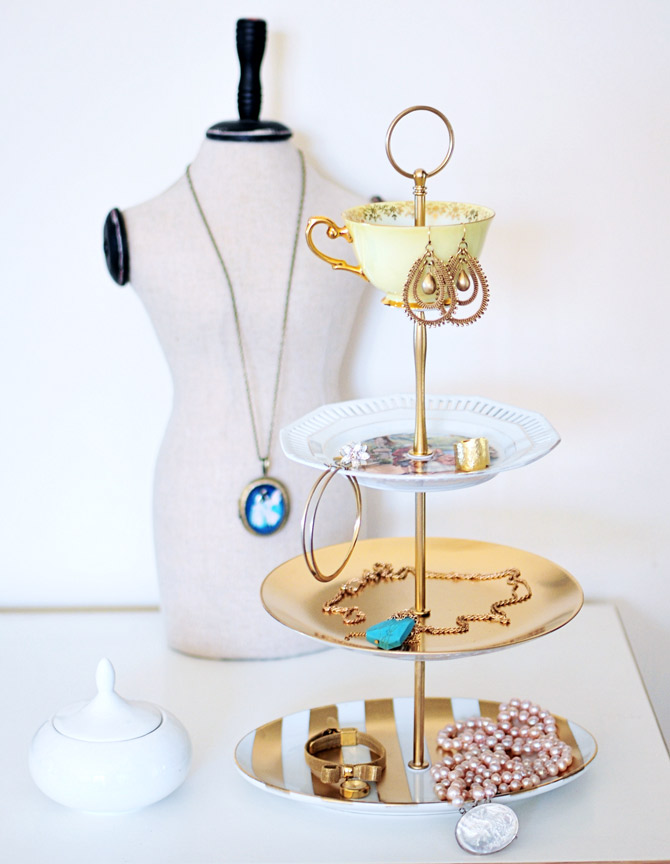
Using a three-storied porcelain cake stand is a spectacular solution. The lower and bigger part holds the necklaces, the middle one holds the bracelets and the upper one holds the rings. It’s easy to find one fitting for the style of the room. We can make it by ourselves of wooden cake stands in different sizes.
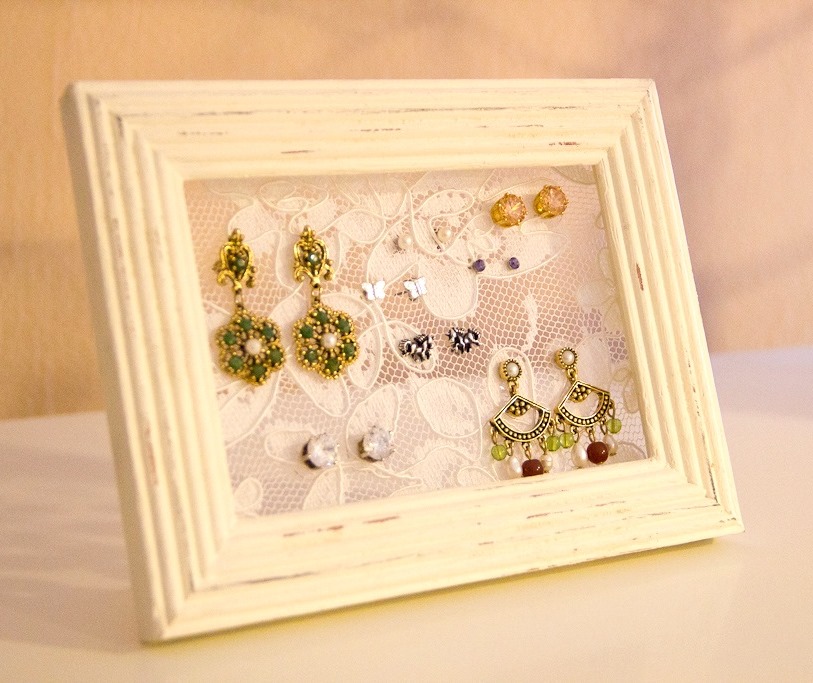
Foam boards covered by light fabrics and laces put in frames are perfectly suitable for showy storing of earrings. Even a denser chicken wire can be put in frame for this purpose. Clips can be clipped on the edge of the table lamp’s lampshade.
There are several further solutions fitting for a classic style. Ask for help of an interior designer for planning and implementation!
Several upholstery
Rustic
Rose
Useful accessories 6.
English garden
When the garden is the subject of a conversation, somebody usually says that he/she desires a typical English garden because it’s beautiful. Indeed: English art of gardening is high-level, they can conjure a garden even from the smallest area. But what is a „typical” English garden? Just like anything else, it has an evolution either, differently formed gardens were thought to be nice in different ages.
Knot garden was the most fashionable type in the Tudor-era. Complicated patterns were created of low hedges crossing each other and it seemed they continued under the other one because of the way of cutting. They were usually placed under the windows of bedrooms, that way they were visible while looking out. The hedge was evergreen, so it was enjoyable in winter time also.
Parterres contained flowers in the 17th century. They were symmetrically placed areas fenced off hedges with grassy or pebbly walkways between them. Colorful flowers popped up from green surroundings. Versailles had a great influence on its age. The long, staired waterfall was also an important element.
Lancelot „Capability” Brown landscape architect was the major figure of the 18th century garden architecture. Wide grassy areas, planted huge trees, involving the surrounding scenery into the view and architectural focal points (pavilions, bridges, faux-ruins) were the main characteristics of his works. His style was fancied even in the first half of the 19th century.
Orangeries appeared in the Victorian times, they were status symbol because of the high costs of maintenance. Plant-hunters explored throughout the world for new exotic species (rhododendron, orchid, jasmine etc.). Flower beds had all the colors of the rainbow. Rock gardens and spectacular vegetable gardens came in fashion. People spent many time with caring their plants.
Recent and contemporary gardens are various. Probably herbaceous edges of lawns and cottage style gardens are the most widespread. The first one has to be planted in every year which allows trying out new species. Planting wildflowers beside roses are the main characteristics of cottage gardens, they can grow freely, only the pathways are settled. There is no empty area between the house and the garden. From the beginning of 20th century, many high-standard TV-series, famous flower shows and fairs and the Royal Horticultural Society help for the gardeners.
These are only a taste of English gardens but maybe help to decide which one is appropriate for our home and lifestyle.