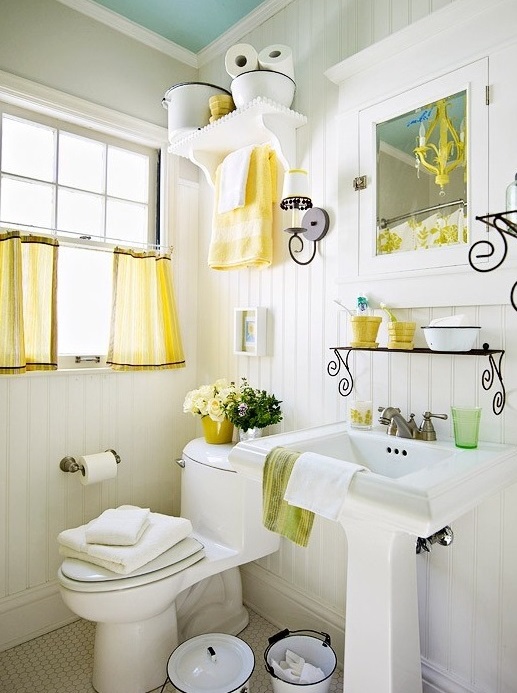
Comfortable garden seats beyond faux rattan
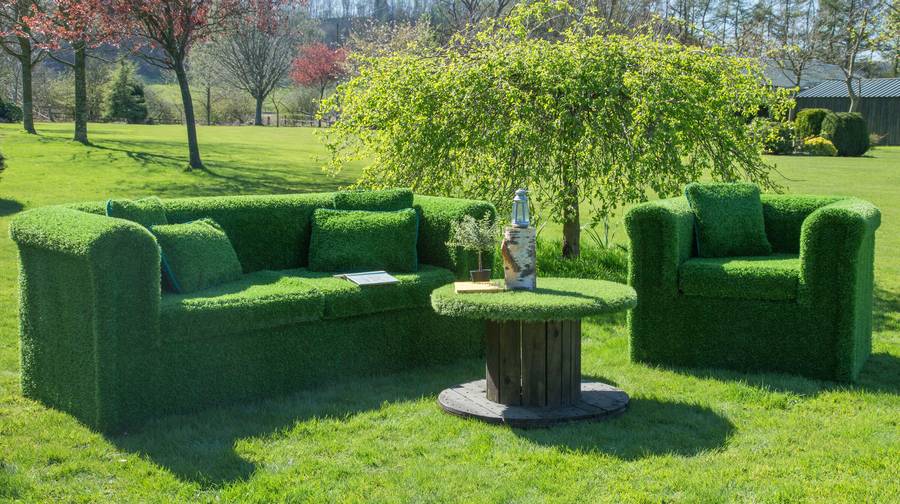

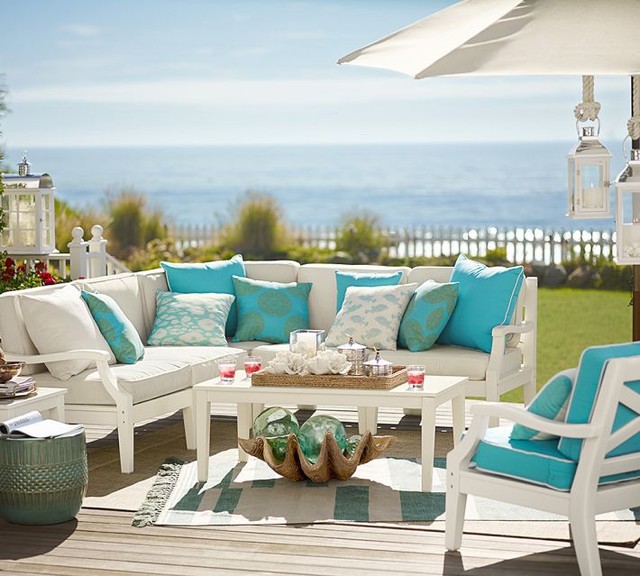

Comfortable garden seats beyond faux rattan
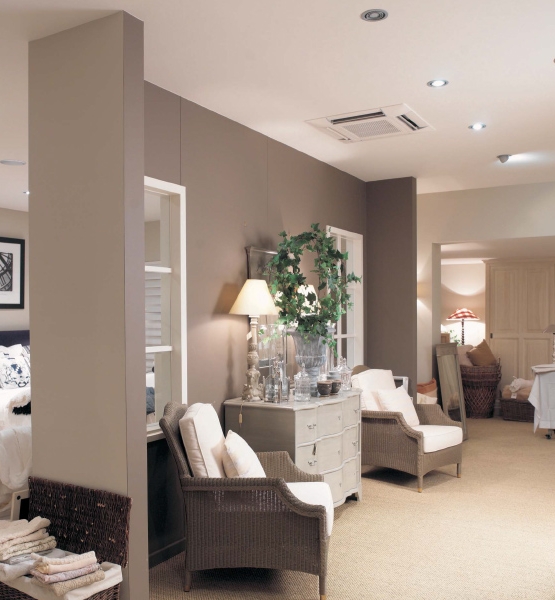
The matter of air conditioning comes to the fore because of the hotter summers, everybody who can, installs one at home. However, in the case of classic style interiors not only the function but the sight matters also.
The most important aspect of design is to place the indoor unit properly, that the cold air doesn’t reach us directly. If this is not possible because of the lack of space, let’s buy a model with adjustable reeds in both directions. This way, the „target” shouldn’t be the bed in the bedroom, the desk in the office, the main countertop in the kitchen and the sofa in the living room. The air conditioner with proper capacity can cool down the room without risking our health.
Only the grid part is visible of the ceiling built-in models. This can be perfectly implemented to the surroundings by a suspended ceiling decorated with classic style moldings or gypsum stuccos. But this requires a proper room height also.
There are some solutions for hiding wall mounted indoor units also. One of them is painting them with the same color. Since the cover of the air conditioner is removed during cleaning and maintenance, the painting should be done part by part, eliminating surface damages. Color models can be purchased also.
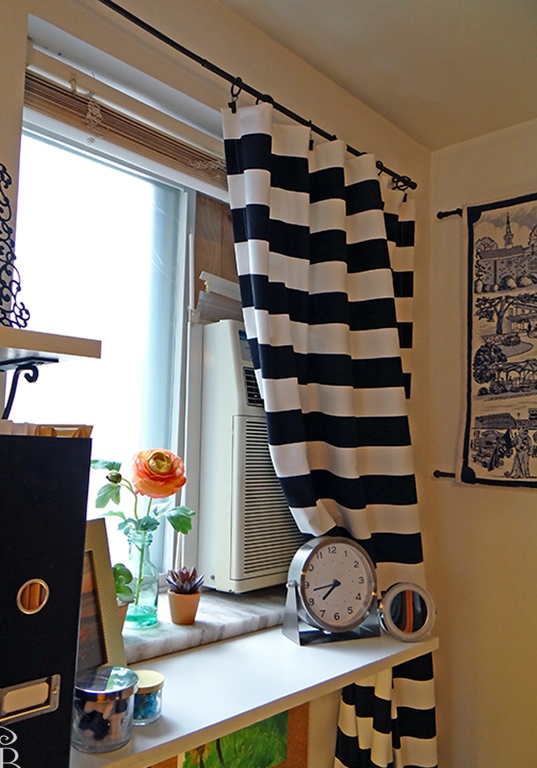
The indoor unit beside the window can be covered with the curtain when out of use. Let’s fix a longer curtain rod which overhangs the indoor unit. When it is turned on, the fabric is just pulled away.
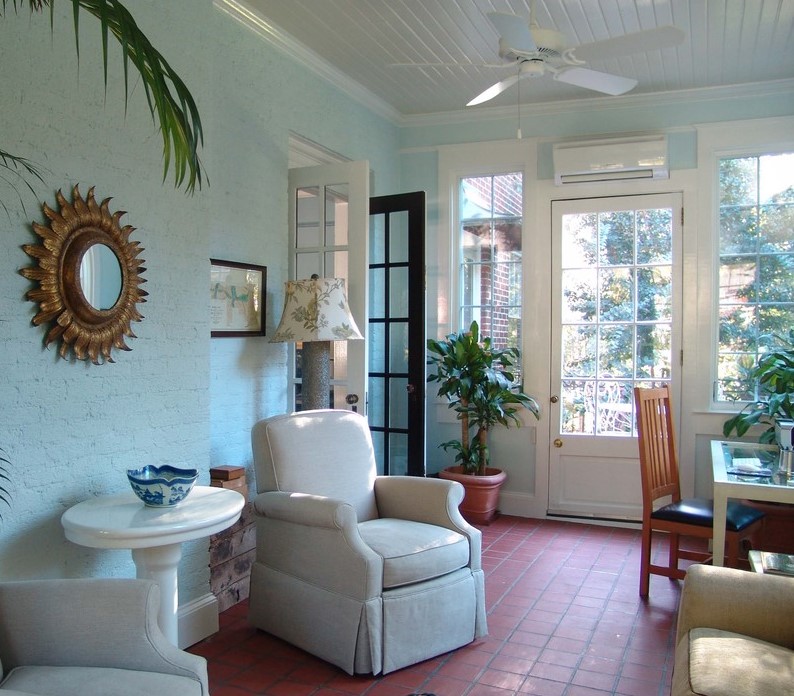
The unit placed above the window or door and in the same color seems like the part of it, just like an overdoor. If it is not lately placed but we are in a building process, the frame of the door or window should be placed around the indoor unit also.
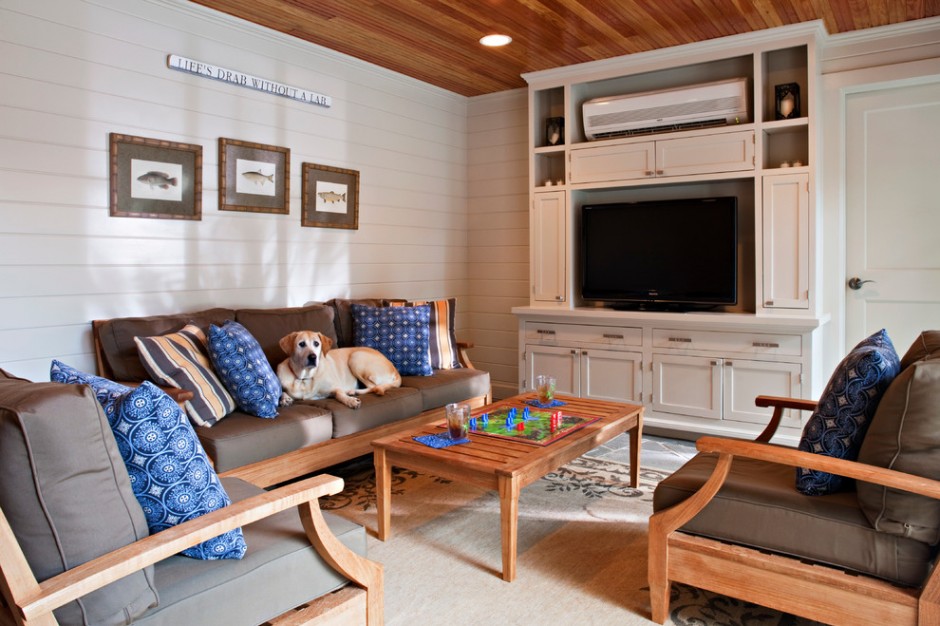
The unit can be hidden in a floor-to-ceiling cupboard too. One of the solutions is putting a door before it. The other solution is hiding it in the place of a shelf, just like a decorating object. If the cupboard and the unit have the same color, it will be more invisible. Proper air ventilation should be provided in both cases.
Take an example of fans, they can be built in behind a drywall also. Let’s create shelves below it in the drywall to make it functional.
Ask for help of an interior designer for fitting the air conditioning system in a classic interior.
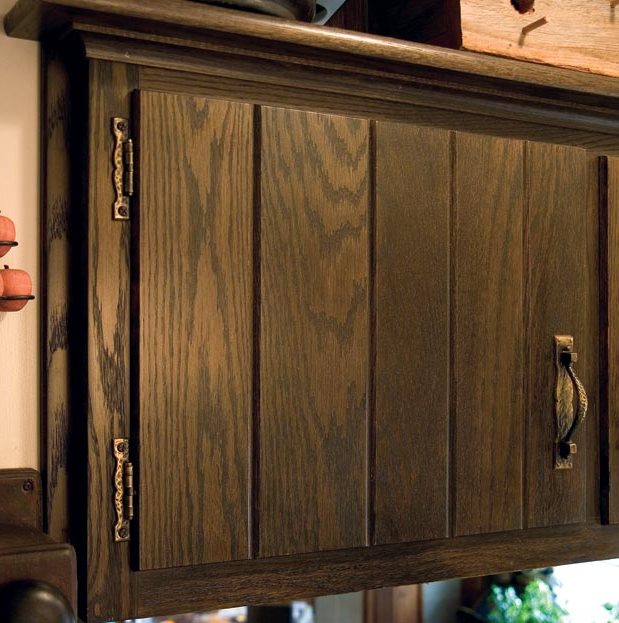
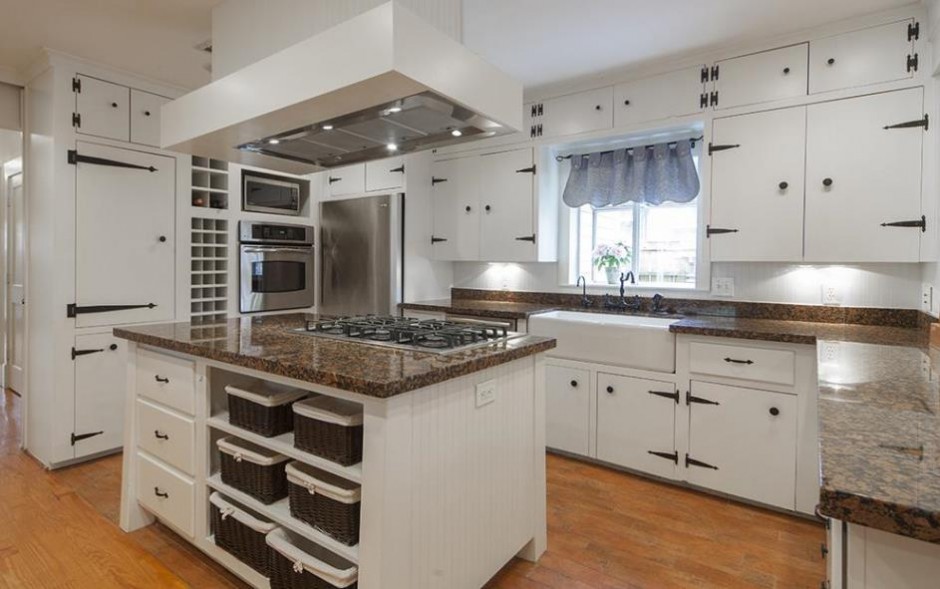
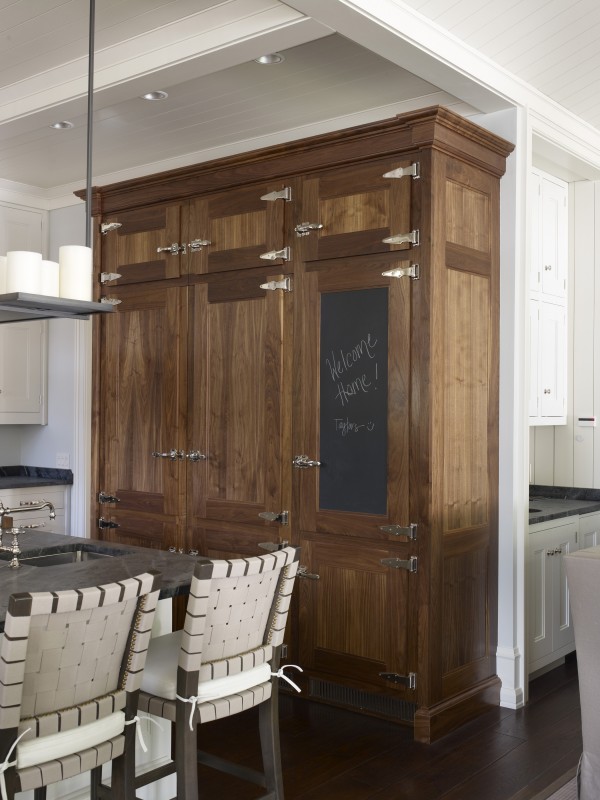
Use decorative and visible door hardwares instead of the usual clip-top hinges
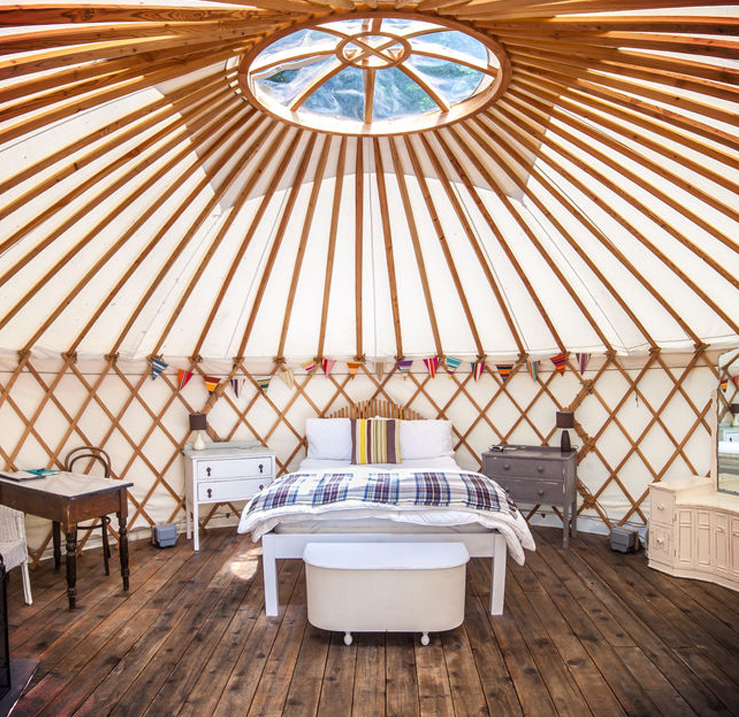
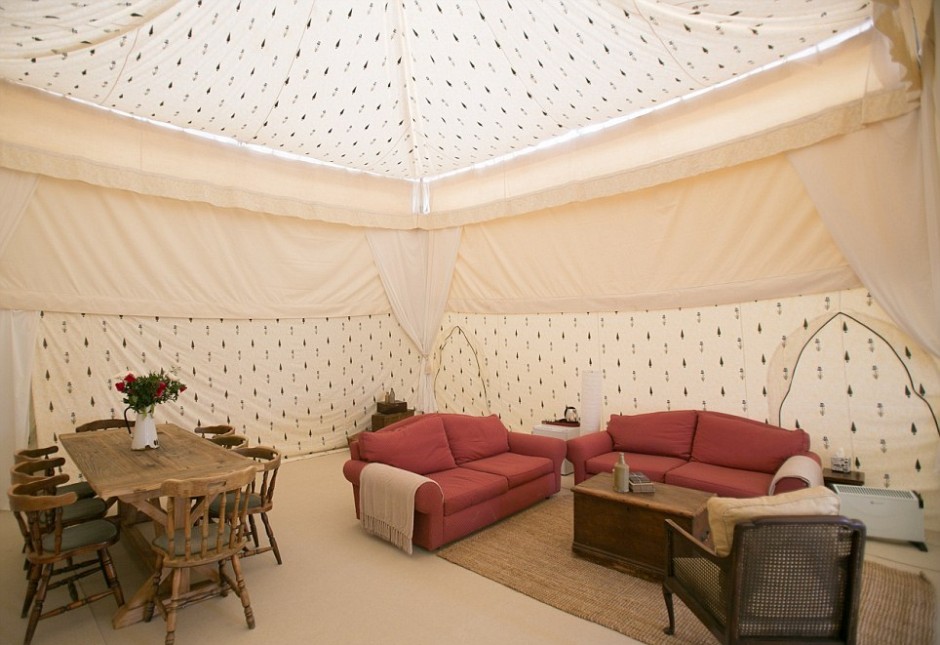
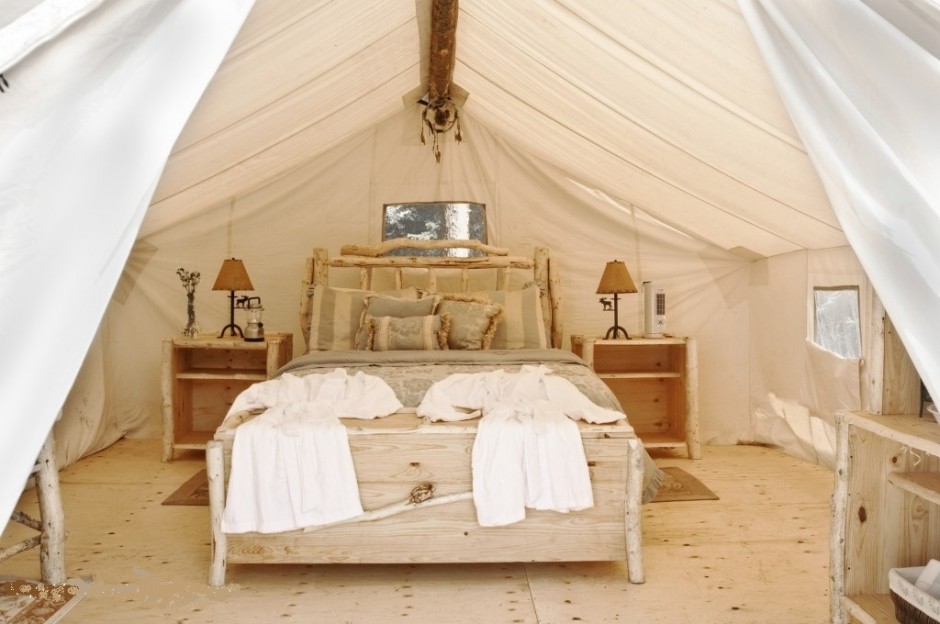
Glamour+camping=Glamping – camp with style!
Almost every summer holiday began with buying the paper map of the destination, before the appearance of GPS and navigation apps. They became a bit worn during the trip, especially if they were used on more trips. Then they ended at the bottom of a drawer and were forgotten. However, they shouldn’t be necessarily thrown to the recycling bin. Let’s see some examples for using them.
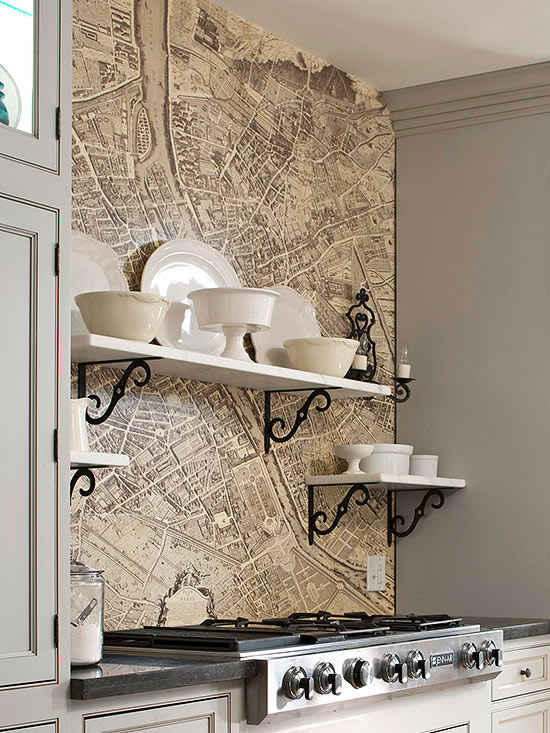
Let’s wallpaper the room with them! They can be pasted up, just like the common wallpapers. A perfect focal point can be created with covering a center wall with maps. More colorful pieces can be used in children’s room, but choose the yellowed, few-color printed versions for a more subdued effect. Putting them behind a backsplash glass in the kitchen gives a really unique effect. The wall of the staircase or the mantel can be highlighted this way also.
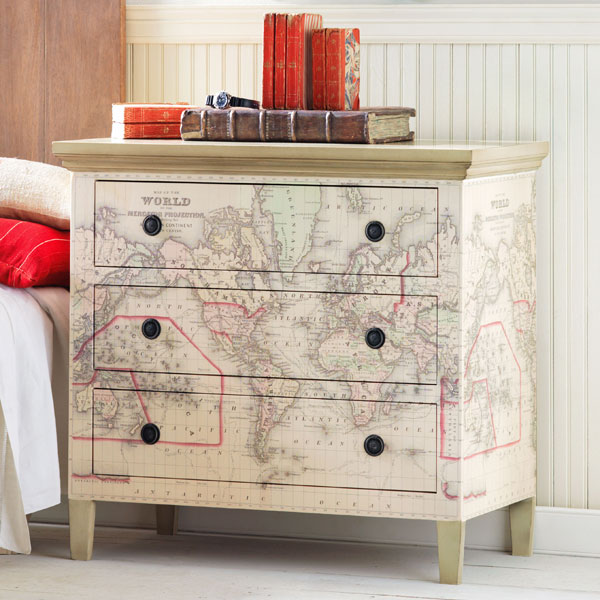
Furniture made of wood or MDF can be popped up with them. Just stick the maps on the back of a chair, on the drawers of a commode or even on top of a table, for example. The surface will be more durable with several coats of lacquer. If a few umber is added to the lacquer, the surface will have antique effect.
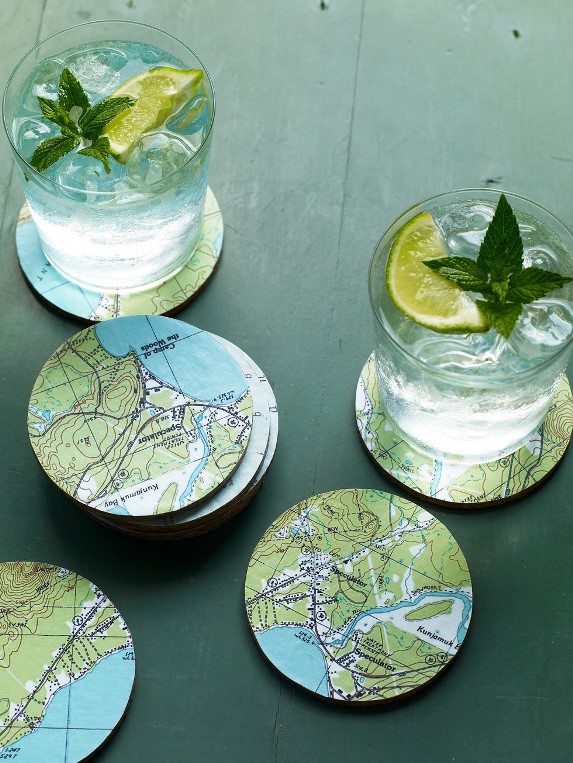
Smaller household objects can be also decorated with maps by decoupage technique. The boring cork coasters can be popped up with the colorful lines of a town’s transport network. The simple cardboard lampshade will not only be more spectacular, but it will color the light a bit. The terracotta pots of herbs lining on the kitchen windowsill will look much better this way also.
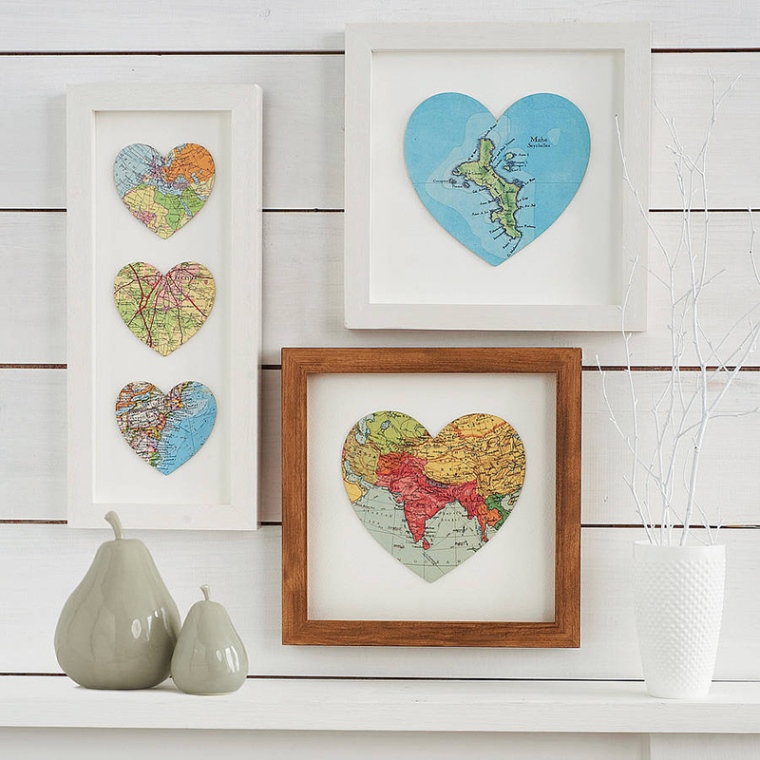
Putting the maps in frames and hanging them on the wall is a cheap decoration. They can be grouped not only by colors but by geography also. More classic and more united effect can be reached with similar frames.
Ask for help of an interior designer for re-using your thought-to-be unwanted objects.
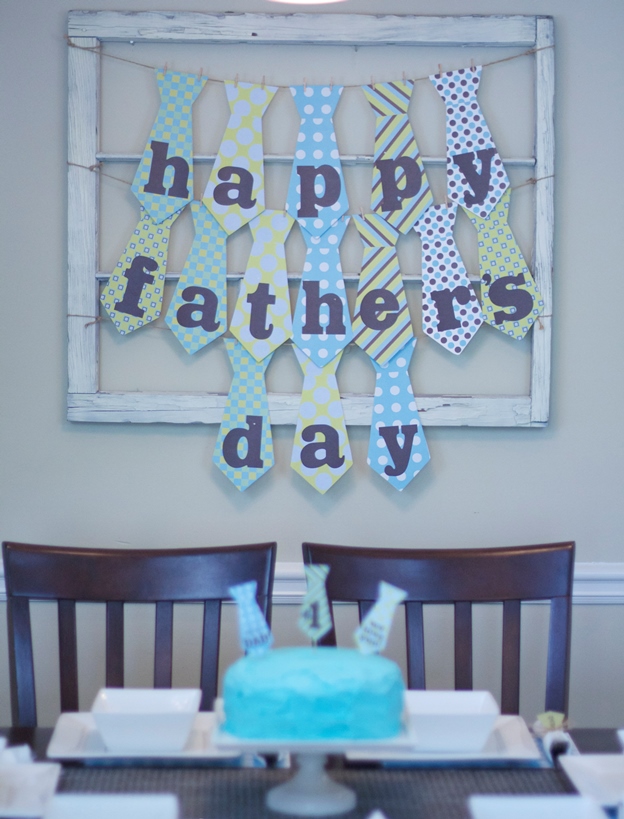
DIY decoration ideas for Fathers’ Day
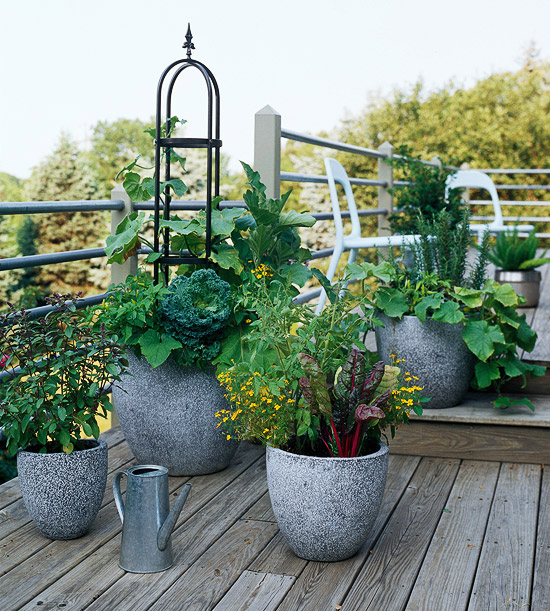
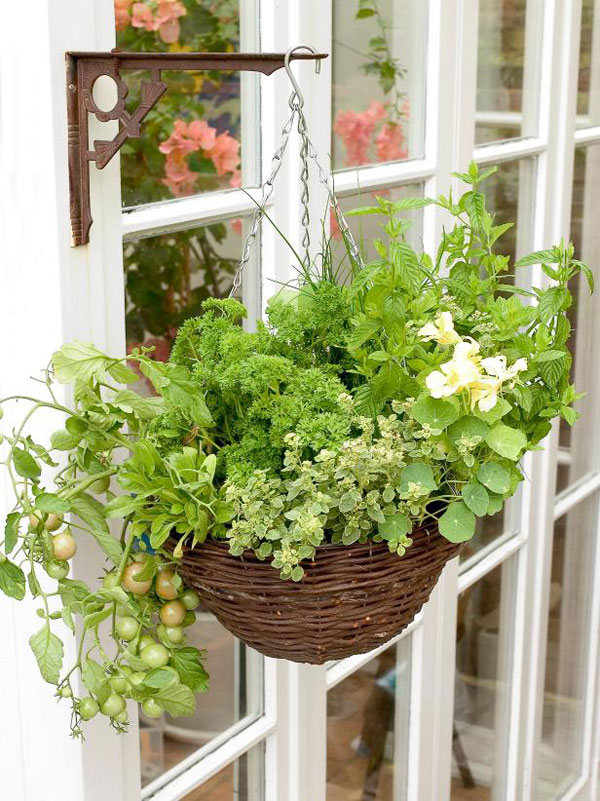
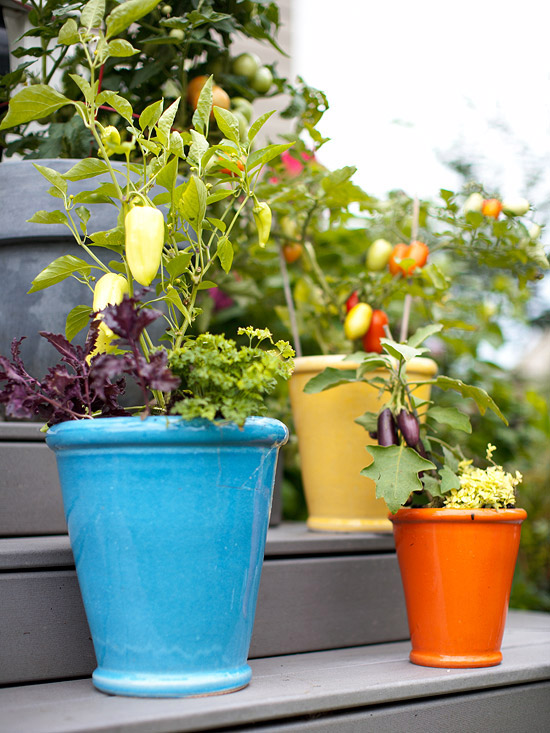
Mini potted vegetable gardens on the patio – fresh, own grew ingredients
Several base materials were used throughout the history for making different paints. There are two main groups of them: artificial and natural based. In the latter case we discern mineral, floral, animal and fungus origin paints. They were used equally for paintings, fabric dying, wall painting, ceramics, and even make up.
Prussian blue is an artificial color also. It was first created about 1705, with mixing potash, ferric sulfate and grease. Mountbatten pink was named after the famous general about 1940 who used this as camouflage color to hide the destroyers for the enemy at twilight and dawn. It was mixed from mauve, light pink and grey. For example, white lead, cadmium yellow and Tiffany blue are artificial colors also.
In ancient Egypt copper carbonate was ground, mixed with grease or resin for making malachite green and used as eye shadow make up, around b.c. 2500. Verdigris was also a paint material in Greece since b.c. 300. The green patina was scraped from copper and used as a pigment. It can be created by soaking copper in vinegar or vine also. For example, galena (greyish black) and raddle are mineral colors too.
Turmeric is a floral based paint which is created from the root of the plant. It was used since about b.c. 3000 in India, the dresses of Hindu brides were colored with it. Julius Caesar mentioned the blue paint made of woad in his description of his campaign in Britain, where the enemy used it as a deterrent war make up. For example, the red of mudder is a floral paint also.
There are less animal based paints. Purple was made of a species of lice, they were dried and ground. Montezuma I. got this material as tax. The red coat of British uniform was dyed with this paint until the 20th century. For example, Tyre purple is an animal color also.
Litmus lilac was made of a species of lichen by drying and grinding. It was very popular about 1300 in Florence. Several species of fungi are used for making paint with ammonia or vinegar, which encompass the range of colors from pastel yellow, through rust red and brown to deep dark green.
Nowadays more paint factory keeps on producing paints based on natural pigments, just as several textile factories work only with these kinds of dyes – since they don’t emit pollutants. Ask for help of an interior designer for choosing one.
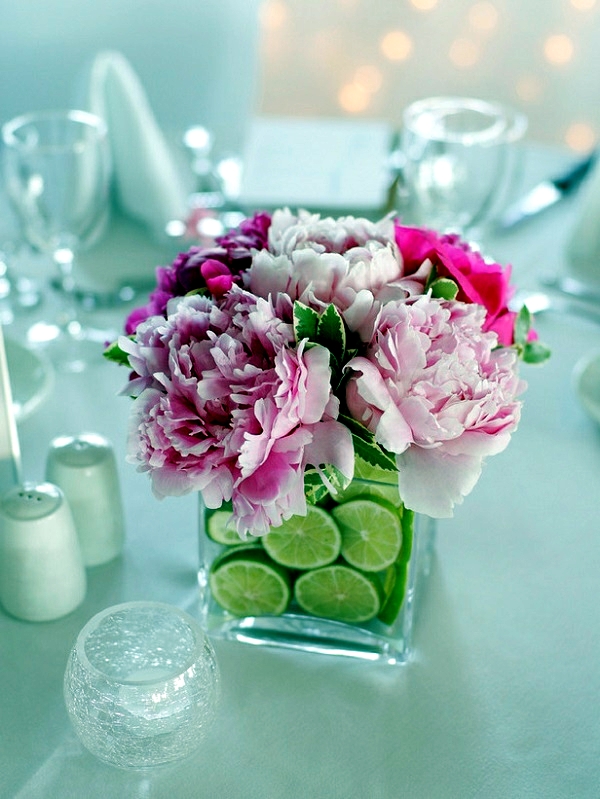
Summer table centerpiece ideas
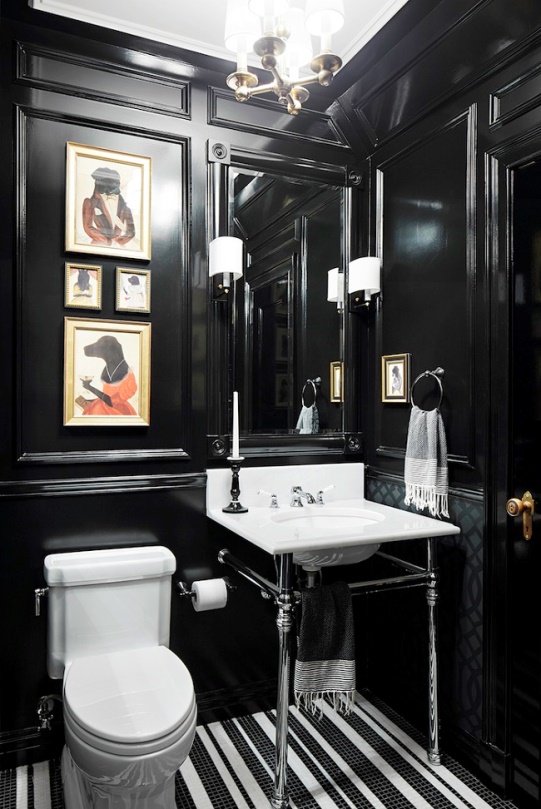
Let’s decorate the toilette because it’s a part of our home too