Elegant and stylish summer picknick
Linoleum
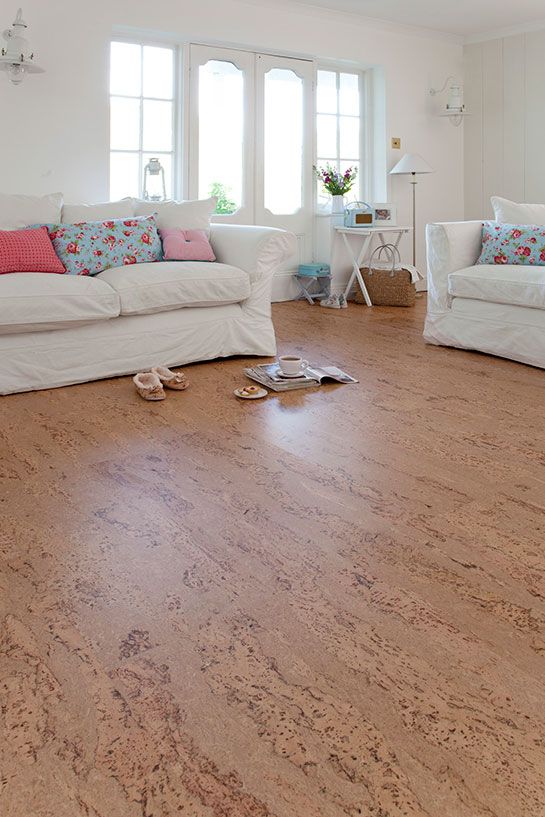
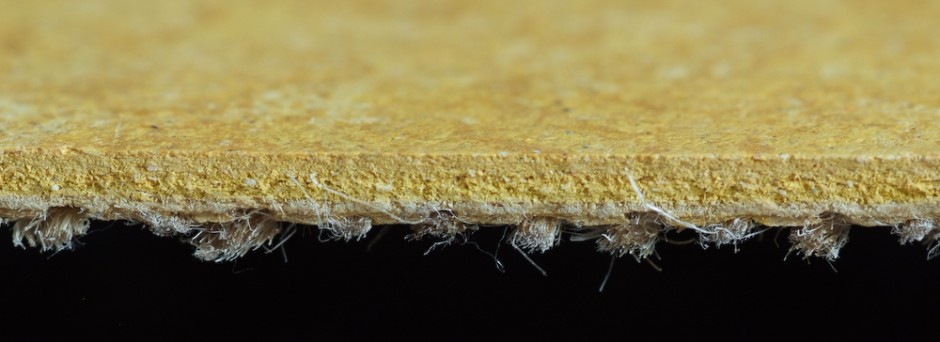
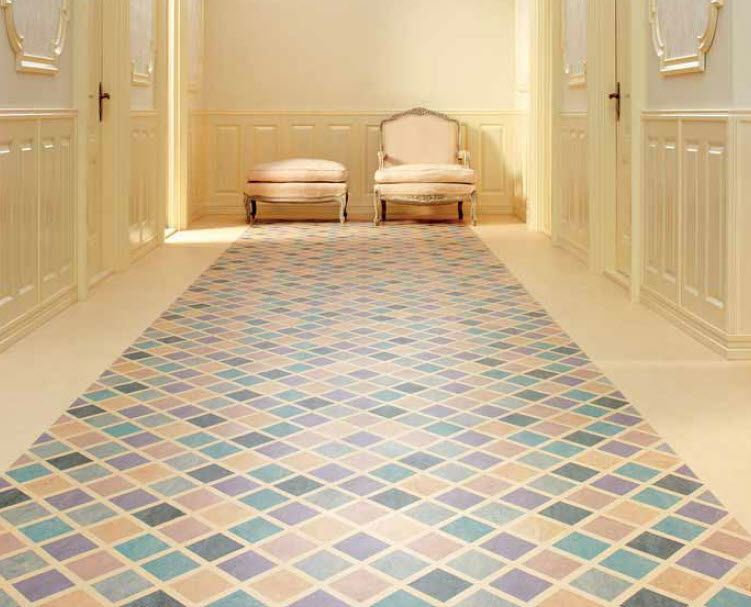
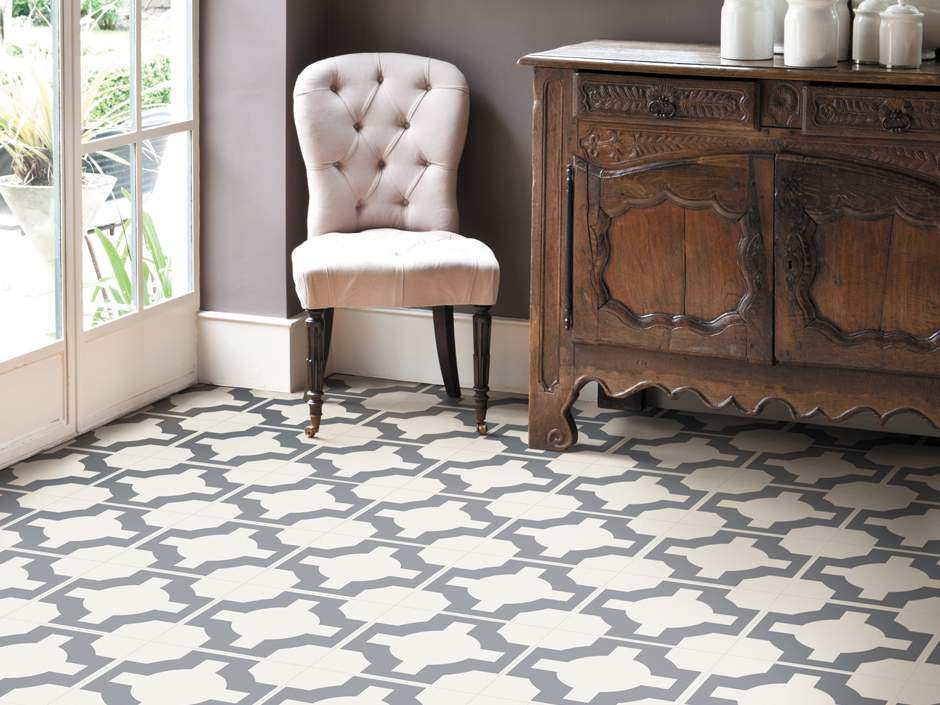
Linoleum floor covering is made of linseed oil, pine rosin, ground cork dust and wood flour on a burlap or canvas backing. It is organic, so recyclable and dissolves as trash. PVC is on the contrary, it is inorganic, so not recyclable, while burning releases chemical gas and ruin the environment as trash.
Beach style
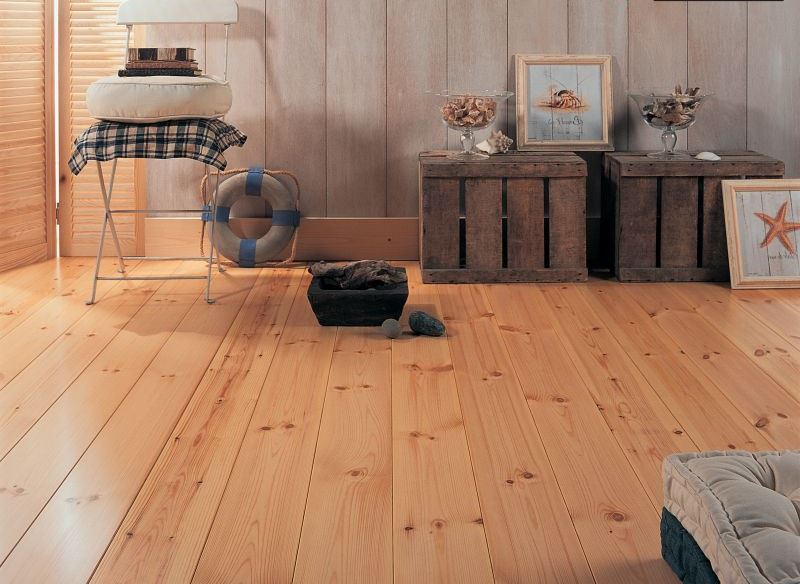
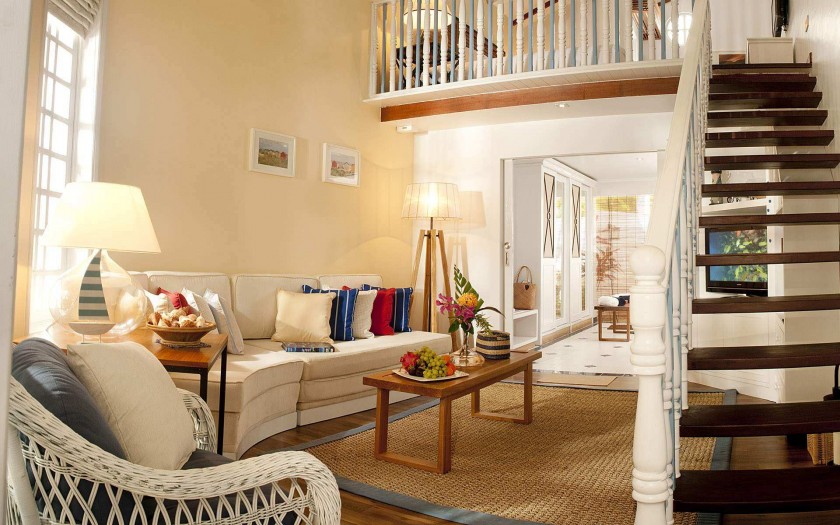
Beach style captures the heart not only in summer, but it is popular all over the year. The reason is maybe the cheerful, airy yet elegant and sometimes contrasting color scheme and the memories of vacations.
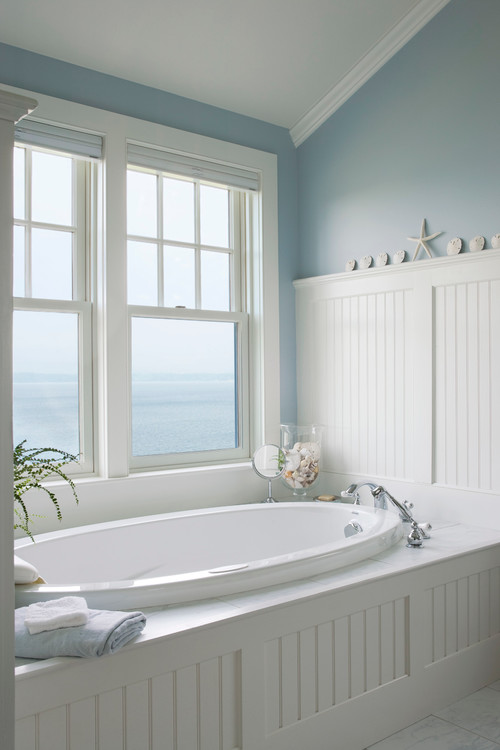
Beach style can be created in the easiest way with two basic colors: white gives a refreshing clean and a sharp clear background for the decoration, beige/sand provides a much more calm and natural basic. The total effect is colder in the case of the first one and warmer in the case of the second. The additional colors are the same in both cases:
The brown of the natural wood (except for orange and reddish hues) appears commonly on the floor, on the beams and on furniture. It’s important that it is not a painted brown color but the wood’s own color which is protected only with a coat of lacquer, this way its pattern also remains visible.
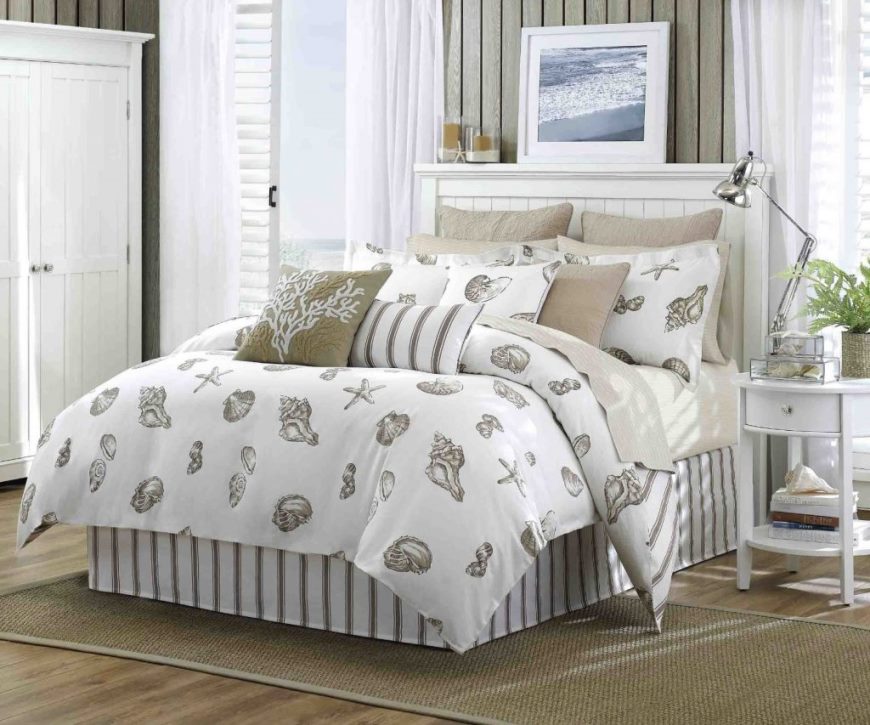
The neutral colors (warm greys, beiges) of natural fabrics (linen, sisal, coir, hemp etc.) look good on carpet, curtains, covers of seats and on accessories like table lamp made of cord, for example.
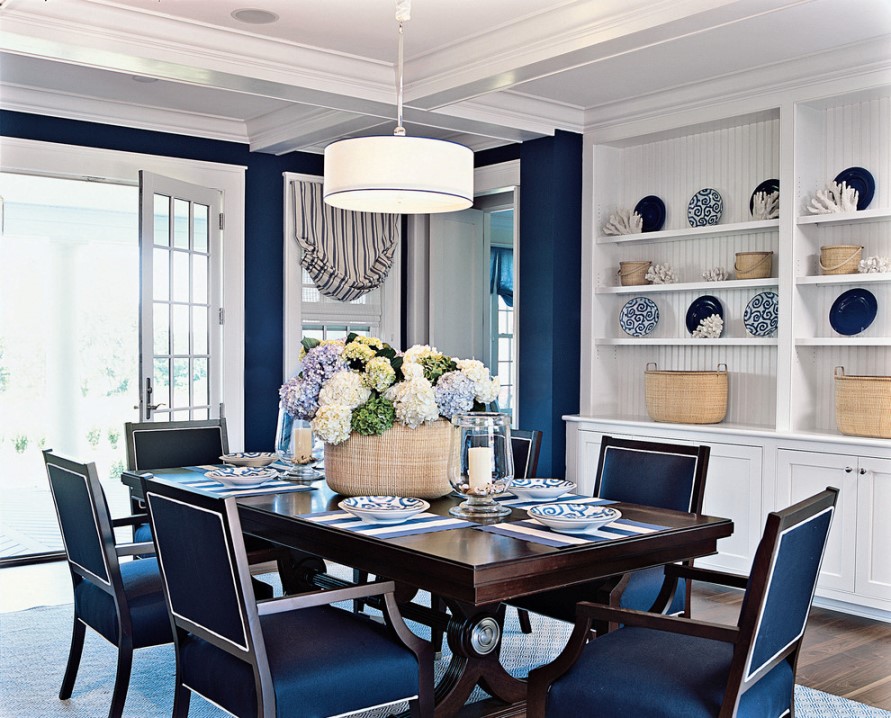
Navy blue is a quite dark color, still it is frequently used as wall color also, not only on accessories. It anchors the space and makes the style much more „tangible”. The effect is high contrast, still calming if pairing it with white.
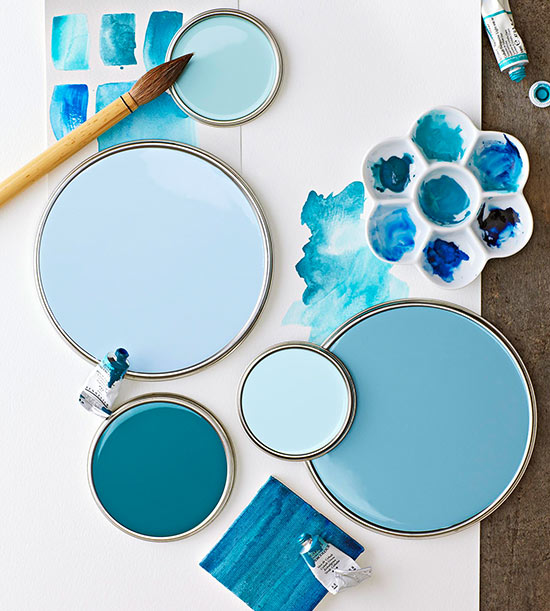
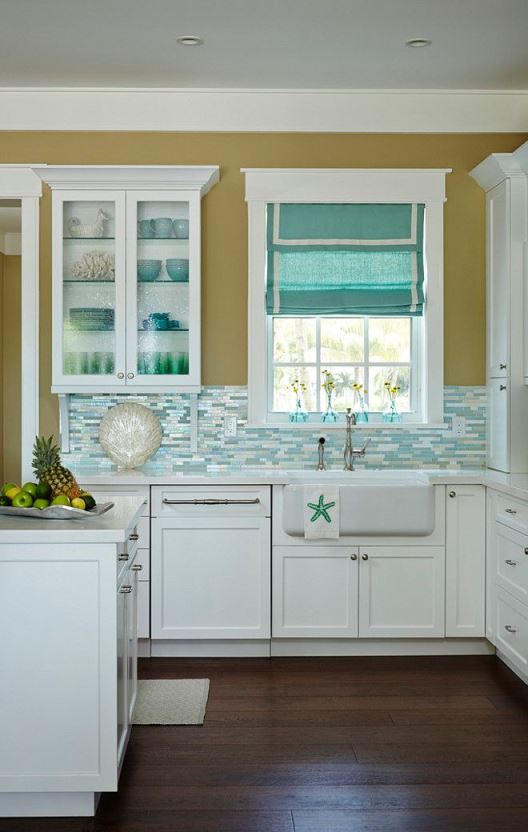
Brighter colors like turquoise, blue water, sunny yellow and red are commonly the colors of accessories. Of course, nothing forbids using them in larger amounts also, even on the walls, but attention should be paid to fit for the beach style. This is much easier to keep if they are paired with white.
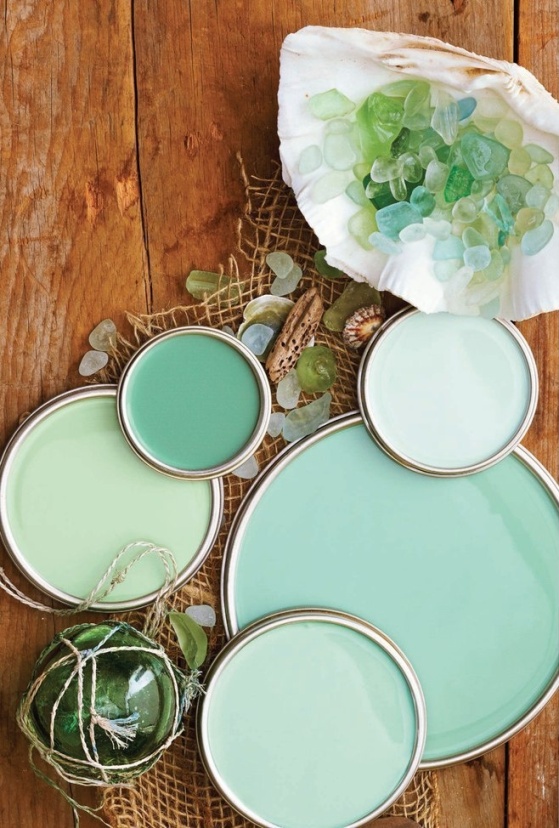
Definitely striped is the favorite among patterns which fits perfectly for this style. The advantage of it that it can visualize more of the colors mentioned above in the same time. Patterns depicting ships and their parts, sea-animals and seaside buildings can be freely used also. Seashells and sea-glass can be collected, starfishes, corals and colored glass bubbles can be bought for decoration, but the wall can be decorated even with a steering wheel of a ship.
If you also would like to go home after work as going to holiday in all over the year, ask for help of an interior designer for creating the seaside mood.
Tin cans
Dark walls
Lingel furniture
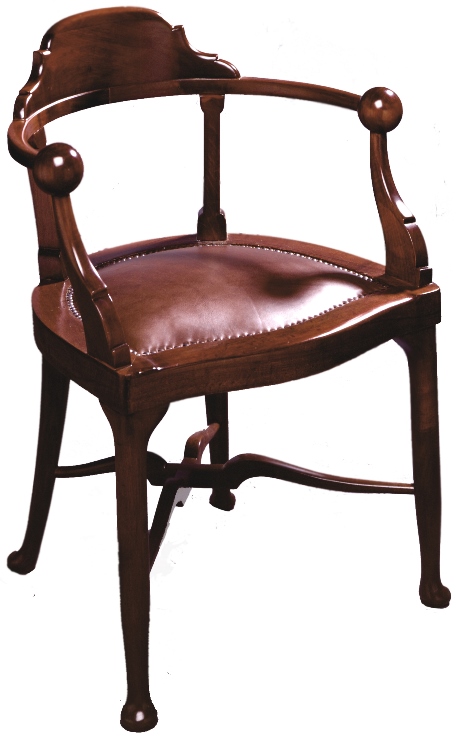
Karoly Lingel founded his company in 1864 which became a furniture factory. Later his two sons joined him and Karoly Lingel and Sons First Hungarian Woodenware and Furniture Factory was born.
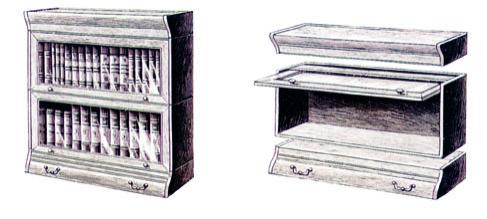
Their best known and most popular product was the so-called American type bookcase. Originally this type was produced in the USA but it soon spread in Europe also. This is a row of separate bookcases, their shelves are protected with glassed, upward-open and push-in doors, this way the books can’t be dusty but they are visible and decorate the room.
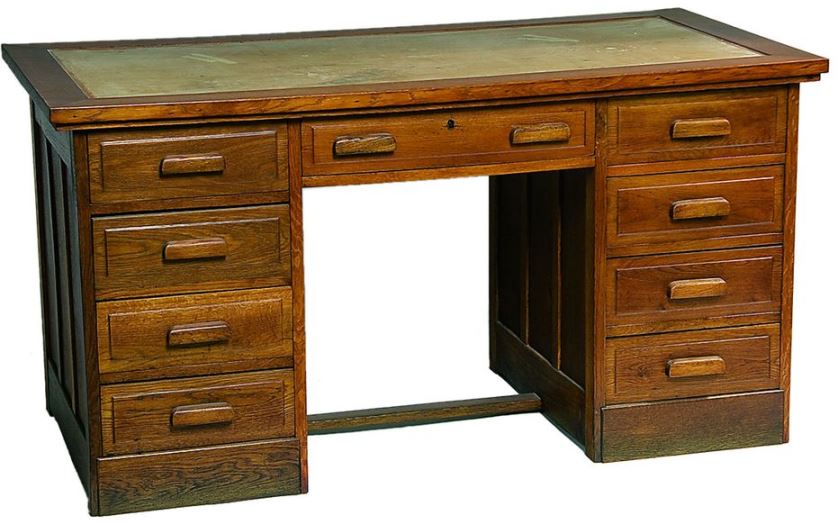
This bookcase was the part of their office furniture set. Lingel recognized the spreading of bureaucracy and the growing demand with it, that’s why he started to produce desks, post counters and various storage cabinets.
Between the two world wars, they even made furniture sets for kitchens and private rooms. These were capable for mass production, this way they could fulfill bigger orders also. At the design, they noted the spreading of Art Déco.
The factory was socialized under the name of BUBIV, but the family reopened it in 1997, so the bookcase can be bought again as a replica. The original pieces are very sought after at auctions. They are not only valuable but beautiful and practical too. They fit perfectly in a classic style library.
Thomas Kinkade 5.
Instead of four poster beds
Mouldings
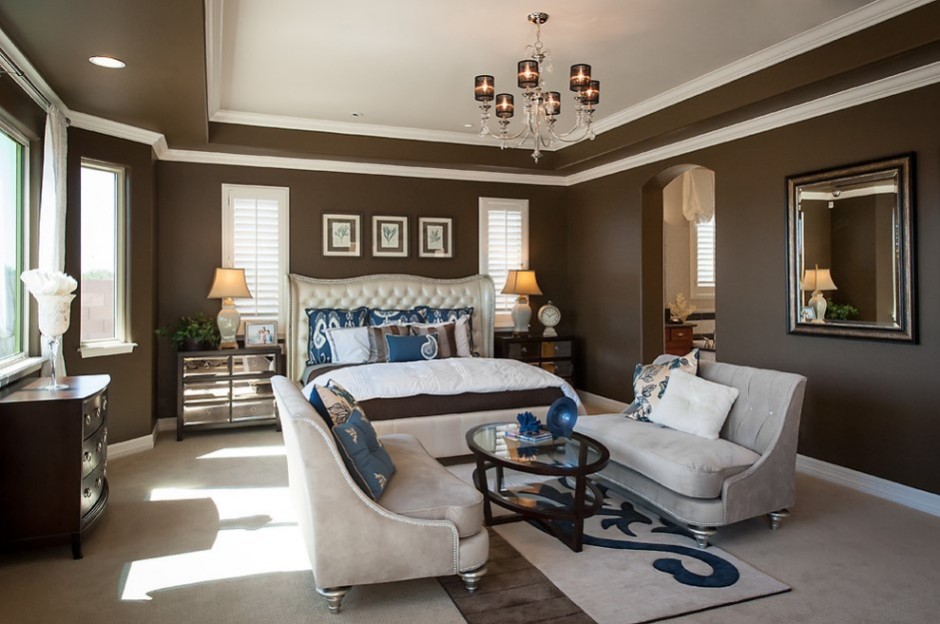
Mouldings are not only decorative but improve the features of the room. Walls can be sectioned by them, thus we feel the low ceiling higher, but they also help section the too high ceiling, making it more acceptable for the eyes. Frequently the spaces between mouldings are painted in different colors or they get different coverage.
In old times, mouldings were made of hardwood or gypsum. Most of them was richly carved which complemented the architectural elements. Nowadays they are mass produced, made of paintable polystyrol. This can be placed very easily and can be bought in several sizes and patterns.
Baseboard is placed downmost, at the junction of the floor and the wall. Its back side is straight, this slicks to the wall. It is made of wood or fiberboard, which can be painted easily also, but for wet rooms there are many pieces in tile-collections. The dimensions of the baseboard are specified by the scales of the room, commonly 8-12 cm high (but maximum 20 cm). Its task is hiding the floor’s bumpiness and protecting the wall from e.g. scratches by legs of the chairs.
Dado rail is set up at 85-90 cm. The wall-part below it is frequently paneled, which protects the lower part of the wall from damaging impacts. Its height anno was equal with the height of chair backs (chair rail), so it was suited for protecting the wallpaper or painting when chairs were pushed against the wall. Later it had rather just a decorating role.
Picture rail is a fully functional element: big, framed paintings are hanged on it with wires and hooks. It holds their weight and this way the plastered or gypsum-decorated walls are not damaged. It is placed between 210 and 270 cm depending on the height of the ceiling.
Crown moulding is placed at the junction of the wall and the ceiling. It gives finiteness and frames the room. Exact mitering in the corners is essential for the esthetic, perfect fitting of the two parts. The cross-section of cornice is a right-angled triangle, they are being pasted up in just right the corner. Because they hide the joint of the vertical and the upper horizontal planes, they raise the feeling of height.
We can use other, similar decorating elements beside the basics. Ask for help of an interior designer for planning.