Modern design can be more easily integrated to elegant interiors using organic shapes of nature
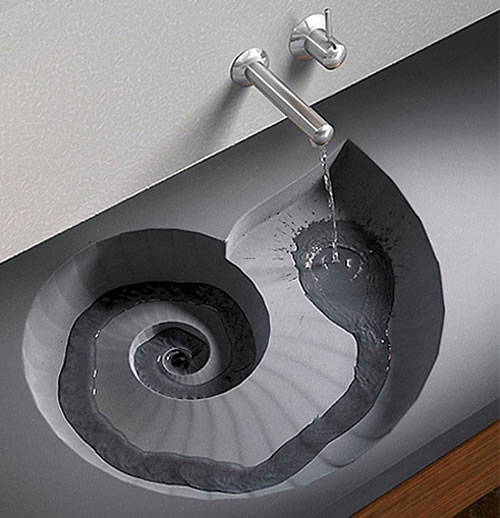
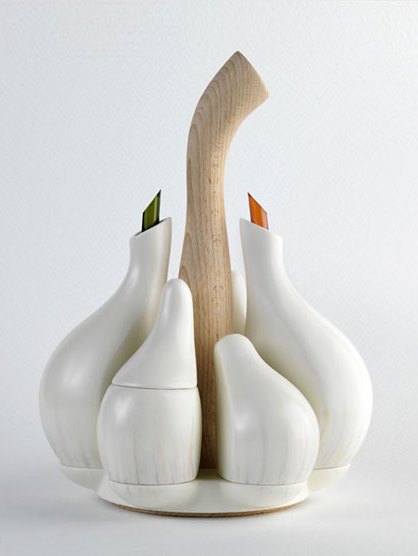
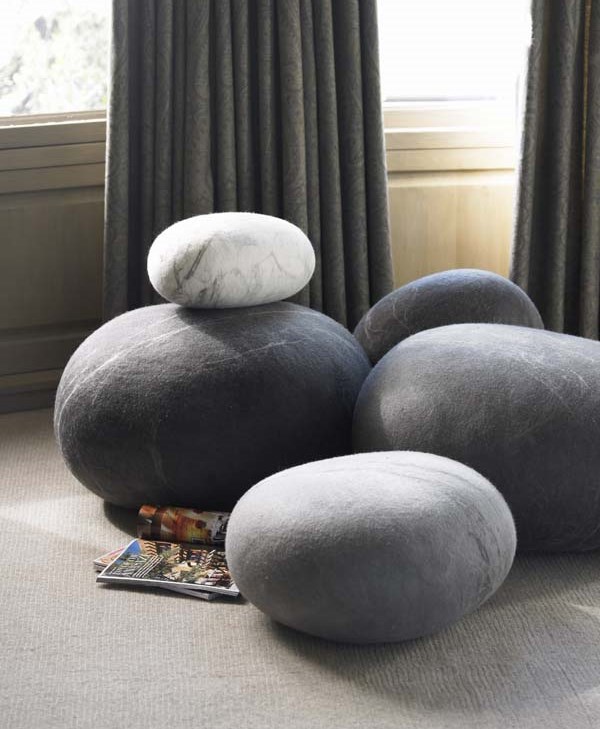

Modern design can be more easily integrated to elegant interiors using organic shapes of nature
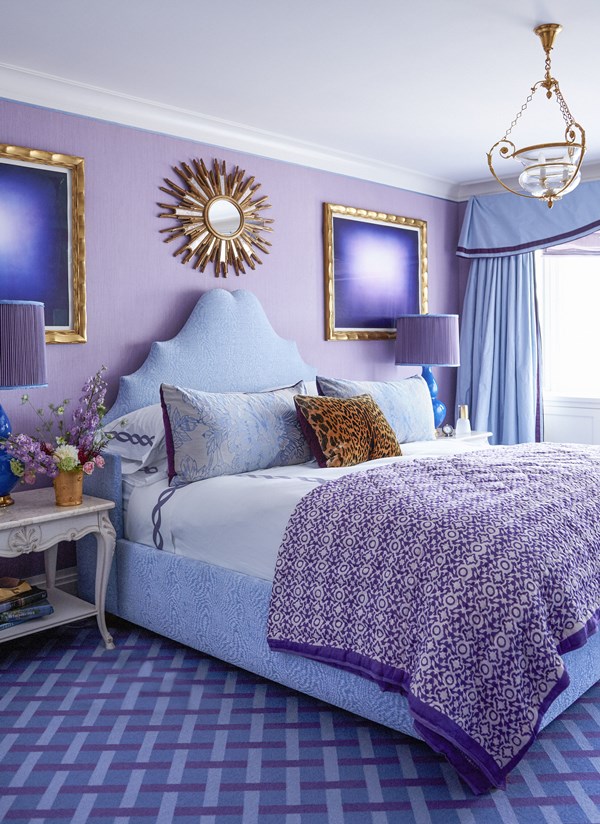
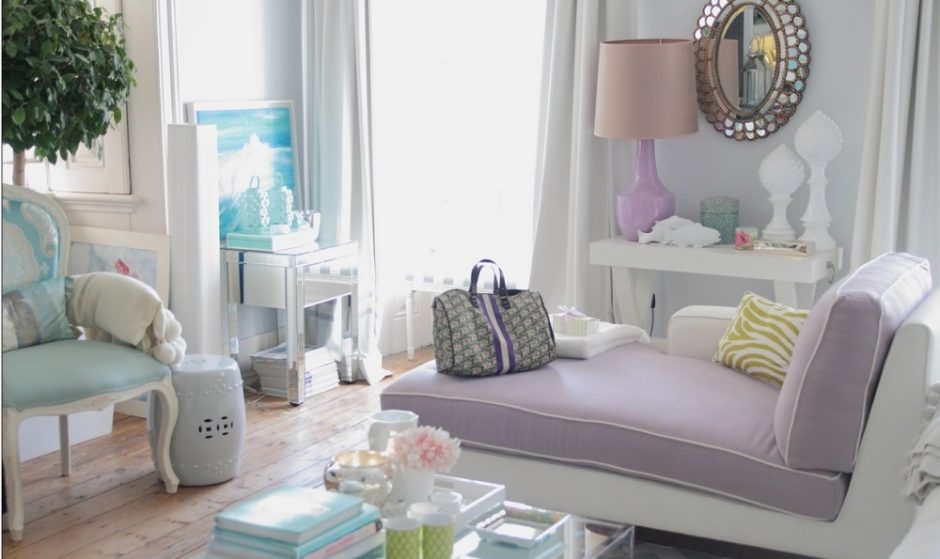
Color pairs: blue-purple
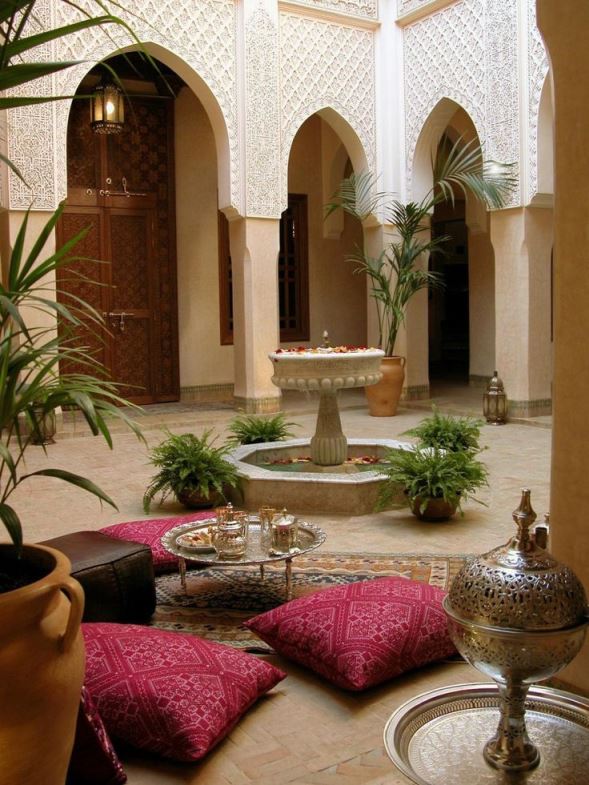
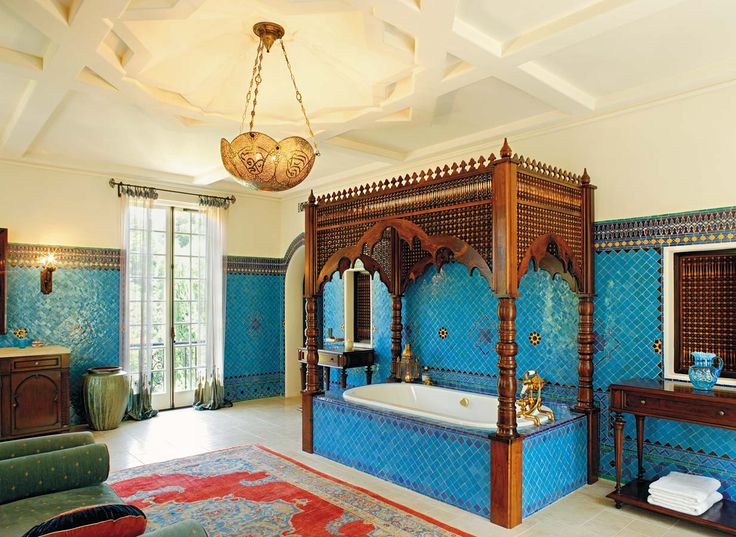
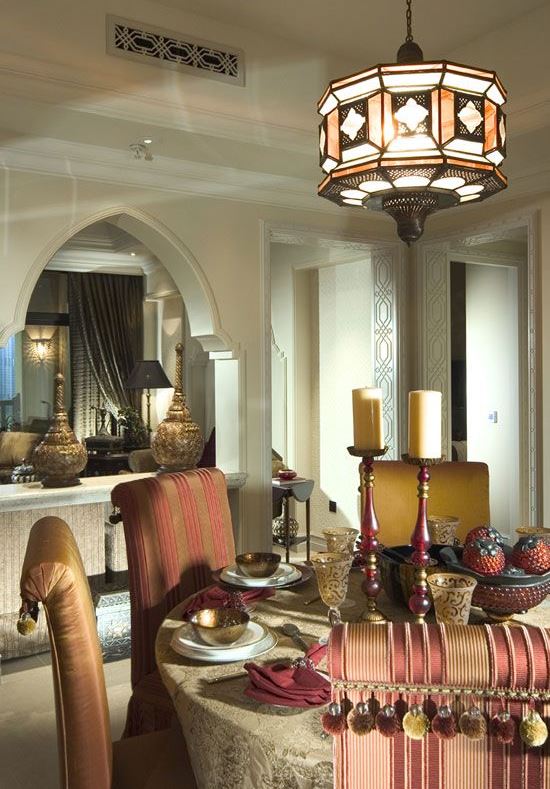
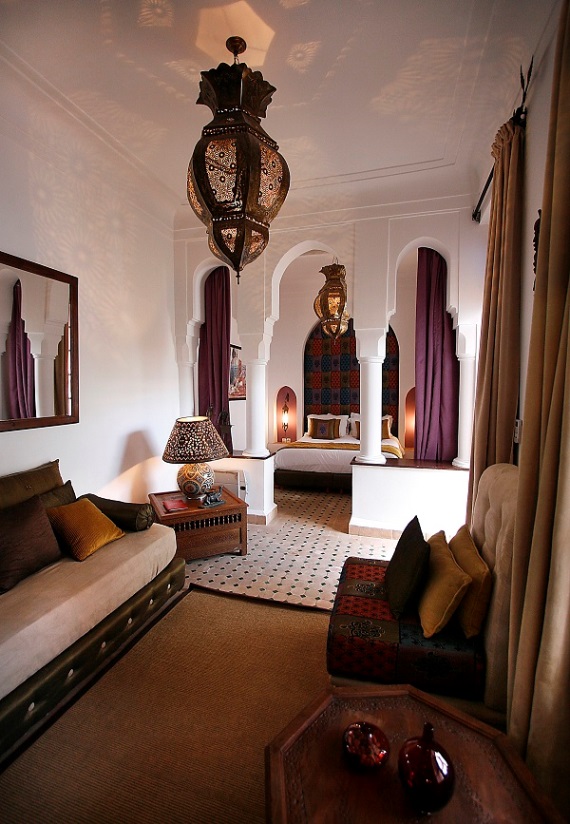
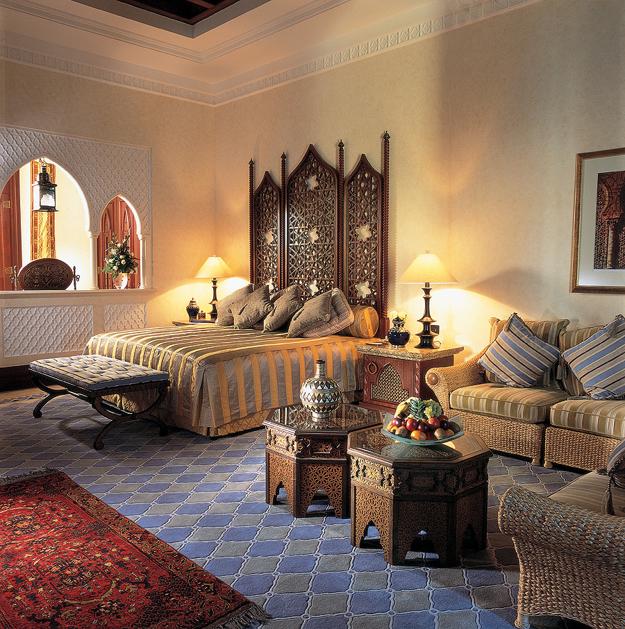
Moroccan style is one of the favorites among eastern interior trends. It means exoticism, mystery, fabulousness and eastern comfort to many people.
The architectural elements give the basis of the style. Its characteristic features are pointed arches, curved door openings, trellises and keyhole motifs. The yard of the houses is inside the building, separated from the outside world. On the one hand, they protect the privacy with this, on the other hand, this garden area helps to keep the house cool even in the big heat. It is an Arabian country, so the human and animal motifs are not allowed. They use geometrical shapes and floral motifs instead.
The colors are the most impressive in Moroccan homes. White or neutral walls give the background for the vibrant colored seats, accessories and carpets: bright oranges and greens, turquoises, shades of purple, red and saffron are the most significant. Summarized, these are the colors of spices and precious stones.
Richly carved wooden commodes, tables and screens can be dark brown of course, just like painted or inlayed. Using ornate concretes and tiles provide the coolness of the interiors in the tropical country, used not only as floor tiles but as decorating elements around doors and windows and pavement of fountains also. Handcraft carpets are laid on the floor. Comfort is provided by the several fabrics. Cushions, poufs and pillows bring colors in the sight.
The beautiful metal accessories are commonly made of copper or bronze. Inwrought lanterns and lantern shaped candle holders are the main features of lighting, which cast fine shadows on the walls. Decorating elements made of mirror reflect the light.
There are many shops even in Hungary selling eastern (style) accessories and furniture. Ask for help of an interior designer for creating a Moroccan style home.
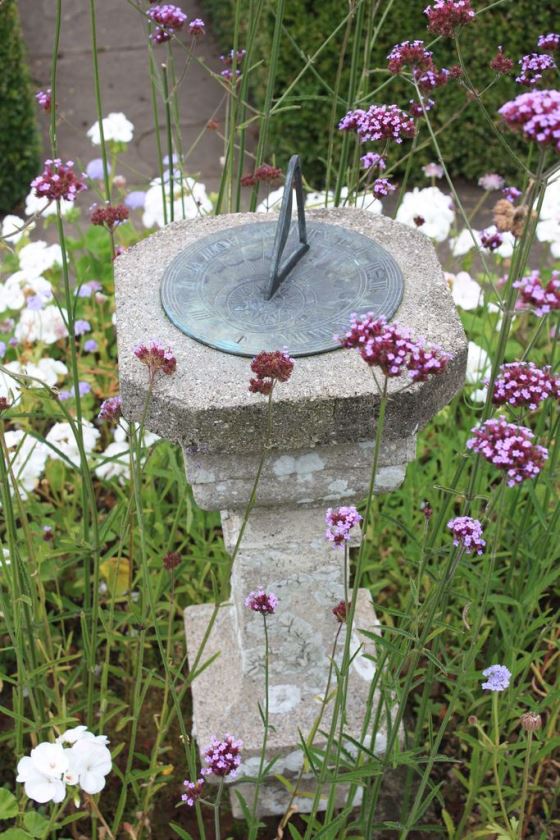
Sundial is a typical classic garden decoration
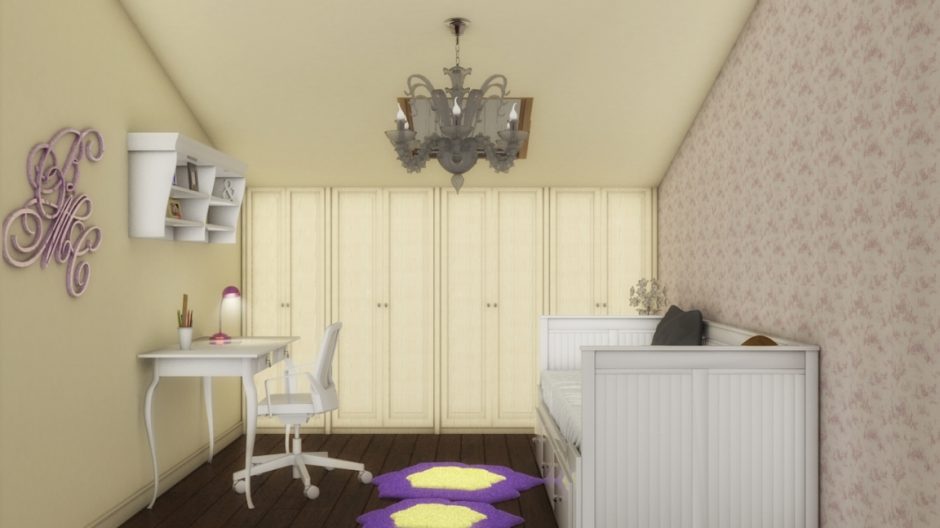
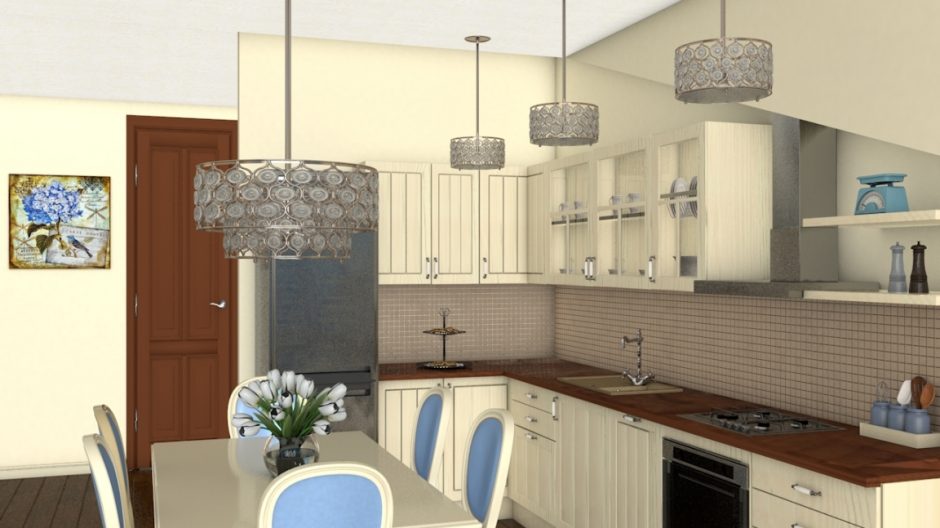
Designed for a competition: 56 sqm attick flat for a young couple and their 5 years old daughter
More picture here: https://classicinteriors.hu/en/references/21-references/54-references12
It is a common problem in a family home zone that the window of the kitchen or the bathroom is oriented to the neighbor’s garden, so anybody might look in. Here are some ideas how to keep the curious eyes away our private life.
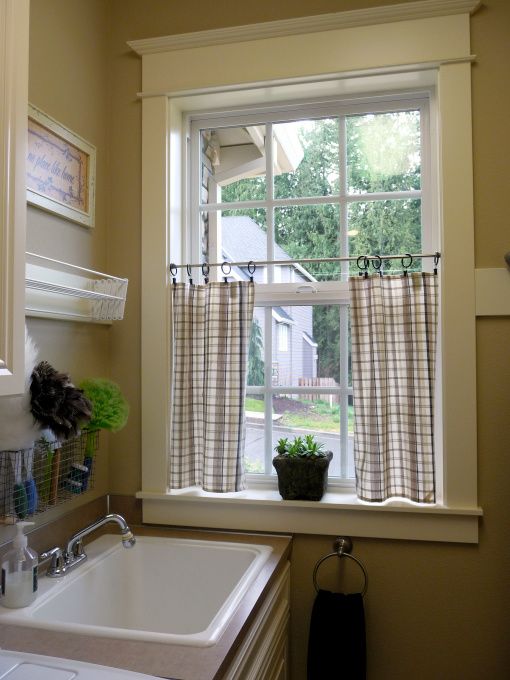
Curtain is an obvious solution. It’s not quite simple in a wet room with a commonly small window. The coffee curtain covers only the lower part of the window. We can look out in standing position, but it hides the room from outside. It doesn’t darken the room and can be made of various fabrics (lace, voile, vintage tea towel, burlap etc.). We can fix it to the window frame without drilling by its rod.
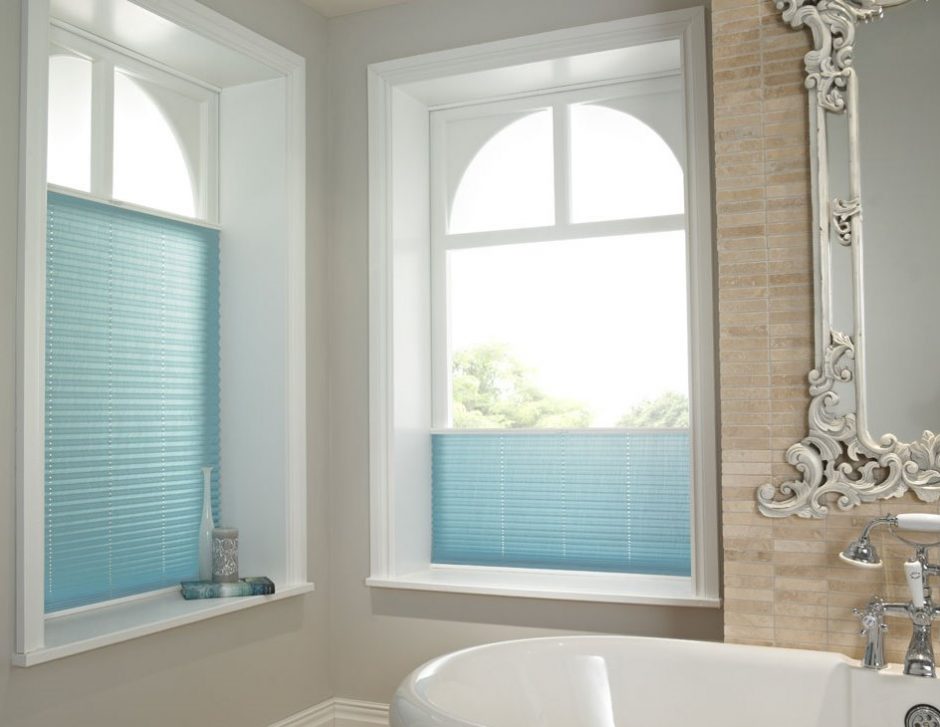
Pleated blind can be ordered of many types of fabrics, even in black-out version. The pattern and color assortment is wide. Its advantage is mobility in both directions, so we can choose the desired coverage of the window. If there is no need to cover, we can simply push it above like an ordinary blind.
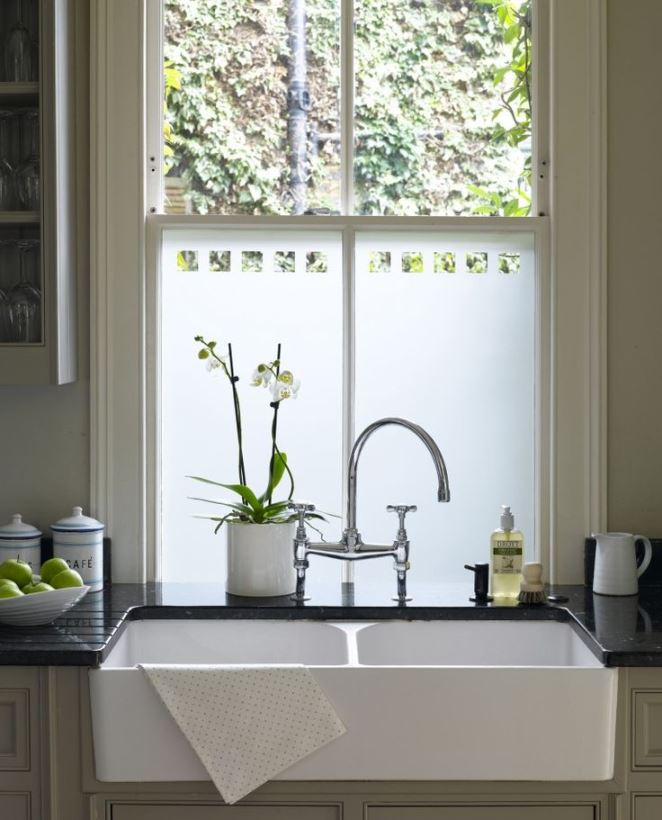
Window foil is a good choice if we do not want to use fabric in the room. It is self-adhesive, can be applied easily. It can be ordered with unique pattern or bought ready-made. The main disadvantage is blocking the view. If applied at only the lower part of the window, we can look out above it, just like in the case of sash-curtain. We can also handpaint motifs on the glass of the window using glass-paint and stencils.
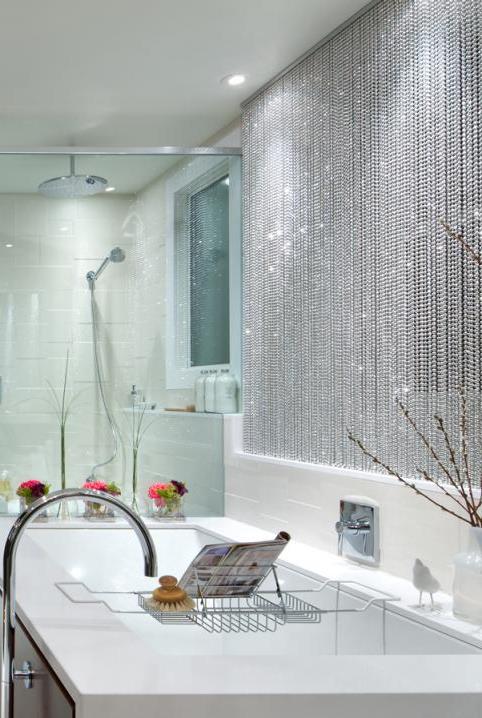
An extraordinary solution is using thin metal chains instead of curtain. Hang the chain links (instead of clips) on the hooks of the curtain rod. It can be cut easily to the desired length if it was pre-measured. Chain lets the light through and partially blocks looking out (it depends on the density). The chains can be also applied to a coffee curtain rod by small rings. This solution is used usually for separating parts of a big space, but it’s perfect for windows too. We can choose a fibre of glass beads or crystals instead of metal.
An inner shutter is a clever and unique answer to the problem. If we don’t need any cover, simply leave it open. The window doesn’t have to be opened for using the inner shutter (unlike the outdoor one) which is useful in winter time. It can cover only the lower part of the window either, this way light comes in while it is closed.
Ask for help of an interior designer if encountering such problems.
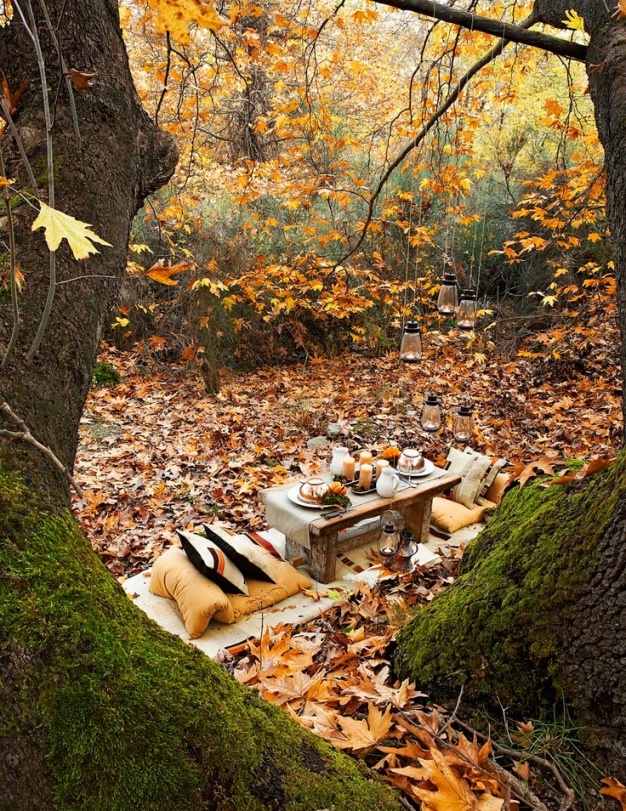
Prepare for a nice fall picknick with warm blankets, seasonal fruits and hot tea
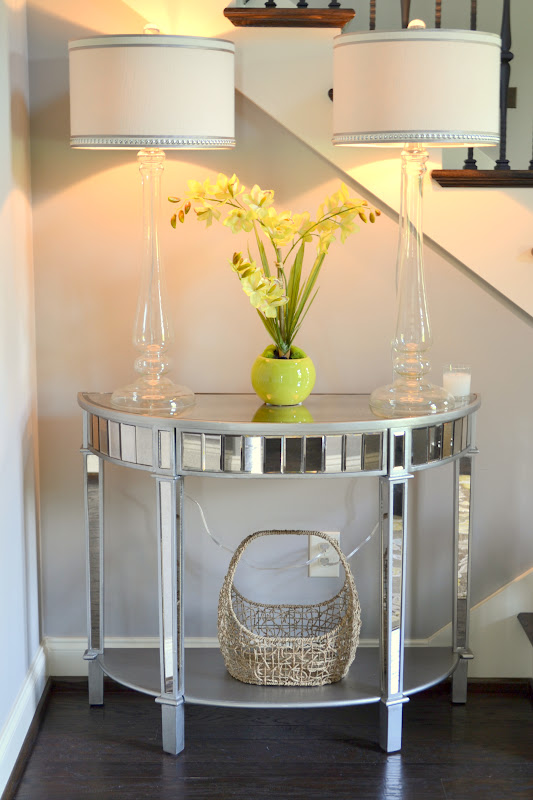
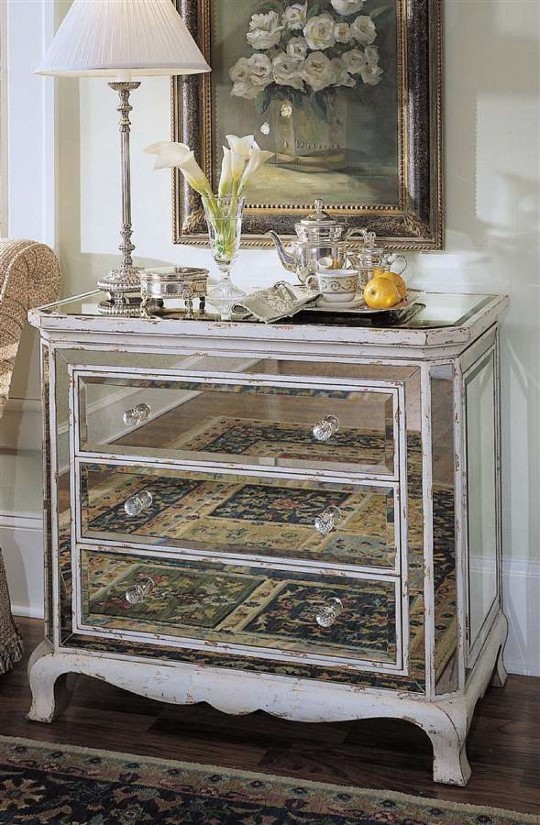
When mirror is not on the wall: special, elegant, full of light
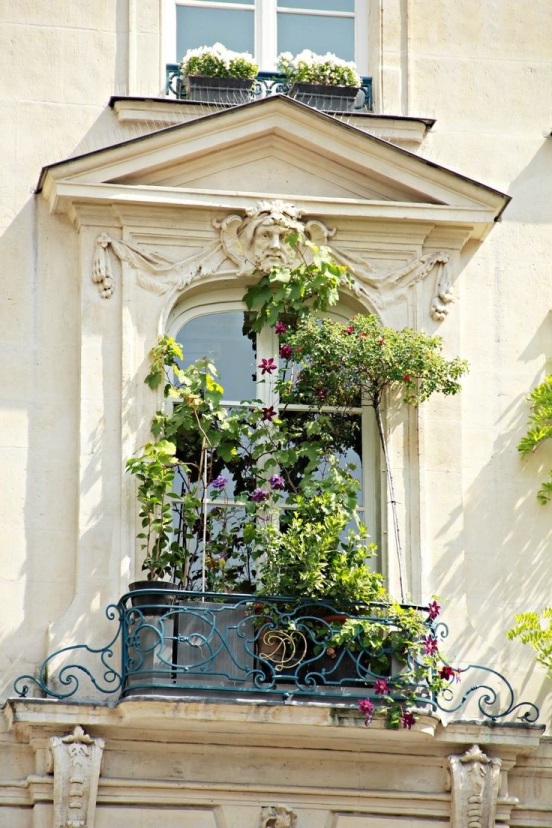
French balcony is an additional part of the flat that can be hardly used well. Even we cannot step out on it, actually it is only a balustrade before the (French) door.
It’s a simple solution to dress this part with potted flowers and balcony boxes to get the illusion of a garden. It can be extended a wooden trellis fixed on the outer wall around the window. Creepers will love it. We frame the window with it and add more green to the view. Take care of the size of the pots placed on the floor that we can still close the window. Generally, only a custom-made box fits for this tiny place.
A cozy reading nook can be created near the open window if the weather is nice. Just throw a comfortable cushion on the floor and lean another one to the frame. Add a blanket and a cup of hot tea on colder days. We can comfortably dig into our book, half afield.
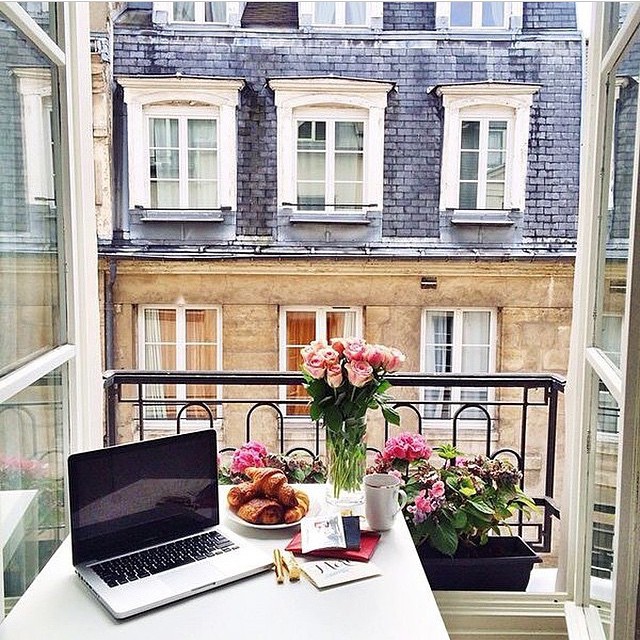
If we place a smaller table and a chair at the front of the open window, we can make home working more pleasurable. We gain enough space for using a laptop while enjoying the view also.
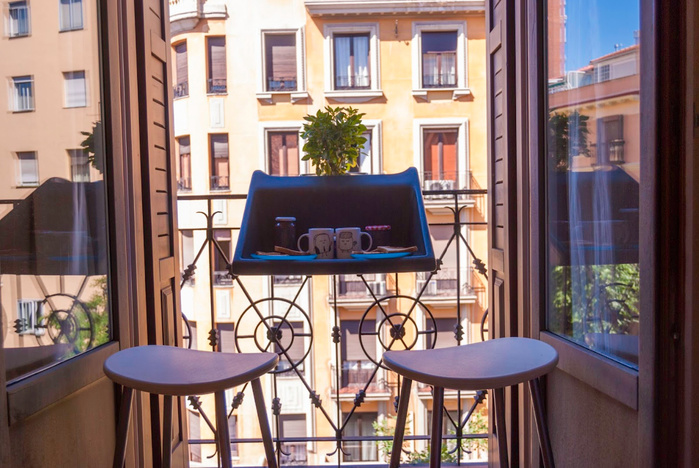
Breakfast outdoors. Almost. We can conjure a romantic place for drinking breakfast coffee with a tray hung on the balustrade and two chairs. Don’t forget the flowers planted in the balcony boxes.
Ask for help of an interior designer for clever using of such problematic spaces!
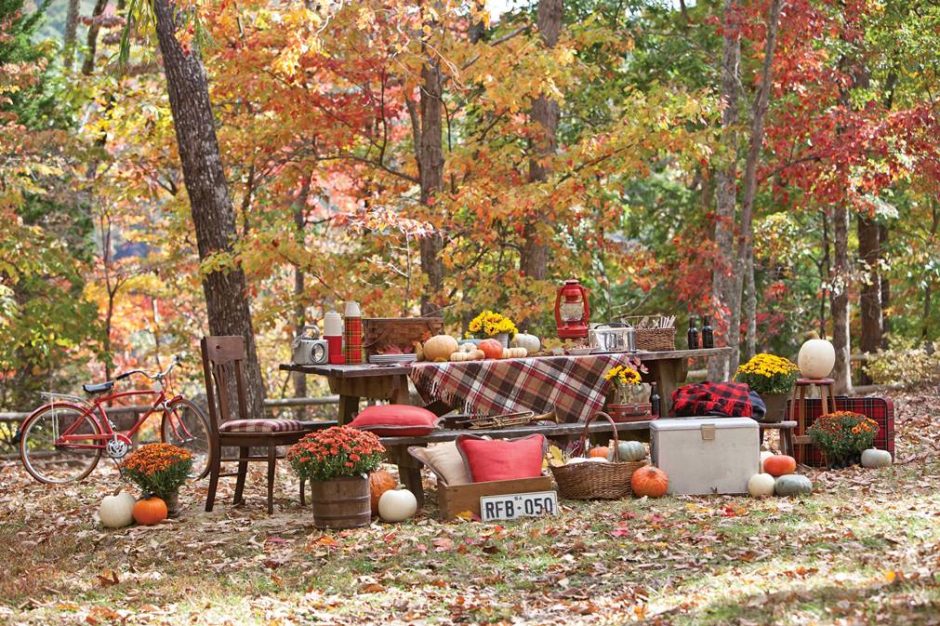
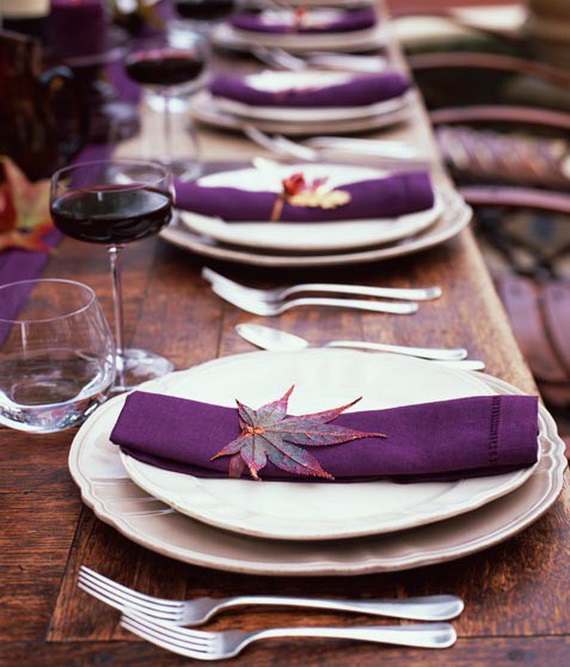
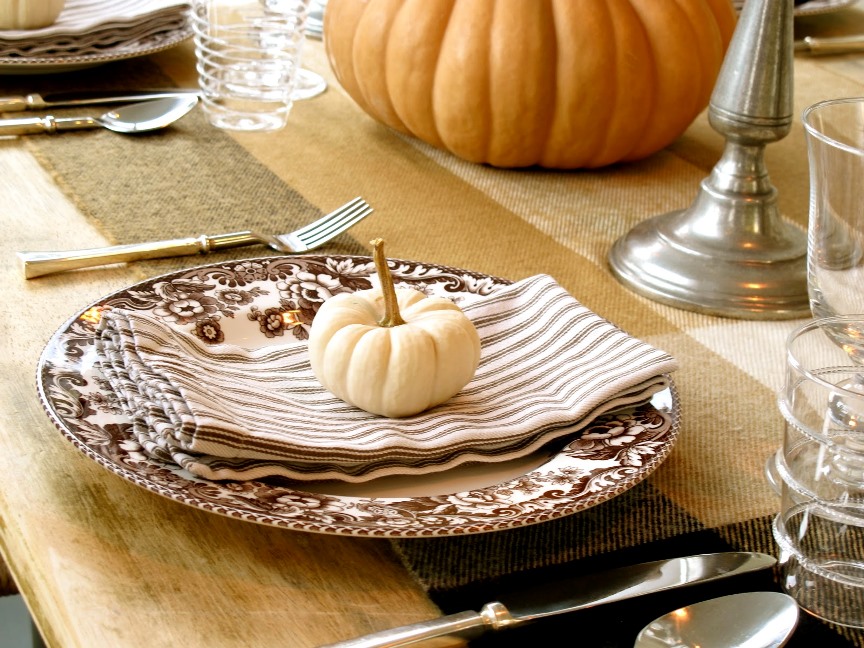
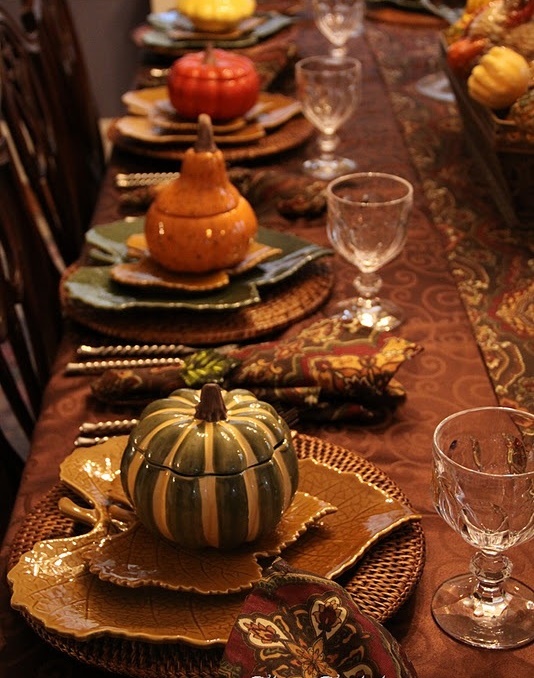
Create a pleasing fall mood at the table by seasonal table settings