Some ideas for those who can’t or doesn’t want to buy a christmas tree

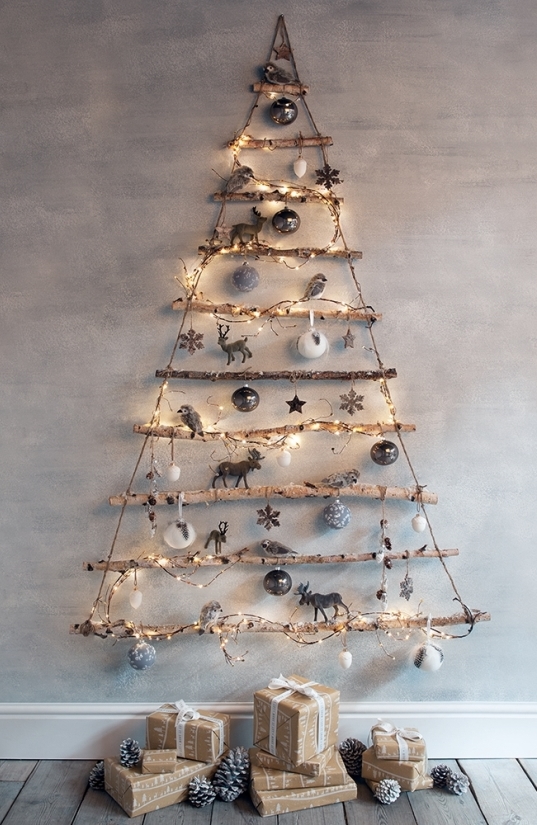


Some ideas for those who can’t or doesn’t want to buy a christmas tree
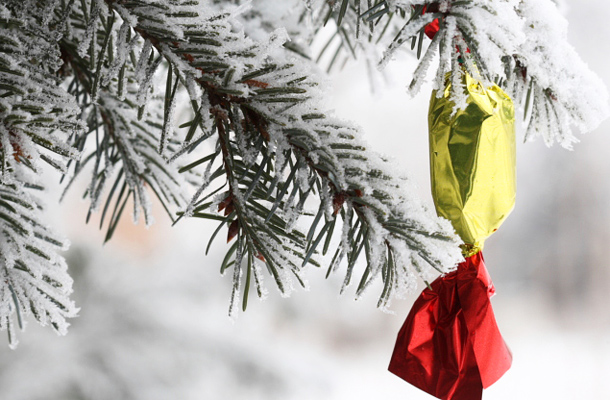
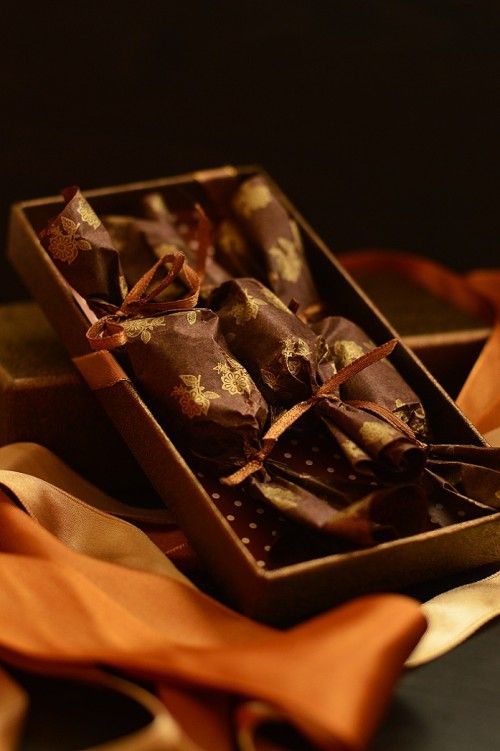
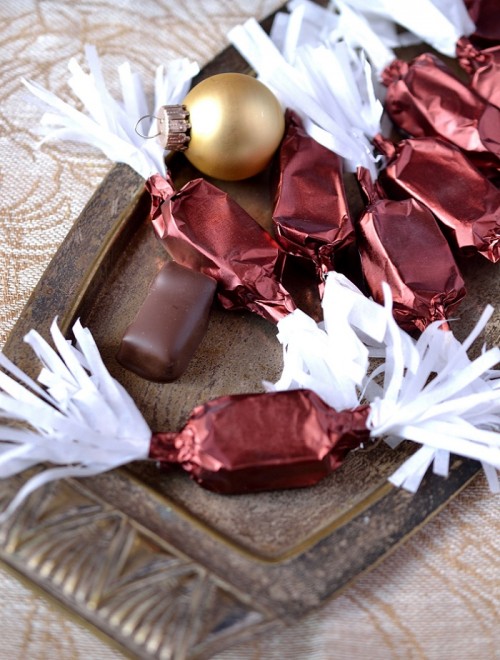
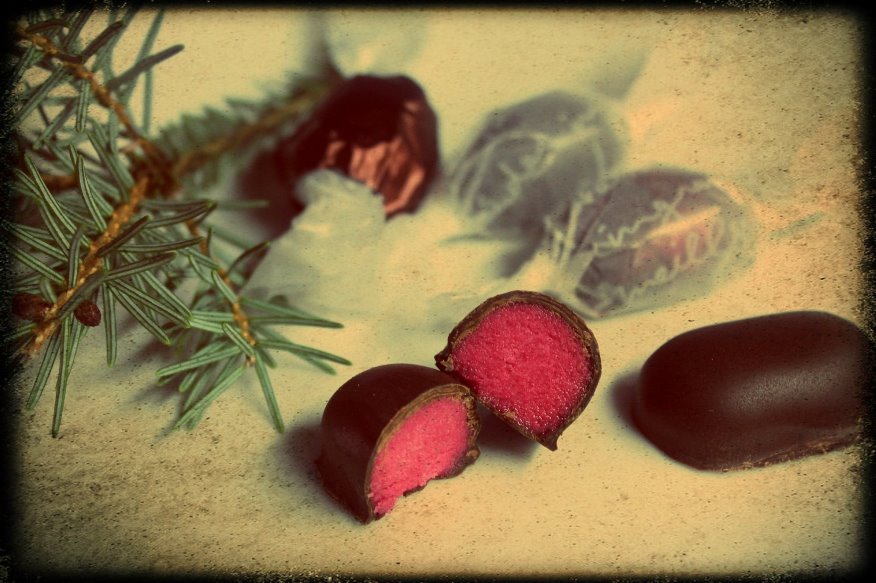
The Christmas candy called saloon fondant (szaloncukor in Hungarian) is a common Christmas tree ornament and candy in Hungary. It is a real Hungaricum, but it is less or not known at all other countries.
Its origin is a fondant which was a soft dollop made of supersaturated sugar solution. It was produced in France already in the 14th century. It arrived to Hungary only at the first half of the 19th century but became popular very soon. Saloon fondant was first produced by hand and wrapped in tissue and tinfoil paper. Aphorisms were printed on the inner side of the paper.
The first fondant production machines appeared at the end of the 19th century. These were working in Stühmer chocolate factory and made saloon fondants for Gerbeaud confectionery. Only the thrumming of the paper remained manual operation but later it was mechanized also. There are already 17 types of saloon fondant recipes could be found in the Kugler confectionary book published in 1891. The candy was produced for custom orders of the customers also. In this case, the customer could define the flavoring and the color of the wrapping also.
Although it is a glittering ornament of Christmas trees nowadays also, hanging it on the tree is not favored by everybody, because of the remaining empty papers hanging there when „somehow” chocolates „disappear” from them. They will be showy accessories as well put on a nice tray or in a bowl under the tree.
Countless flavored and colored saloon fondants are available in shops today, we can choose among many companies’ products. It is a matter of taste which one you prefer, however it’s worth to pay attention of quality.
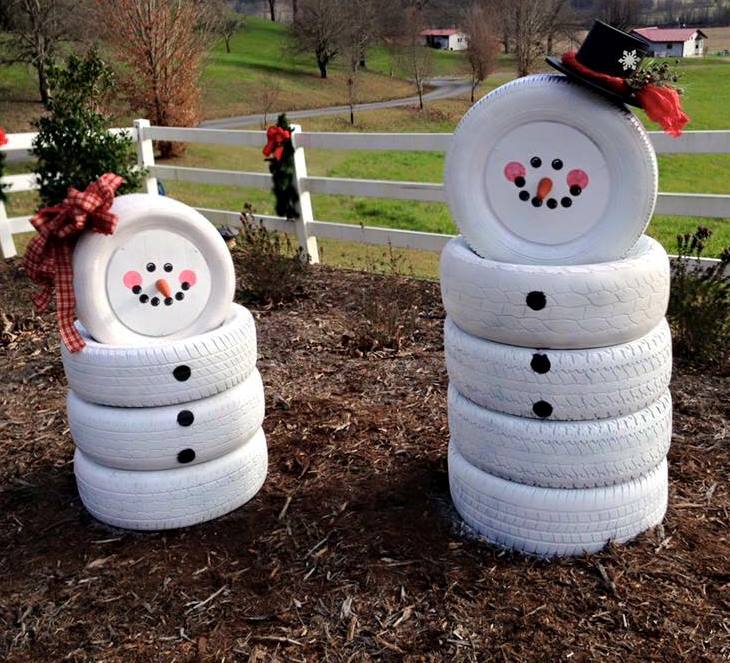
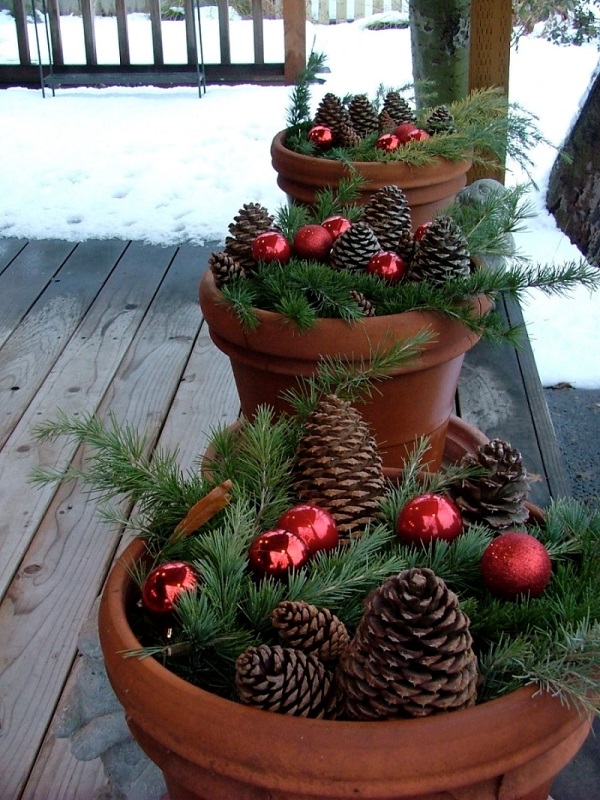
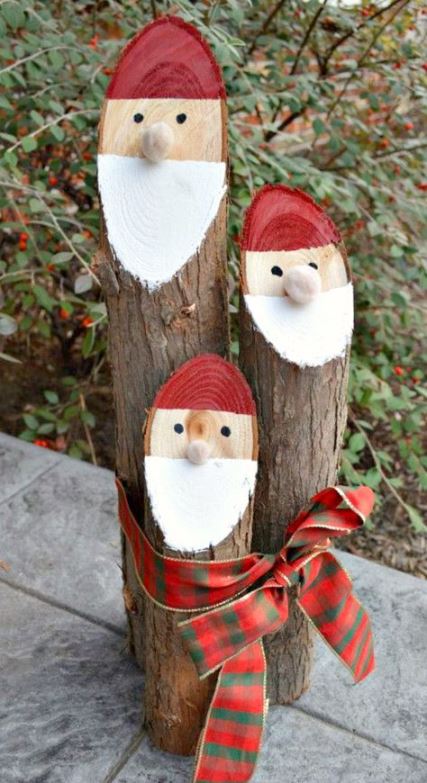
DIY outdoor christmas decoration ideas
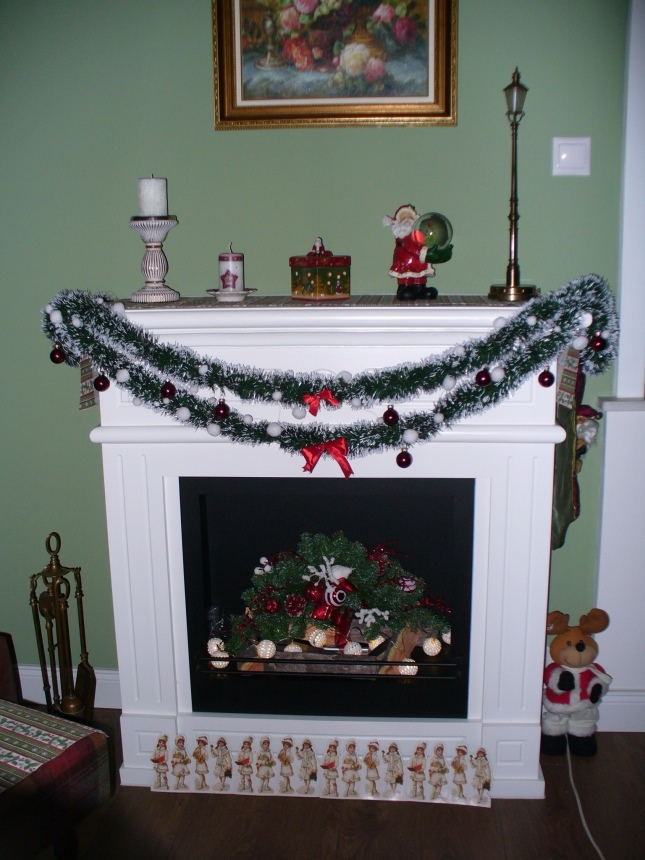
Waiting for Christmas – in classic style
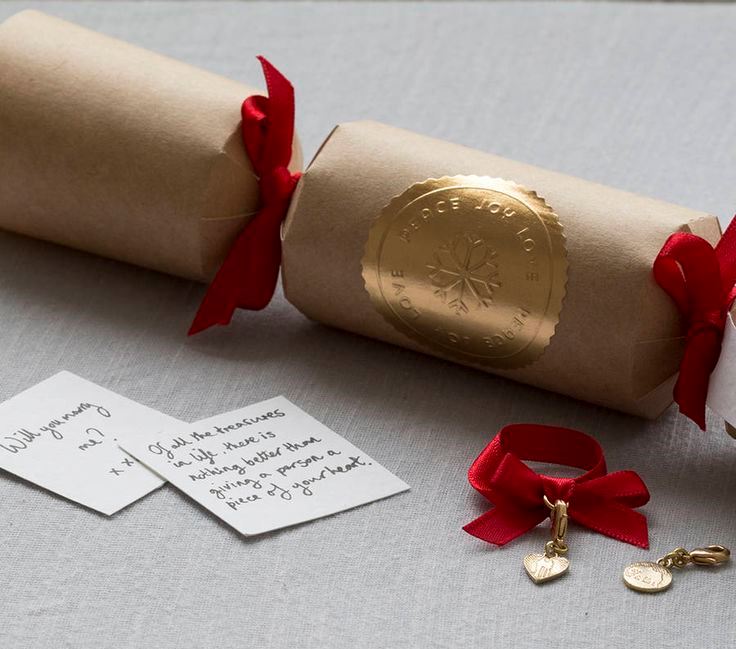
Christmas cracker is a popular tradition in the United Kingdom, Ireland and Commonwealth countries. The happy and playful gift was adopted by many countries already, but it is frequently used on other festive or even birthday parties also.
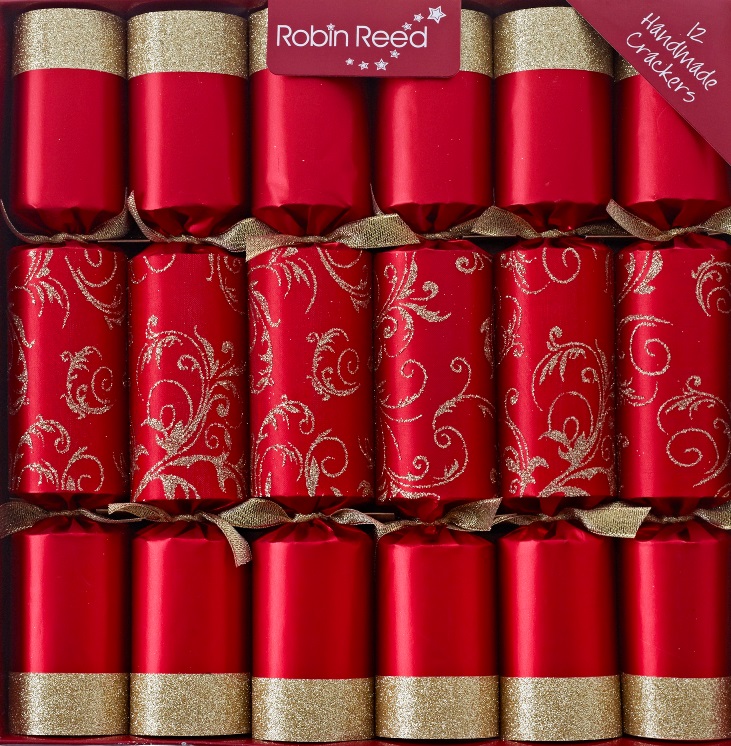
Its base is a zig-zag segmented cardboard tube which is wrapped in color paper, just like a huge fondant. Commonly red, green and gold colors are dominant. When it is pulled apart by two people at its two ends, it has a mild bang sound. As to the tradition, it is a part of the Christmas table set, there is one of it on every plates of the guests. There are small objects inside the cracker: a paper crown (which is worn during the dinner), a quote or riddle, a small toy, for adults another small thing instead of toy (for example bijou).
Its origin dates back to the 1840s. It was invented by a sweets-seller in London, to wrap bonbons in a similar tube. When the sales began to decline, he did a trick and inserted love messages on papers near the sweets. The idea of adding the crackle element came when he heard the crackle of logs on the fire. The variation with presents was introduced and made popular by his son.
Christmas cracker set commonly of 3, 6 or 12 pieces are sold in several places in the Anglo-Saxon countries. It can be purchased in several sizes and all colors of the rainbow. The sets for children and adults are separated. However, it can be made easily by DIY with a toilet paper roll and a Christmas wrapping paper.
Let’s try this funny present this year if you would like to surprise your family at the festive table.
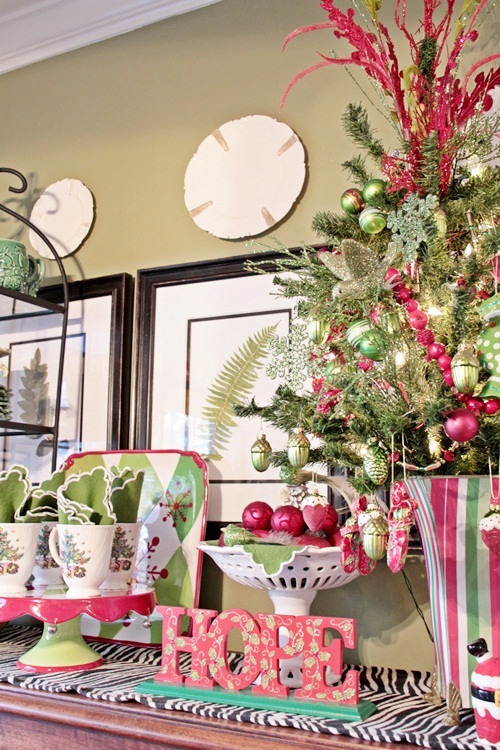
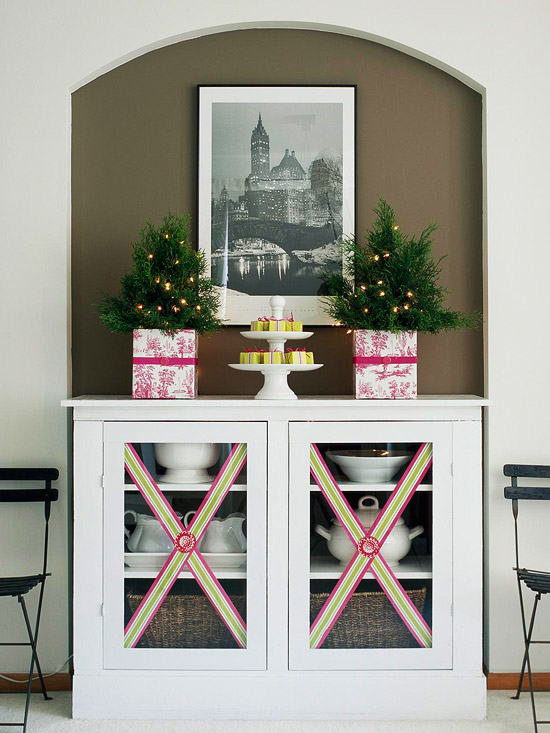
Choose not the common shades of red and green for a fresher look of traditional christmas decoration
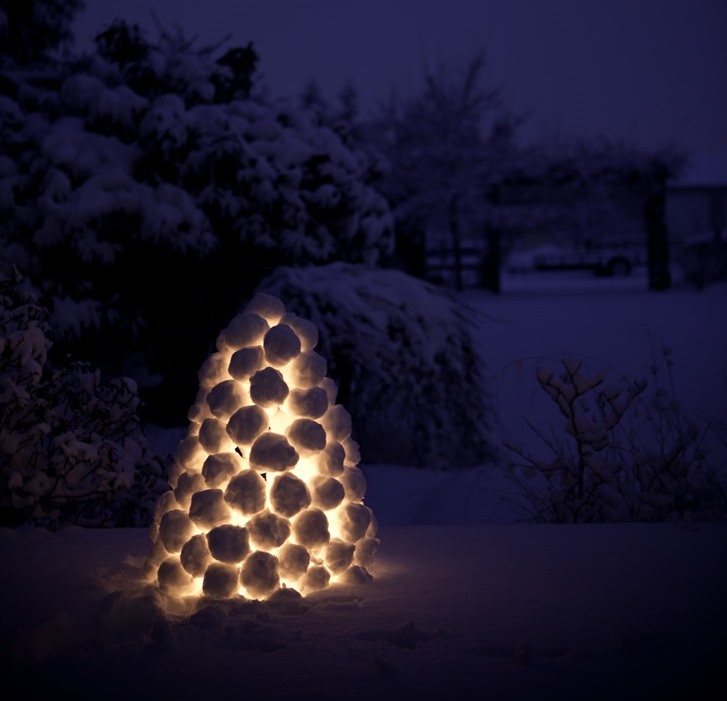
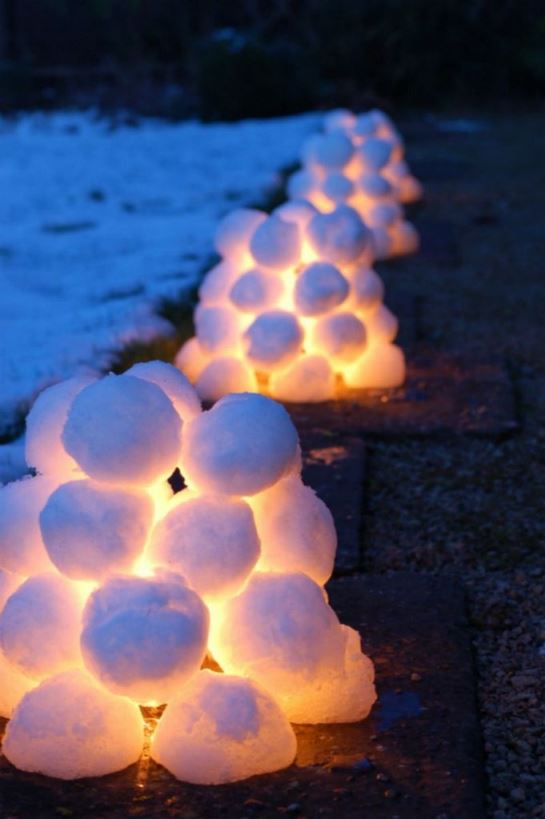
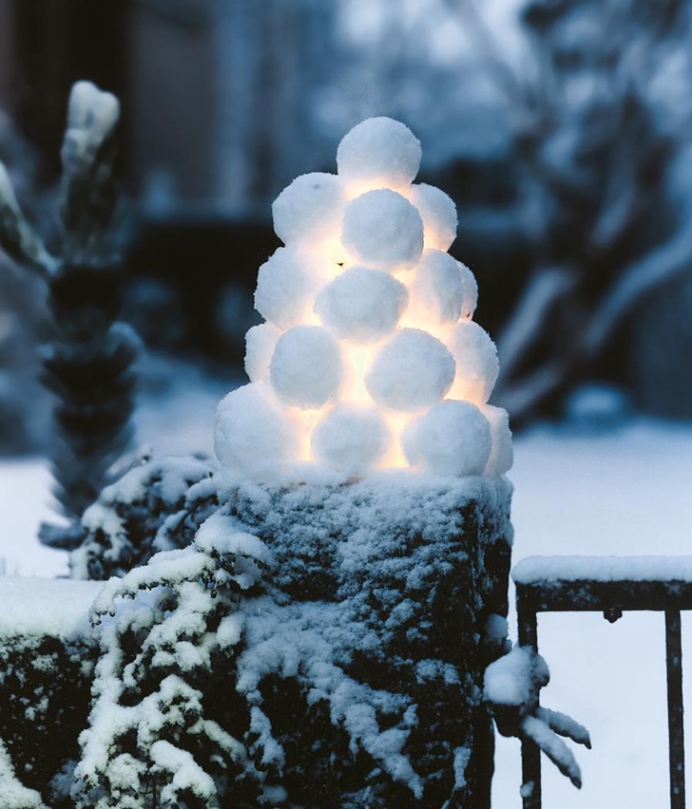
Fast and spectacular garden decoration made of snowballs and fairy lights
Horticultures begin to select pine trees for Christmas at the beginning of November. We have to decide in every year, what kind of species to buy which fits for our taste and purse.
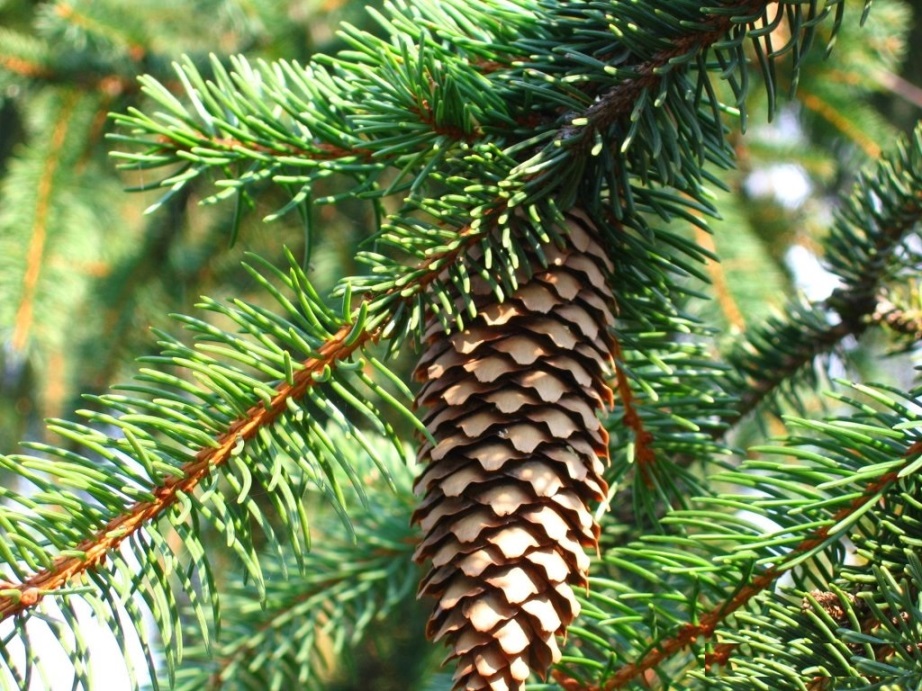
Spruce is the most common species. Needles are short and dark green. Its characteristic resin smell immediately evokes the feeling of Christmas. Its price is very favorable. Disadvantages: It drops the needles soon in the warm air, it can go bust even in a couple of days in the room.
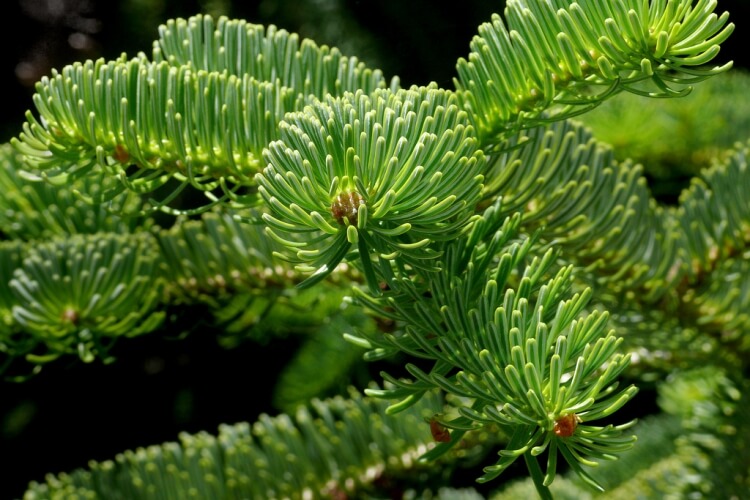
Needles of Nordmann fir are lighter in color and the ends are blunt, so not spiky. Its shape is neat, it is very durable, doesn’t drop its needles even in the warm room. Its smell is not so strong but the branches are well decorated. It has higher price.
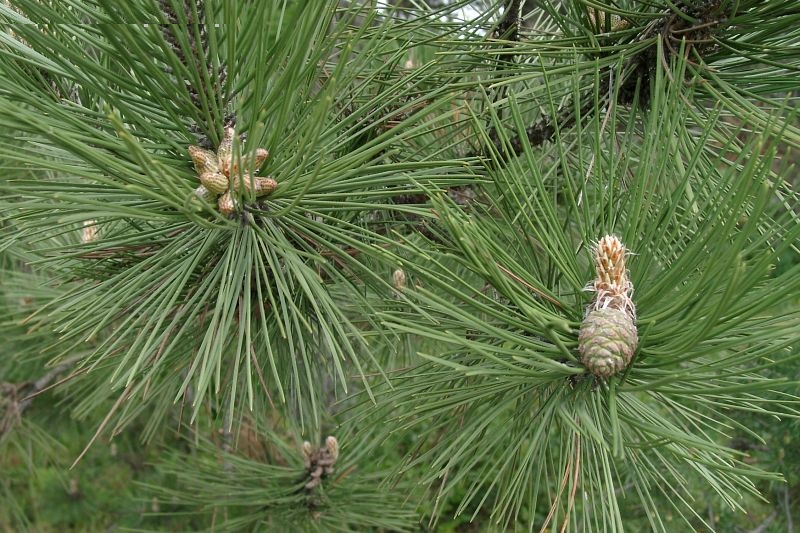
Black pine is harder to decorate because of its long, dark, spiky needles. Its branches are quite resinous. It is durable also and tolerates warm well. Its shape is more irregular, but the price is also favorable.
Blue spruce or silver fir – as its name indicates – is different in color. The needles are green but with silver tone and have a wax layer on them. Because of this it stores water better, loses its needles in a longer time. Branches are denser than the other species. It is a perfect choice for vintage and shabby chic styles.
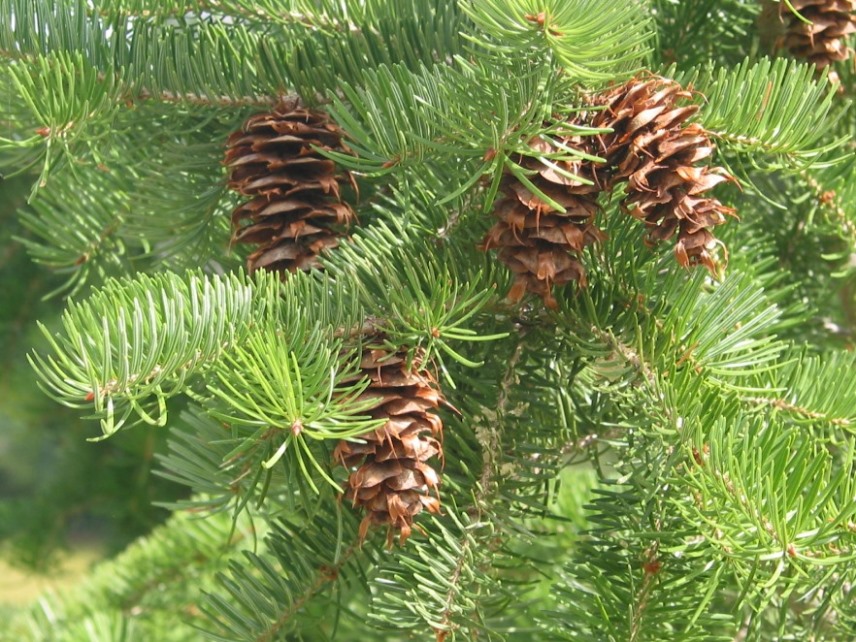
Douglas fir is rare in Christmas tree markets, not available everywhere. It has slender shape and loose structure, can be decorated easily. It lasts long even in the room. Needles are soft and have citrus-like smell. The price is moderately high.
When choosing a suitable Christmas tree, consider durability beyond the size and price.
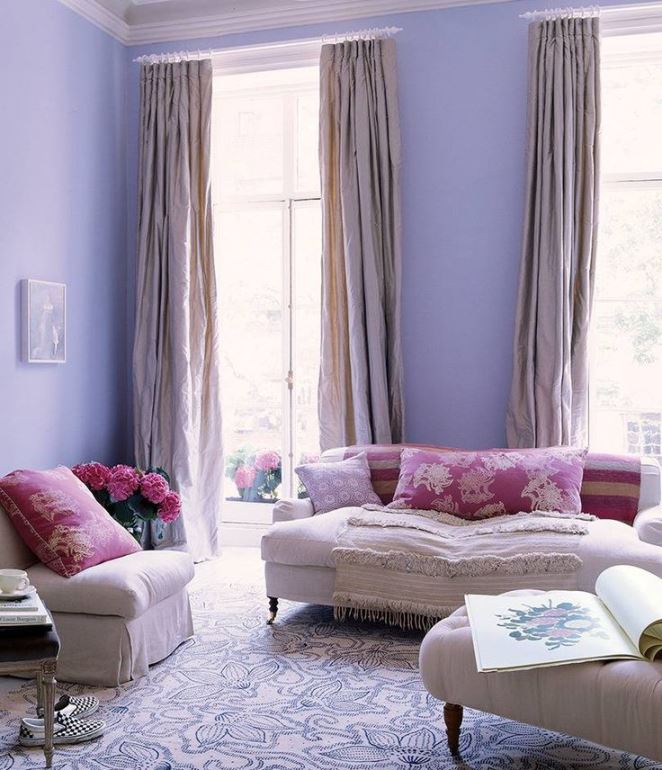
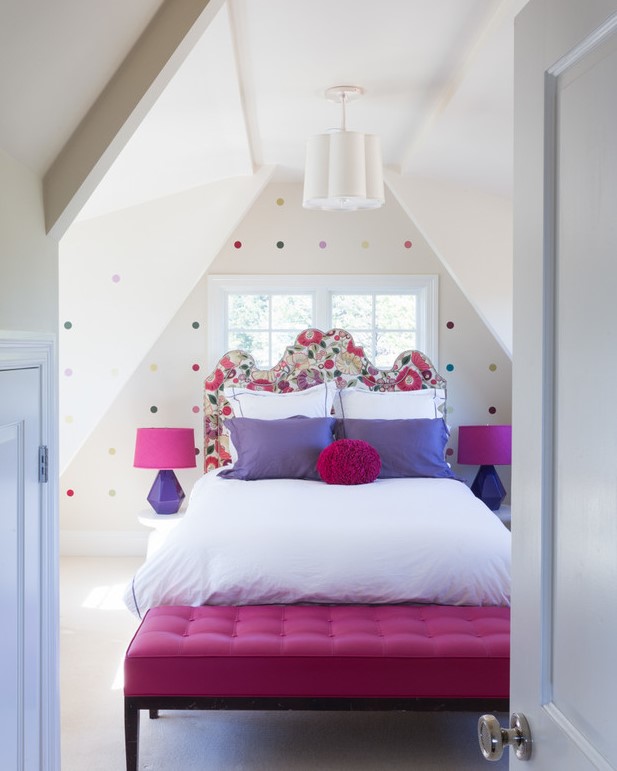
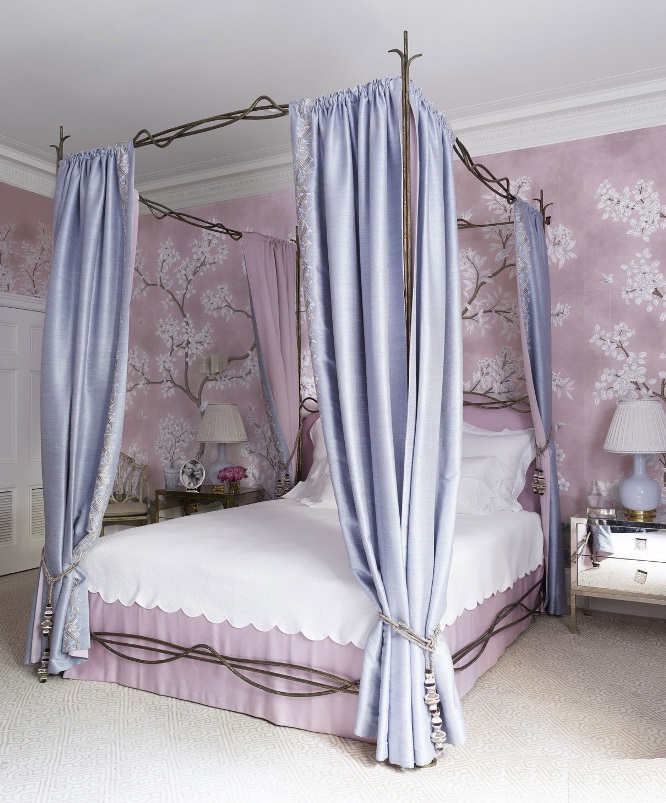
Color pairs: purple-pink
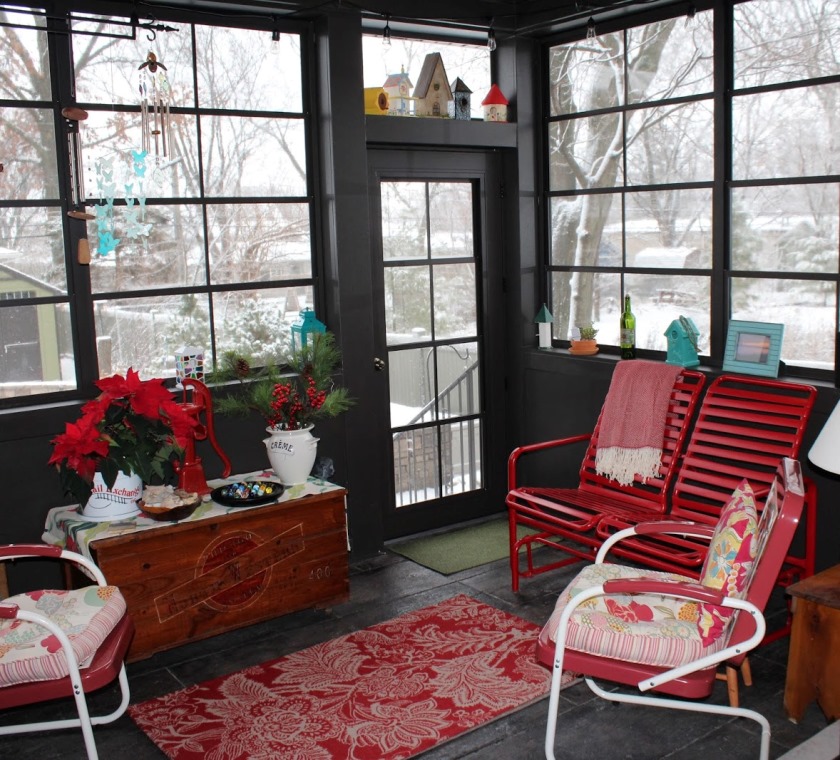
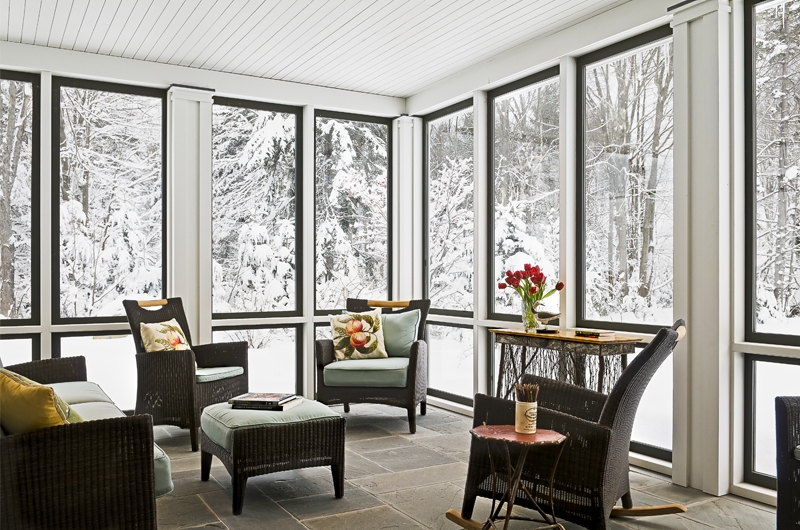
A close patio is a treasure on frosty days