Several base materials were used throughout the history for making different paints. There are two main groups of them: artificial and natural based. In the latter case we discern mineral, floral, animal and fungus origin paints. They were used equally for paintings, fabric dying, wall painting, ceramics, and even make up.
Prussian blue is an artificial color also. It was first created about 1705, with mixing potash, ferric sulfate and grease. Mountbatten pink was named after the famous general about 1940 who used this as camouflage color to hide the destroyers for the enemy at twilight and dawn. It was mixed from mauve, light pink and grey. For example, white lead, cadmium yellow and Tiffany blue are artificial colors also.
In ancient Egypt copper carbonate was ground, mixed with grease or resin for making malachite green and used as eye shadow make up, around b.c. 2500. Verdigris was also a paint material in Greece since b.c. 300. The green patina was scraped from copper and used as a pigment. It can be created by soaking copper in vinegar or vine also. For example, galena (greyish black) and raddle are mineral colors too.
Turmeric is a floral based paint which is created from the root of the plant. It was used since about b.c. 3000 in India, the dresses of Hindu brides were colored with it. Julius Caesar mentioned the blue paint made of woad in his description of his campaign in Britain, where the enemy used it as a deterrent war make up. For example, the red of mudder is a floral paint also.
There are less animal based paints. Purple was made of a species of lice, they were dried and ground. Montezuma I. got this material as tax. The red coat of British uniform was dyed with this paint until the 20th century. For example, Tyre purple is an animal color also.
Litmus lilac was made of a species of lichen by drying and grinding. It was very popular about 1300 in Florence. Several species of fungi are used for making paint with ammonia or vinegar, which encompass the range of colors from pastel yellow, through rust red and brown to deep dark green.
Nowadays more paint factory keeps on producing paints based on natural pigments, just as several textile factories work only with these kinds of dyes – since they don’t emit pollutants. Ask for help of an interior designer for choosing one.
Archives
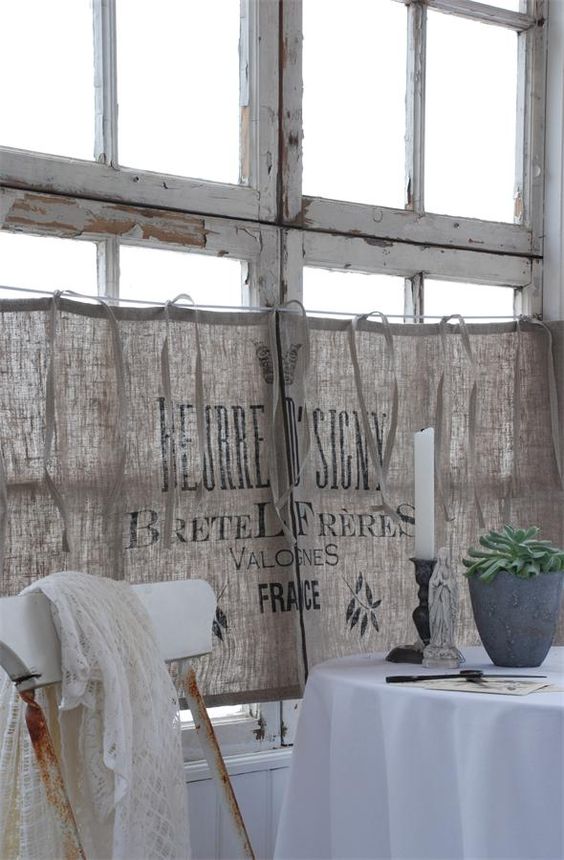
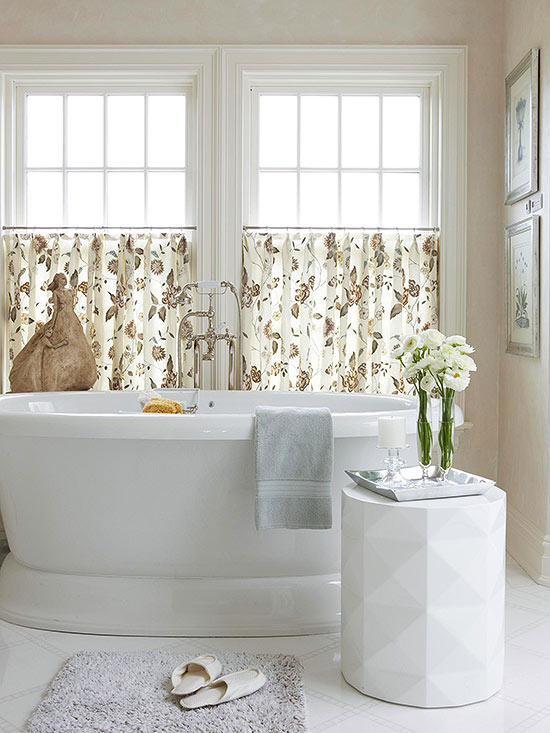
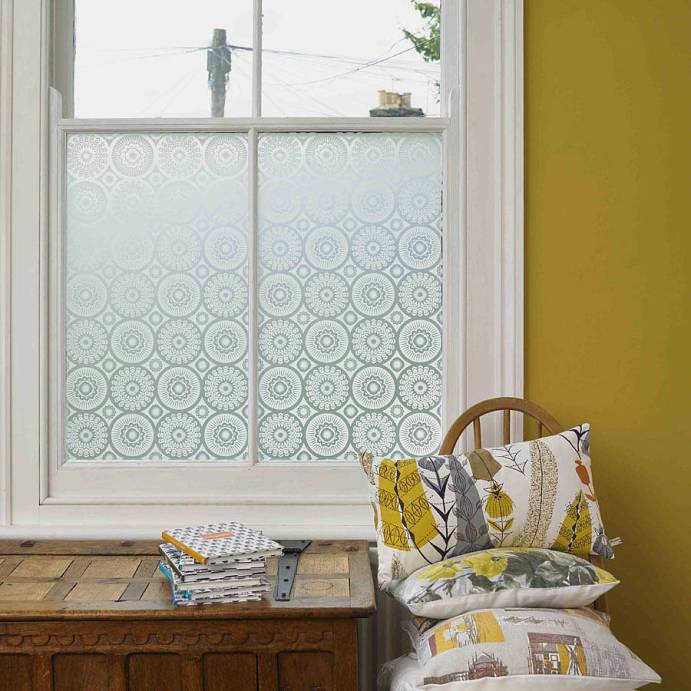
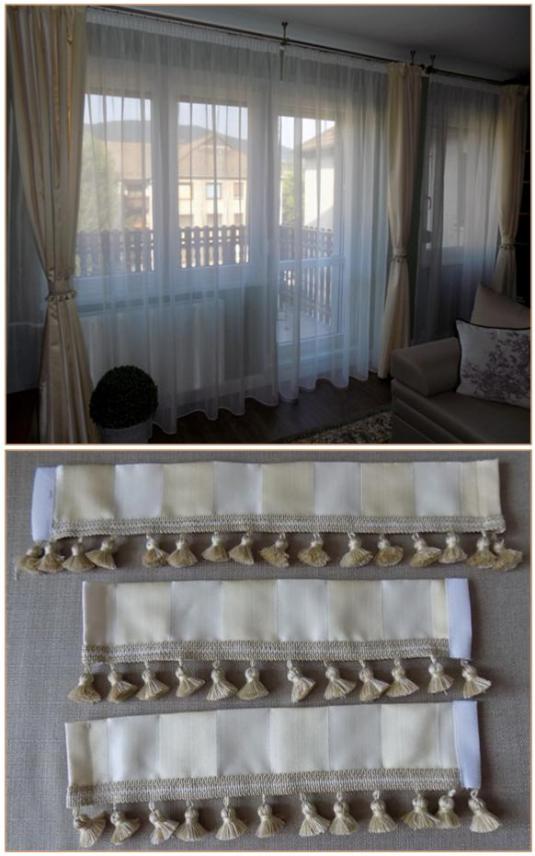
Cafe curtain
The entrance
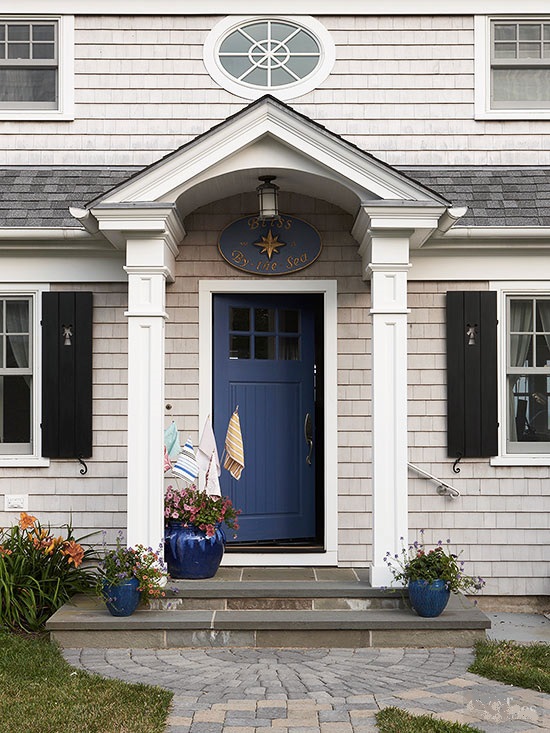
Welcoming guests begins at the front door of our house not just when they step in. That’s why it is important to have a nice, inviting and clean surrounding of the entrance and the pathway leading to it.
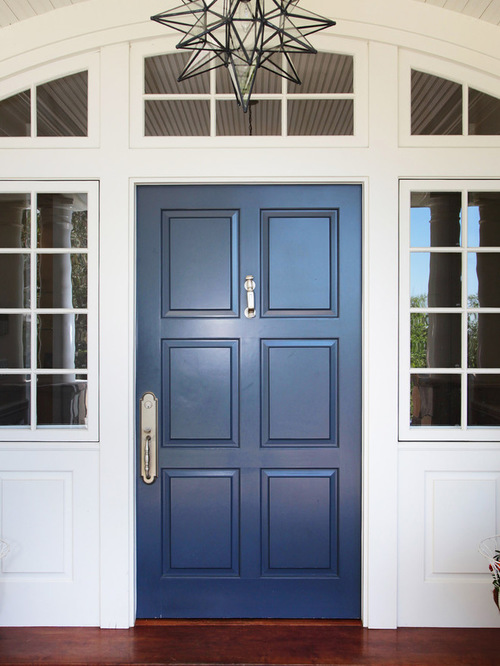
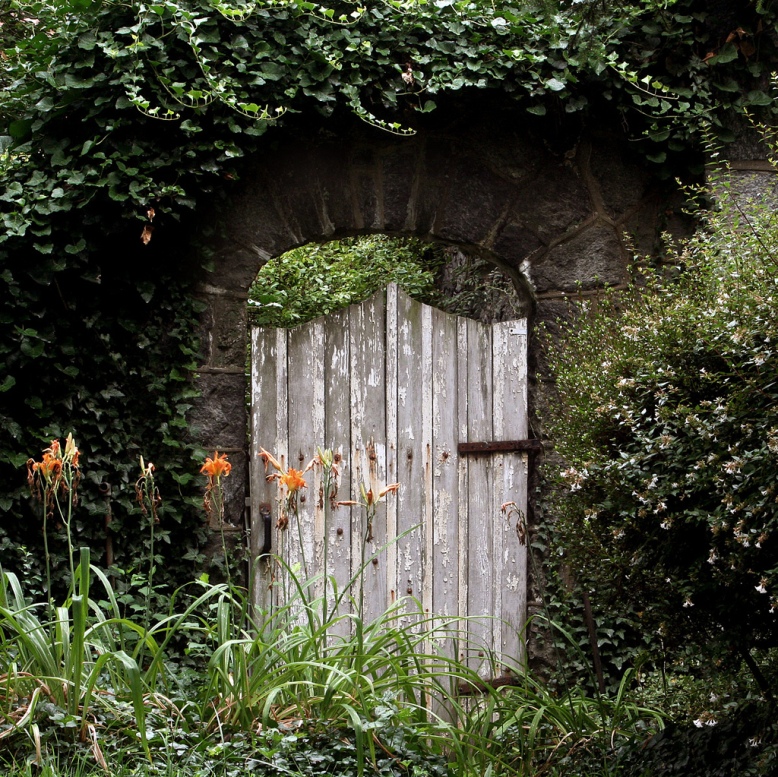
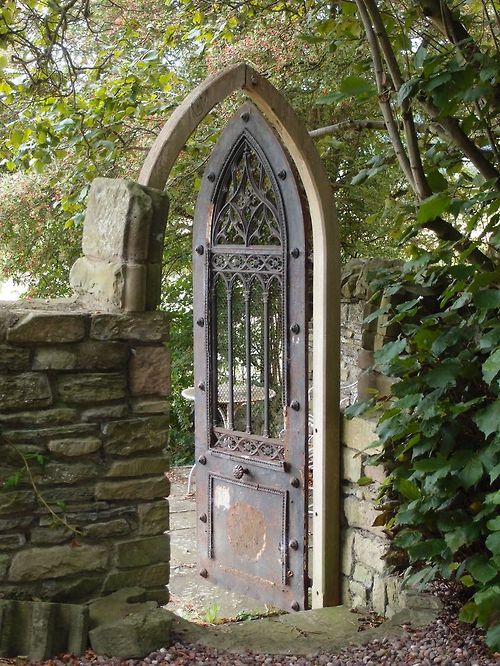
The front door should be decorative! It can be a perfect focal point if painted in a bold color. Let’s strive to keep it immaculate: the peeled painting, hardly working handle and dirty glass panel is not an attractive sight. Naturally vintage, rustic and country styles are exceptions; a shabby wooden door nicely fits to them.
The mat is an important element of the general effect, don’t neglect it. Let it be decorative, fitting by its color and not sleazy or ragged. Sometimes clean it also.
Clean the pathway leading to the house and the stairs regularly. Pay attention to the latter’s safety: the steps should be undamaged, immovable, just like the rails and they shouldn’t become slippery in wet weather.
Symmetry always pays off, it’s very easy to achieve an attractive sight with this trick. The front door is the center. The aim is to decorate both sides of it in the same way. This works even in that case if the door is not opposite with the leading path and we have to turn to step in. The simplest solution is placing some kind of potted plants on both sides of the door. Their style has to be matched with the style of the house. We can complement the given parts with a prudent choice of color.
The look can be made unique with a smart street number. If there is a space near the door, we can create a small sitting area. The success is certain by season decors.
The proper lighting is important! Let’s light not only the space before the door but the pathway and the stairs also for avoiding accidents. Maybe the motion sensory lighting is the best solution for this.
Ask for help of an interior designer creating an elegant an inviting outdoor space!
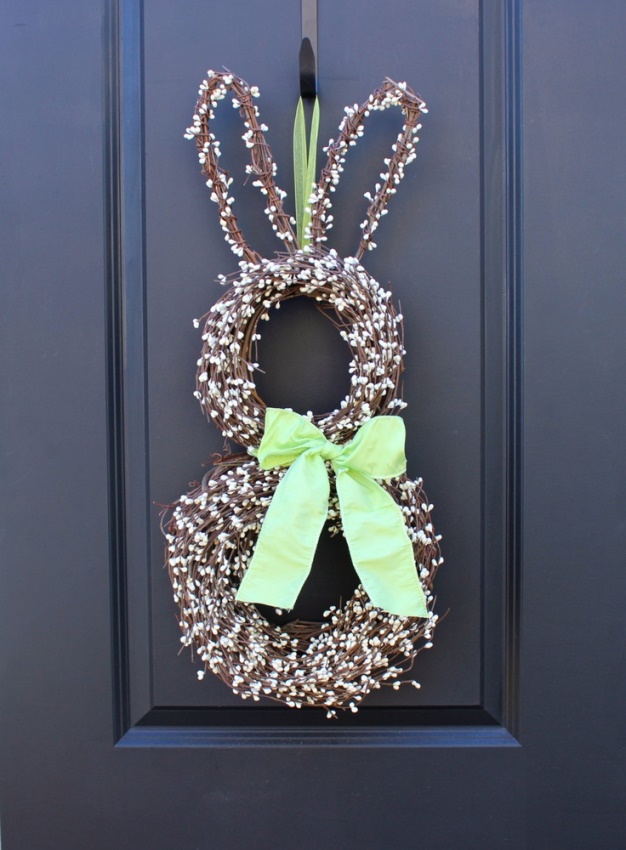
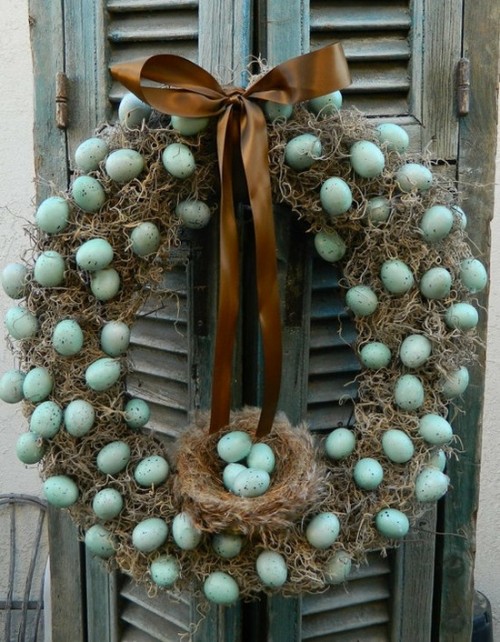
Door wreaths 5.
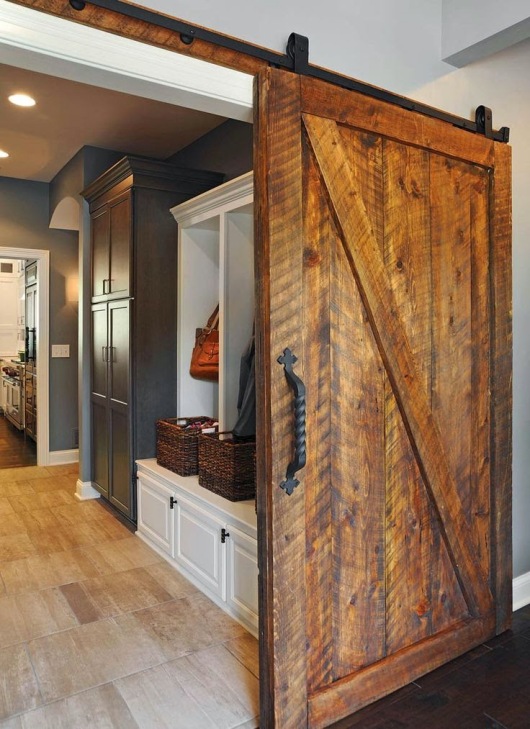
Barn doors inside
Window leaf
My project 2.
Bay window
When building a new house, there are several opportunities to plan some special features that make our property unique and special. A real classic style marker is the so called „bay window”, which is a protruding, usually curved window niche. It provides not only a spectacular look, but also useful space.
Depending to the size, it can have different functionality. A small breakfast table with two or three chairs can be placed here. At the window side, chairs can be replaced by a bench. A larger bay window can function as a dining room with six-eight chairs.
In case of bedroom or living room, a “conversation corner” can be implemented in a bay window placing two armchairs and a small table. If the size of the couch allows, it also can be placed, thus emphasizing the area.
With a tailor made bench with foam seat and a lot of cushions, a comfortable, quiet and relaxing reading corner can be created. At the bottom, additional storing capacity is provided, and a little table with a lamp is also offered to be able to use the bay window in the evenings.
Bay windows are perfect home offices. An antique style desk looks great there, but such as the bench, a tailor made and built in desk is also a great solution.
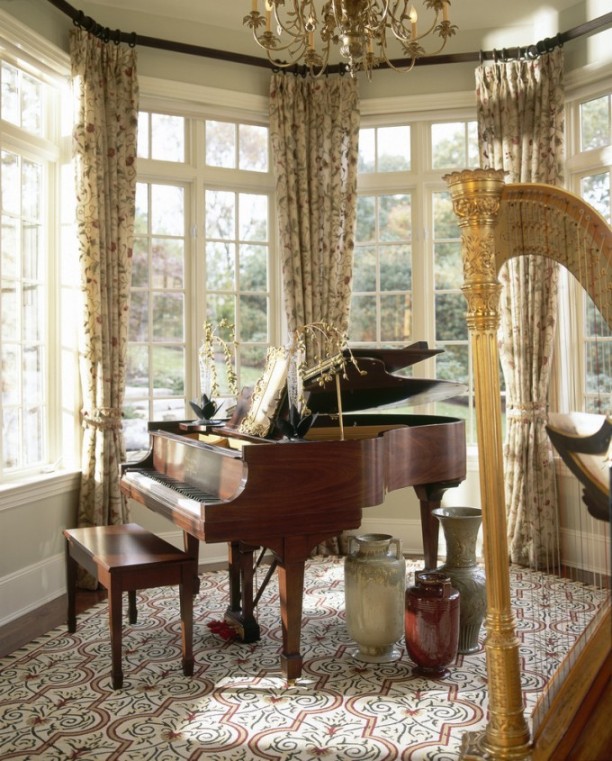
Our relatives playing musical instruments will be glad to a practicing place or a stage for home concerts. Piano, harp or also a drum set can be placed in a bay window in harmony with the classic style of the house.
Shading is not a problem, although the unusual shape frightens some people. With curtains, shutters or Roman blinds the outer light can be easily controlled.
If you would like to give character to your new home, consult with your architect at the planning phase to implement a well sized bay window. For optimal use of space, ask an interior designer.