Why should I call an interior designer? – Generally this is the first question occurring related to this job.
Because I can save significant cost. How so?
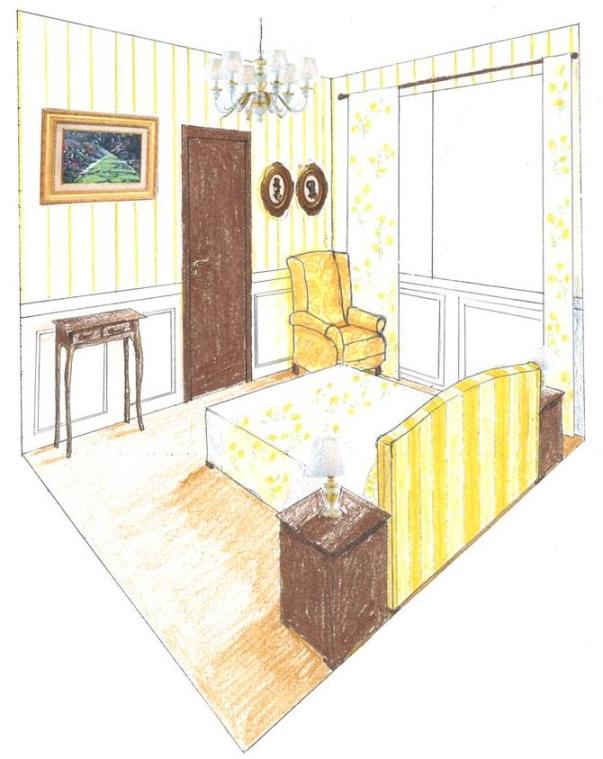
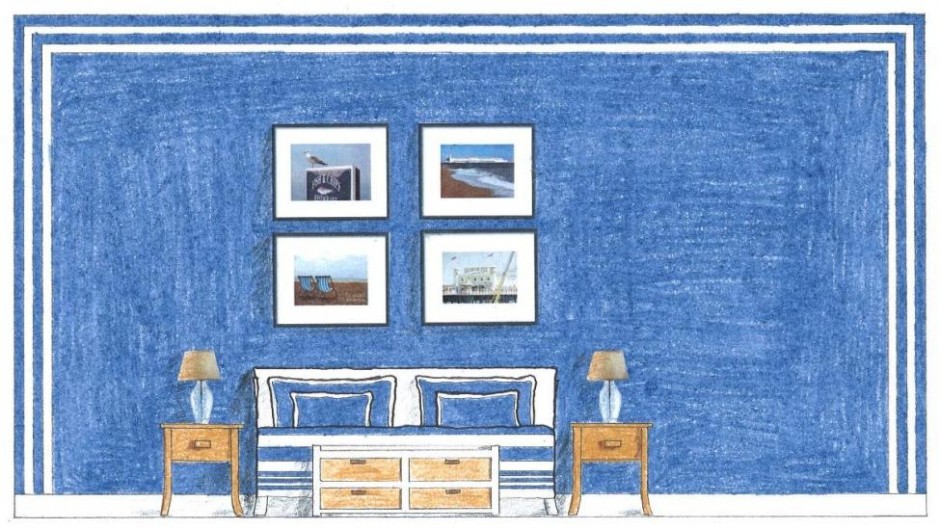
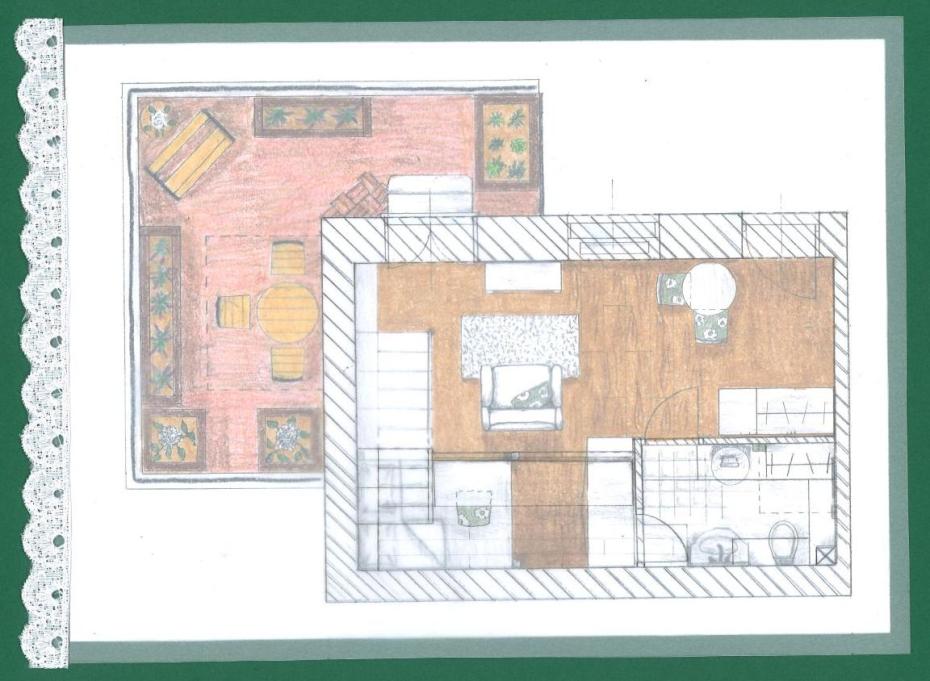
A good interior designer not only provides “some kind of look and feel” for the flat, but after careful planning, implements the most excellent interior based on the exact needs of the owner and the characteristics of the apartment. Removes most of the burden from the owners during the process. Organizes measurements, negotiations with experts, helps at searching the proper materials and controlling the works and so on. Problems encountering are also solved by the interior designer instead of kidnapping the owners time, of course with continuous negotiations.
According to my experience, owners usually calls for an interior designer too late, only when they realize they cannot cope alone with realizing their dreams. By that time, they have invested lots of time and money – sometimes in vain – in an activity, which has no satisfying result for them. Structural works, sometime tiling is done already which is hard or sometimes impossible to change. In ideal case, the interior designer is involved the process at the planning phase and the result will be formed common with the architect, the implementers and the owner as well.
Please visit my web page. If you think I can help you, don’t hesitate to contact me.
www.classicinteriors.hu
Archives
Seaside…
Light garland
Traditional flower pot
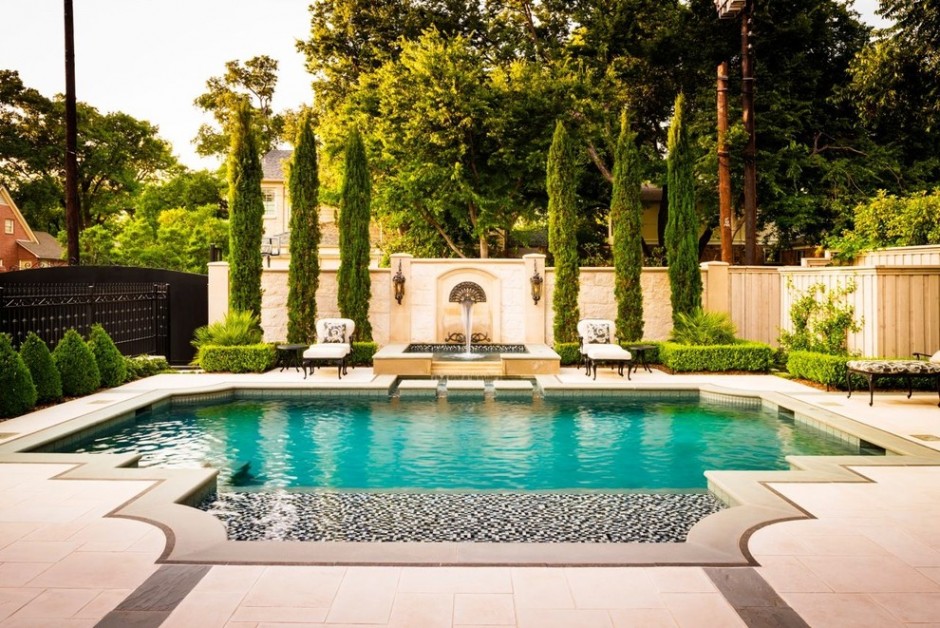
Outdoor pool
Wallpaper
Using wallpaper is popular again in the recent years, thanks to the good quality and exclusive assortment. Designers create their new patterns following the fashion and their color usage adjusts to this also. However, the manufacturing companies still have wide range of wallpapers for the classic style lovers, the truly outstanding companies – in the case of a customer order – reproduce a product from their decades-old books with pleasure also.
Wallpaper can be used on walls or on the ceiling, all over the surface or creating a focal point, or even as decoration on furniture and doors also. It is practical to ask for a sample in the shop before purchasing, this way the effect can be seen in the light of our home. Since the samples are small, in the case of bigger patterns the final effect is upon our imagination. Further showy solutions can be reached by combining painting and wallpapering. Some high-quality manufacturers use their own paints for their wallpapers, this way no need to go from shop to shop with the samples, since the ordered colors will perfectly match.
Always buy the glue recommended by the manufacturer for the wallpaper and strictly follow the instruction manual when applying. If the job is done by a professional, all information should be given to him. The technique to be used depends on the material, thickness and pattern of the wallpaper. If the wall is uneven, it has to be plastered and grinded before wallpapering, only this can provide nice result.
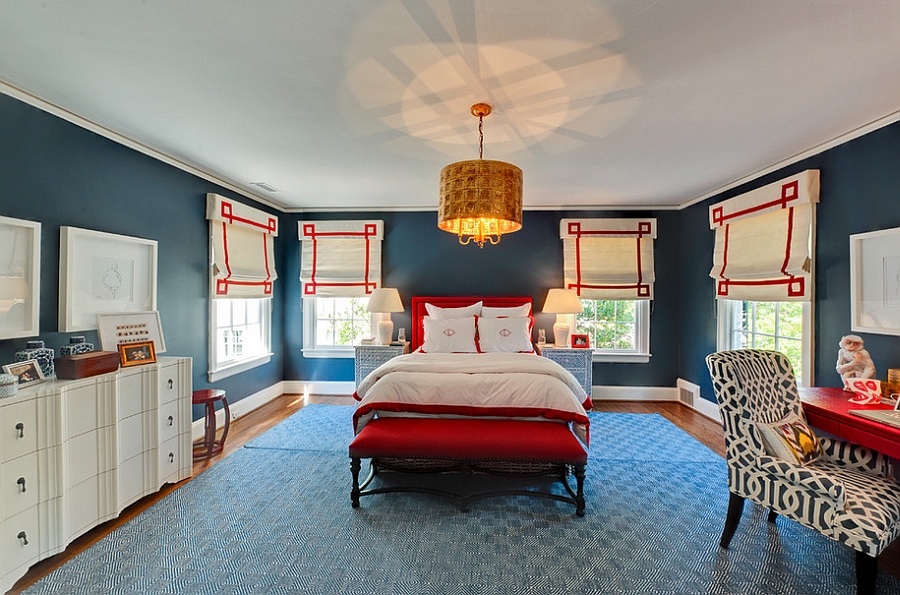
The size of the wallpaper’s pattern is as determining as its color. The scale effects the total result. For example, too large pattern can be easily overwhelming in a small bedroom and can affect a more narrowing feeling, however a small and dense pattern can be lost in a spacious living room and it is enjoyable only at close.
It is also a much simpler process to choose wallpaper with a help of an interior designer, we can trust in his/her skills as to colors and patterns. With his/her 3D visualization we don’t have to rely on our imagination, how the chosen wallpaper will show in our home.
Lack of storage?
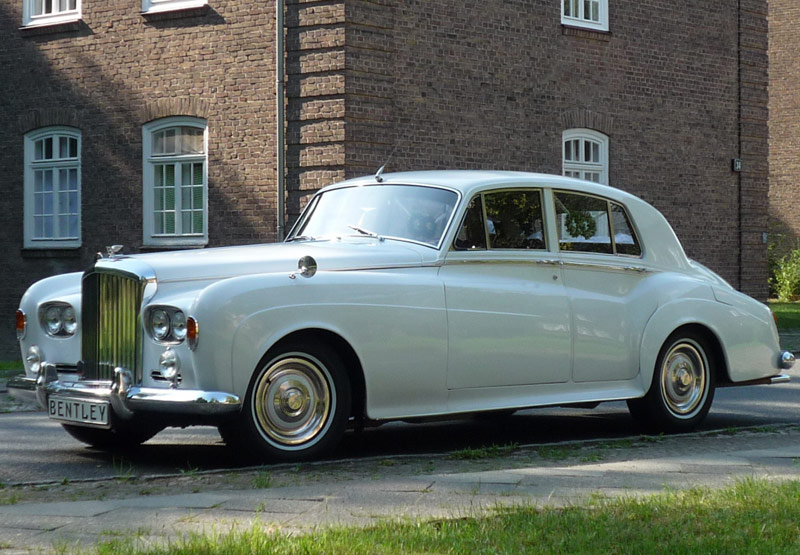
Oldtimers
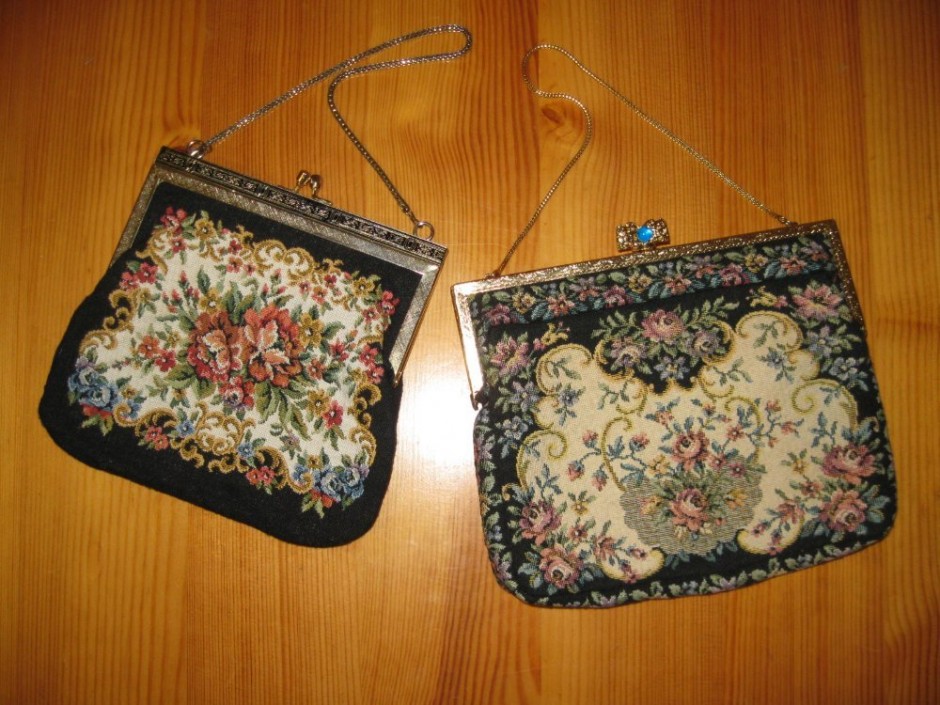
Gobelin
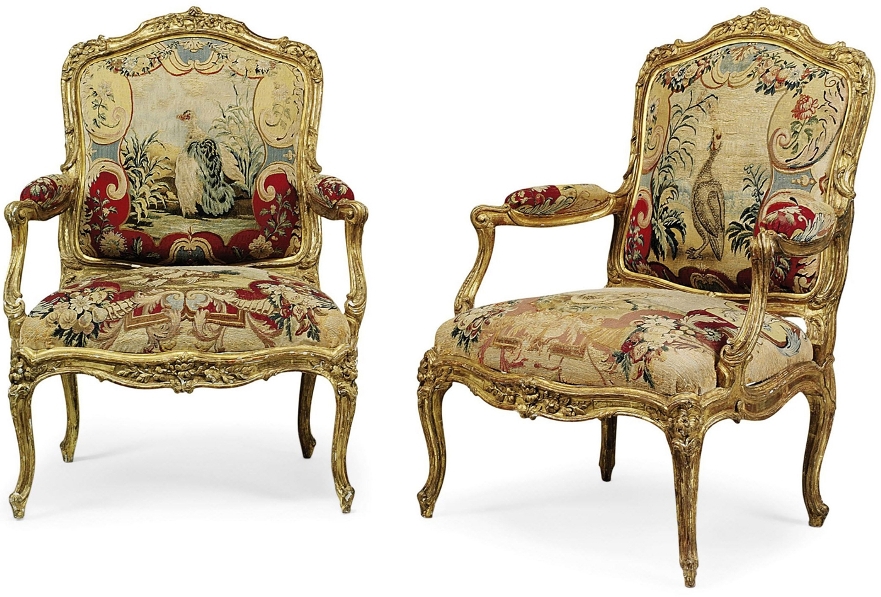
Gobelin tapestry got its name after the fabric painter family that had moved probably from Reims to Paris in the XVII. century – founding the famous weaving workshop. Louise XIV. raised it to a royal manufactory and supported the production. The technique itself is being used since the middle of the XV. century. Gobelin is an illustrated tapestry used primarily for covering the walls or the floor. Knight-era scenes, Biblical stories or allegories related to the customers were the most common illustrations. First the base material was wool, later then the carrier yarns were replaced to linen ones. In renaissance era, golden and silver threads were also used. As time went by, the technique continuously developed, the result became more colorful and flexible. The loom itself could be horizontal or vertical also.
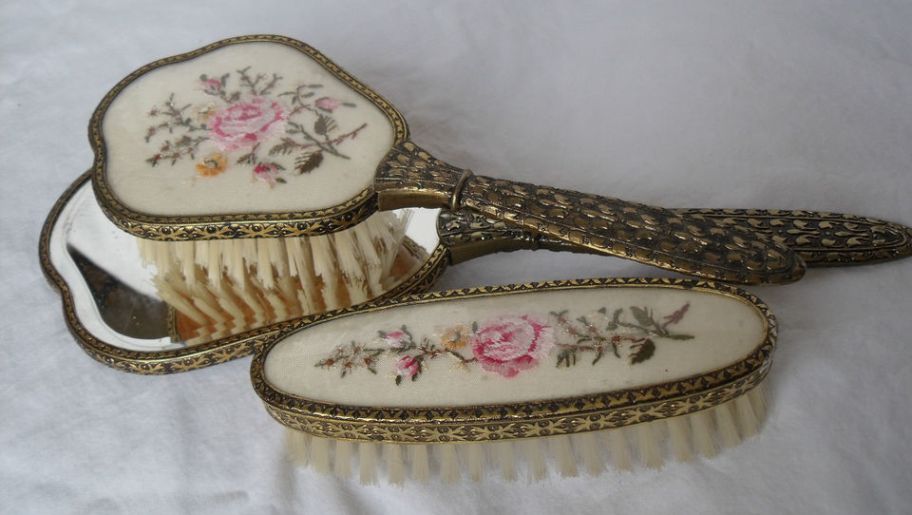
Petit point is a handwork simulating this weaving technique, started at the XVIII. century in France. Its base material is silk or linen, but they are completely overlaid with embroidery. The topic can be practically anything. Upholstered furniture, cushions, table linen and female handbags were decorated with this method – such as everyday consumer products.
Conservation, professional cleaning and handling of such an antique tapestry is an important issue, since they are quite vulnerable, they can be damaged or even destroyed during use or incorrect storage. If we own such an antique one, let’s ask for the recommendations of a professional. Of course, modern gobelin imitations or gobelin-like mechanical products can be purchased in the shops. Cushions or blankets decorated with gobelin have returned to the fashion. Weaving and colors can easily tell us, if the product is not antique, anyhow they can provide the same feeling in a proper classic style interior.
If you would like an antique or new gobelin in your home, ask for help from an interior designer for the optimal arrangement and usage.