Santa Claus on old postcards
Archives
My project 5.
Santa Claus
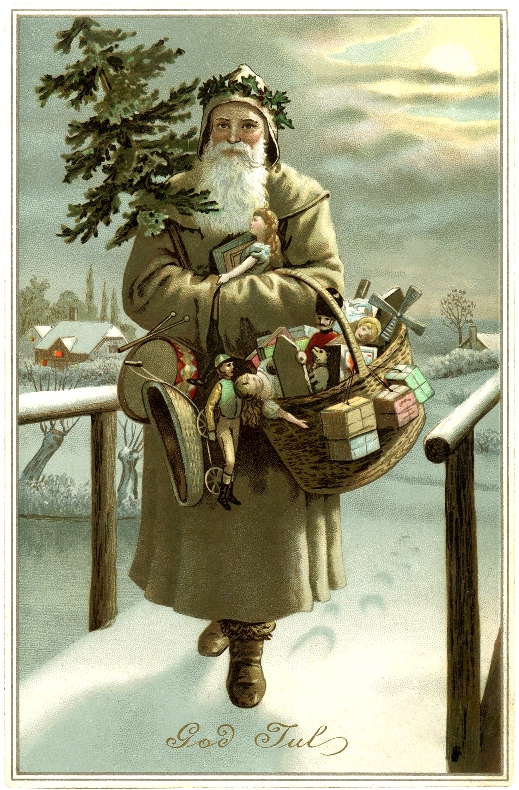
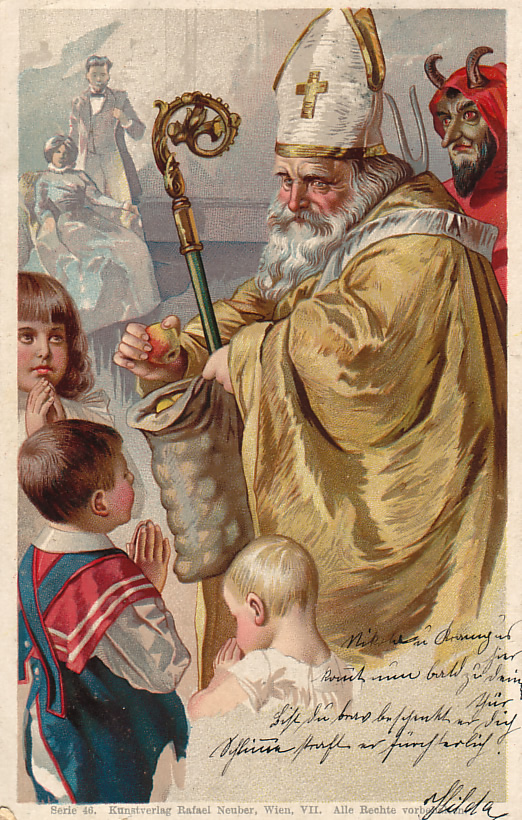
6th of December is coming soon, Hungarian children are waiting Santa Claus (or Father Christmas). The origin of the feast is connected to Saint Nicholas who gave presents to his neighbor’s children, as to the tale. Starting from this legend, Santa Claus was illustrated as an old man in coarse clothes with mitre, who lived in Heaven and watched children from there. His assistants were buffers, angels or elves.
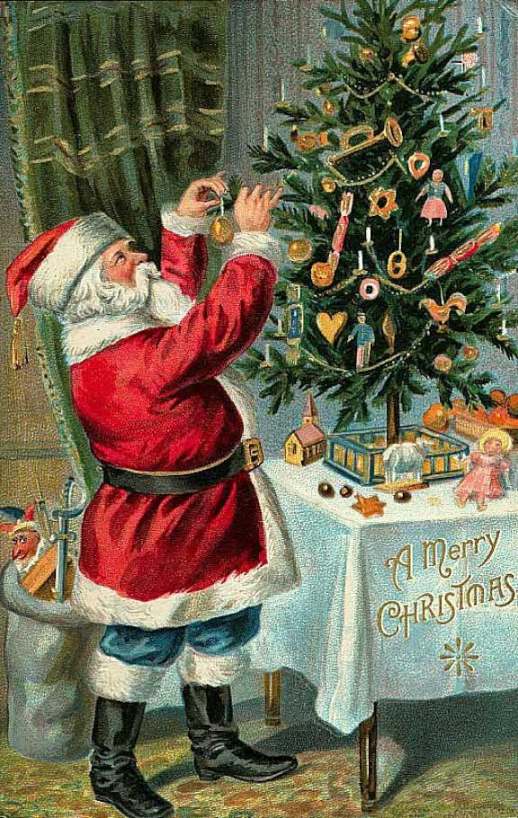
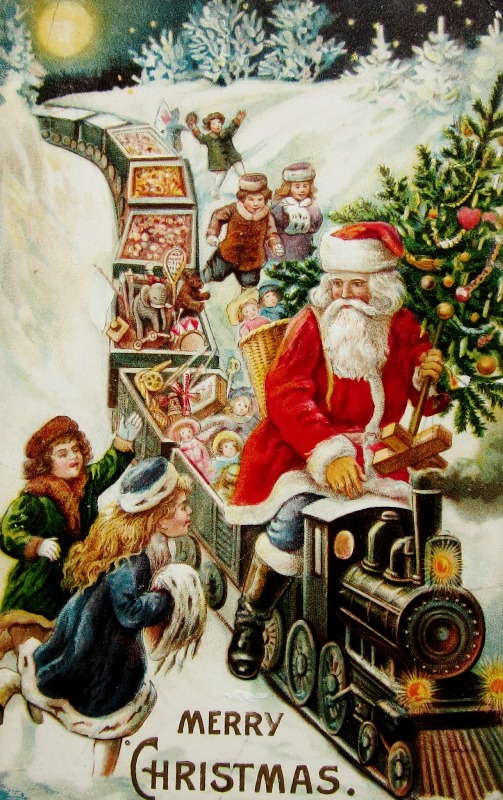
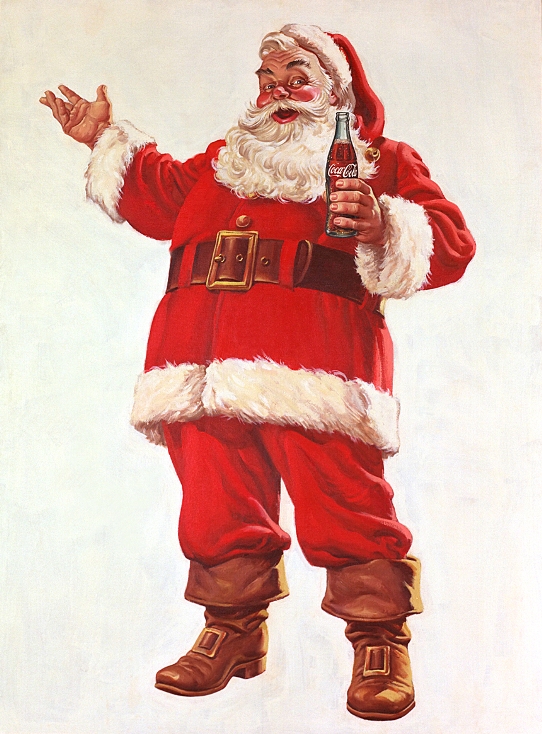
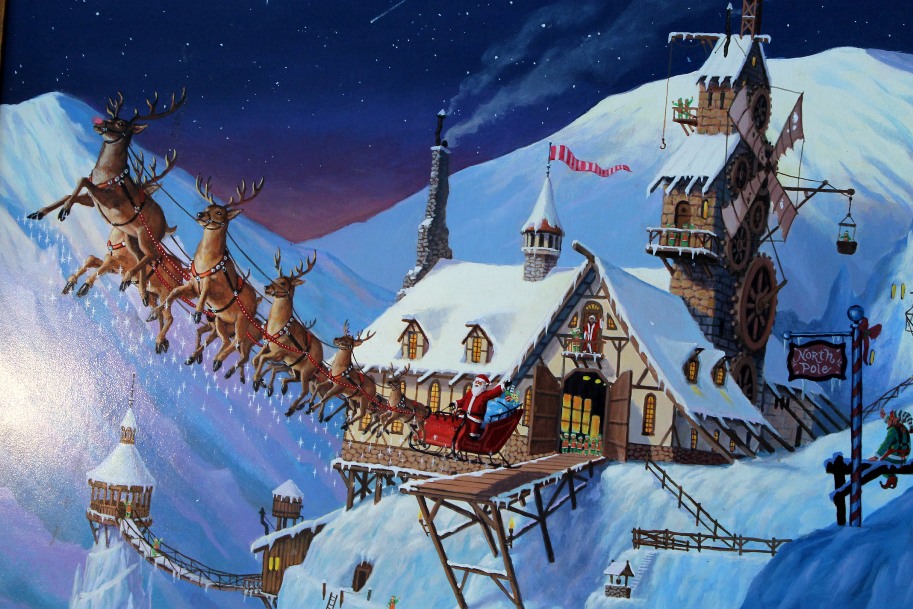
This picture and the feast itself changed in the 20th century and became global – it is said that the Santa Claus illustration of Coca Cola became well known worldwide. The assistants disappeared beside him. His figure came to stay: white hair-moustache-beard, red clothes with belt, boots, big red sack, big tummy and smiling face. His person separated from the saint, although he is frequently called Nicholas in Hungary, the Father Christmas name is rather in use. (He is Santa Claus in Anglo-Saxon countries, Joulupukki in Finland, Nikolaus in German speech areas and Gyed Maroz in Russia). According to the new background story, he lives in the North Pole, his toy- and present making factory is also there, where elves are working. His sleigh is pulled by nine reindeers with which he can even fly. Children write letters to him before Christmas about the desired presents.
The date of presenting in Hungary is still 6th of December, day of Nicholas. He puts presents for good children and rods for bad children in the cleaned boots and shoes under the cover of night. He goes around the world during the night of Christmas and hands out the presents according to traditions of other countries which he puts under the Christmas tree or in the hung stockings after crawling in through the chimney. The bad gets coals instead of rods in Anglo-Saxon countries.
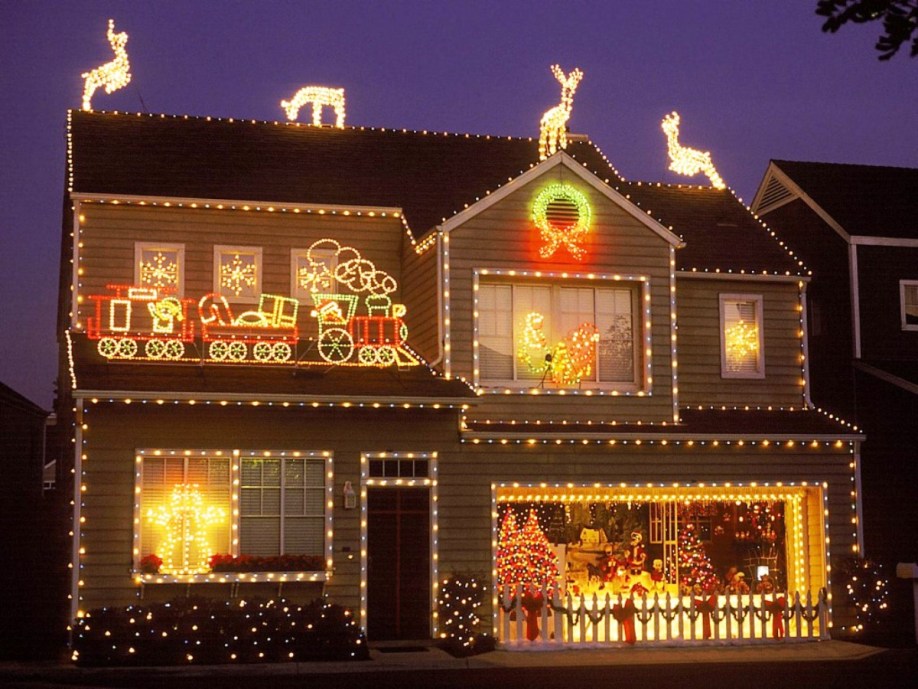
Decorate our home with Christmas ornaments even to this feast getting moody surprises by the presents in the morning. Ask for help of an interior designer for choosing the decoration fit for your home.
Inspiration 7.
Design cakes
Thanksgiving
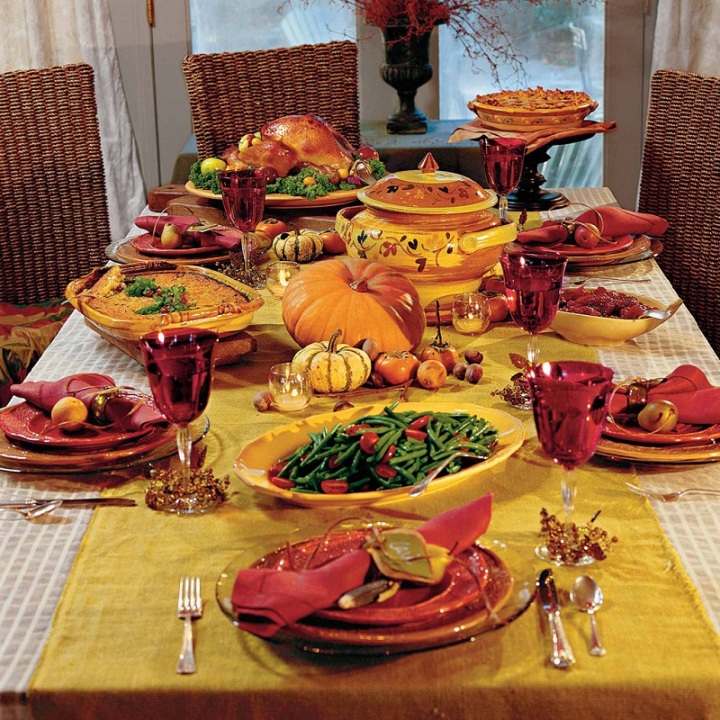
Thanksgiving is a North-American national feast. It is on the second Monday of October in Canada and on the fourth Thursday of November in the USA. This is the second biggest family holiday beside Christmas and also the beginning of the festive season in the USA. Its history is dating back to 1621 when the when the settlers who arrived the previous year thanked for the annual harvest after the harvest.
The Thanksgiving dinner has special dishes: whole roasted turkey, mashed potatoes, cranberry sauce, green beans and pumpkin pie. Commonly the Friday is given as holiday, so the whole family can celebrate together at the long weekend. The nicely set table is very important this time. Commonly there is a separate dinner set for this occasion, mostly in warm colors. The soup bowl is frequently turkey-shaped, there is a pumpkin-shaped cup instead of plate for soup, seating card is placed on the table sticking in a pear/apple – only some examples.
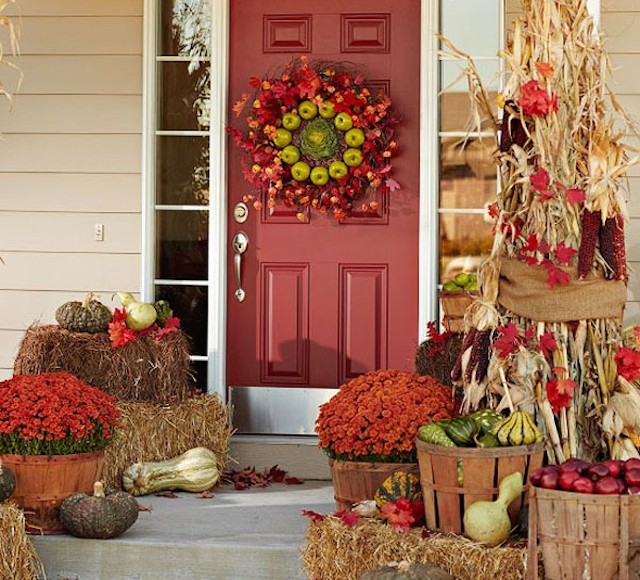
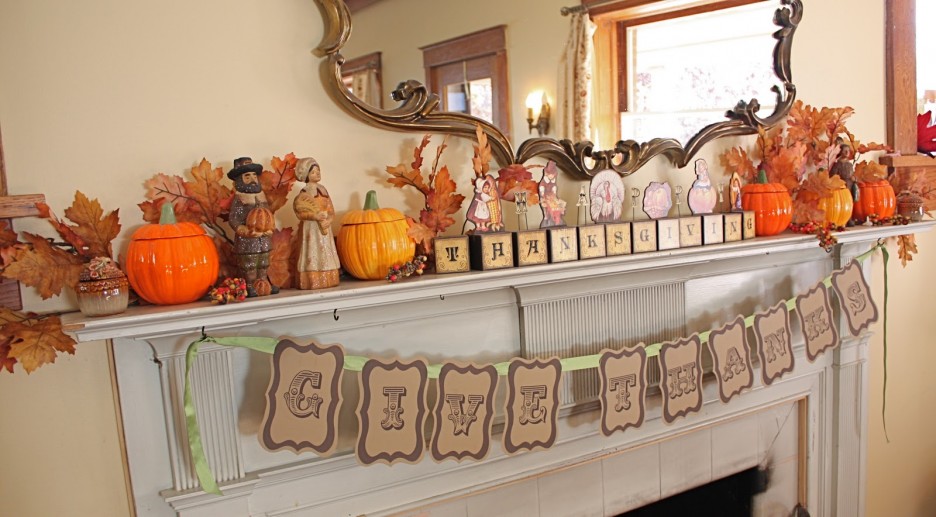
The characteristic crops (for example: pumpkin, corn, nuts) and colors (orange, browns, mustard yellow, claret etc.) of autumn are used for the decoration. Not only the interiors but the outdoor parts connecting to the house are decorated with leafed-berried branches, chrysanthemums in pots and door wreaths. Big cockades, turkey figures and huge balls are made of paper in proper colors. The letter of Thanksgiving are cut from spare fabrics or cardboards and glued to a ribbon forming garlands and they are hung on for example the mantelpiece or the stair-rail. Sweets and sandwiches on the buffet table can be smart too: small turkeys are formed from biscuits or marzipan and the sandwiches have „contour feathers” made of olives on toothpicks.
Other decorations can be also used besides the colors of autumn, depending on the style of the interior, for example silver, gold, warm whites or cream. The lights of candles and tea lights give the nicely warm total effect.
If you like the mood of Thanksgiving and want your home enrobed in late autumn decoration, ask for help of an interior designer for this.
Classical modern lighting
Garden tools storage
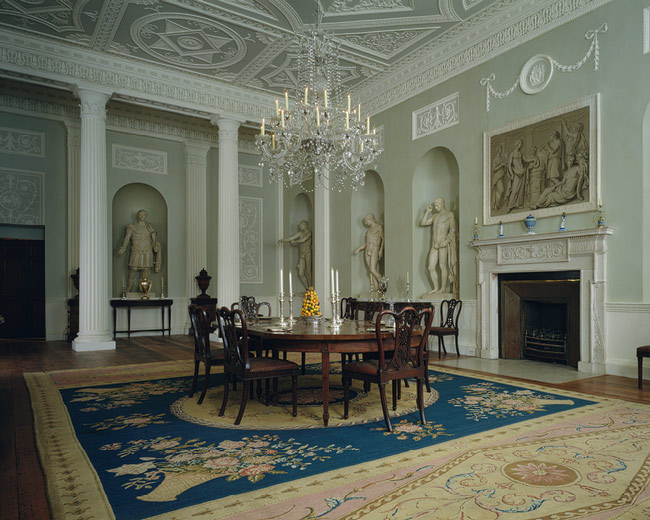
Colonial style
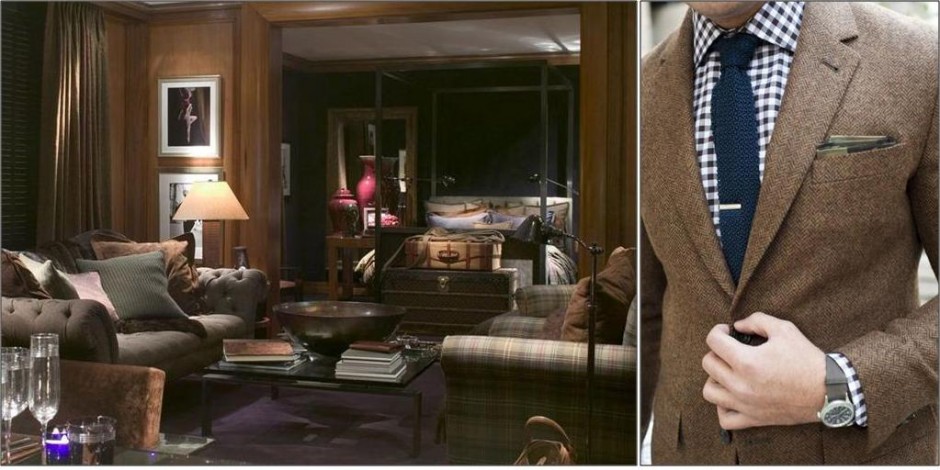
When the British conquered India in the 19th century, they founded colonies throughout the country. Many families moved there to perform tasks and for the hope of getting rich. But the climate of the continent was very unusual for them: suffocating hot air, monsoon rain, high humidity. The houses they built and also the furnishing served for ventilating cool breeze and sheltering from sunshine, this way making the surroundings more tolerable. Colonial style was born.
The most significant features of colonial architectural style are house-length verandas, where the outreached roof is supported by pillars, huge doors and windows with shutters and high ceiling. Houses are single-floor or two-storied.
They used local materials for furnishing. Dark brown (ebony, teak, mahogany) wooden floor and furniture are typical. Moving the air was solved by ventilating fans which were made of local, natural wood or grasses also. They even integrated decoration elements and patterns. The shapes of furniture however remained British. The seat and/or back is frequently wicker. Upholsteries are airy, usually white or beige. They guarded against insects with muslin curtains which were laid on the four-poster bed too. Walls are light (white, creme) which give contrast with dark furniture and feel cooling. Huge potted palms, ferns and other green plants were placed throughout the house.
They kept the typically British elegance and comfort. Sophisticated household objects made of porcelain, silver or crystal are inevitable. These were imported from the mother country. Clothes remained formal despite of hard conditions, just the used materials were lighter and mostly white.
Ask for help of an interior designer to realize the mood of colonial style in your home.