Prepare for a nice fall picknick with warm blankets, seasonal fruits and hot tea

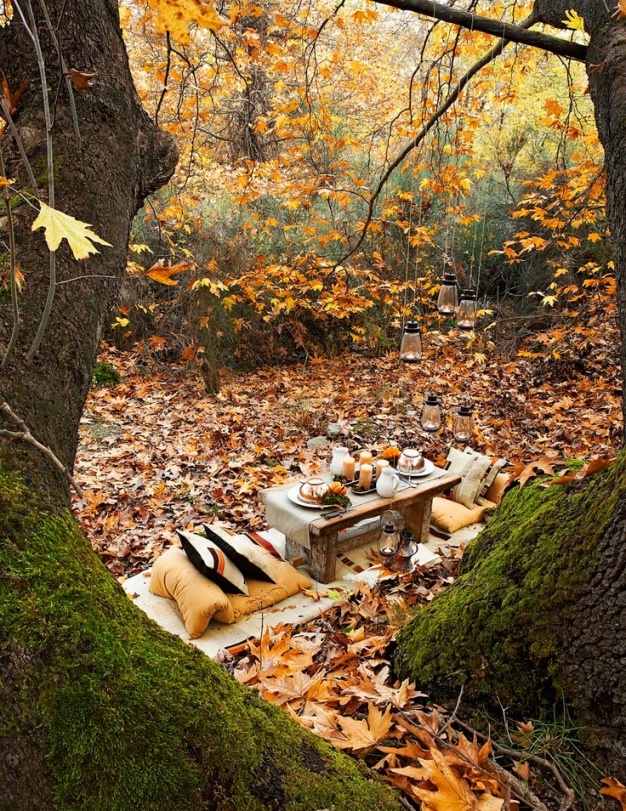
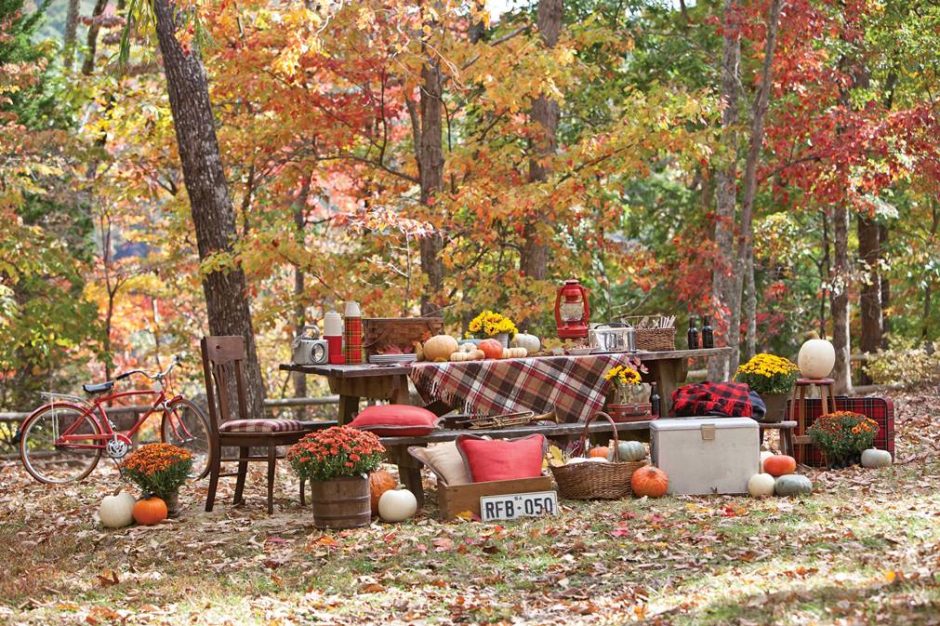

Prepare for a nice fall picknick with warm blankets, seasonal fruits and hot tea
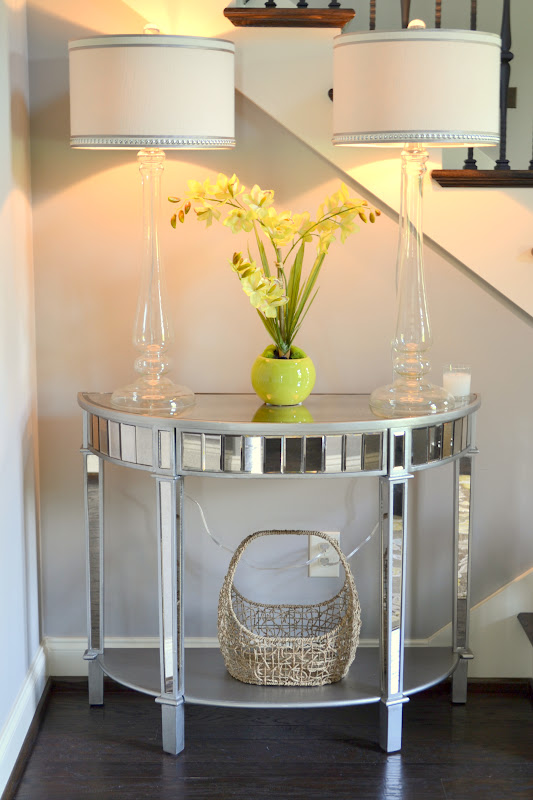
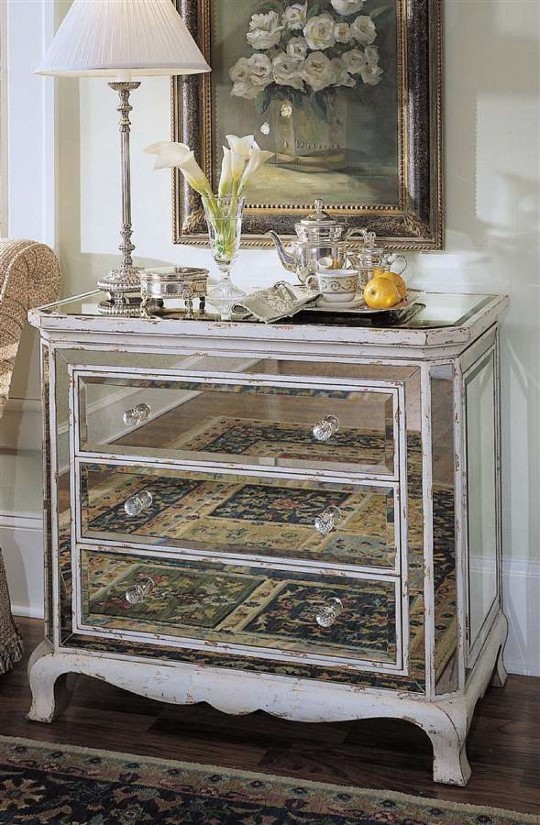
When mirror is not on the wall: special, elegant, full of light
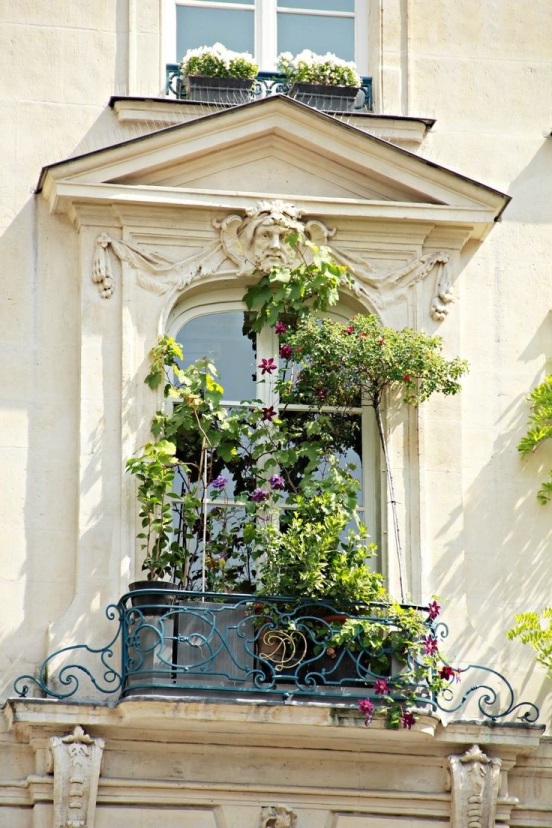
French balcony is an additional part of the flat that can be hardly used well. Even we cannot step out on it, actually it is only a balustrade before the (French) door.
It’s a simple solution to dress this part with potted flowers and balcony boxes to get the illusion of a garden. It can be extended a wooden trellis fixed on the outer wall around the window. Creepers will love it. We frame the window with it and add more green to the view. Take care of the size of the pots placed on the floor that we can still close the window. Generally, only a custom-made box fits for this tiny place.
A cozy reading nook can be created near the open window if the weather is nice. Just throw a comfortable cushion on the floor and lean another one to the frame. Add a blanket and a cup of hot tea on colder days. We can comfortably dig into our book, half afield.
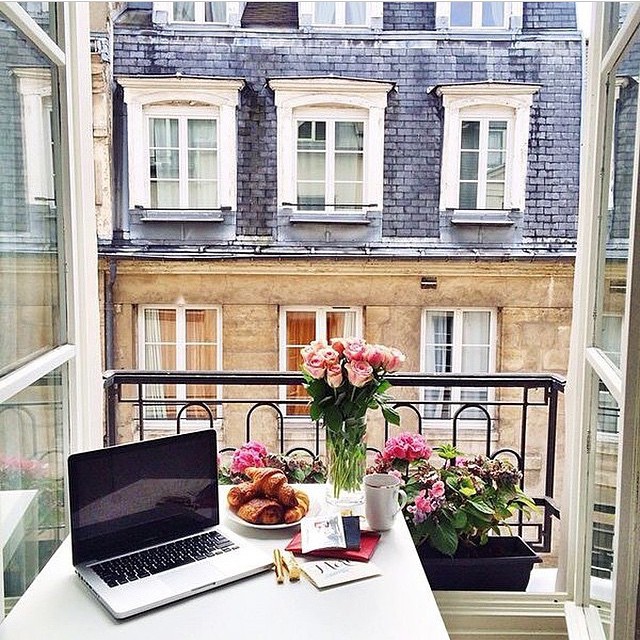
If we place a smaller table and a chair at the front of the open window, we can make home working more pleasurable. We gain enough space for using a laptop while enjoying the view also.
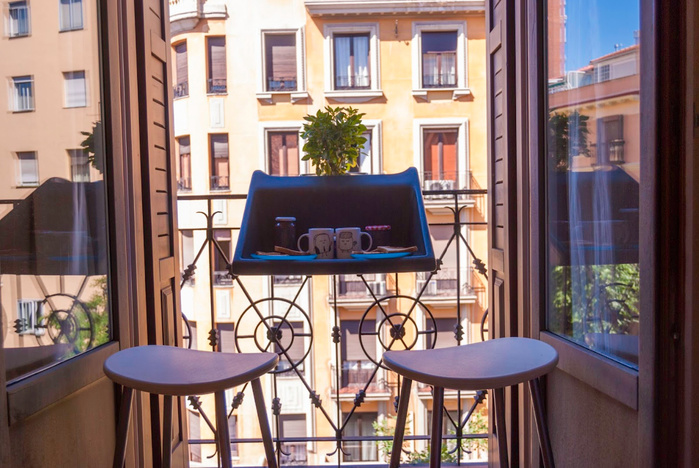
Breakfast outdoors. Almost. We can conjure a romantic place for drinking breakfast coffee with a tray hung on the balustrade and two chairs. Don’t forget the flowers planted in the balcony boxes.
Ask for help of an interior designer for clever using of such problematic spaces!
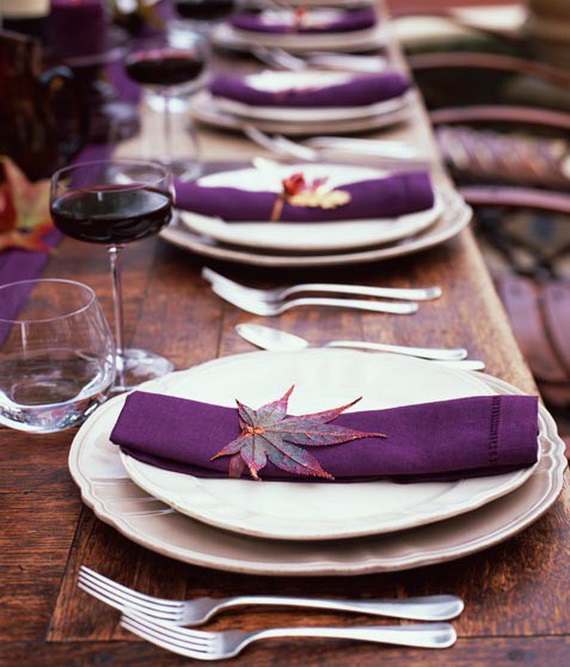
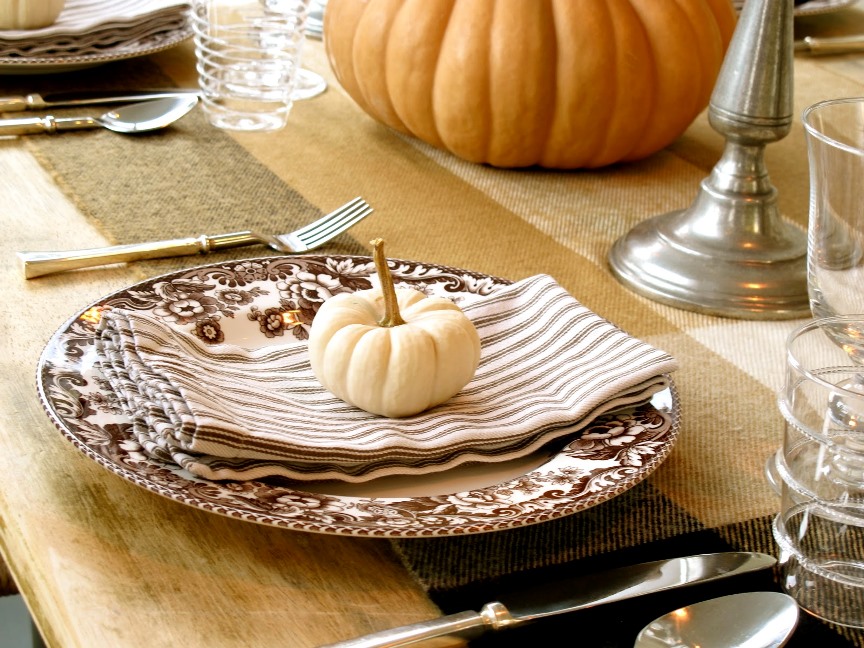
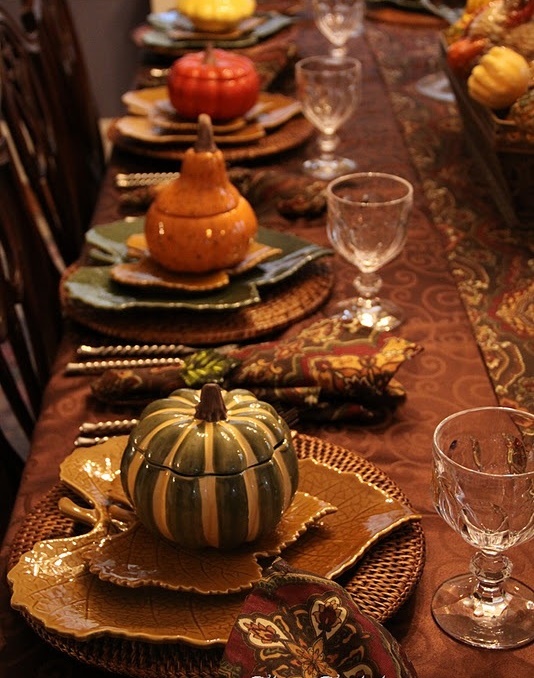
Create a pleasing fall mood at the table by seasonal table settings
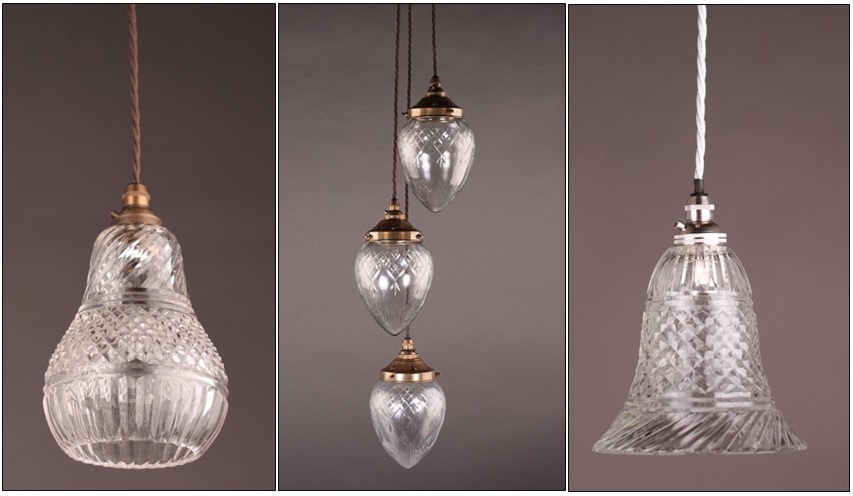
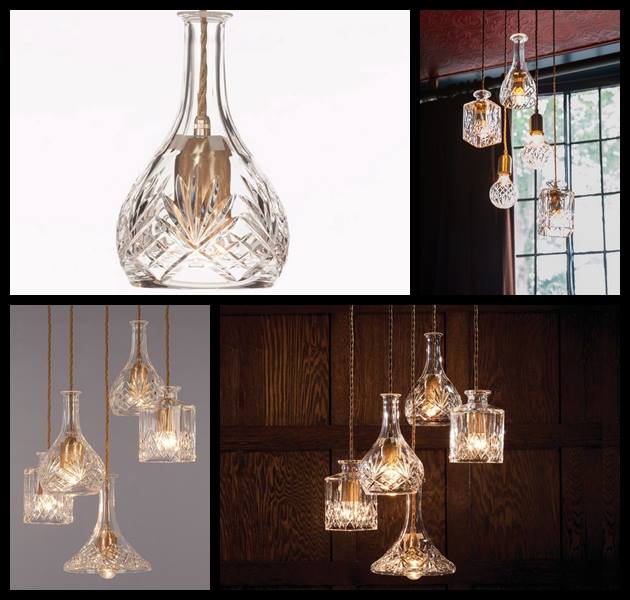
Wonderful cut glass pendants are perfectly fit into classic interiors
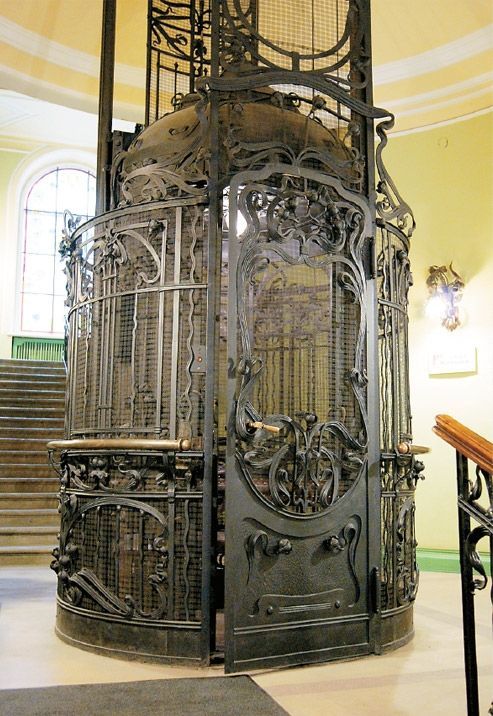
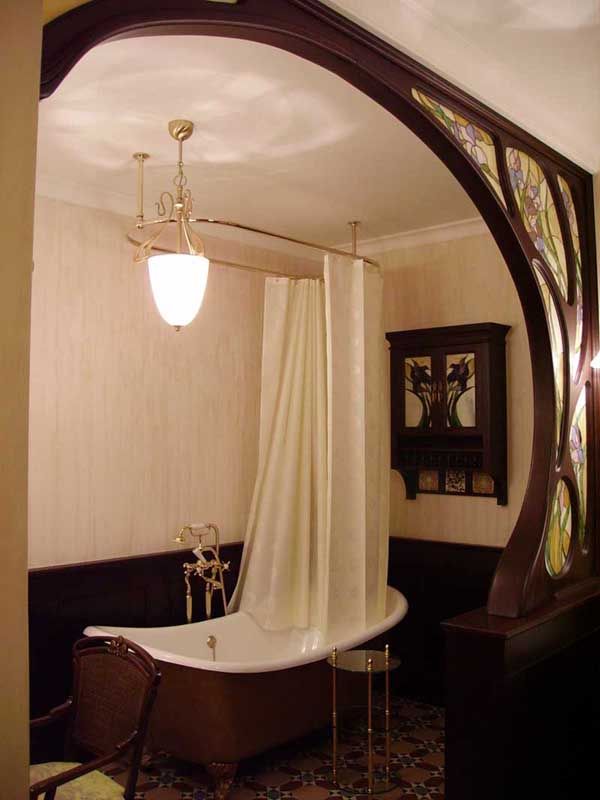
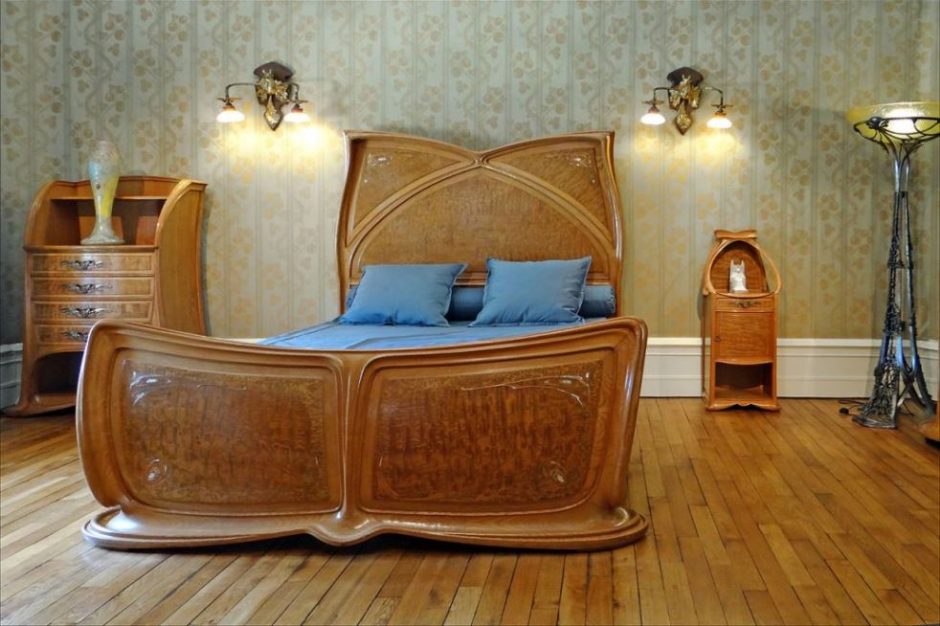
Art Nouveau was the art trend of the turn of 19th-20th centuries. Its name was Tiffany Style in the USA, Stile Floreale in Italy, Jugendstil in Germany, Modernismo in Spain, first Modern Style then also Art Nouveau in England. It was called Szecesszió in Hungary and Austria. Its main features are organic shapes, floral and animal motifs, asymmetry, multi-color and scrolling shapes. It used decorating elements in a big amount and had an effect on all fields of life, not only on arts. It brought the oncoming of content and form, namely form was created by starting from the function.
Applied arts worked closely with architecture and interior design. Glass art added to interior design with decorating doors and windows and making household objects (e.g. lamps, vases). L.C. Tiffany and R. Lalique are its outstanding representatives, for example. Textile makers designed and made upholstery fabrics and wallpapers (e.g. W. Morris). Zsolnay created eosin glazing in the field of ceramics. Ceramics were started to use not only indoors but for outer covering of houses also (e.g. Museum of Applied Arts in Budapest). In addition to jewelry, the goldsmiths also made furniture fittings and ornaments. Painters retreated off the noise of the town and founded colonies of artists and worked there (e.g. E. Munch, A. Mucha). Reinforced ferro-concrete appeared in architecture. Unique interiors came to the fore. Metal art appeared on public buildings also (e.g. subway exit of H. Guimard in Paris).
Some original pieces of furniture or accessories are available today also. For example, Tiffany lamps are still produced.
Ask for help of an interior designer for creating an Art Nouveau style home.
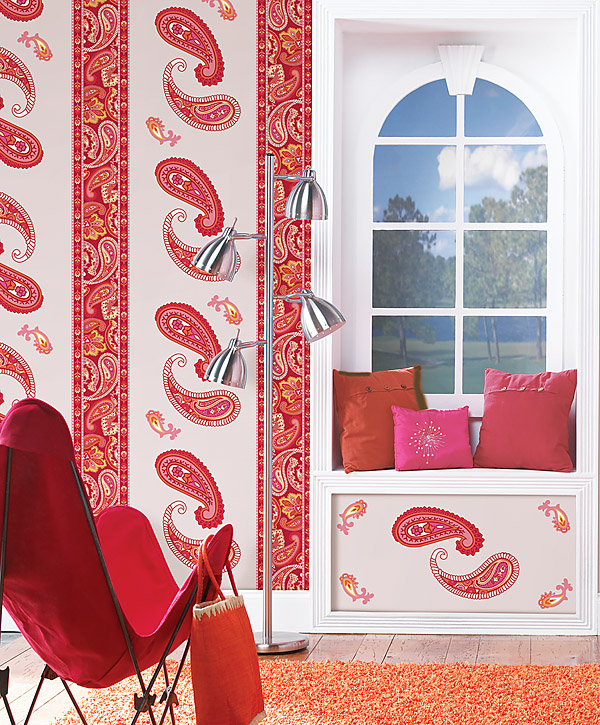
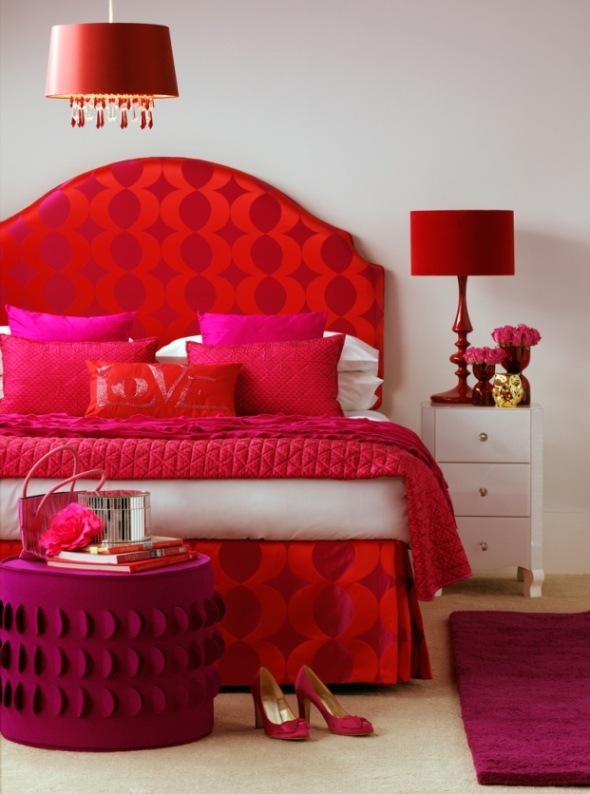
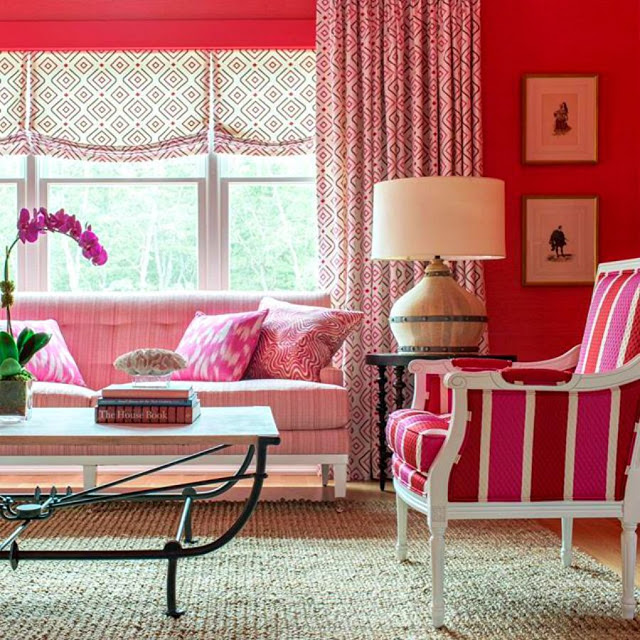
Color pairs: pink-red
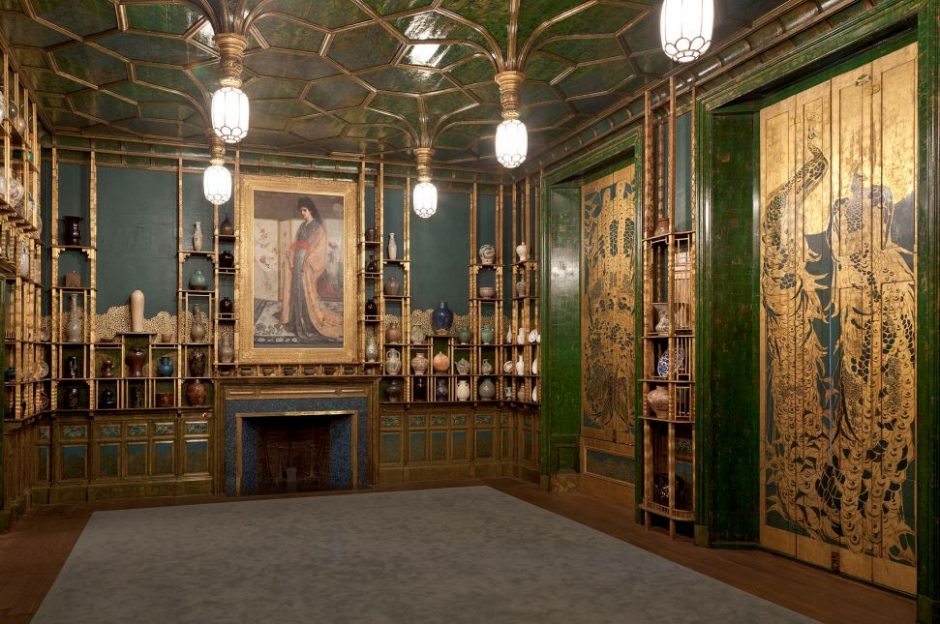
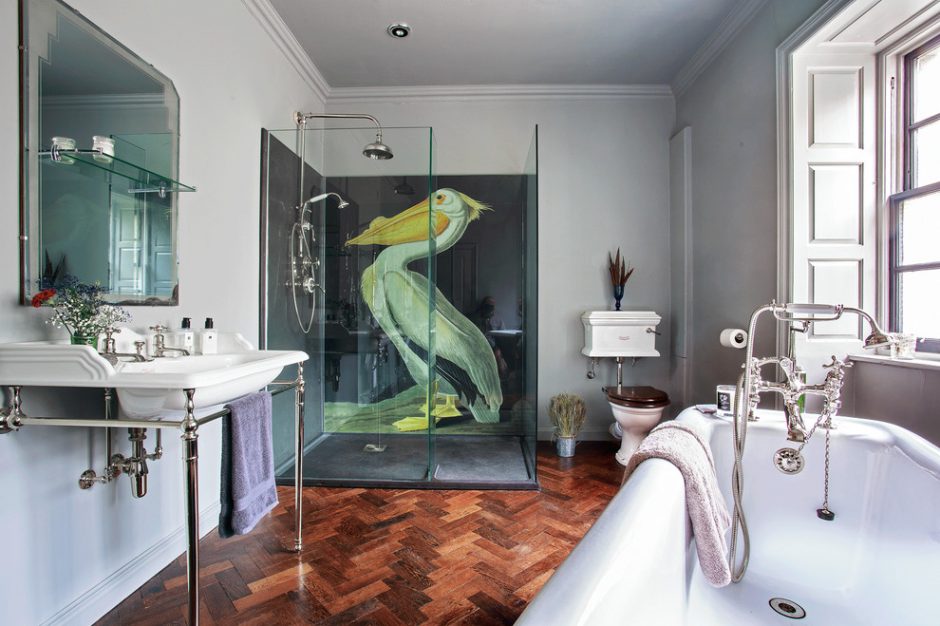
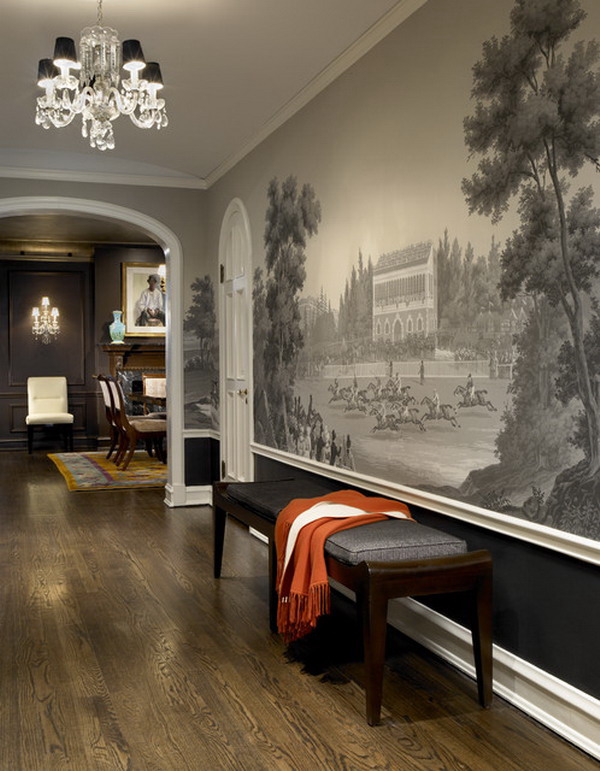
The fashionable custom-made poster wallpaper is looking good in a classic interior too, if the right picture is chosen for it
Autumn is here again and it’s time for autumn decoration of which pumpkin is the most frequent element. It can be purchased in various shapes, sizes and colors but its disadvantage is getting rotten after a while, so it can’t be stored for the next year. However, pumpkin shaped decoration can be made DIY by using creatively the materials around, this way creating durable and eco-friendly decoration.
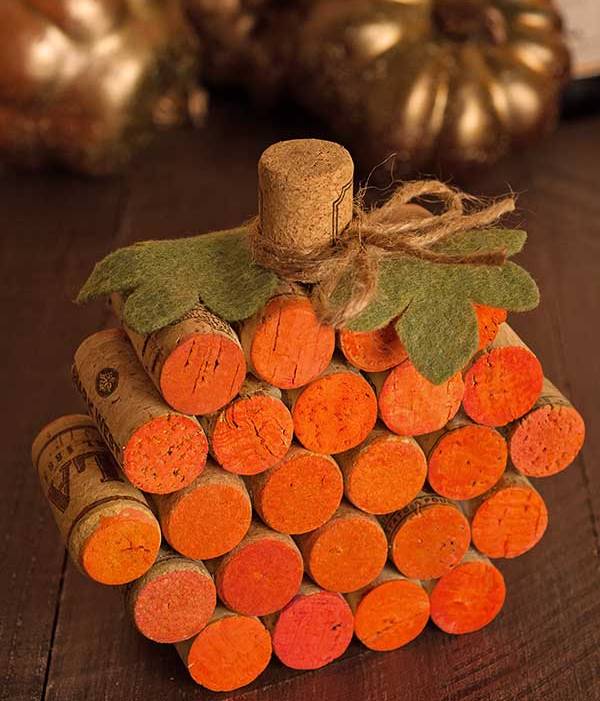
Let’s collect the corks of vine bottles. Choose the pieces in the same size and paint them in orange (maybe in other color if it fits better for the interior). Glue them to each other by their long sides as giving round shape front wise. Let’s start with a row of three, then put four on top of it, five on that row, and so on and so on, at last decrease the number of the corks in one row again for getting the round shape. Glue a stem made of branch and string on the top.
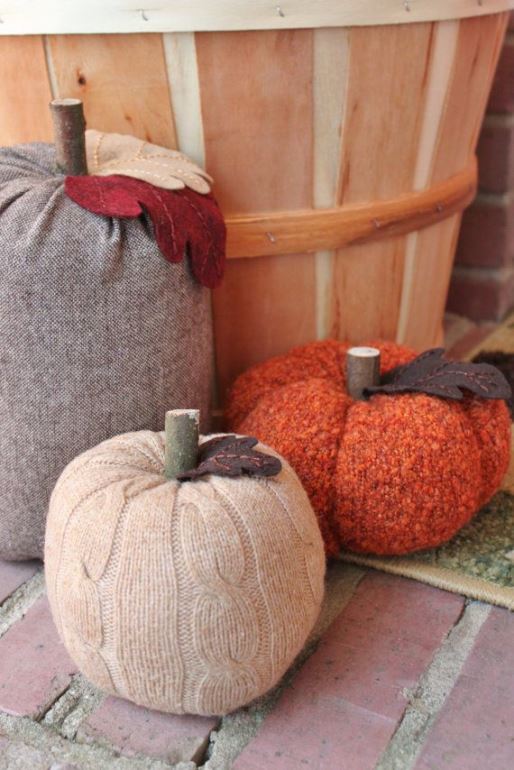
Old knitted pullovers in proper colors can be saved from throwing out. Turn it over, cut off the sleeves, sew the holes and the bottom of it. Turn it over again and fill it through the neck hole with wad or spared fabrics for getting a round shape. Sew it tight at the end and stick a fabric covered branch in it as a stem. If leaves are made also, the seam on the top can be covered more easily.
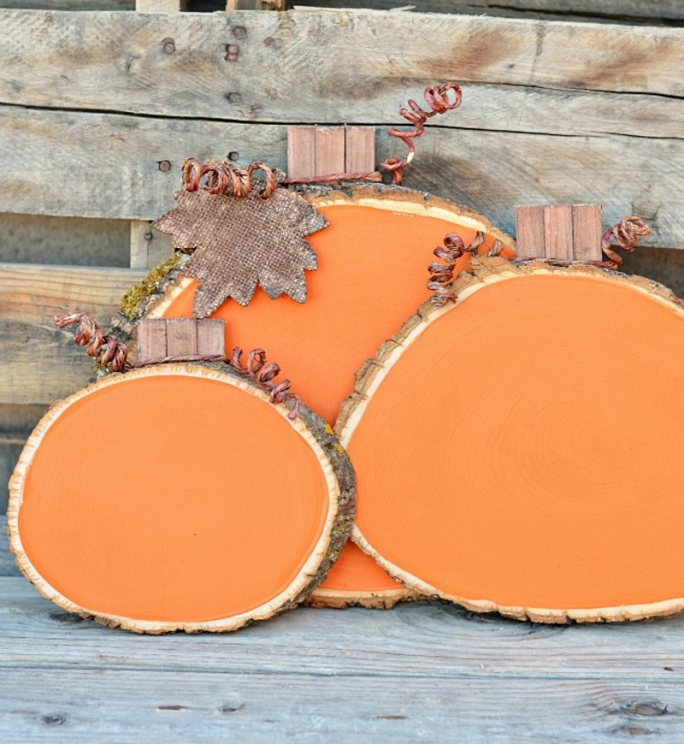
Have a bigger log cut into 2-3 cm thick slices. Paint the cut surfaces in orange. Fix a branch and cirri made of wire on the top of each pieces. Leaning to the wall, it will be a showy pile of pumpkins.
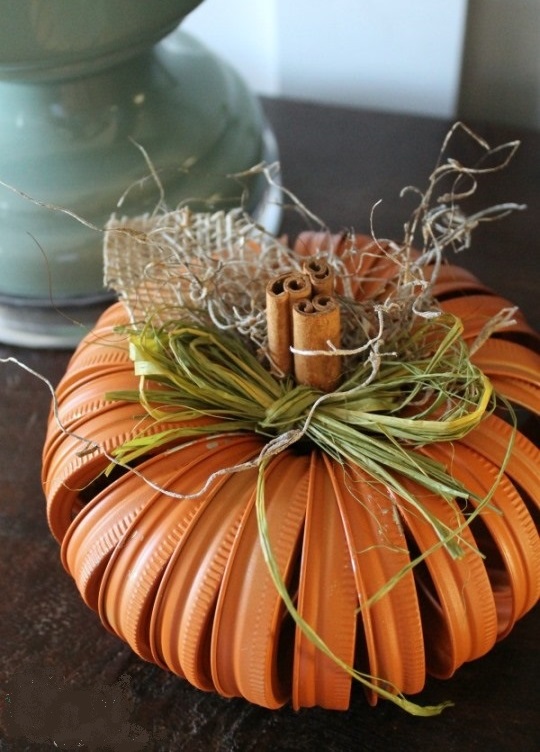
Lids of jars should be holed on their brims in two places, 2 cm from each other. Paint them in the desired color. String them on a thin wire for being them around and twine the ends of the wire. Glue a branch (cinnamon twig is good also), raffia and dried leaves on the top.
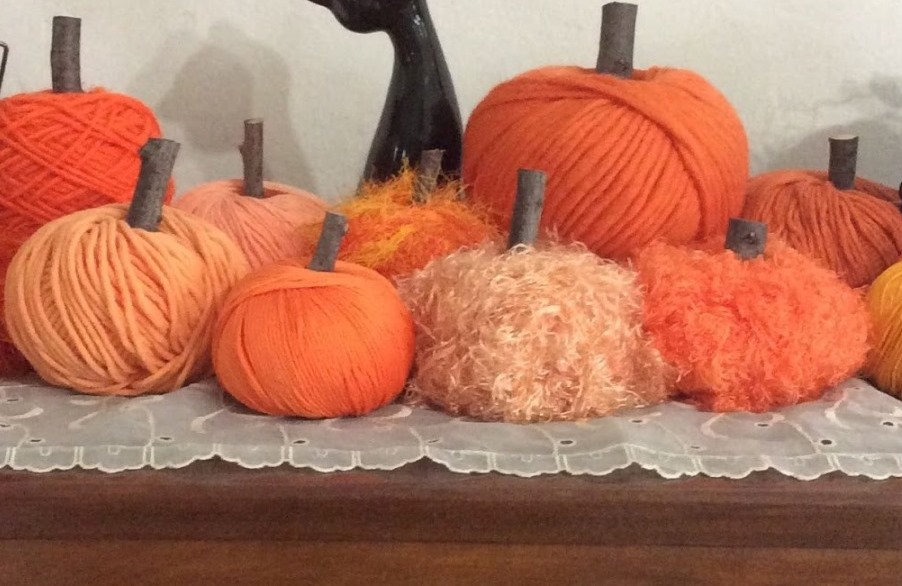
The simplest way of making faux pumpkins is buying orange yarn balls in a haberdashery shop in several hues and types. Only a stem and faux-leaves have to be tucked in it and the faux-pumpkin is ready.
Ask for help of an interior designer for further creative decoration ideas.
Methodize our mobile gadgets and their cords