Ancient Egyptian seats


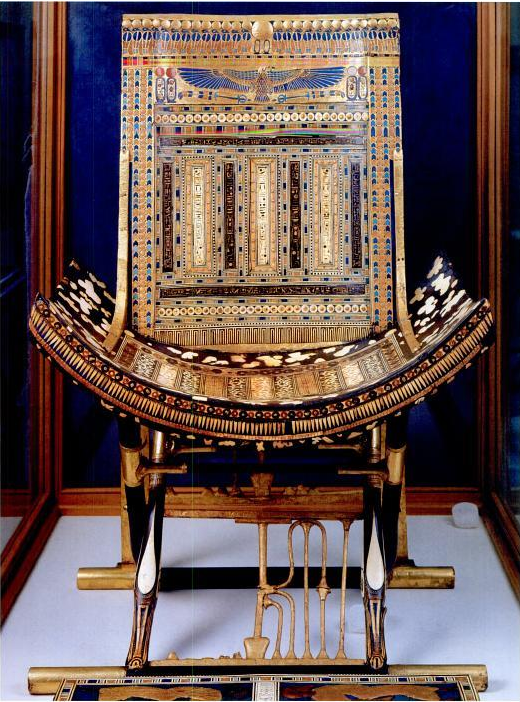

Ancient Egyptian seats
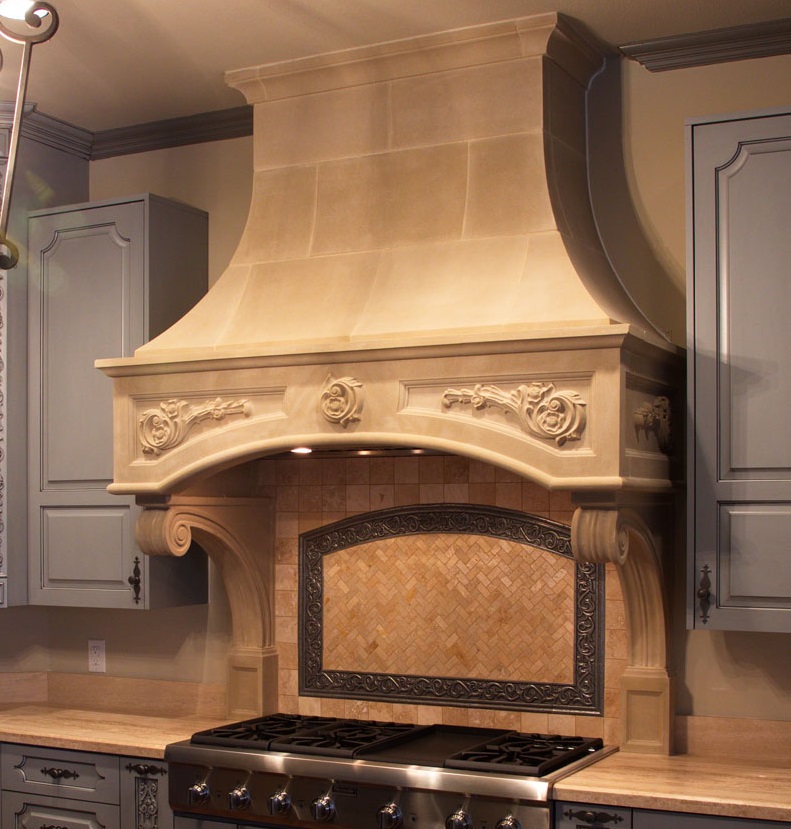
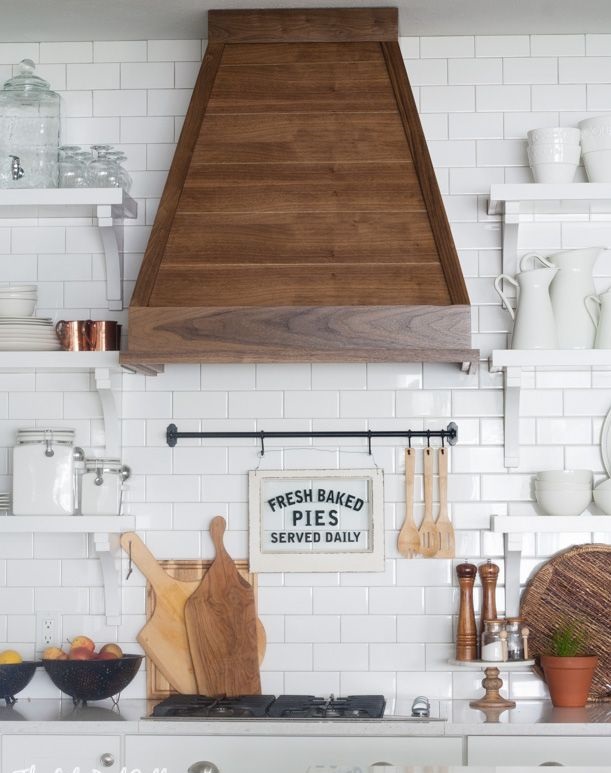
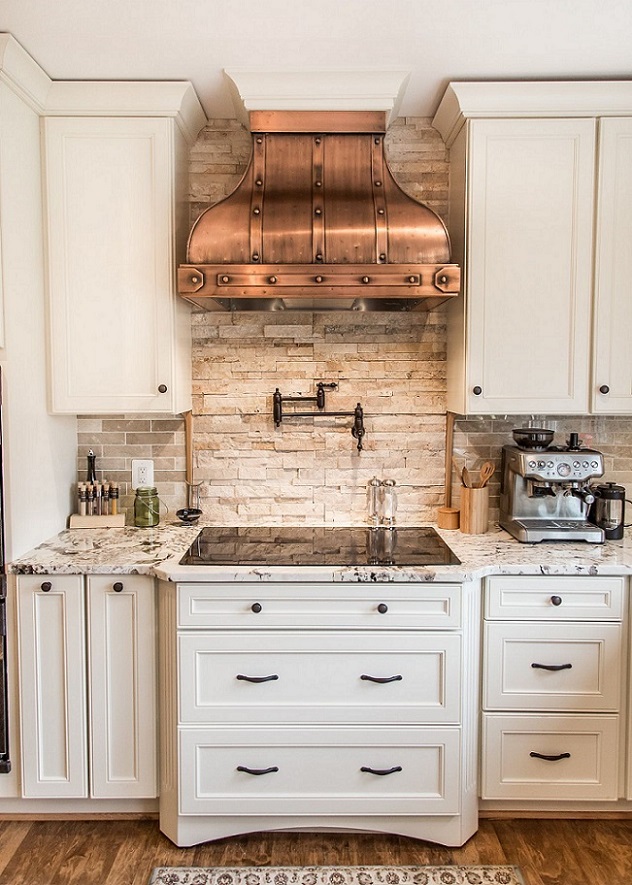
What should be the exhaust hood’s cover made of: copper, wood, stone?
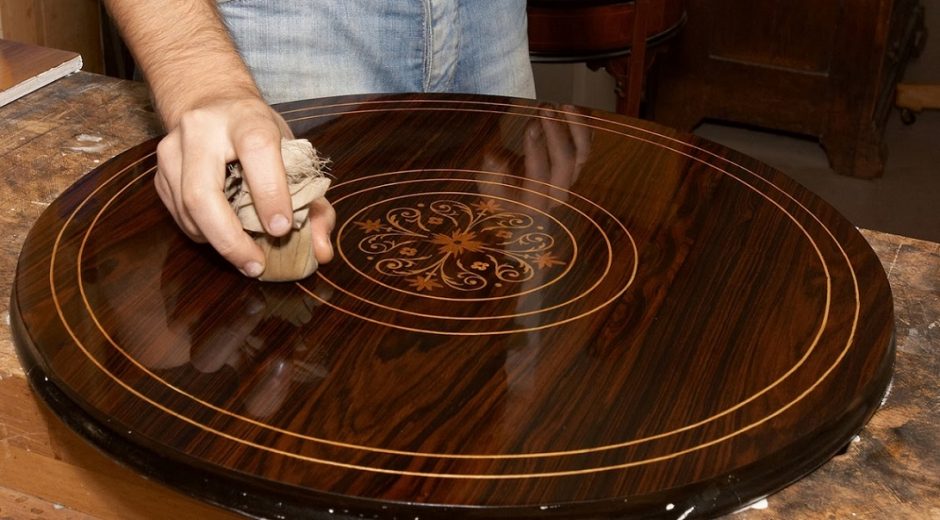
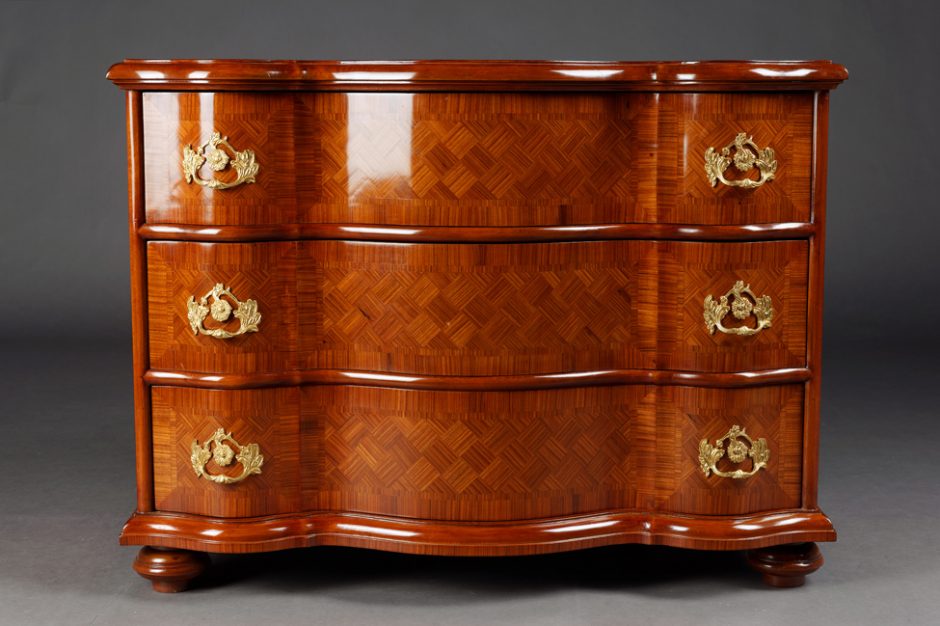
Varnished surfaces are common on antique furniture. This is a high-gloss and hard coating which is transparent enough to show the nervure of the wood. It was applied from the end of the 17th century to the 1920-30s, until the appearance of artificial lacquers.
Shellac is an animal-origin resin, the phlegm of the lice called Laccifer lacca, living on trees. Varnish is the alcoholic solution of this. Its color range is from yellow to brown.
The surface of the furniture has to be prepared properly for varnishing. The wood is grinded in several steps with more and more fine grinding paper. The surface is burnished for reaching the desired color then the next step is immersing with vegetable oil. The latter highlights the nervure of the wood. The pores of the wood are sealed during priming. A completely flat surface is created by using pumice-dust and 7% varnish. The first polish is done after drying with a so-called varnish ball and 7% varnish. The second polish is done after grinding, with 5% varnish. The final polish is done with 2% varnish and polishing ball (e.g. linen, industrial cotton wool, raw wool). The polishing is actually the removal of the oil from the layers. This gives the final shine of the furniture.
Varnish is a very durable and noble but expensive and sensitive surface. The direct sunshine and heat (for example near the radiator) can harm it. It needs proper care: only alcohol and solvent free detergent can be used and avoid wax and silicone-containing products. It mustn’t be cleaned with wet rag. Remove dust it with a soft cloth. Repairing of the injured varnish is a time-consuming task, leave it to a professional.
Ask for help of an interior designer for placing your antique furniture properly, even in modern surroundings.
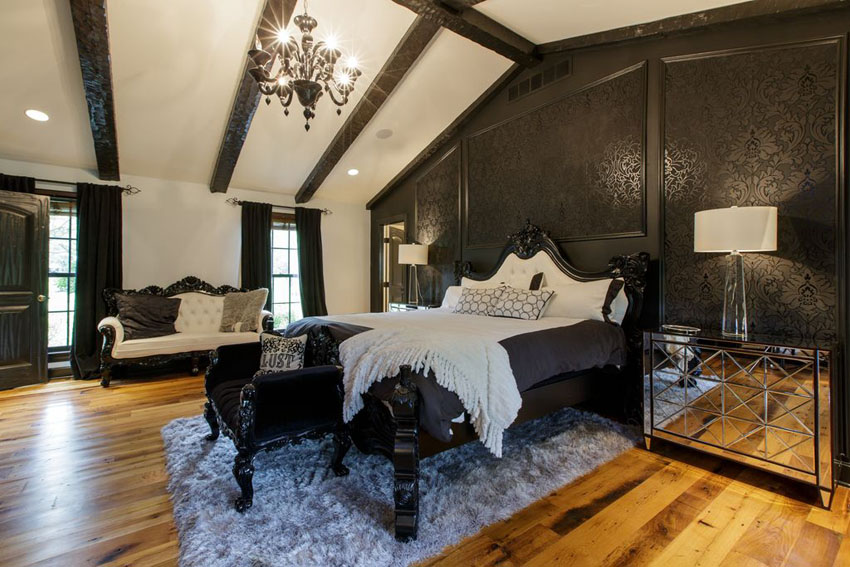
Some black for Black Friday
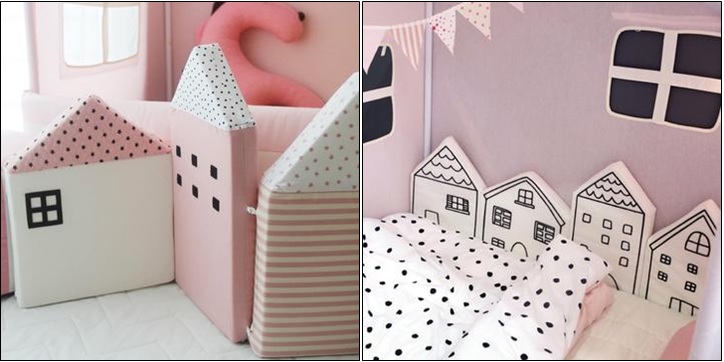
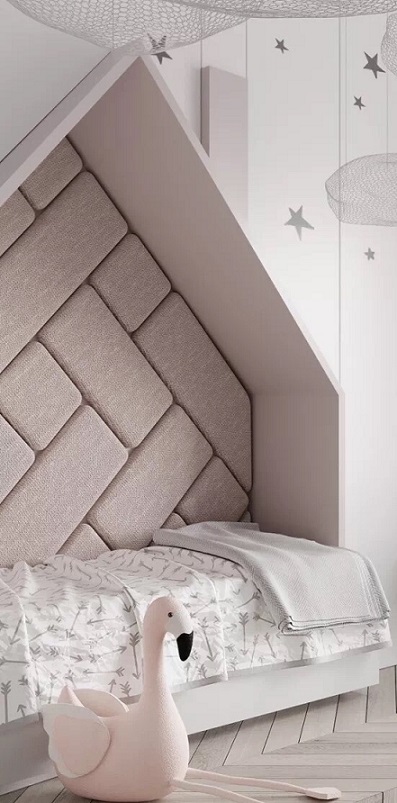
Put padded wall protector near kids bed against cold and for keeping the wall clean
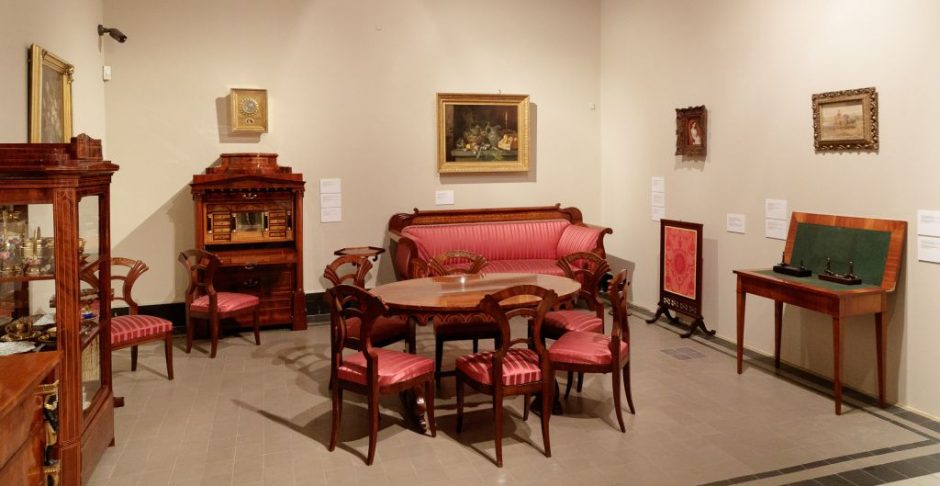
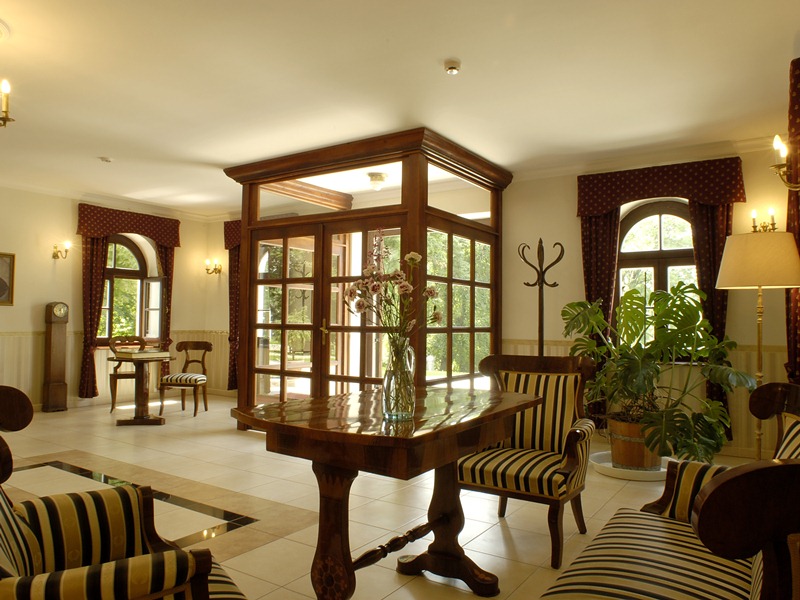
Biedermeier style was popular in Middle-Europe between 1815 and 1850, first of all in Germany and in the Monarchy. The meaning of the word is a bit pejorative, the „good Mr. Meier”. It was typical in bourgeois interiors.
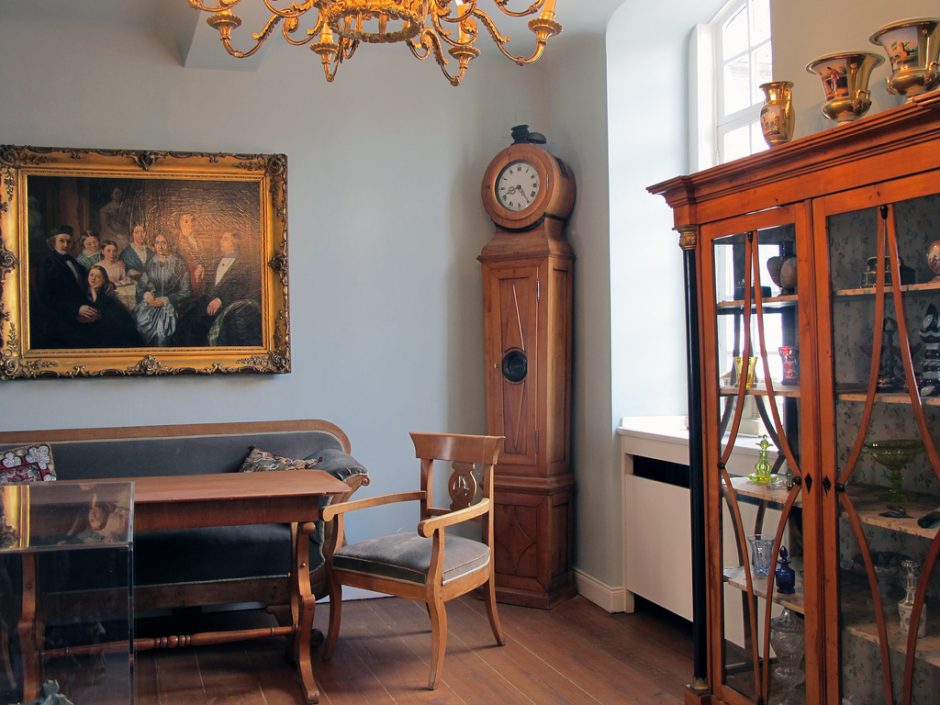
Main points of view were saving, expediency and comfort in furnishing a biedermeier interior. Homes were light, wide and bright, the walls were painted commonly white or covered by floral/striped wallpapers. Clean room was its attribute which was separated from common life, it served the representation – also for sparing. One of the main furniture could be found here was the display cabinet. It could have one or two-doors. It wasn’t the invention of that time but was very popular then. Family heritage and valuable decoration objects were kept in it.
Carpentry had a boom. Lines of furniture became simpler compared to styles before, less, but more accented decoration elements were used. Curves have appeared instead of straight lines. The legs of chairs commonly had a rectangular intersection, their backs were inwrought. The seat was padded with horsehair. Upholstery was striped or floral which was matched with fabrics of curtains and draperies. Combined furniture, that had more functions, was also popular. For example: chair convertible to library ladder, turnover/wind-wing table, hidden drawers. Only the outer (visible) sides of furniture were veneered, the inner part remained the base-wood, commonly pine. The material of the veneer was a lighter wood: cherry, maple, pear, ash etc. Settee was present in various types as the synonym of comfort.
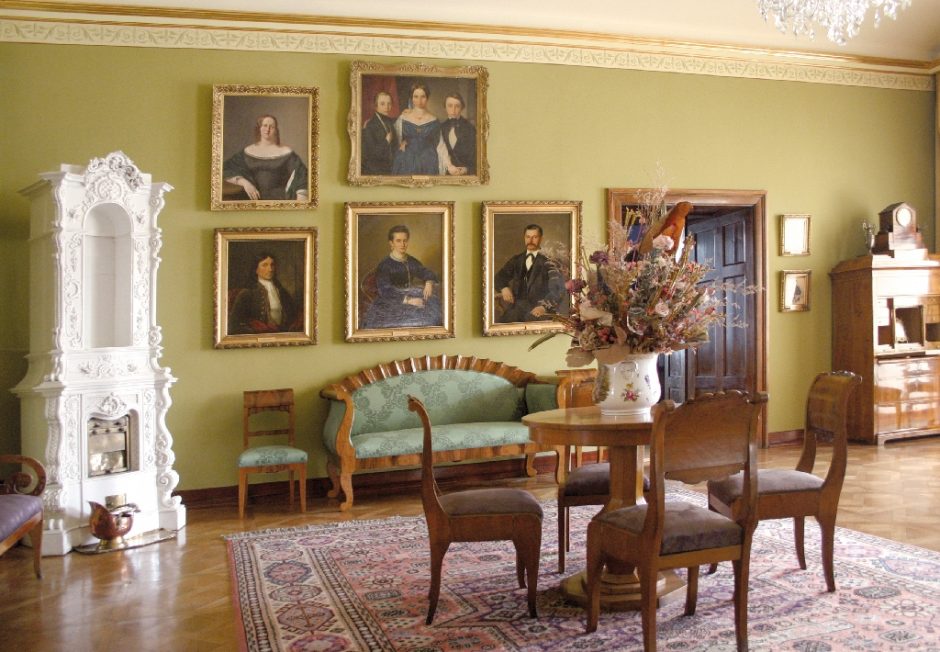
Many original furniture has remained from this era. Most of the inherited furniture are biedermeier. It’s hard to place them for many people in today’s (modern) interior because of not only their design but their color also, although they still look good. Ask for help of an interior designer for worthy safekeeping of your heritage.
It’s not easy to find the perfect handle for our classic door…
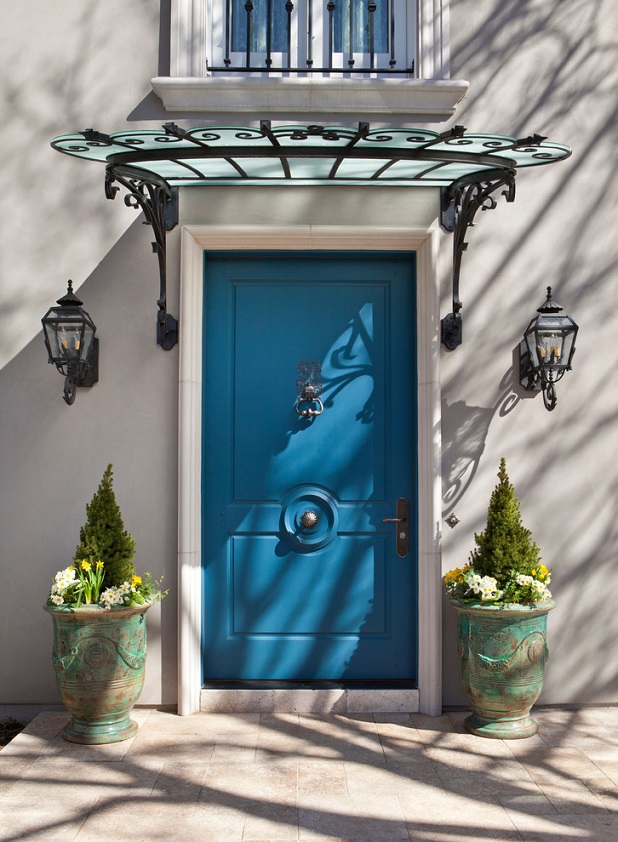
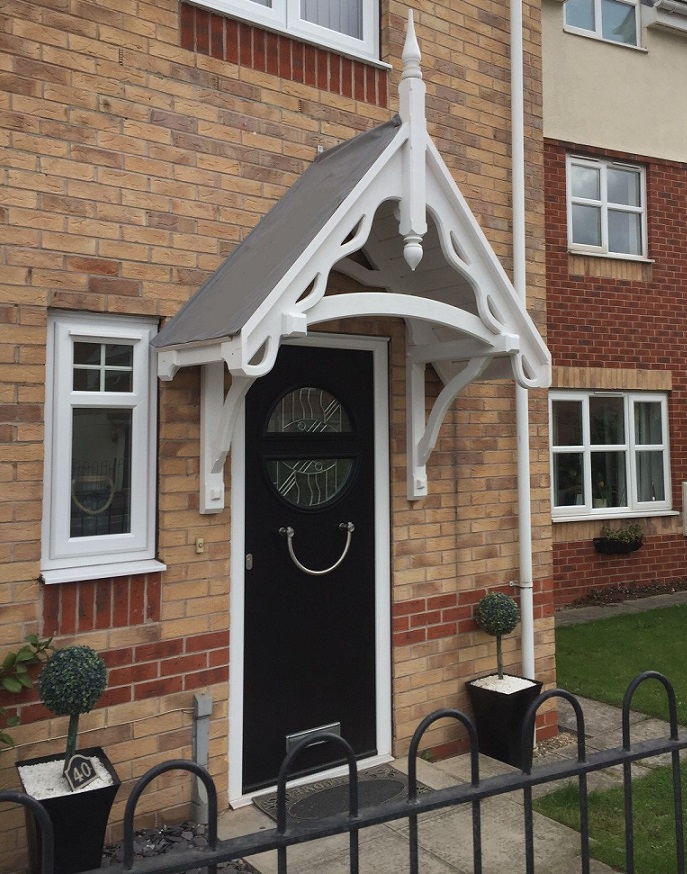
Decorative front door canopies against rain while open-close the door
Berried branches are integral part of the autumn-winter decoration. Bright colors of crops look very good among dark green foliage and brown branches. Let’s get familiar with the most common ones.
Holly berry (Ilex aquifolium): evergreen shrub. Leaves are shiny, dark green, wavy edged and spiky. Berries are bold red, which are poisonous for humans.
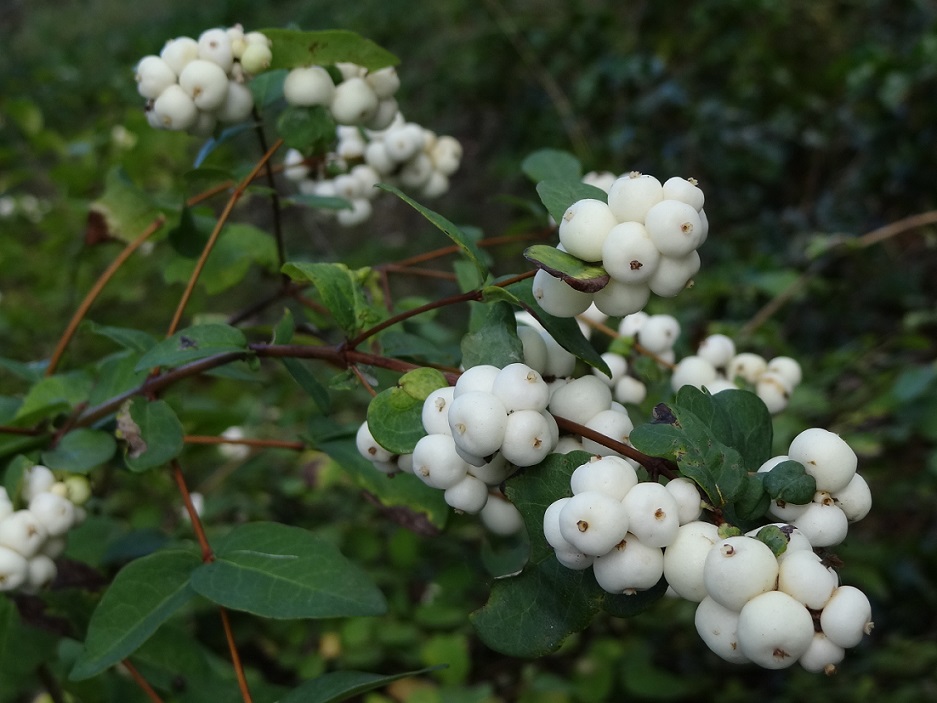
Snowberry (Symphoricarpos albus): deciduous bush. Leaves are oval, in different sizes. Its crops are in clusters. There are two seeds in every soft, white berry.
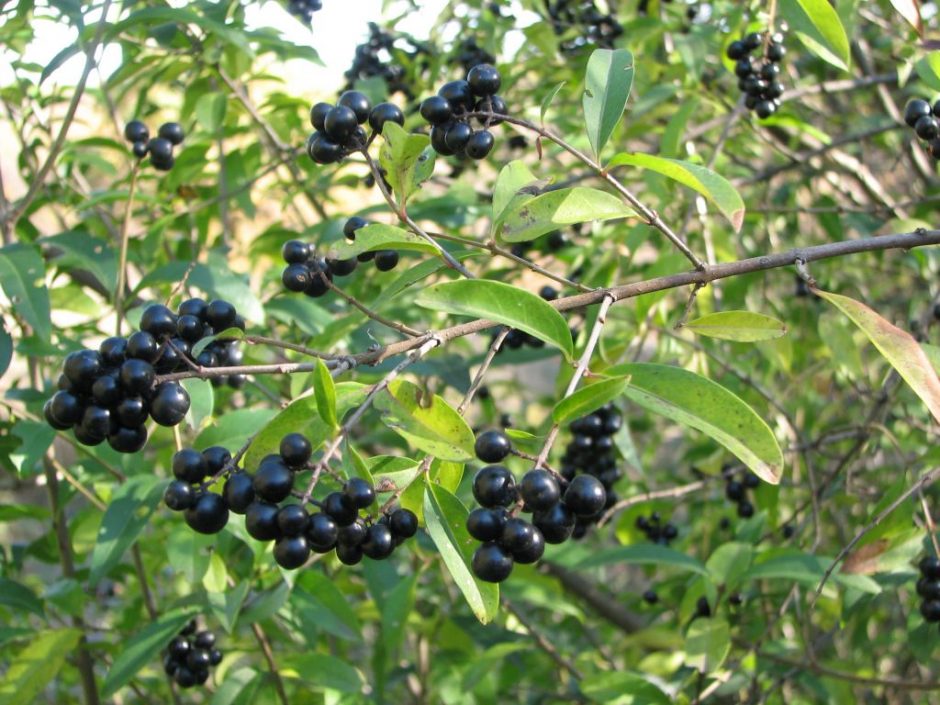
Privet (Ligustrum vulgare): this shrub decorates with its leaves. Longish leaves fall only in the middle of winter. Crops are shiny bluish black, they grow in clusters.
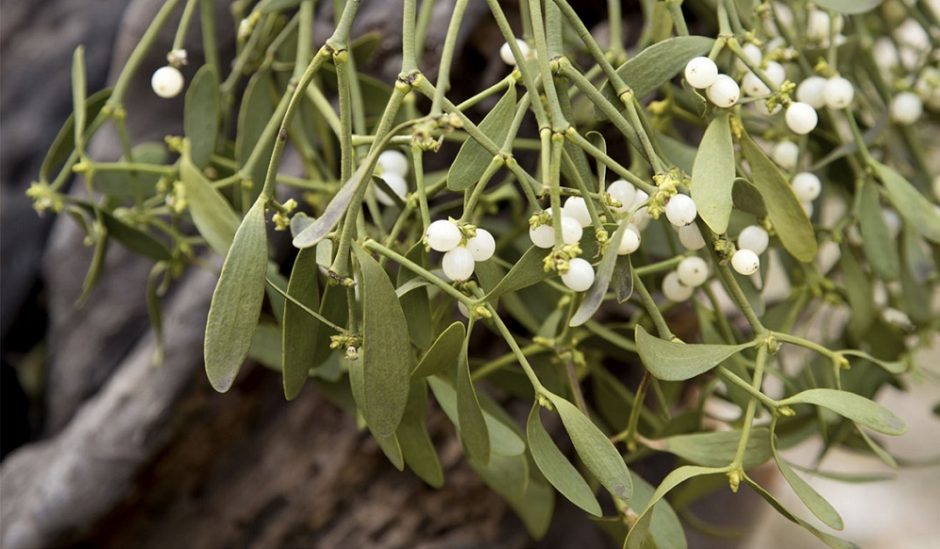
Mistletoe (Viscum album): half parasite evergreen living on trees. Leaves are greenish yellow, oval. White crops are fake-berries which are softly opaque and sticky.
Scarlet firethorn (Pyracantha coccinea): spiny evergreen shrub. Leaves are shiny, lanced, edges are intact. Crops are red (there are variations with orange and yellow berries) and grow in big bunches.
We can use several other berried brunches for decorating (Bodinier’s beautyberry, yew, rose-hips etc.). These get dry soon thanks to the warm air of rooms but still keep their color.
Ask for help of an interior designer for the season decoration of your home.
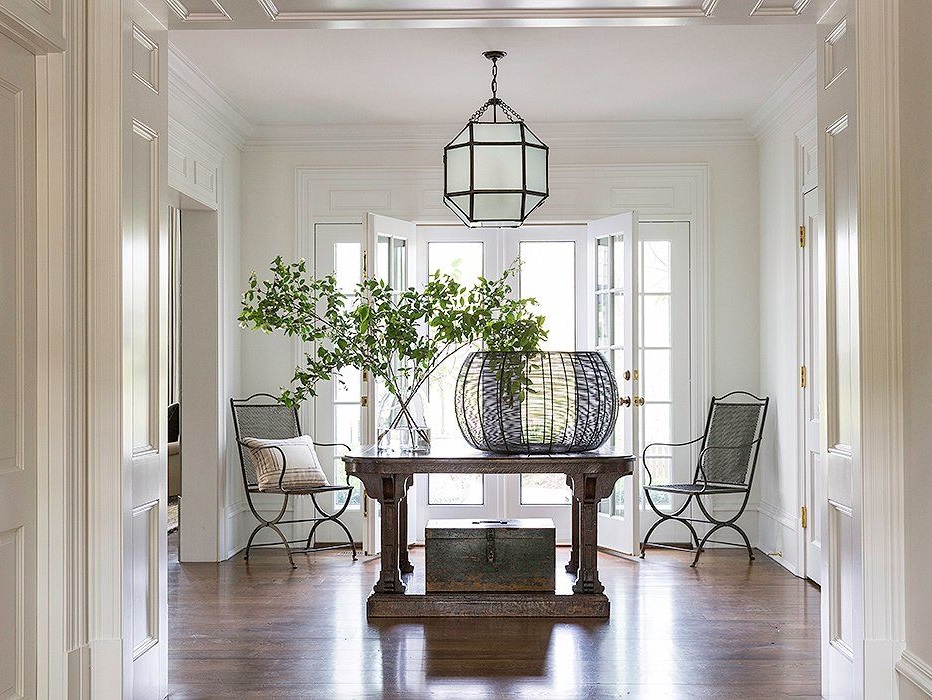
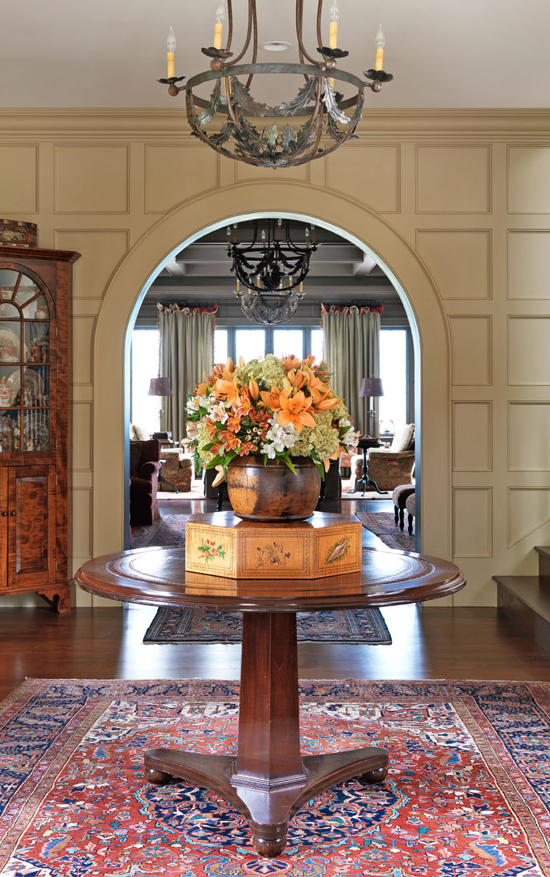
Furnish a big hall can be a problem too. The space can be beautifully filled with a center table and a decorative chandelier.